Best Winter Socks for Men That Actually Keep Feet Warm
I didn’t care about my winter socks as much as I care about my winter coats or boots.
I’d wear socks till there’s a hole in them.
But I do care about my winter socks now.
There was snow last week. It fell all night, and by morning everything was white. The branches outside the window. The rooftop tiles across the street.
It was the first snow, and I was excited. For the snow. And also because I could finally wear my long puffer jacket, beanie, and scarf. But wearing thicker socks really didn’t cross my mind. Till my toes went numb while waiting for the bus.
But that wasn’t the worst part. You know.
The worst part was the painful tingle as my frozen toes began to thaw when I got to the office.
You know the feeling, right? Like being stung by bees?
Cold feet don’t just ruin winter walks or ski trips. They ruin everything. Your whole day, really.
That’s why you need winter socks that can actually handle the cold.
There are two things you need to know about winter socks.
First, not all thicker socks work for winter. There are materials, breathability, moisture-wicking ability, and a lot more to take into consideration.
Second, you can’t just grab a pair of winter socks and wear them for every occasion. Because there are different types of winter socks. Like winter hiking socks, winter dress socks, and more. And for the best performance, you need to choose them based on the occasion.
That’s exactly why I’m writing this guide. To break down the best winter socks by real use cases, so you can choose the right one for your needs.
How I Picked These Winter Socks
Before we get into the list, let’s talk about what makes a winter sock actually good.
There are several factors that matter when choosing winter socks, and that’s what this list is based on.
1. Materials
Material matters more than thickness.
Merino wool, wool blends, alpaca, and high-performance synthetics perform best in winter. They’re warm, breathable, and wick away moisture.
And cotton socks are no good for winter. They hold moisture and make feet colder.
2. Fit and Thickness
Winter socks should be thicker. Yes. But thicker isn’t always better.
Choose based on the winter shoes you wear.
If you:
- Wear dress shoes or sneakers for most of the time, choose lightweight to midweight socks
- Wear hiking boots, then go with heavyweight socks
- Stand all day, then go with socks with maximum cushioning
3. Durability
The best winter socks have reinforced heels and toes. Cushioning underfoot (except for dress socks, which are better without it). And flat or seamless toe seams.
4. Breathability & Moisture Control
Some people think breathability only matters for summer socks. That’s not true.
My feet sweat year-round. Even in winter. So, this is huge for me.
If a sock doesn’t breathe properly or traps moisture, your feet get clammy. Then they get cold fast.
5. Price-to-Value Ratio
I’m not recommending the cheapest socks. But I’m also not telling you to drop $100 on cashmere unless it’s actually worth it.
Every sock here delivers real value for the price.
10 Best Winter Socks for Men
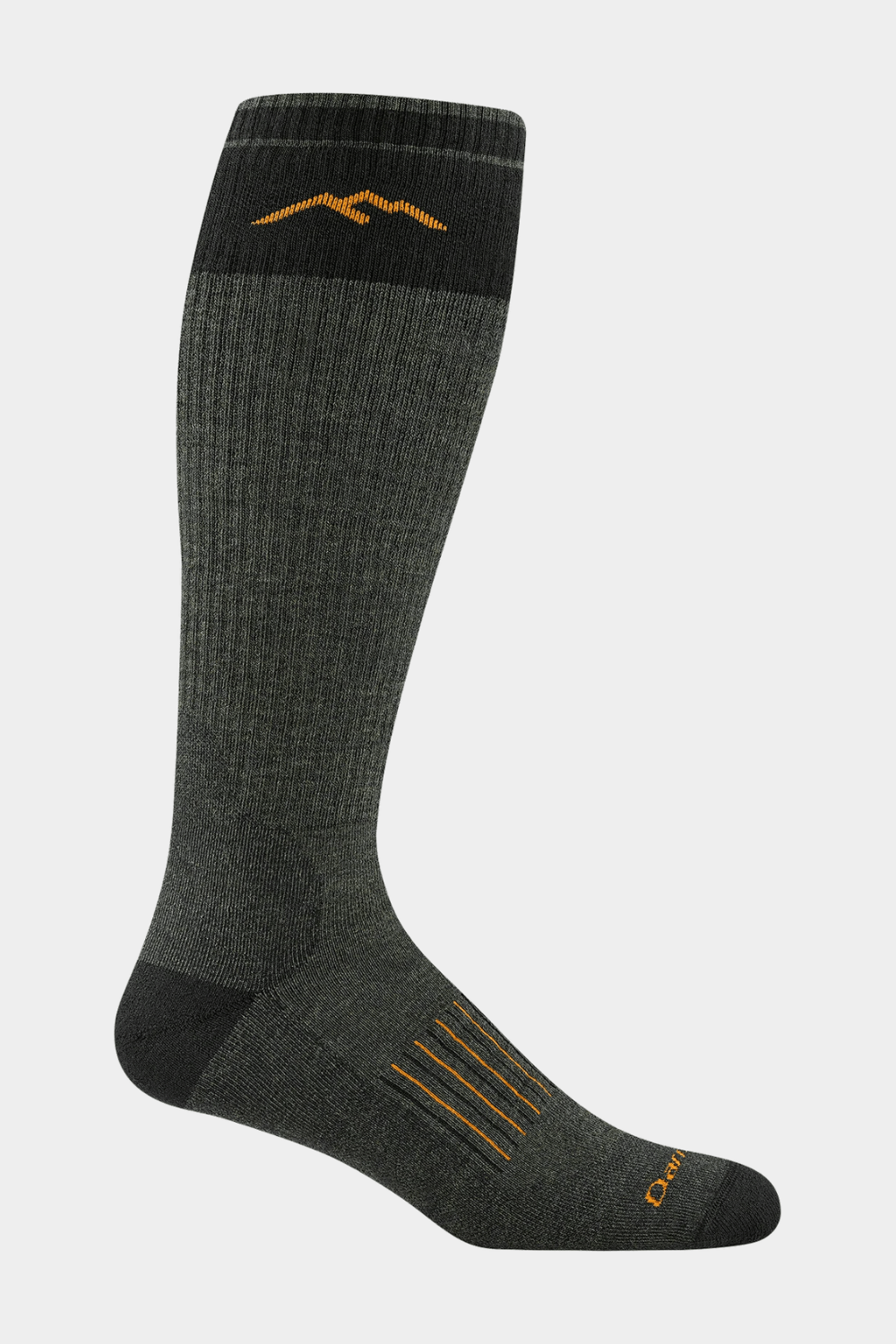
1. Best Overall Winter Sock — Darn Tough Over-the-Calf Heavyweight Hunting Sock
Material: 77% Merino Wool, 21% Nylon, 2% Lycra Spandex | Cushioning: Full Cushion
This is the sock that balances materials, performance, price, and everything else perfectly.
It’s made from 77% merino wool, 21% nylon, and 2% Lycra spandex. The merino offers warmth, breathability, and moisture-wicking, while the nylon and Lycra spandex add stretch and durability.
And it’s fully cushioned with extra-thick terry loops. There are no thin spots from your toes all the way up past your calf.
These socks also have cooling vents. Might sound weird for a winter sock. But it’s actually a necessary feature, you know? Because these are hunting socks. They’re built for keeping your feet warm when it’s brutally cold outside, so they’re extremely warm, and your feet can actually overheat and sweat, especially when you’re walking around, and the cooling vents help with that.
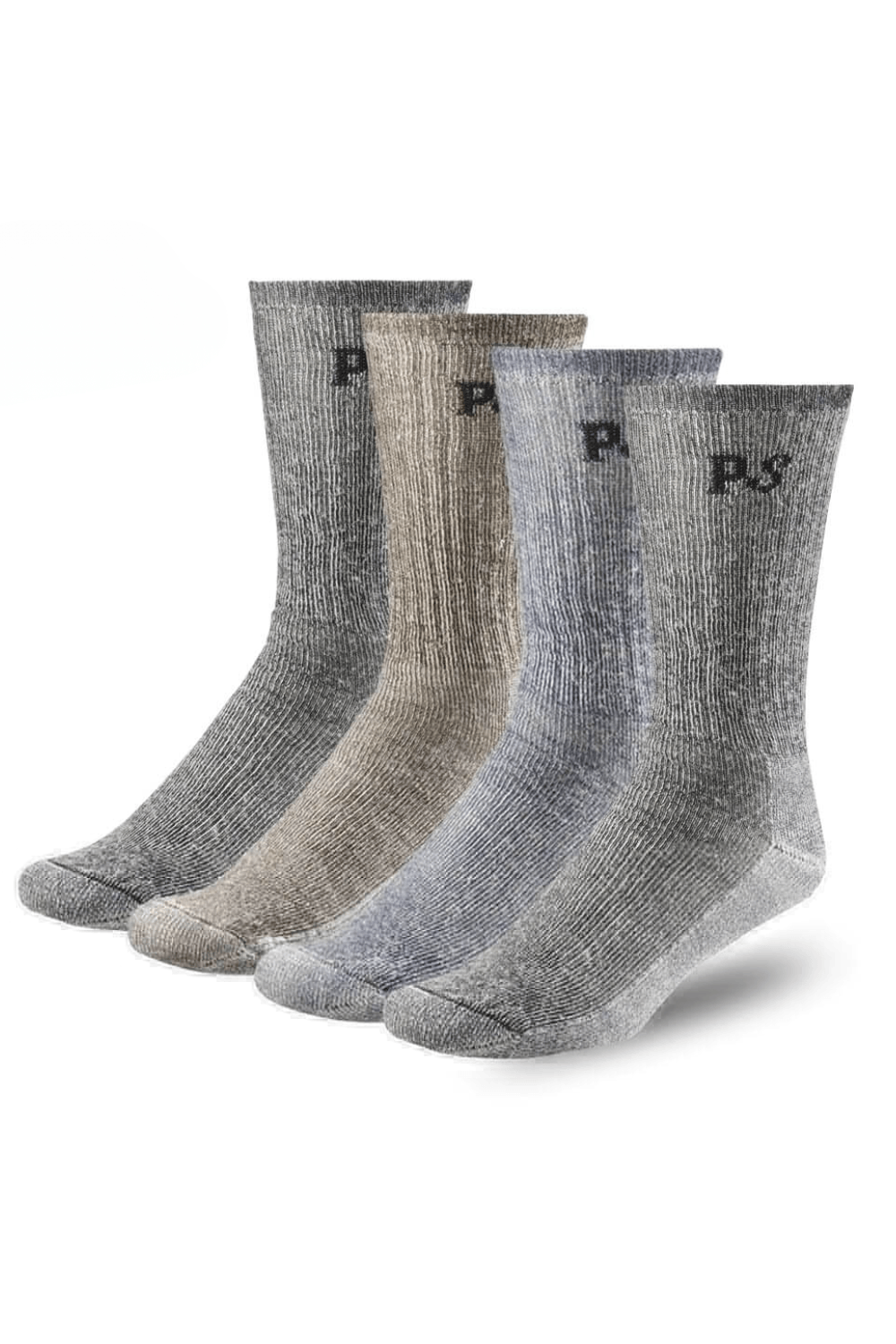
2. Best Budget Winter Sock — People Socks Below Zero Crew (4-Pack)
Material: 71% Merino Wool, 21% Nylon, 7% Polyester, 1% Spandex | Key Features: Built-in Arch Support and Reinforced Heels and Toes
People Socks Below Zero Crew packs come in four pairs of solid merino wool socks for about $9 each. Not the cheapest. But budget doesn’t mean cheap. It’s about value for the price. A reasonable cost with solid quality is what a true budget option looks like.
These socks are made with 71% merino wool, which is higher than most “budget” options.
They also have built-in arch support and reinforced heels and toes, features you usually see in more premium options. They matter when you walk a lot, and your legs start to wear out.
And because they’re medium-thick, they’re super versatile. They work with casual boots, work boots, and even sneakers (though they might fit slightly snug with sneakers).
Another thing that makes them the best budget socks is the 12-month warranty, which is rare at this price point. If your socks wear out during that period, just email them with photos of the damaged socks and your order number. They’ll send you a new pair.
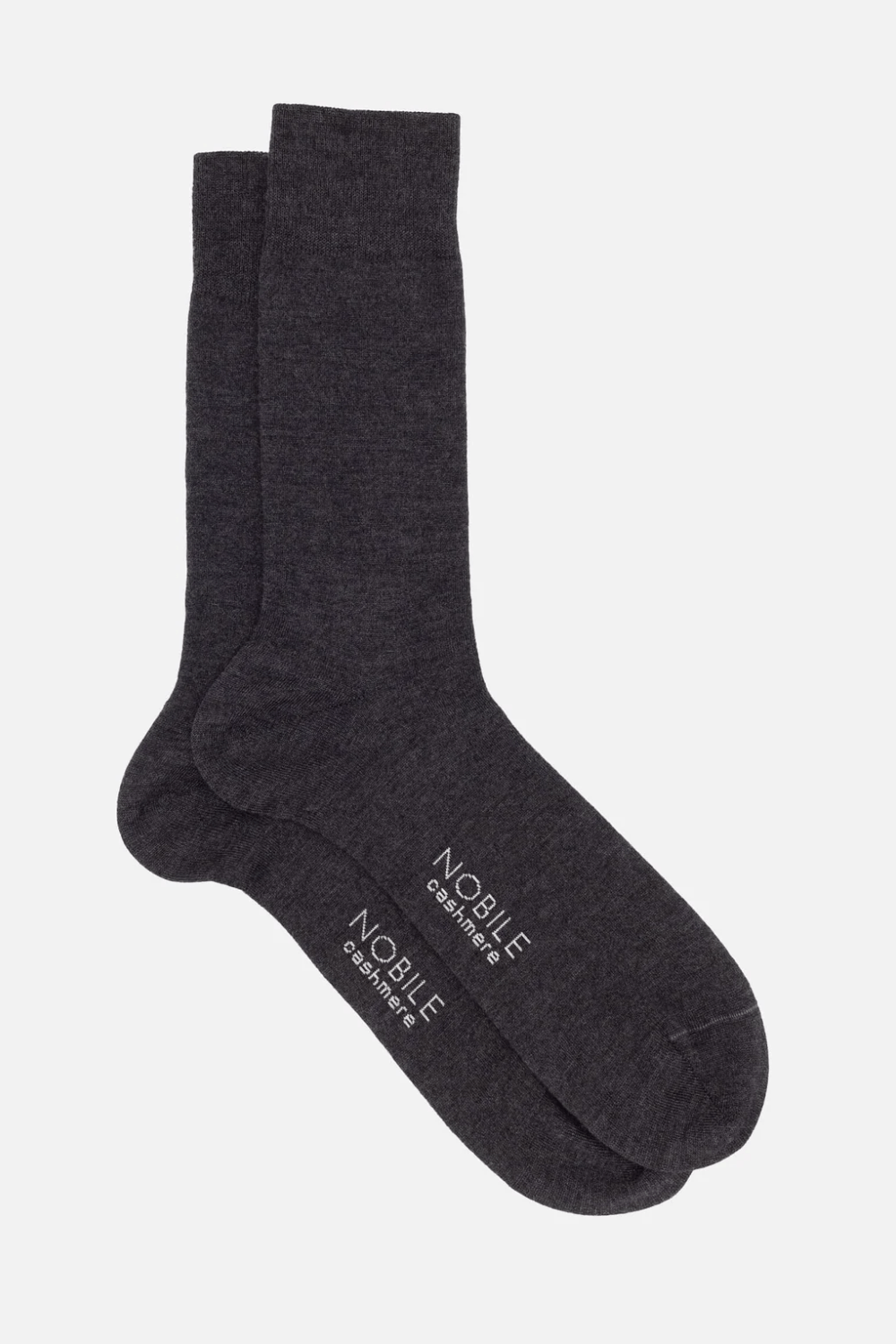
3. Best Premium Winter Sock — Nobile Hircus goat cashmere crew socks
Material: 95% Pure Cashmere from Hircus Laniger Goat, 3% Oeko-Tex Certified Nylon, 2% Lycra
Let me be clear first. This sock isn’t for everyone. $106 for a pair of socks is pretty insane on every level.
Unless you’re a sock nerd, need a pair of premium socks for a special occasion, or you’re building a winter sock collection and want a luxury pair to complete it, skip it.
So, why are these socks so pricey?
First of all, the material. It’s made from 95% cashmere from the Hircus Laniger goats (also known as cashmere goats). It’s a type of goat from the mountainous regions of Asia (like Mongolia, Tibet). The cashmere produced from these goats is finer, softer, and more durable than regular cashmere.
Also, the fiber regulates temperature naturally, so your feet stay comfortable all day without overheating.
But cashmere itself is quite delicate, so they’ve added nylon and Lycra to increase the stretch and durability.
Despite the premium materials, there’s something that makes these socks stand out.
All the natural (cashmere) and synthetic (nylon and Lycra) fibers are Oeko-Tex Class 1 certified. This means two things. First, the fibers meet strict sustainability and safety standards. Second, the socks are safe to wear against delicate skin, even for infants.
But here’s the trade-off: even with synthetic fibers added for durability, a sock that’s 95% cashmere is still quite delicate compared to synthetic options. So, you’ll want to hand-wash them in cold or lukewarm water. Nobile says you can also machine wash in cold water, but honestly, I wouldn’t throw a $106 pair of socks into a washing machine.
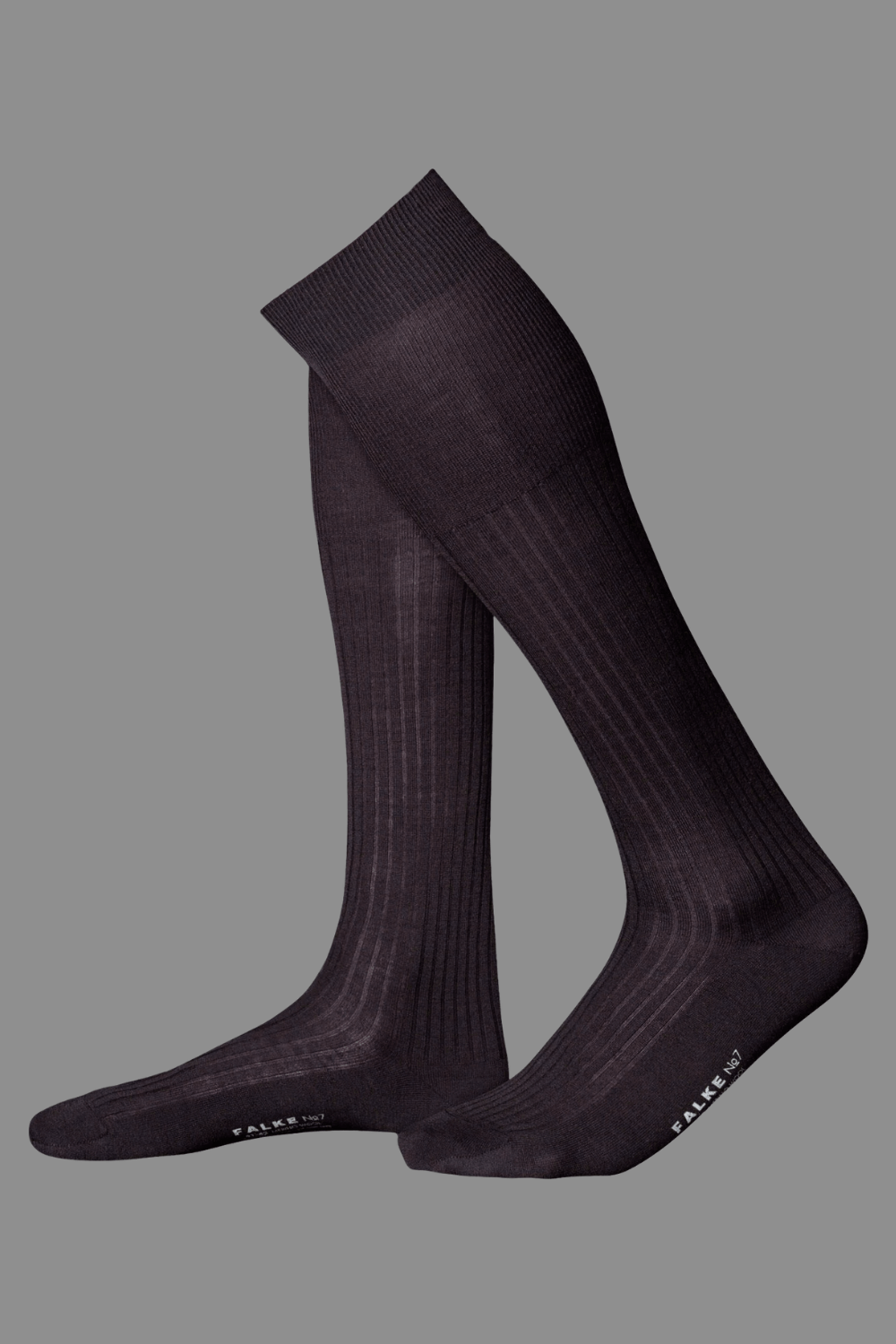
4. Best Winter Dress Sock — Falke No. 7 Finest Merino Knee-High Socks
Material: 75% Virgin Wool, 25% Polyamide | Cushioning: No Cushion
Finding warm dress socks is weirdly hard.
Most winter dress socks are either too thick for formal shoes or too thin to actually keep your feet warm.
Falke’s No. 7 Finest Merino solves this problem perfectly.
They’re made from 75% virgin Australian merino wool. That offers serious warmth and temperature regulation. The remaining 25% polyamide adds stretch and durability.
And, the ribbed structure gives them a clean, elegant look that works with oxfords, derbies, or loafers. And the knee-high means no skin showing, even when you sit down, and your pants ride up.
These socks have zero padding, which is exactly what you want for dress shoes. Cushioned socks create weird lumps and make dress shoes fit awkwardly.
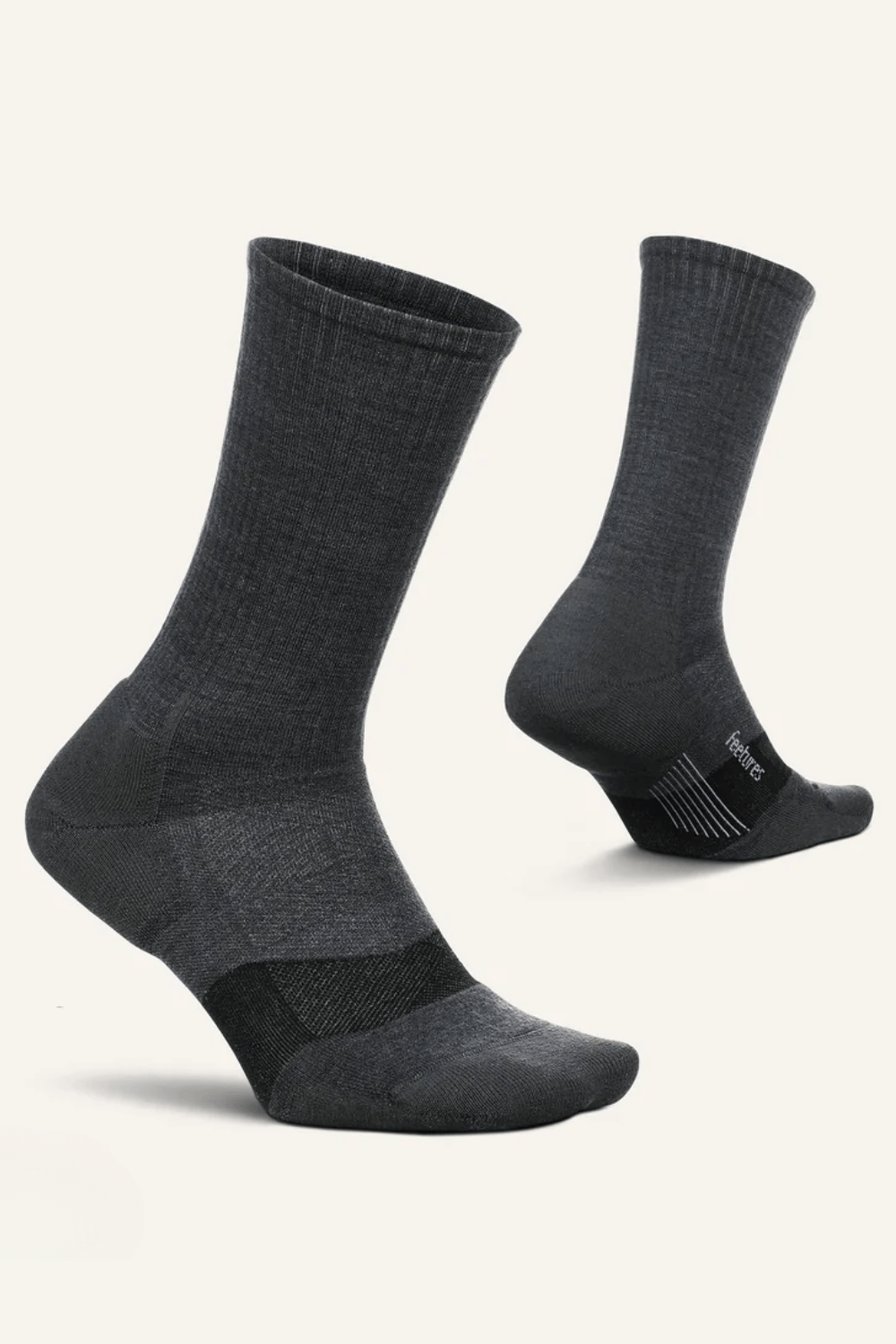
5. Best Winter Athletic Sock — Feetures Merino 10 Max Cushion Crew
Material: 44% Nylon, 27% Merino Wool, 26% TENCEL, 3% Spandex | Cushioning: Max Cushion
Athletic socks for winter need to do two things: stay warm and manage moisture like crazy.
Feetures Merino 10 Max Cushion nails both.
They’re specifically designed for winter activities like running, golfing, or other outdoor sports. Though they’re perfect for casual all-day wear, too.
The merino wool and TENCEL blend helps regulate temperature while you’re moving. When you’re running or playing sports, your feet heat up fast. These socks prevent overheating.
The synthetic fibers add stretch and durability, and they also wick away moisture so your socks don’t get wet.
These socks feature max cushioning, which protects your feet during high-impact activities.
Here are three features I love.
First, the anatomical fit. This feature enhances the fit to not only maximize comfort, but also keep your feet blister-free.
The second is the no-slip cuff. It ensures the socks stay in place no matter how hard you’re working.
The last great feature, and one that’s underrated, is the perfect toe feature. Beyond being annoying, bulky toe seams can cause blisters, and this feature keeps your feet blister-free.
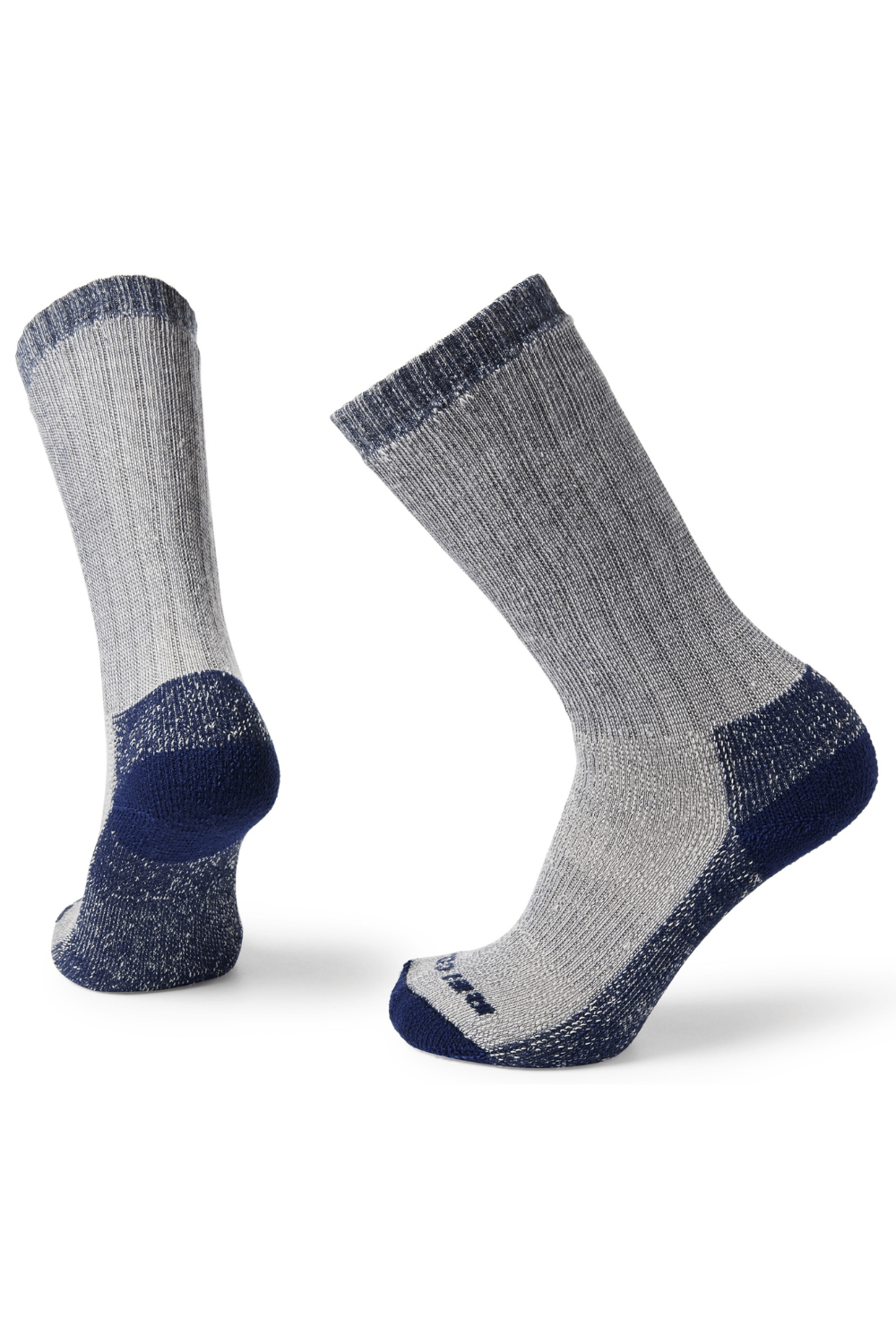
6. Best Winter Hiking Sock — REI Merino Wool Expedition Hiking Crew Socks
Material: 79% Merino Wool, 20% Nylon, 1% Lycra Spandex | Cushioning: Heavy Cushion
Winter hiking socks need to handle even more than winter athletic socks: cold trails, snow, sweat, and miles of friction.
REI’s Expedition Merino Hiking Crew delivers all of that at a shockingly good price.
The material blend offers warmth, softness, durability, temperature regulation, and moisture-wicking performance.
And heavy cushioning reduces fatigue and keeps your feet blister-free. The cushioning focuses on the heels, toes, and footbeds — the areas that take the most beating on the trail.
Also, the seamless toes eliminate the number-one cause of blisters on long hikes.
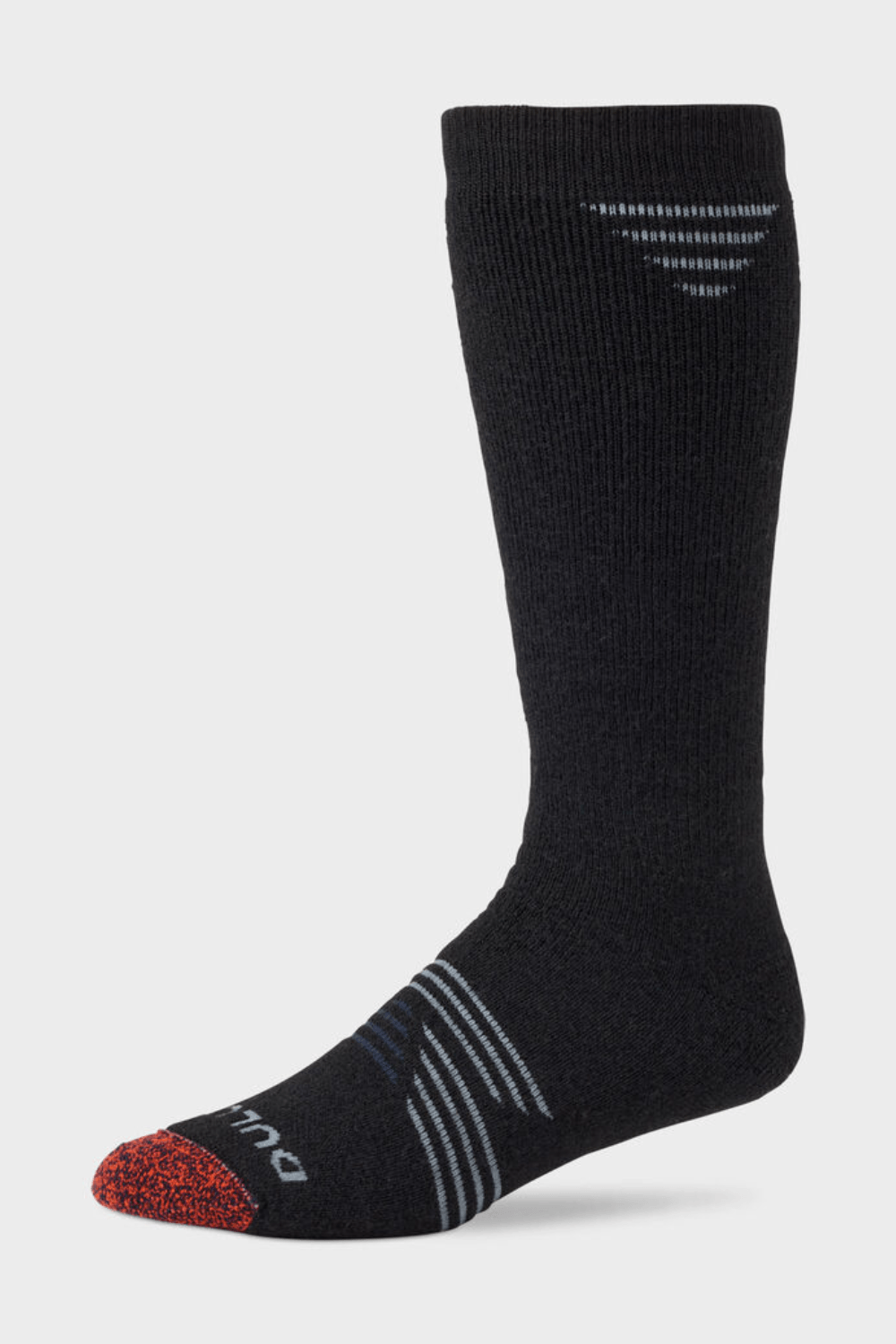
7. Best Winter Work Sock — Duluth 7-Year Heavyweight Merino Boot Sock
Material: Heavyweight 35% COOLMAX EcoMade Polyester, 25% Merino Wool, 23% Nylon, 9% NanoGlide nylon, 6% Polyester, 2% Spandex | Cushioning: Full Cushion
Duluth Trading’s 7-Year Heavyweight Boot Sock is built specifically for people who work on their feet all day in cold weather.
If you’re wondering why there’s a “7-Year” in the name, that’s how long these socks are designed to last with regular wear. That said, how long they actually last depends on how hard you are on them.
But “7-Year” isn’t just marketing fluff. They far outlast typical socks in abrasion tests. Duluth has also updated these socks, and the new versions are twice as tough as the originals.
So, what makes them so durable?
First of all, the material.
If you look at the material blend, you’ll see merino wool isn’t the largest percentage. It’s the synthetic fibers.
Alongside common synthetics like nylon, spandex, and polyester, which you already know, enhance durability.
There’s Heavyweight COOLMAX EcoMade Polyester, which is a sustainable synthetic fiber that’s super tough and resistant to fading, shrinking, and wrinkling. The heavyweight construction also extends the lifespan of the socks.
NanoGlide nylon is another high-tech fiber that adds an extra layer of durability, fast drying, friction management, and moisture control.
Then comes the construction. These socks are fully cushioned with knit-in arch support and mesh ventilation zones, which keeps you comfortable even if you’re standing on concrete for 10+ hours and also enhances durability.
And the extra toe padding extends three inches higher to protect against steel-toe boots and helps prevent holes from forming.
All of this comes together to show that “7-Year” isn’t just a name.
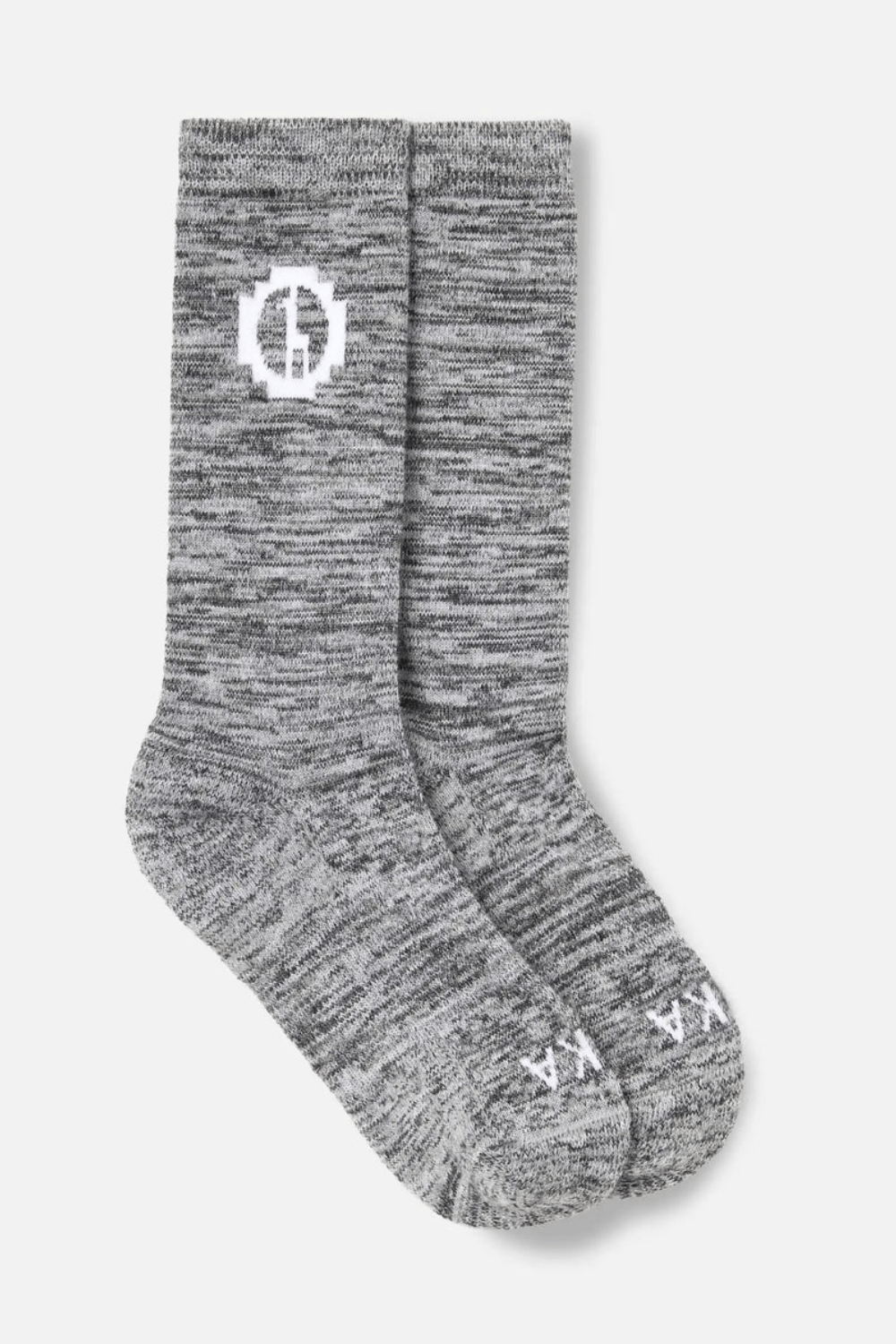
8. Best Moisture-Wicking Winter Sock — PAKA Thermal Spacedye Alpaca Crew Socks
Material: 52% Baby Alpaca Fiber, 11% Tencel, 36% Recycled Nylon, 1% Spandex | Cushioning: Triple-Sole Cushion
If your feet sweat even in winter (mine do), you need the PAKA Thermal Spacedye Alpaca Crew Socks. With 52% baby alpaca wool, they’re the best moisture-wicking socks on this list.
Here’s what makes alpaca wool so good at wicking moisture.
Alpaca wool absorbs around 8% of its weight in moisture, while sheep wool absorbs around 16-20%. That means alpaca wool dries faster, wicks sweat more effectively, and maintains insulation better than sheep wool (including merino wool) when damp.
Alpaca fibers are also about three times lighter than sheep wool and warmer thanks to their hollow structure. And they don’t really smell, because bacteria don’t grow on alpaca fibers.
The construction is excellent, too. On top of the synthetic fiber blend for stretch and durability, these socks use an extra-thick knit and triple-sole cushioning, making them even more durable and warm in winter conditions.
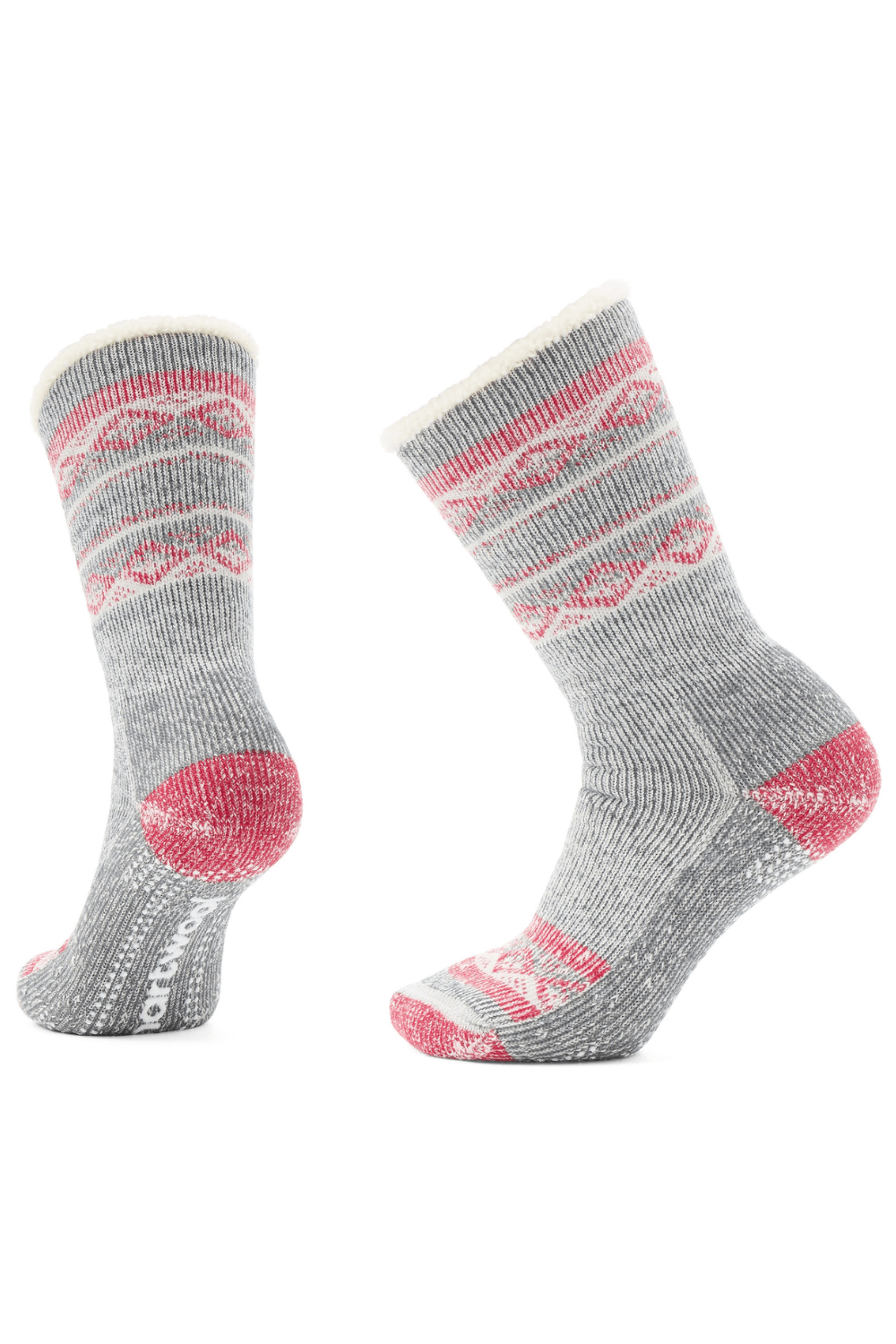
9. Best Winter House Sock — Smartwool Everyday Slipper Socks
Material: 70% Merino Wool, 20% Recycled Nylon, 9% Nylon, 1% Elastane | Cushioning: Heavy Cushion
If you’re the type of person who doesn’t like wearing slippers at home, you need these socks.
These slipper socks are made with 70% of merino wool, which gives these socks the plushness of a cozy blanket.
But here’s what makes them actually functional: the grippy dots on the sole. You can walk on hardwood or tile floors without slipping.
The roll-top cuff is another nice touch. You can wear them pulled up to cover your calves, or roll them down if you get hot.
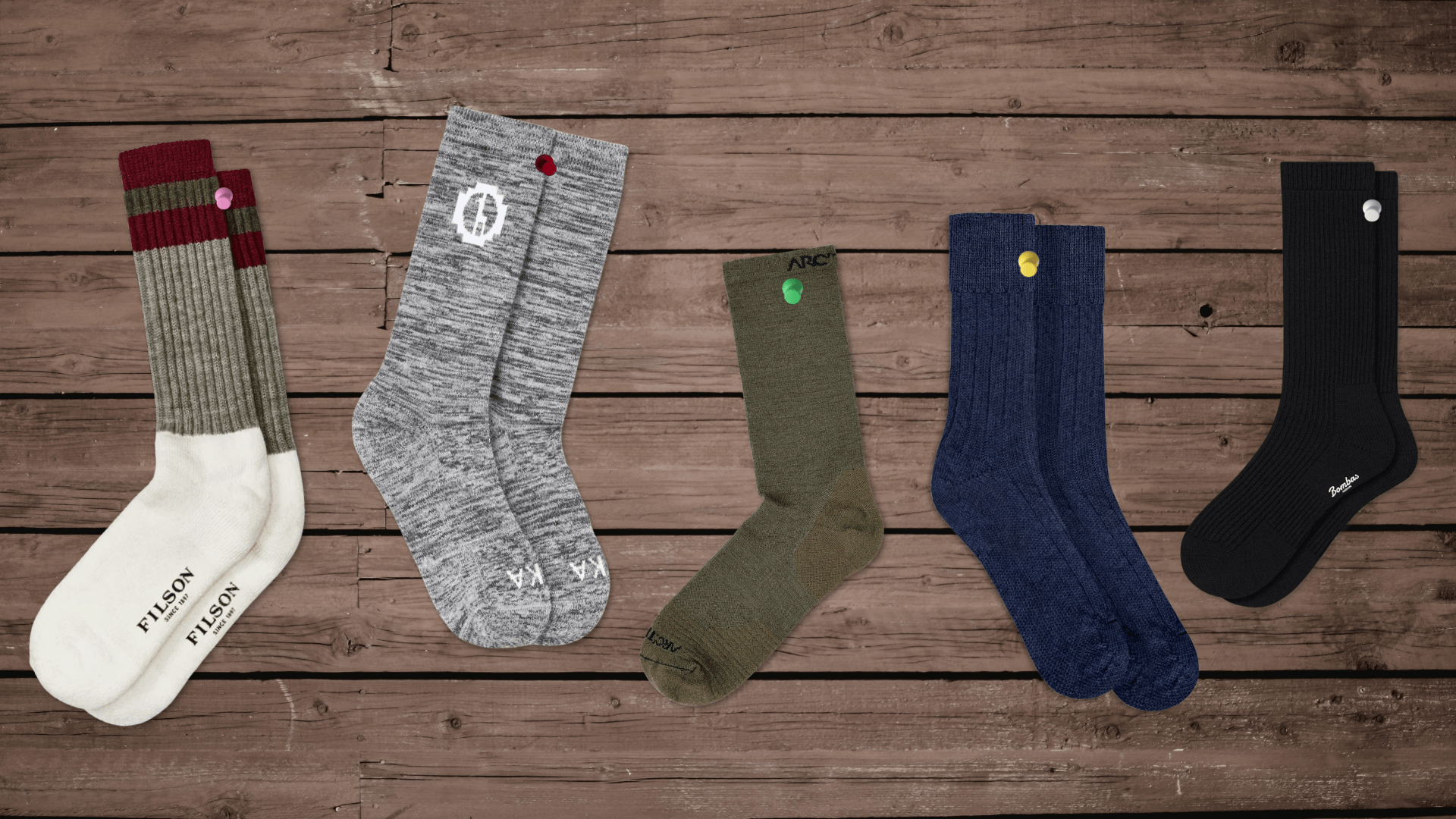
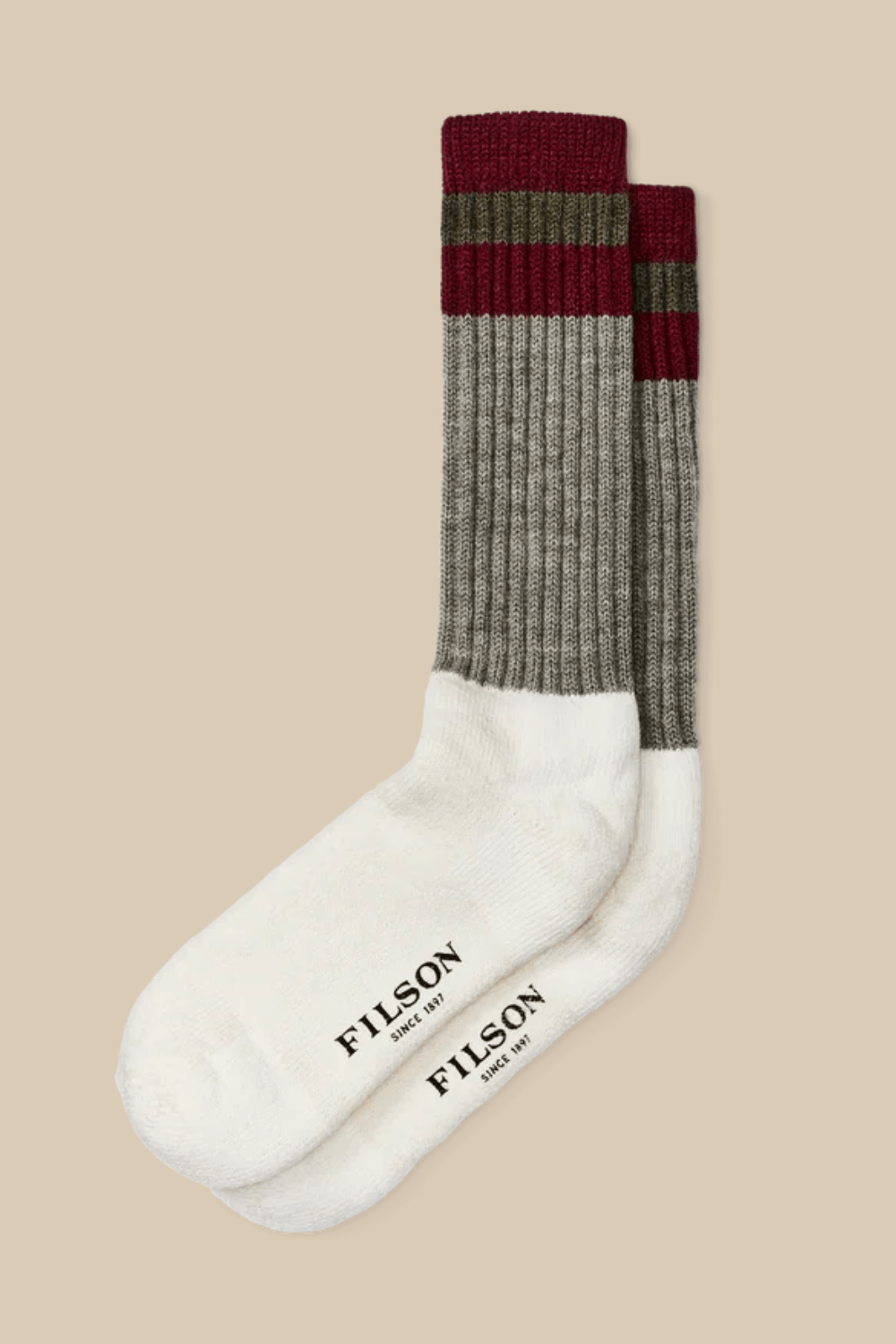
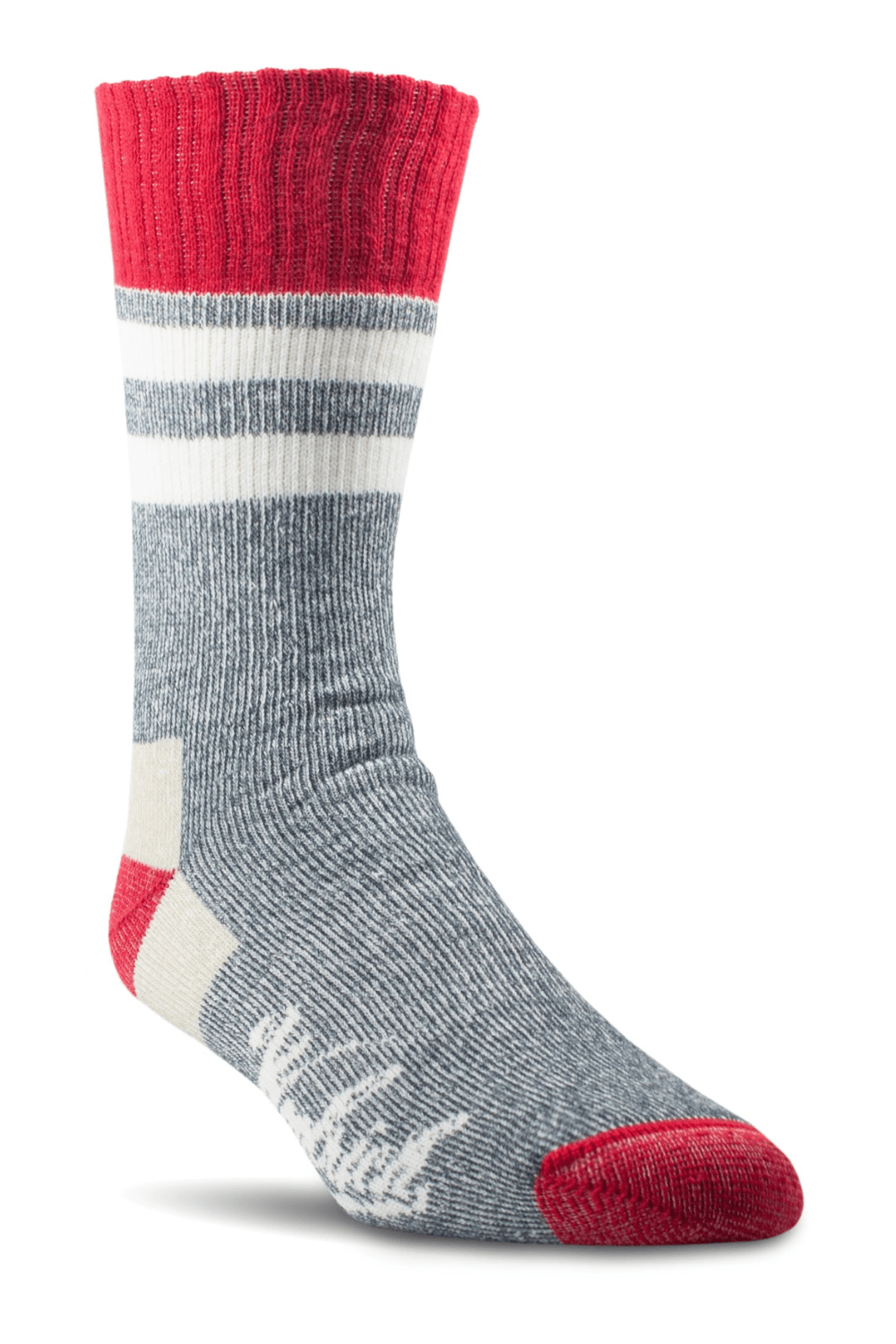
10. Best Retro Winter Sock — Filson 1970s Logger Thermal Sock
Material: 80% Wool, 10% Nylon, 9% Acrylic, 1% Spandex | Cushioning: High Cushion
These socks are the perfect example of vintage aesthetics meeting modern performance.
They look like something your grandfather wore, in the best way possible, just with modern construction.
First of all, the material. An 80% wool blend means they deliver serious old-school warmth. But the thermal knit construction and modern stretch ribbing improve insulation and reduce muscle fatigue compared to vintage socks.
Also, the contoured rib top keeps the sock up without cutting off circulation. And the high cushioning throughout adds shock absorption that actual 1970s socks never had.
One cool feature: wool continues to insulate even when wet. If you’re working outside and your boots get soaked, these socks won’t quit on you.
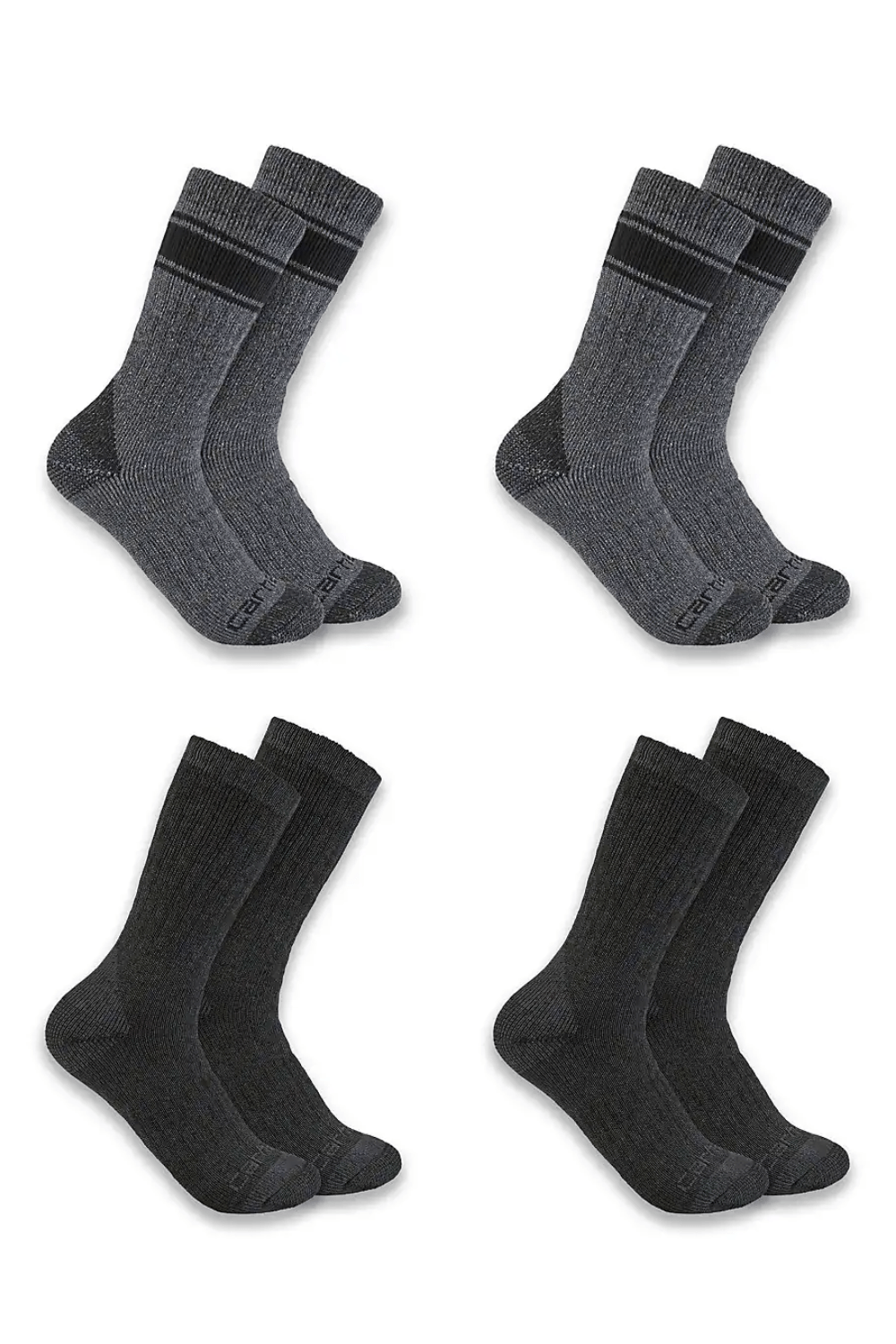
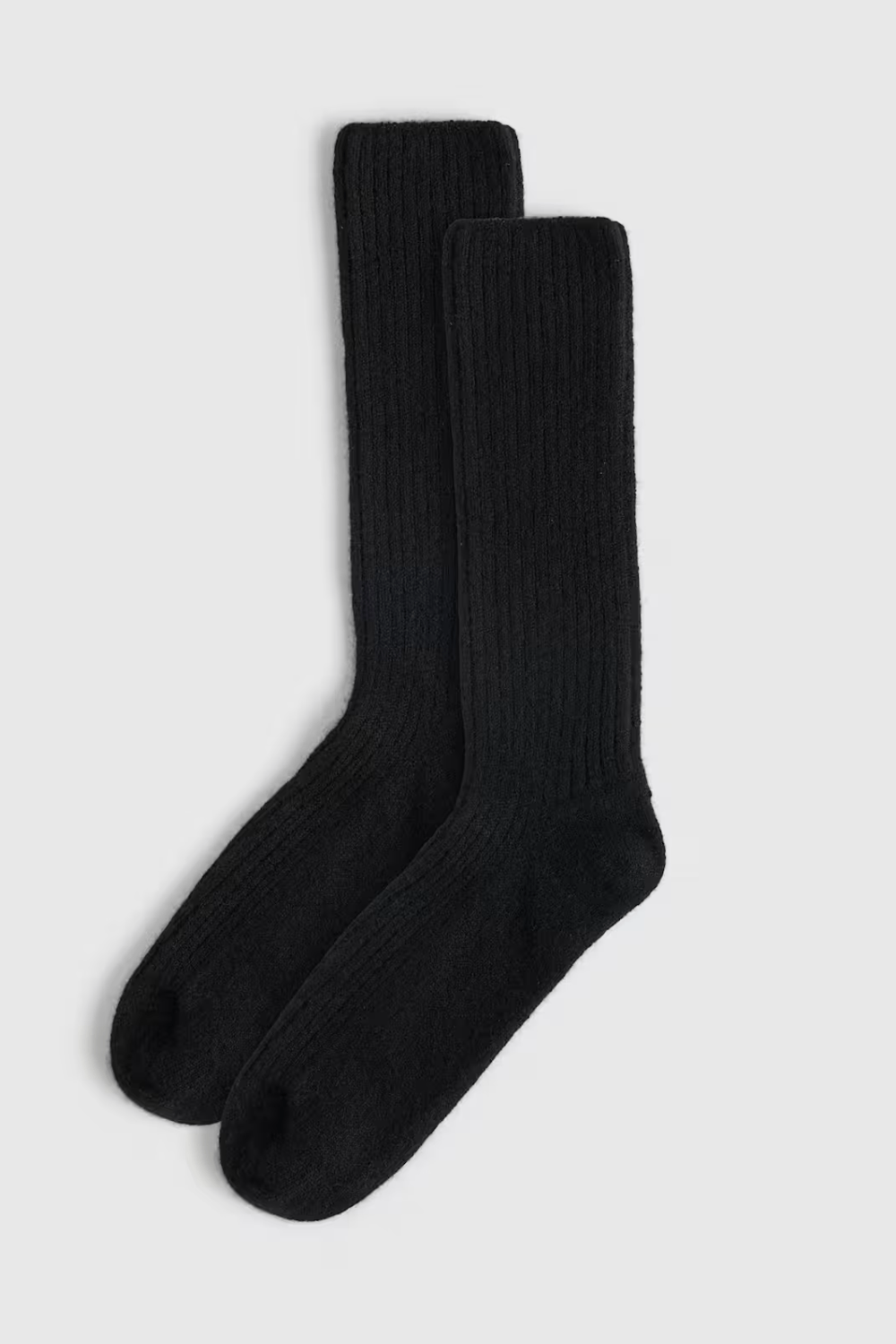
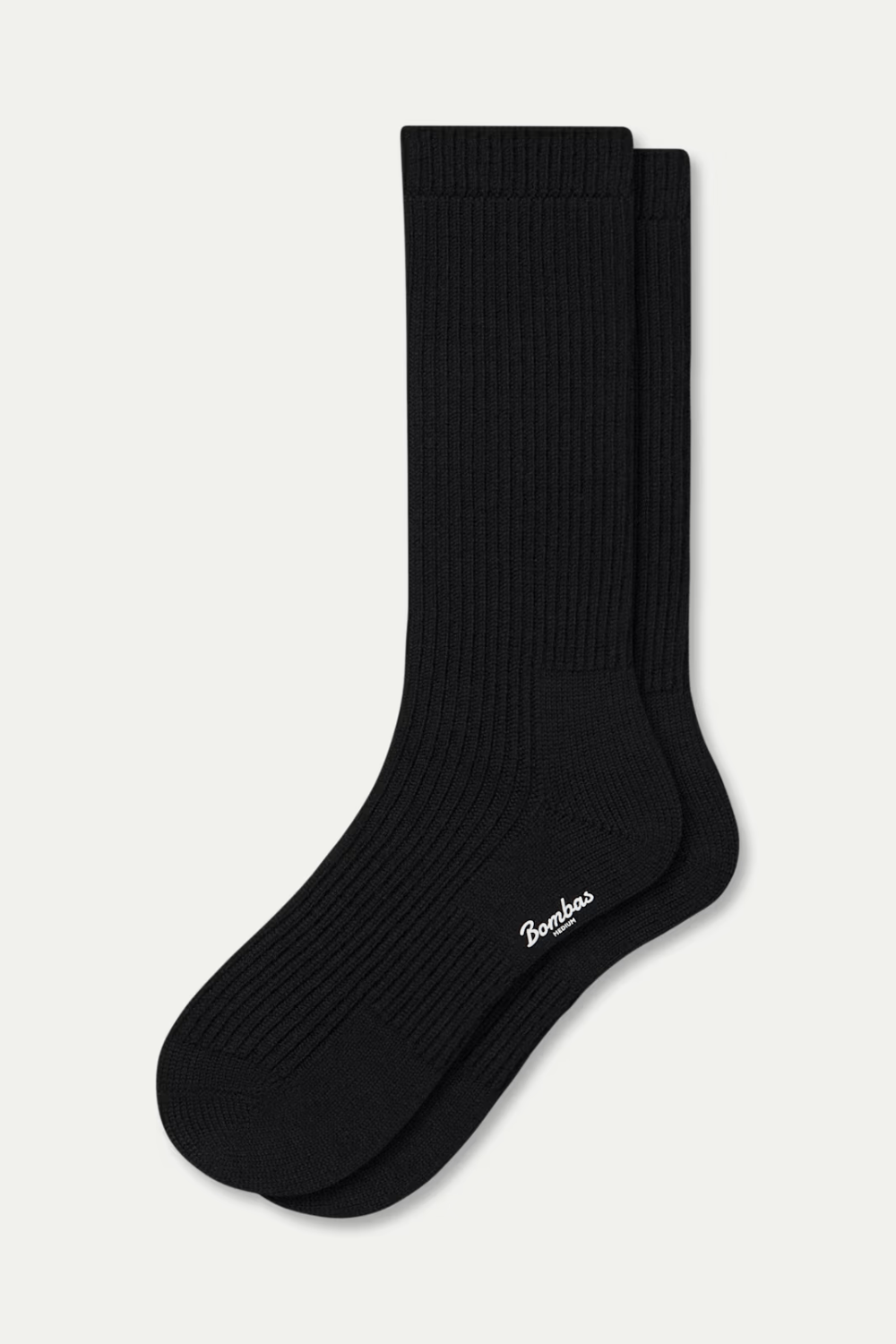
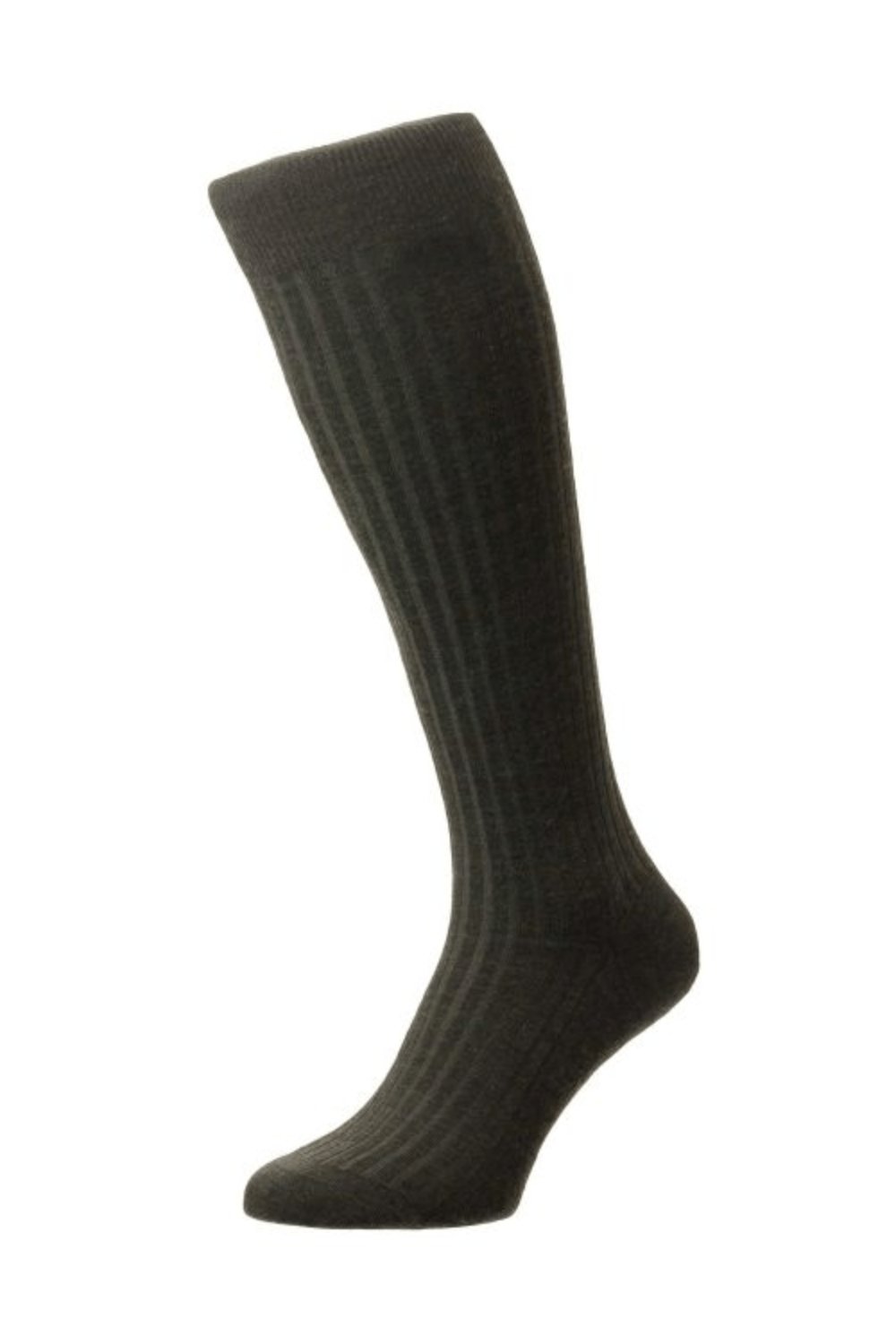
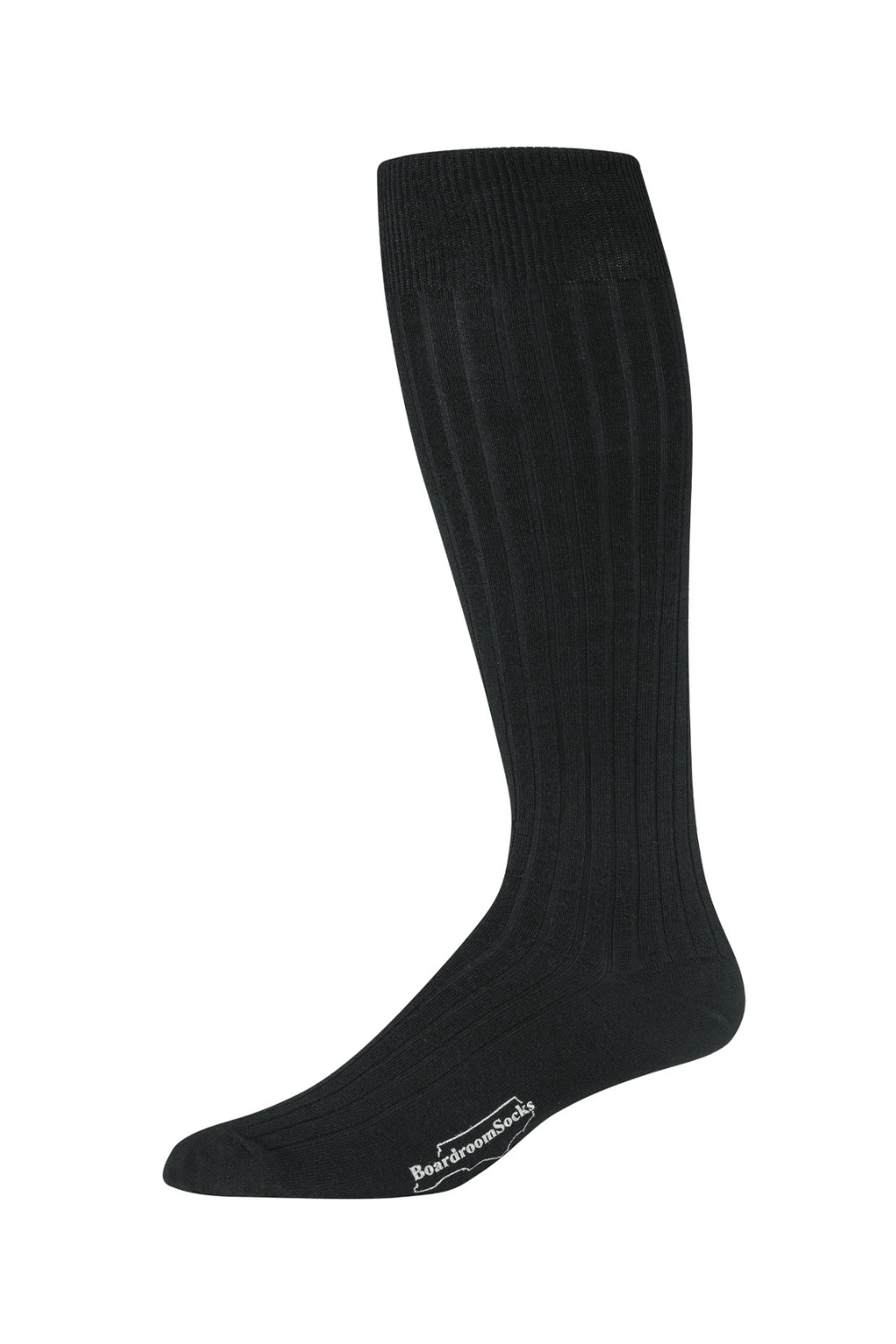
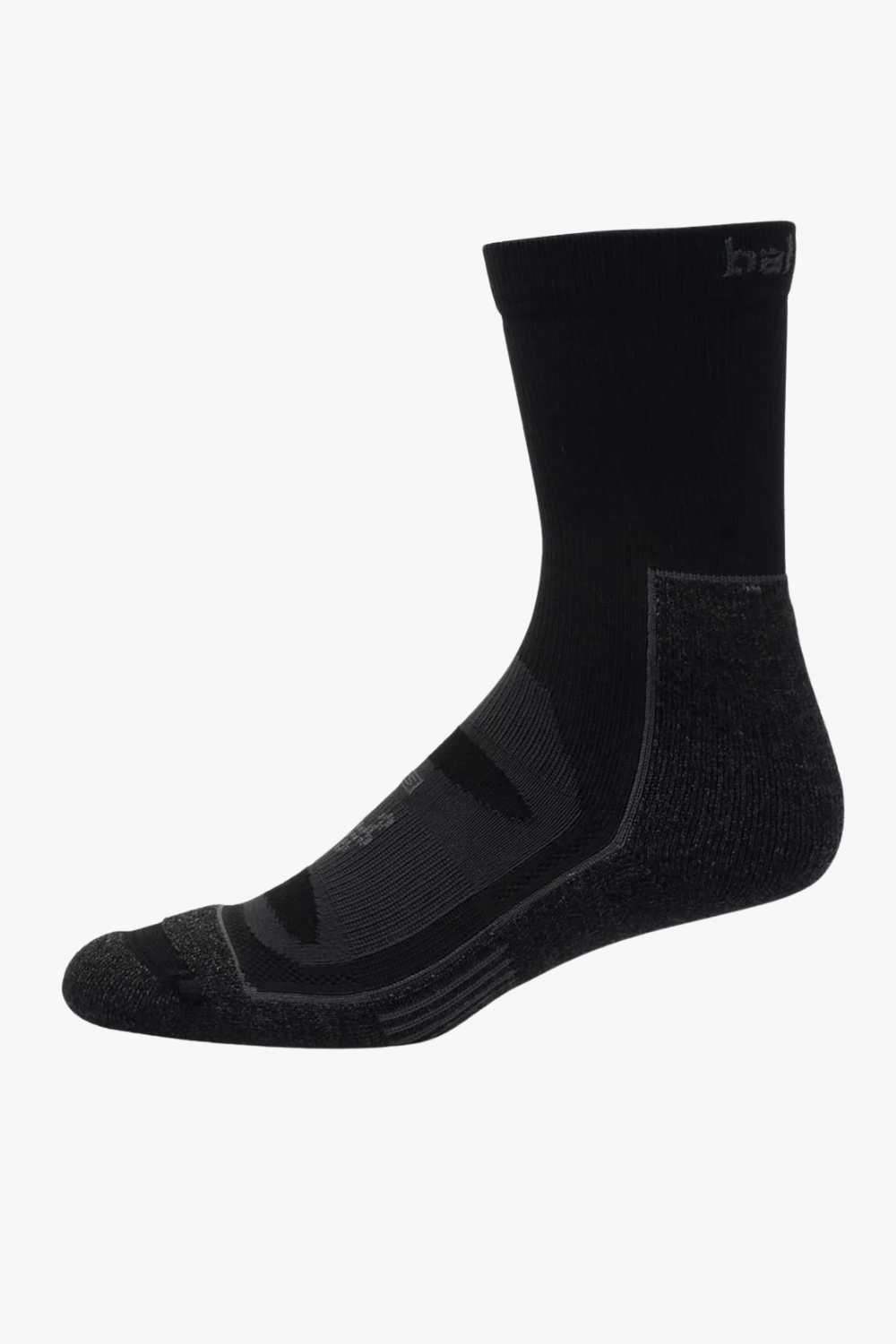
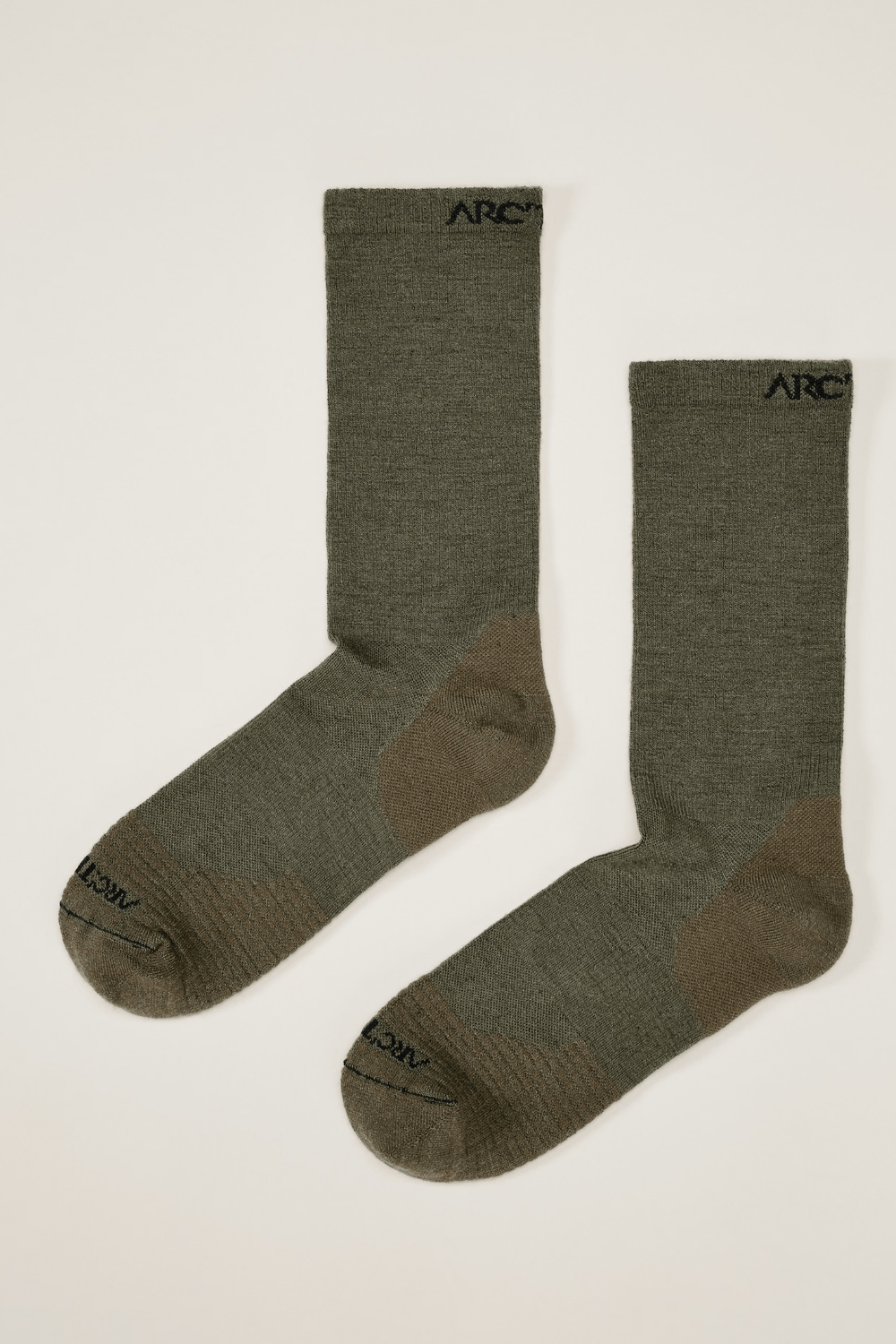
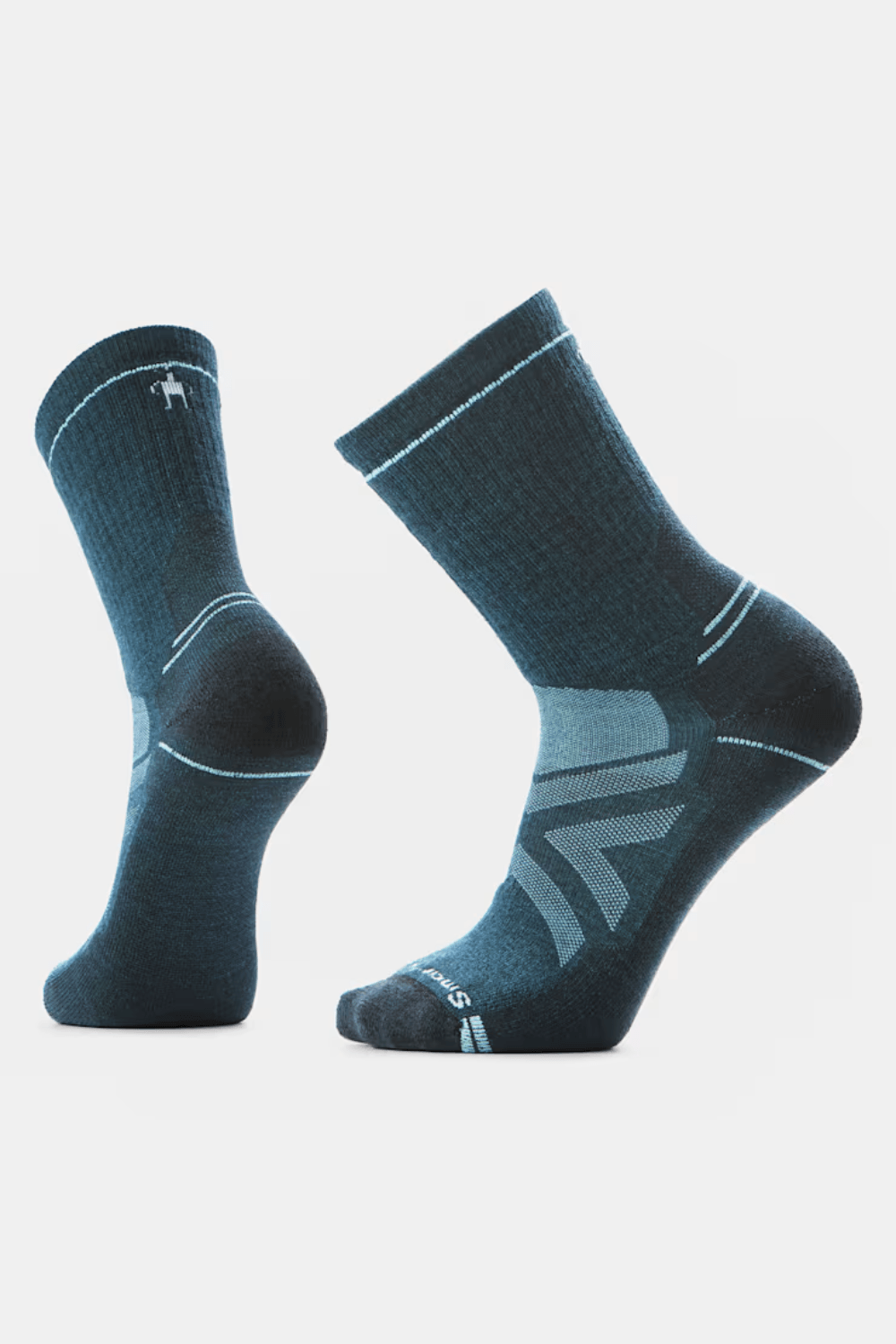
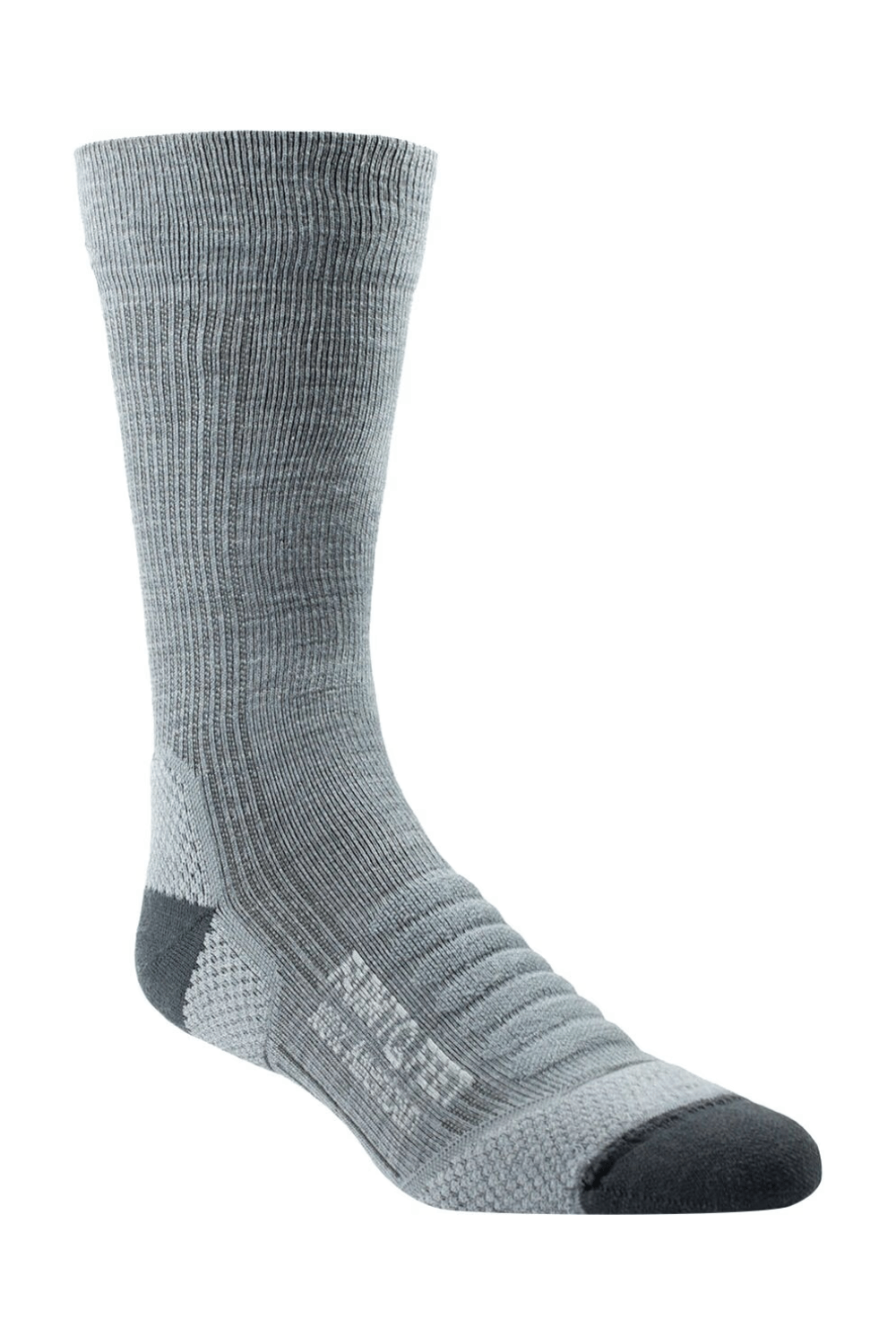
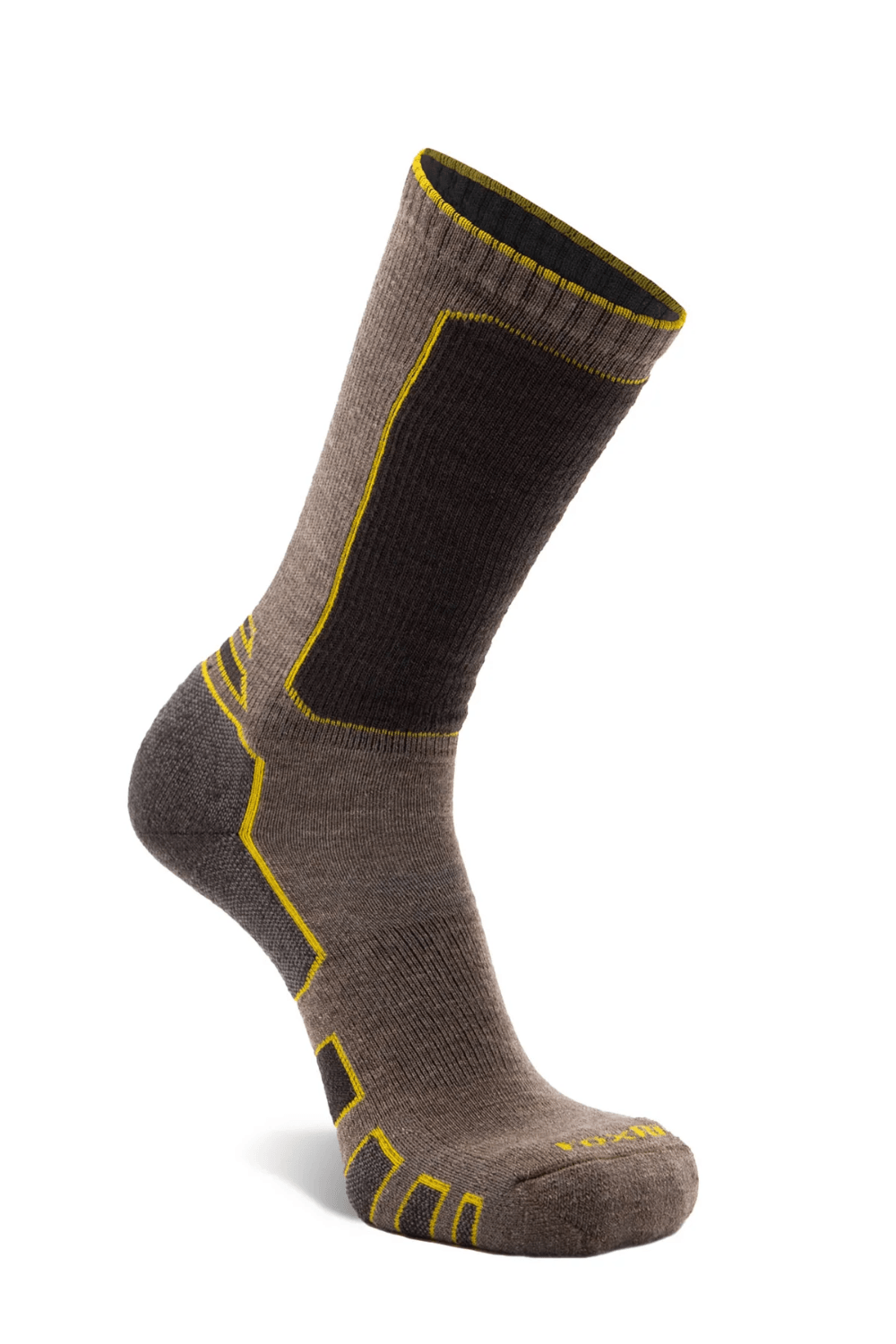
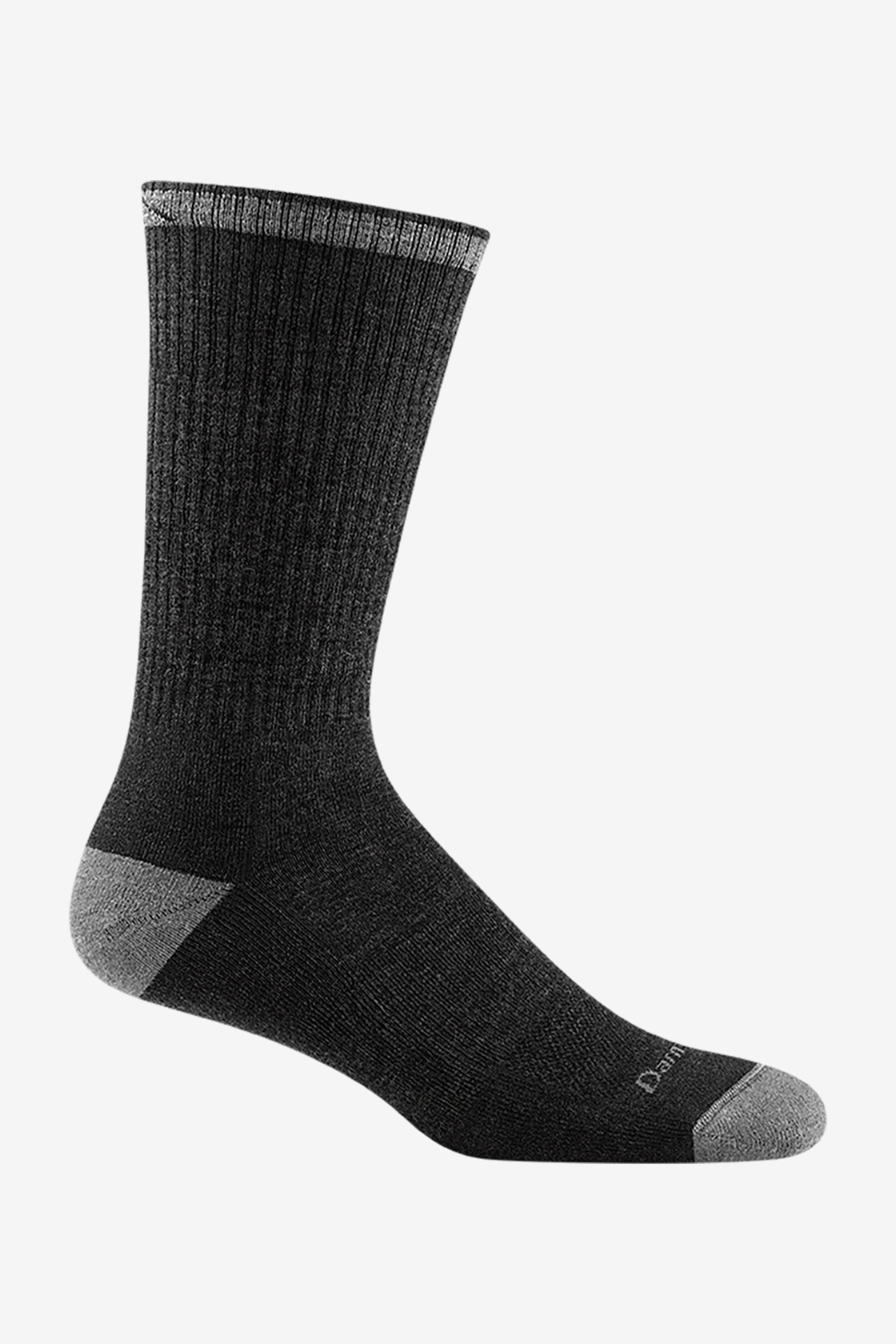
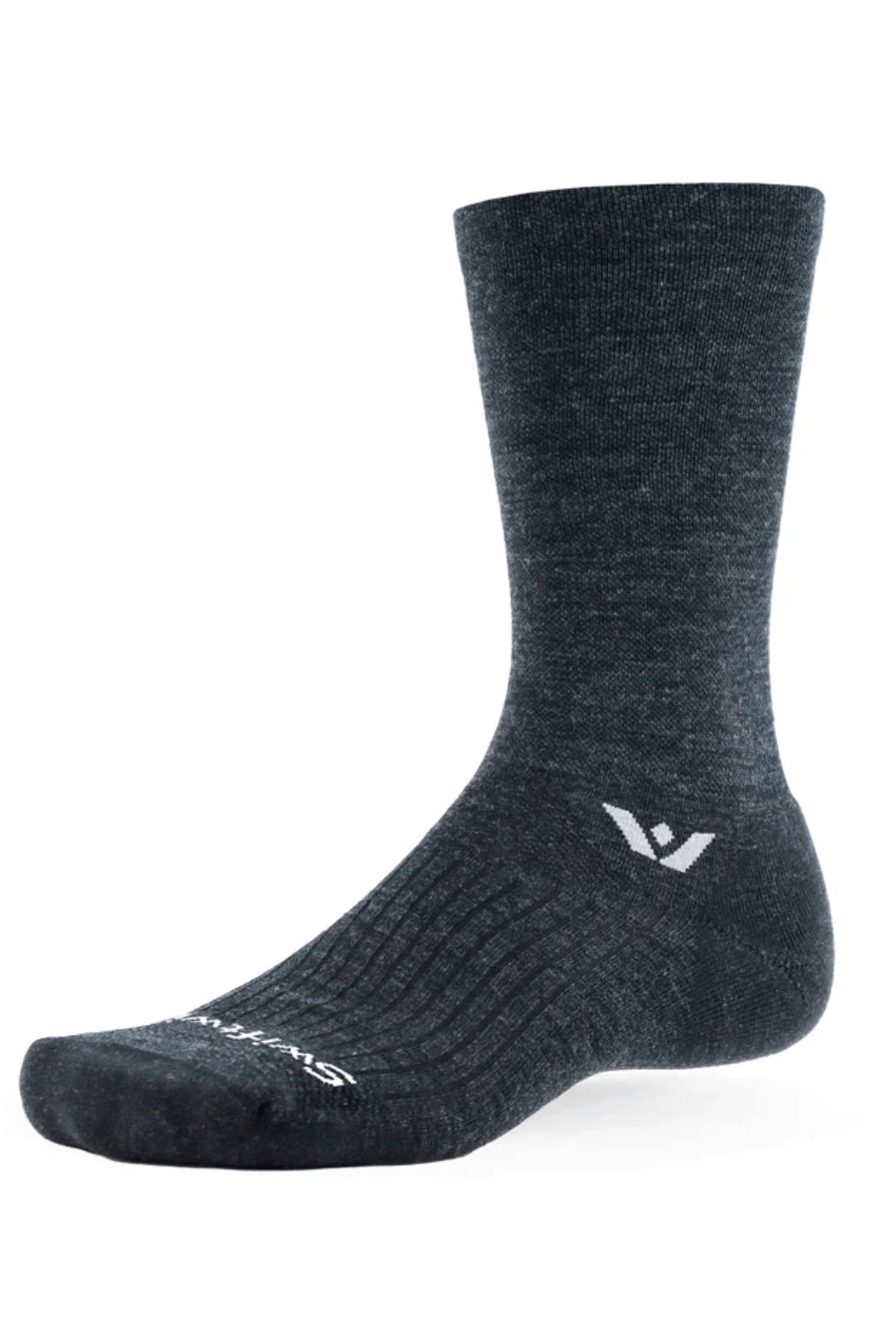
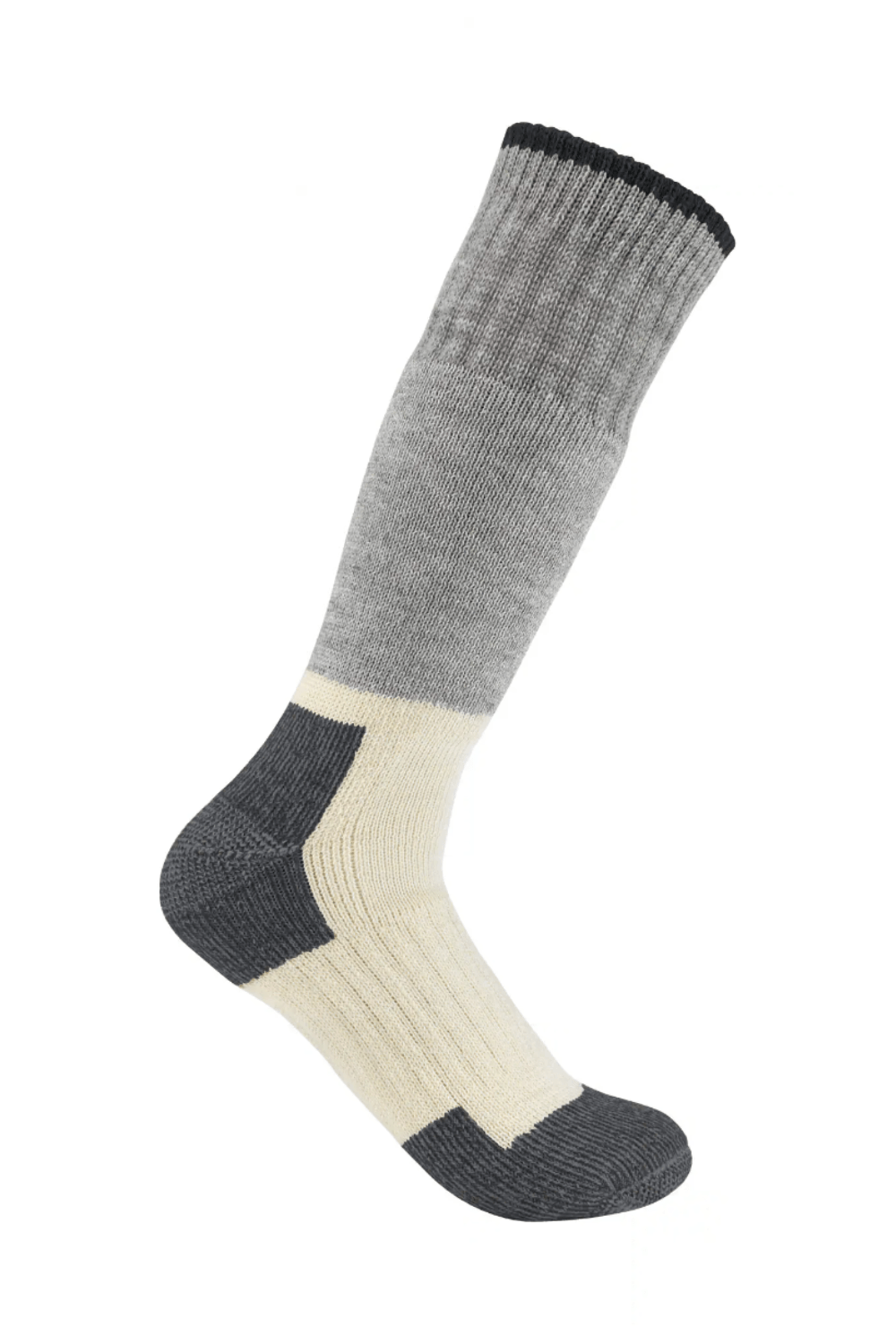
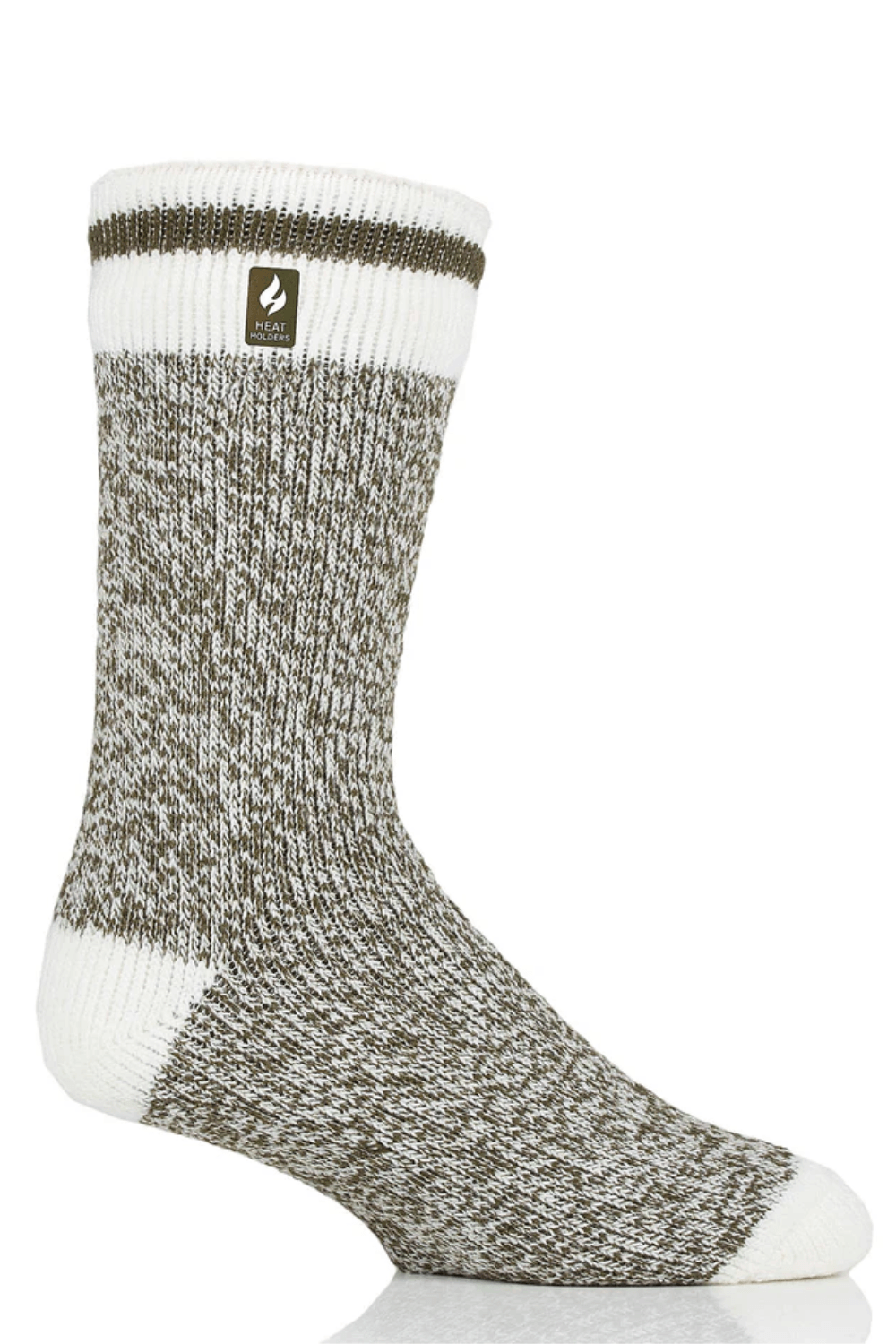
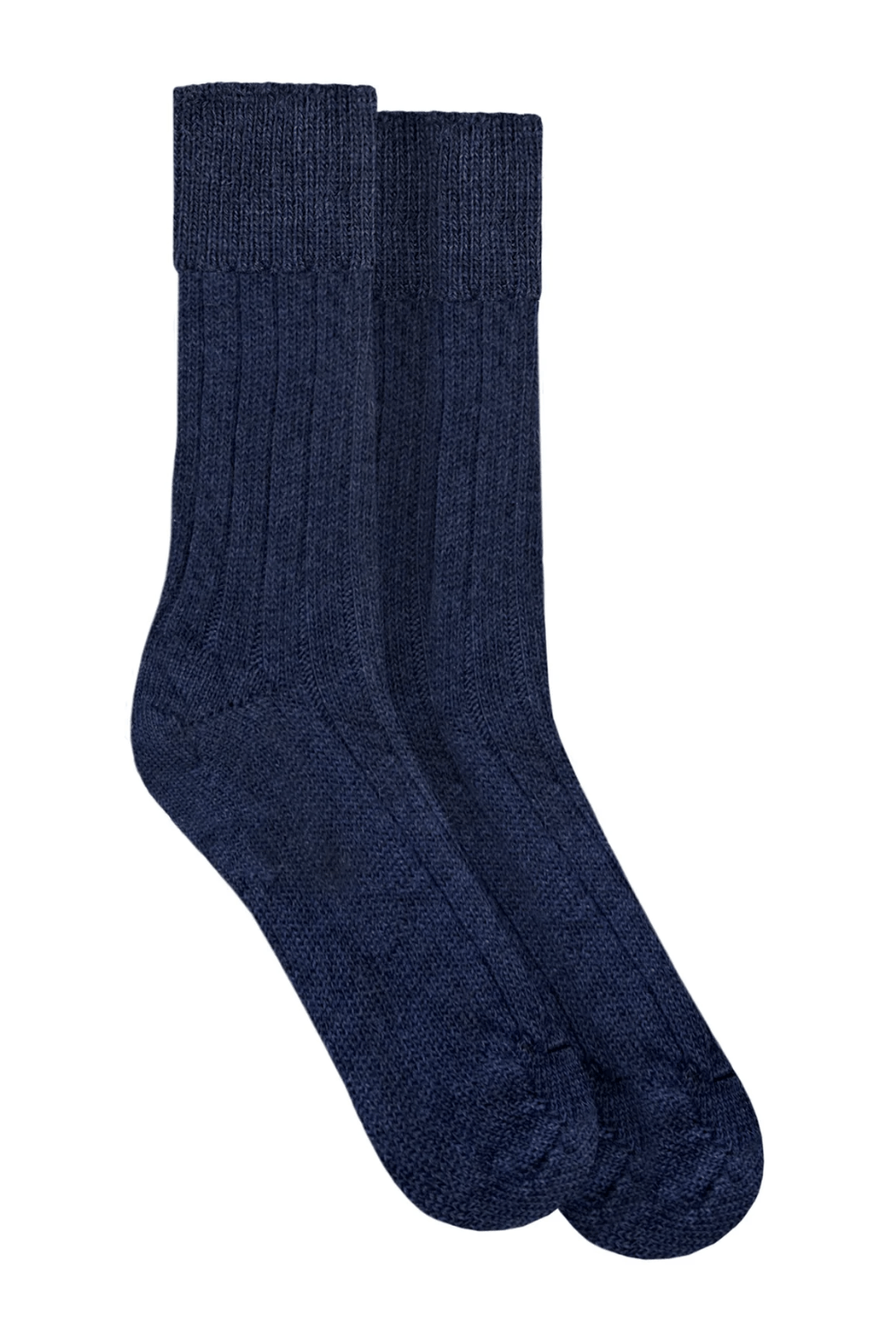
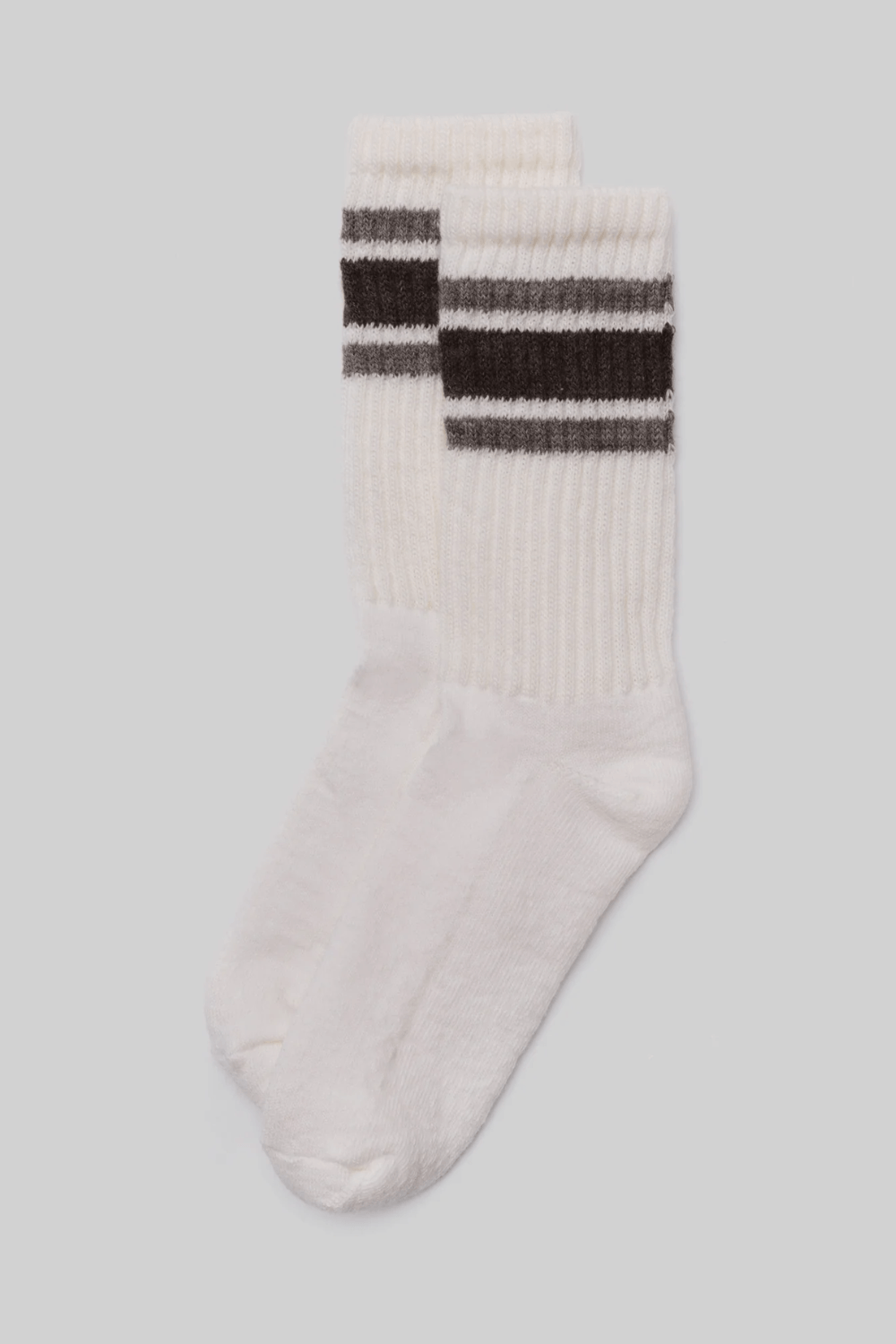
Other Excellent Winter Socks
How to Choose the Right Winter Socks
First, let’s talk about how you should choose your winter socks.
Just like you choose jackets based on your style, pants, weather, and more, you should choose your socks the same way.
Here are two things you need to keep in mind when buying socks:
1. Match Socks to Your Footwear
This is the number one rule. Don’t just look for the thickest socks, think about what shoes you actually wear day to day in winter.
If you wear boots often, go with medium to heavyweight socks with thicker knits and cushioning.
If you mostly wear sneakers, choose lighter socks, medium weight at most. Heavyweight socks can make your sneakers uncomfortably tight.
For dressier shoes (Oxfords, derbies, loafers), go with thin, non-cushioned winter socks. Cushioning creates awkward bulk and won’t fit properly in dress shoes.
2. Consider the Occasions
People often think they need the thickest socks possible for winter, but you also need to think about whether they actually match your daily situations.
If you stand or walk for long periods every day, live somewhere with brutal winters, or wear work boots with extra room, then go with the thickest socks and heaviest cushioning you can find.
But if you work in an office and sit most of the day, wear sneakers for most of the winter, or you just want to layer them under other socks, then go with light to medium weight options. You don’t need the thickest socks for every occasion.
How Many Pairs Do You Actually Need
You don’t need 50 pairs of winter socks.
But you do need the right socks for your actual life.
For most guys, here’s a solid winter rotation:
- 2-3 pairs of everyday medium-weight socks (for casual boots and sneakers)
- 1 pair of heavyweight socks (for extreme cold or outdoor work)
- 1 pair of dress socks (if you wear dress shoes regularly)
- 1-2 pairs of specialty socks (hiking, athletic, or work socks, depending on your lifestyle)
- 1 pair of house socks (optional but nice to have)
That’s 6-9 pairs total. Enough variety without cluttering your drawer.
Common Mistakes to Avoid
Here are some common mistakes people make when buying winter socks:
Mistake #1: Buying cotton winter socks. This is the biggest “no” for winter. Cotton holds moisture. Moisture makes your feet cold.
Mistake #2: Wearing socks that are too tight. Tight socks restrict blood flow, which makes your feet colder. Size up if needed.
Mistake #3: Choosing thickness based on temperature alone. The thickest sock isn’t always the warmest. Material matters more than bulk.
Mistake #4: Ignoring fit. Your socks shouldn’t be too tight, but also not too loose. If a sock slides around in your shoes, it creates friction. Friction creates blisters. Get the fit right.
Conclusion
Okay, that’s enough talk about winter socks.
Just remember: winter socks should match your actual needs. Don’t buy them just because they’re the thickest socks you can find. Also, material matters more than thickness.
If you’re sitting at a desk all day, you don’t need $50 heavyweight hunting socks. But if you’re working outside in freezing weather, thin socks will make you miserable.
The socks in this guide were chosen because they win their specific category. Not because they’re trendy or heavily marketed.
One last thing:
Good socks are invisible until they’re bad.
You don’t notice great winter socks when they’re keeping you comfortable. But you definitely notice when your feet are freezing, sweaty, or covered in blisters (I did).
Winter is not the time to cheap out on socks.
Some of the links on this page are affiliate links. This means if you click and make a purchase, we may earn a small commission at no extra cost to you. We only recommend products we genuinely like and think you’ll enjoy.