Fall Business Casual for Men: How to Get It Right
Fall has just started, but I’ve already written a few fall-related guides like What to Wear on a Fall Date, Men’s Fall Wardrobe Essentials, and Eight Best Suede Jackets.
Why so many fall guides?
Because fall is the best season for fashion nerds, and as a fashion nerd myself, I want to share what I know about fashion and style to help you dress better.
So today’s topic is fall business casual for men.
This is one of my favorite topics to write about because business casual is basically my daily uniform. I wear it 80% of the week.
In this guide, I’ll show you the best colors for fall business casual, the pieces you need in your wardrobe, eight business casual outfit ideas you can copy, and more.
Ready? Let’s get into it.
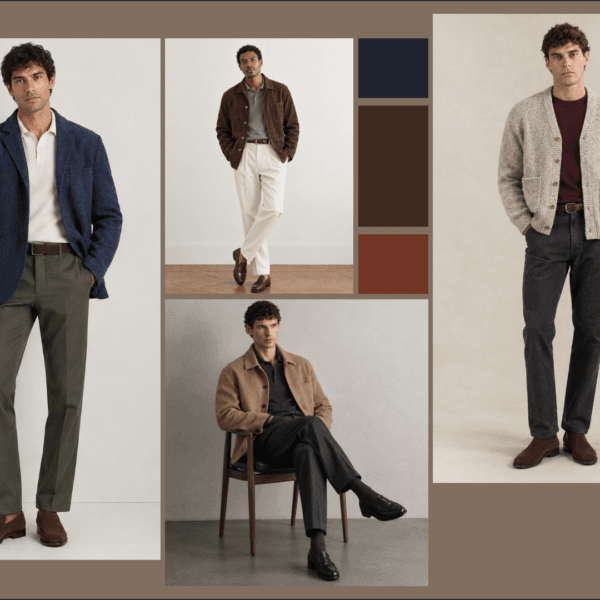
Expand Your Fall Color Palette and Introduce Texture
Your business casual wardrobe is likely built around muted dark colors like black, gray, and brown.
They are safe, versatile, and classic, and there’s nothing wrong with them.
But if you get tired of wearing the same old colors every day, you can enrich your color palette by introducing one or two fall colors into an otherwise familiar outfit.
Here are some great ones: olive, navy, burgundy, camel, tobacco, ecru, rust, orange, and chocolate brown.
For example, you can swap your go-to navy blazer for a burgundy one, and it will pair just as well with wool trousers or chinos.
Or you can swap your gray suit for an olive one and wear a chambray shirt underneath instead of an Oxford button-down.
But whatever you do, make sure the colors are cohesive. And if you’re not sure how to make different shades work together, read this color guide. It explains everything you need to know.
Another great way to make an outfit interesting is to add more texture.
For example, wear suede, wool, corduroy, or brushed cotton instead of plain fabrics.
8 Fall Business Casual Outfit Ideas
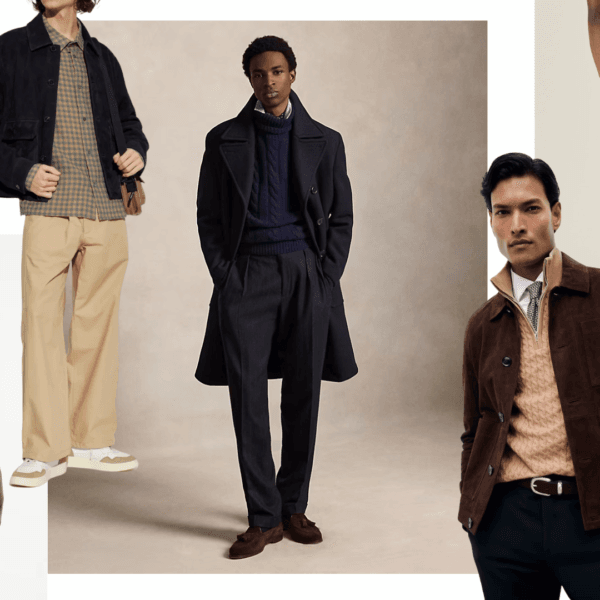
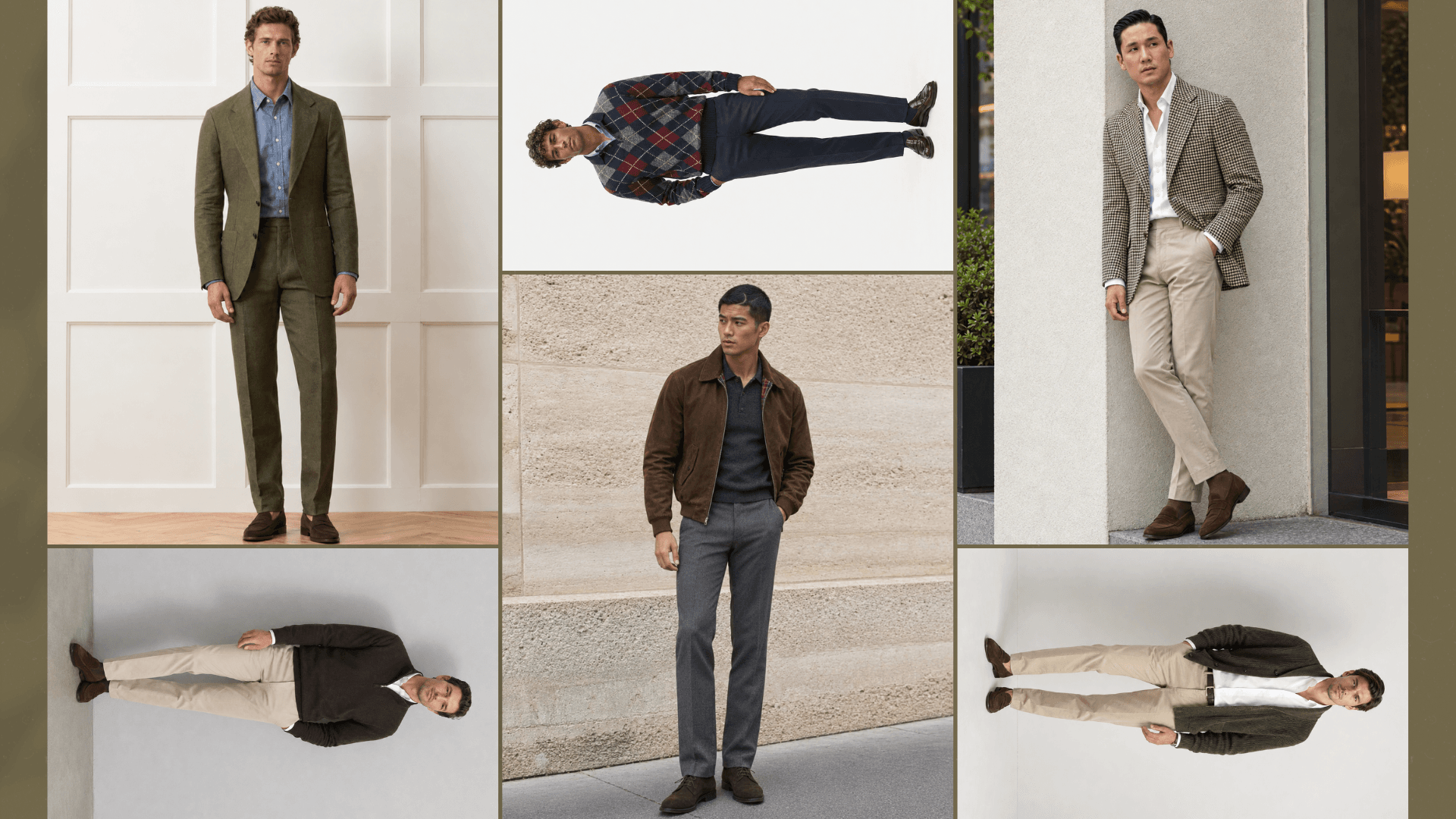
Okay, now here are 8 business-casual outfits to put the color and texture ideas above into practice.
1. Burgundy Blazer + Navy Trousers + Pale Blue Oxford + Black Leather Derbies
This is the outfit I wear the most.
I used to wear navy or black unstructured blazers to the office. But now burgundy is my go-to choice.
It’s more interesting than black or navy but still office-appropriate.
I like to pair it with richer colors to avoid looking top-heavy, so I choose navy trousers. You can also go with black or charcoal.
Then, to keep the whole outfit from getting too dark, I break the colors up with a light-colored shirt.
As for the shoes, you can go with derbies, loafers, or Chelsea boots, but I’d avoid sneakers because they can make the outfit feel too casual for a traditional business-casual office.
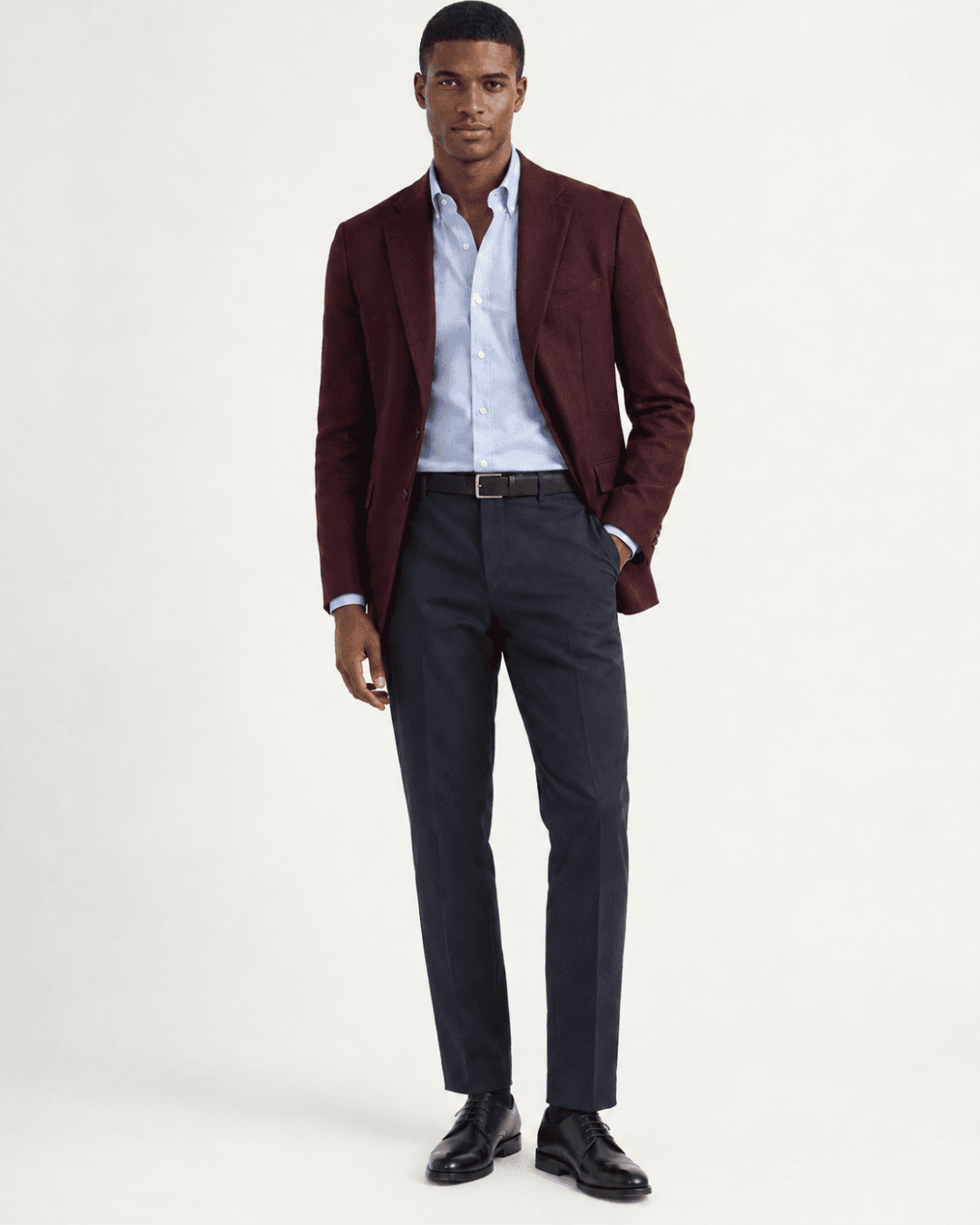
Best for: Traditional offices where you want to look polished without looking overly formal.
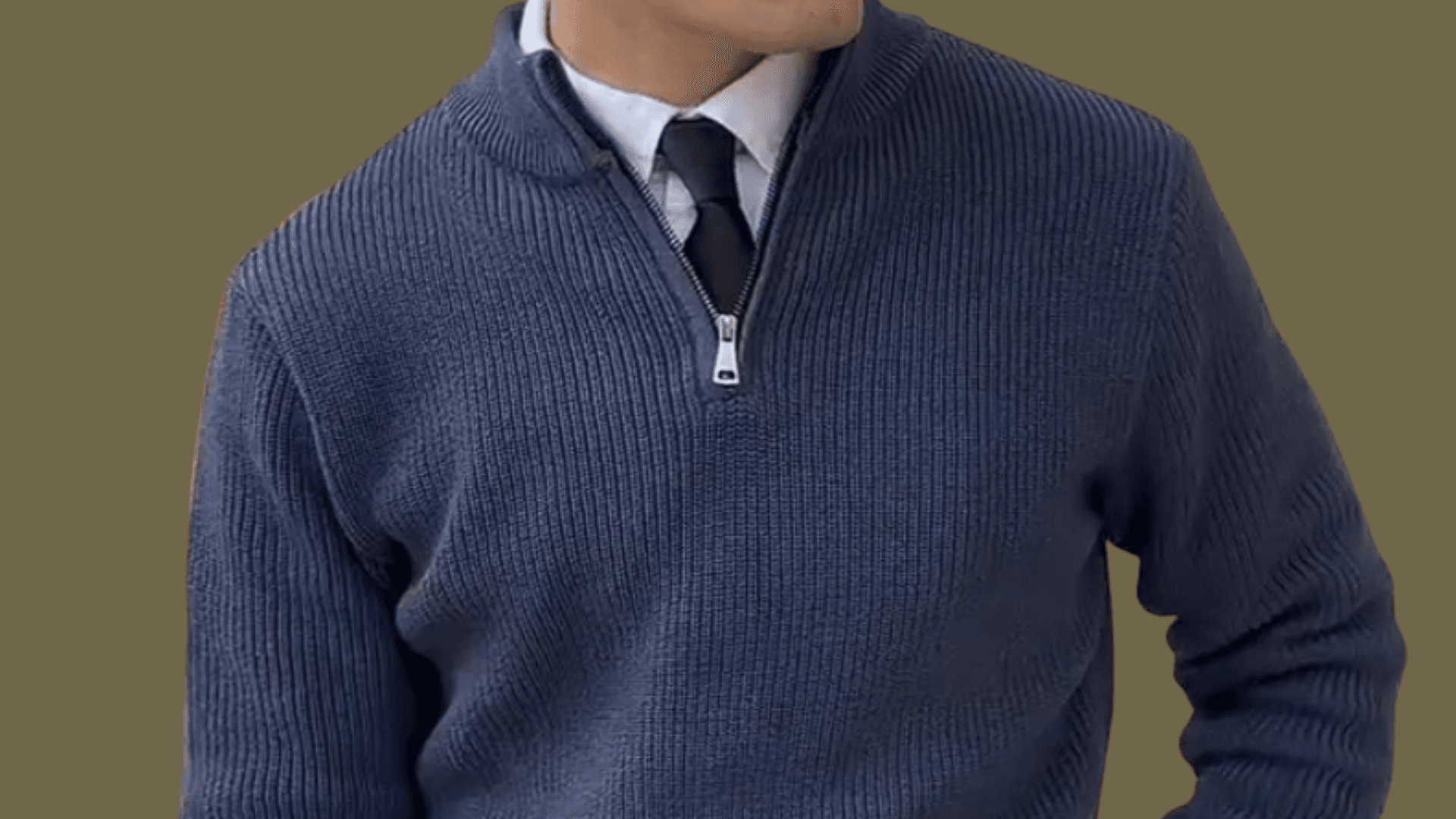
2. Chocolate Brown Half-Zip Sweater + White Oxford + Beige Chino Pants + Brown Loafers
This is much more casual than the first one, but it still works well in the office environment.
The outfit combines three things that make fall business casual work: a warm color, contrasting layers, and texture.
The half-zip sweater brings one of the richest fall colors, while the white Oxford provides a clean contrast underneath.
And the beige chinos create a crisp contrast with the brown sweater to keep the whole look from getting too dark.
For the shoes, I’d choose medium-to-dark brown suede loafers to echo the sweater.
Plus, the suede adds another layer of texture.
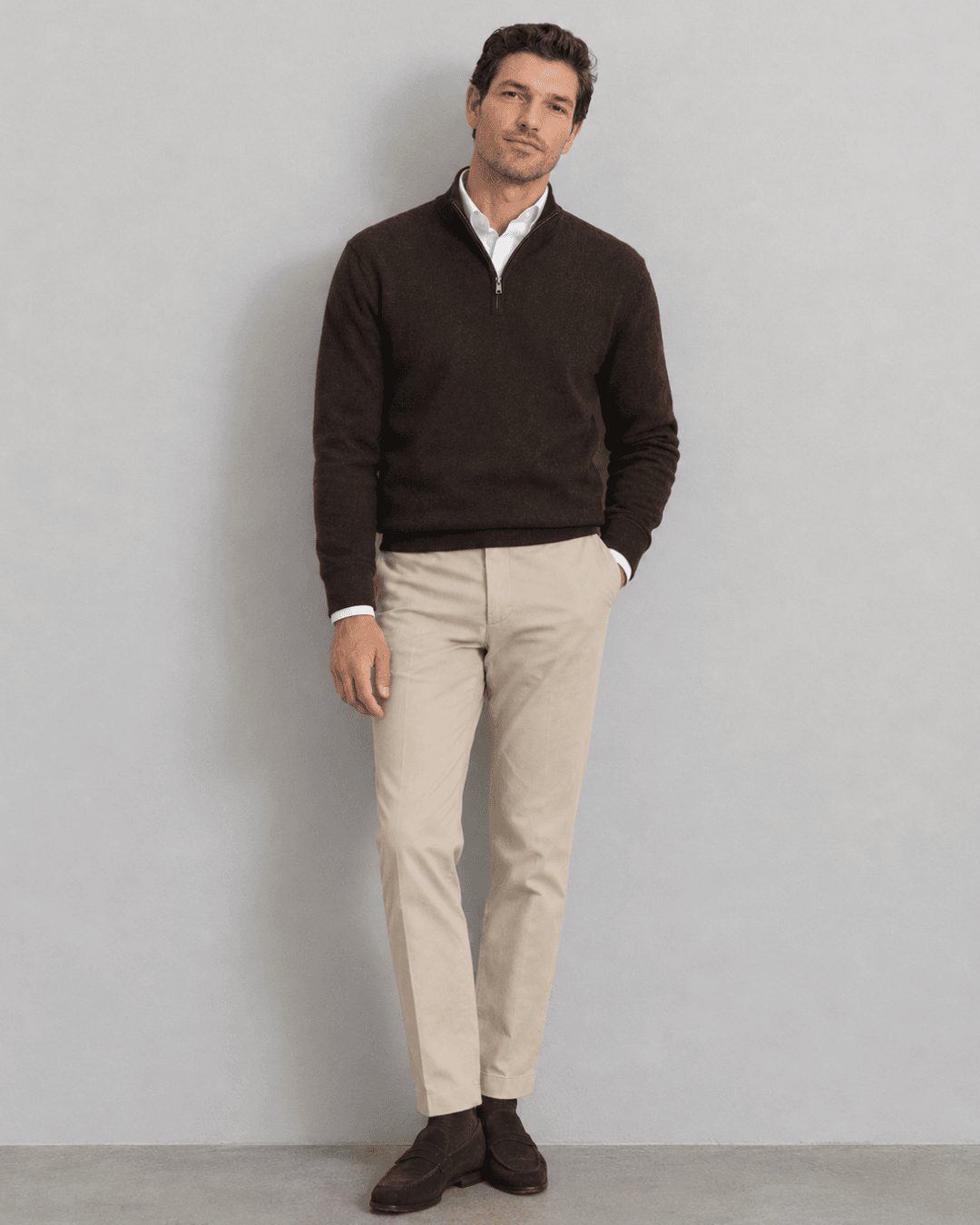
Best for: Everyday office wear, casual business meetings. Guys who want to look relaxed but still polished.

Pro tip: If you think this outfit isn’t business-casual enough, you can wear a tie with the Oxford shirt.
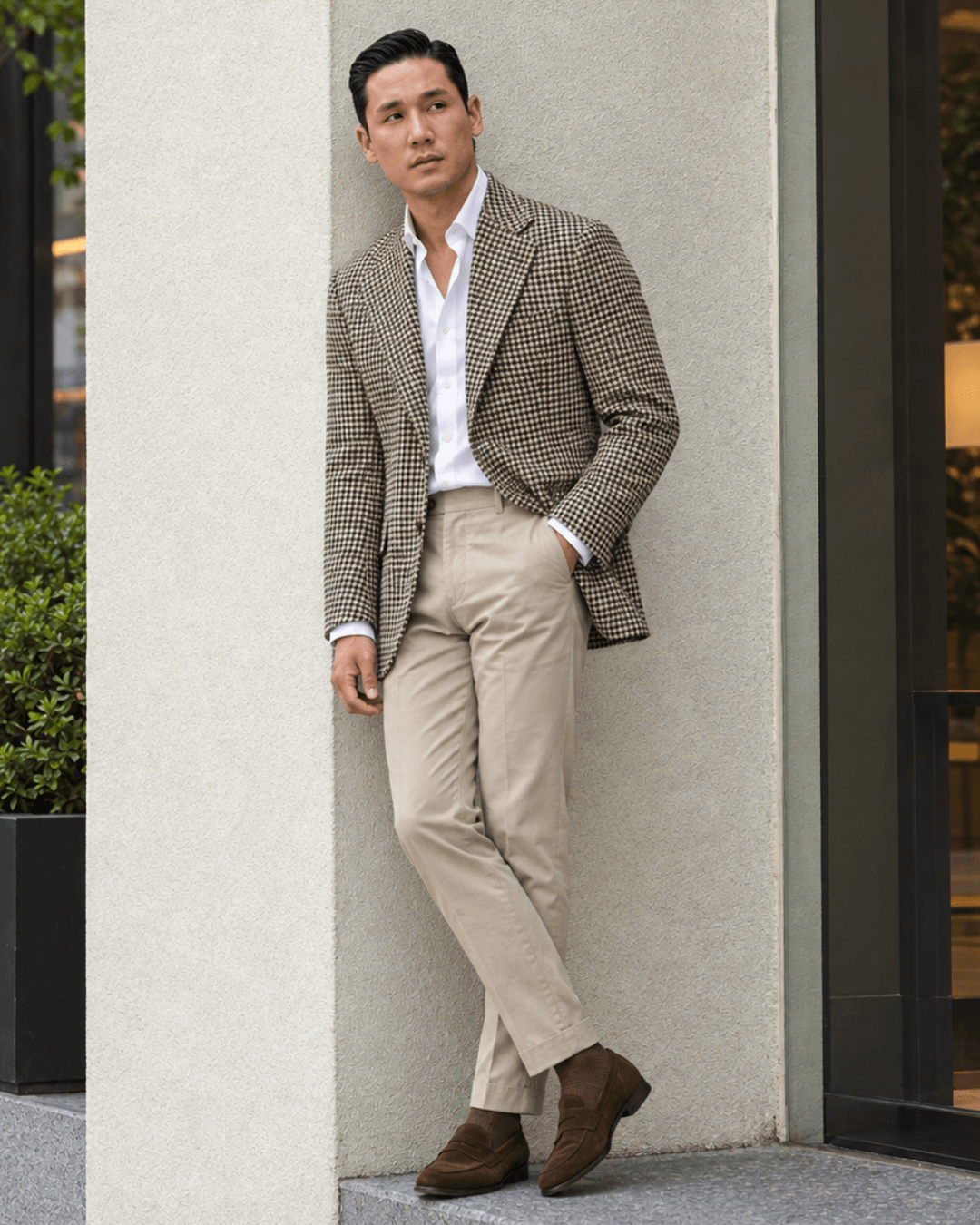
3. Beige Houndstooth Sport Coat + White Oxford Shirt + Beige Chino Pants + Brown Suede Loafers
This is my new favorite.
The beige coat and pants set a clean base, while the houndstooth sports coat adds a little visual interest through its pattern and texture. And the white shirt creates a nice visual break between the two beige pieces.
For the shoes, the suede echoes the coat by adding another layer of texture to the outfit. The brown also keeps the shoes from blending into the beige trousers.
Here’s one thing: make sure the houndstooth is subtle rather than oversized or high-contrast. The goal is to add visual interest while keeping the outfit understated.
Best for: Offices where a blazer is appropriate but a full suit would be too formal.
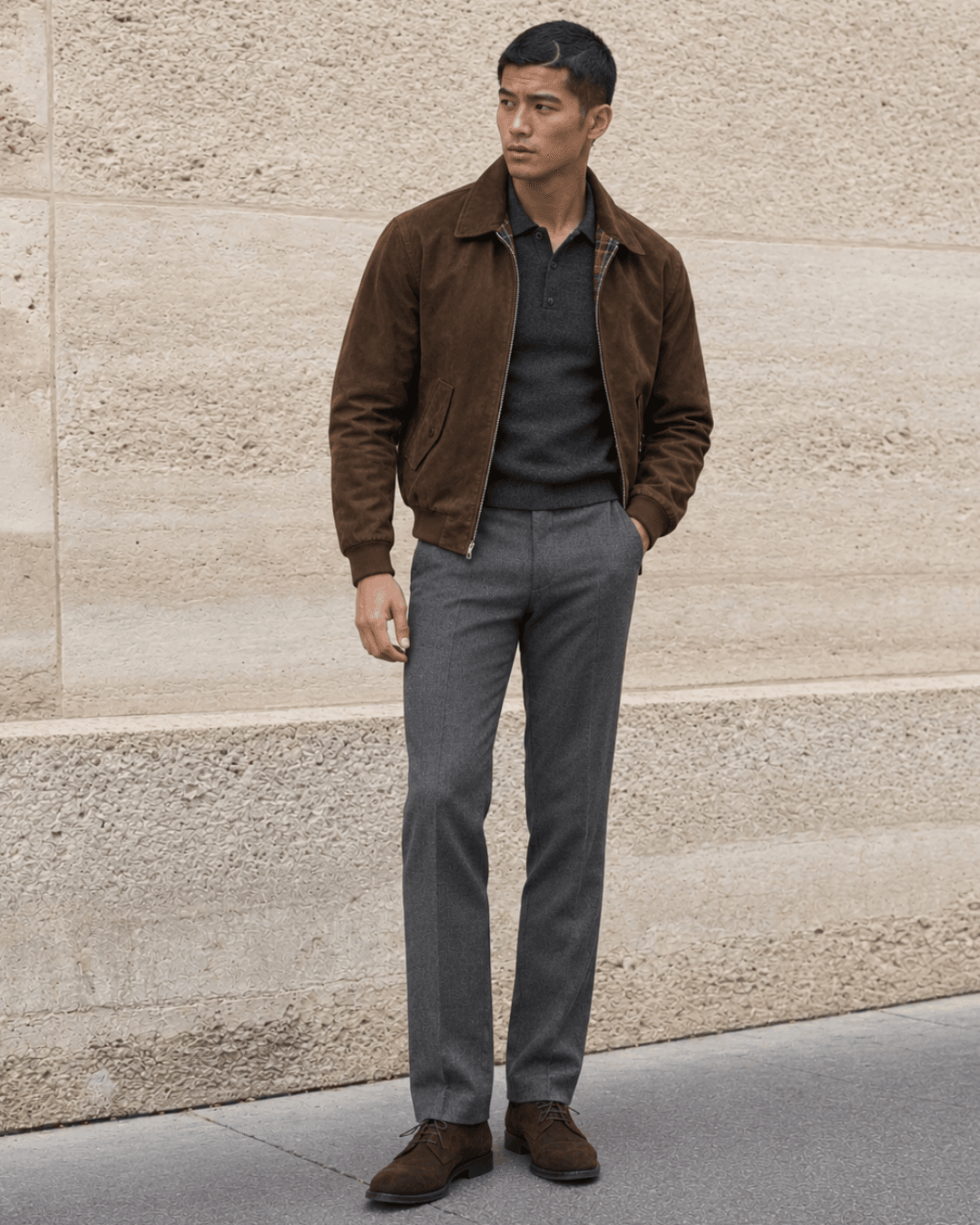
4. Suede Harrington + Gray Trousers + Charcoal Knit Polo + Sleek Suede Derbies
Yes, a Harrington can be office-appropriate when you style it properly.
A Harrington is much more casual than a blazer, so I paired it with trousers and derbies to keep the outfit firmly in business-casual territory.
This is a very good example of how you can make a casual jacket office-appropriate by balancing it with smarter trousers and shoes. The more casual the jacket, the more you need the rest of the outfit to do some of the dressing up.
Plus, the charcoal knit polo pairs well with the gray trousers to keep the whole outfit restrained.
Best for: Relaxed business-casual workplaces where a traditional blazer feels too formal.
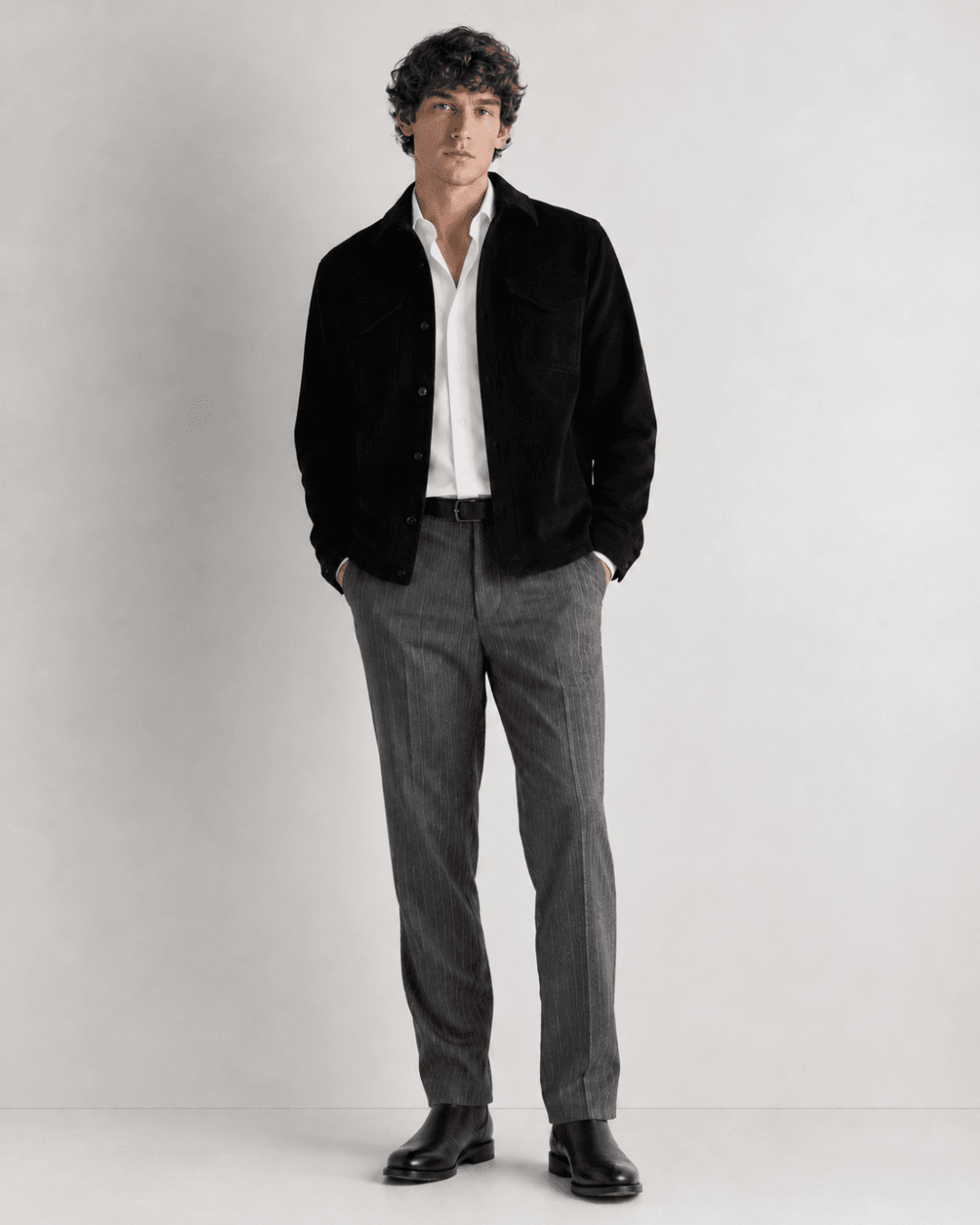
5. Black Overshirt + Gray Chalkstripe Trousers + White Dress Shirt + Black Leather Chelsea Boots
This is the most casual outfit of the eight because an overshirt is workwear, so the fit and fabric choices matter.
I’d use a clean, structured black overshirt in wool, wool-blend, or heavyweight cotton.
On the bottom, I chose gray chalkstripe trousers, which provide the tailoring.
Plus, the white stripes add visual interest while echoing the white shirt.
And the Chelsea boots connect the casual upper half to the smarter trousers. The black leather also keeps the outfit looking sharp enough for the office.
Best for: Creative workplaces, casual Fridays, and offices where a T-shirt is acceptable.
6. Olive Green Cardigan Jacket + White Oxford Shirt + Beige Chino Pants + Dark Brown Suede Loafers
Olive is a muted earth tone that works well with neutrals and other earth tones.
Olive and beige create a natural, muted combination, while the white Oxford gives the outfit a clean center.
And because the cardigan jacket already brings knit texture into the look, suede loafers complement it beautifully without the harsh contrast of plain leather.
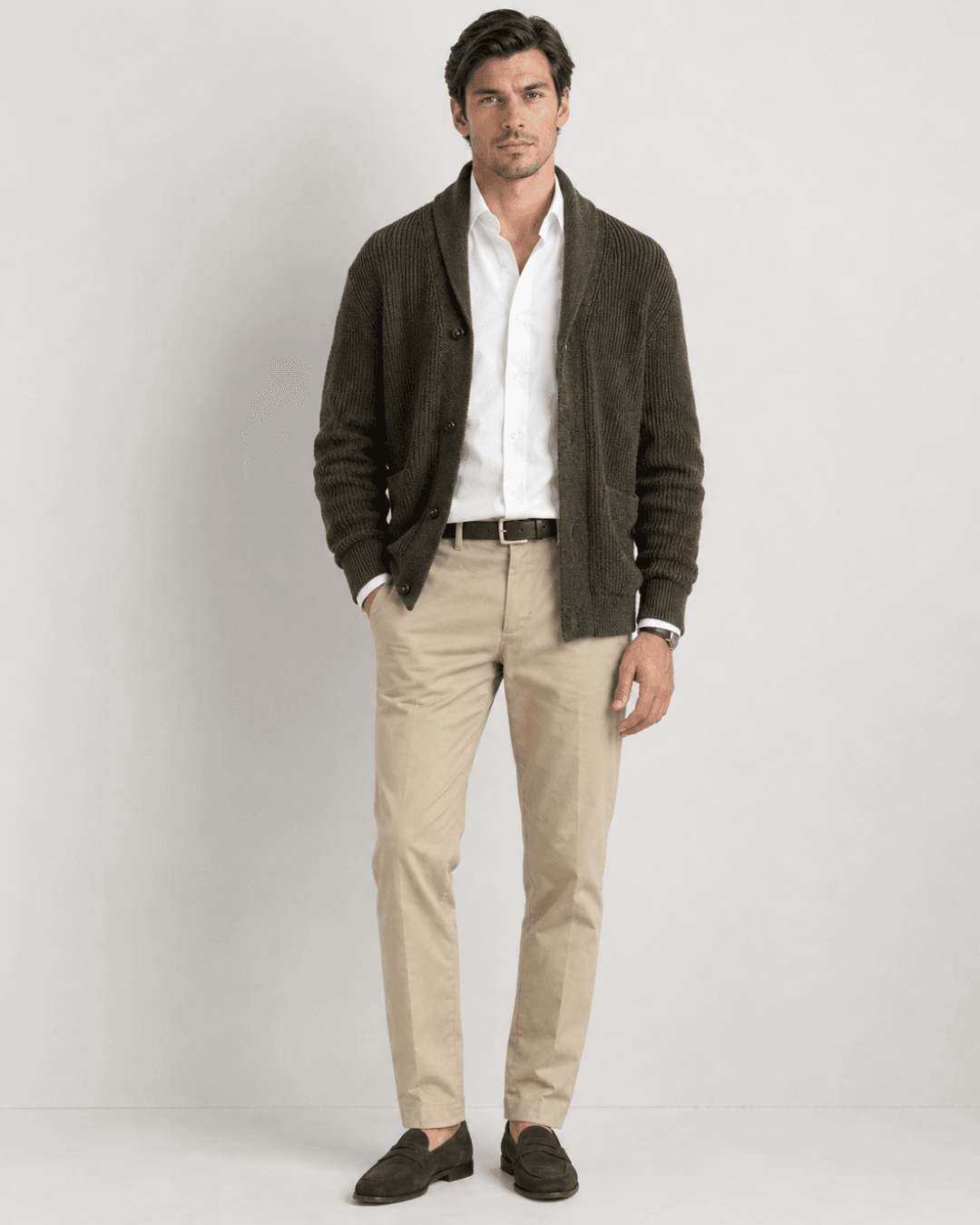
Best for: Everyday business casual, relaxed offices, and days when you want to look polished without wearing a structured jacket.
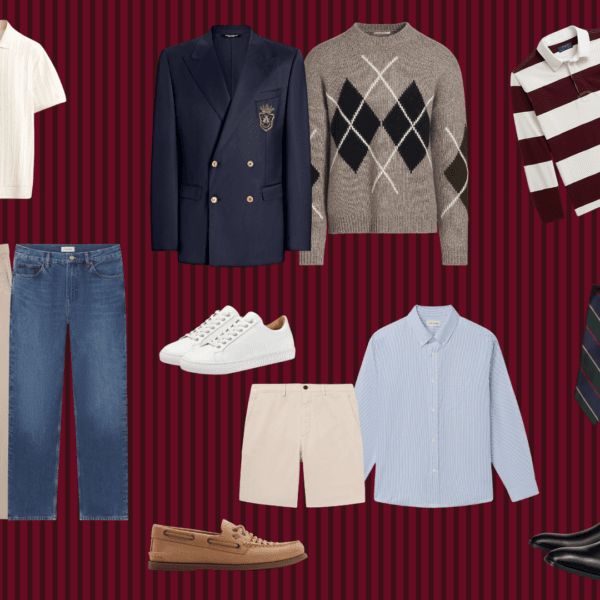
7. Argyle Sweater + Blue Button-Down + Navy Trousers + Oxblood Leather Loafers
Adding an argyle sweater makes this outfit a little more traditional and preppy.
To make it office-appropriate, keep the argyle pattern relatively restrained and choose a fine- or medium-gauge knit rather than a very chunky sweater.
For the shirt, trousers, and shoes, stick to simple, plain pieces to keep the whole outfit from looking cluttered, as the argyle sweater already provides plenty of visual interest.
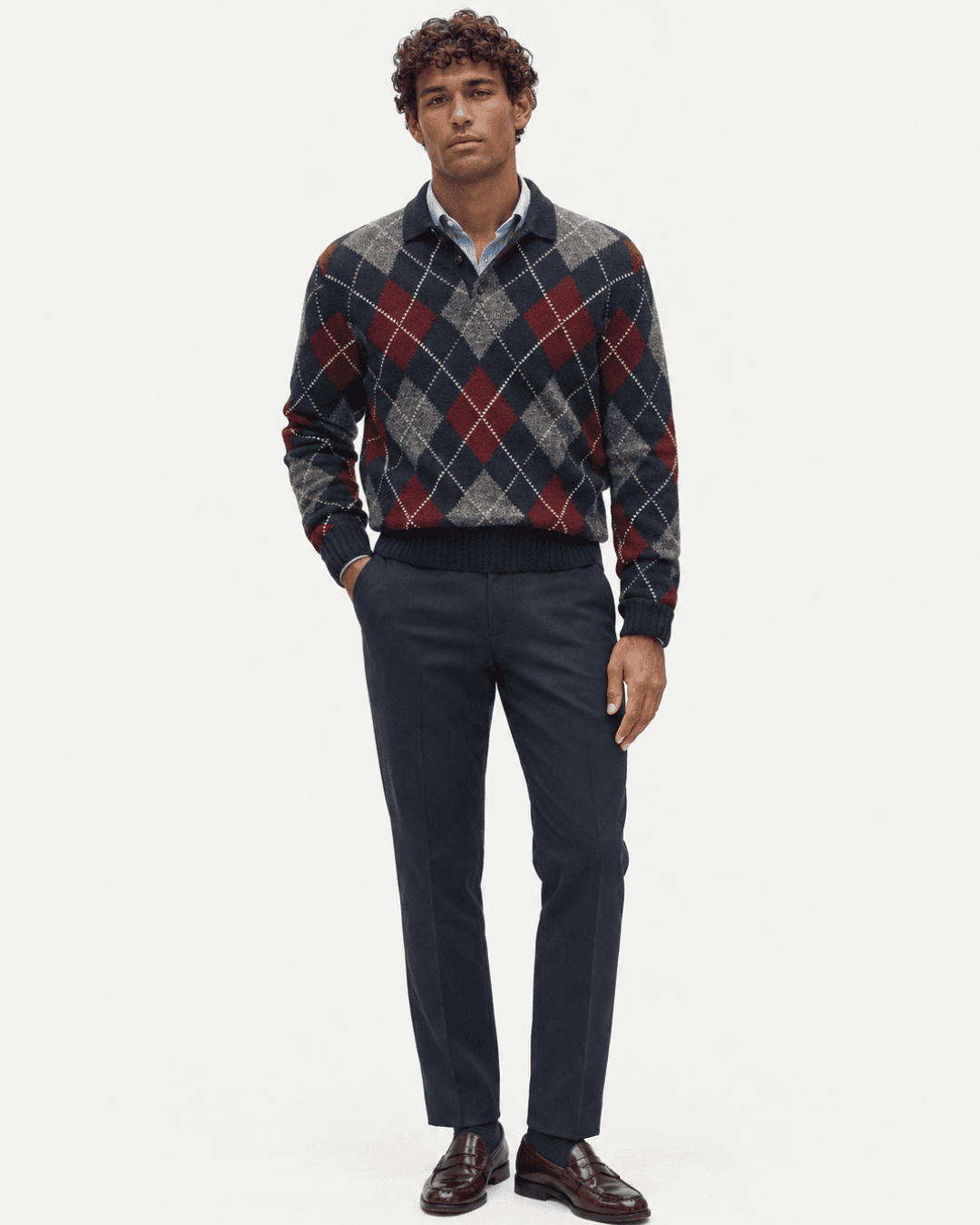
Best for: Traditional offices, business-casual lunches, and guys who like a classic preppy style.
8. Dark Olive Unstructured Suit + Chambray Shirt + Dark Brown Suede Loafers
The keyword here is “unstructured.”
Make sure you go with an unstructured suit to keep the outfit from becoming too formal and corporate.
Even so, a full suit can still feel more formal than wearing separates. So I chose a chambray shirt and suede loafers instead of an Oxford shirt and plain leather loafers to push the outfit further toward the casual side.
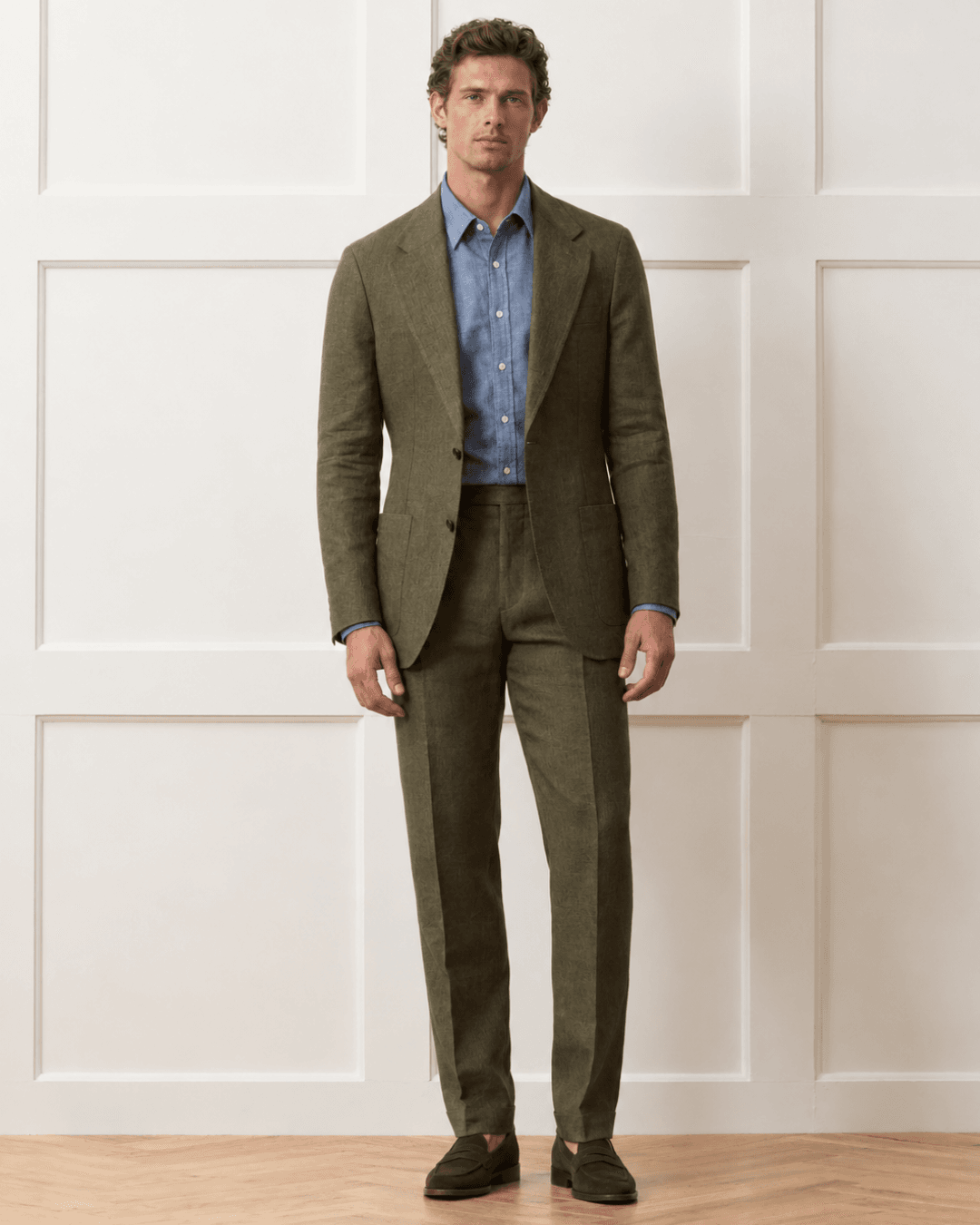
Best for: Client-facing offices, business dinners, and occasions when you need to look more polished without wearing a conventional suit and tie.
The 5 Fall Pieces That Do Most of the Work
You’ve seen my eight go-to business casual outfits, and as you can see, they’re not entirely built around new items. I used some pieces over and over.
Here are five of them that I think are enough to build a functional fall business casual wardrobe.
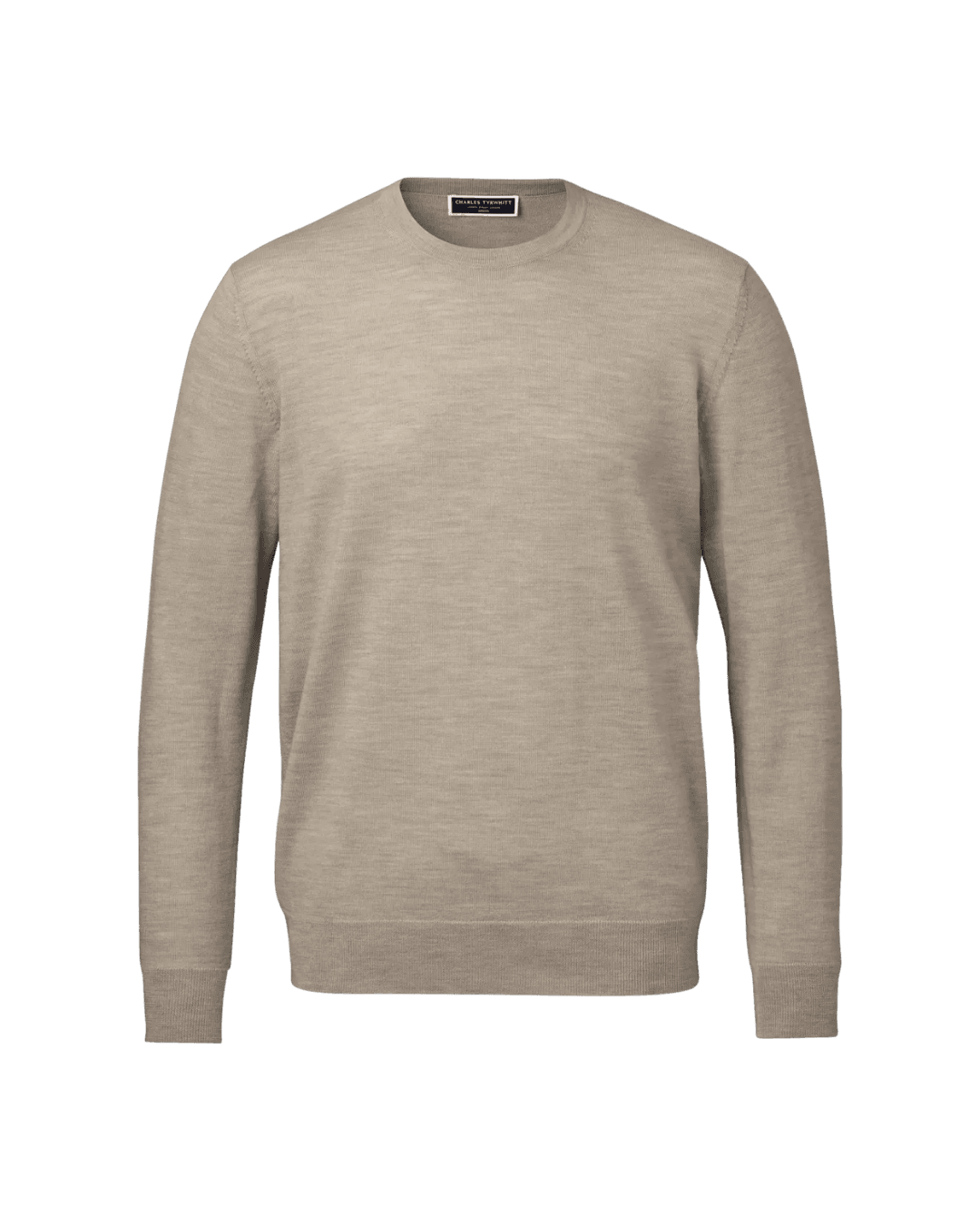
1. Fine-Gauge Knitwear
Knitwear is the easiest way to make an otherwise boring and plain outfit more interesting.
It’s also very versatile. You can wear it over shirts or on its own.
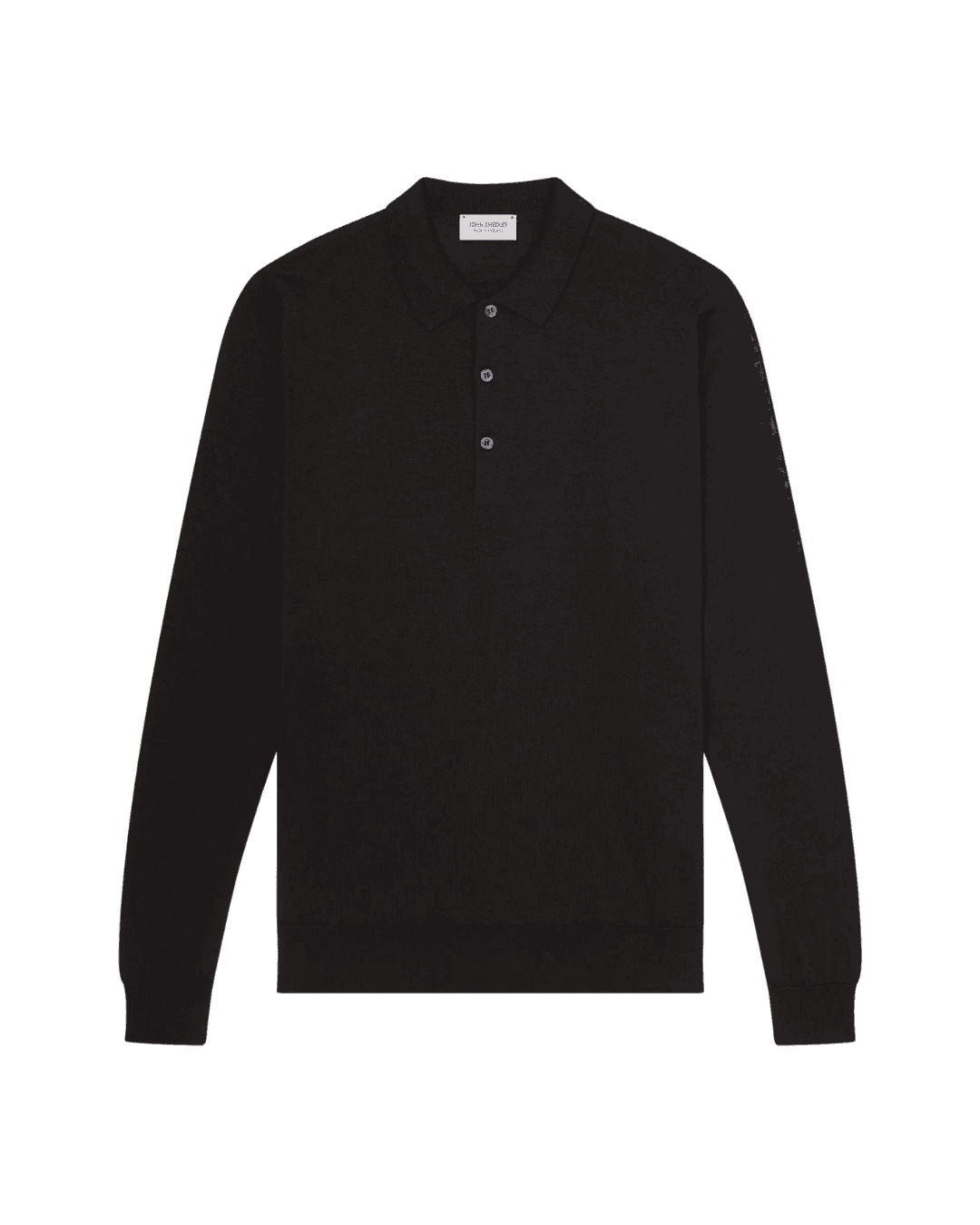
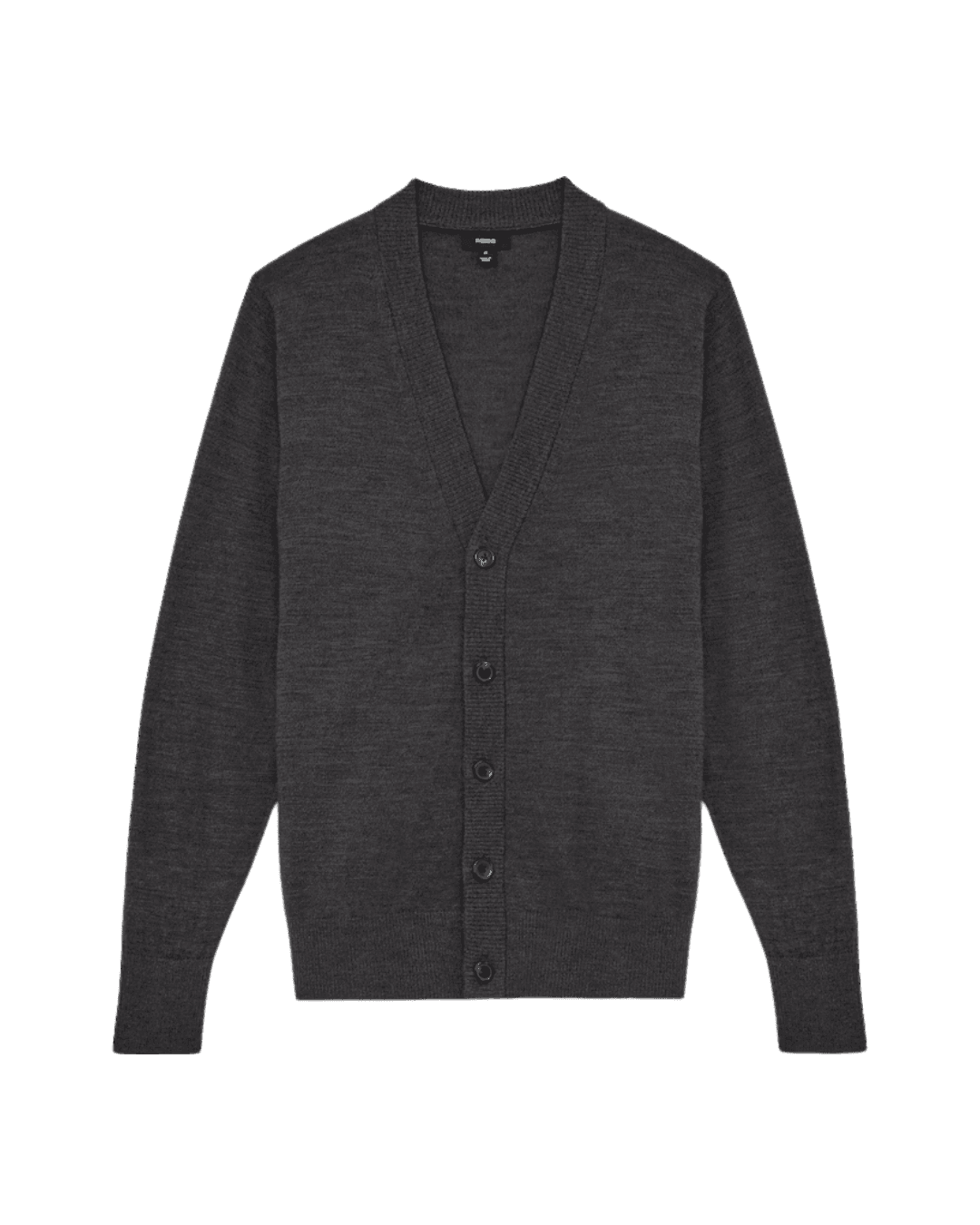
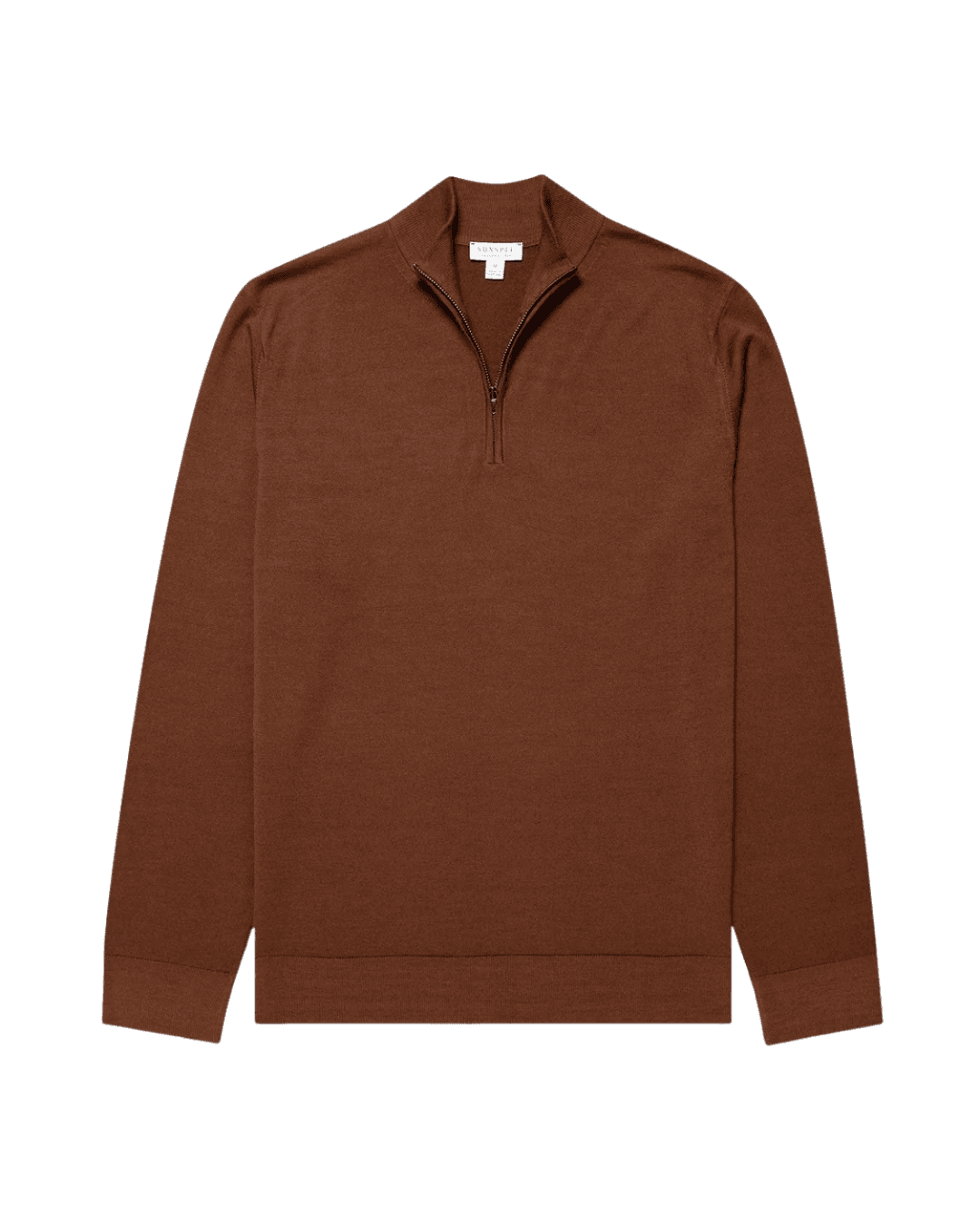
Think merino crewnecks, knit polos, quarter-zip sweaters, and lightweight cardigans.
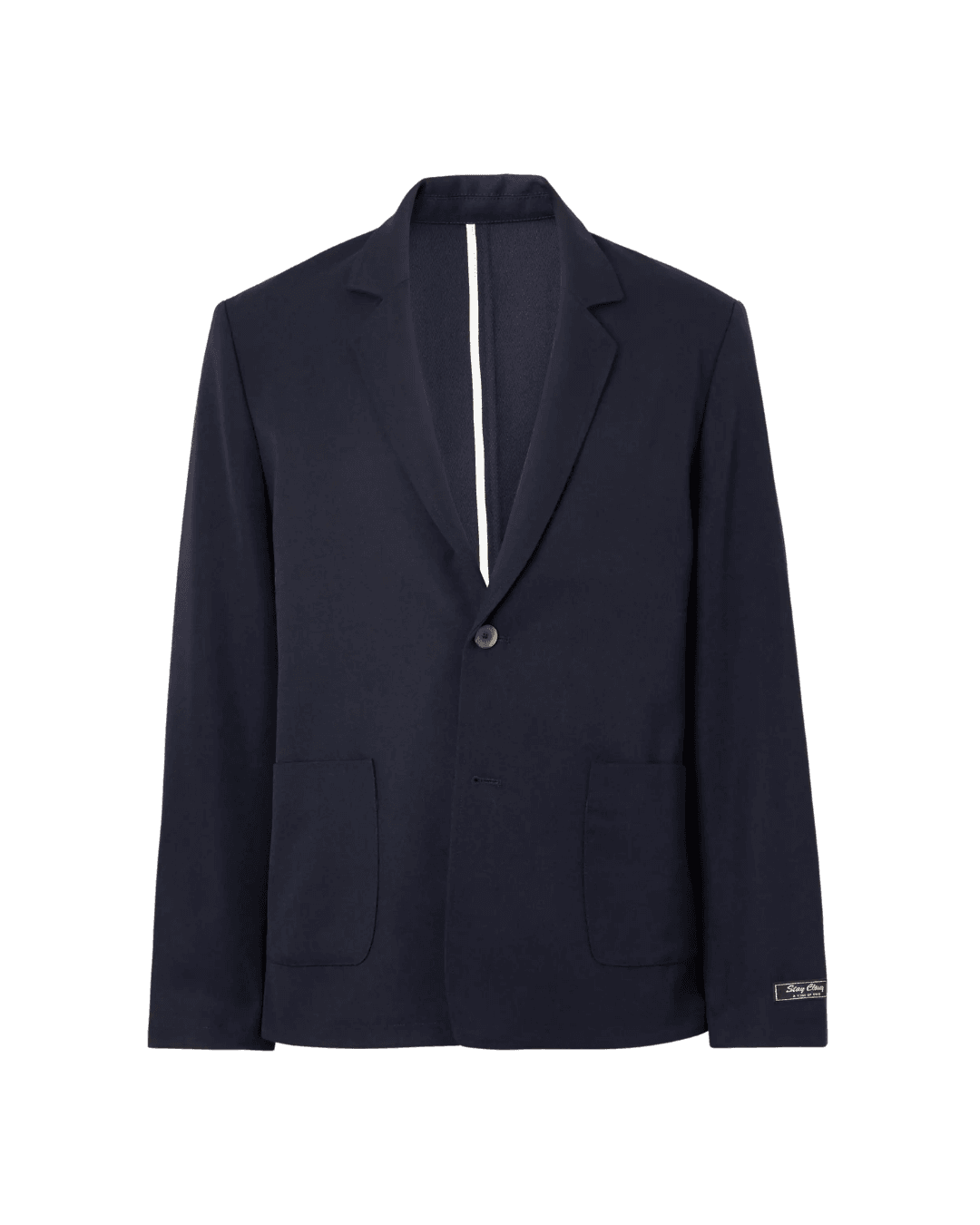
2. An Unstructured Blazer
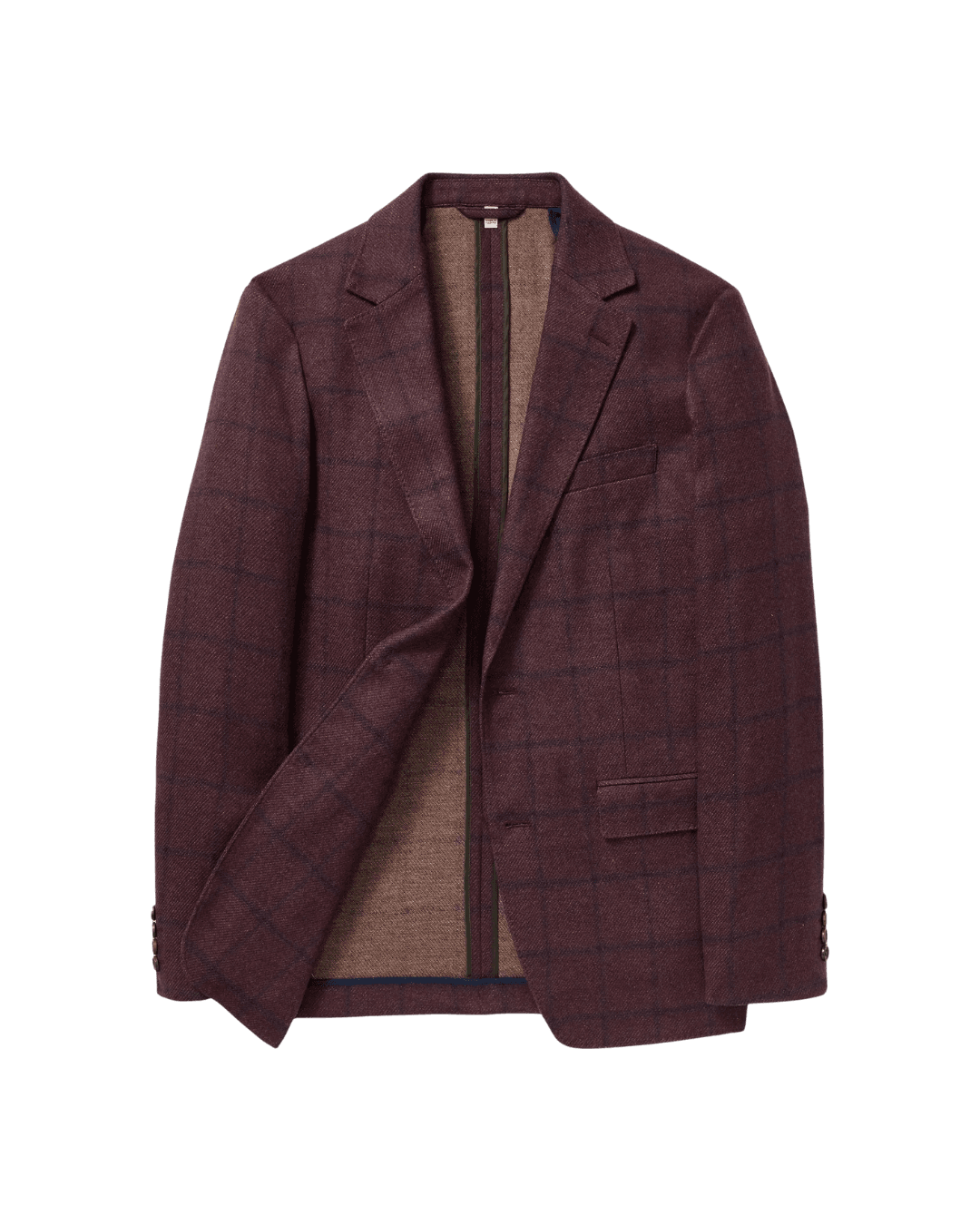
This is the workhorse of your business casual wardrobe.
And it isn’t seasonal. You can wear it all year round.
Black, navy, gray, or charcoal blazers never go out of style. But I recently swapped mine for a burgundy one, and I think you can give it a try.
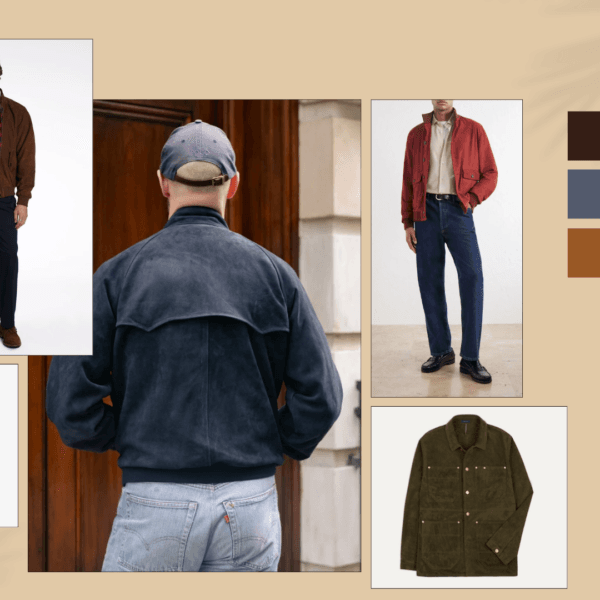
3. A Suede Jacket
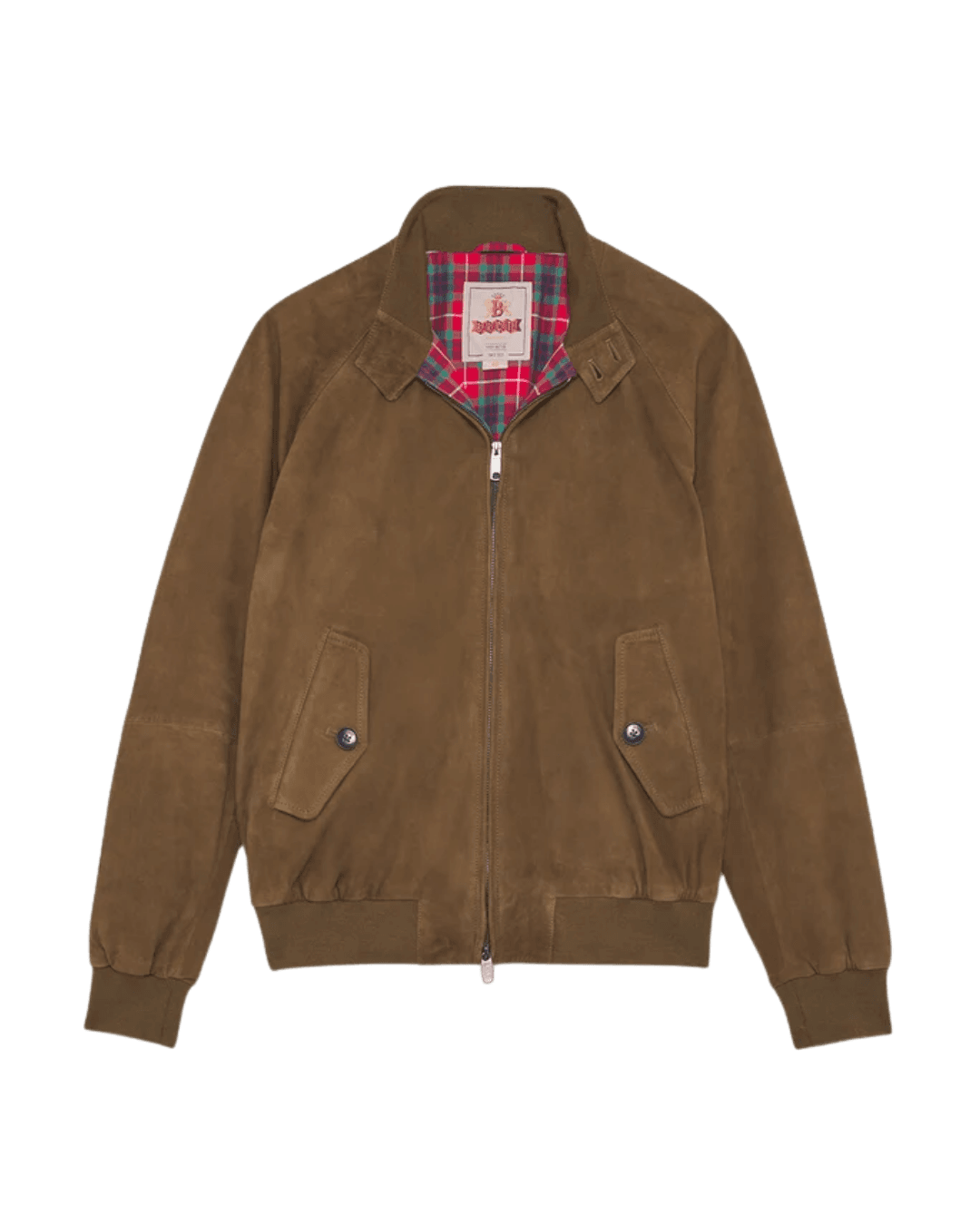
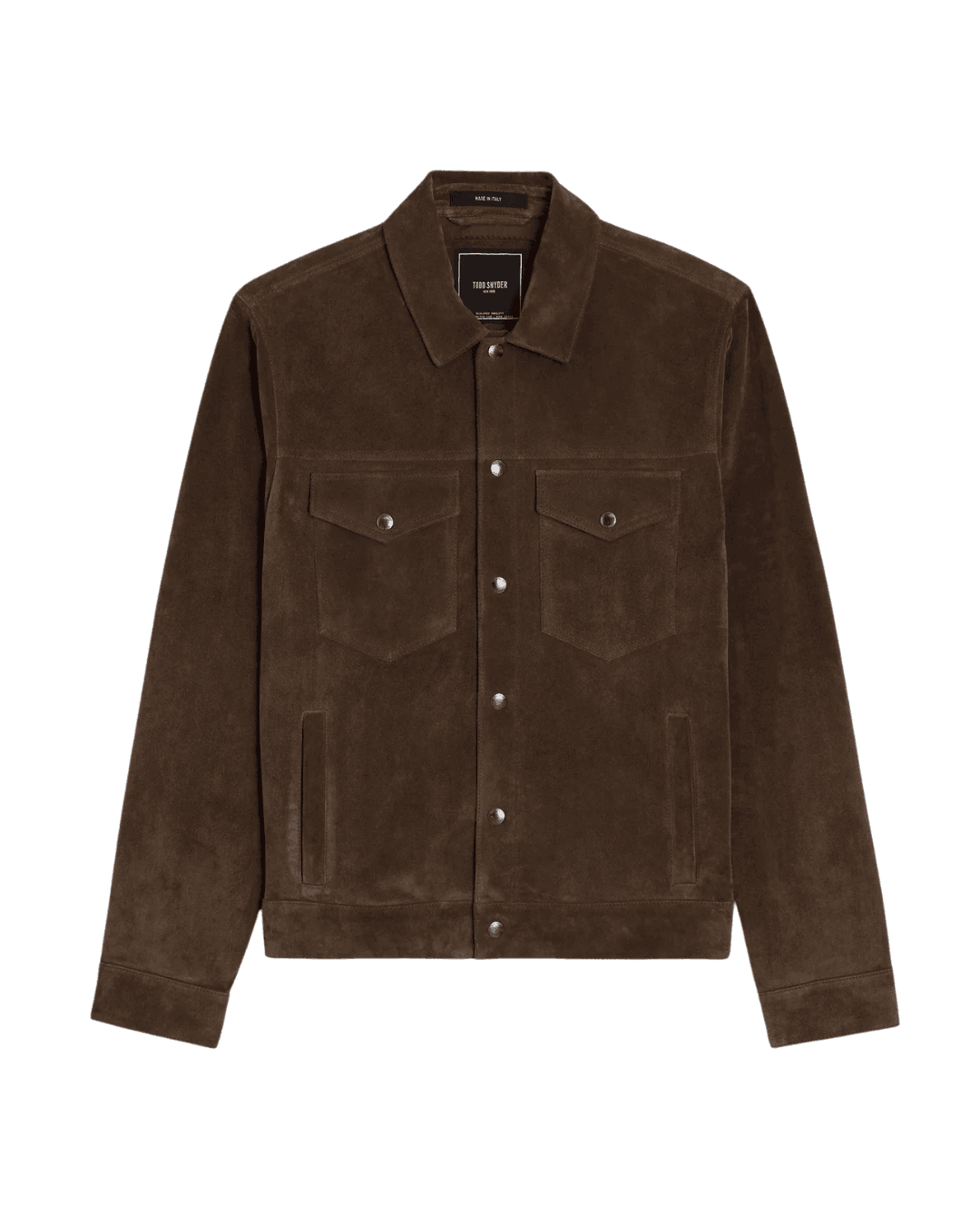
Another outerwear piece, but more casual than a blazer.
A lot of people think suede jackets don’t belong in the office, but when you choose the right silhouette and pair it with more formal trousers, it will fit right in a relaxed office.
My go-to silhouettes are the suede Harrington and trucker.
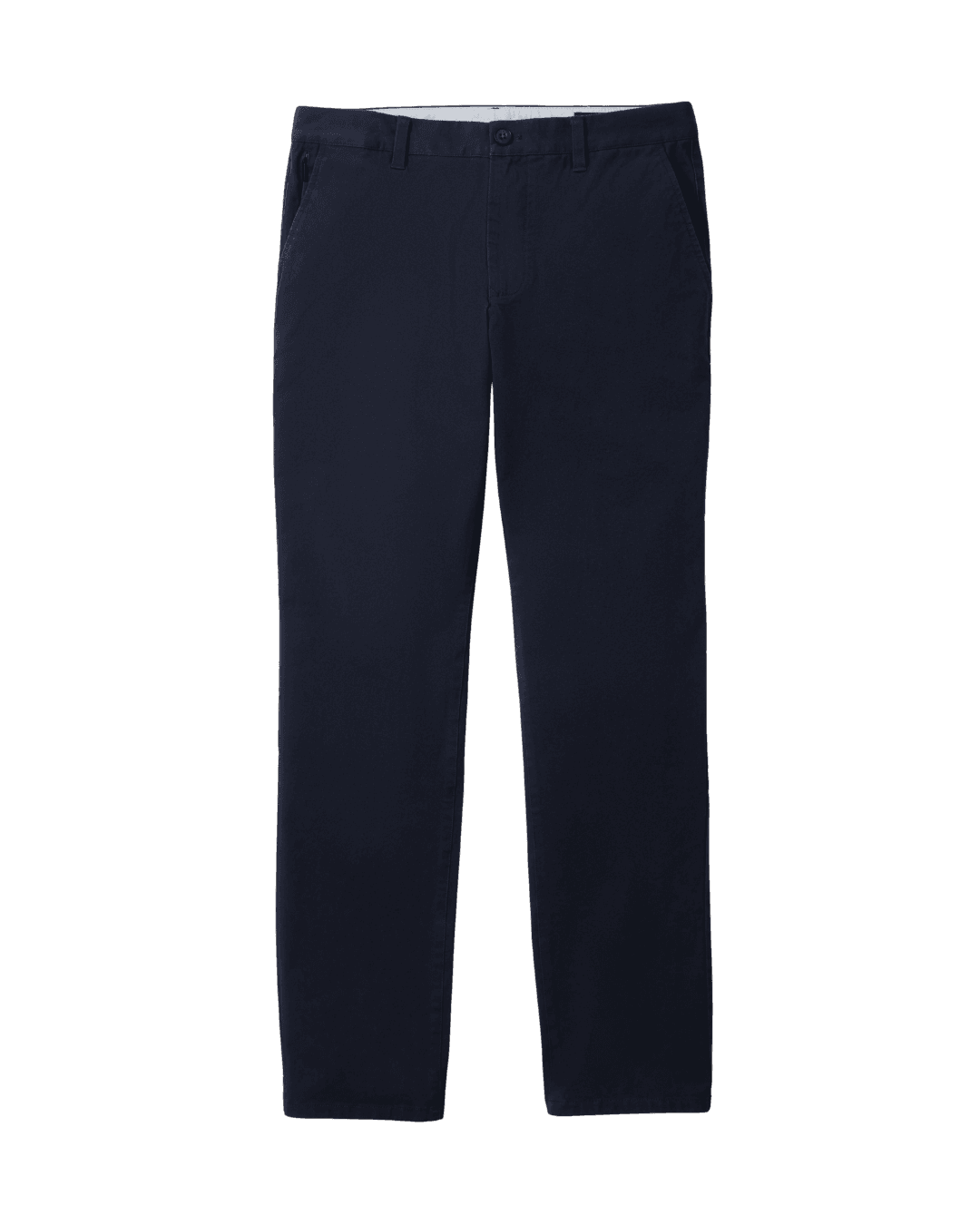
4. Chinos
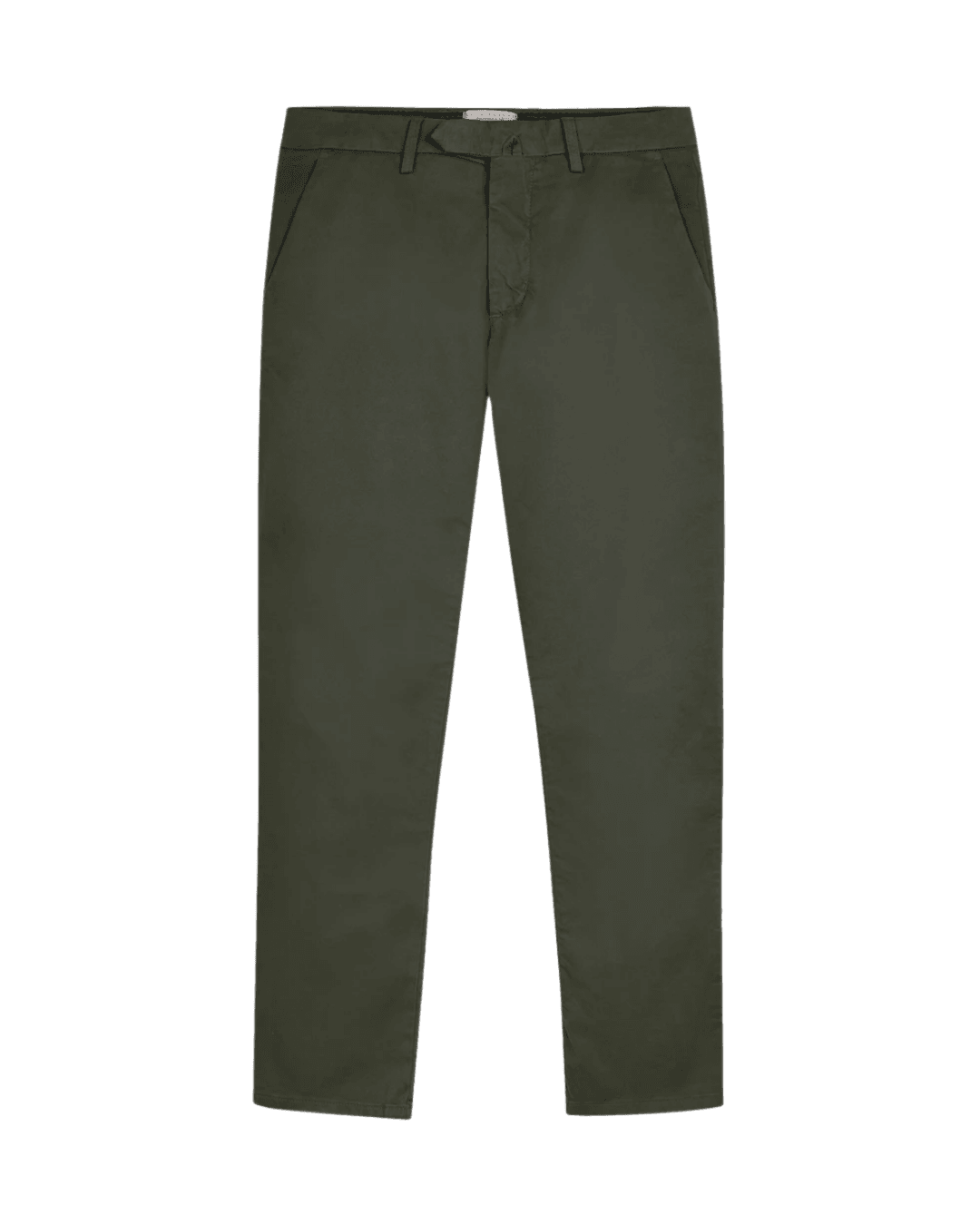
Chinos are basically a default for business casual, and they’re one of my go-to pieces.
That’s because they strike the perfect balance between formal and casual.
For business casual, go for mid-weight cotton-twill chinos with a slim-tapered or straight fit in neutral colors like navy, charcoal gray, khaki, or stone.
5. Wool Trousers
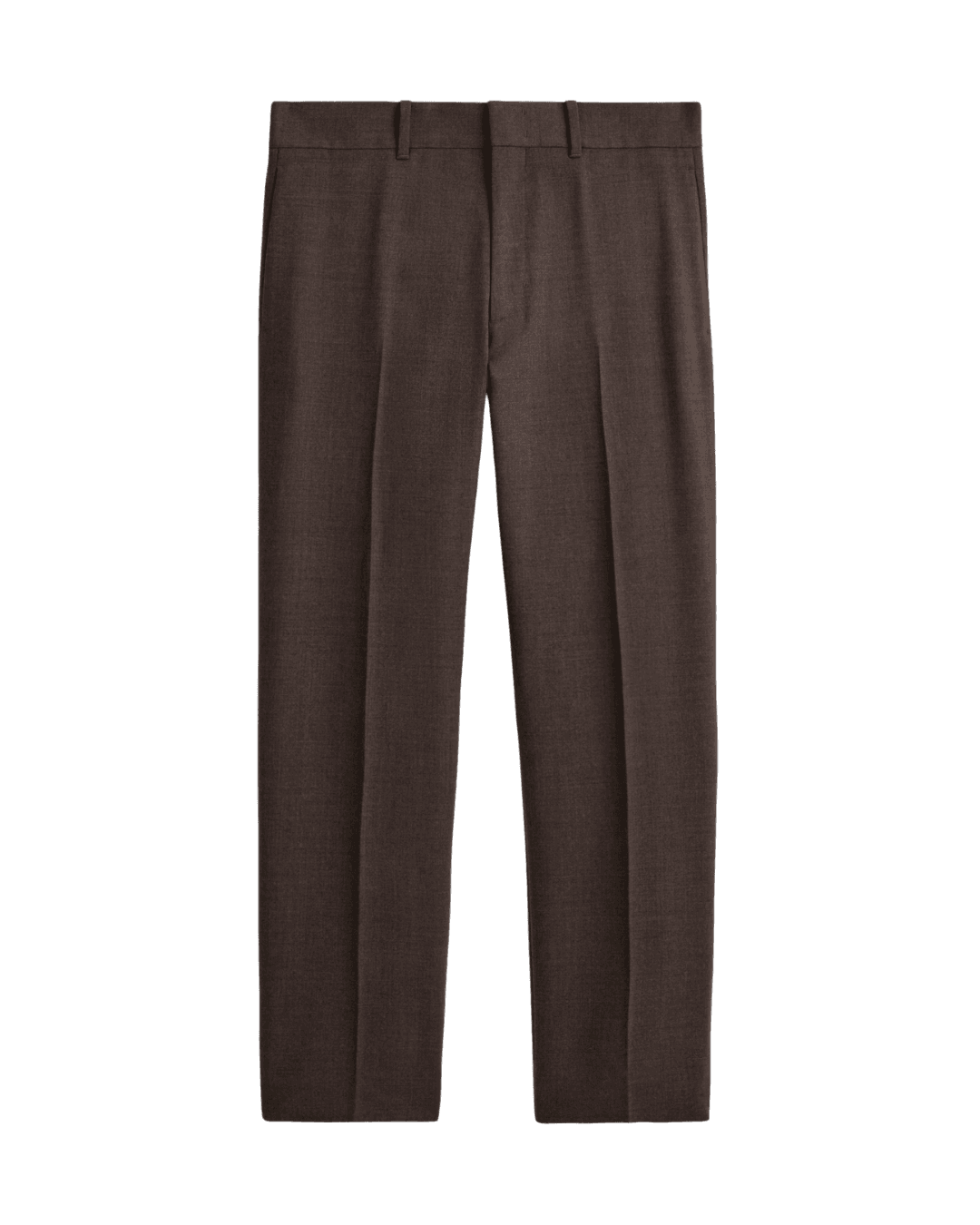
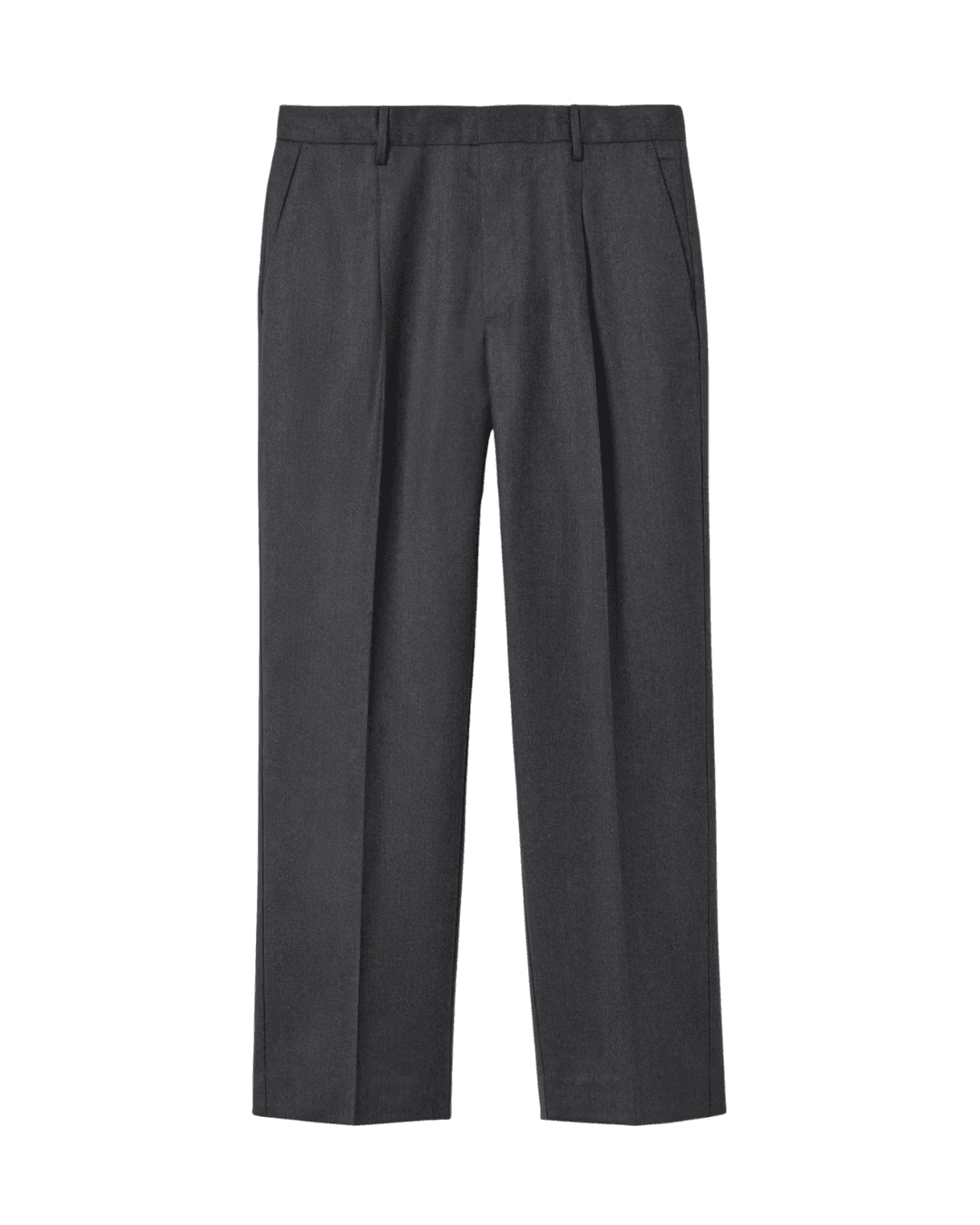
Wool trousers are more polished and refined than chinos.
They pair well with heavier fall fabrics and relaxed knitwear.
They also work well when your top half is more relaxed, and you want to keep the outfit refined.
For business casual, wool trousers with a moderate leg and some room through the thigh are all you need.
Fall Business Casual Mistakes to Avoid
The biggest mistakes aren’t necessarily about wearing the “wrong” item. They’re usually about getting the balance wrong.
Mistake #1: Too Many Heavy Fabrics
A chunky sweater, thick corduroy, heavy jacket, and substantial boots can make an outfit feel bulky.
Wear one substantial item, usually the outerwear, and keep the rest of your outfit lightweight.
Mistake #2: Dark Everything
Navy trousers, a charcoal sweater, black shoes, and a black coat can work, but adding a lighter shirt or warmer accessory can give the outfit some breathing room.
For example, swap the charcoal sweater for an ecru button-down.
Mistake #3: Too Much Suede
Suede is nice to bring texture to an otherwise plain outfit, but keep it restrained.
I add two suede items at most: a suede jacket and suede shoes.
If you add more suede, let’s say, a suede belt and suede bag, the outfit looks overly coordinated.
Mistake #4: A Tight Fit with Heavy Fabrics
Wearing a tight fit with heavy fabrics throws your proportions off.
Especially in fall, clothes look better with a little room.
Don’t try to squeeze a thick merino sweater into the same slim silhouette you wore with a lightweight summer shirt.
Mistake #5: Treating Business Casual as Formalwear without a Tie
Business casual and business formal are different.
It’s not just about whether you wear a tie or not. It’s about the silhouette, the proportion, and how the different pieces work together.
Wearing a dress shirt, structured blazer, and polished dress shoes without a tie is still closer to traditional business attire than modern business casual.
Fall Business Casual FAQs
1. How to Dress Down Without Looking Underdressed?
Here’s a useful trick when you’re not sure how casual you can go: relax one element at a time.
Start with a fairly traditional outfit, then replace one piece with something more casual.
For example:
A blazer can become a suede jacket.
A dress shirt can become an Oxford.
An Oxford can become a knit polo.
Tailored trousers can become chinos.
Leather loafers can become suede loafers.
This lets you adjust the outfit without throwing the whole thing off.
If you work somewhere where the dress code changes from day to day, this is much more useful than having separate “formal” and “casual” wardrobes.
2. Can You Wear Denim for Business Casual?
Yes.
I don’t personally wear denim jackets to the office, but I do wear jeans.
However, whether you can wear jeans or not depends heavily on your workplace and the jeans you choose.
I wear clean dark-wash jeans in a straight fit.
You can also go with moderately slim fits, but avoid tight jeans, as well as heavy fading, distressing, or overly casual details.
Pairing is also important.
Pair them with more polished pieces, such as an Oxford shirt, fine-gauge sweater, unstructured blazer, or suede loafers, to keep the outfit balanced.
3. What If Your Office Has a Gray Area?
This is where business casual gets tricky.
Some workplaces say “business casual” and mean chinos and an Oxford shirt. Others mean jeans, sneakers, and a sweater. There’s no universal uniform.
If you’re unsure, start slightly more polished and adjust from there.
For example:
If you have a client meeting -> Wear a blazer or an unstructured suit, an Oxford shirt, and loafers.
If it’s a normal office day -> Chinos or trousers with an Oxford, knit polo, or fine-gauge sweater are usually easier to adapt.
If Friday is more relaxed -> Try chinos or dark denim with an Oxford, merino sweater, or overshirt. Keep the shoes relatively polished.
If you work in a creative office -> You have more room for suede jackets, knit polos, textured trousers, and more relaxed silhouettes.
If you’re unsure about jeans -> Look at what people around you actually wear. If jeans are common, choose a dark, clean pair without distressing and balance them with smarter pieces.
Some of the links on this page are affiliate links. This means if you click and make a purchase, we may earn a small commission at no extra cost to you. We only recommend products we genuinely like and think you’ll enjoy.
Read More