Layering Clothes in Fall: A Complete Men’s Style Guide
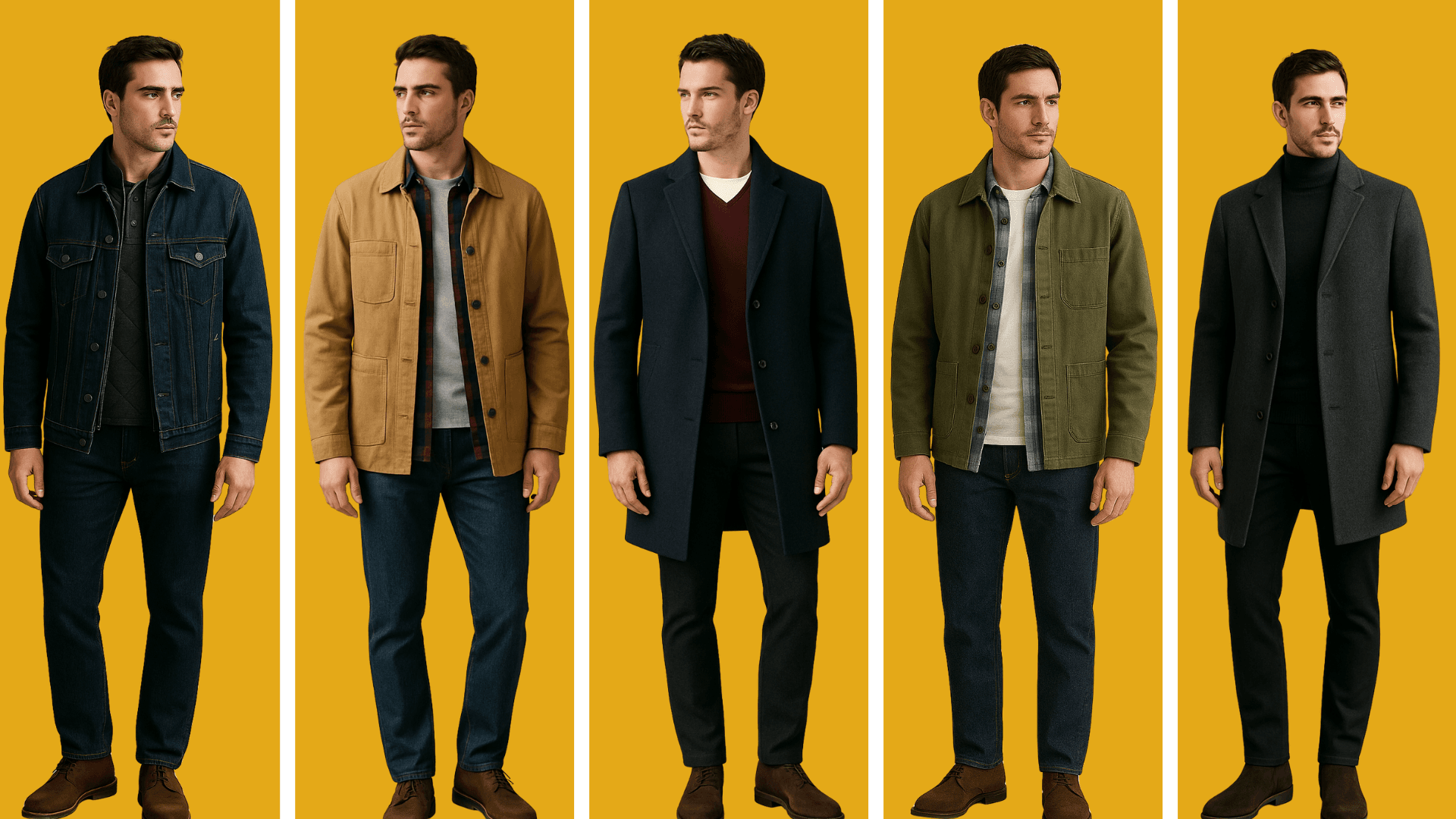
Layering clothes is the charm of fall dressing.
But only when you do it right.
Layering is like building a house. If you don’t get the foundation right, the whole thing falls apart.
The thing is, most guys know they should layer, they just don’t know how.
Fair enough. It looks easy in theory, but in reality? It’s hard.
That’s why I’m writing this guide to break down the ins and outs of layering.
By the end of this guide, you’ll be able to layer properly and comfortably.
What Is Layering?
Layering means wearing multiple pieces to create a functional and stylish outfit.
In this article, we’re mostly talking about layering with three or more pieces.
Does throwing a jacket over a tee count as layering?
Yes. Any time you wear more than one garment, that’s layering.
But that’s not what we’re focusing on here.
Why?
Because in my experience, it’s pretty rare to mess up a simple two-piece layer.
If you just want a two-piece layer, here’s a simple tip:
Take any outfit from this post, skip the mid-layer, and stick with the base and outer.
The Foundation: Core Principles of Great Layering
Before we get into specific outfits, you need to understand the WHYs behind great layering.
The "Thin to Win" Rule
This is the golden rule of layering.
Start thin and build outward.
Your base layer (the one touching your skin) should be the thinnest, most breathable fabric.
Why?
Because thin base layers don’t bunch up under your clothes or add unnecessary bulk.
Think of it like this:
If you start with a thick thermal shirt, your base layer is already bulky. Every layer on top just amplifies that bulk.
But if you start with a fitted merino wool tee or a quality cotton undershirt? You’re building the right foundation.
Here’s an example:
- Base layer: A lightweight merino wool tee (paper-thin)
- Mid-layer: A cotton or cashmere sweater (medium weight)
- Outer layer: A structured wool topcoat (not puffy)

Each layer gets progressively thicker as you move outward.
Choosing the Right Fabric
Fabric choice is important when it comes to layering.
Some fabrics naturally create bulk, while others are barely noticeable under your clothes.
Here’s what you need to know:
Lightweight fabrics work best for base and mid layers (especially for the base layer).
- Merino wool (lightweight)
- Cotton jersey
- Modal
- Thin cashmere
- Silk blends
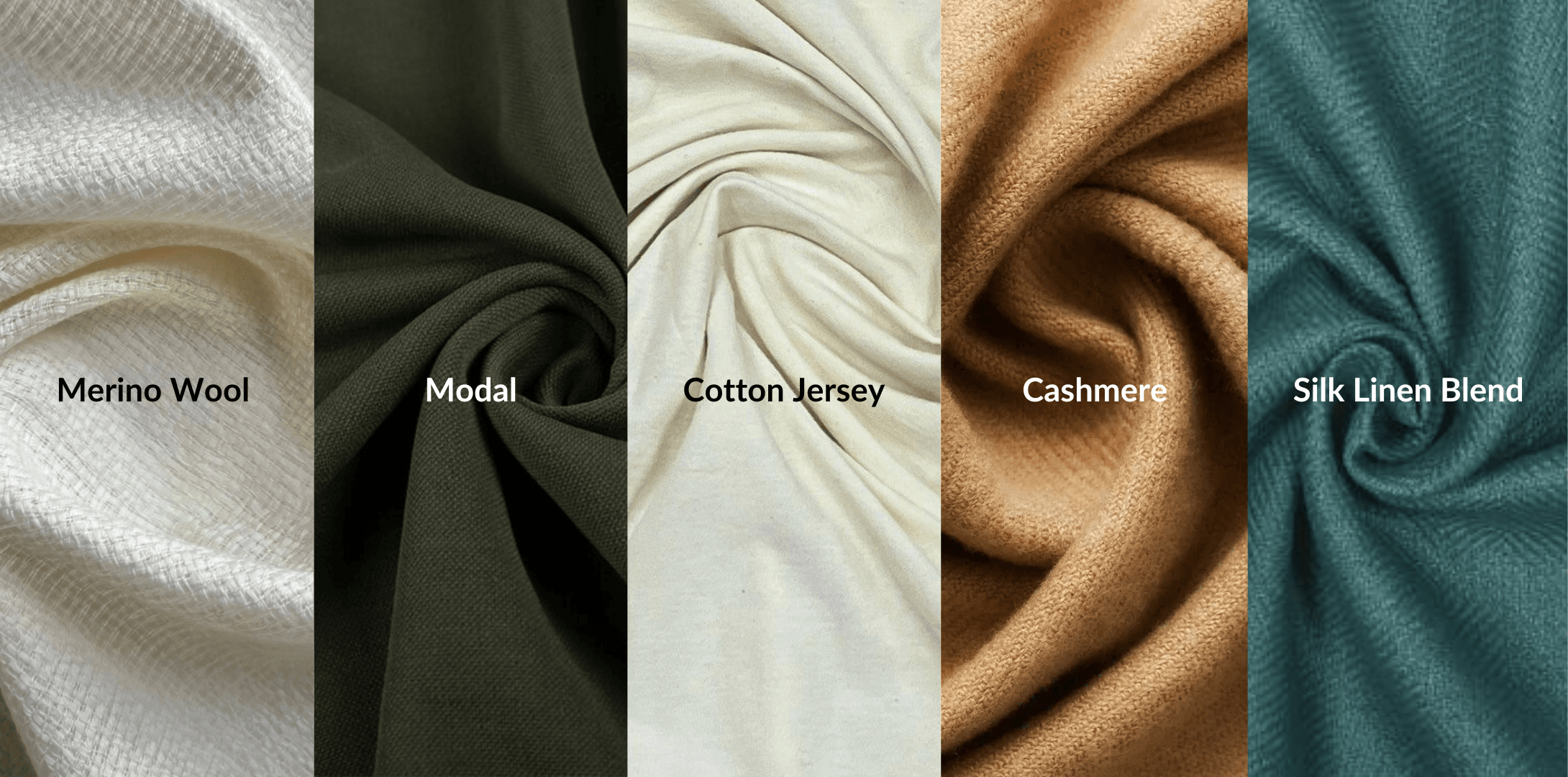
These fabrics have a “drape”, which means they are soft, flowy, and hang naturally on your body instead of sticking out.
Medium-weight fabrics work best for middle or outer layers.
- Wool
- Cotton twill
- Flannel
- Heavier knits

- Wool coats
- Waxed canvas jackets
- Leather jackets
- Down vests
Balance Fit and Proportions
Remember I said most guys know they should layer, but don’t know how?
This is one of those places where most guys mess up:
Layering is about balancing fit, not just stacking clothes.
If every layer is the same fit (all loose or all tight), you’ll look bulky or awkwardly tight.
The secret? Create contrast:
Fitted base → Slightly relaxed mid-layer → Structured outer layer
- Base: Slim-fit merino tee (fitted)
- Mid: Regular-fit flannel shirt (slightly relaxed)
- Outer: Tailored wool topcoat (structured)
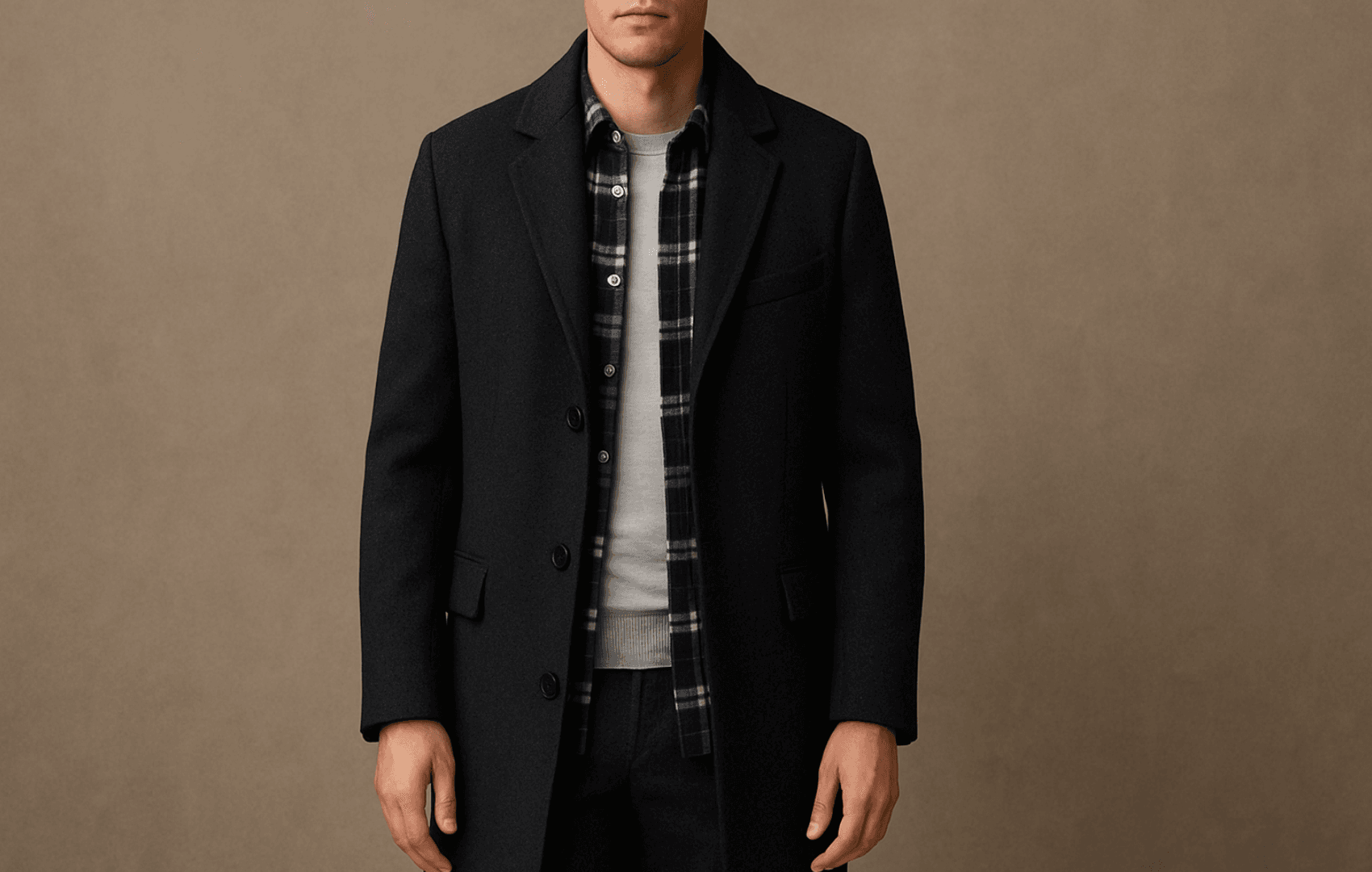
This creates a natural and sleek layering progression.
The Rule of Three
What is it?
It means that for a stylish, less bulky look, three visible layers is often the sweet spot.
Here’s what I mean by “visible layers”:
Base layer: Can be visible at the collar or sleeve.
Mid-layer: Always visible (sweater, shirt, vest).
Outer layer: Your jacket or coat.
Why is The Rule of Three a great starting point?
Because it’s easy. Because it’s simple. Before worrying about complex rules like color coordination (which we’ll cover later), this one helps you build clean, purposeful, and visually appealing layers.
Note: Your underwear and undershirt don’t count as layers here.
Okay, these are the foundations of the layering. Now, let’s move on to more advanced topics.
Body Types and Layering
You can’t ignore your body type when it comes to layering.
Because everyone has a different body shape, something that works for me won’t necessarily work for you.
Here are some common body types:
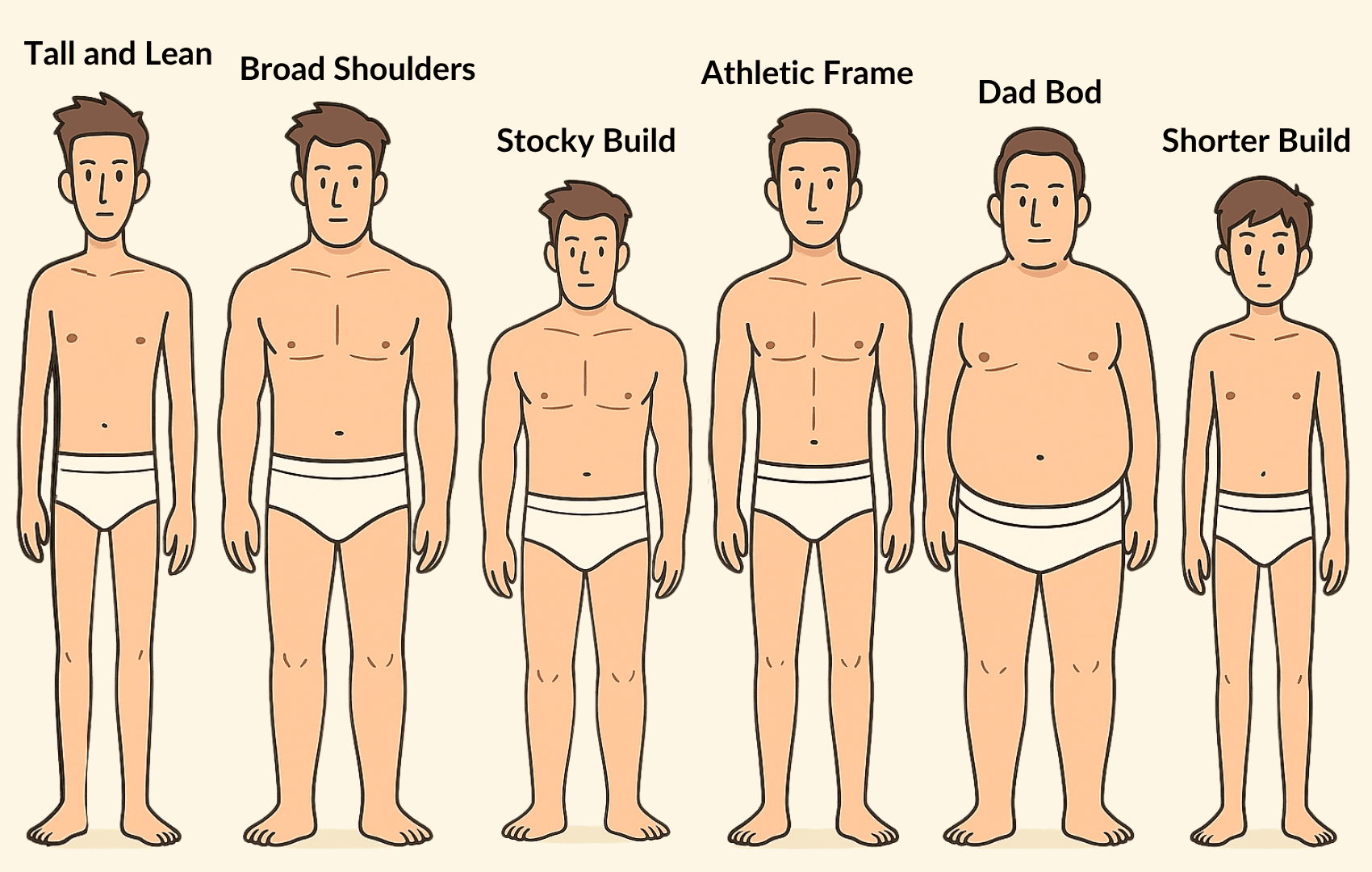
So, let’s talk about how layering works for different body types:
Tall and Lean
Your challenge: Layers can make you look even lankier if you’re not careful.
How to fix it: Create balance with texture and horizontal lines.
Here’s a layering idea for you:
- Base: Lightweight merino or cotton tee
- Mid: Medium-weight knits with texture (cable knit, ribbed)
- Outer: Structured jackets in light colors add width (bomber jackets, trucker jackets)
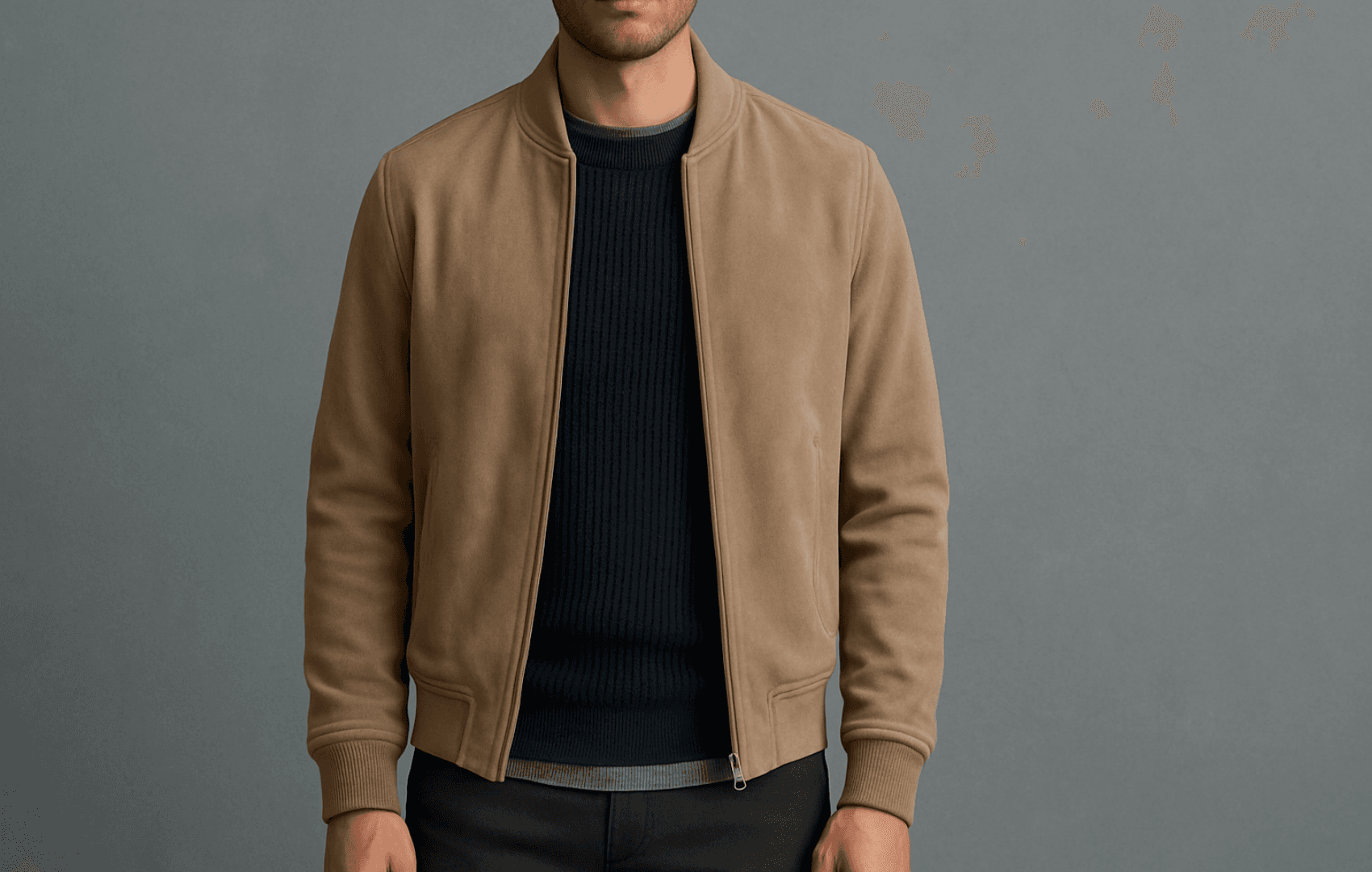

Pro tip: Go with lighter-colored Outers. Lighter colors add width to your frame and keep you from looking lanky.
Broad Shoulders
Your challenge: Layers can make your shoulders look even bigger and create a top-heavy look.
How to fix it: Keep upper layers streamlined (creating a smooth, continuous line) and balance your lower half by adding visual weight.
Here’s a layering idea for you:
- Base: Ultra-thin compression or merino tee
- Mid: Thin to medium-weight V-neck sweater (avoid chunky knits)
- Outer: Unstructured jackets in dark colors with minimal or no shoulder padding (cotton chore coat, lightweight wool blazer, or soft-shoulder bomber)
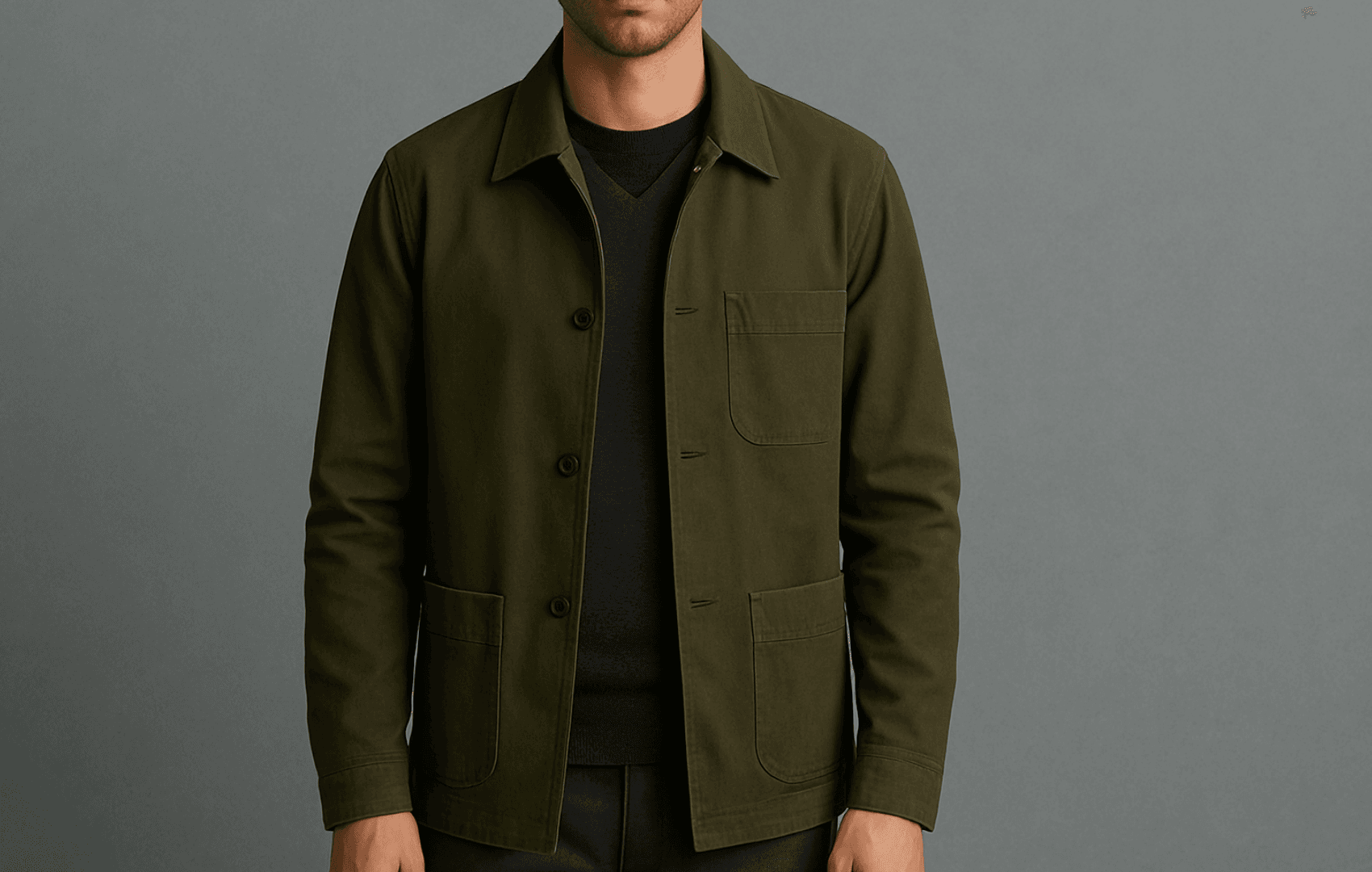
Pro tip: Stick with V-necks and avoid crew necks in your mid-layers. V-necks draw the eye downward and balance your proportions.
Stocky Build
A stocky build usually means being shorter than average height (around 5’9” / 175 cm in the U.S.) with a broader chest and wider shoulders.
Your challenge: Adding layers can make you look even shorter and heavier.
How to fix it: Create vertical lines and avoid anything thick and bulky.
- Base: Lightweight tee in non-clingy fabrics (cotton or modal)
- Mid: Medium-weight sweaters with vertical texture
- Outer: Longer jackets or coats that create a vertical line (car coats, overcoats)
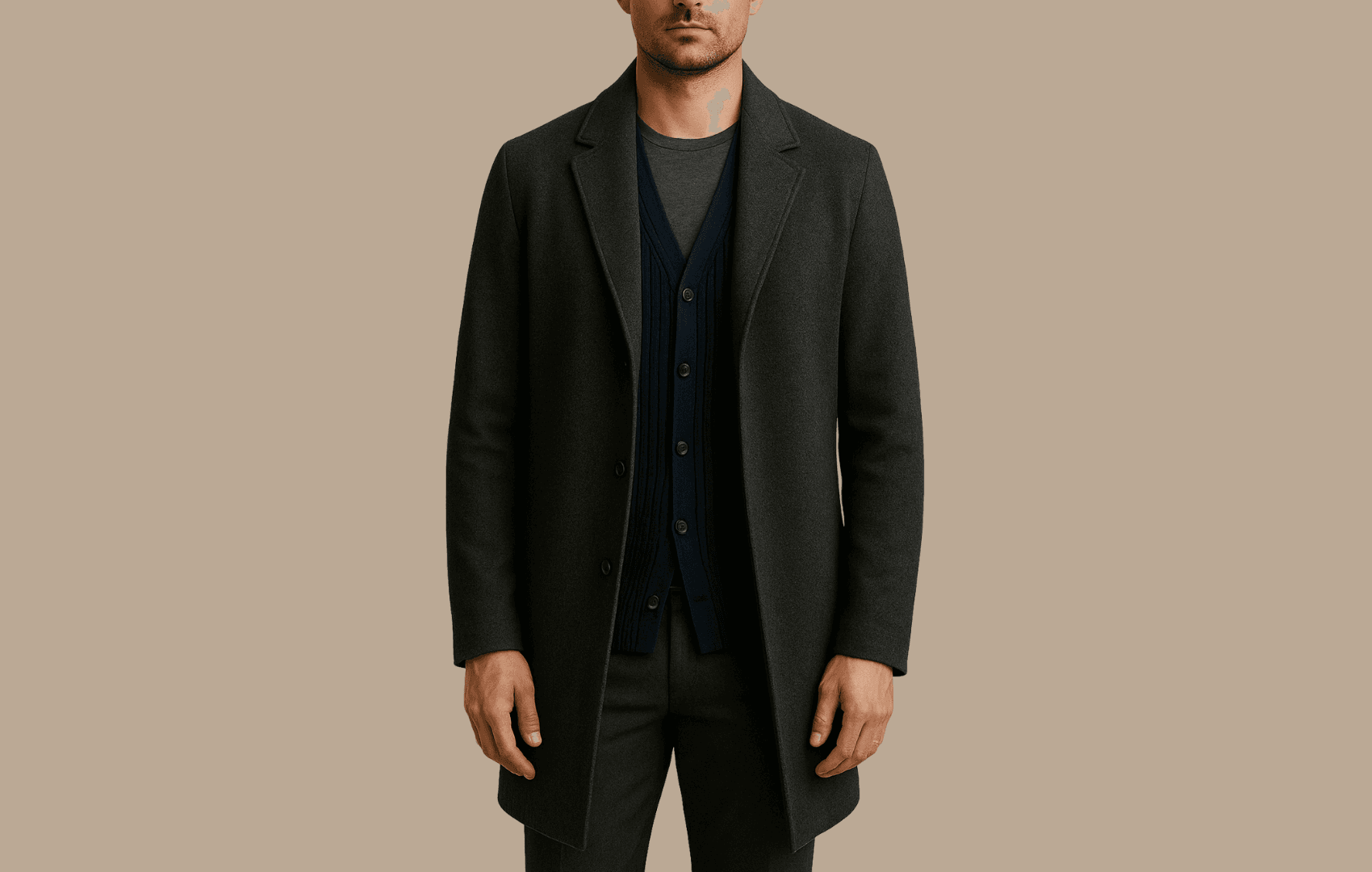
Pro tip: Leave your outer layer unbuttoned or unzipped. It creates a continuous vertical line that makes you look taller and leaner. Also, ensure your coat doesn’t drop below the knee; it’ll only shorten your frame.
Athletic Frame
Your challenge: Lucky you, you can pull off almost anything, but you still need to put in some effort if you don’t want your build to get lost under the layers.
How to fix it: Show off your proportions with fitted bases and structured outers.
- Base: Fitted lightweight merino or cotton
- Mid: Regular-fit knits or shirts (Oxford shirt or fine-gauge crewneck sweater)
- Outer: Tailored or semi-fitted jackets that define your frame (like a wool blazer or suede trucker jacket)
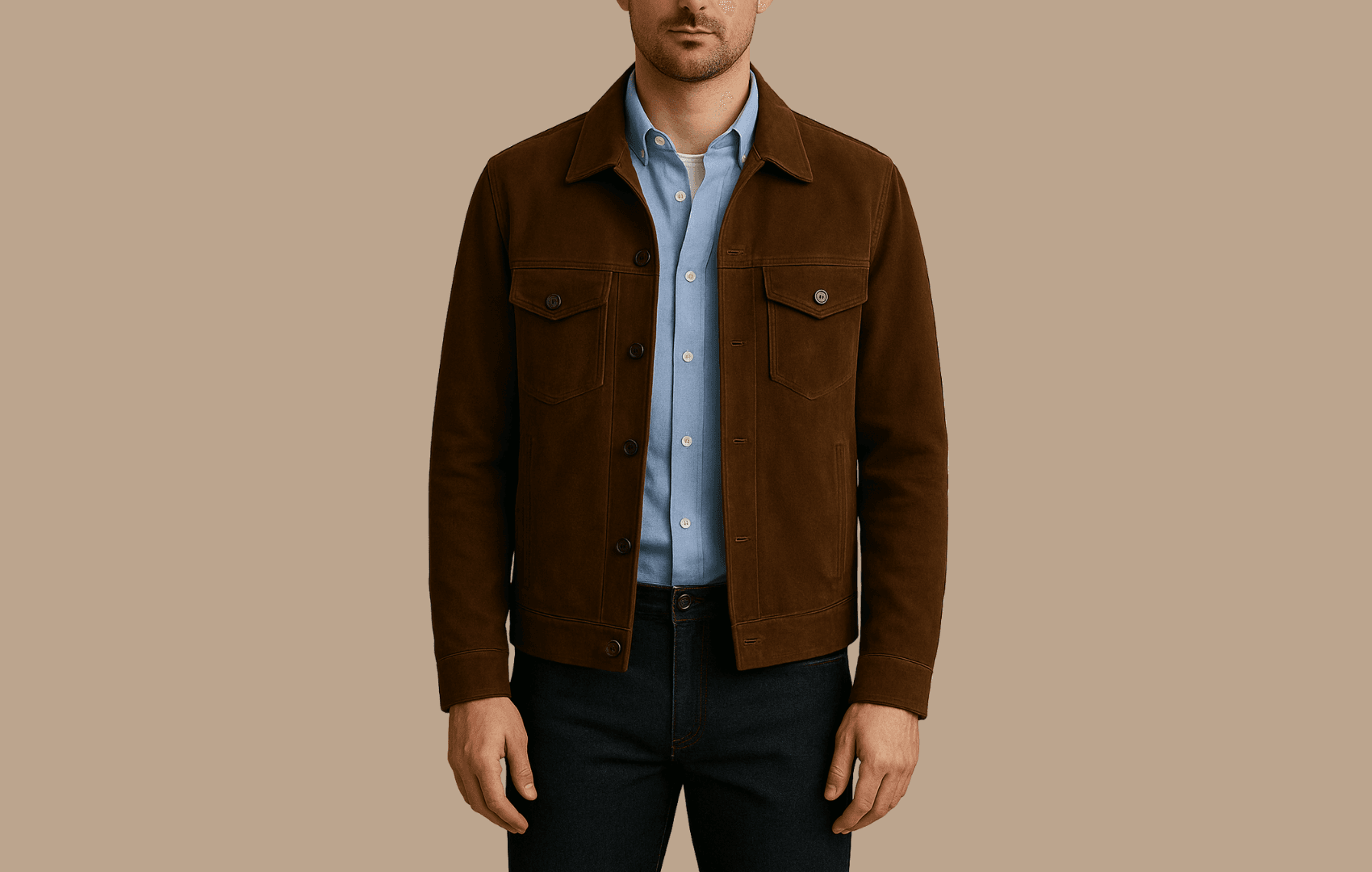
Pro tip: You can try wearing more fitted layers than other body types. Just avoid going too tight in every layer.
Dad Bod
Dad bod means a rounder shape with a bit of a beer belly. Many middle-aged men have it, which is where the name comes from.
Your challenge: You want to hide the belly without looking frumpy.
How to fix it: Strategic layering that skims (not clings) the body and creates structure.
Here’s a layering idea for you:
- Base: Lightweight, breathable fabrics that don’t cling (high-quality cotton tee)
- Mid: Medium-weight layers with a slight drape and texture (knit sweater, a cardigan, or a denim or flannel overshirt)
- Outer: Structured jackets with some shape. Avoid boxy or oversized. (sports coat, overcoat)
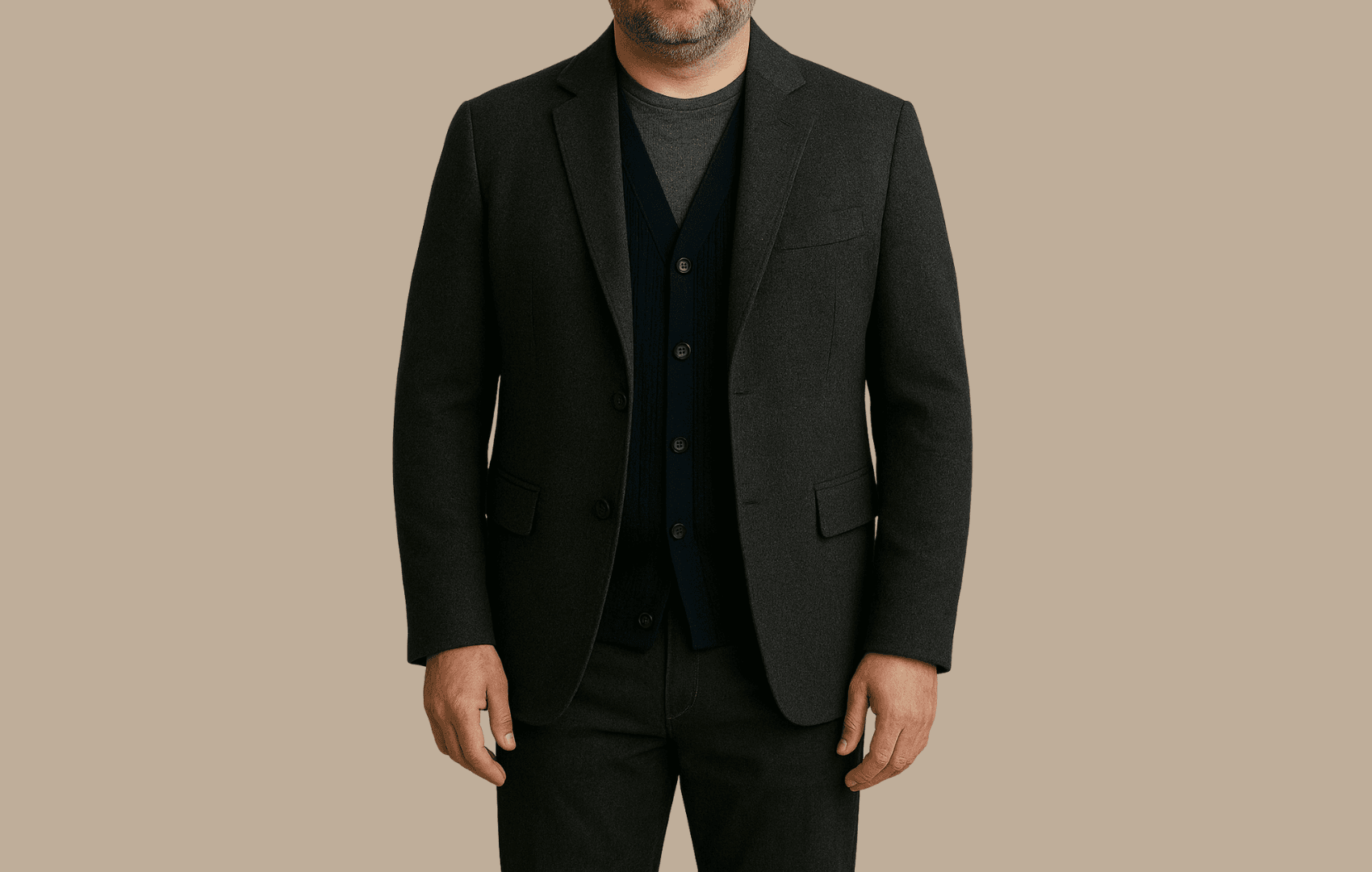
Pro tip: Go for darker colors. They will minimize your midsection and make you look thinner and stylish.
Shorter Build
What’s the difference between a stocky body and a shorter build?
Both mean someone below average height, but “shorter build” is a broader term.
Every stocky guy is shorter, but not every shorter guy is stocky.
In this section, shorter build means someone under average height with a regular or leaner frame, not a stocky one.
Your challenge: Layering can easily overwhelm your frame and make you look even shorter.
How to fix it: Keep layers proportional to create an illusional height. Avoid anything too bulky.
- Base: Thin, fitted fabrics (cotton tee, lightweight merino Henley)
- Mid: Avoid oversized stuff. Stick with regular fit (Oxford shirt, fine-gauge V-neck sweater)
- Outer: Shorter jacket lengths (bomber, trucker, shorter topcoats)
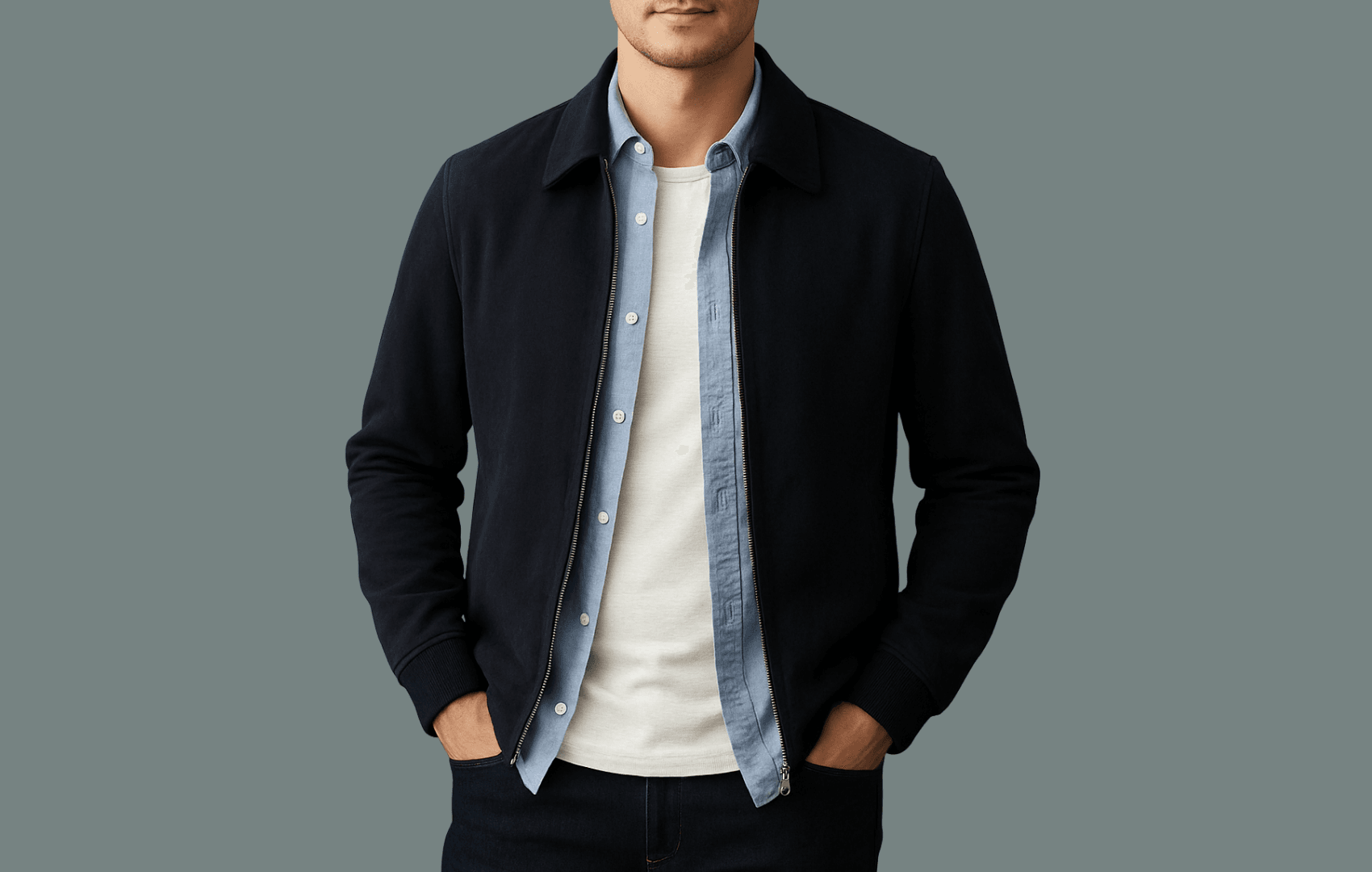
Pro tip: Avoid anything that hits below your knee. They’ll make you look shorter. Stick with jackets that hit at or just below your hip. Unbutton your outer layer to create a vertical line.
Building Your Layering Wardrobe
In the last section, I gave you quick bracketed examples like this:
Now, let’s expand on that and talk more specifically about pieces you need for each layer (base, mid, and outer).
Base Layers
The base layer is the foundation of your entire outfit, and the closest to your skin.
They should be thin, breathable, and comfortable.
Here are some essential pieces for base layers:
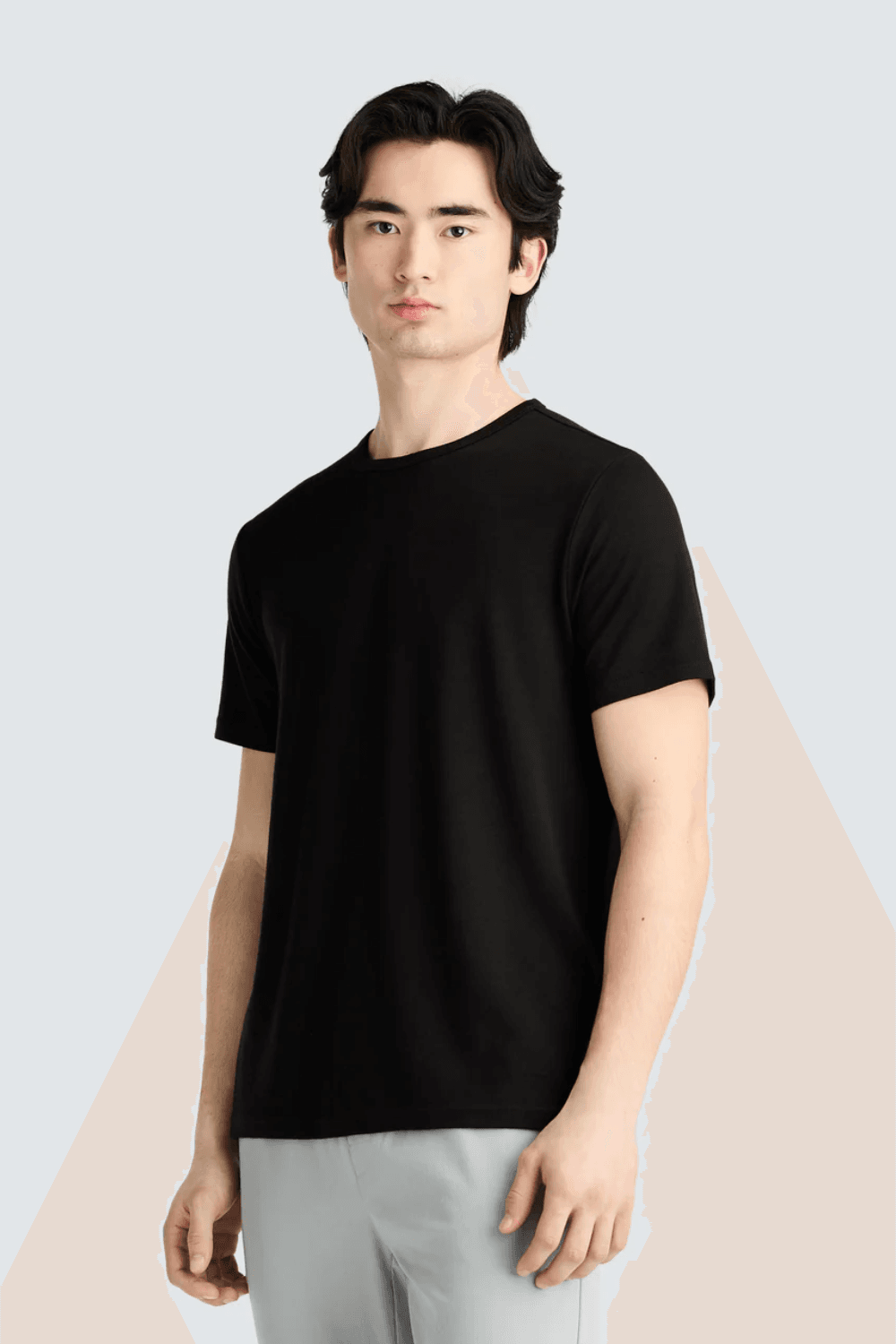
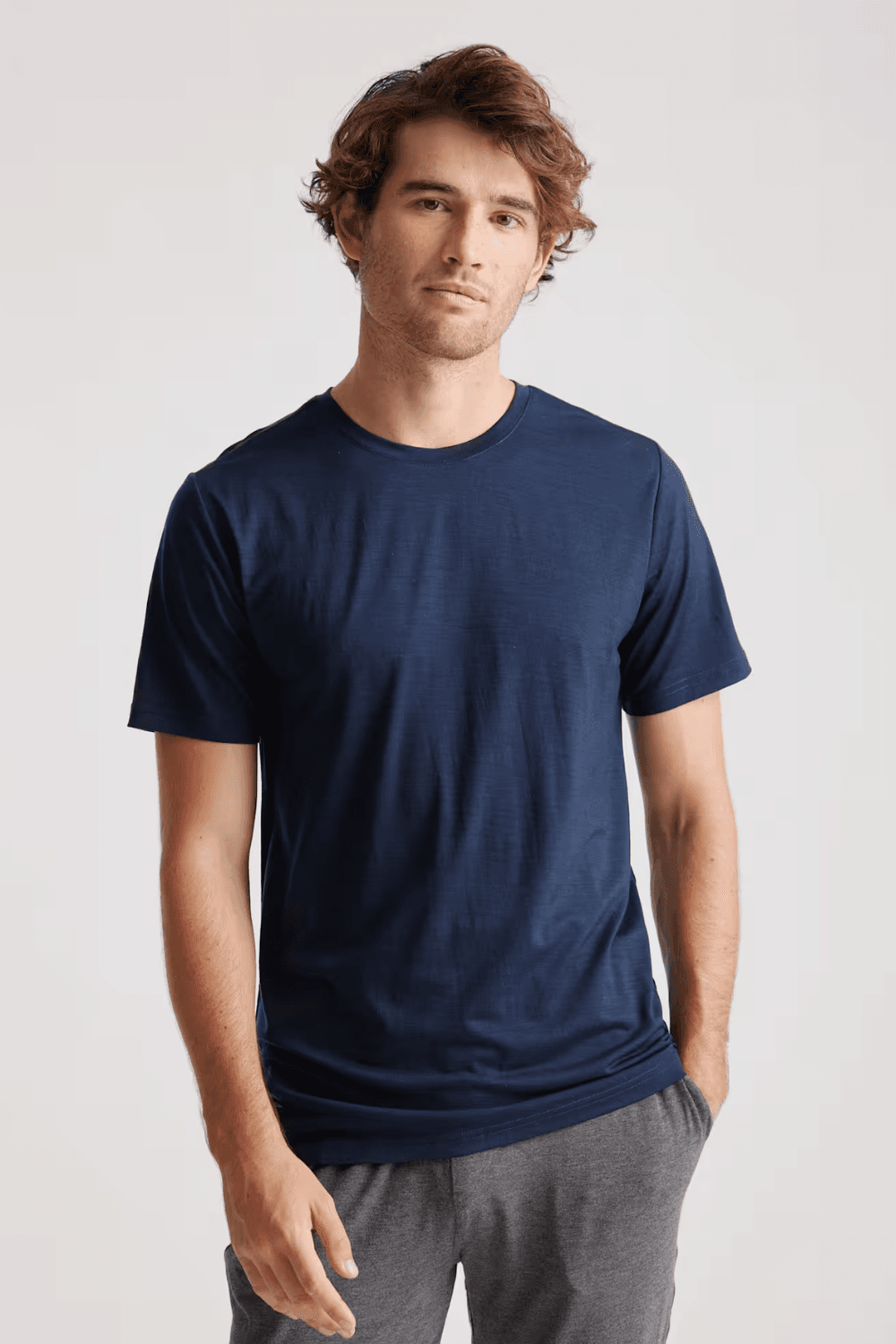
1. Lightweight Merino Wool Crew Neck Tees
2. Long-Sleeve Merino or Cotton Tees
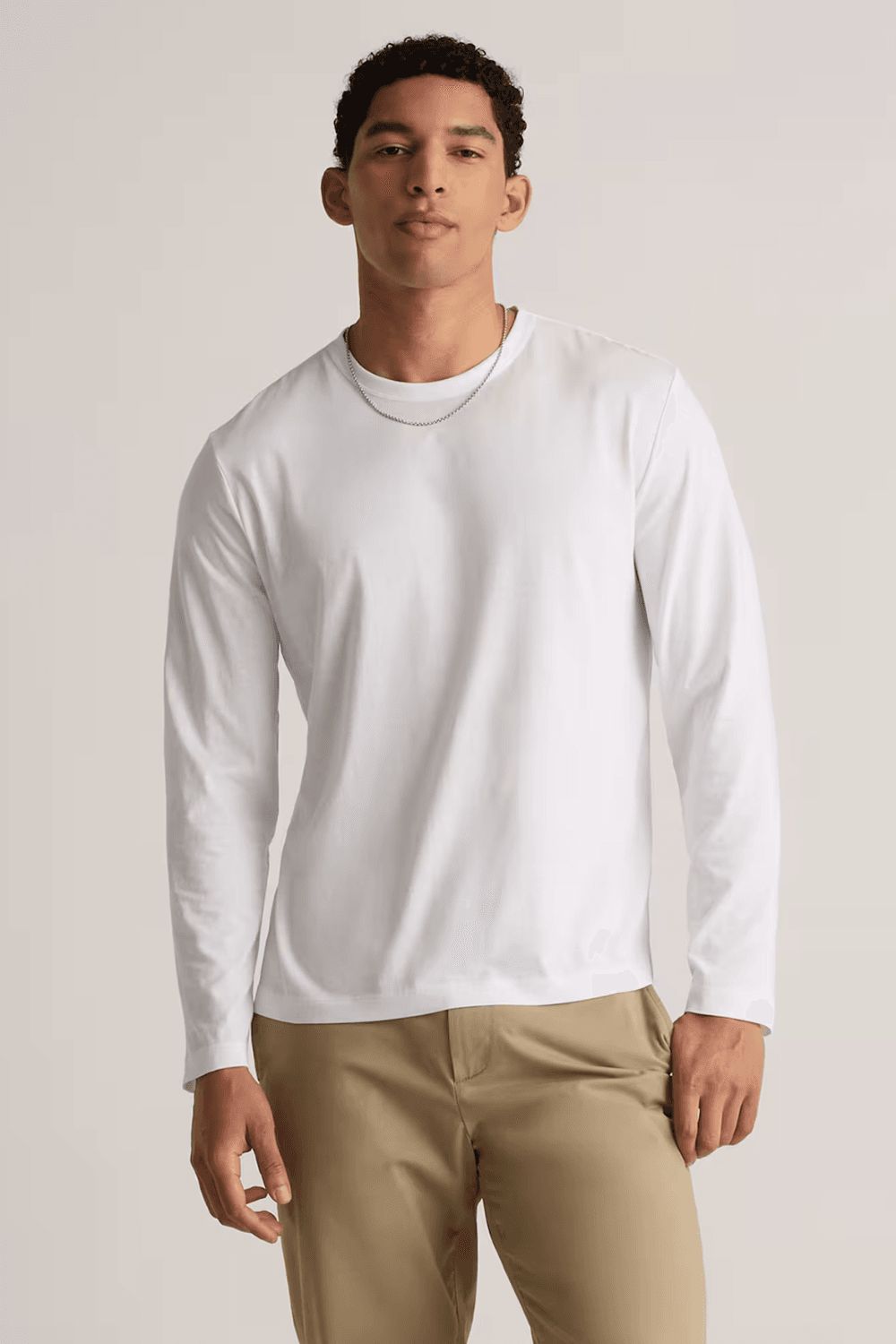
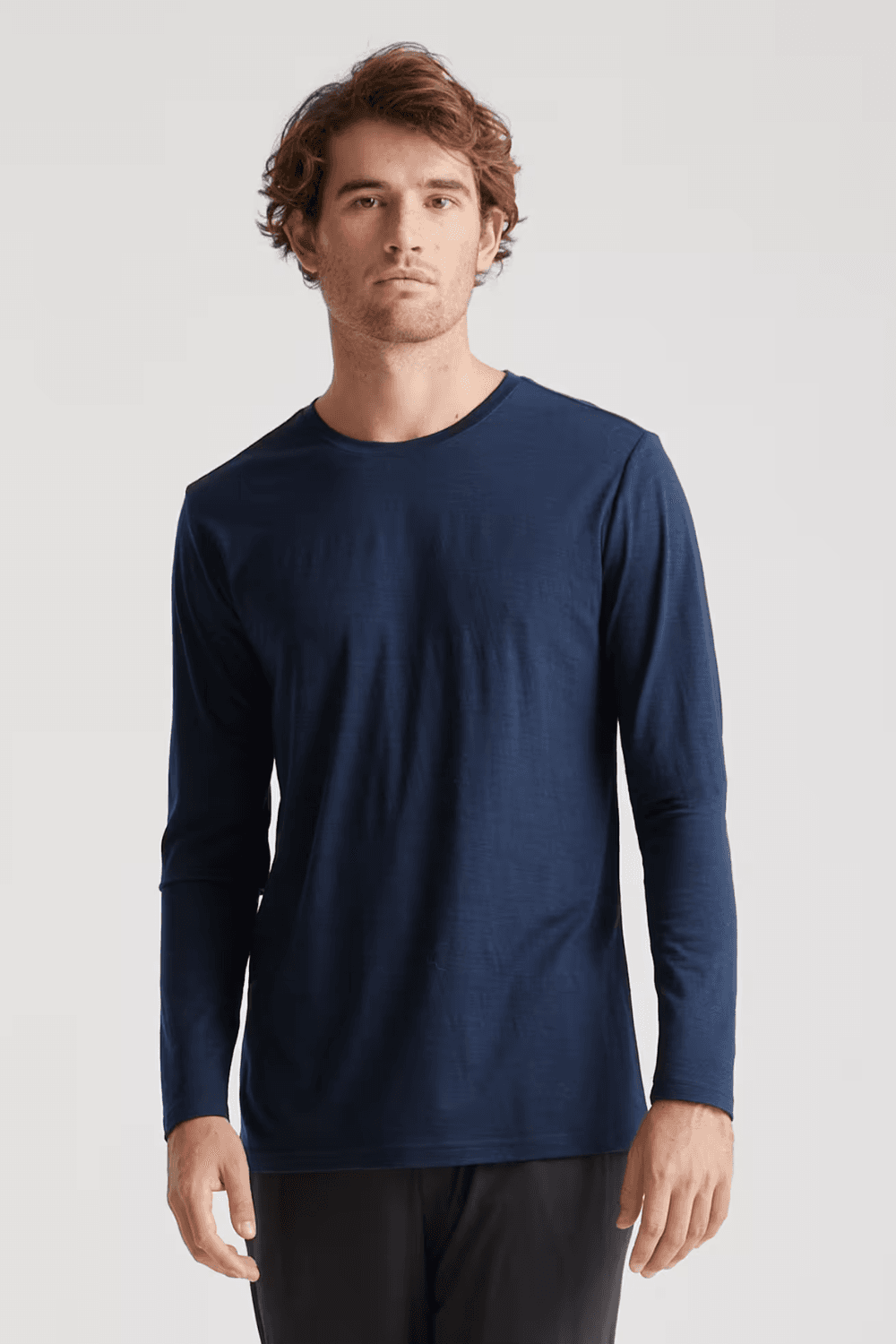

Note: You might have read online that cotton makes a terrible base layer. That’s true for outdoor or active layering (like hiking or skiing), because cotton traps moisture. But for everyday style layering? A cotton tee is perfectly fine as a base layer. Just know that merino is a step up if you want more comfort.
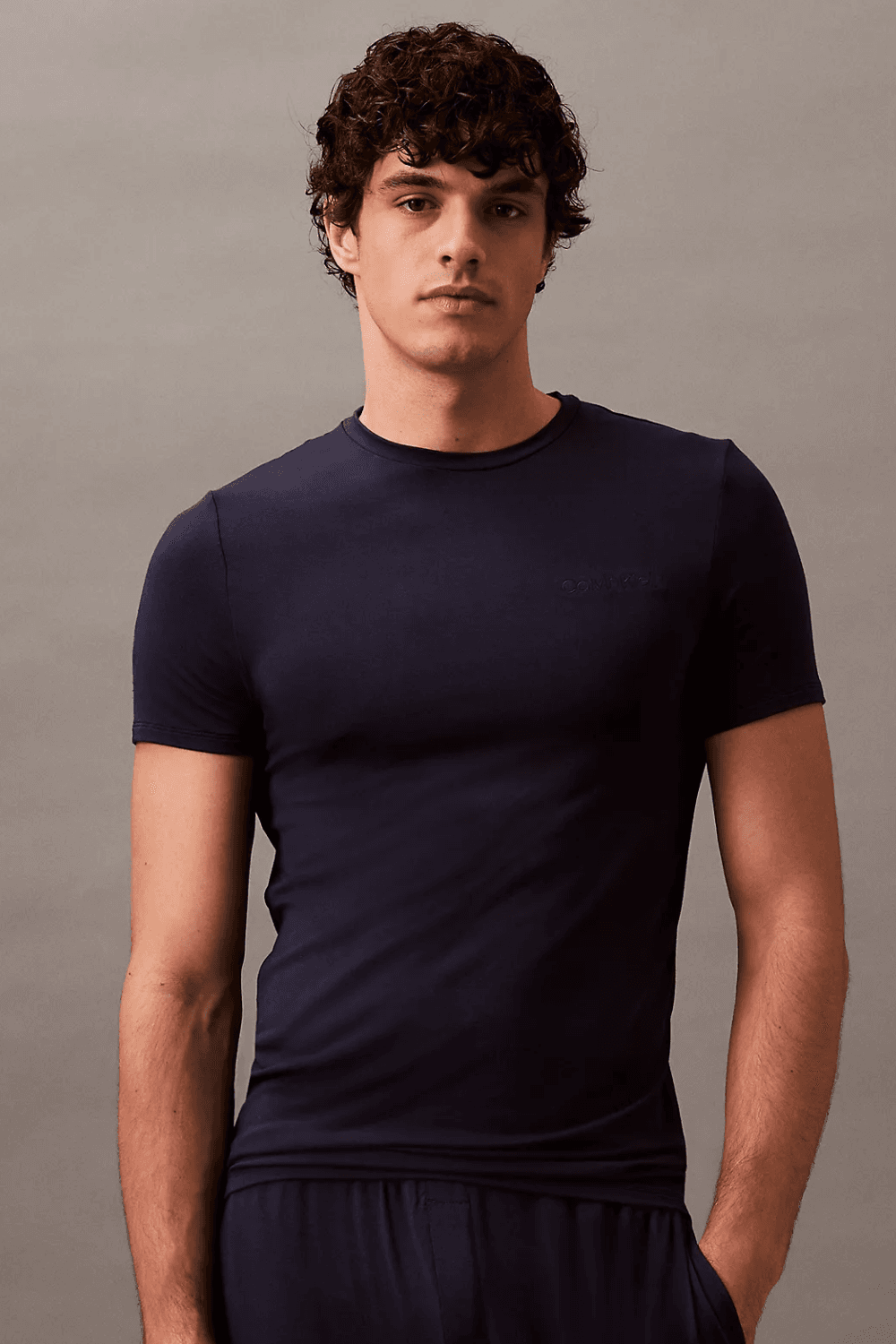
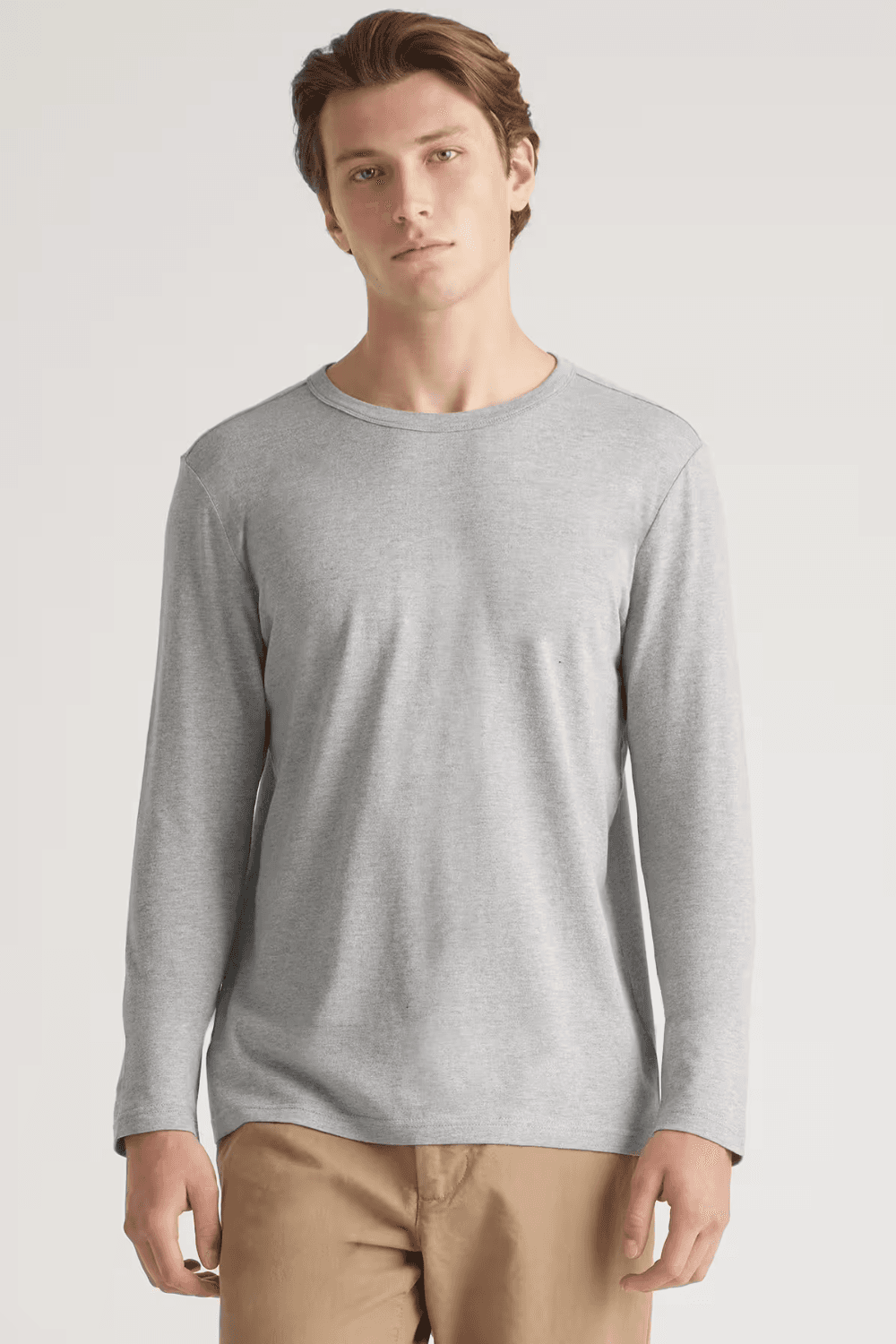
3. Modal Tees or Long-Sleeves
Modal is a semi-synthetic fabric made from beech trees.
It’s super soft and breathable, almost like a mix of cotton and silk. Perfect for casual layering.
Try a modal tee for early fall or a modal long-sleeve when it gets cooler.
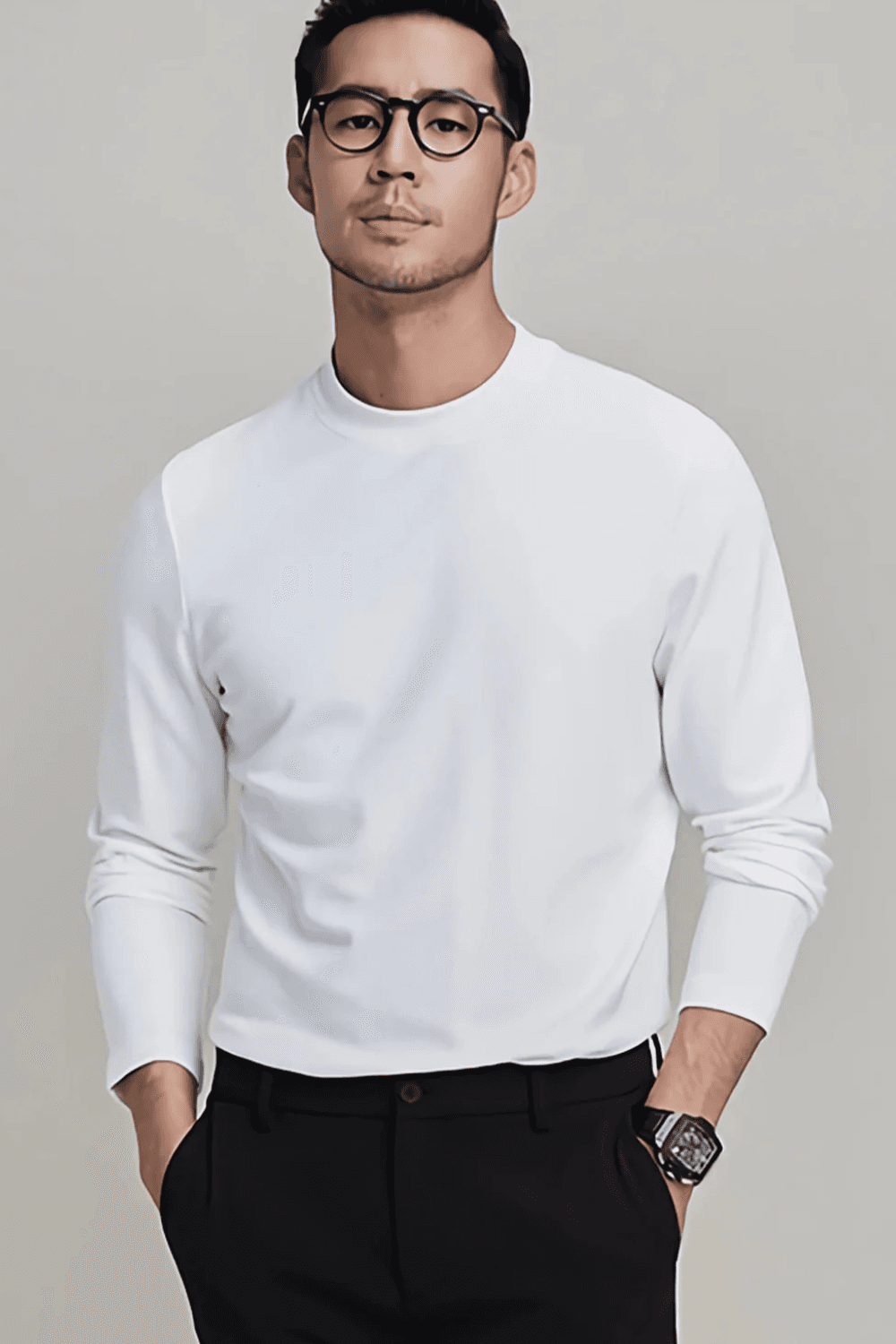
4. Silk Long-Sleeves
Silk long-sleeves are lightweight and insulating, great for colder weather under formal or dressier outfits.

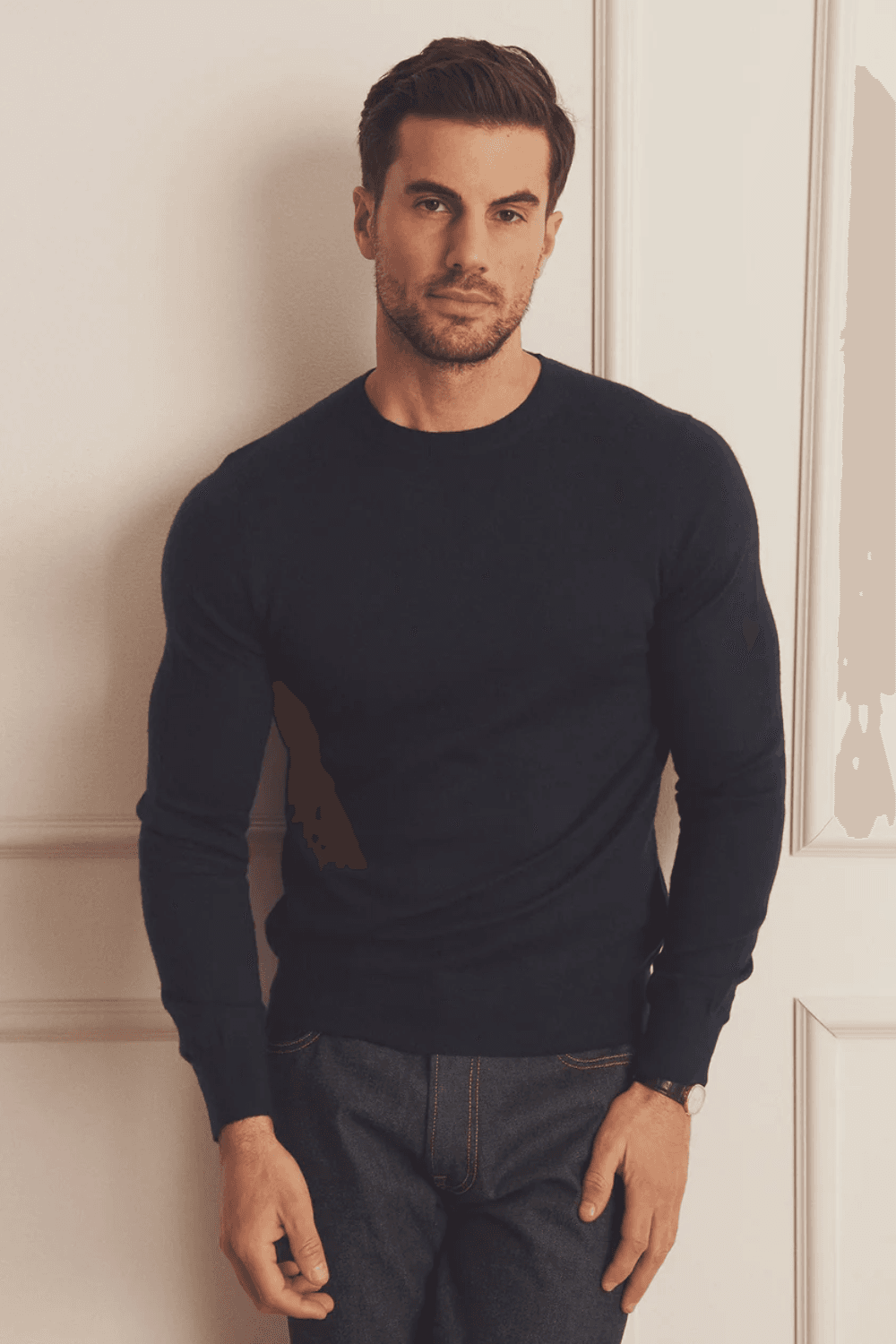
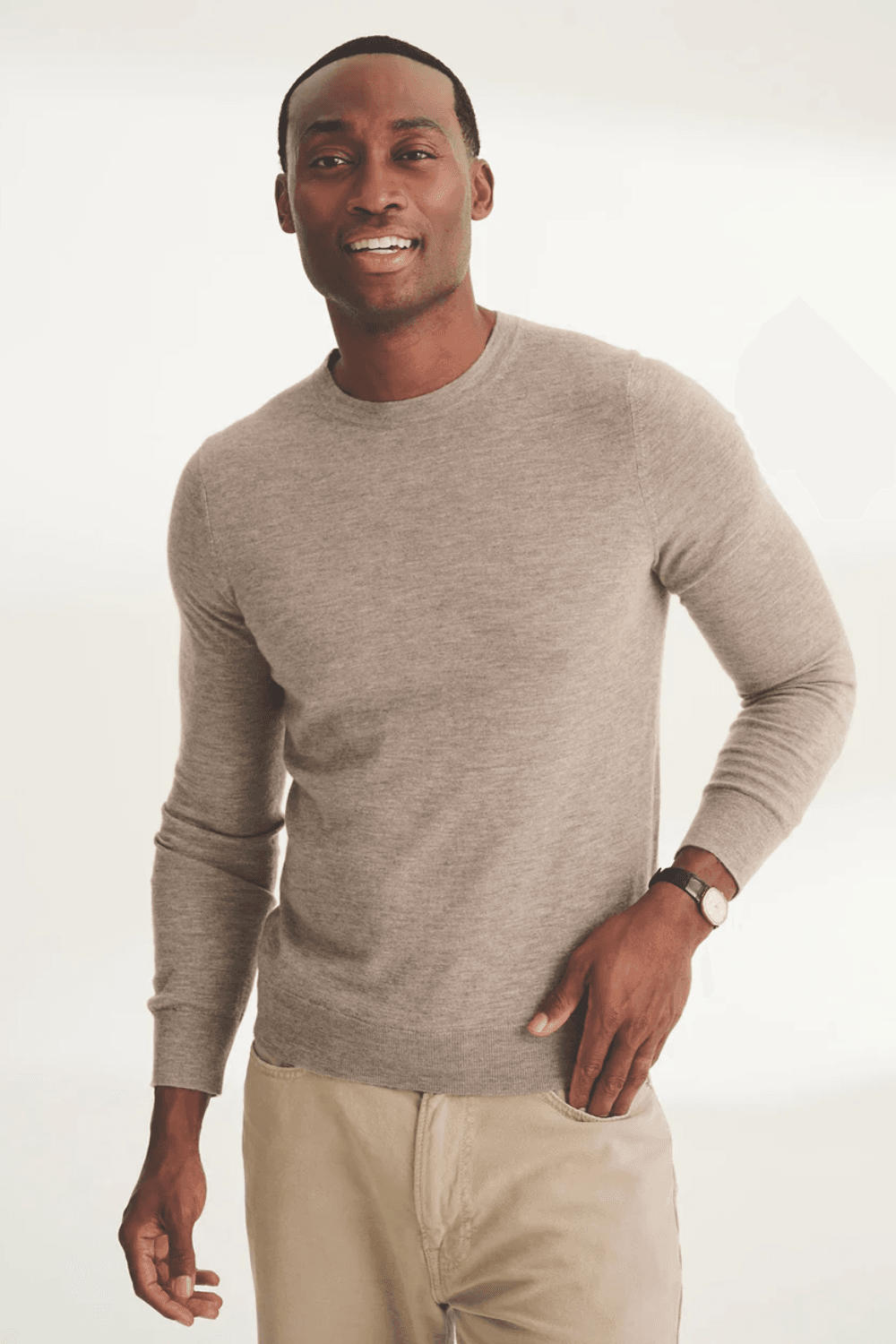
5. Thin Cashmere Sweaters
Thin cashmere sweaters are definitely a luxe option. Make excellent base layers for dressier outfits (or as a mid-layer if slightly thicker).
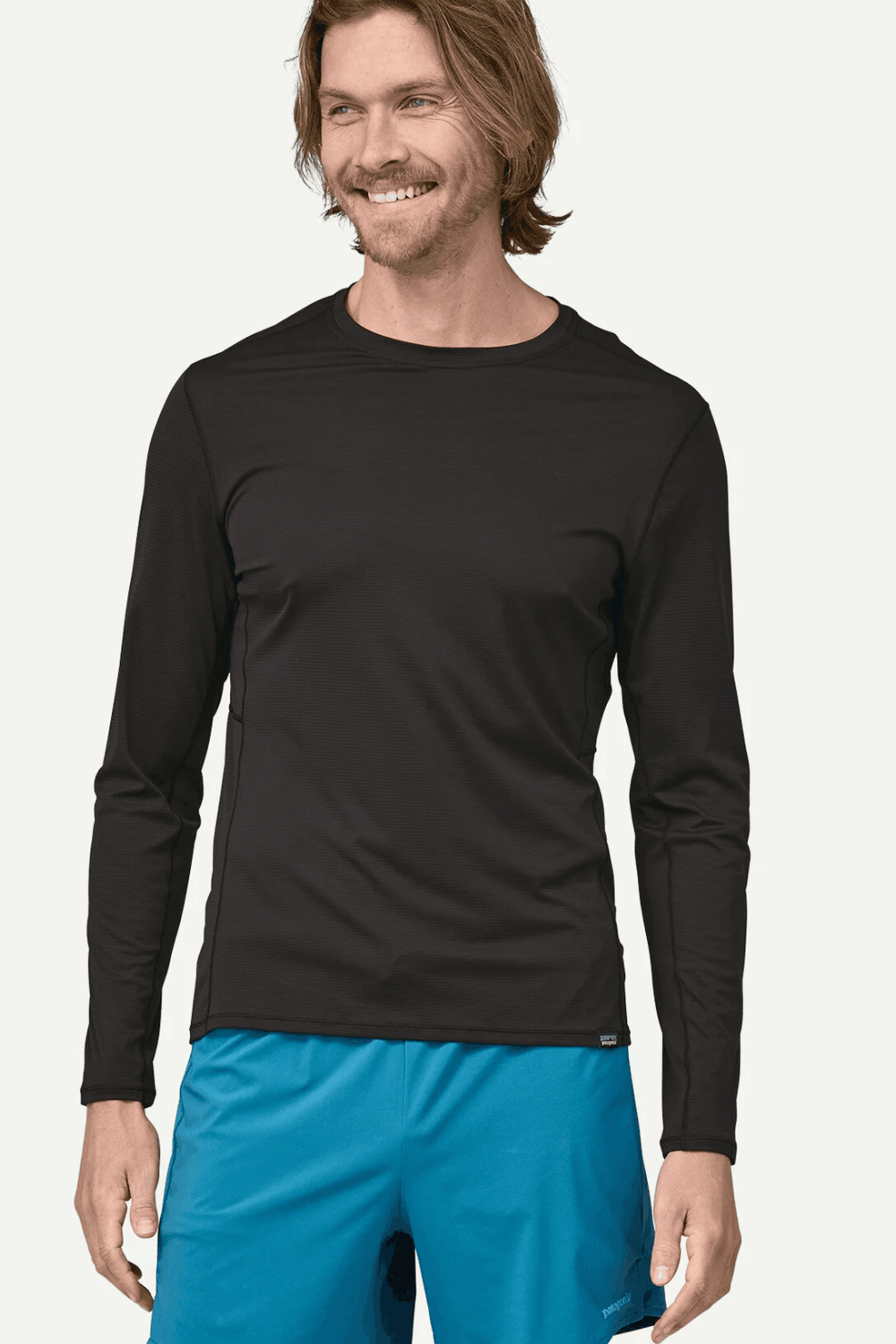
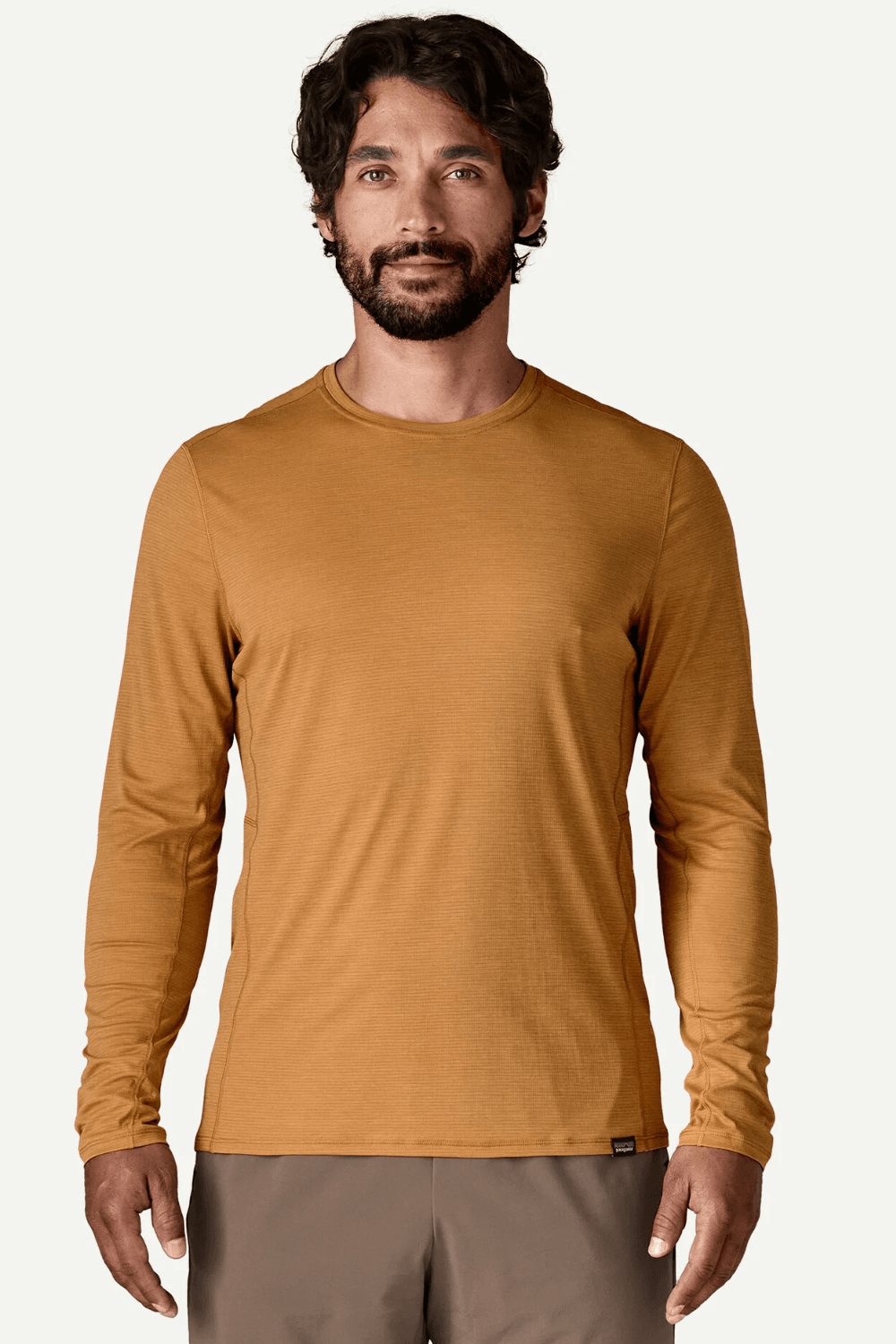
6. Synthetic Fabrics (like polyester or nylon blends)
Synthetic fabrics can make excellent base layers for active layering due to their strong moisture-wicking ability.
Mid-Layers
If the base layer is for function and comfort, the mid-layer is where you can show some personality by adding some colors and textures.
Essential mid-layer pieces:
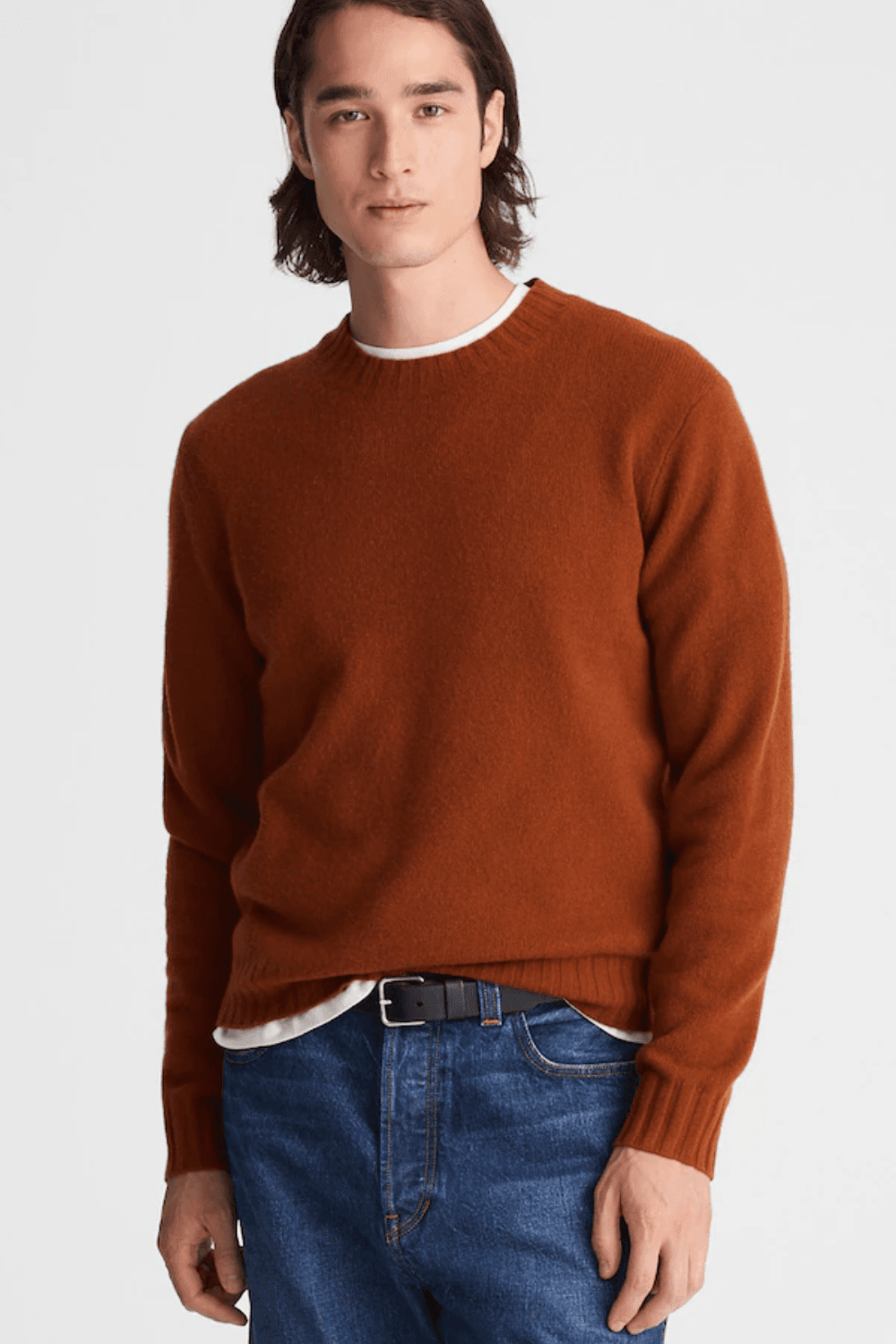
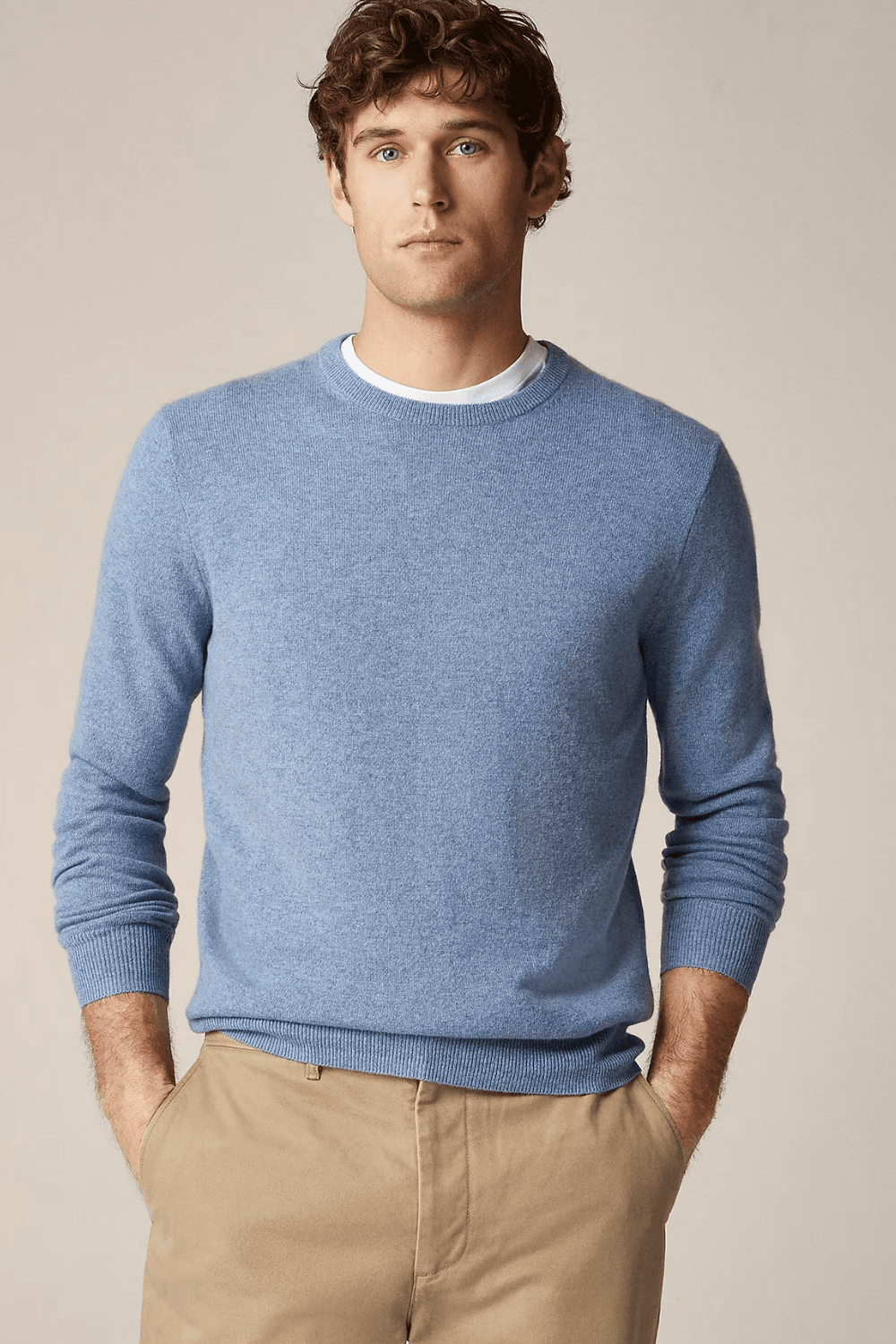
1. Lightweight Crew Neck Sweater in Merino or Cashmere
A thin, fitted sweater in merino wool or cashmere is incredibly versatile and warm.
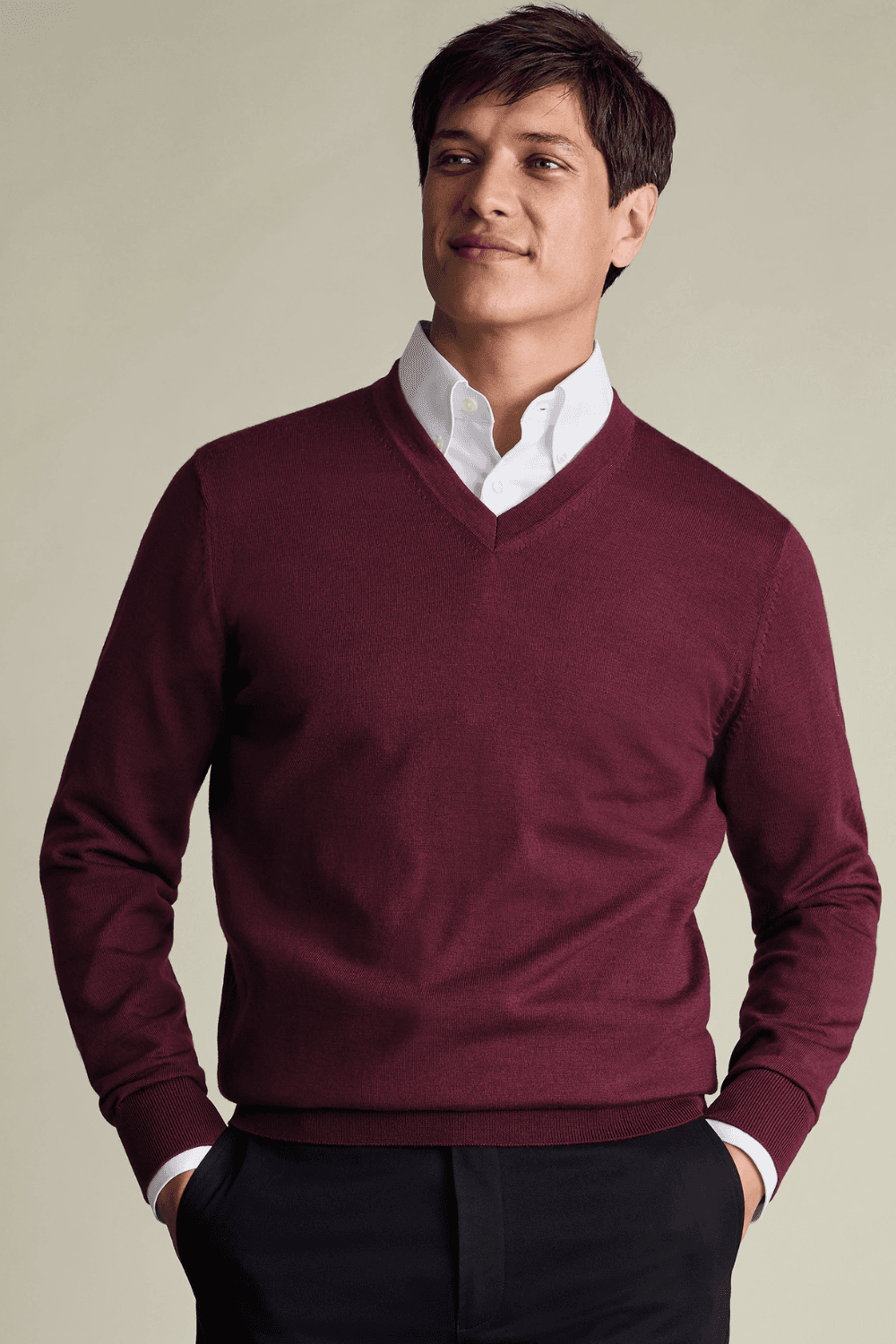
2. Fine-Gauge V-Neck Sweater
V-necks sweaters work great for business-casual settings and over collared shirts, especially flattering if you have broad shoulders.
Darker colors and looser fits also look great on a dad bod (not oversized).

3. Flannel Shirt
Flannel shirts are one of the trending menswear pieces in 2025, according to GQ.
But trend or no trend, flannels are timeless fall staples.
Choose medium-weight flannels. Not the super thick ones.


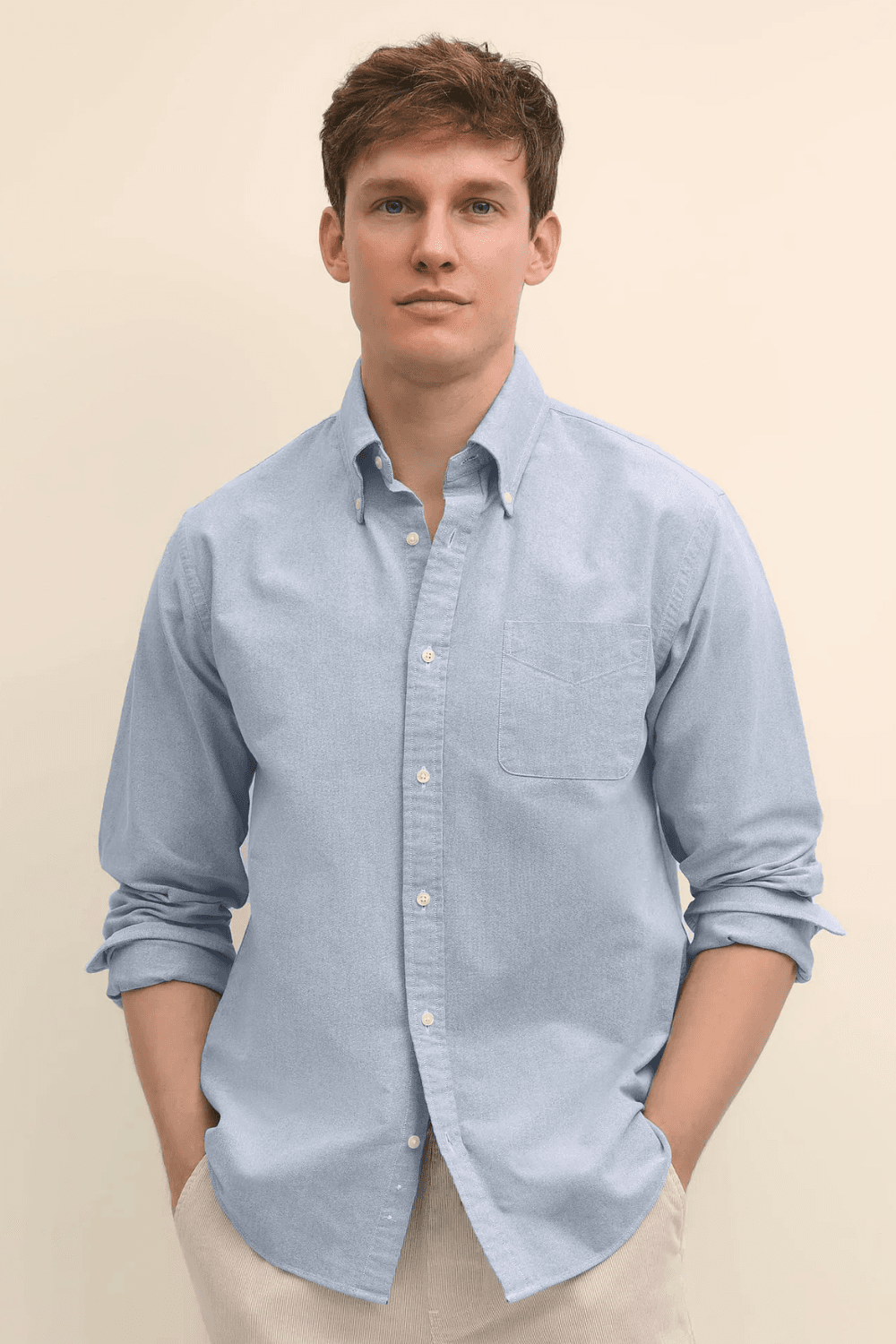
4. Oxford Button-Down Shirt
Oxford shirts are functional and stylish mid-layers.
They work great under sweaters, sweater vests, or jackets.
Go for classic colors like light blue and white.

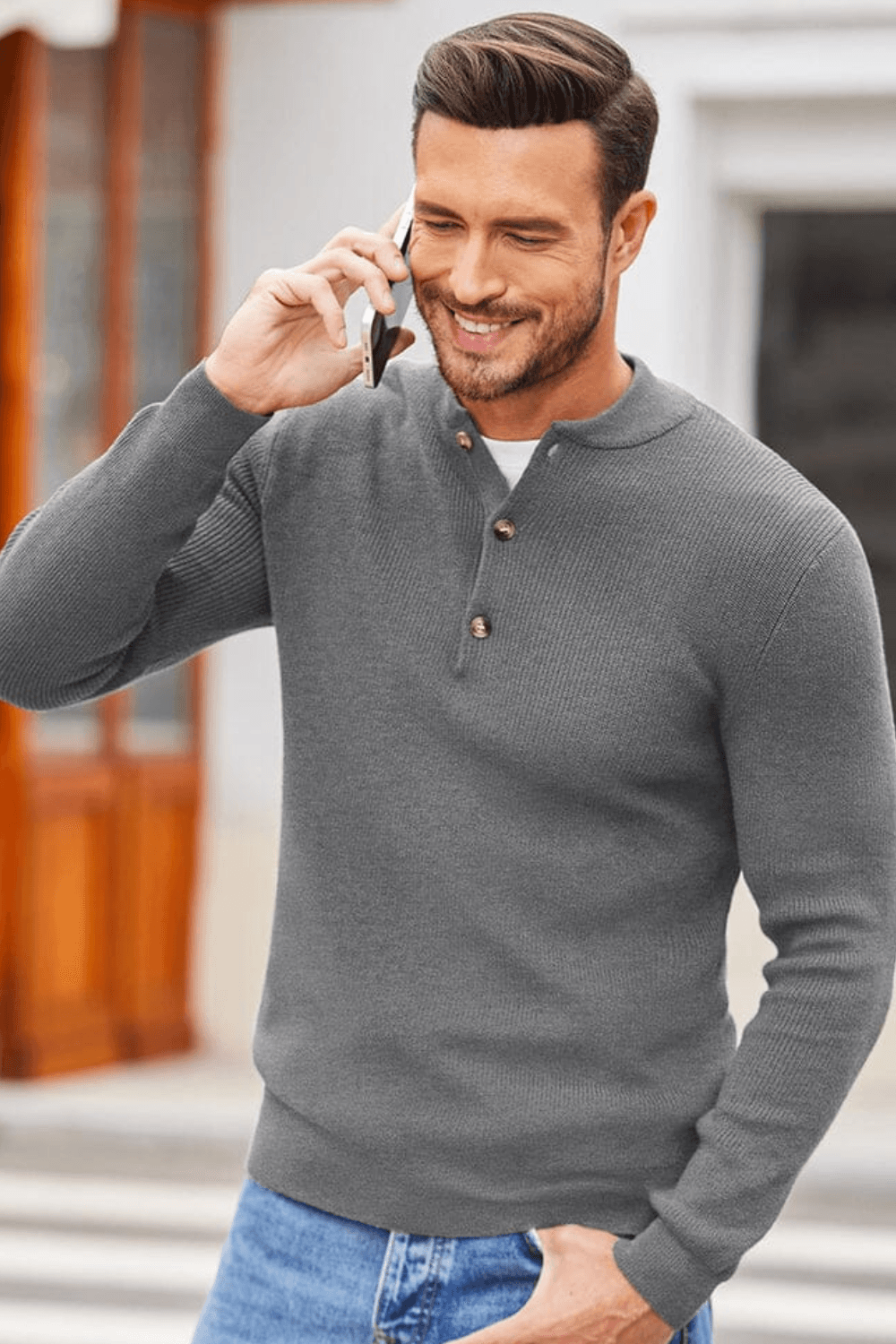
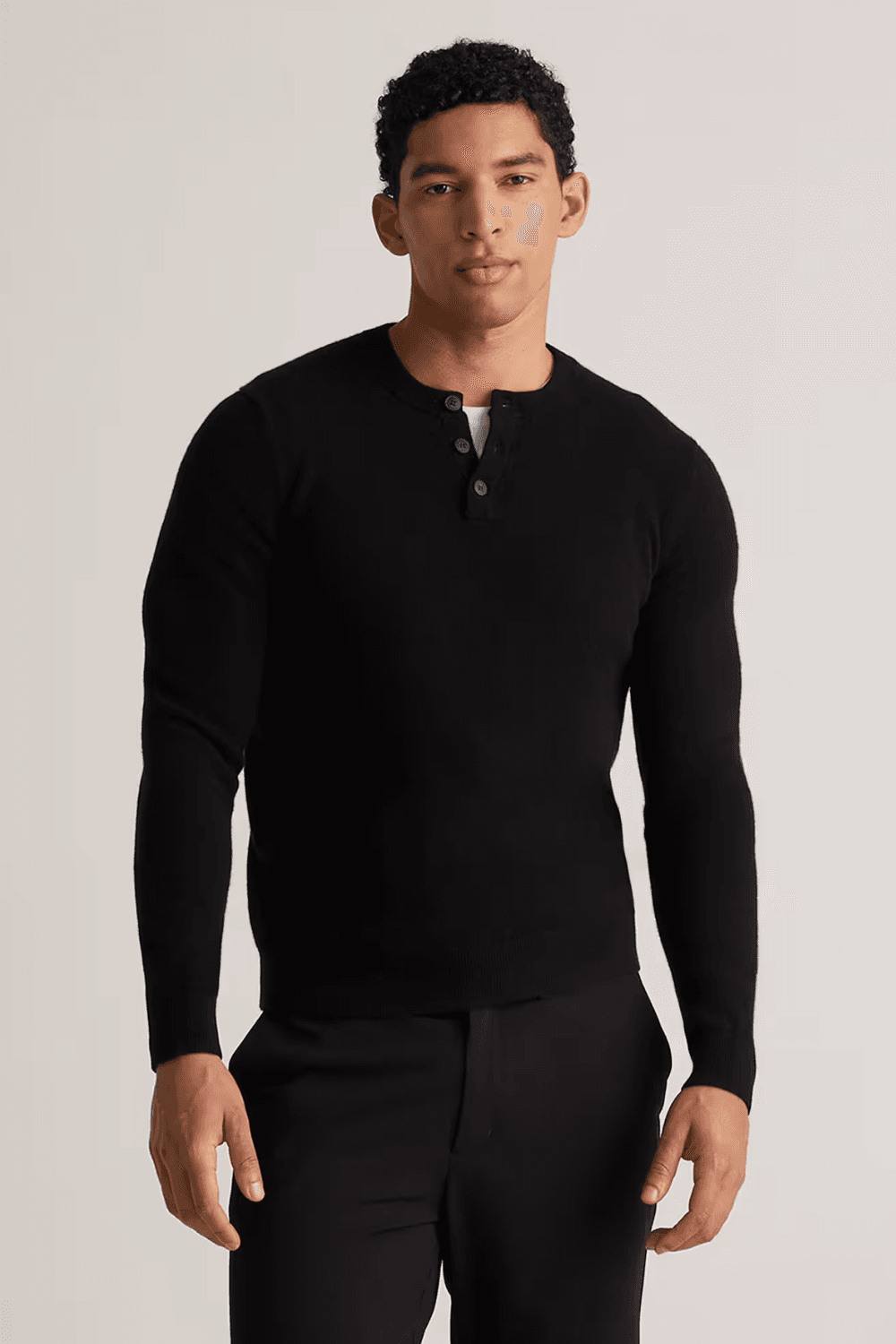
5. Henley Sweater
Henleys add more texture and visual interest than a plain crewneck.
Henleys also look great under jackets and vests.
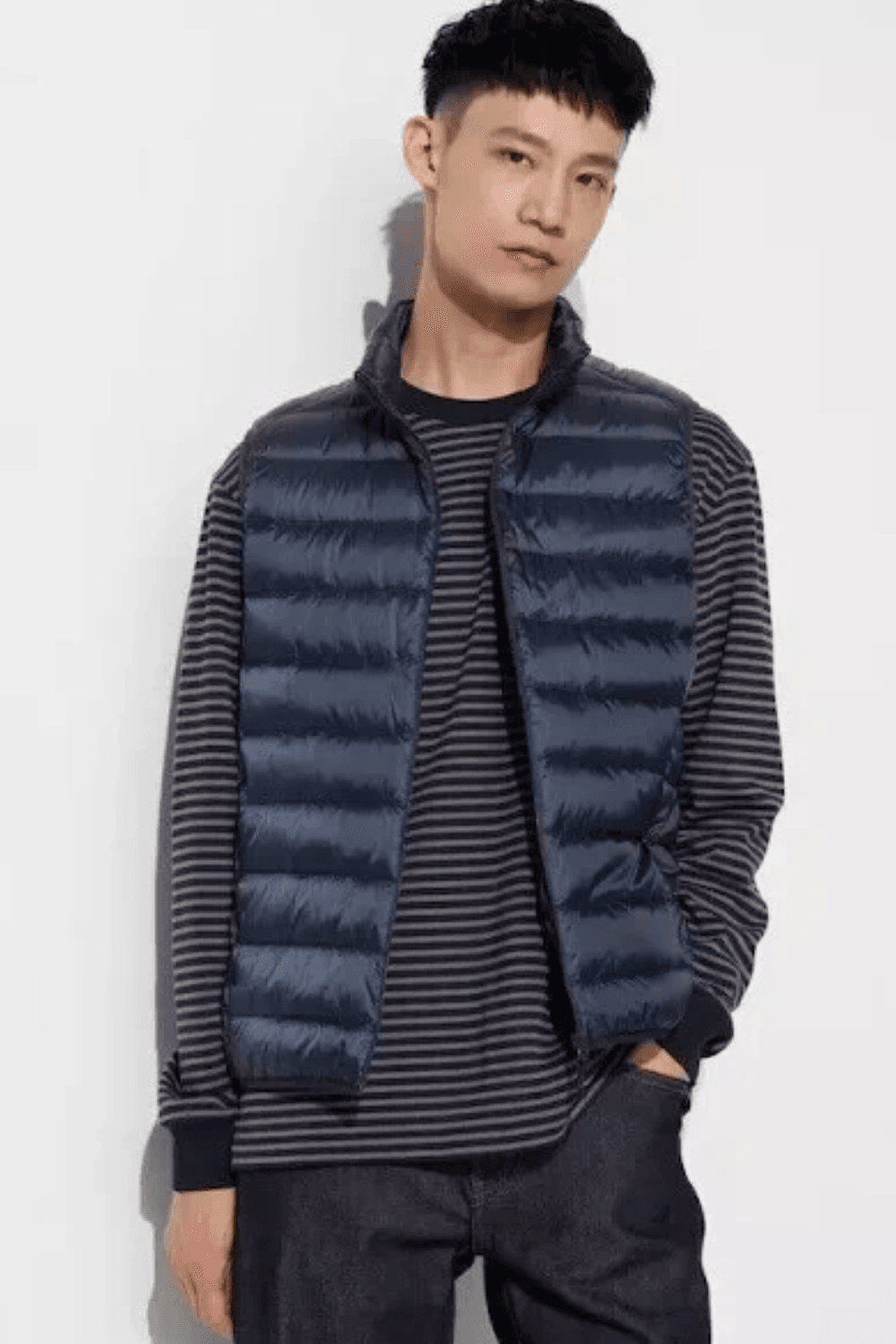
6. Quilted Vest
Quilted vests are functional and stylish.
Layer them under a jacket or coat, or wear them over any base or mid-layer we’ve covered.
Choose quilted vests that aren’t too puffy so they work as outer layers in early fall and mid-layers when it gets cold.

What to Avoid?
#1. Anything chunky. Unless you’re super lean and tall. Such as chunky cable-knit sweaters or oversized hoodies
#2. Anything too tight. Your mid-layer should be a regular fit or relaxed fit.
Outer Layers
Your outer layer should: Keep you warm and pull your whole outfit together.
Essential pieces for outer layers:
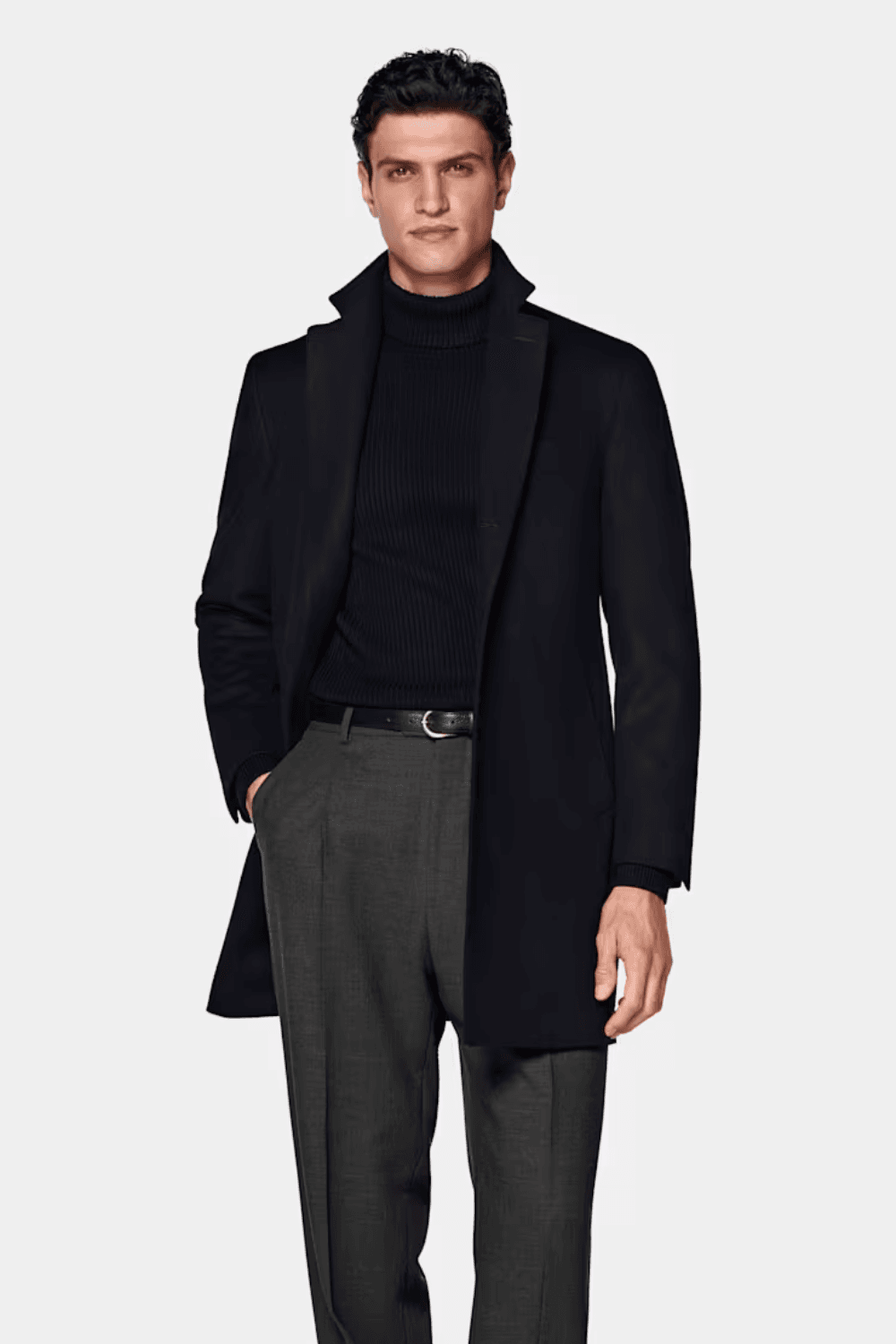
1. Wool Overcoat
The overcoat is your dressy outer layer, perfect for business settings or formal occasions.
Your overcoat should hit between mid-thigh and the knee. Anything longer can make you look shorter, especially if you have a shorter build.

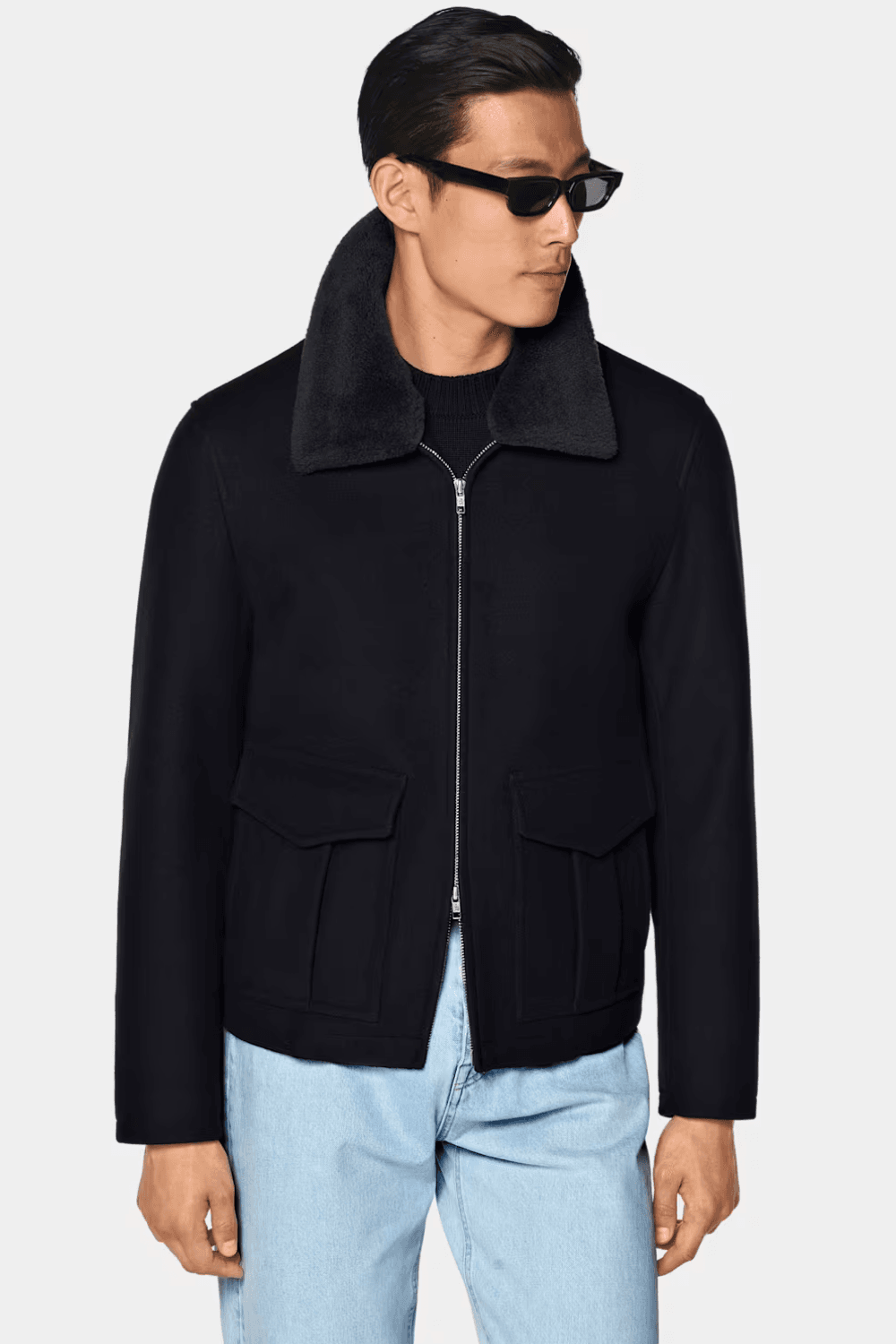
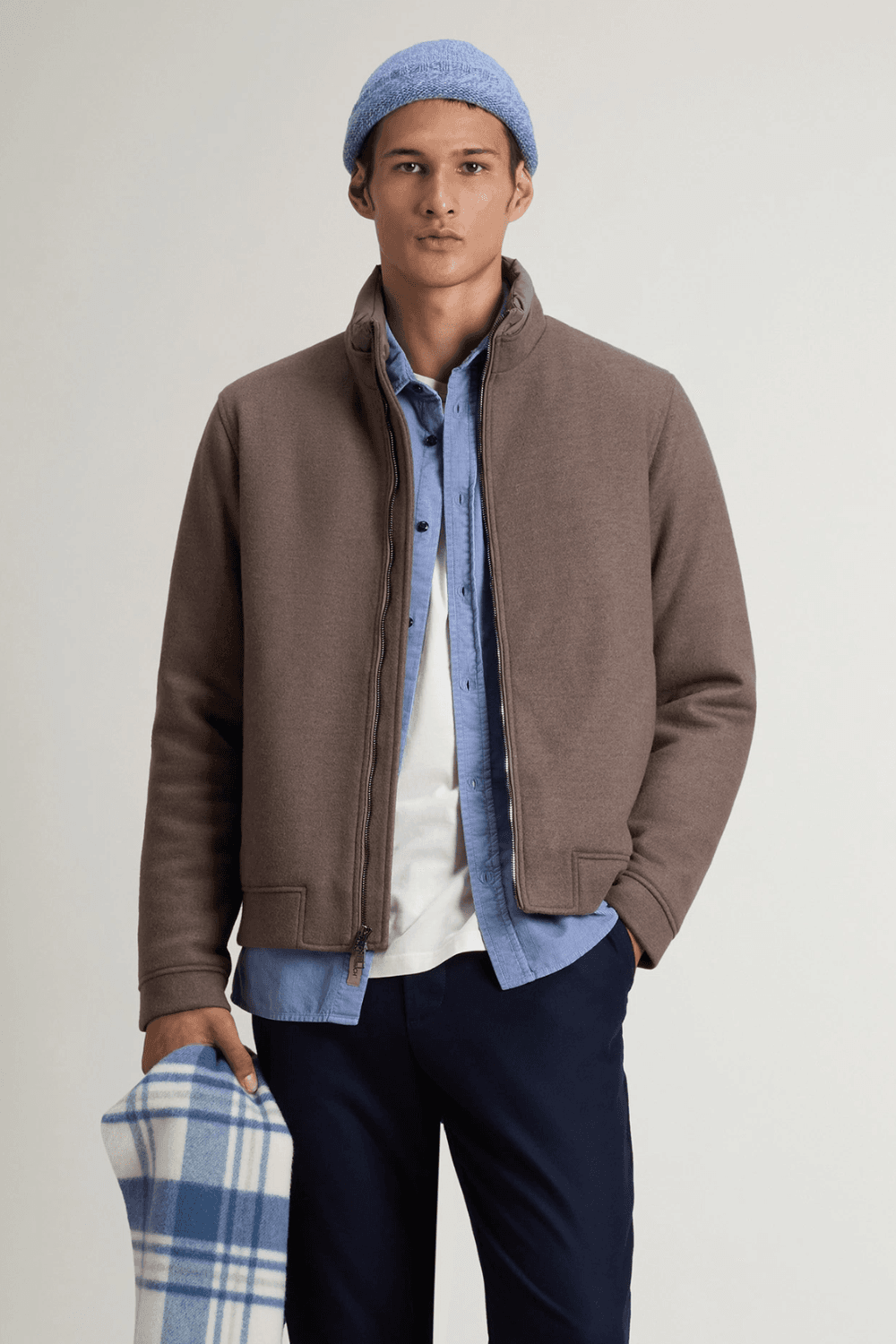
2. Wool Bomber Jacket
Wool bomber jackets are ideal for casual and smart-casual outfits in late autumn and early winter.
You can go with either pure wool or a wool blend.
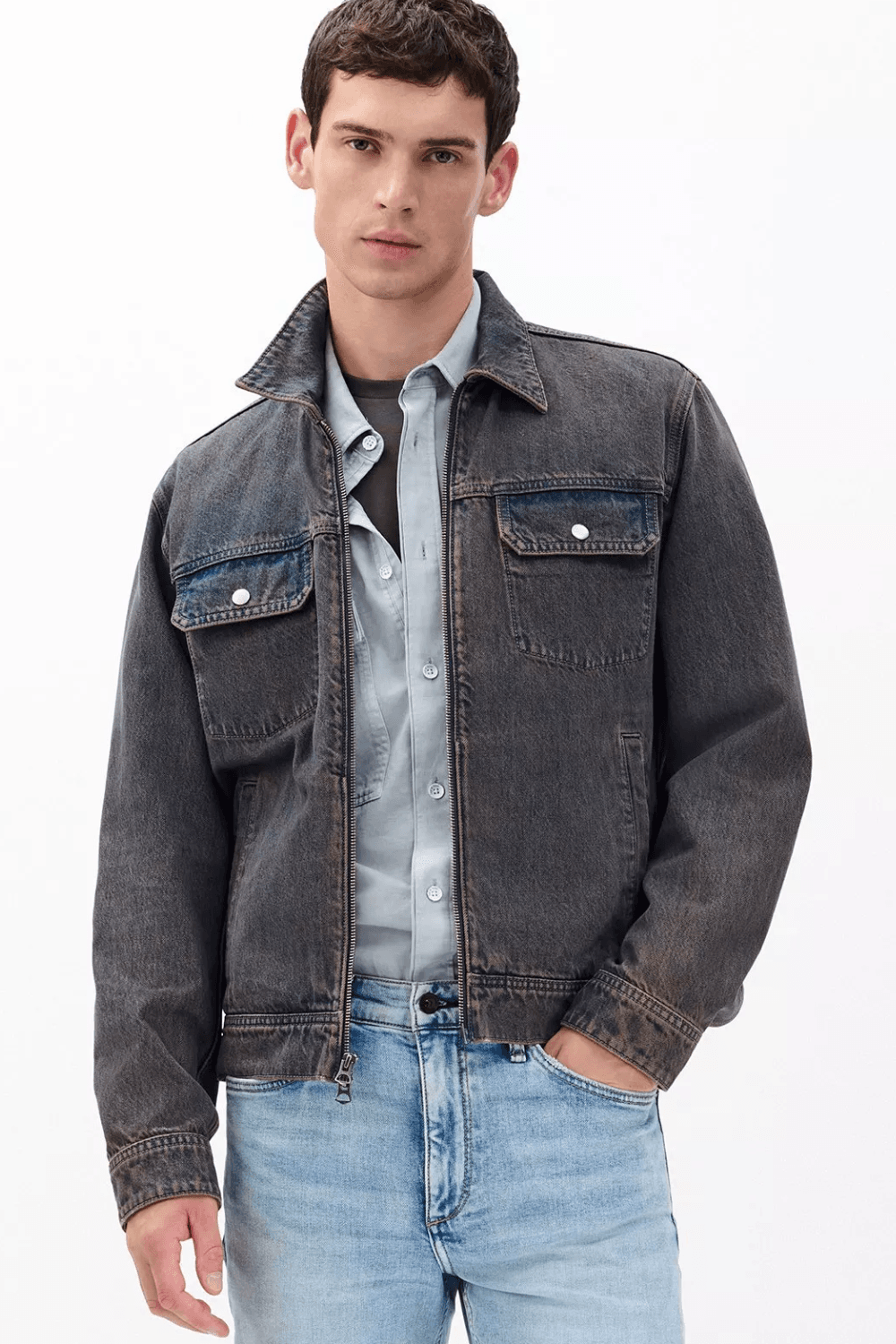
3. Denim Trucker Jacket
Denim trucker jackets are great for early fall. Layer them over flannels or lightweight sweaters.

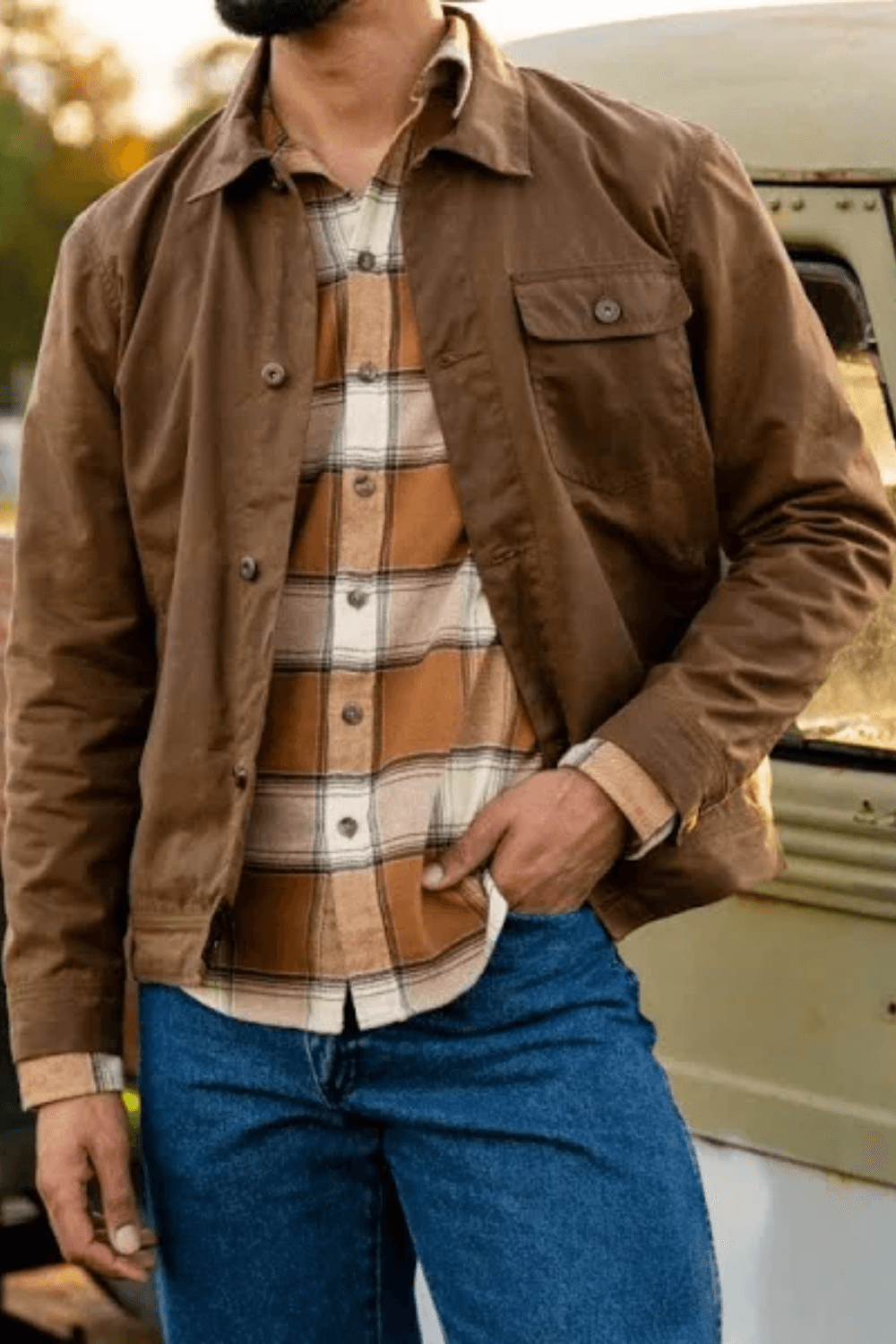
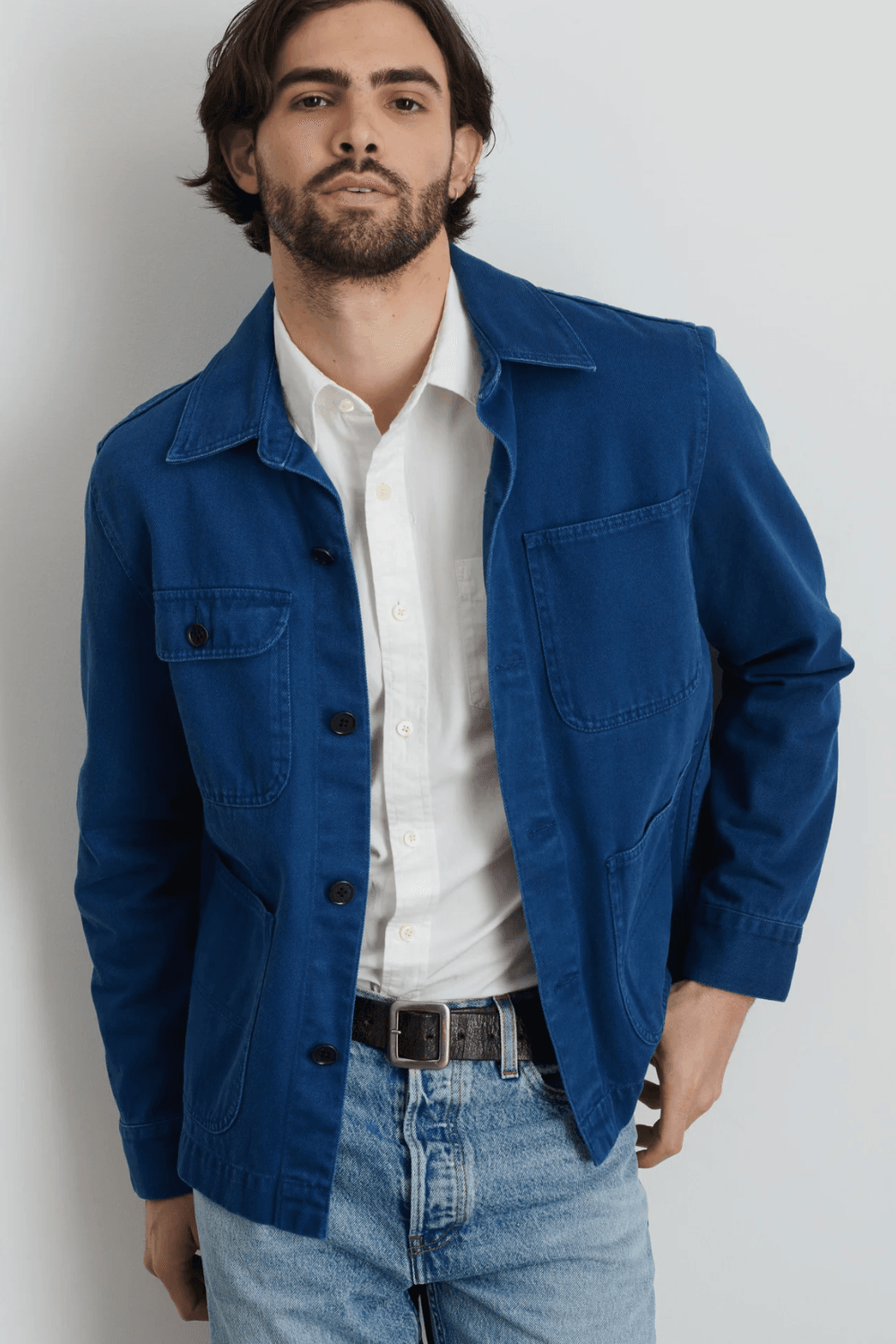
4. Field Jacket or Chore Coat
Unstructured jackets like field jackets and chore coats are super versatile and perfect for casual and smart casual outfits.
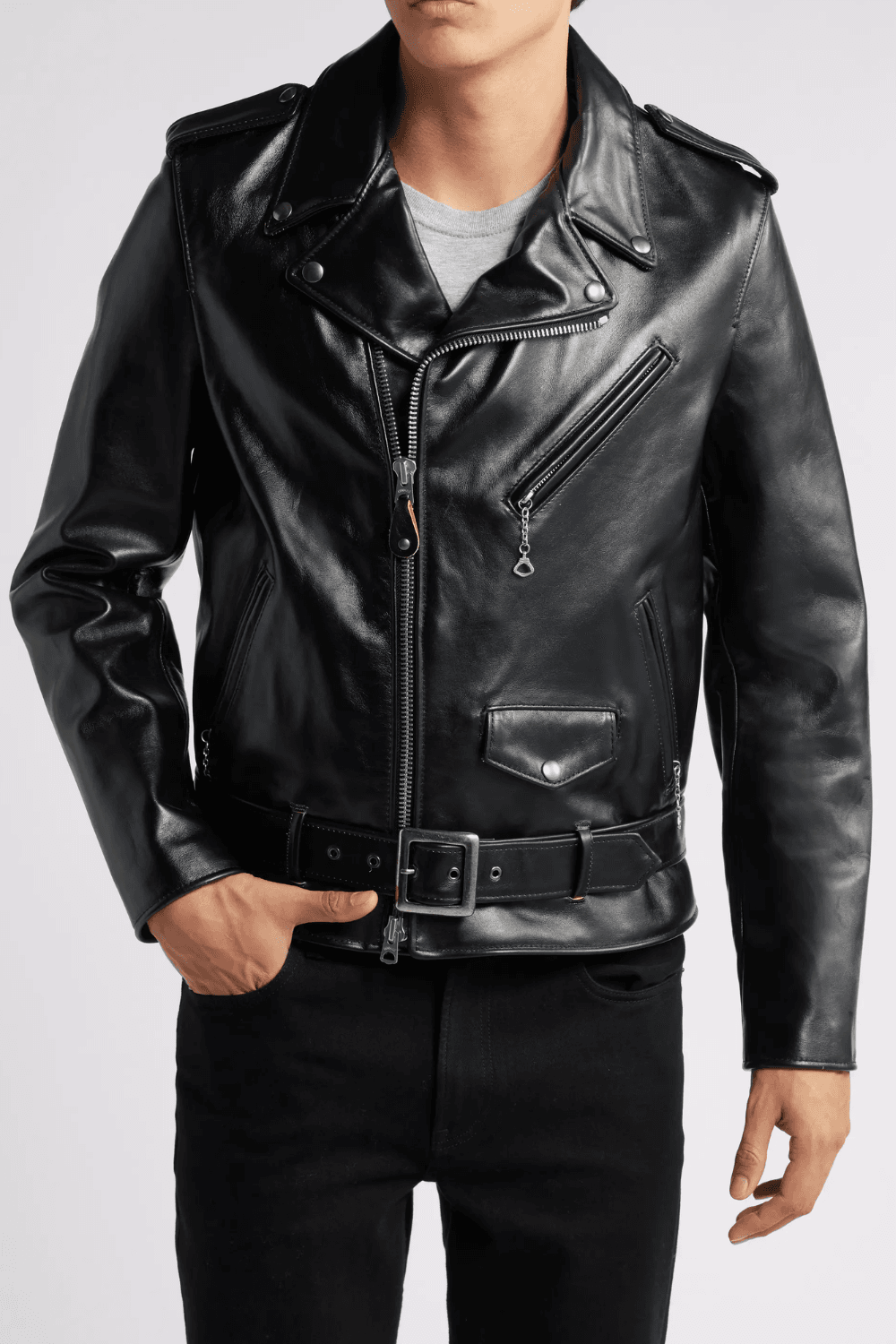
5. Leather Jacket
Leather jackets are my absolute favorite.
If they fit your style, leather jackets are a timeless piece of outerwear.

6. Technical Shell Jacket
Technical shell jackets like windbreakers and Rain jackets work perfectly on rainy or windy days. They wick moisture and don’t add extra bulk.


What to Avoid:
Puffy parkas (save them for deep winter), oversized coats, or jackets with excessive padding.
Fit Guidance:
Your outer layer should have enough room to fit your base and mid-layer, but also not be too oversized.
Pro tip: Zip or button your outer layer all the way up. If it feels tight in the shoulders, chest, or sleeves, or way too roomy, it’s not the right fit.
Color and Pattern Coordination
Color and pattern coordination is a really important part of layering and also the more advanced part.
Now let’s talk about how to mix and match colors and patterns to create outfits that actually look good.
Visual Weight Management
Darker colors “weigh” more visually than lighter colors.
Here’s how to use that in your layering:
For a balanced look, keep your heaviest visual weight at the top and bottom.
- Outer layer: Dark charcoal coat (heaviest visual weight)
- Mid-layer: Light gray sweater (light visual weight)
- Base layer: White or cream tee (lightest visual weight)
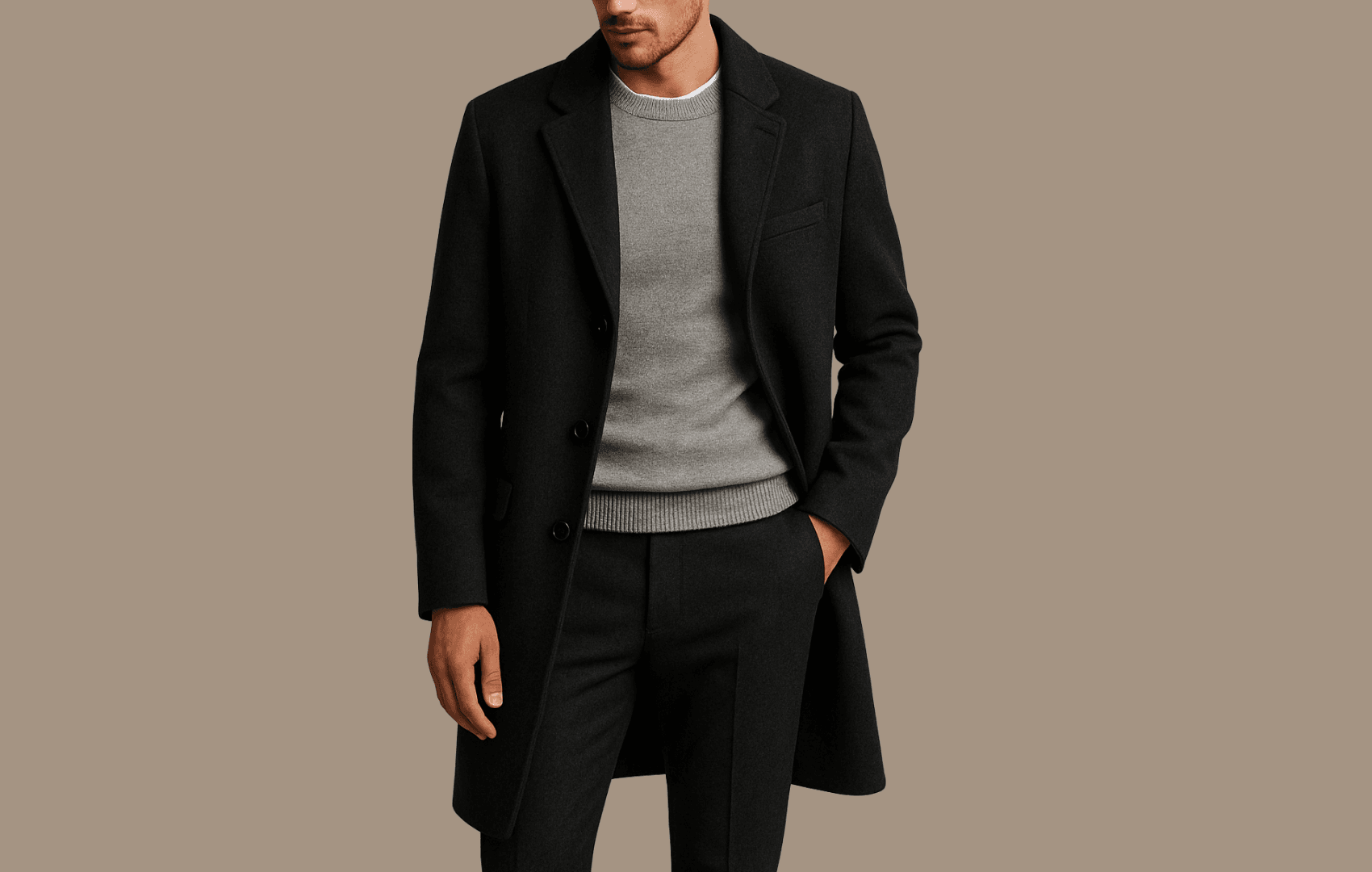
This creates a natural color progression.
For a slimming effect, use dark colors in your mid and outer layers.
- Outer layer: Black wool coat
- Mid-layer: Navy sweater
- Base layer: Gray tee
The darker layers slim you down, while the lighter base keeps the outfit from feeling too heavy.
Pattern Mixing Without Chaos
Mixing patterns is tricky, especially in layered outfits.
Here’s the rule:
Mix different pattern scales, not similar ones.
In simple terms, pair a large pattern with a smaller one. When patterns are the same size, they compete for attention and look visually jarring.
- Small check shirt + solid sweater + herringbone jacket
- Thin stripe tee + solid sweater vest + textured coat
- Solid base + plaid shirt + solid jacket
Bad combinations:
- Check shirt + check jacket (competing patterns)
- Wide stripe tee + wide stripe sweater (too similar)
Pro tip: When in doubt, use solids. A solid mid-layer between two patterned pieces (or vice versa) always works.
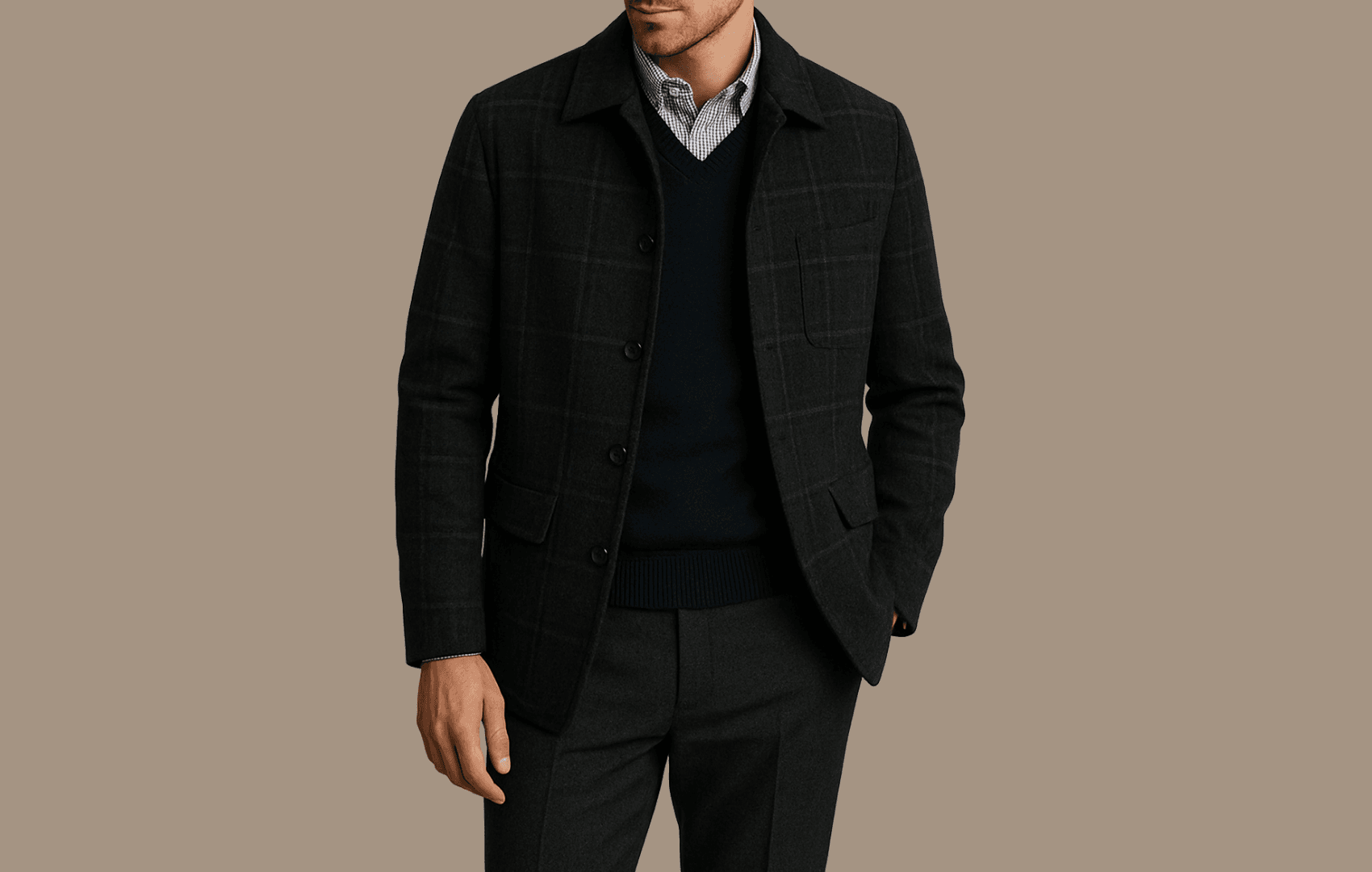
Example 1:
Solid mid-layer between two patterned pieces: A striped tee (pattern) + solid navy sweater (solid mid) + plaid coat (pattern).
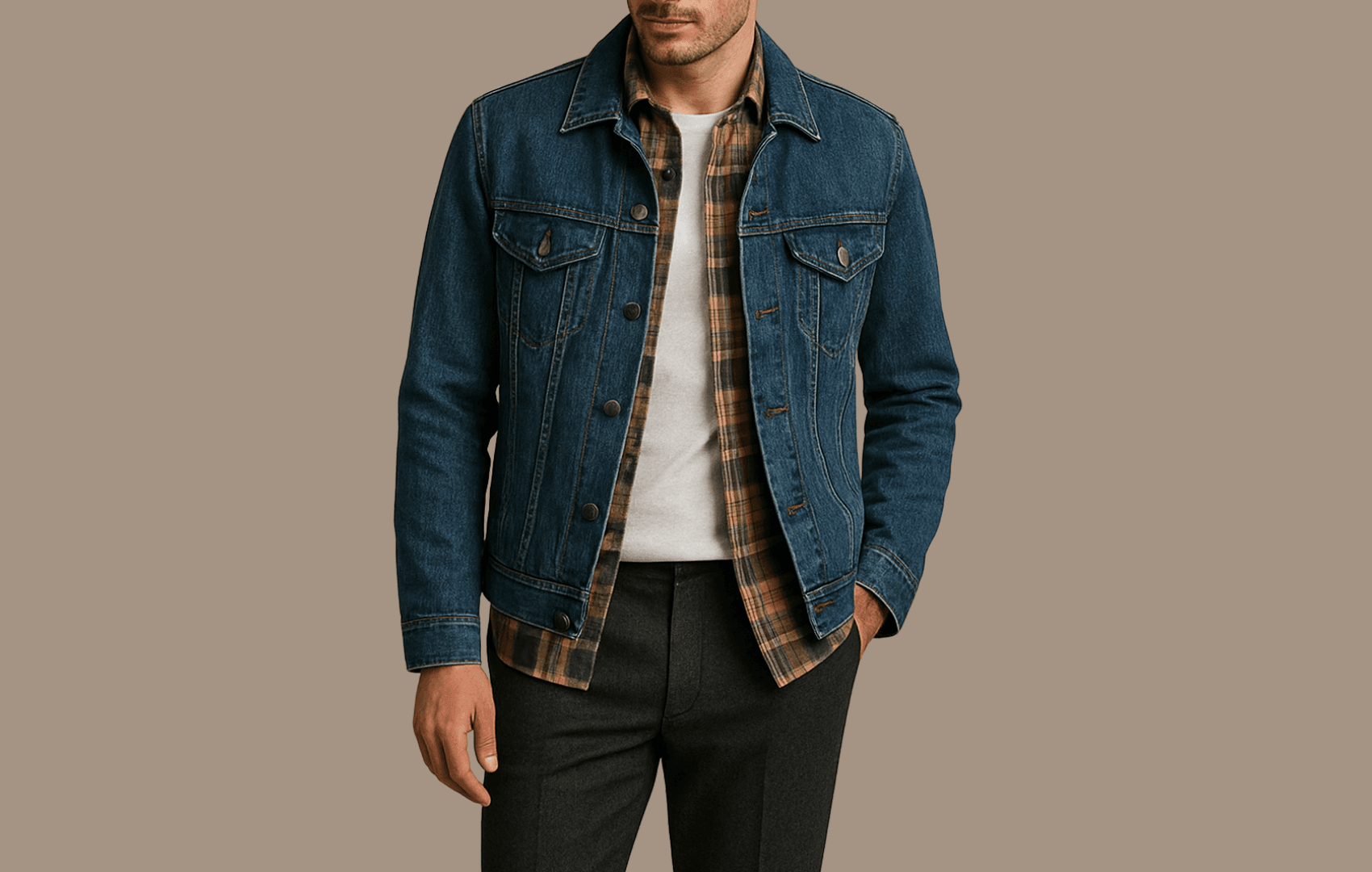
Example 2:
Patterned mid-layer between two solids: A solid white tee (solid) + plaid flannel (pattern mid) + solid denim jacket (solid).
The "Monochromatic Magic" Trick
What does that mean?
Use different shades of the same color across your layers while keeping the visual weight rule in mind.
Example:
- Base: Light gray tee
- Mid: Charcoal sweater
- Outer: Dark gray wool coat
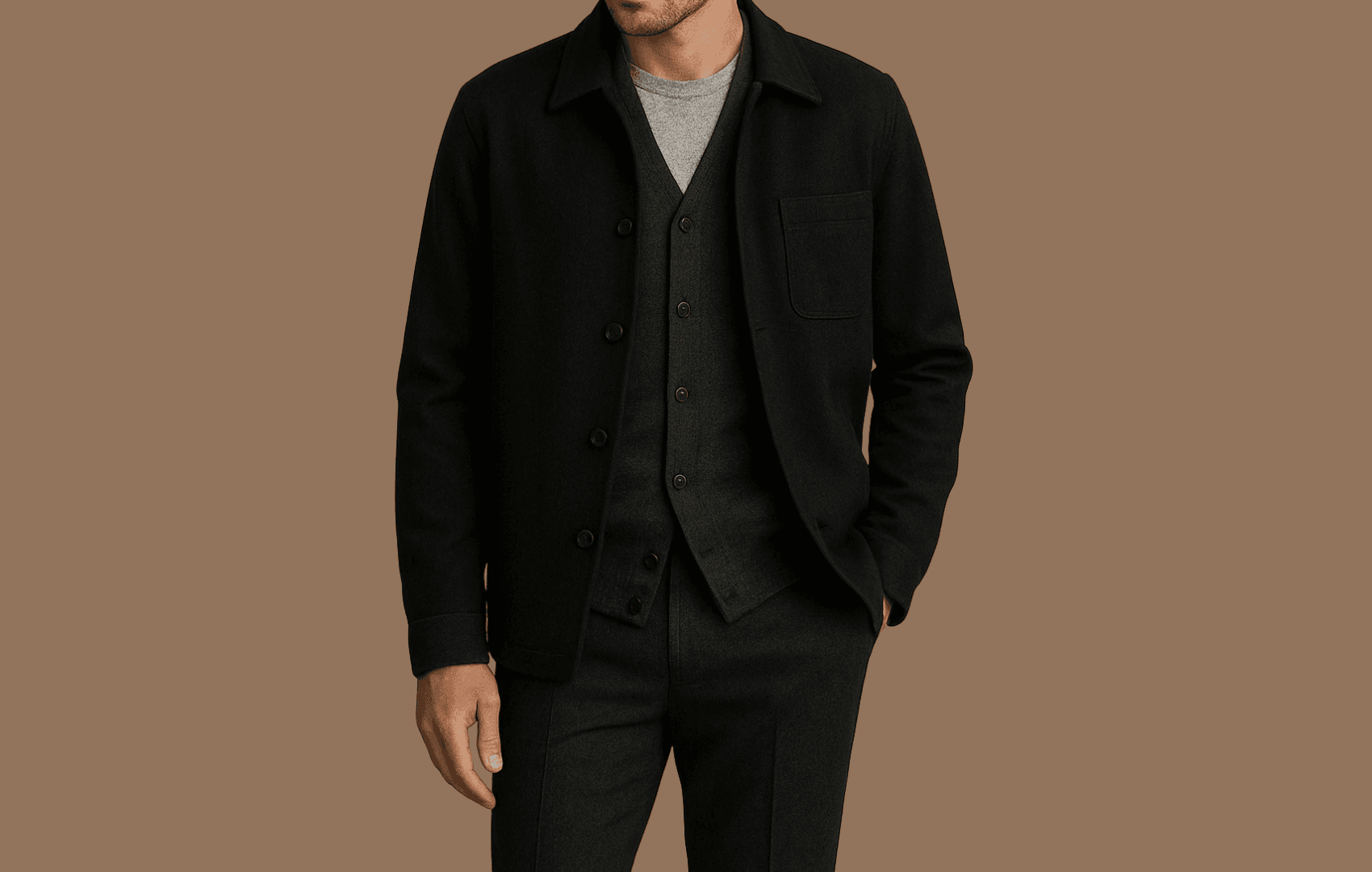
This creates an elongating effect with a continuous, uninterrupted vertical line that makes you look taller and leaner.
It also makes getting dressed WAY easier because you don’t have to think about matching colors.
Pro tip: Stick with neutral monochromatic palettes (grays, navies, browns, blacks) for the most versatile options.
Step-by-Step Layering Formulas for a Flawless Fall Look
Enough theory.
Now let’s build some actual outfits.
Business and Professional Layering
Outfit 1: The Suited Layer
- Base: Thin merino crew neck tee (hidden)
- Mid: Light blue Oxford dress shirt
- Mid-layer 2: Navy V-neck sweater (thin)
- Outer: Charcoal wool topcoat

When to wear: Client meetings, office presentations, dressy events.
Why it works: The merino wool base is thin and warm. The V-neck sweater over an Oxford shirt is a classic business style. And the neutral colors coordinate well and won’t cause visual jarring.
Outfit 2: Business Casual Polish
- Base: White crew neck tee (barely visible at neck)
- Mid: Gray mid-weight fine-gauge crew neck sweater
- Outer: Navy wool blazer
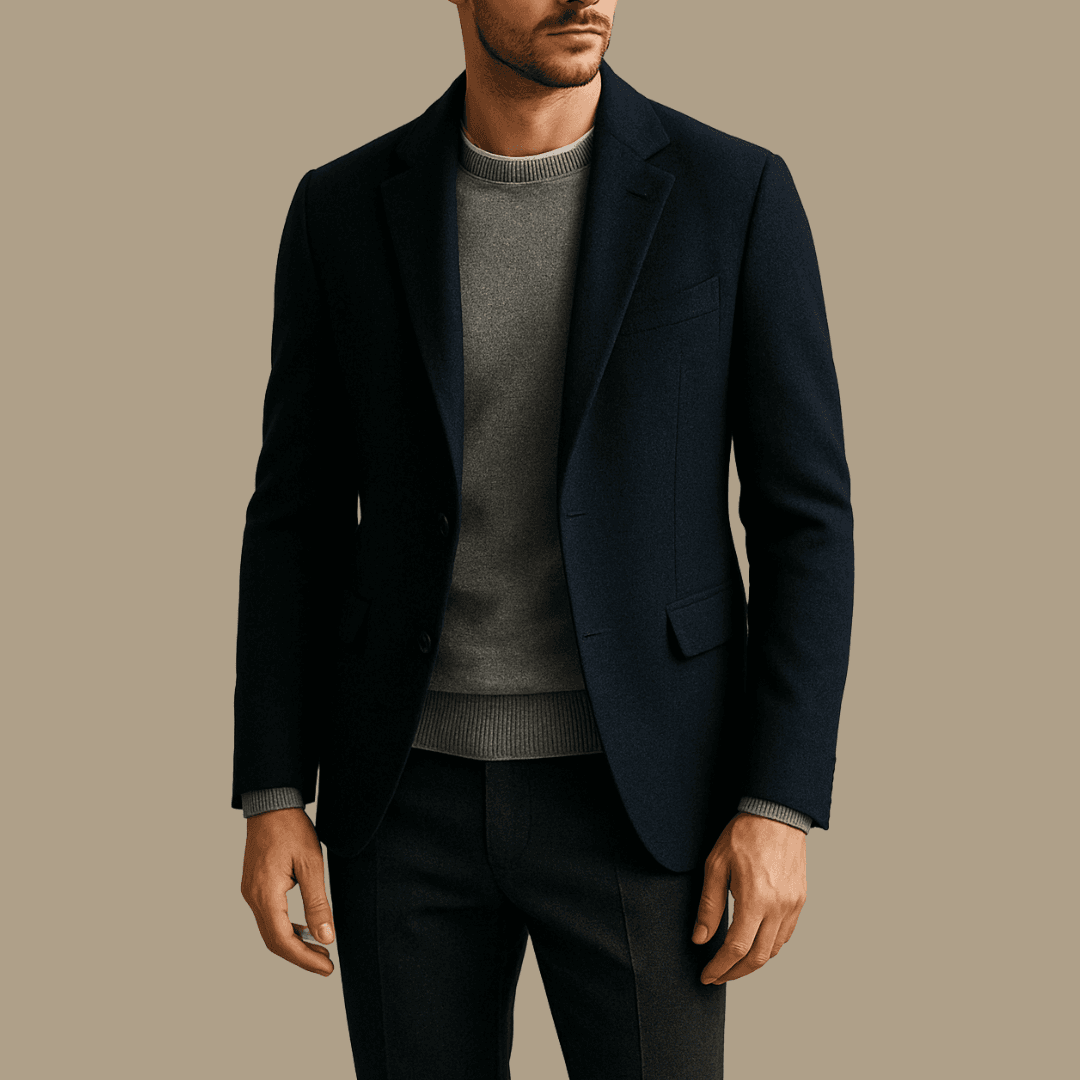
When to wear: Office casual days, business lunches.
Why it works: The tee peeks out just a bit at the collar, adding a modern and relaxed vibe to your outfit. The sweater stays thin under the blazer, so you don’t look bulky.
Weekend and Casual Layering
Outfit 3: The Weekend Classic
- Base: Light gray long-sleeve tee
- Mid: Navy and red flannel shirt (unbuttoned or half-buttoned)
- Outer: Tan chore coat or field jacket
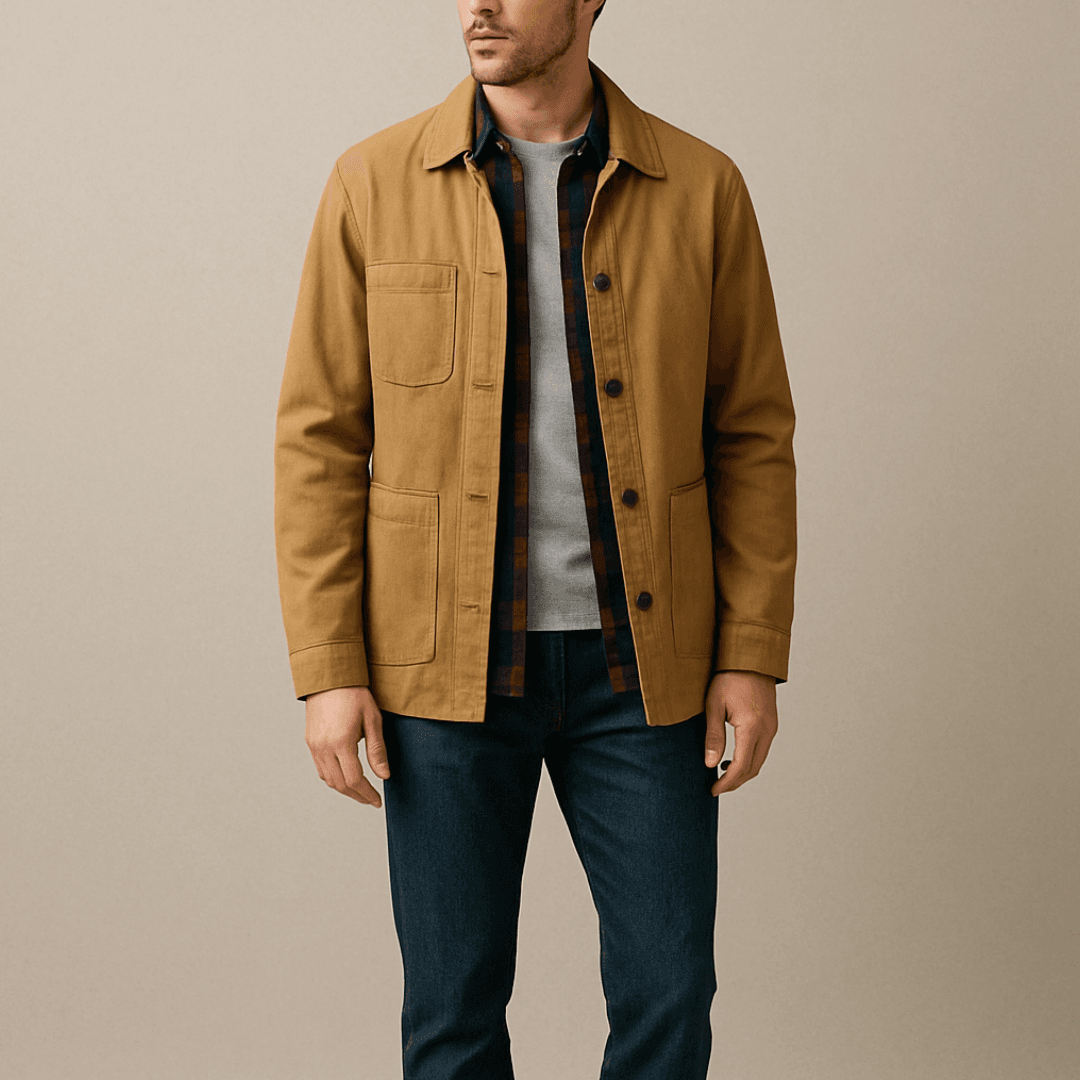
When to wear: Running errands, casual hangouts, coffee shop meetings.
Why it works: This is exactly what we talked about in the pattern mixing section: a patterned mid-layer between two solids.
Outfit 4: The Layered Henley Look
- Base: Lightweight merino undershirt (hidden)
- Mid: Charcoal Henley
- Mid-layer 2: Dark gray quilted vest
- Outer: Dark indigo denim trucker jacket
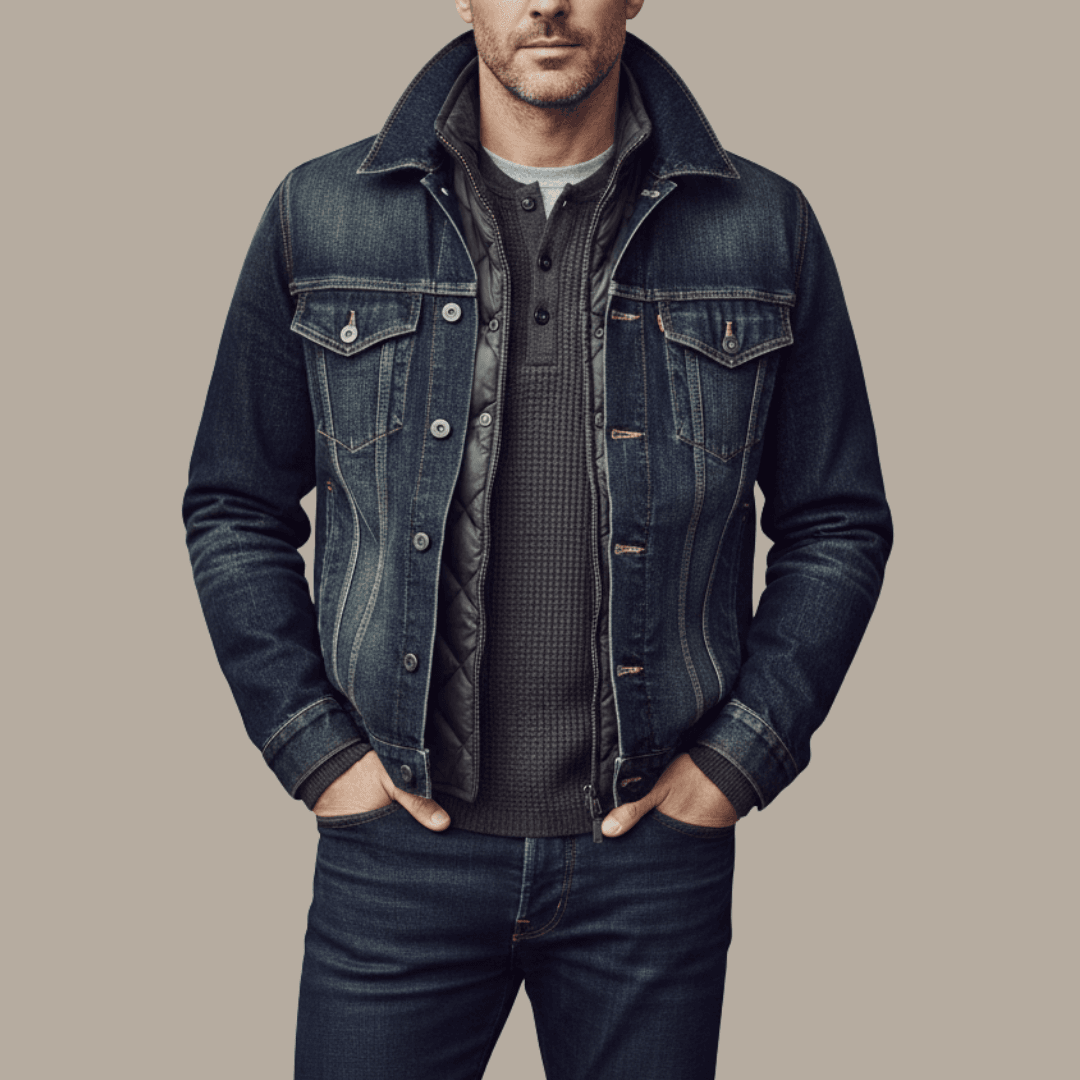
When to wear: Outdoor activities, early fall evenings, or casual occasions.
Why it works: The vest adds core warmth without arm bulk. The denim jacket keeps your overall look relaxed and casual.
Smart Casual Layering
Outfit 5: The Date Night Layer
- Base: Black crew neck tee (slightly visible at collar)
- Mid: Camel or tan crew neck sweater (thin)
- Outer: Black leather jacket

When to wear: Dinner dates, evening events, concerts.
Why it works: The camel sweater contrasts nicely with the monochromatic base/outer combo. Your whole look is smart but not boring.
Outfit 6: The Modern Preppy
- Base: White crew neck tee
- Mid: Light blue Oxford shirt (unbuttoned at collar)
- Outer: Navy bomber jacket
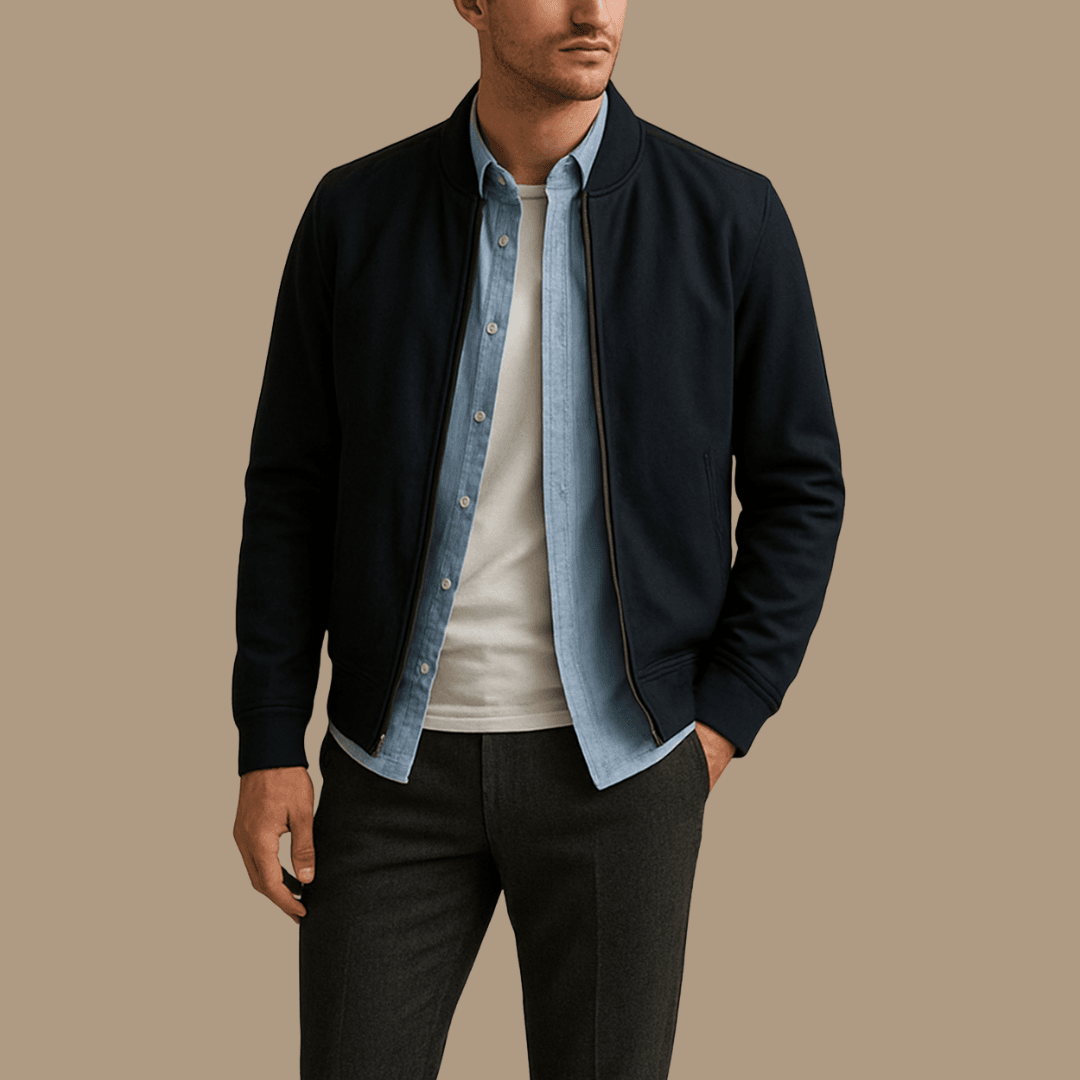
When to wear: Brunch, casual Fridays, social events.
Why it works: The Oxford under the bomber adds a refined vibe to a casual look. The white tee keeps it fresh and modern.
Outdoor/Functional Layering
Outfit 7: Tech Minimalist Fit
- Base: Black nylon or polyester crew neck tee
- Mid: Forest green merino wool quarter-zip (leave it slightly unzipped )
- Outer: Charcoal windbreaker
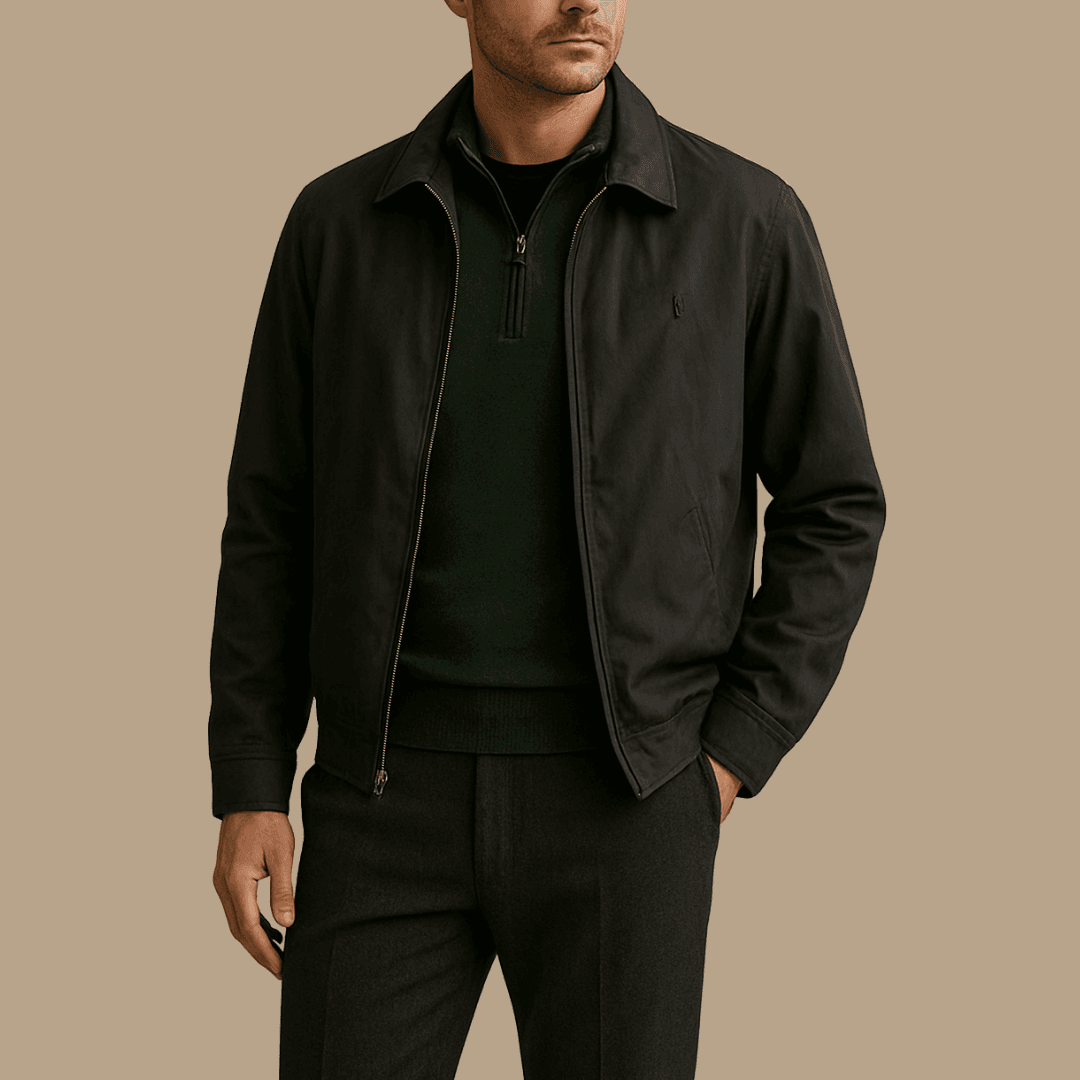
When to wear: Casual Fridays, weekend city outings, outdoor events, or traveling.
Why it works: The synthetic base wicks sweat, the merino mid-layer adds warmth and won’t trap moisture, and the windbreaker protects you from wind and rain.
Outfit 8: The Urban Explorer
- Base: Gray long-sleeve tee
- Mid: Green quilted vest
- Outer: Charcoal waxed canvas field jacket
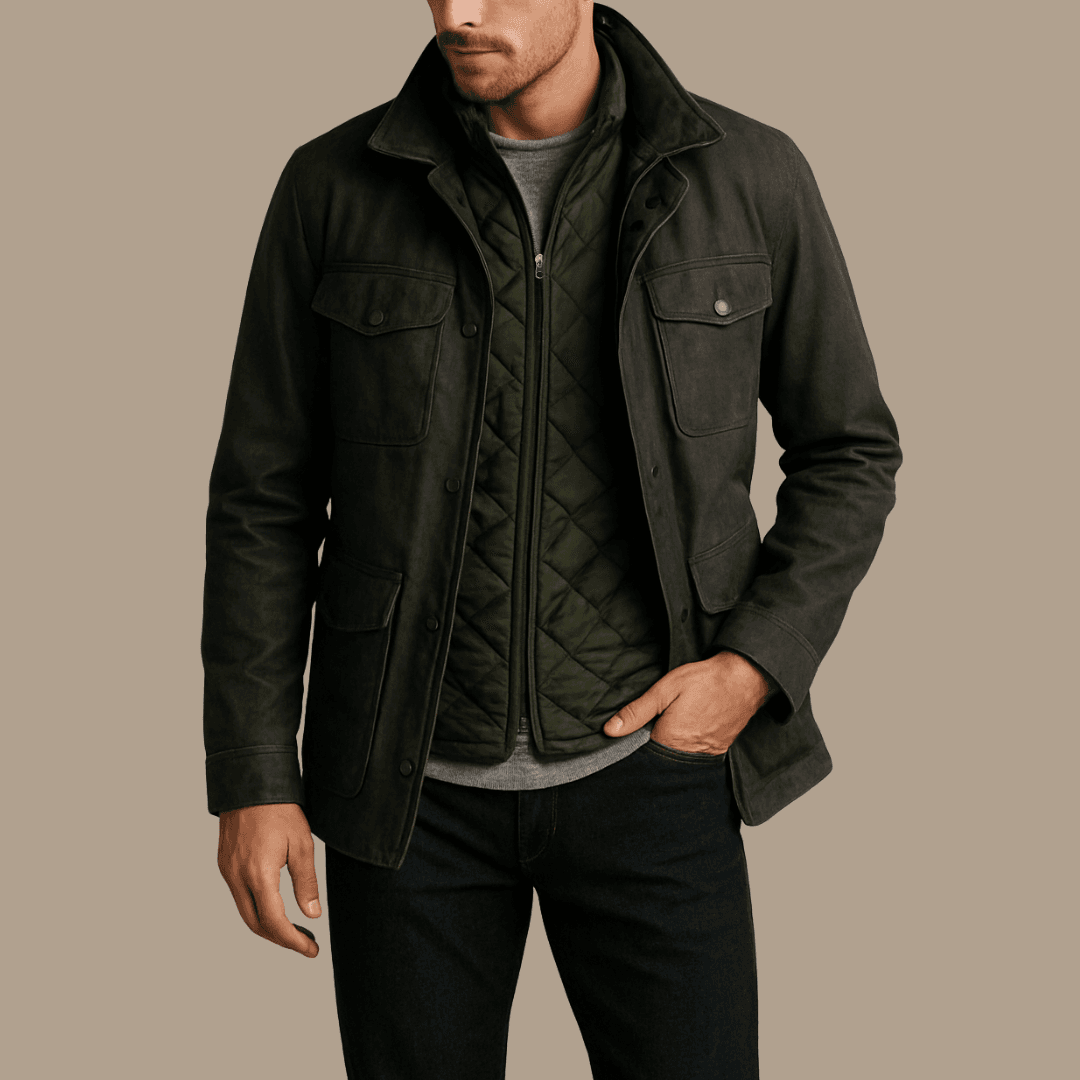
When to wear: Strolling around the city, traveling, or casual weekends.
Why it works: The vest adds core warmth. The waxed canvas can protect you from light rain. Your whole look is rugged, stylish, and also functional.
Evening/Refined Layering
Outfit 9: The Sophisticated Evening
- Base: Thin merino tee (hidden)
- Mid: Tailored black merino turtleneck sweater (thin)
- Outer: Charcoal wool overcoat

When to wear: Theater, slightly formal dinners, formal events
Why it works: Your merino base and mid layers keep you warm. The tailored turtle neck under an overcoat looks sleek and refined. And the dark color palette makes your whole outfit minimalistic and sophisticated.
Outfit 10: The Elevated Casual
- Base: Cream crew neck tee (slightly visible)
- Mid: Burgundy V-neck sweater
- Outer: Navy wool topcoat

When to wear: Holiday gatherings, nice restaurants, cultural events.
Why it works: The burgundy mid-layer and navy outer combo is classic and seasonal. The visible cream tee gives it a modern, relaxed touch.
Seasonal Transition Strategies
Fall isn’t one temperature. It’s a range.
Here’s how to layer for early fall and deep fall.
Early Fall Layering (55-70°F/12.8-21.1°C)
Early fall isn’t super cold. It’s warm during the day, cool in the morning and evening.
So, you need light, removable layers.
- Base: Short-sleeve or long-sleeve tee
- Mid: Lightweight flannel or thin sweater
- Outer: Unlined jacket (denim, canvas, light bomber)
Outfit Example:
- Base: White cotton crew neck tee (soft jersey fabric)
- Mid: Light blue and gray cotton plaid flannel shirt (unbuttoned)
- Outer: Olive green canvas chore jacket (unlined, lightweight)

Pro tip: Choose an outer layer you can tie around your waist or carry easily when it warms up midday.
Deep Fall and Winter Prep Layering (35-55°F/1.7-12.8°C)
It’s cold. You need layering with insulating pieces.
- Base: Merino wool base layer
- Mid: Medium-weight sweater or flannel
- Mid-layer 2: Quilted vest or thin down layer
- Outer: Wool coat or insulated jacket
- Base: Charcoal merino wool long-sleeve crewneck (lightweight, moisture-wicking)
- Mid: Navy wool crewneck sweater (medium-weight, fine gauge)
- Mid-layer 2: Dark olive quilted vest (lightly insulated, nylon shell)
- Outer: Charcoal wool overcoat (structured, knee length)
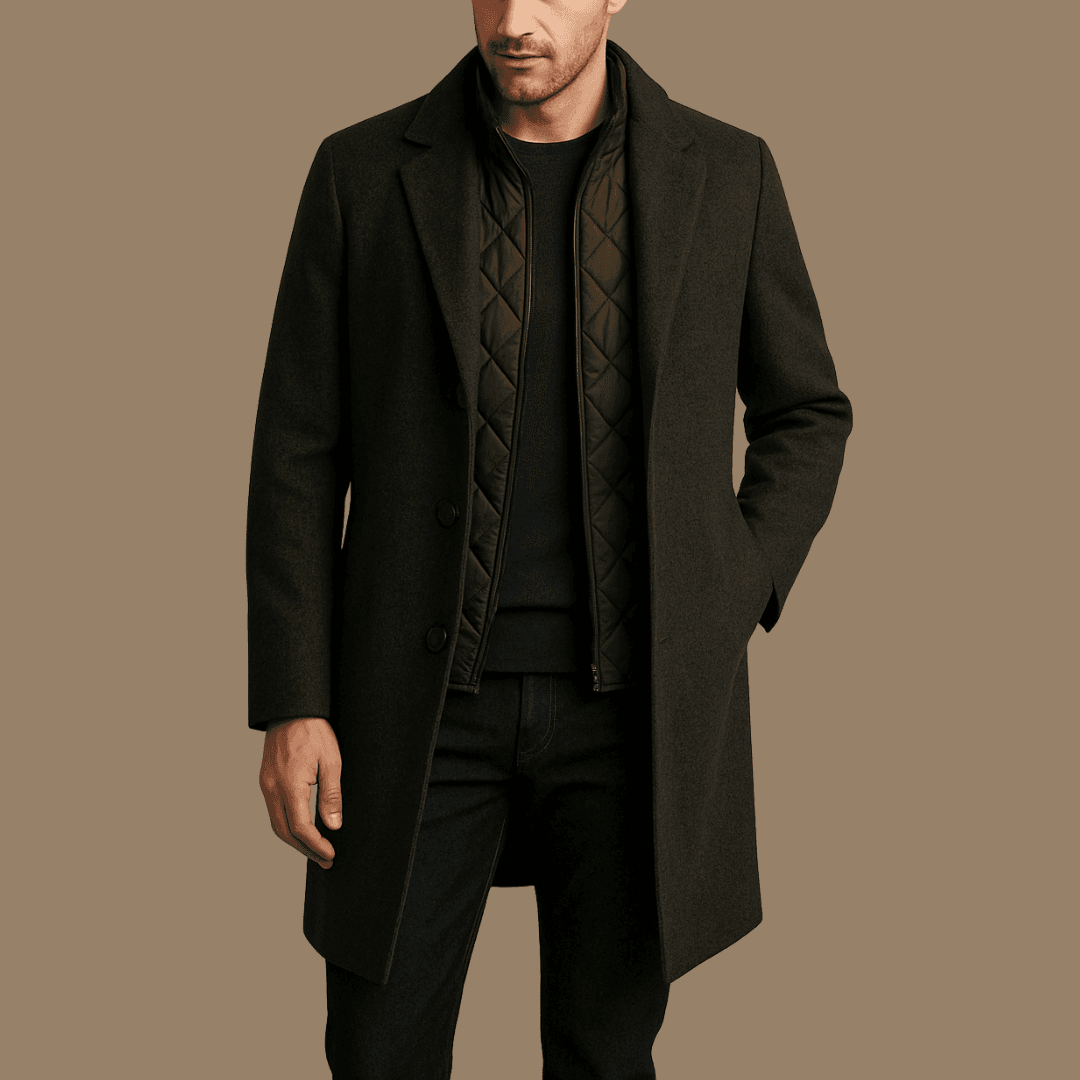
Invest in a quality wool coat. It’ll keep you warm without adding bulk, and it’ll last for years.
Pants & Bottom Layering
You might have noticed I haven’t said anything about the bottom half.
That’s because bottom layering is a whole section by itself.
Now, it’s time to talk about it.
Your bottom half needs to balance your top half.
Let’s break it down.
If your top half is thick and heavy (thick sweaters + heavy coats), you need slimmer or tapered pants to balance it out.
Why?
Because if you also go with thick, heavy, or oversized pants, your whole frame gets swallowed up.
Go with straight fit or slightly slim fit pants (not skinny).
If your upper half is thin and fitted(thin tee + fitted jacket), you can go with loose or wider pants. This balances your look and keeps you from looking skinny all over.
Essential Fall Pants and Trousers
Here are some great pants to wear in fall.
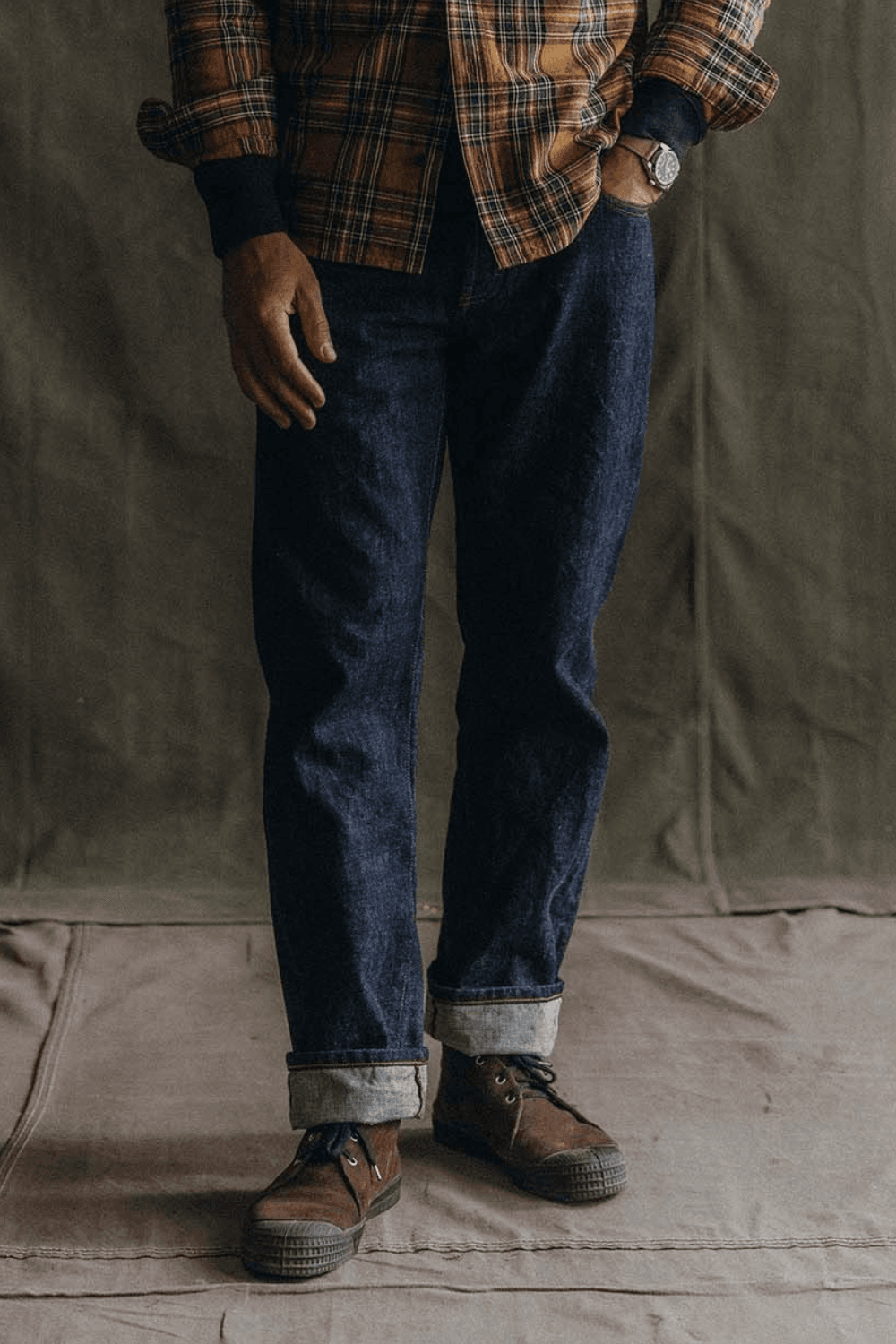
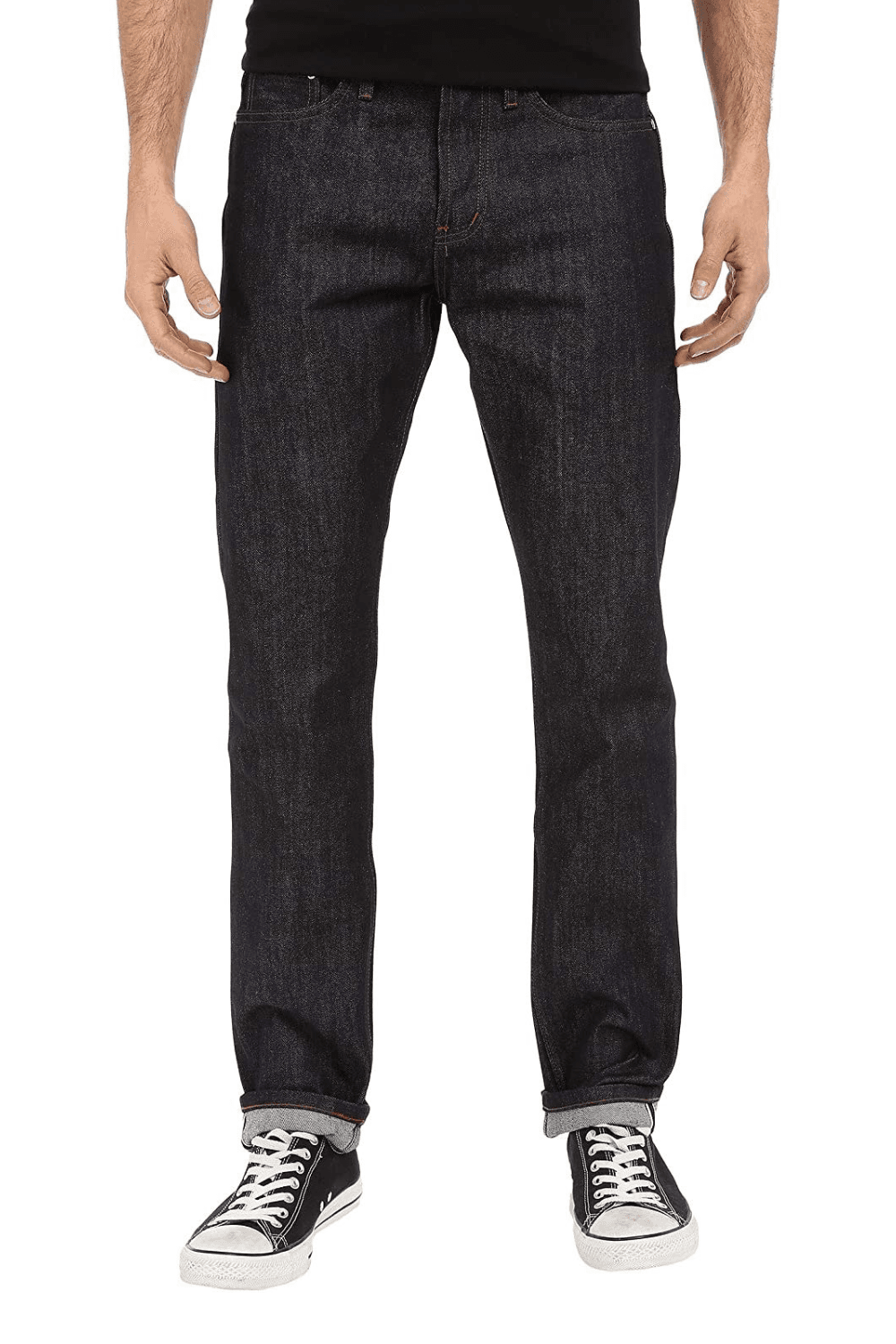
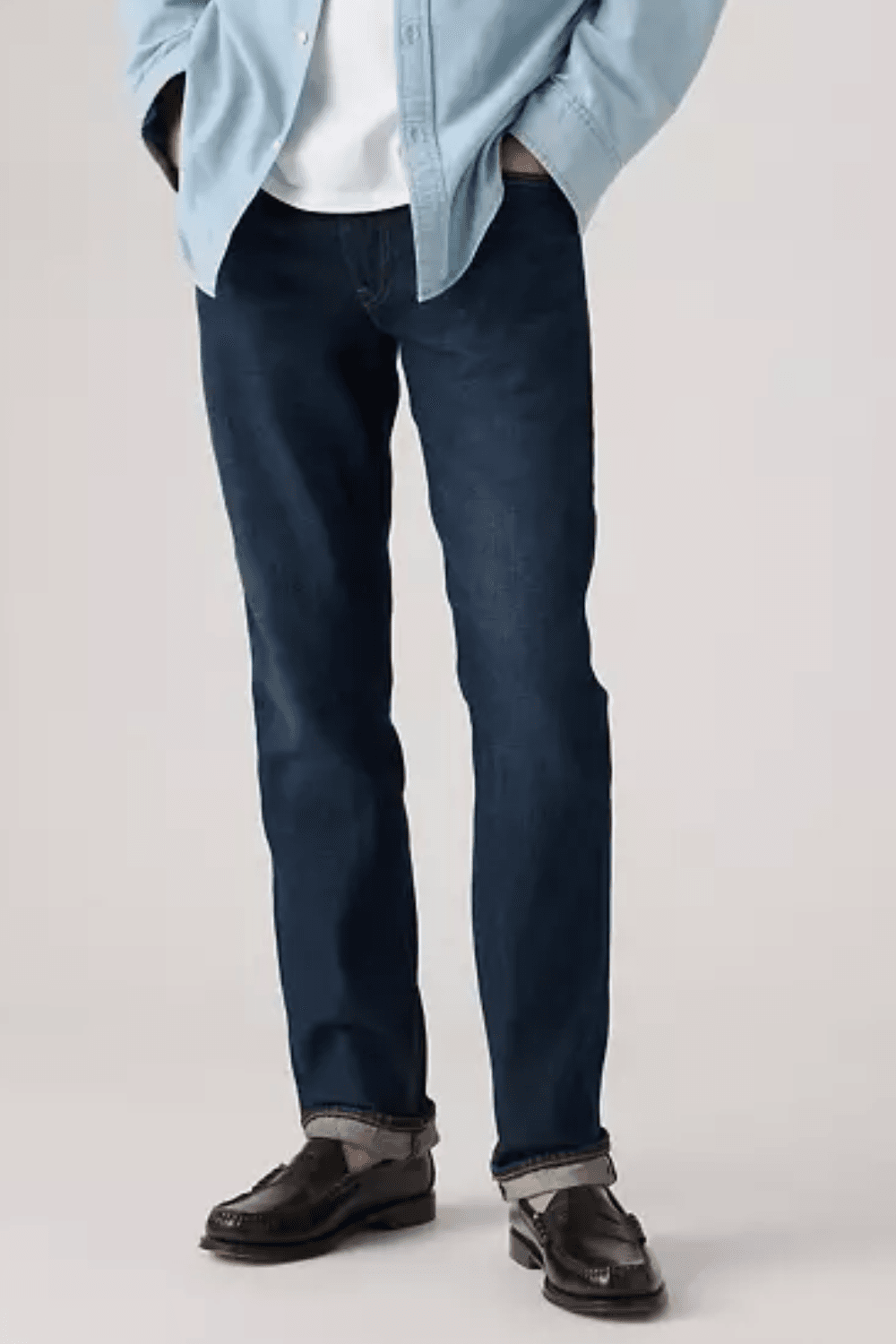
1. Dark Jeans
Jeans are year-round pieces. Darker colors work great in colder weather.
Go for slim or straight-fit (not skinny, not baggy) washed jeans in indigo or black shades.
They’re great for casual and smart casual layering looks.
Here are some great jeans to grab for fall and winter:
- Taylor Stitch Straight Jean in Rigid Organic 14-oz denim
- Unbranded UB201 Tapered Raw Indigo Selvedge (14.5-oz)
- Levi’s 511 Slim-Fit Stretch Selvedge in Dark Indigo
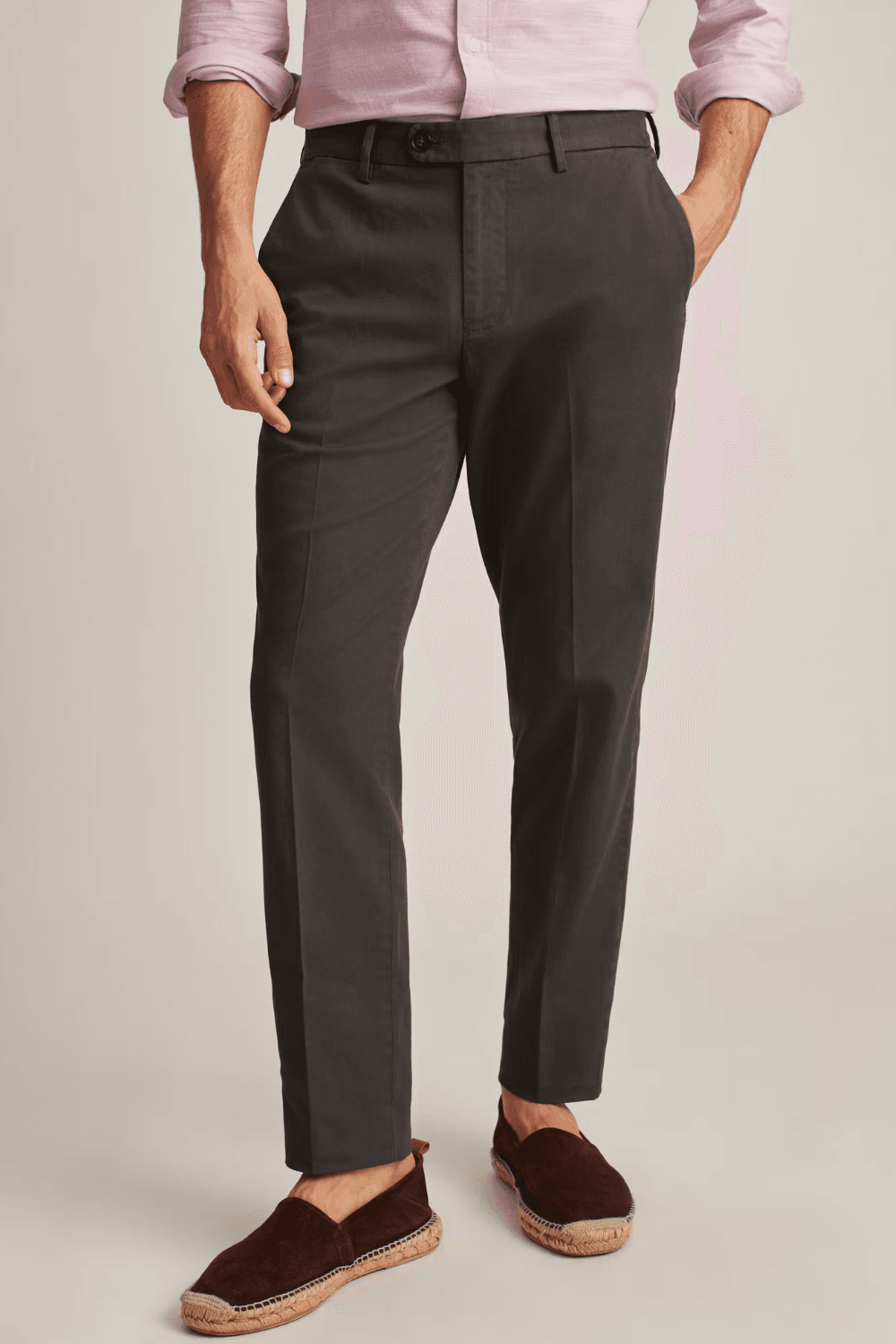
2. Chinos
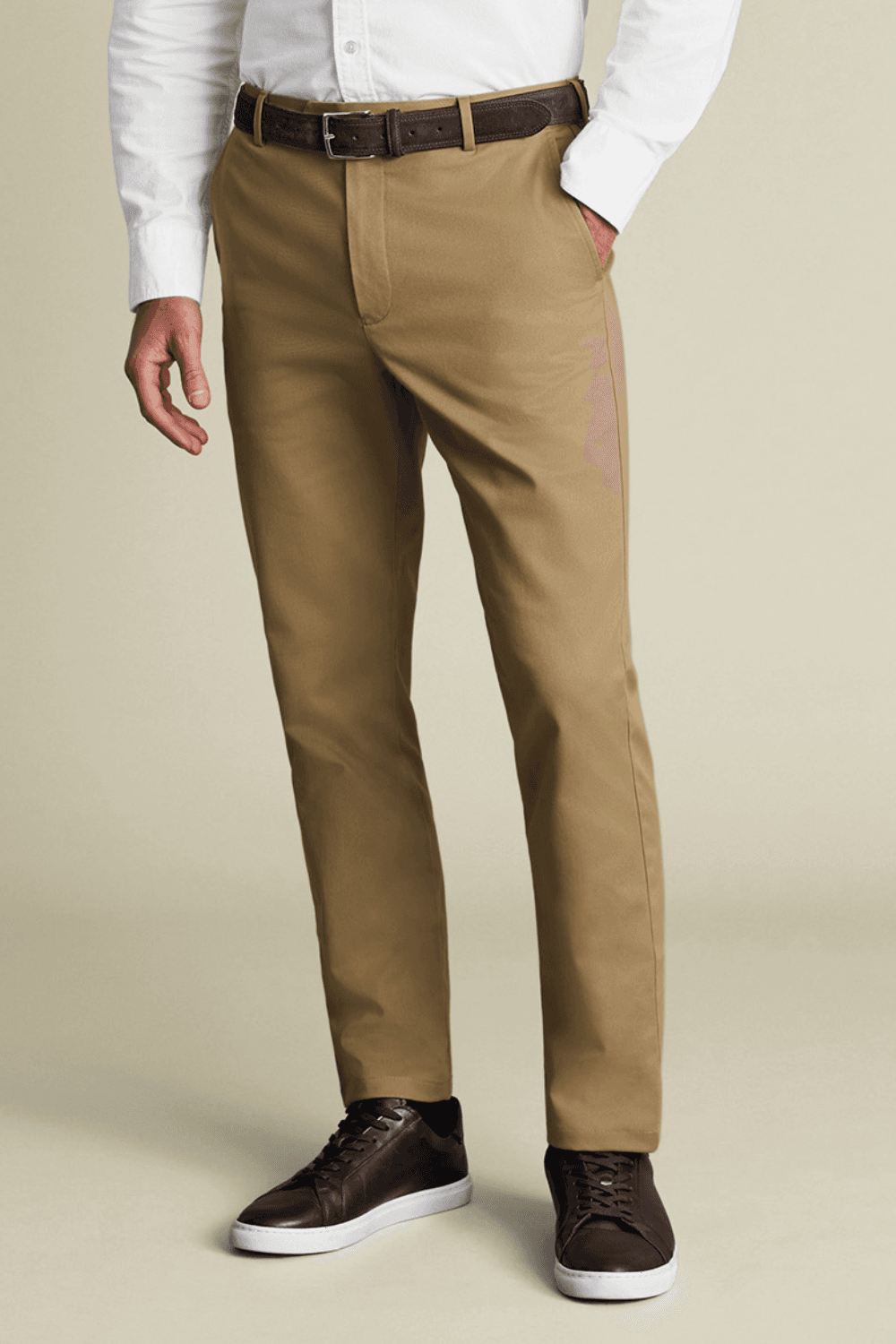
Chinos are your go-to for business-casual and smart-casual layering.
Slim or tailored fit chinos with a slight taper work great in both settings.
Autumnal colors like navy, charcoal, olive, or khaki are perfect for the office or a polished everyday look.
Here are some great options to go for:
- Charles Tyrwhitt Slim Fit Non-Iron Chino
- Bonobos Italian Stretch Chinos
- Levi’s XX Slim Taper Fit Chino Pants

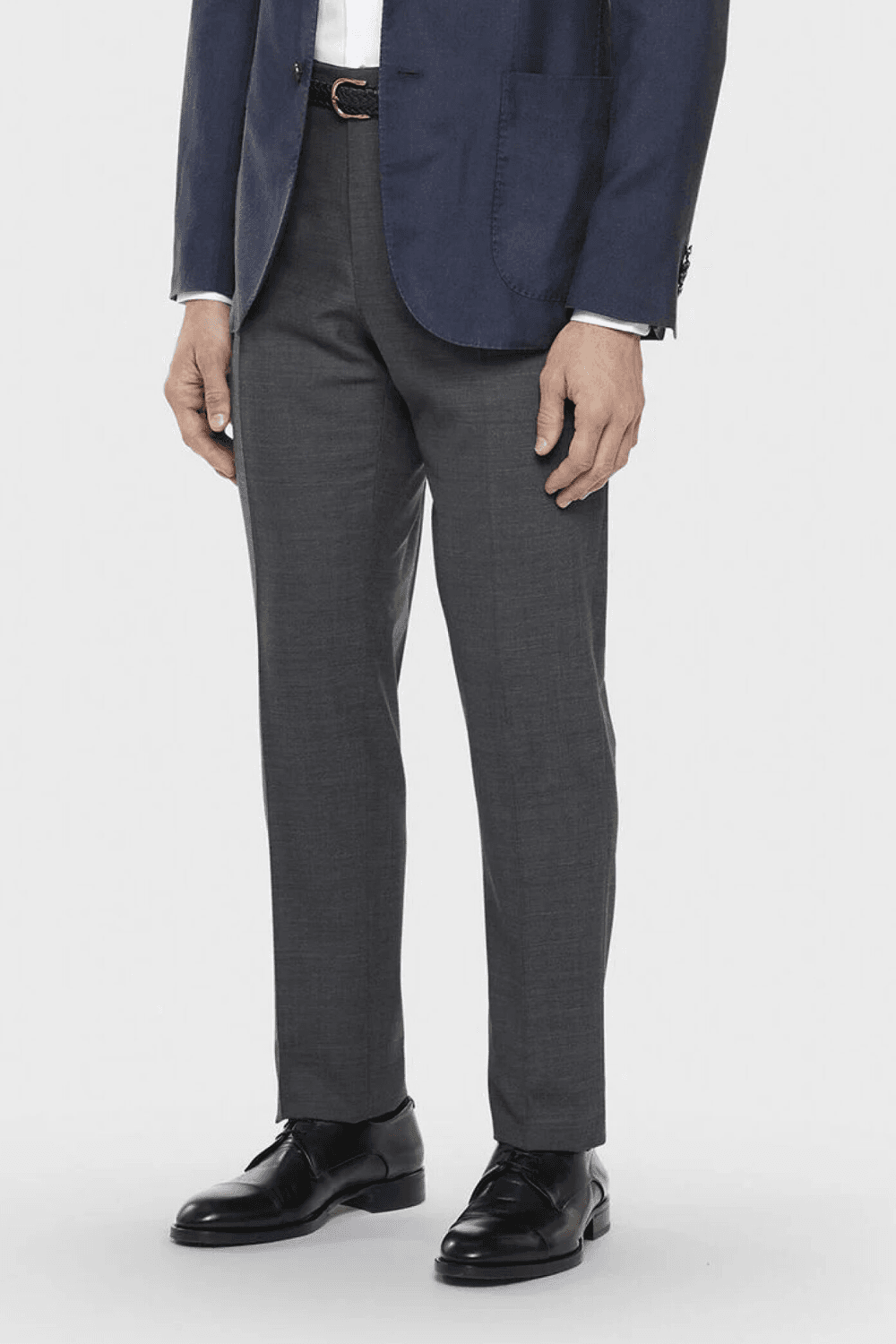
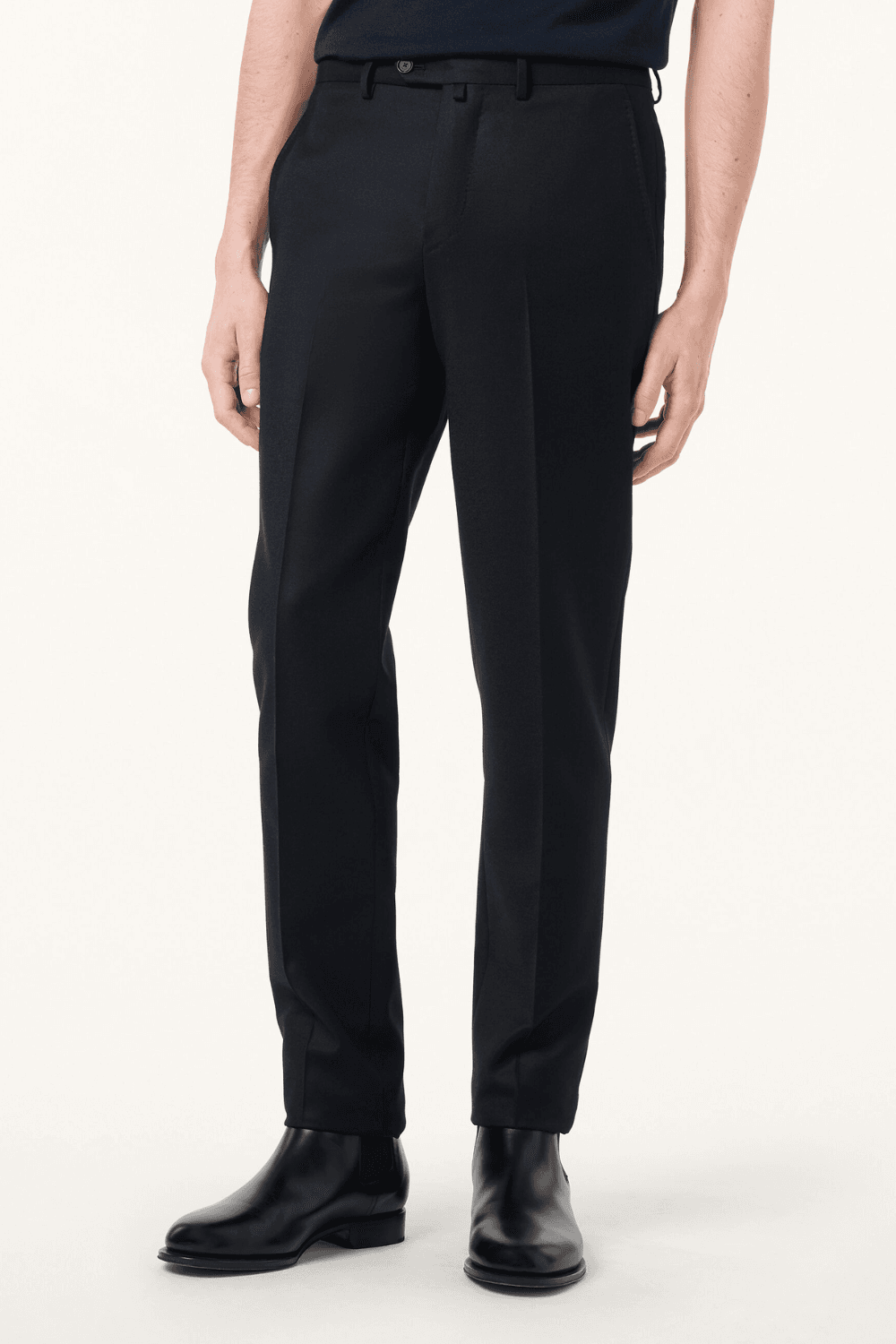
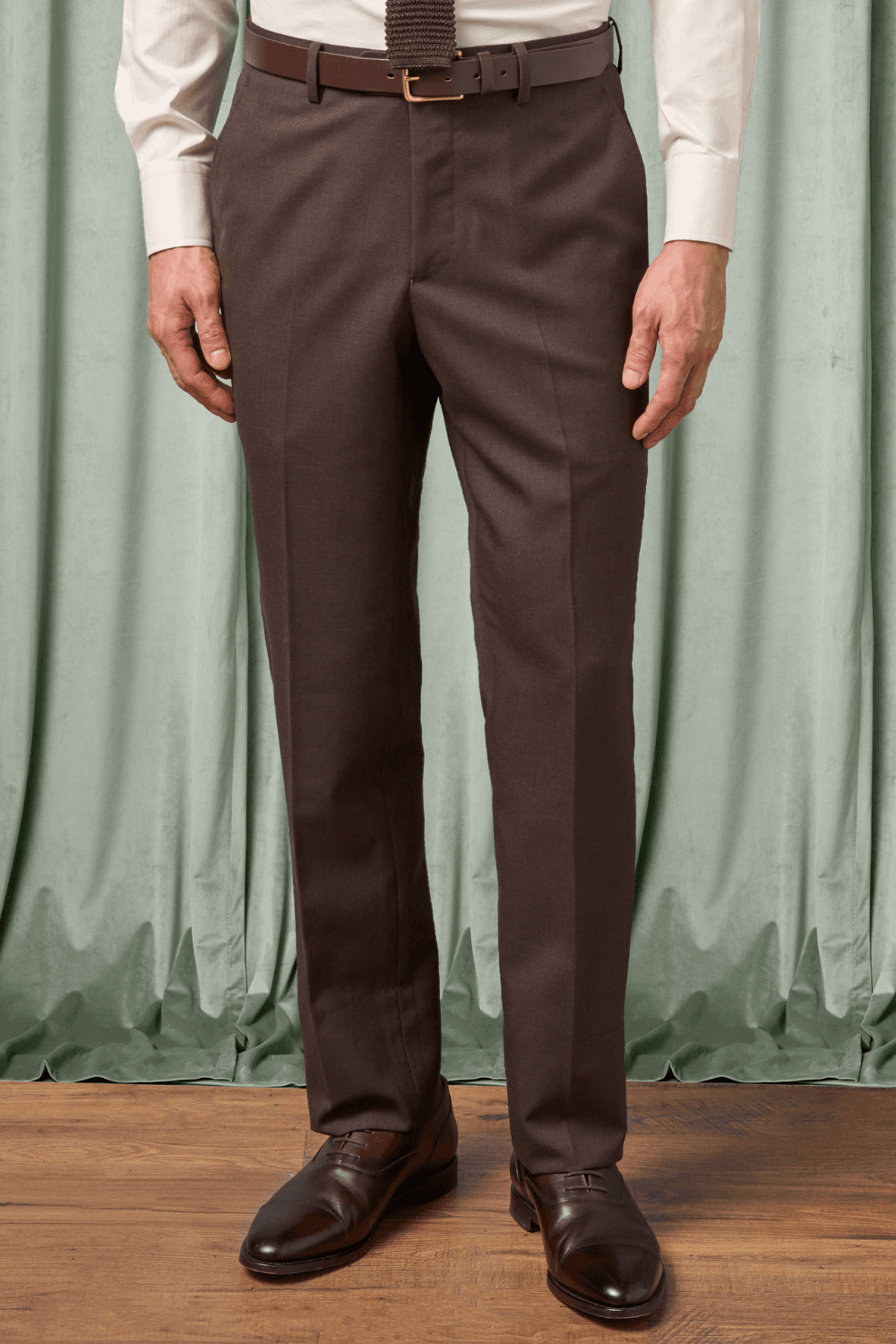
3. Wool Dress Trousers
For formal or dressier occasions, wool dress pants are your go-to choice.
Best colors for fall: charcoal, dark gray, navy, dark brown.
Some great wool dress pants to consider:
- Boglioli 100% Virgin Wool Trousers
- Loro Piana Carlo Pants
- Spier & Mackay High Twist Wool Trousers
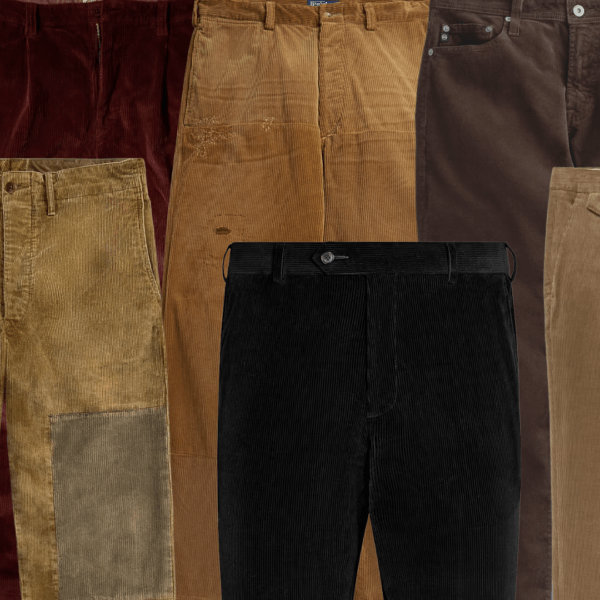
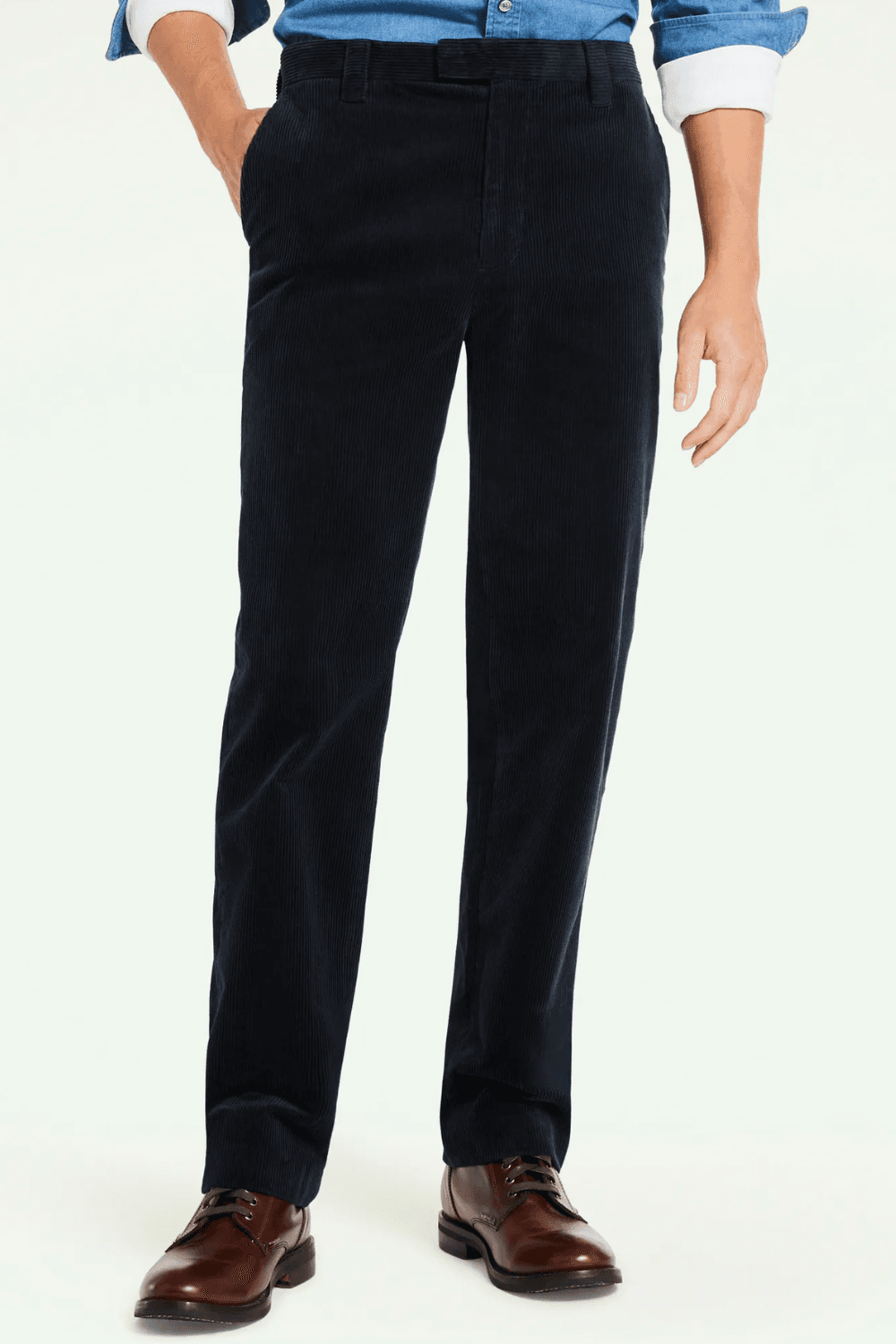
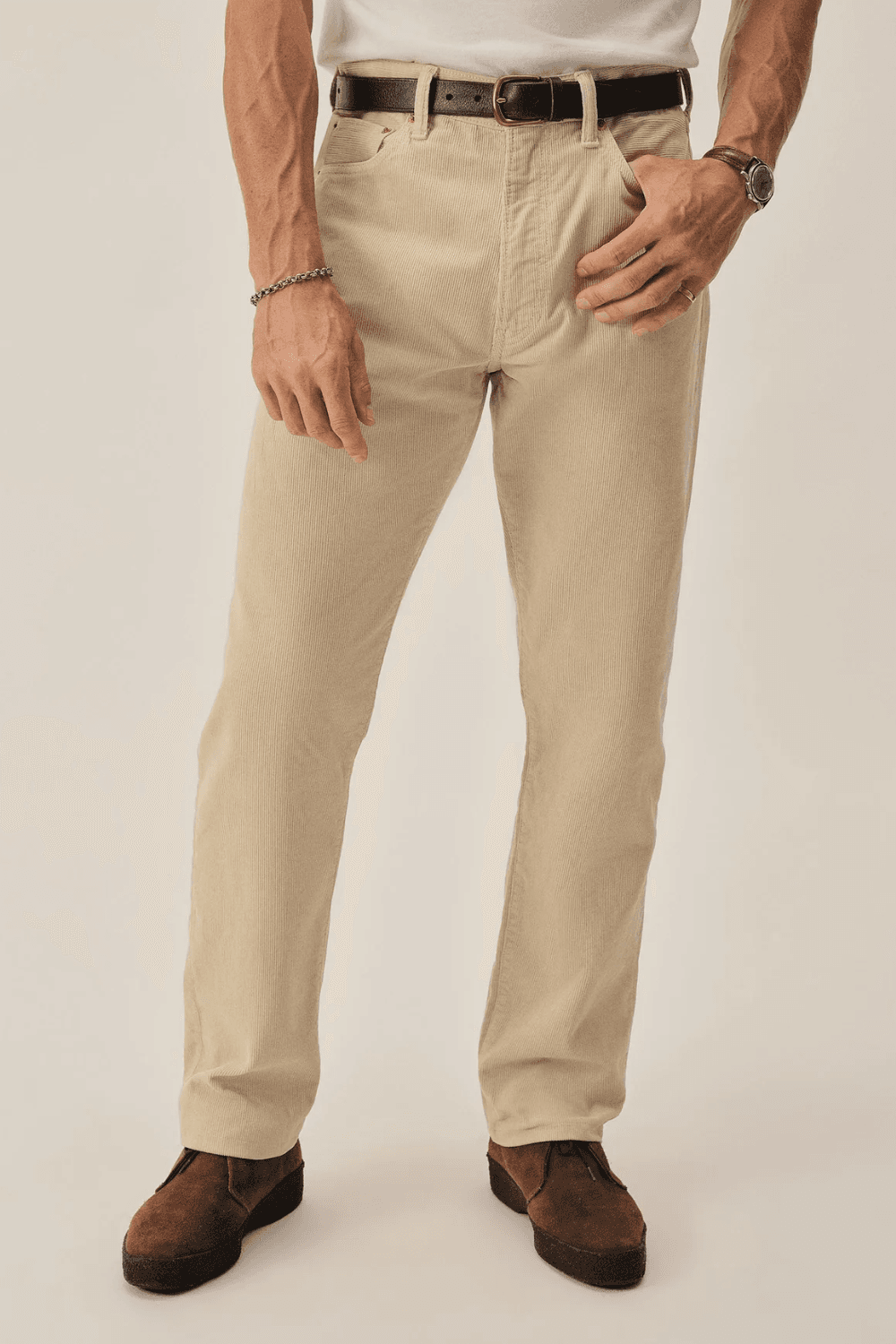
4. Corduroy Pants
Corduroy is basically made for cold weather. It’s soft and comfy. Great for casual layers. Or smart casual, if you go for slim or straight fit ones.
Earthy tones like brown, tan, rust, or forest green are perfect choices for fall.
Here are some great corduroy pants worth checking out:
- Flint and Tinder Corduroy Pant
- Brooks Brothers Big & Tall Wide Wale Corduroy Pants
- Buck Mason Craftsman Corduroy Ford Standard Jean

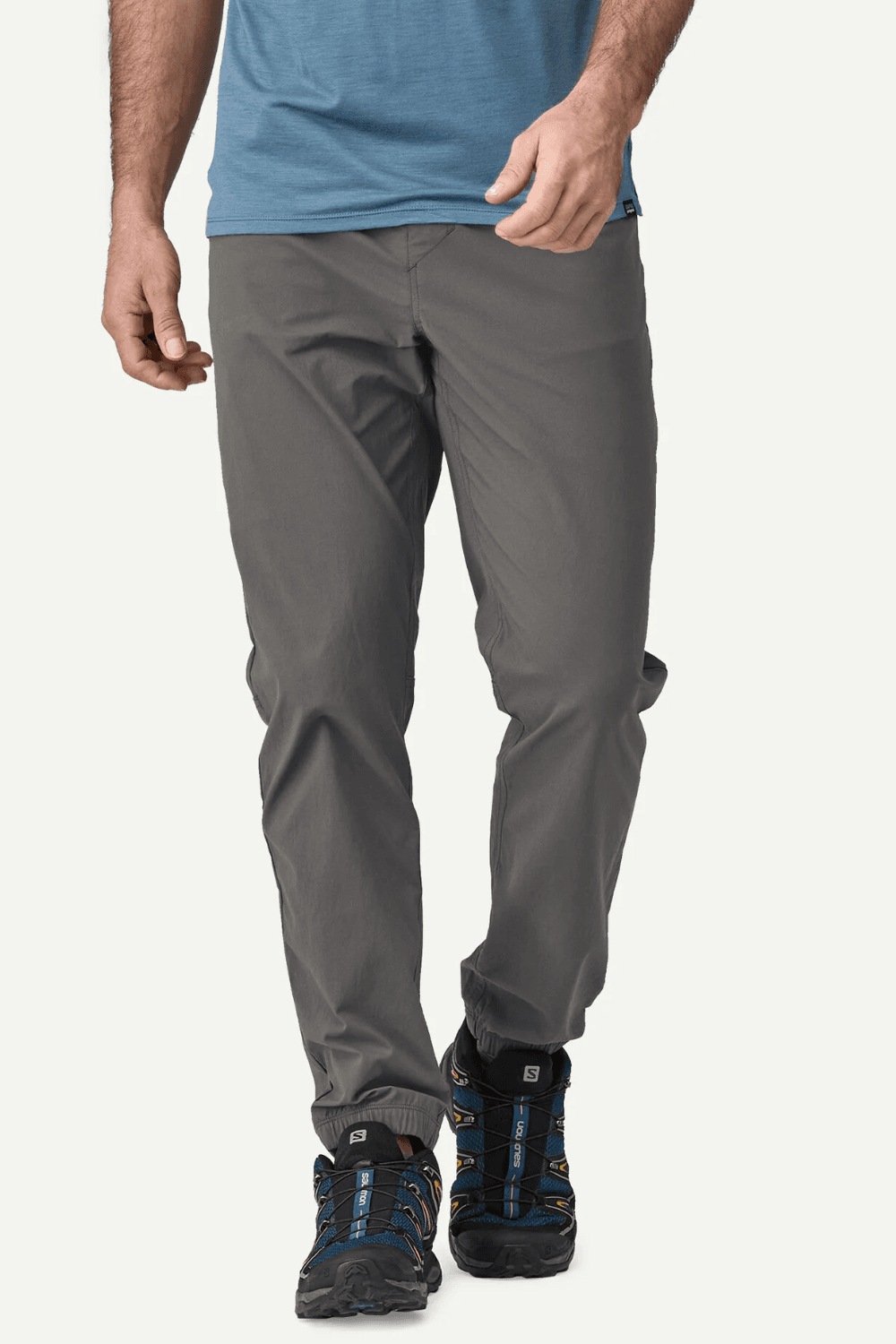
5. Joggers or Technical Pants
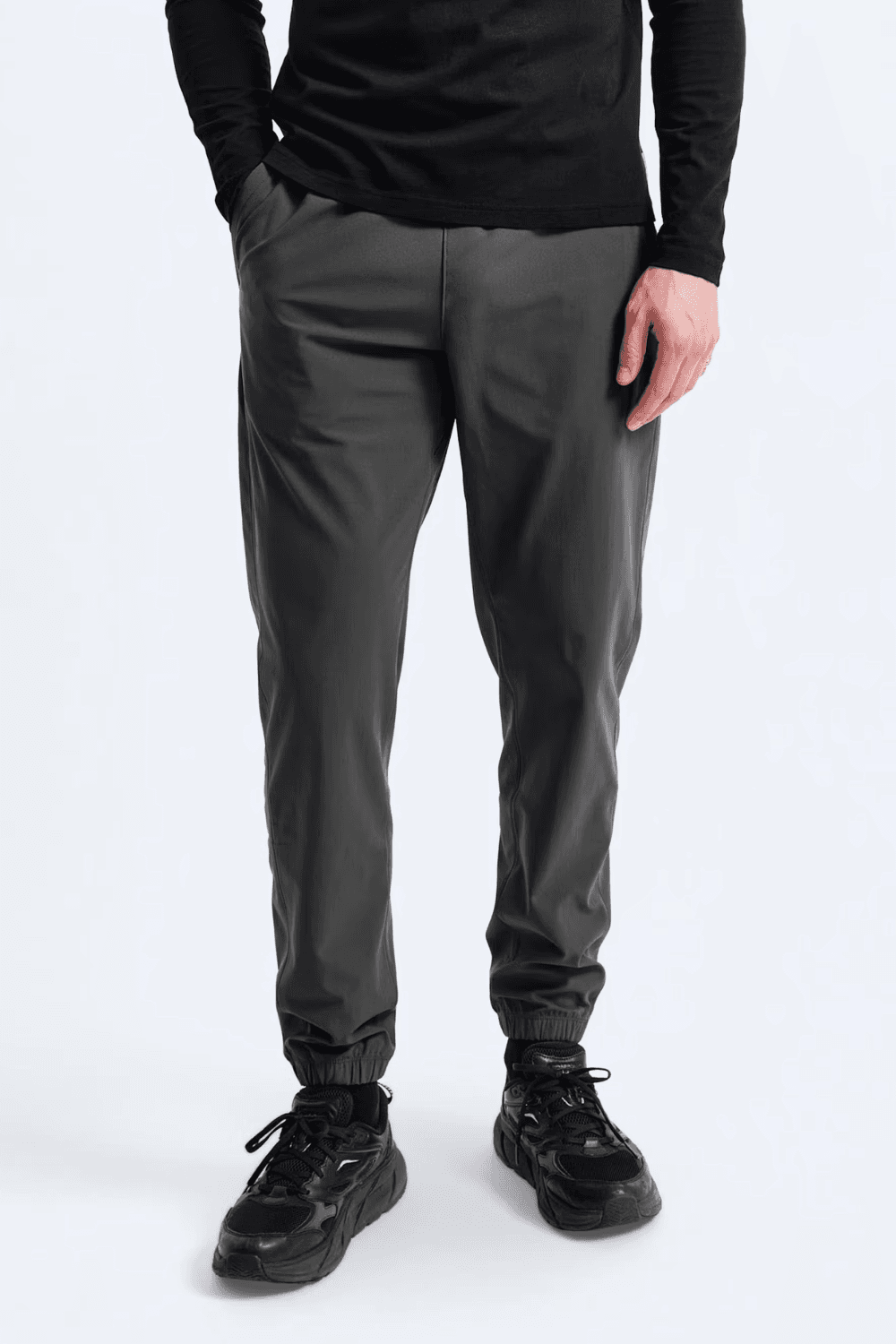
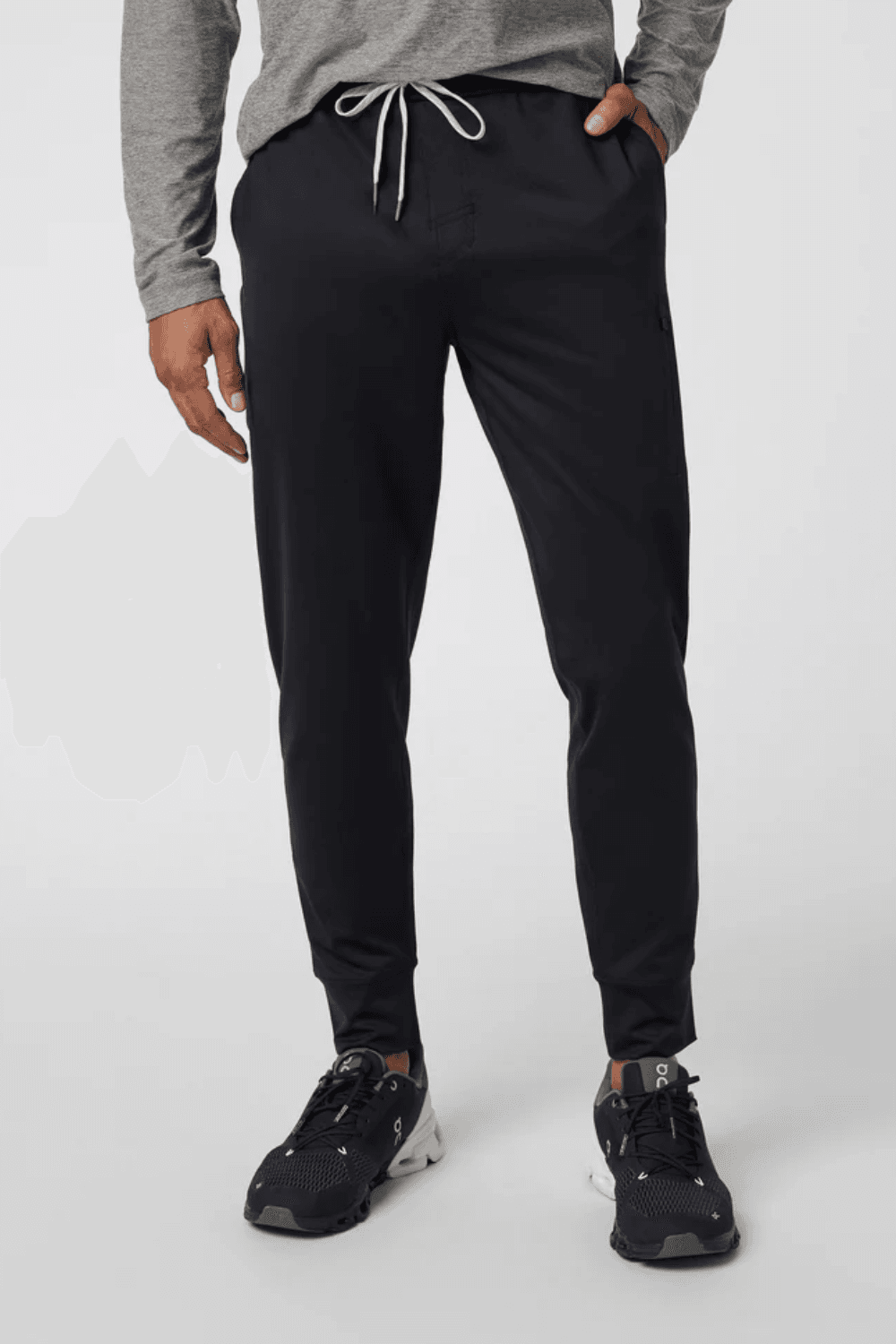
For outdoor and athletic layering, you need functional pants.
Tapered joggers or technical pants with ankle cuffs in tones like black, charcoal, or olive can be a stylish and functional choice for outdoor activities, running errands, or traveling.
Some stylish and functional joggers or technical pants:
- Reigning Champ Coach’s Classic Jogger
- Vuori Sunday Performance Jogger
- Patagonia Quandary Hiking Joggers
Seasonal Fabric Choices for Pants
Just like your upper body, your pants also need to be seasonal.
Some pants are too thick and heavy for early fall, while others are too thin for deep fall.
Early Fall (55-70°F / 12.8-21.1°C):
At this temperature, you don’t need thick fabrics.
Go for lightweight cotton twill chinos and lightweight denim.
Deep Fall/Early Winter(35-55°F / 1.7-12.8°C)
Here you want heavier, more insulating fabrics.
Go for standard (~12 oz) or heavier denims (~14 oz+).
Heavier twill chinos, corduroy, or wool-blend trousers work well here.
If the temperature drops below 35°F(~1.7°C ):
This is when you bring out more serious cold-weather options:
Flannel-lined chinos, wool dress trousers, and technical insulated pants (great for long commutes or outdoor work) are great choices.
Don't Forget the Base Layer
The principles for your bottom base layer are the same as for your top half.
What to look for:
- Thin, stretchy fabric (not bulky)
- Moisture-wicking material
- Neutral colors (black, gray, navy)
Here are some options:
- Merino wool
- Synthetic fabrics like polyester or nylon
- Wool and synthetic blends
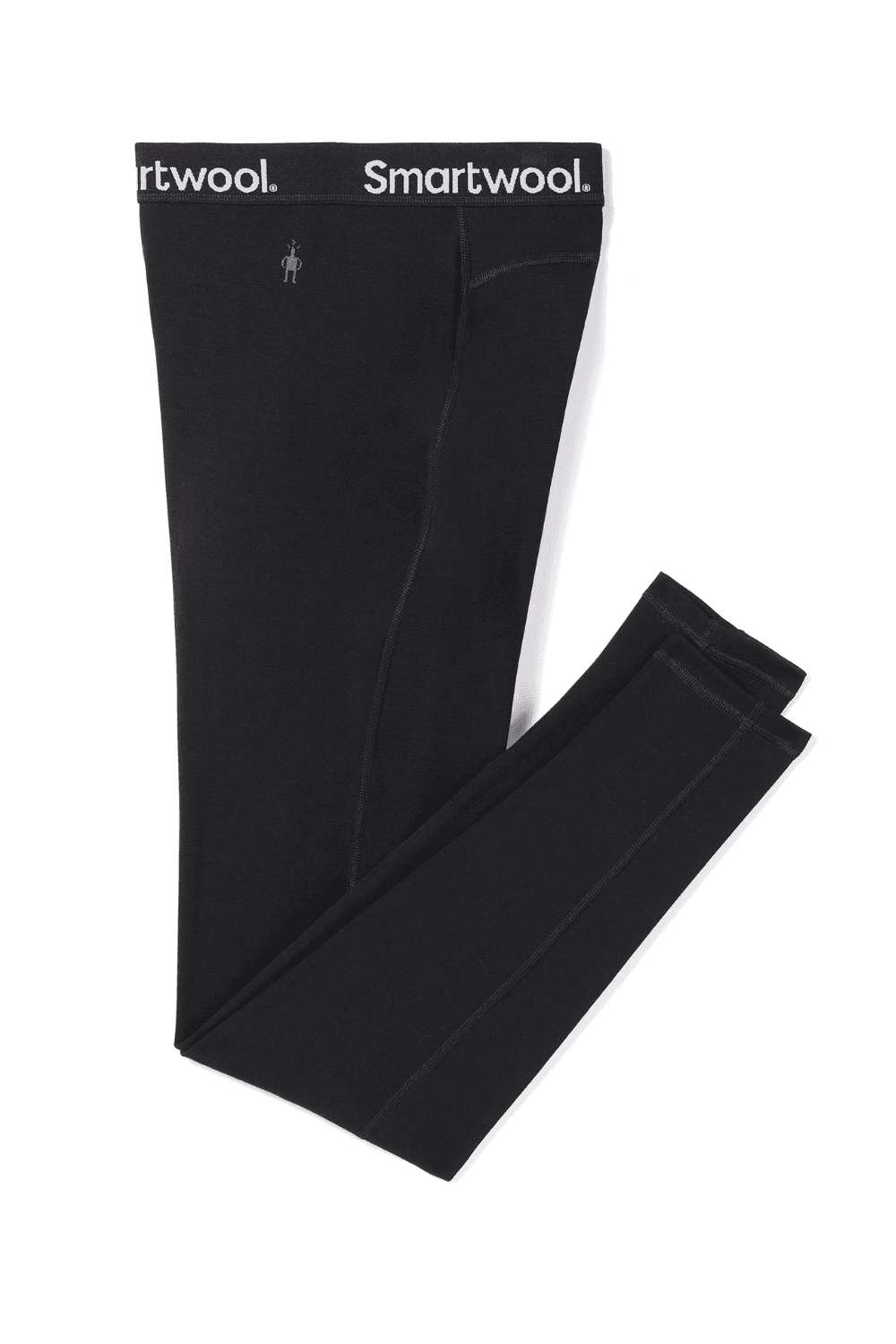
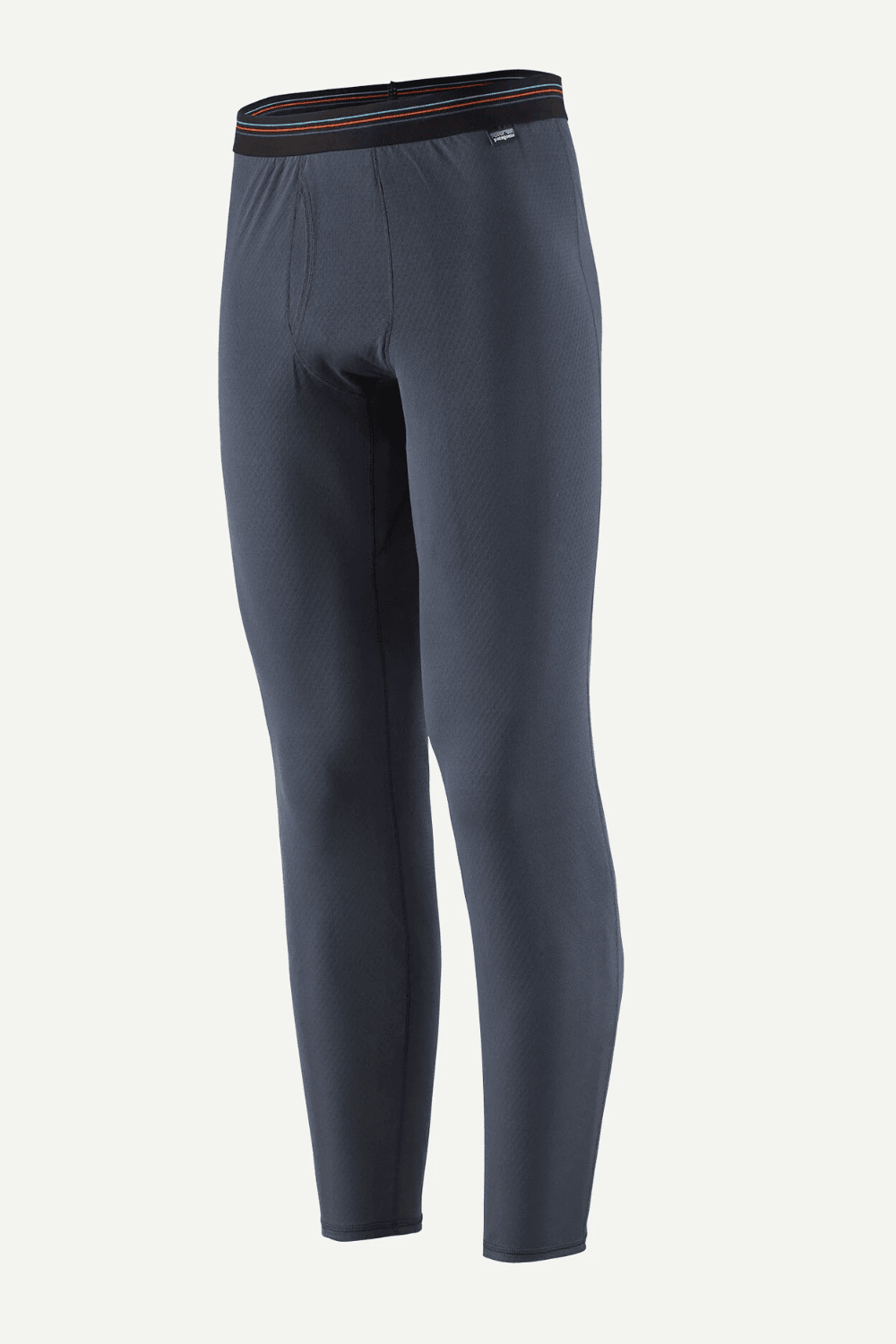

Pro tip: Merino wool base layers are worth the investment. They’re thin, warm, and don’t smell even after multiple wears.
Footwear & Layering
Your feet don’t really need layering, but they do need to match your layers.
For business/professional layers:
- Leather dress boots (Chelsea, chukka)
- Oxford shoes
A few classic Oxford shoes worth the investment:
- Johnston & Murphy Melton Cap-Toe Oxford
- Crockett & Jones Hallam Oxford
- Allen Edmonds Park Avenue Cap-Toe Oxford Dress Shoe


For casual/weekend layers:
- Suede Chelsea boots
- Leather sneakers
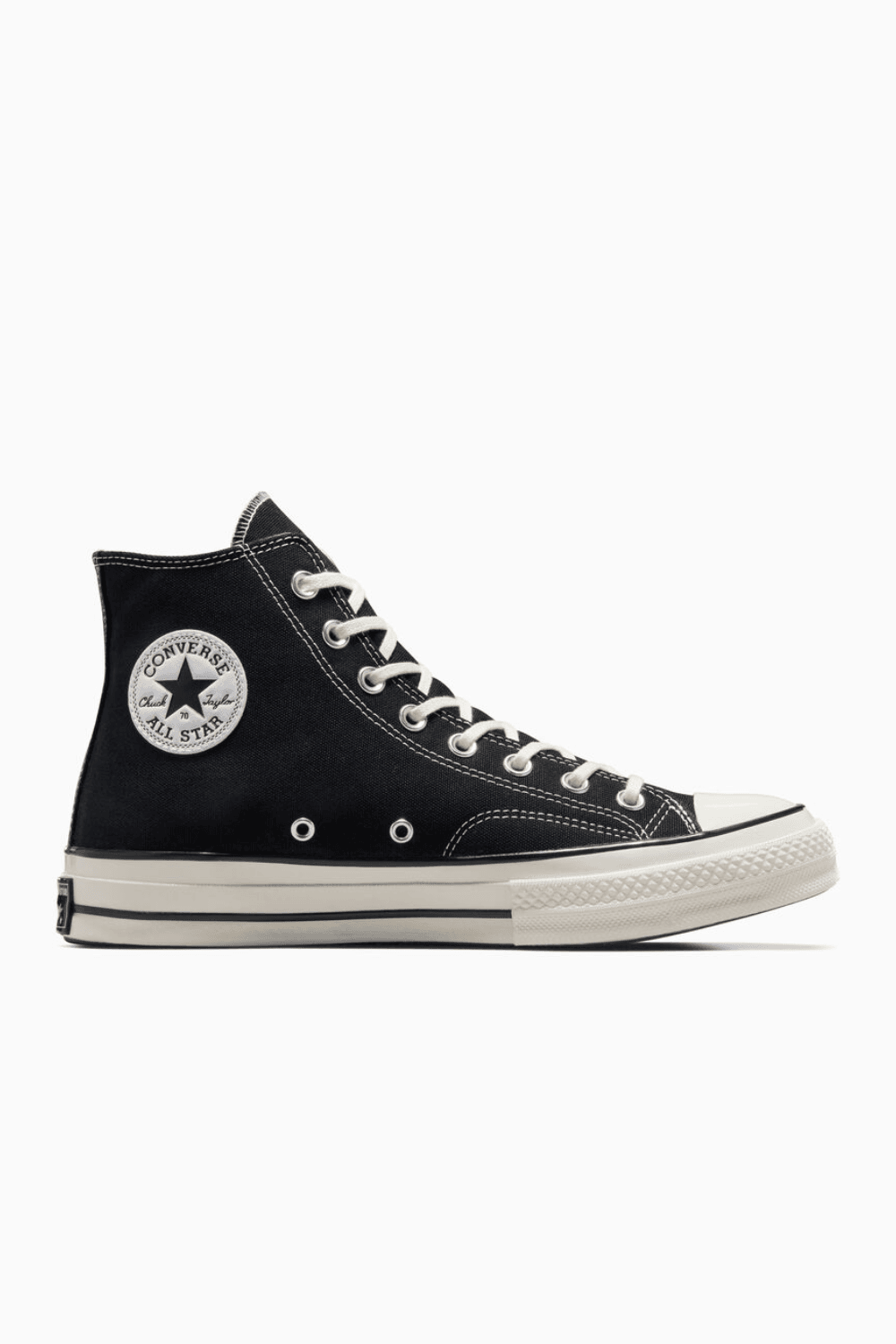
- Canvas high-tops
A few classic high-top canvas sneakers to consider:
Vans Sk8-Hi Sneakers
U.S. Rubber Co. Military High Top
Converse Chuck 70 High Top Sneaker


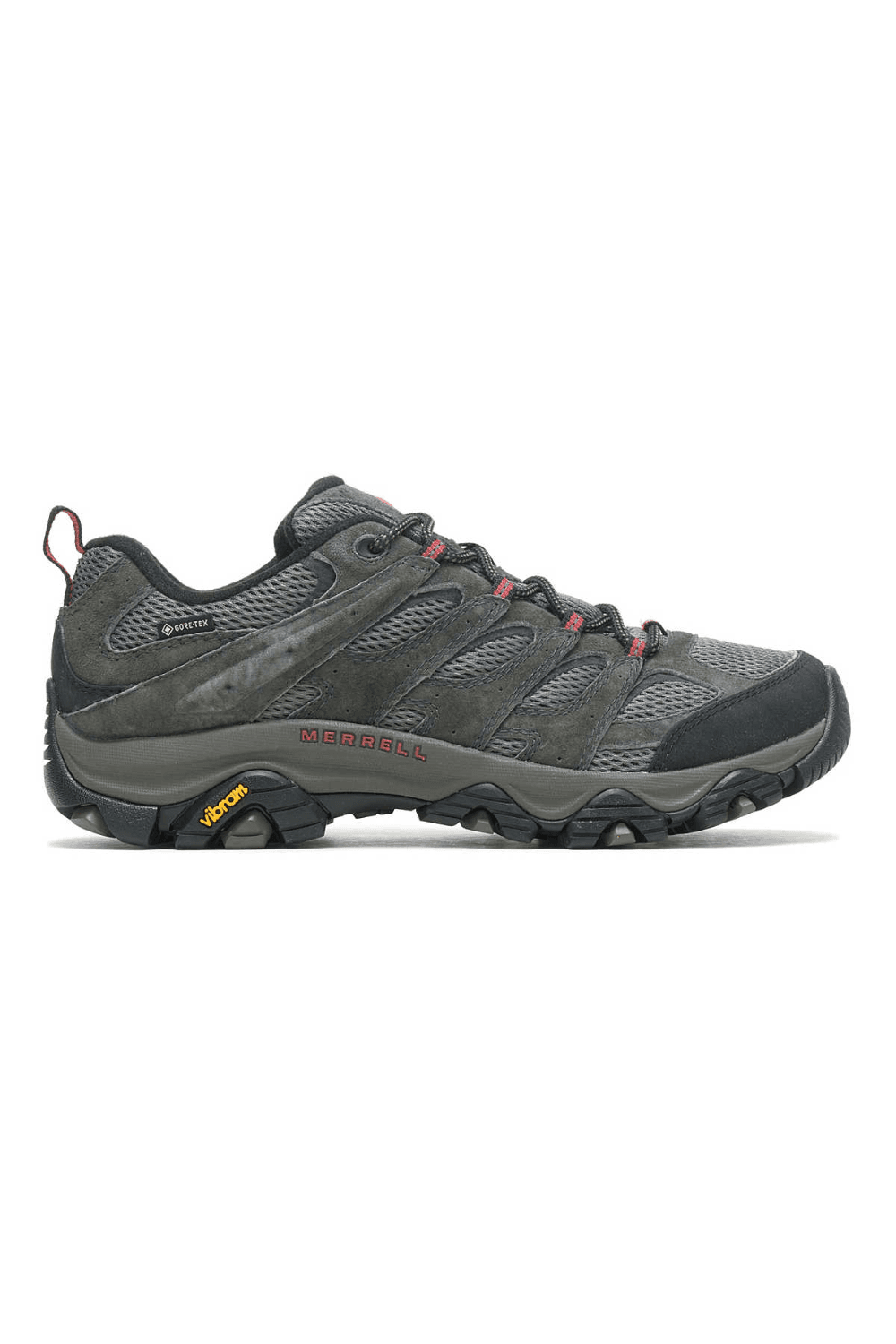
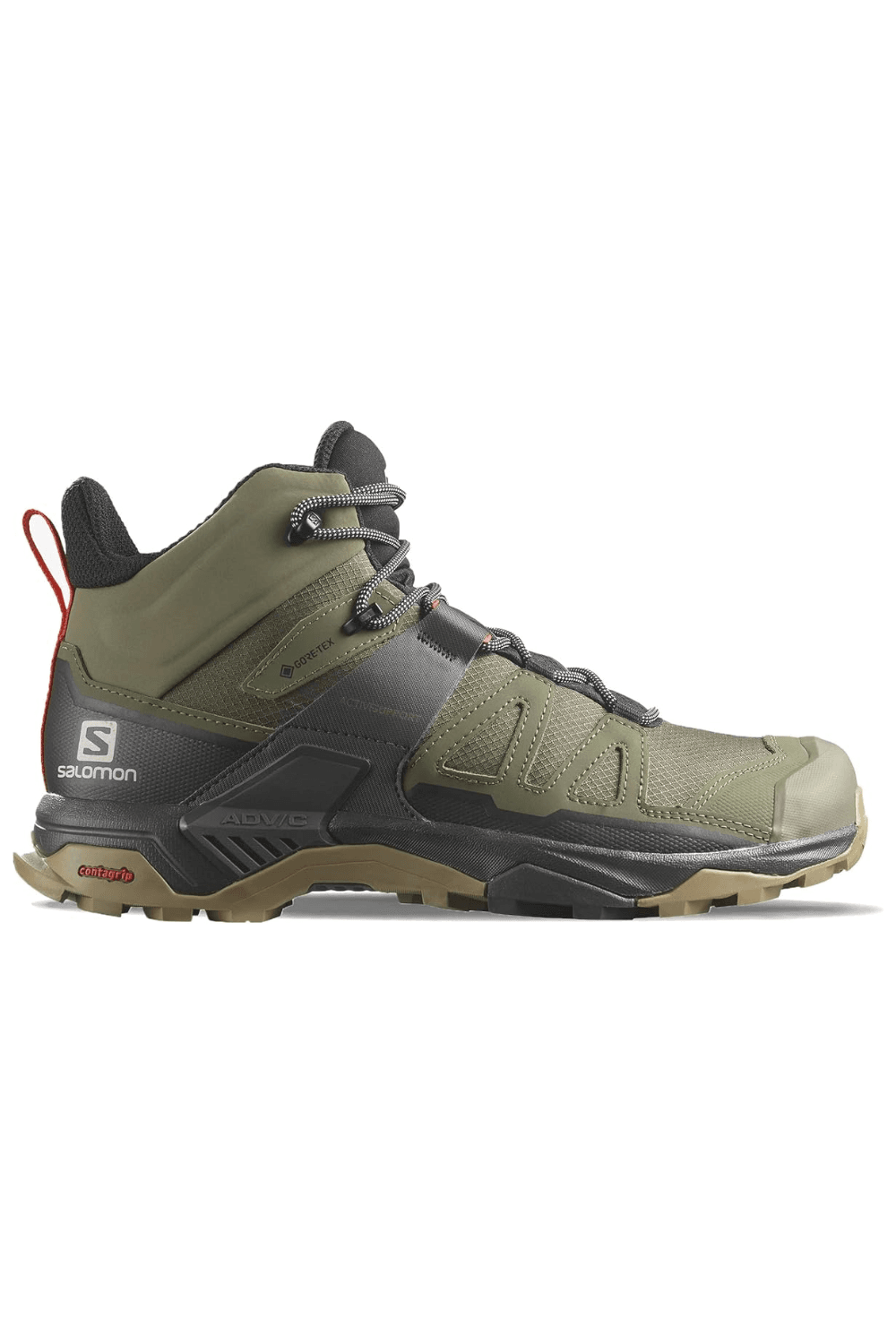
For outdoor/functional layers:
- Hiking boots
- Weatherproof boots (like insulated leather or Gore-Tex options)
A few classic high-top canvas sneakers to consider:
- Oboz Bridger Waterproof Hiking Boots
- Merrell Moab 3 GORE-TEX Hiking Shoes
- Salomon X Ultra 4 Mid GTX

Don't Forget Accessorizing
Finally, let’s talk about accessories that complete, or even elevate your fall and winter look.
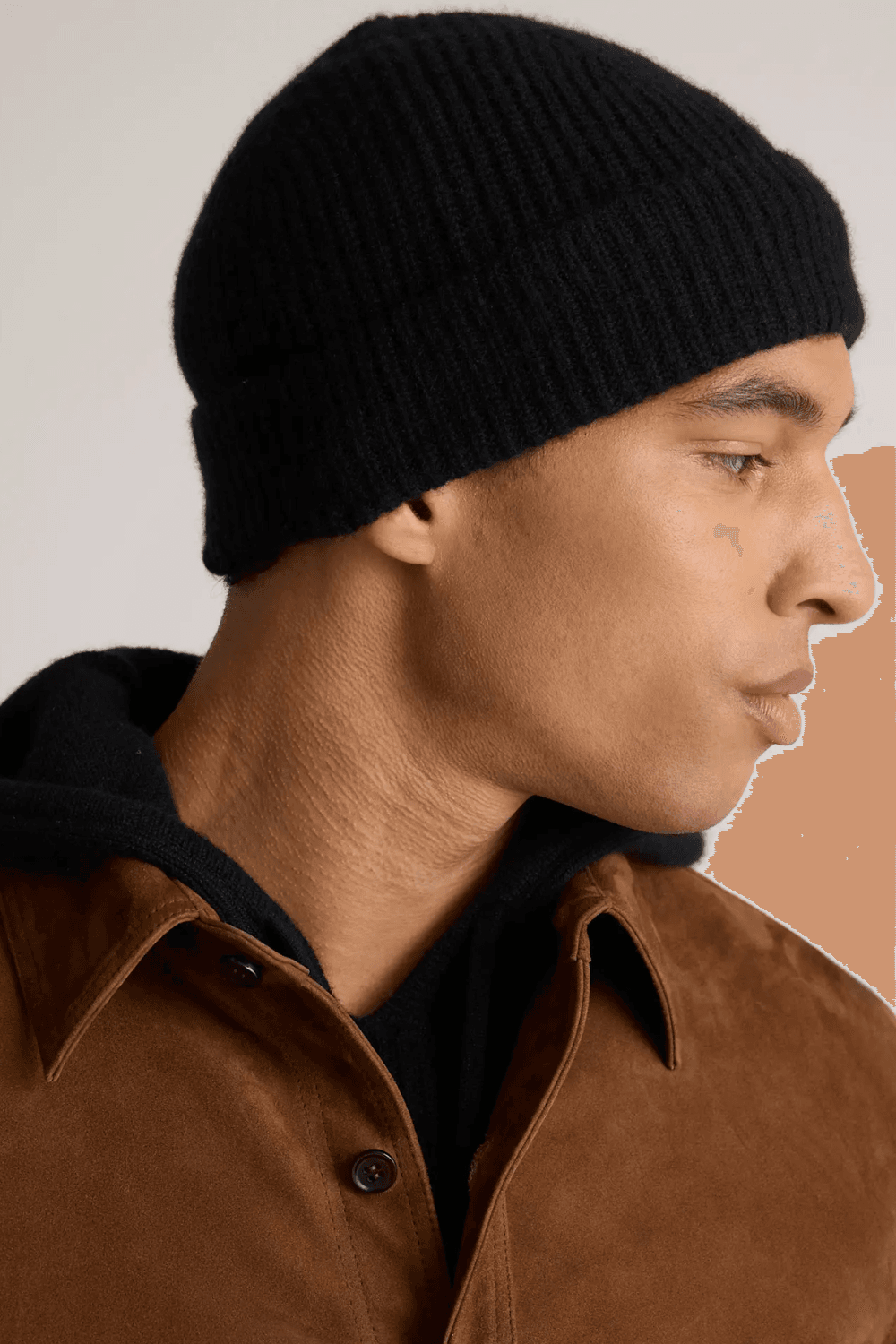
Beanies or hats
Beanies are my go-to fall and winter accessory. They not only keep you warm and elevate your style, but they also save you time when you don’t want to do your hair.
Here are a few great beanie options:
- Quince Mongolian Cashmere Ribbed Beanie
- The North Face Salty Dog Beanie
- Fjällräven Tab Hat


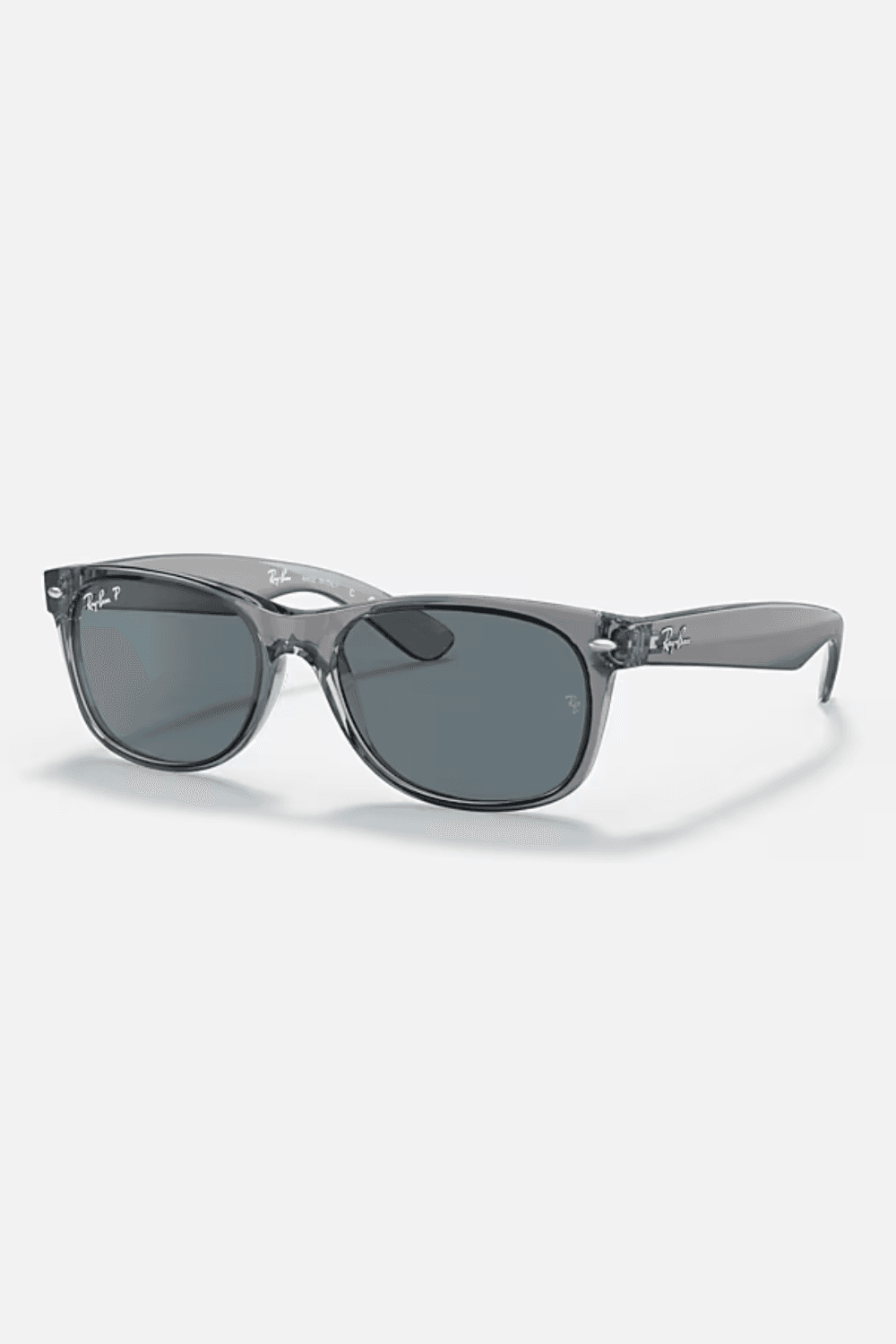
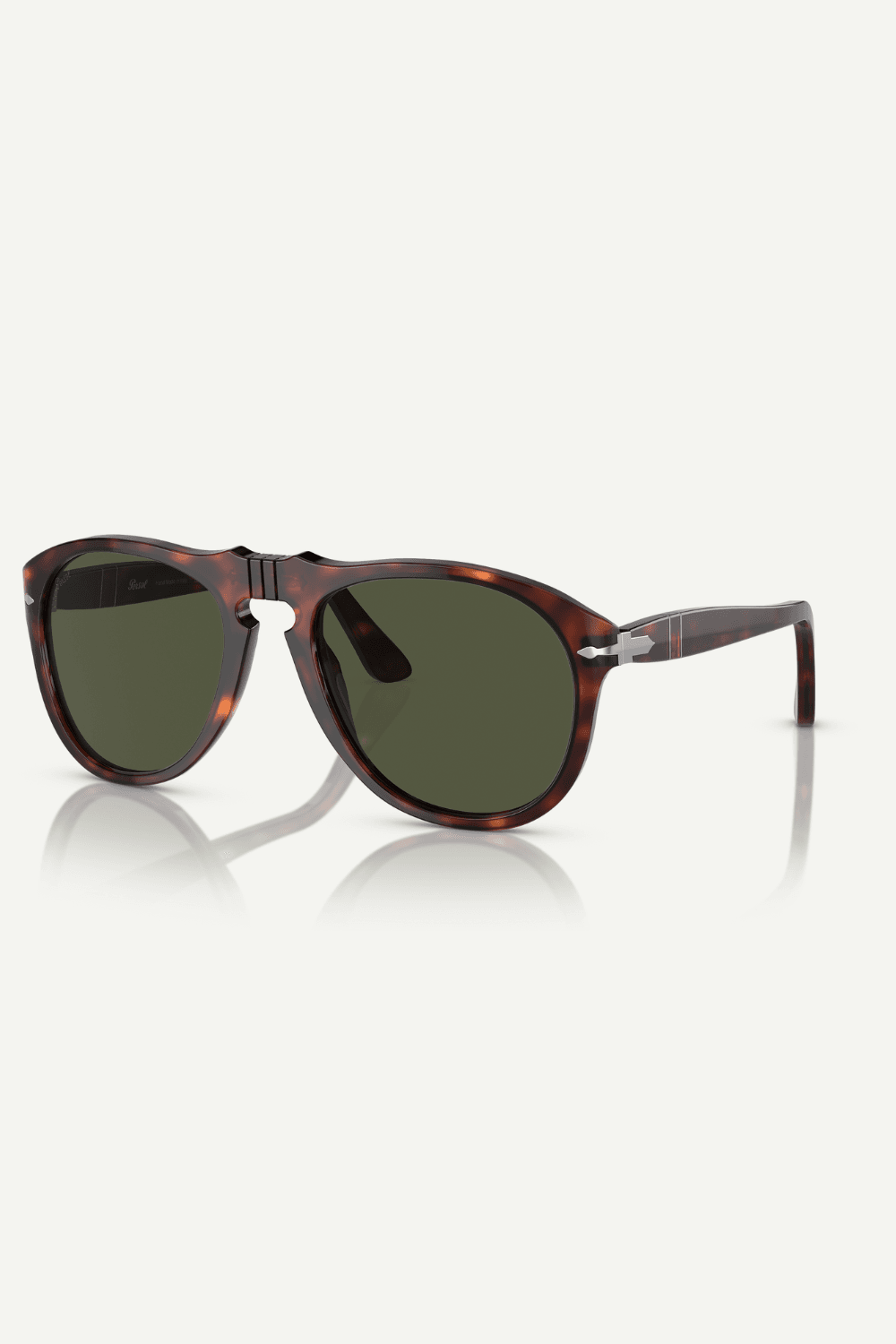
Sunglasses
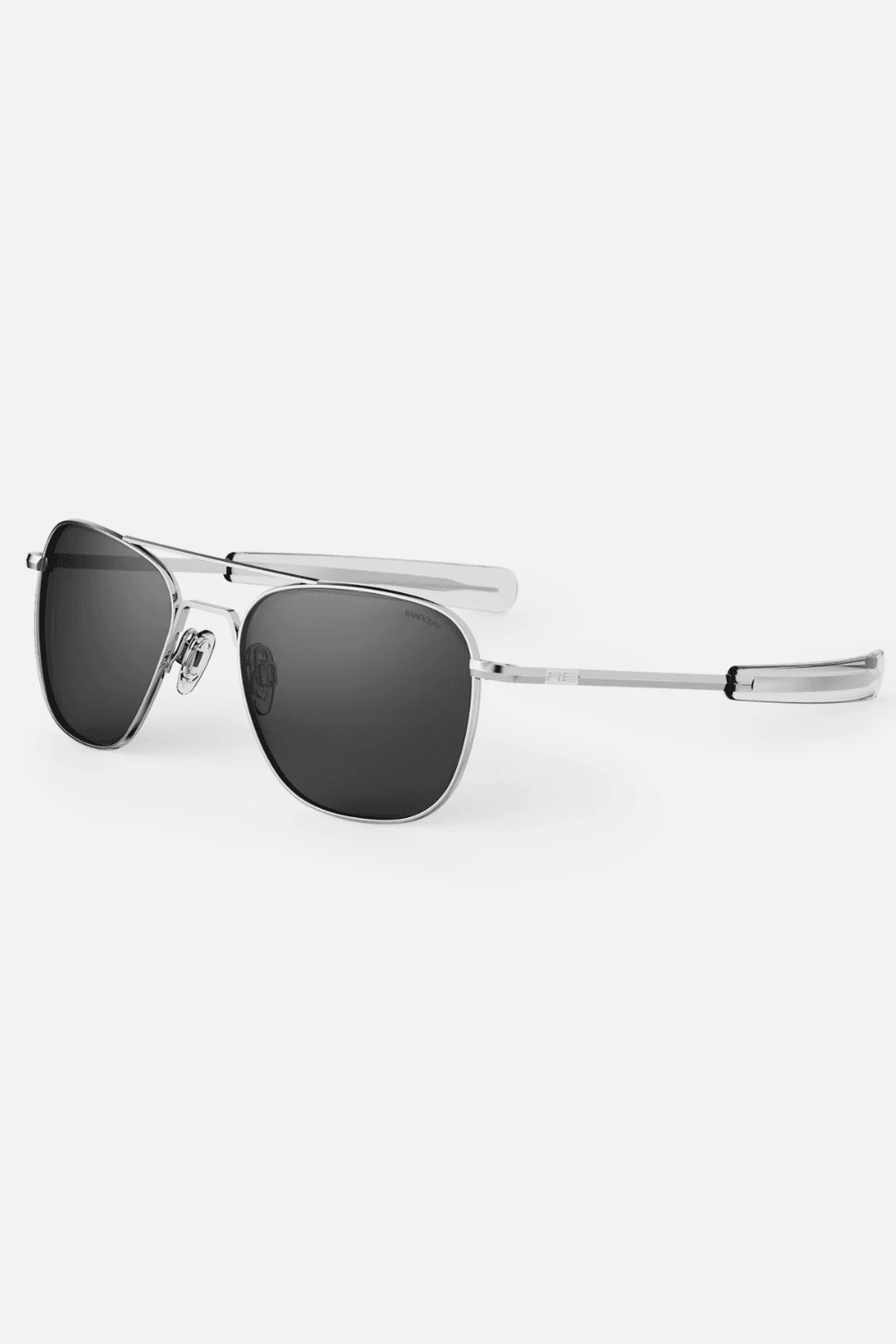
Sunglasses aren’t just for blocking the sun; they’re also one of the best style staples.
Go with classic shapes like wayfarers or aviators.
Here are some great options:
- Randolph Engineering Aviator
- Ray-Ban New Wayfarer Classic
- Persol 649 (PO0649)
Scarves
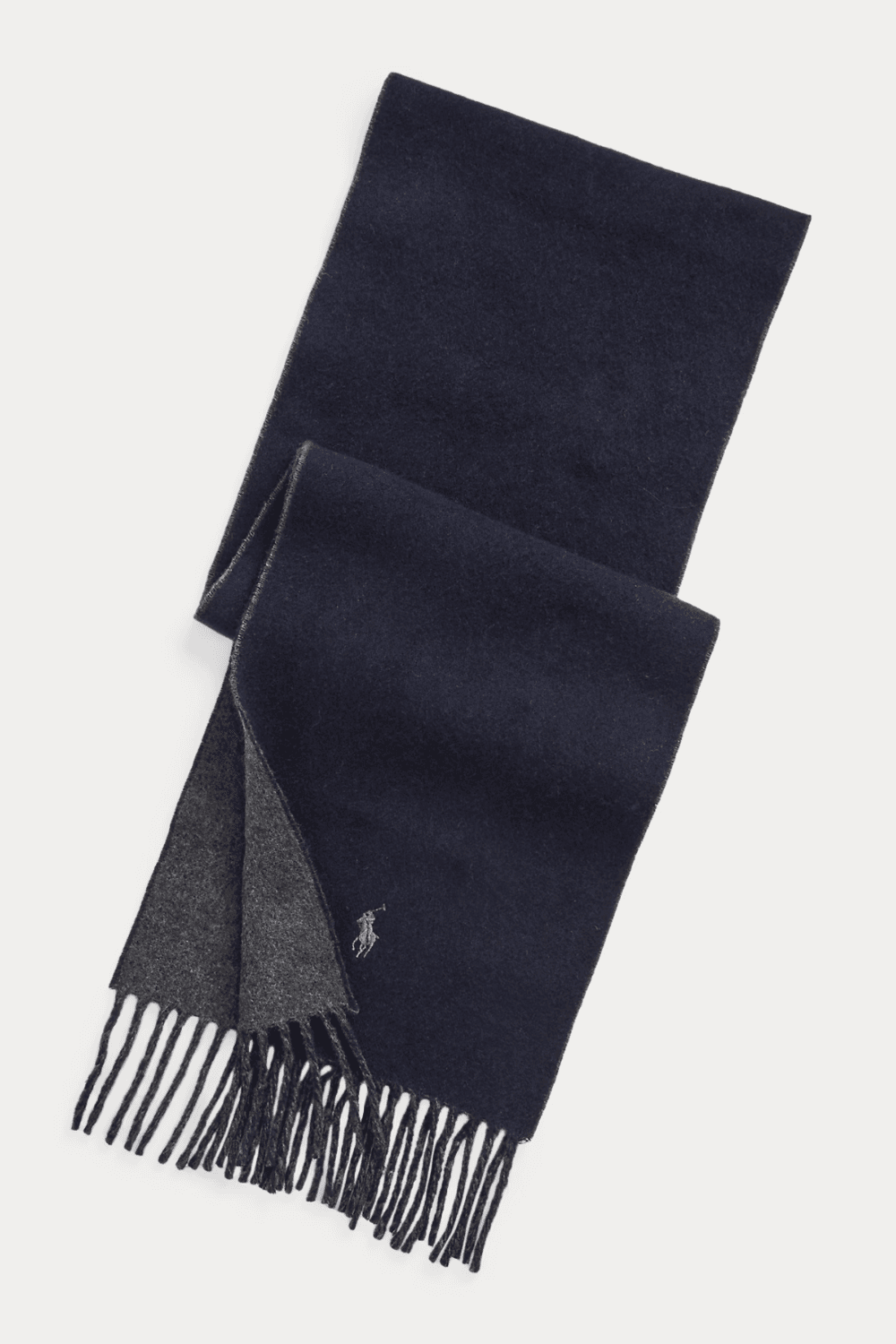
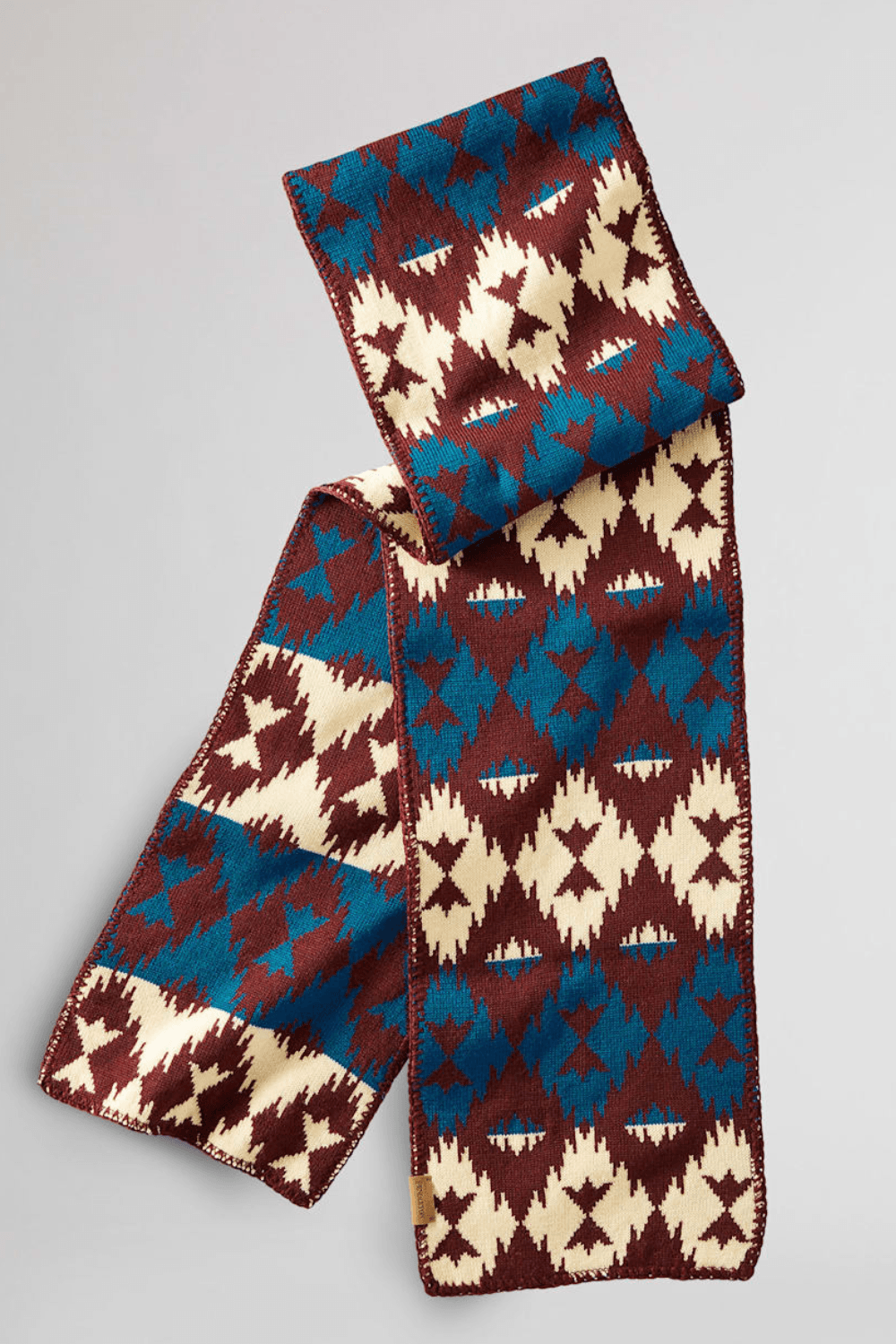
They’re functional and stylish. Go with thin materials like cotton or fine wool.
Some classic and cozy scarves worth checking out:
- Fishers Finery 100% Pure Cashmere Scarf
- Polo Ralph Lauren Reversible Wool-Blend Scarf
- Pendleton Merino Knit Scarf

Watches
Your watch doesn’t need to be expensive. A simple and minimalistic watch is enough.
Leather strap watches are great for fall and winter.


Bags
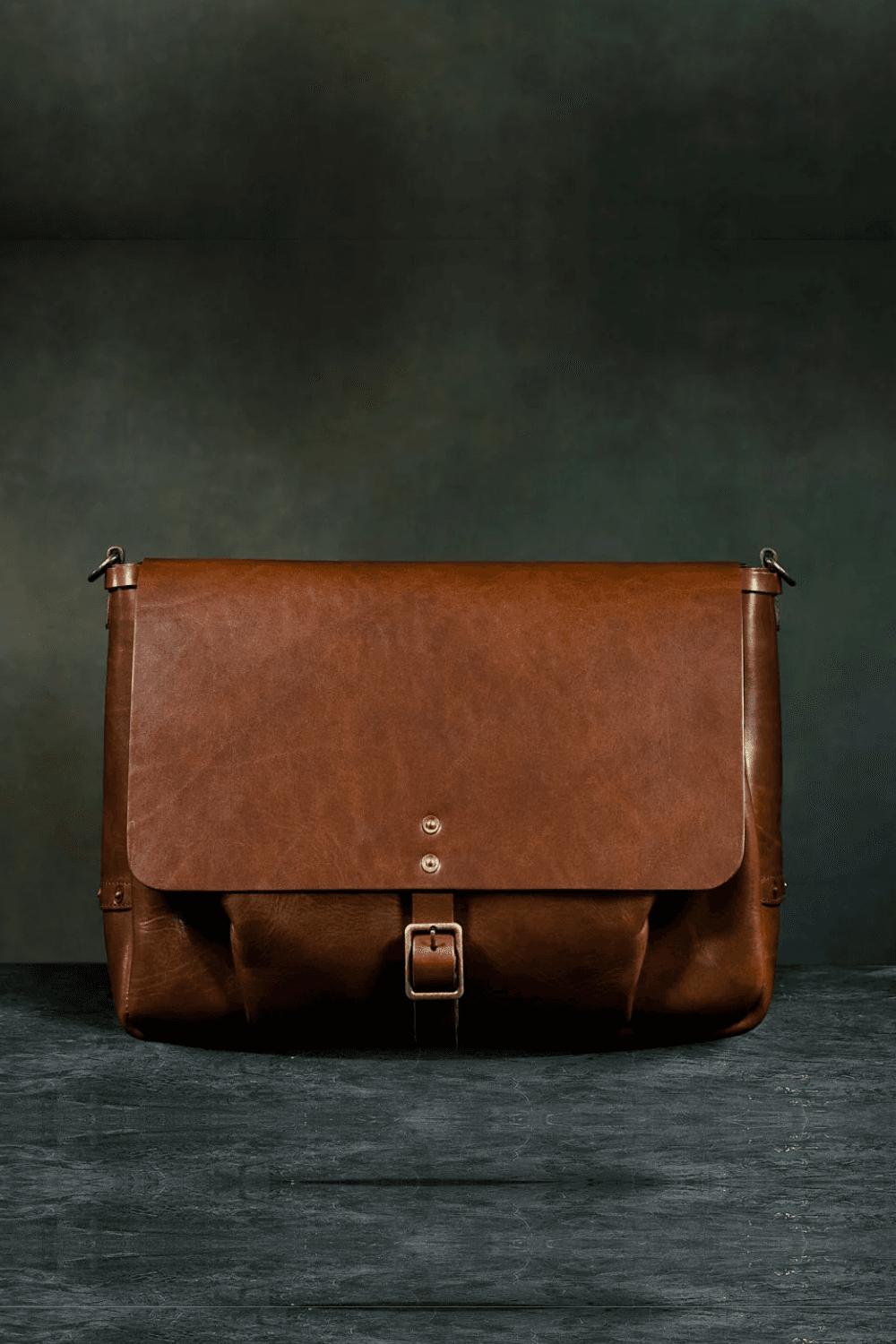
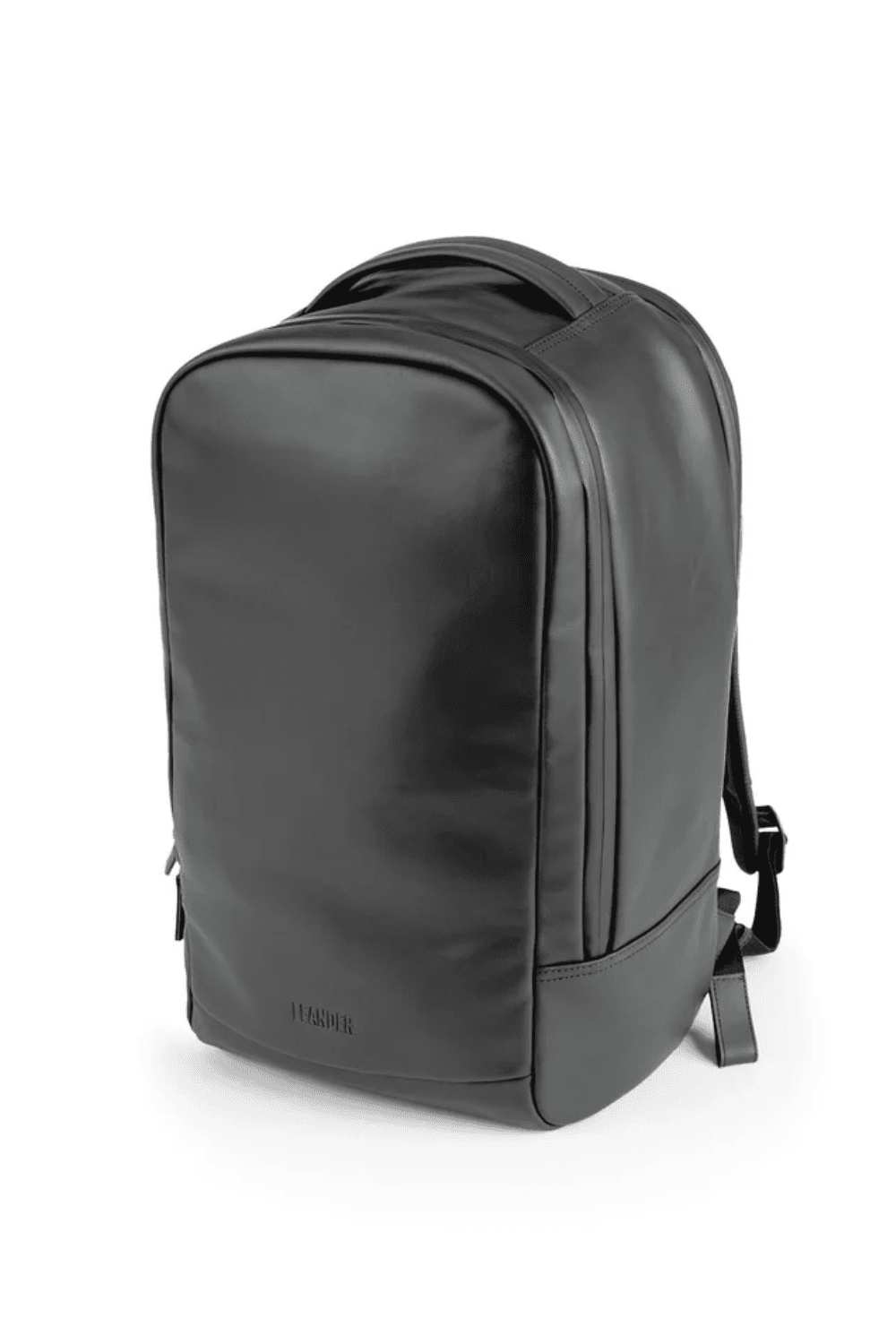
A leather messenger bag or backpack looks great and is functional, especially for commuters.
Leather bags are worth investing in. Choose a good-quality one.
Here are some standout leather backpacks and messenger bags:
- Harber London City Backpack
- Satchel & Page Mailbag
- Leander Everyday Professional Backpack

Belts
Don’t overlook your belt. Match your belt leather to your shoe leather (brown with brown, black with black).
I’ve heard a YouTuber say matching your belt with your shoes is outdated style advice.
Maybe it is. But it’s not wrong, though.
But coordinating colors isn’t easy, especially if you’re a beginner.
Whether outdated or not, this is foolproof advice.
I’d rather stick with “outdated but proven” than risk awkward mismatching.
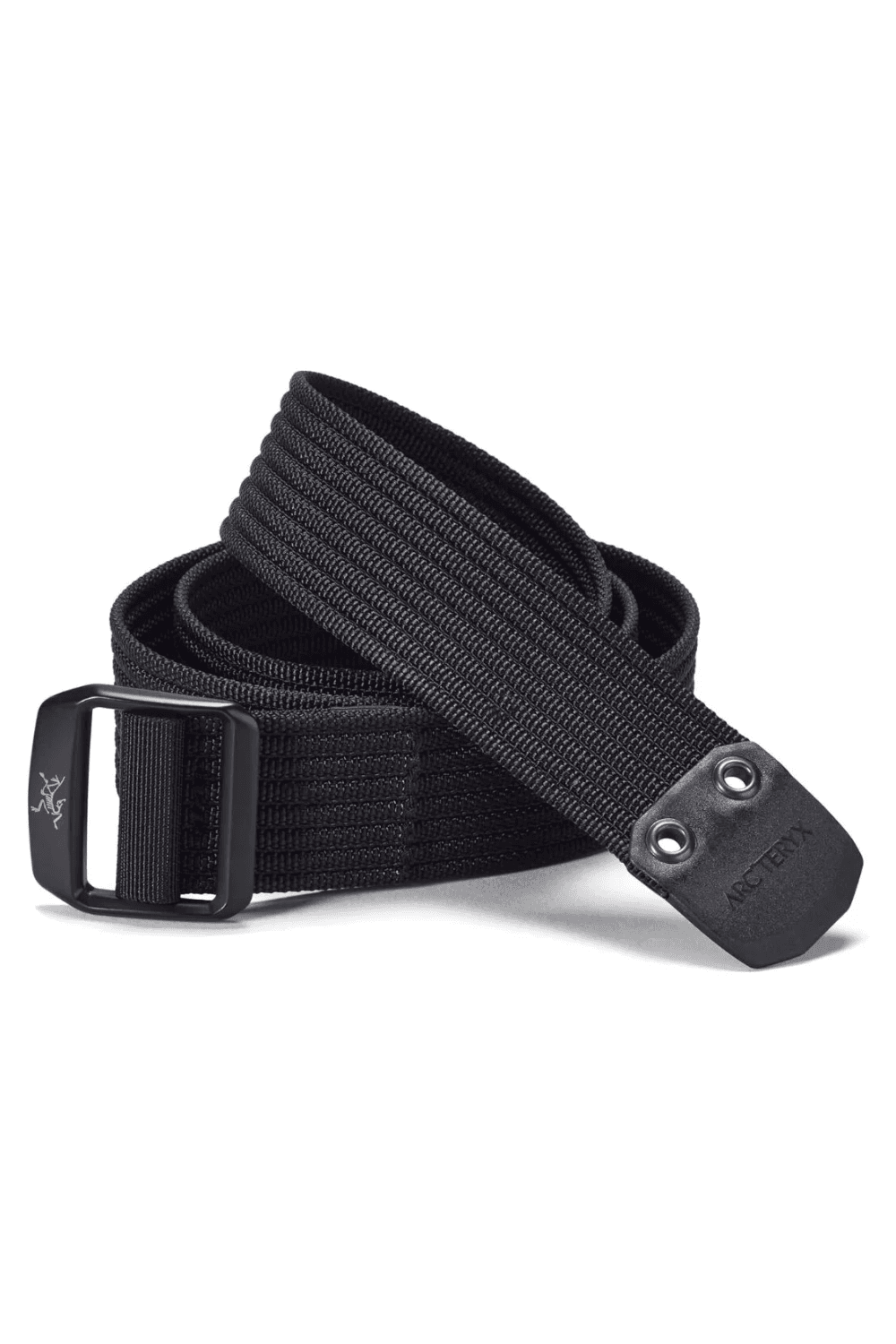
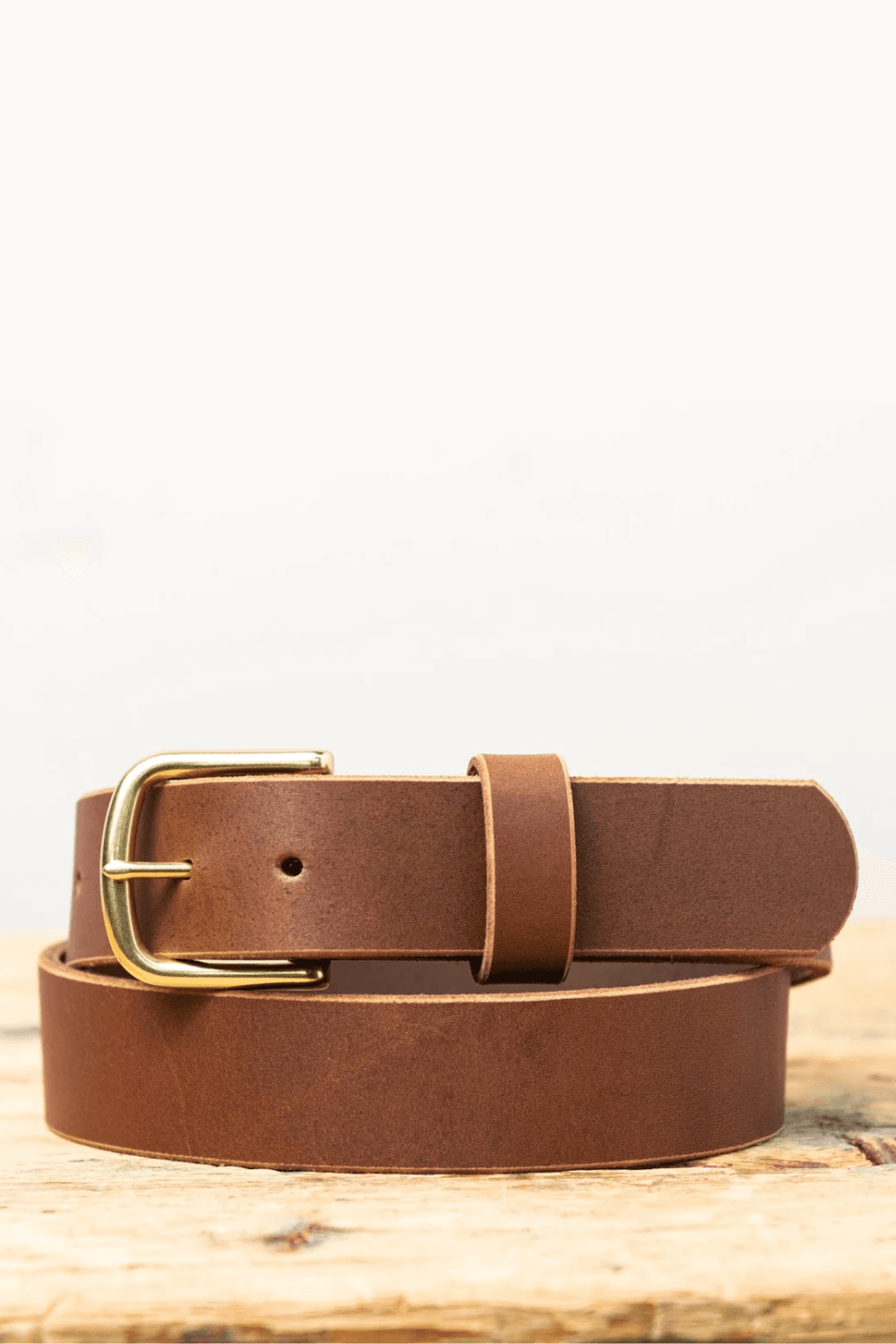
Here are some solid belt options for different styles:
- Nicks Quick Ship Classic Work Belt
- Arc’teryx Veilance Conveyor Belt 38
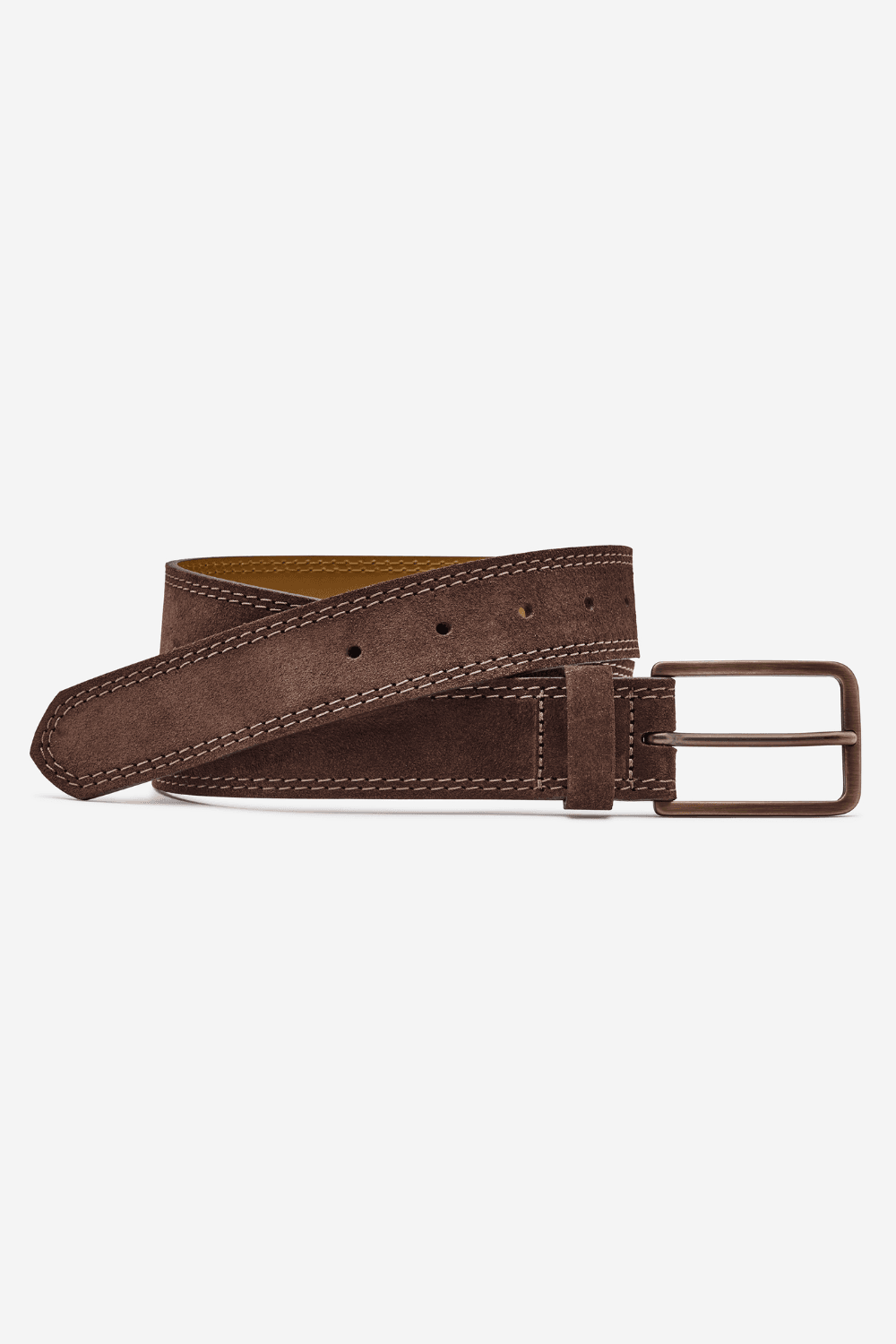
- Johnston & Murphy Suede Belt
Gloves
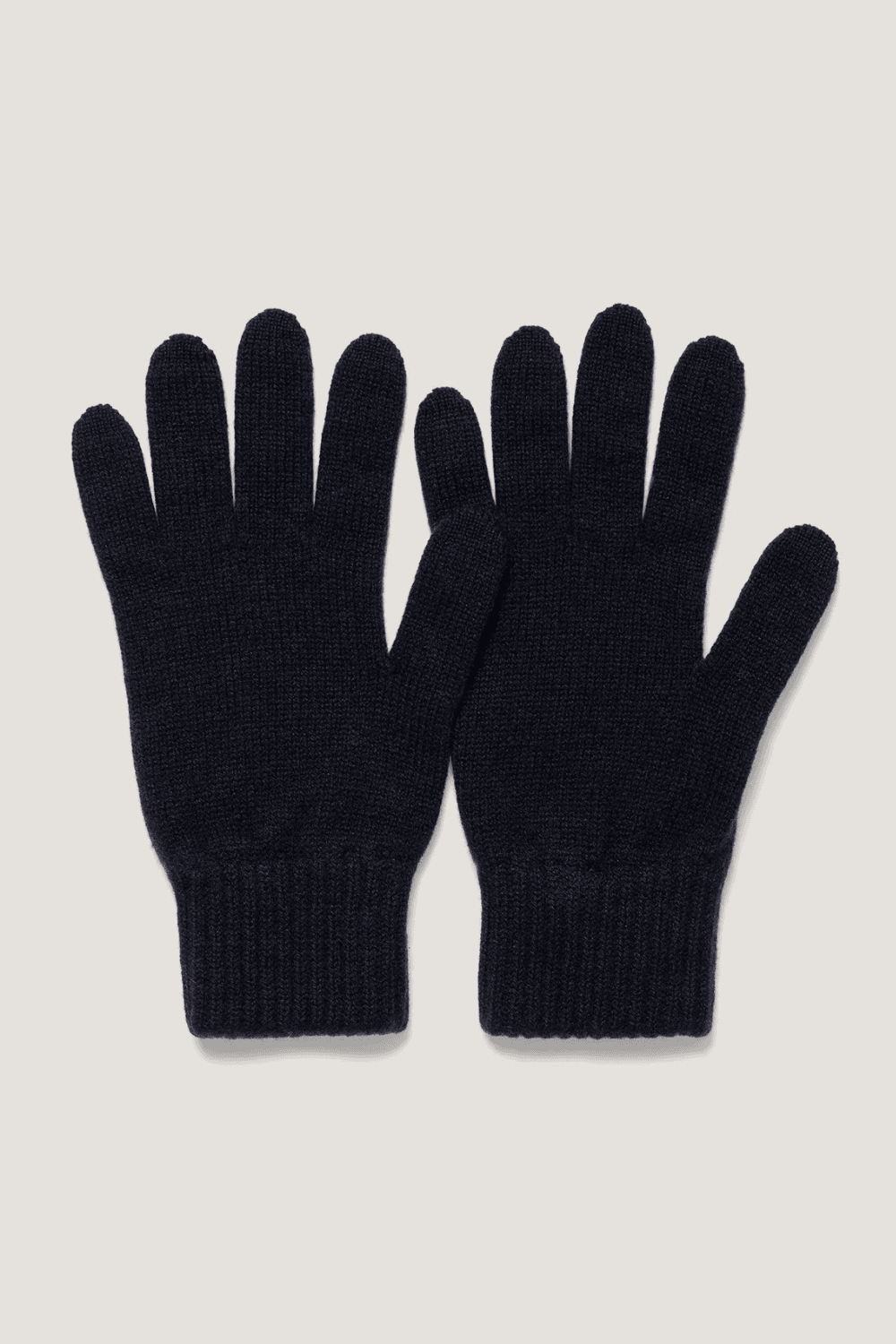
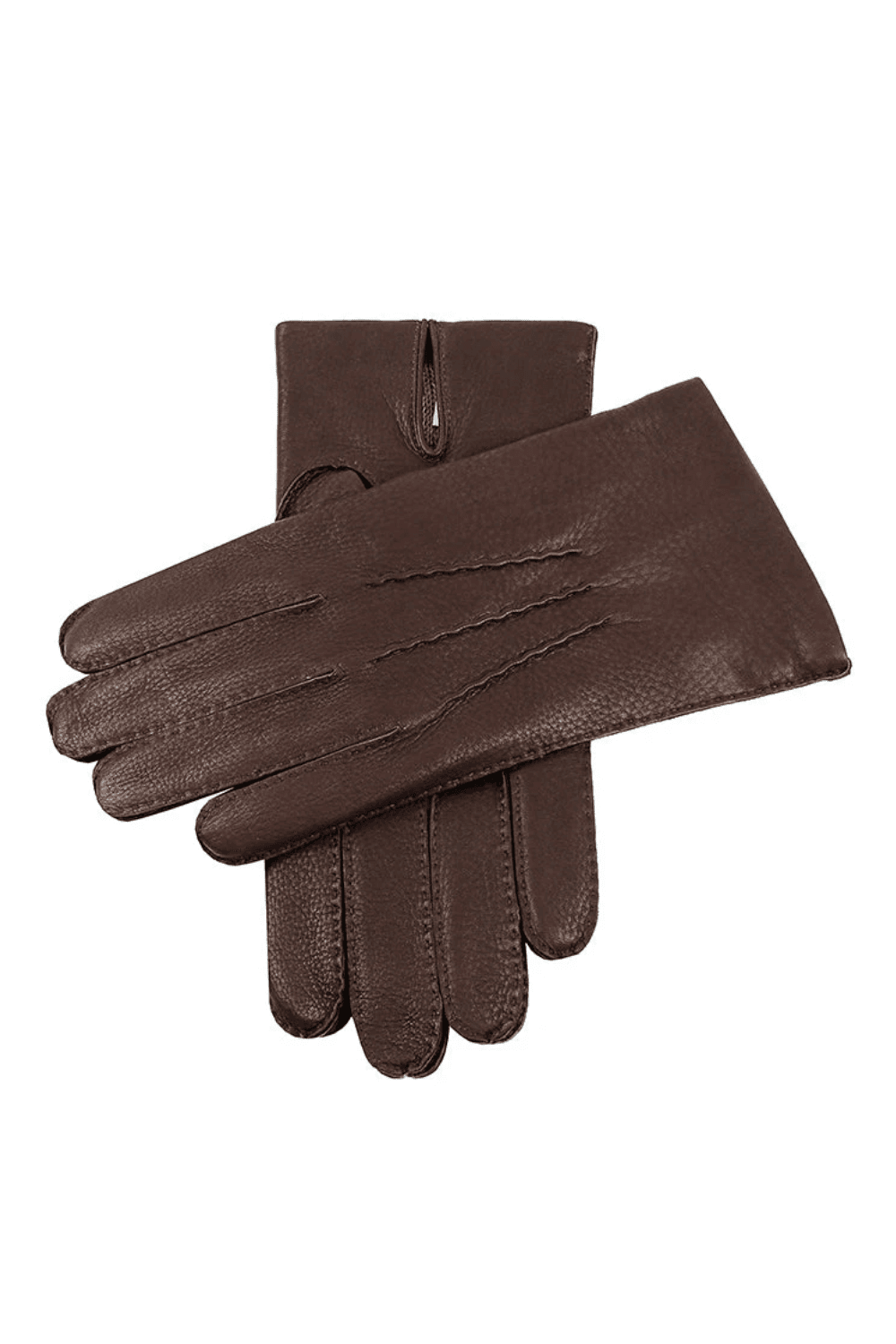
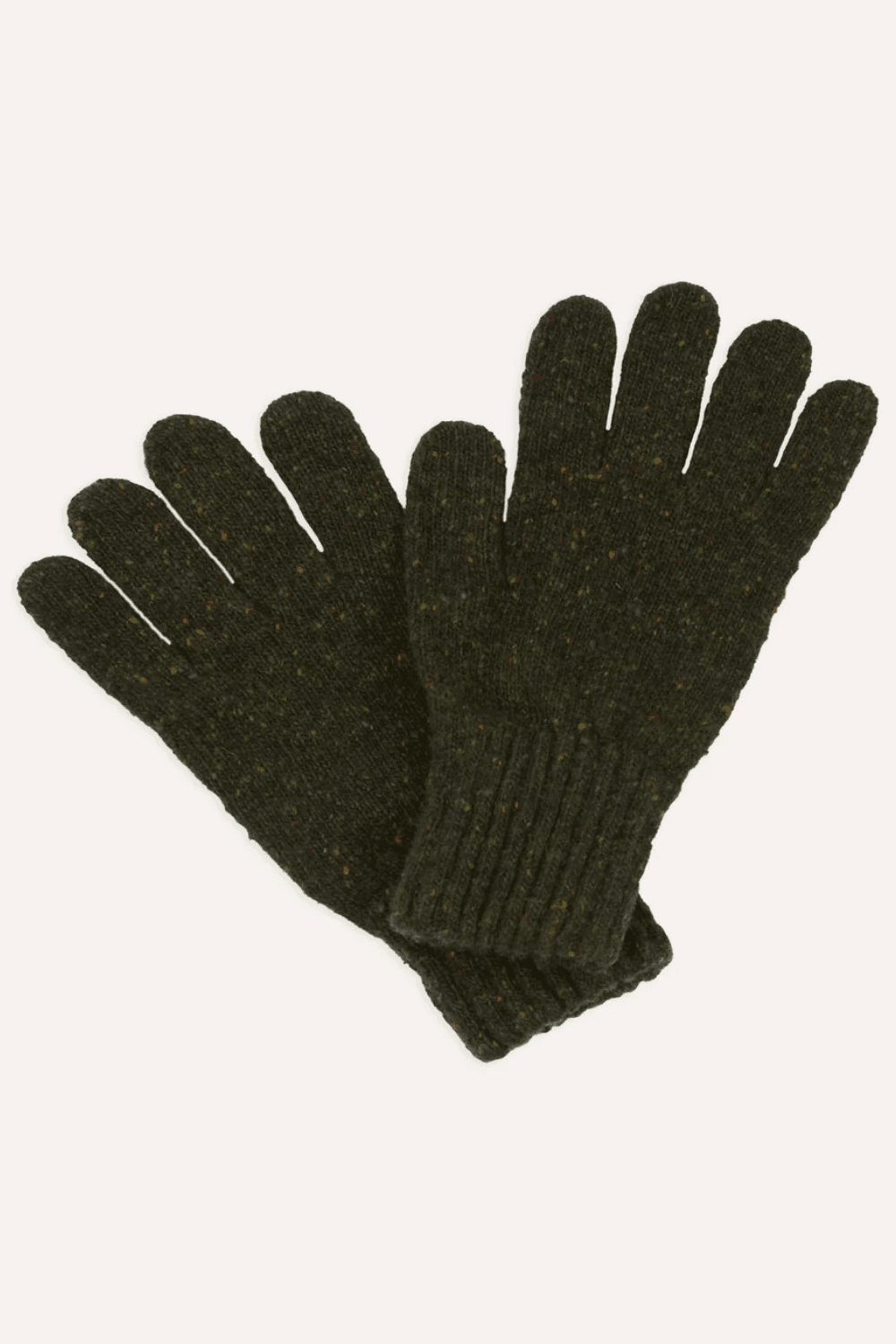
For deep fall and winter, leather or wool gloves keep your hands warm while looking sharp, especially for smart or business looks.
Pro tip: Keep accessories minimal. One or two well-chosen pieces are better than overloading.
Care and Maintenance
Every fabric we mentioned needs proper care and maintenance.
Fabric Care
Merino Wool
Hand wash or use the gentle cycle with cold water.
The agitation and spinning can cause shrinking.
Lay flat to dry.
Don’t use a dryer, or use only the lowest heat setting.
High heat will shrink it.
Cotton
Machine wash with warm water. Tumble dry low or hang dry.
Cotton also shrinks easily and fades fast with high heat.
Remember, all natural fabrics (wool and cotton) don’t handle high heat well.
Flannel
Machine wash with cold or mild water. Hot water fades the color and pattern. Tumble dry on low heat.
Wool Coats and Jackets
If your coat has 30% or more wool content, dry clean once per season or spot clean as needed.
Machine washing can shrink, felt, and lose its shape.
Denim
Wash inside-out in cold water every 5-10 wears.
Hang dry or tumble on low heat.
Most denim is cotton-based, so it will shrink and fade with heat.
Chinos and Dress Trousers
Follow care label instructions.
Most can be machine washed on gentle cycles with mild water.
Air dry is best, but low heat tumble is okay if needed.
Organization Systems
Use A Closet Organization System
Separate your layers by type (base, mid, outer) and color. This saves time and makes getting dressed easier.
Organize Pants by Formality
Keep dress trousers separate from casual jeans. You’ll know exactly where to look depending on the occasion.
Store Off-Season Pieces Properly
When winter ends, clean and store your wool pieces in breathable garment bags with cedar blocks to prevent moths.
DON’T use plastic bags. They trap moisture.
Rotate Your Wardrobe
Don’t wear the same clothes (same sweater, same jeans) over and over.
Rotate your pieces. That extends their lifespan.
Common Mistakes to Avoid
Let’s wrap up with the biggest layering mistakes guys make and how to avoid them.
Mistake #1: Starting with a Thick Base Layer
The fix: Always start thin. Your base layer should be barely noticeable.
Mistake #1: Starting with a Thick Base Layer
he agitation and spinning can cause shrinking.
Mistake #2: Wearing All the Same Fit
The fix: Mix fitted, regular, and structured fits across your layers.
Mistake #3: Ignoring Fabric Weight
The fix: Thin fabrics underneath, heavier fabrics on top. Always.
Mistake #4: Layering Too Many Heavy Pieces
The fix: Stick to the Rule of Three visible layers. More than that looks overdone.
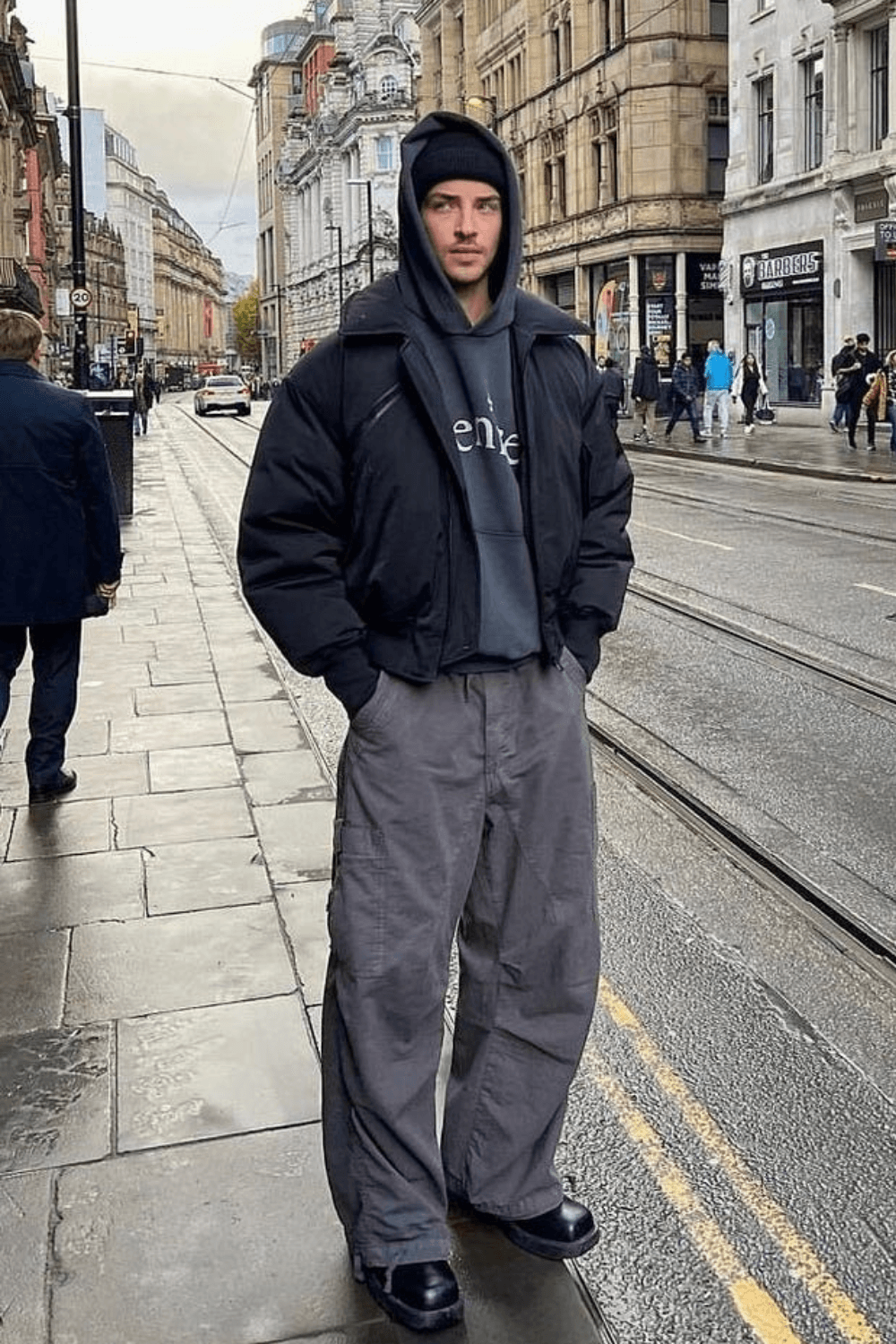
Mistake #5: Wearing Oversized Everything
The fix: Oversized can work in streetwear, but if every layer is oversized, it looks sloppy. Keep your fits intentional and proportional to your body.
Mistake #6: Forgetting to Consider Color
The fix: Use the visual weight principles and monochromatic tricks from earlier in this guide.
Mistake #7: Forgetting About Proportions
The fix: Heavy on top = slim on bottom. Slim on top = more flexibility on bottom. Always balance your silhouette.
Celebrity / Style Icon Inspiration
Here’s a bonus.
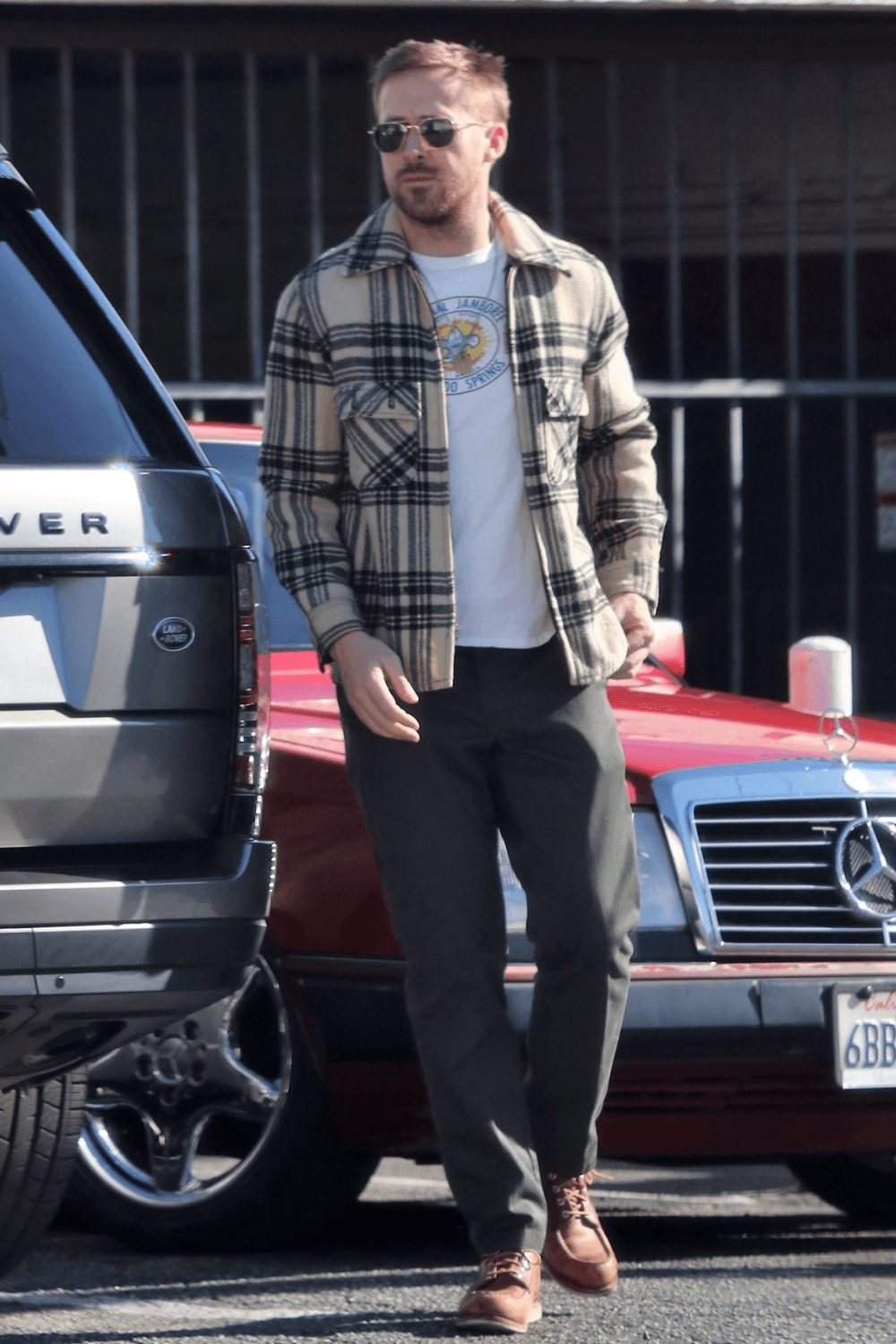
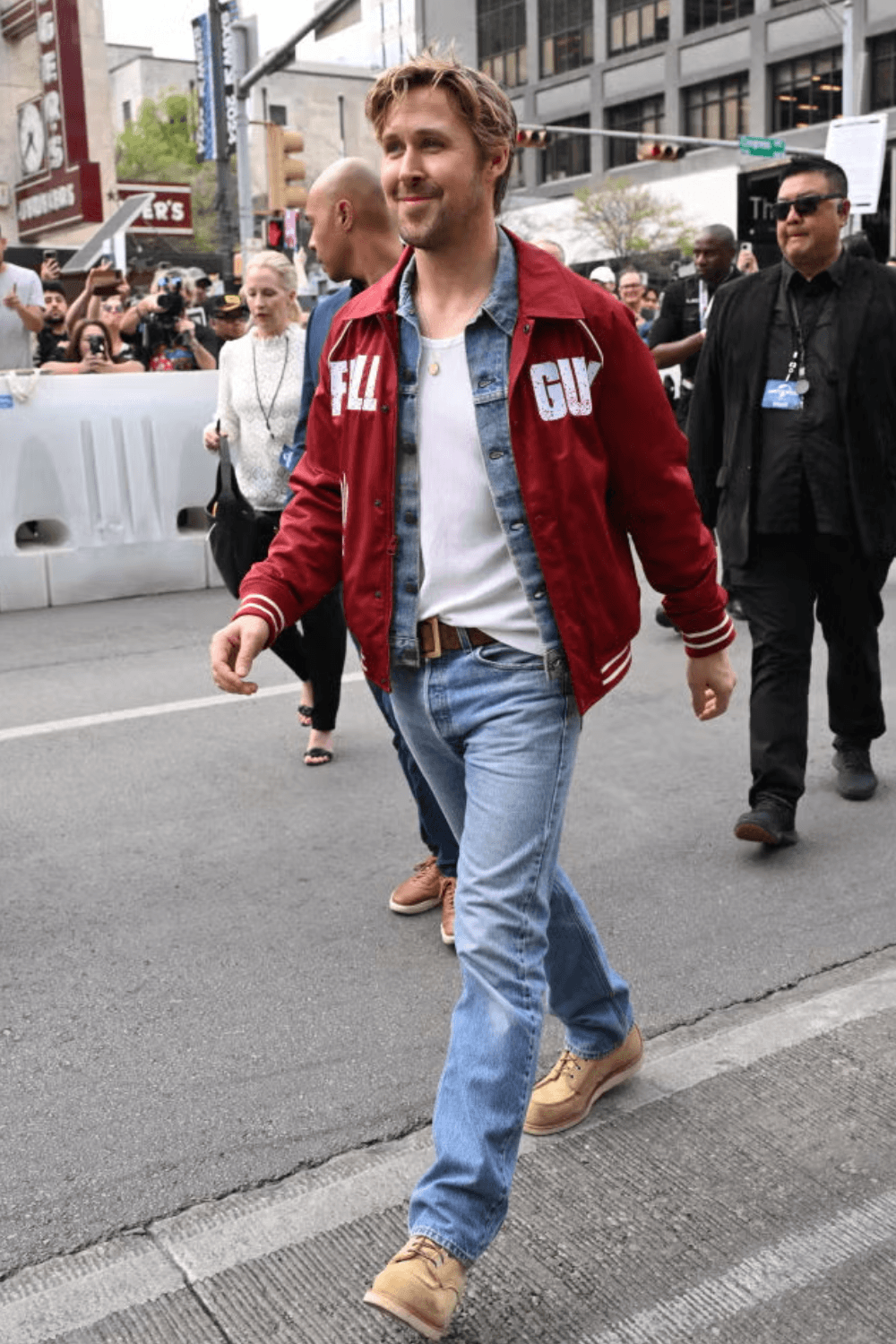
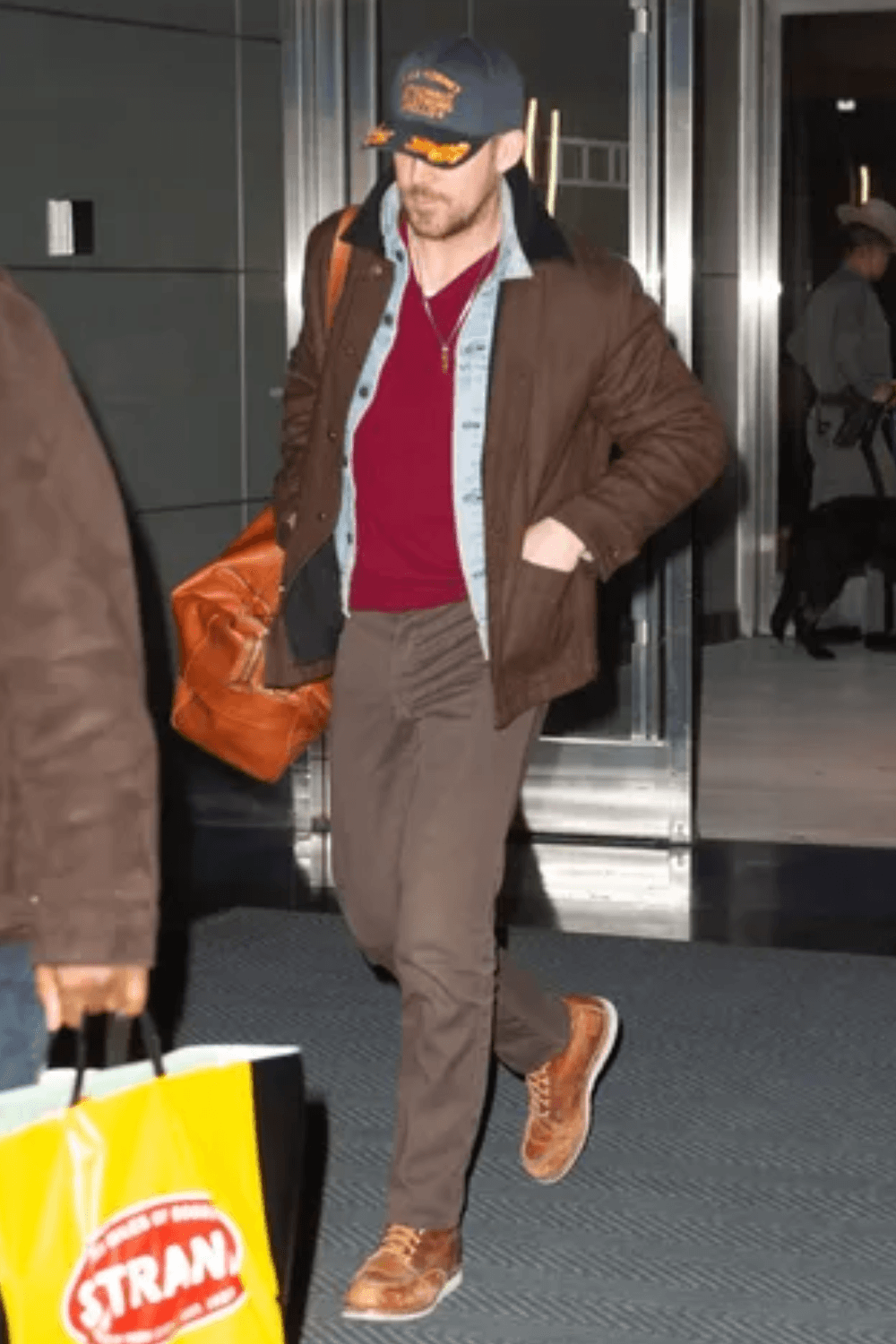
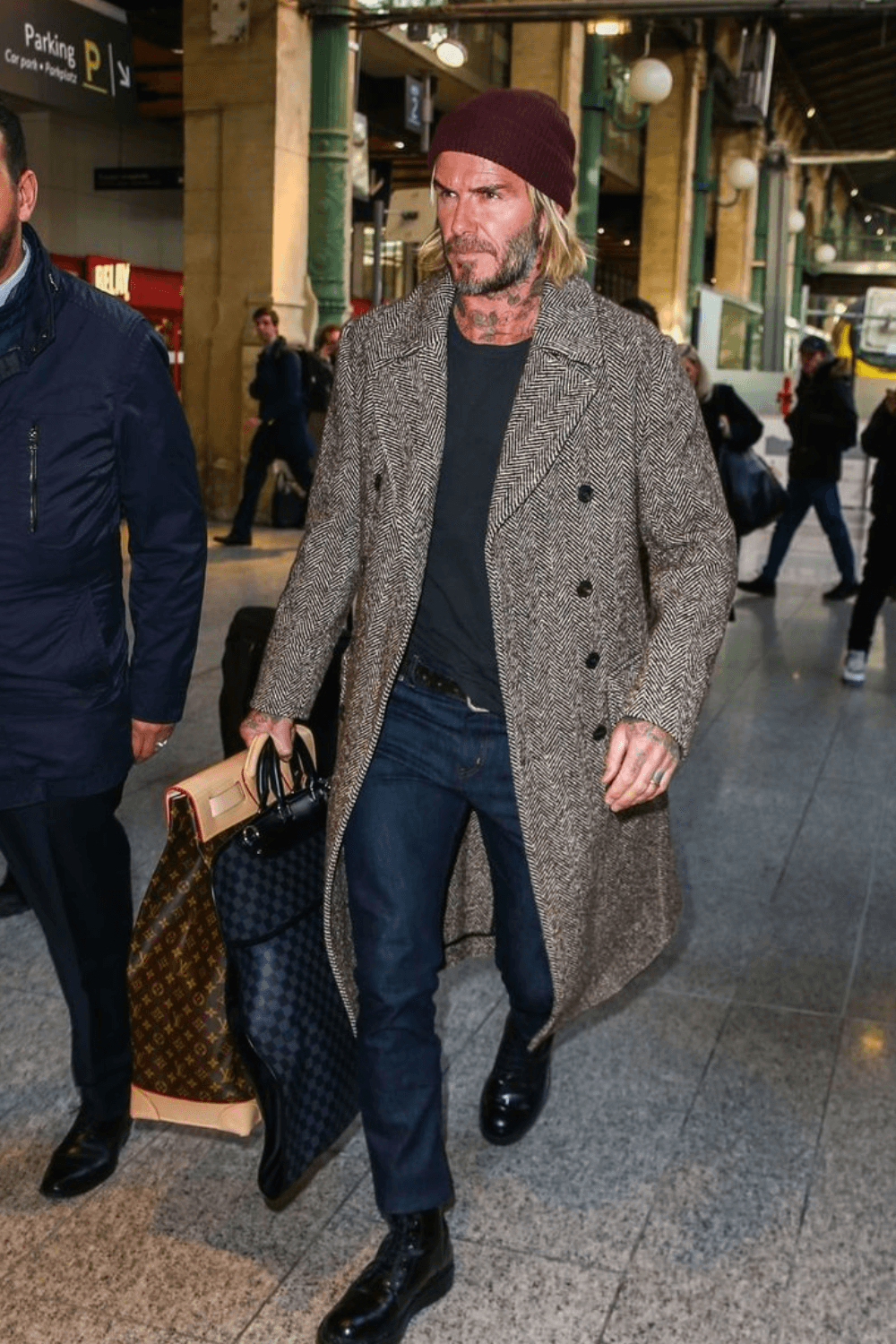
These are some celebrities who really know how to layer.
Ryan Gosling
Master of the casual layer.
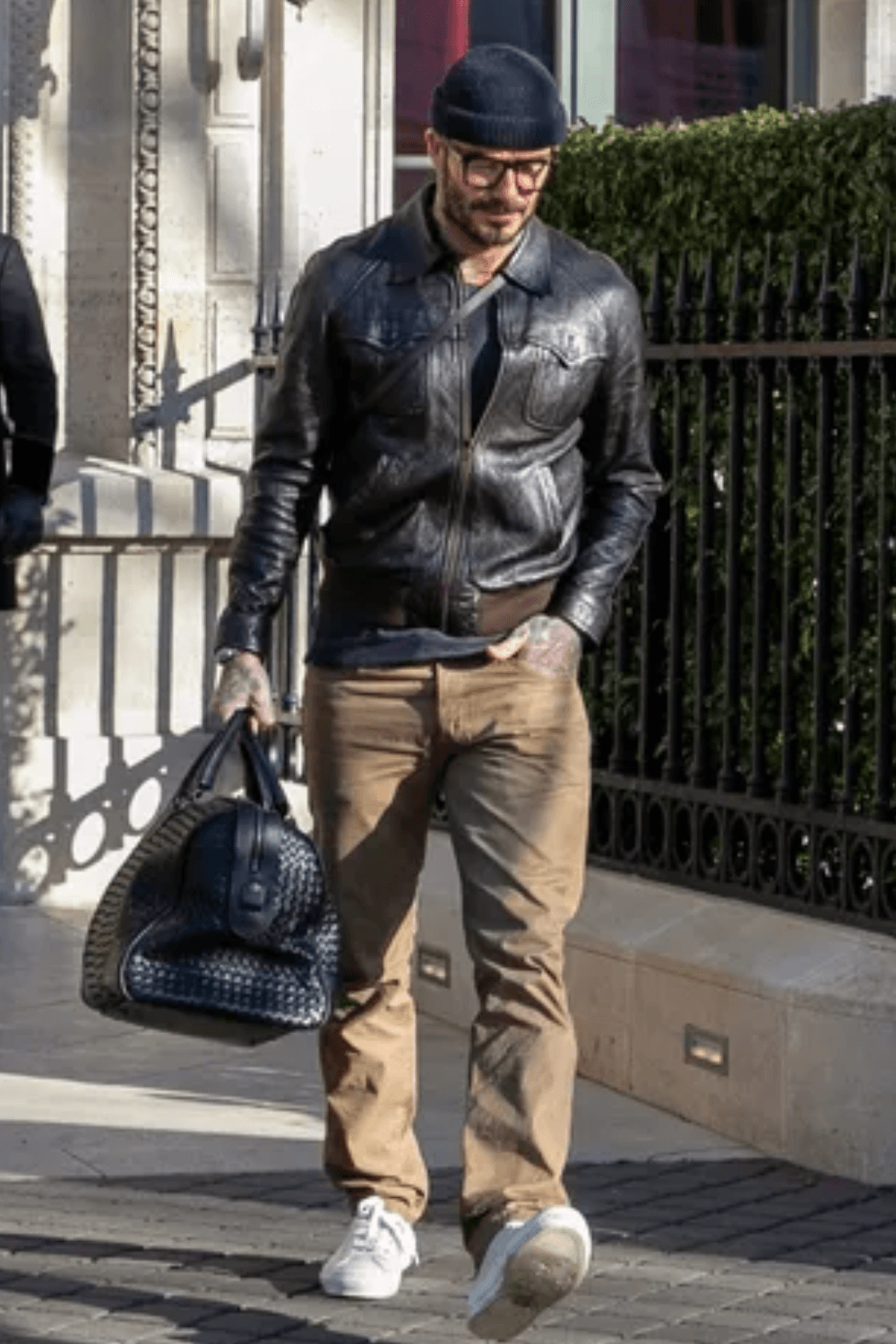
David Beckham
Nails business-casual and smart-casual layering with tailored pieces.

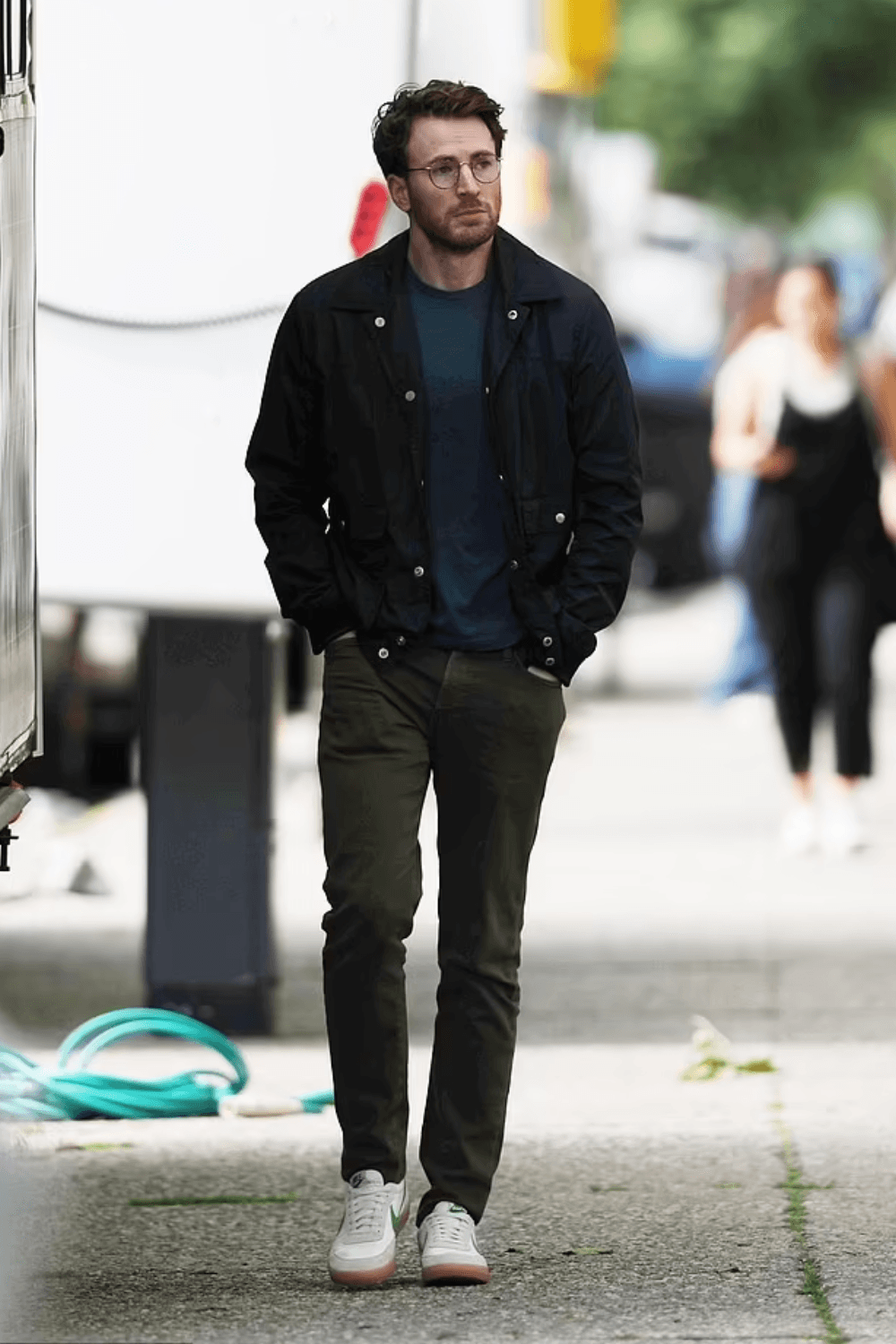
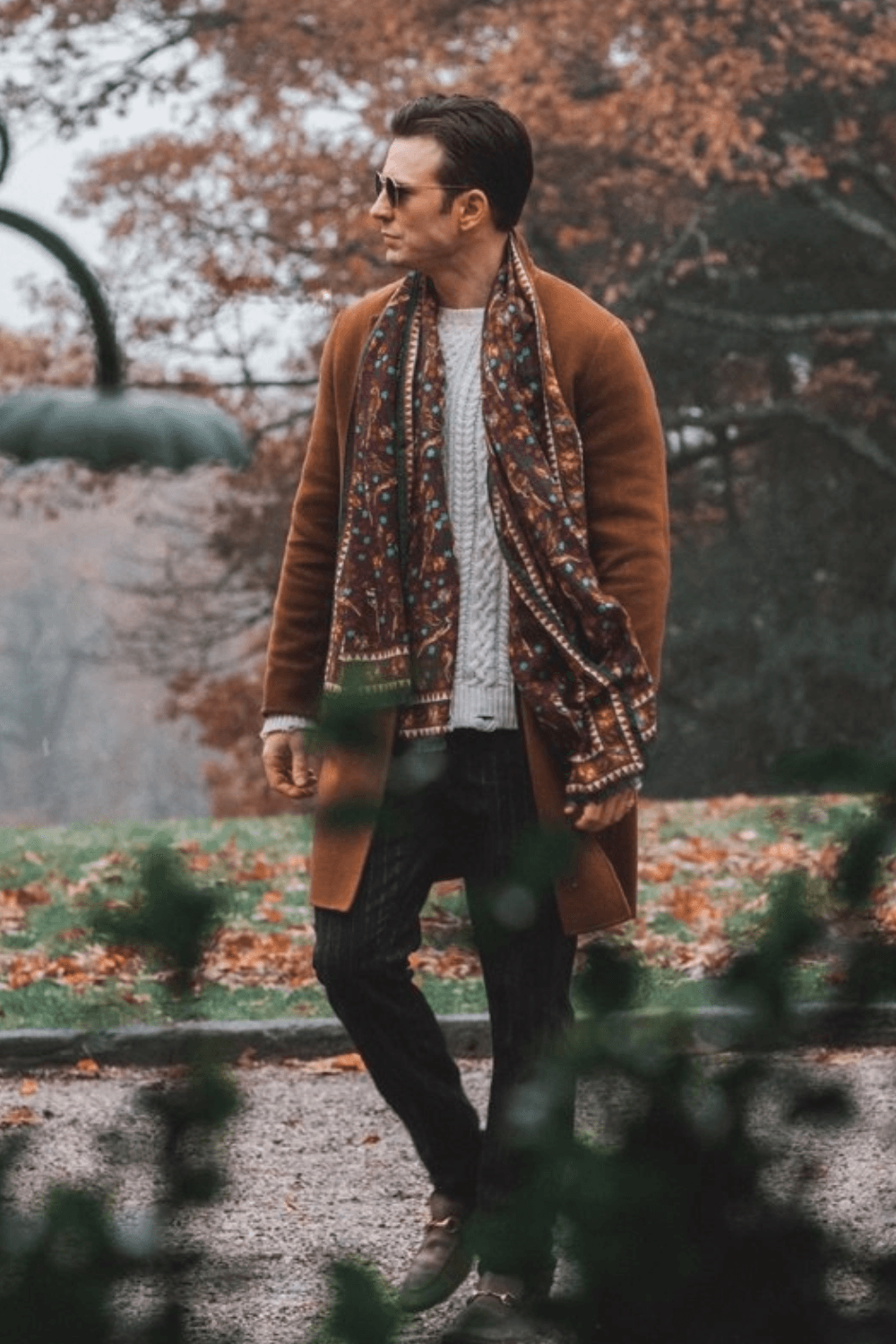
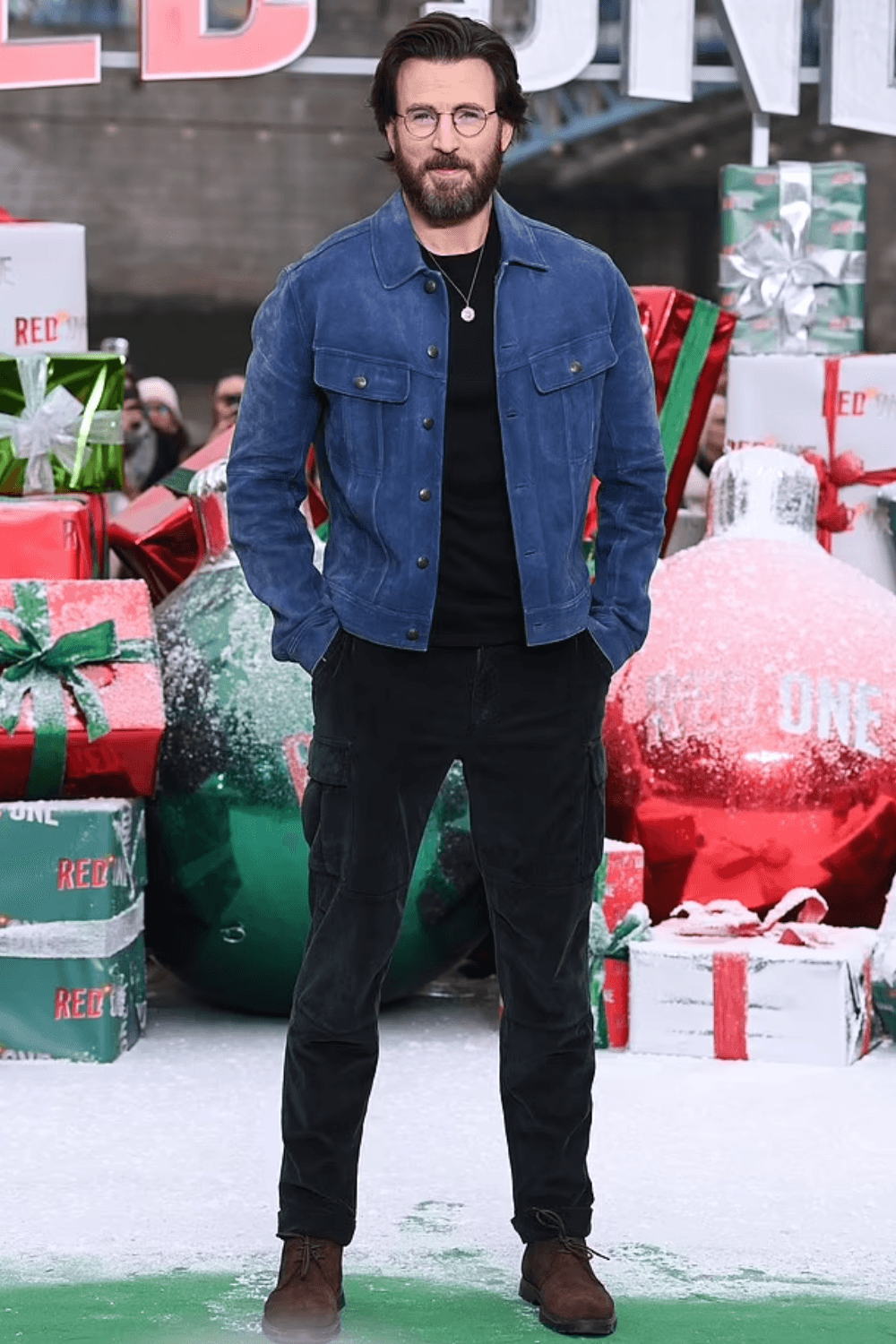
Chris Evans
Great at functional layering.
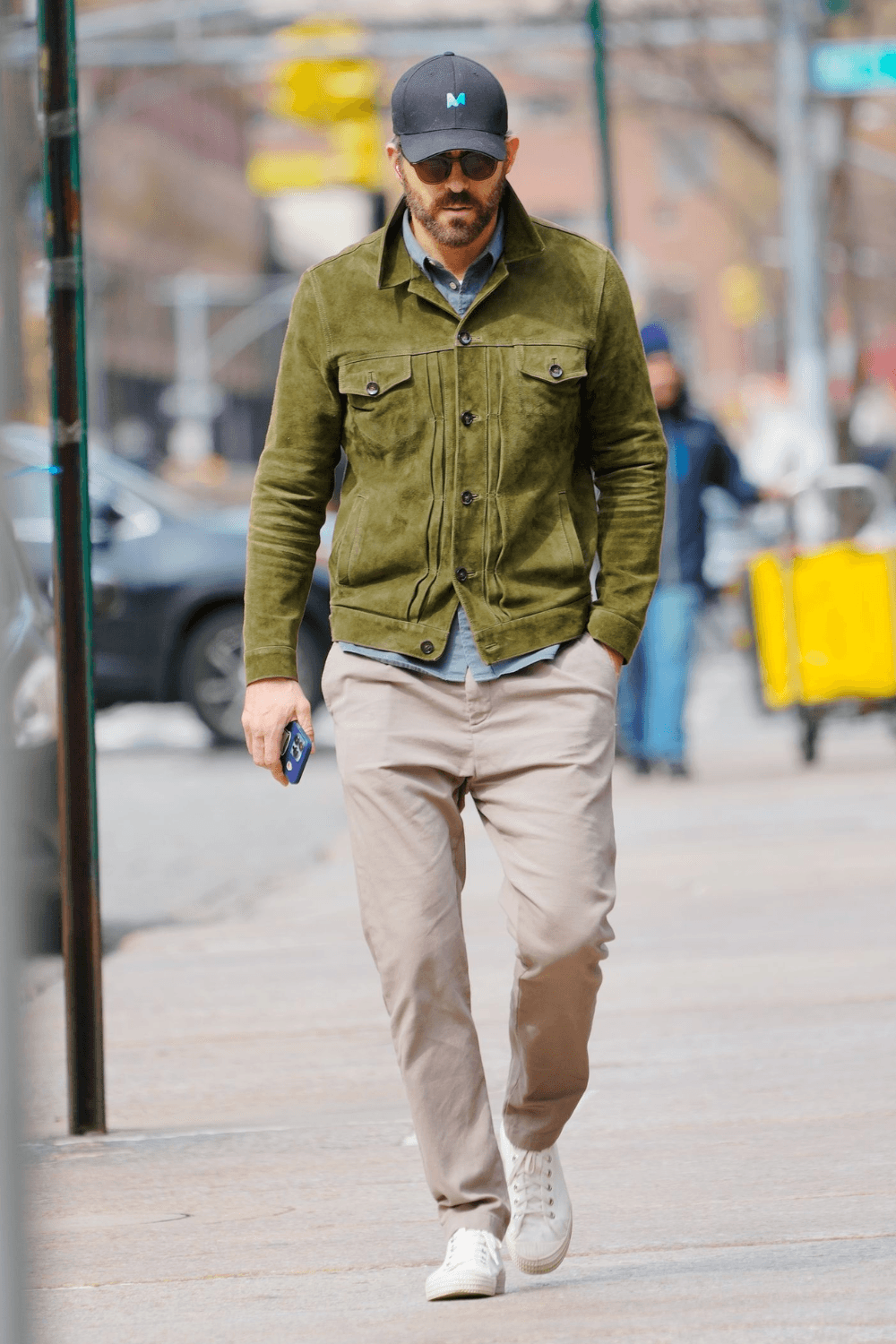
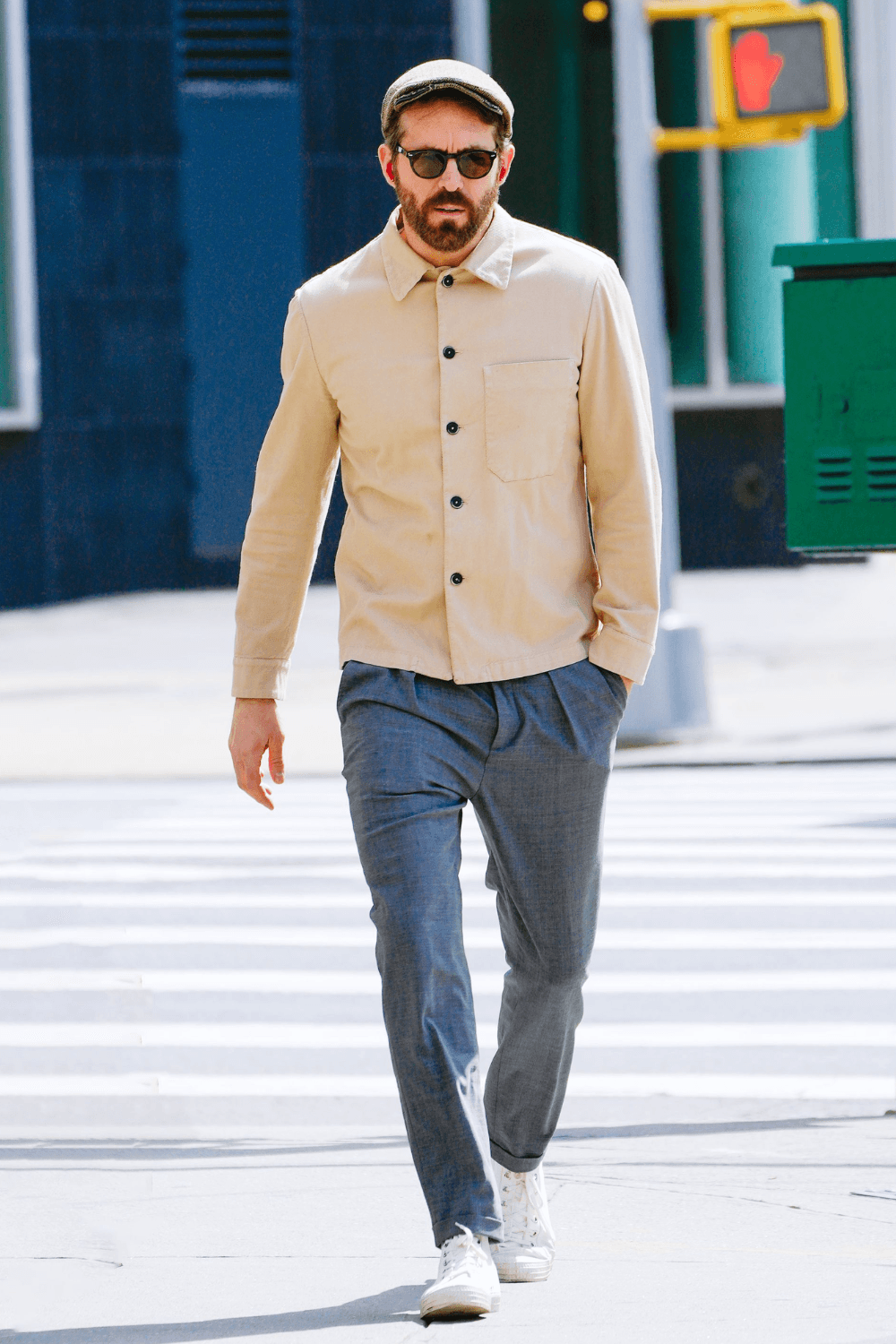
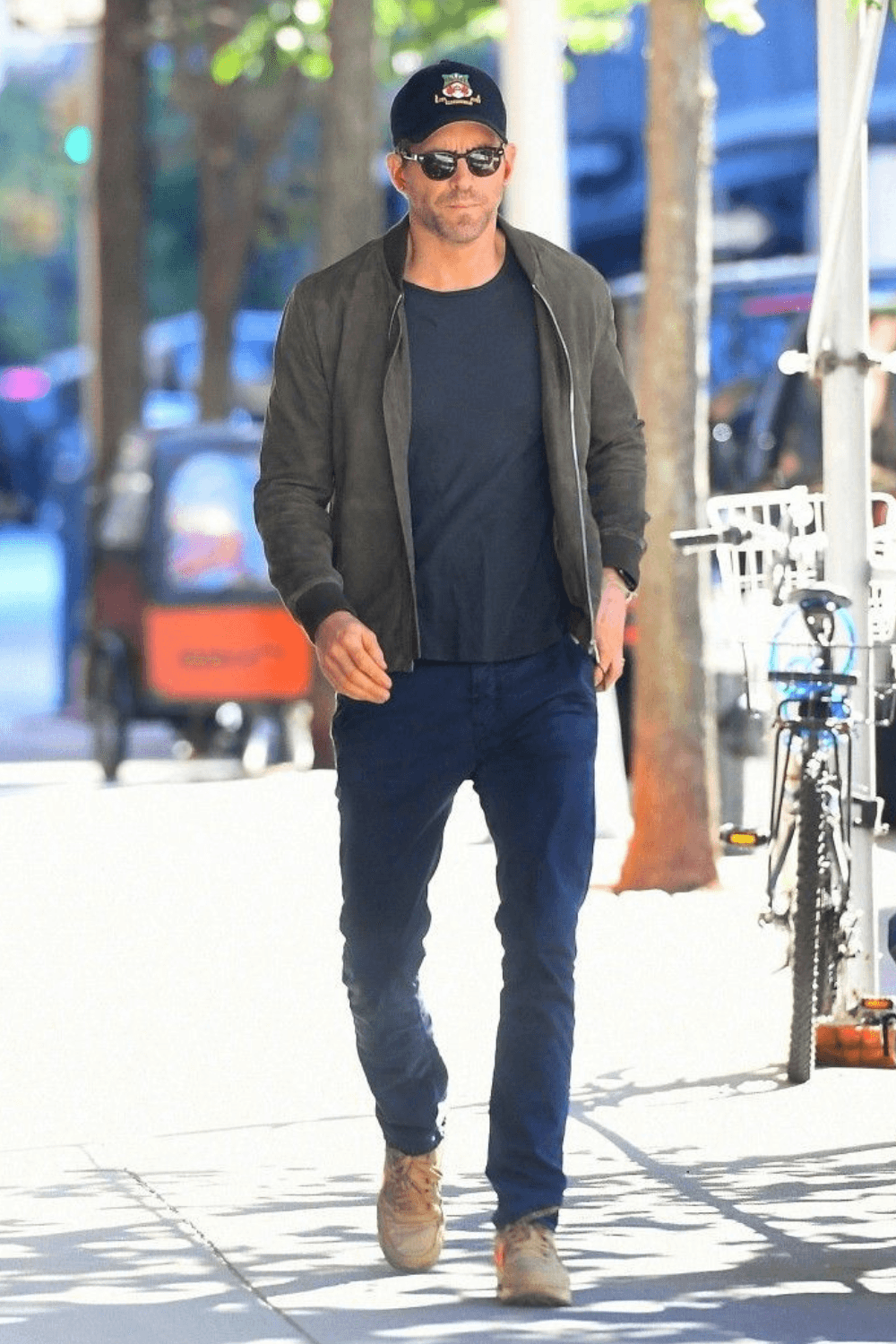
Ryan Reynolds
Laid-back but still polished.
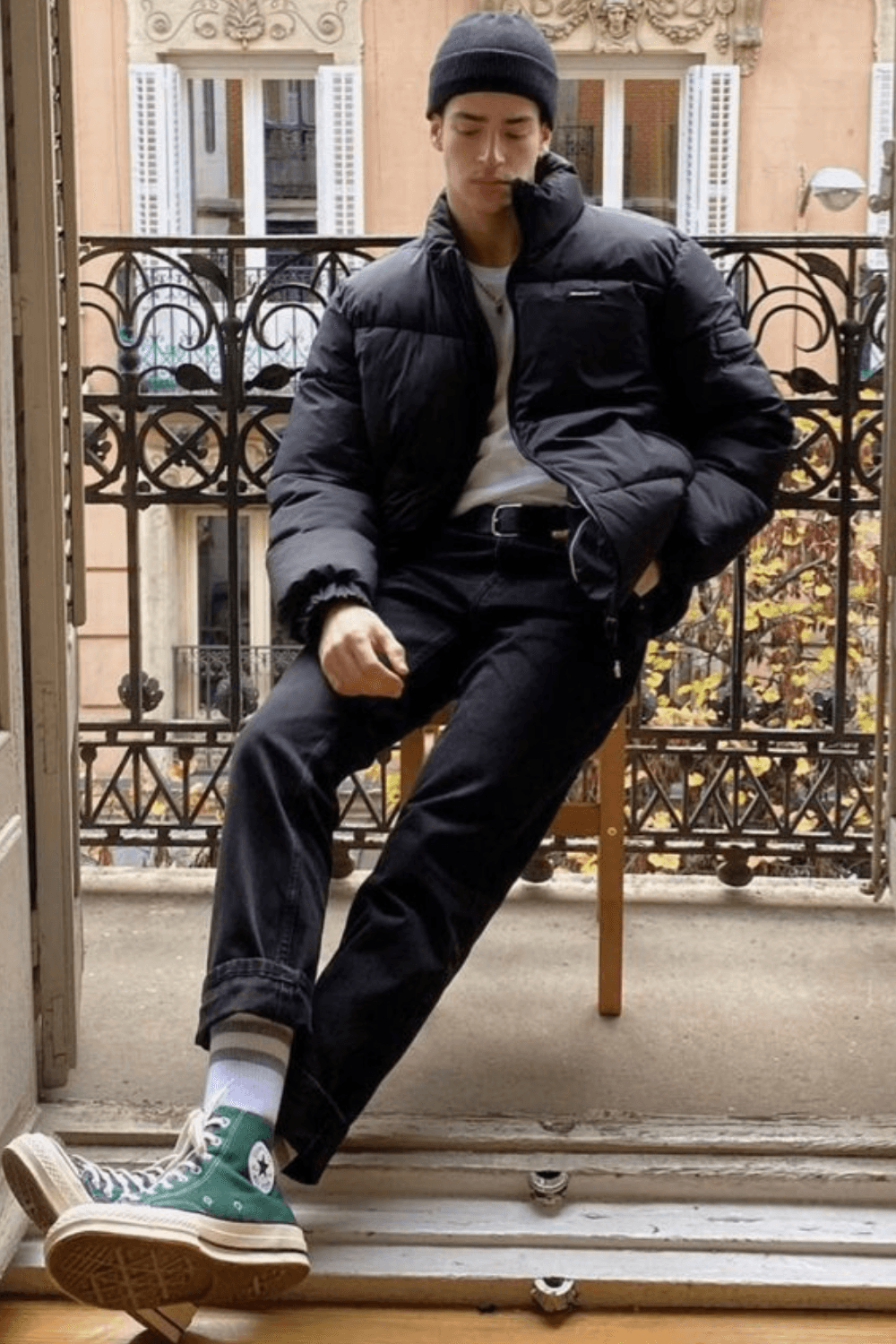
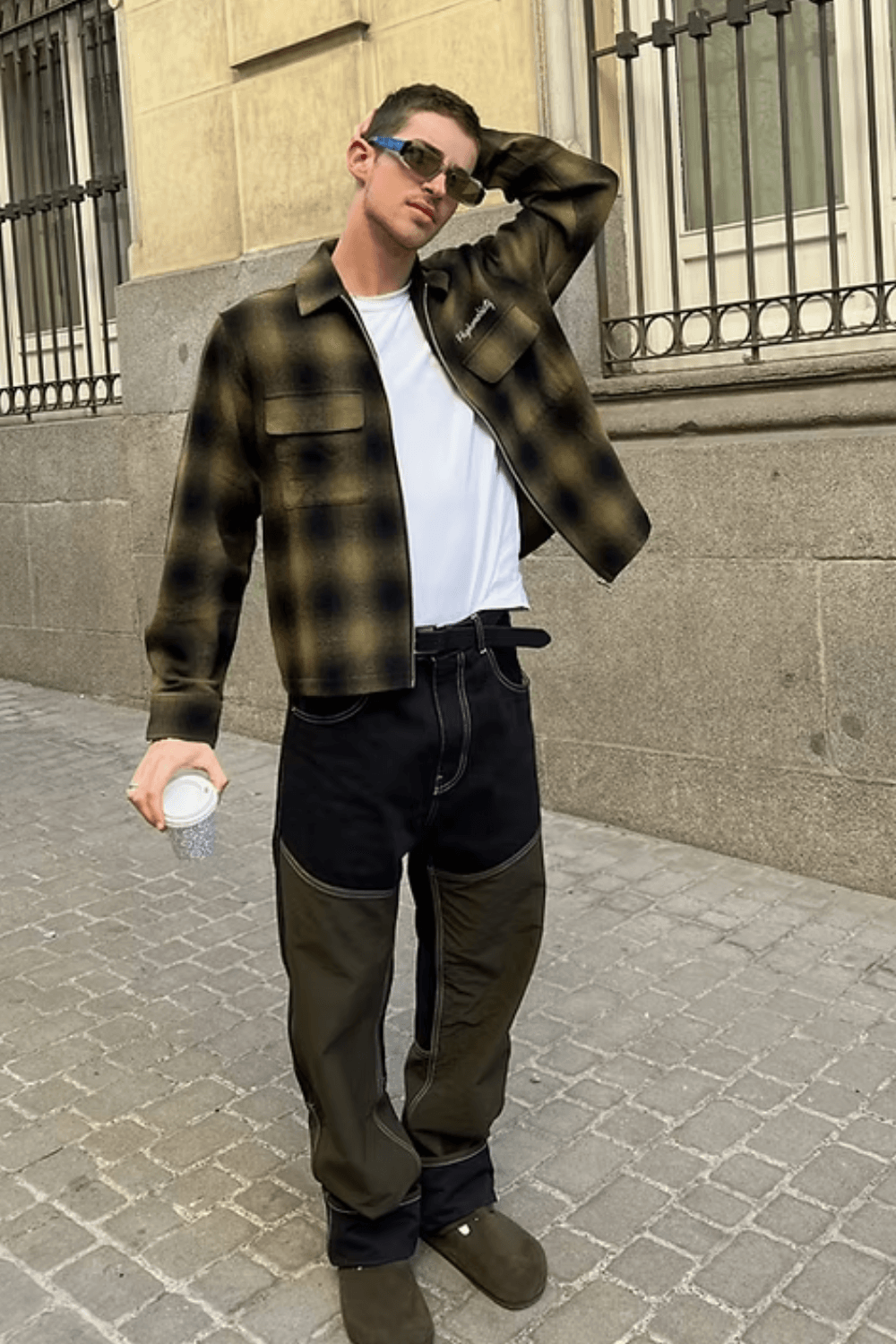
Manu Rios
Perfect for younger, modern style inspiration.
The Bottom Line:
Congrats, you finished this guide.
Layering in fall and winter can be hard, but you’ve got the basics down.
- Start thin and build outward
- Choose the right fabrics for each layer
- Balance your fits and proportions (including your bottom half)
- Stick to three visible layers
- Pay attention to color and pattern
Follow these rules, use the outfit formulas in this guide, and you’ll naturally develop your own style.
Now go build your wardrobe and own the season.
Thanks for reading! If you’re feeling the vibe, hit subscribe and get on the list to receive new posts straight in your inbox every week.