2026 Men’s Fashion Trends: The Direction, Not the Hype
I’ve read a couple of men’s fashion trend predictions, and it’s quite frustrating because they’re full of big claims and a lot of certainty in them, and half the time, the things they’re predicting never show up in real life.
Most of them are based on runway shows, but men’s fashion doesn’t move that way. They apply the same method they use for women’s fashion, but the two markets are different.
Women’s fashion moves faster and is more designer-driven, while men’s fashion is shaped more by behavior, lifestyle, and economics than by designers. Also, men’s fashion moves way slower and quieter than women’s fashion. Trends in menswear repeat for years before they stick.
That said, there is a caveat. If runway trends genuinely work for you, there’s no reason not to follow them.
But I mostly focus on brand websites rather than runway shows. What they’re selling and how customers are responding. What products keep showing up season after season, and what just showed up once and disappeared. That tells you a lot about where men’s style is right now.
And that’s what this piece is built on. So this piece isn’t about what might happen. It’s about what’s already happening, whether you label it a trend or not.
The Silhouette Is Settling
If you’ve been paying attention at all over the past few years, you’ve probably felt this shift in fit. Slim is out. Oversized is in. At some point, the trend leaned too much toward oversized, and a lot of exaggerated oversized shapes popped up. That’s often how fashion works, isn’t it? Swinging from one extreme to another.
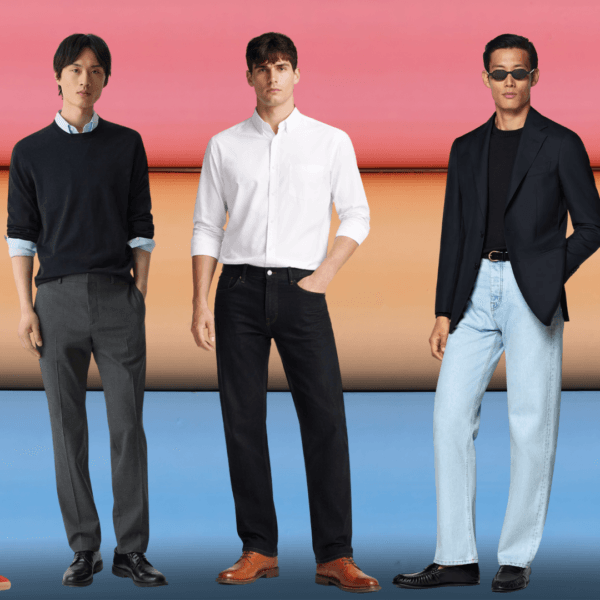
But things are settling down. Men’s silhouettes seem to have found a balance between slim and oversized, somewhere in the relaxed middle.
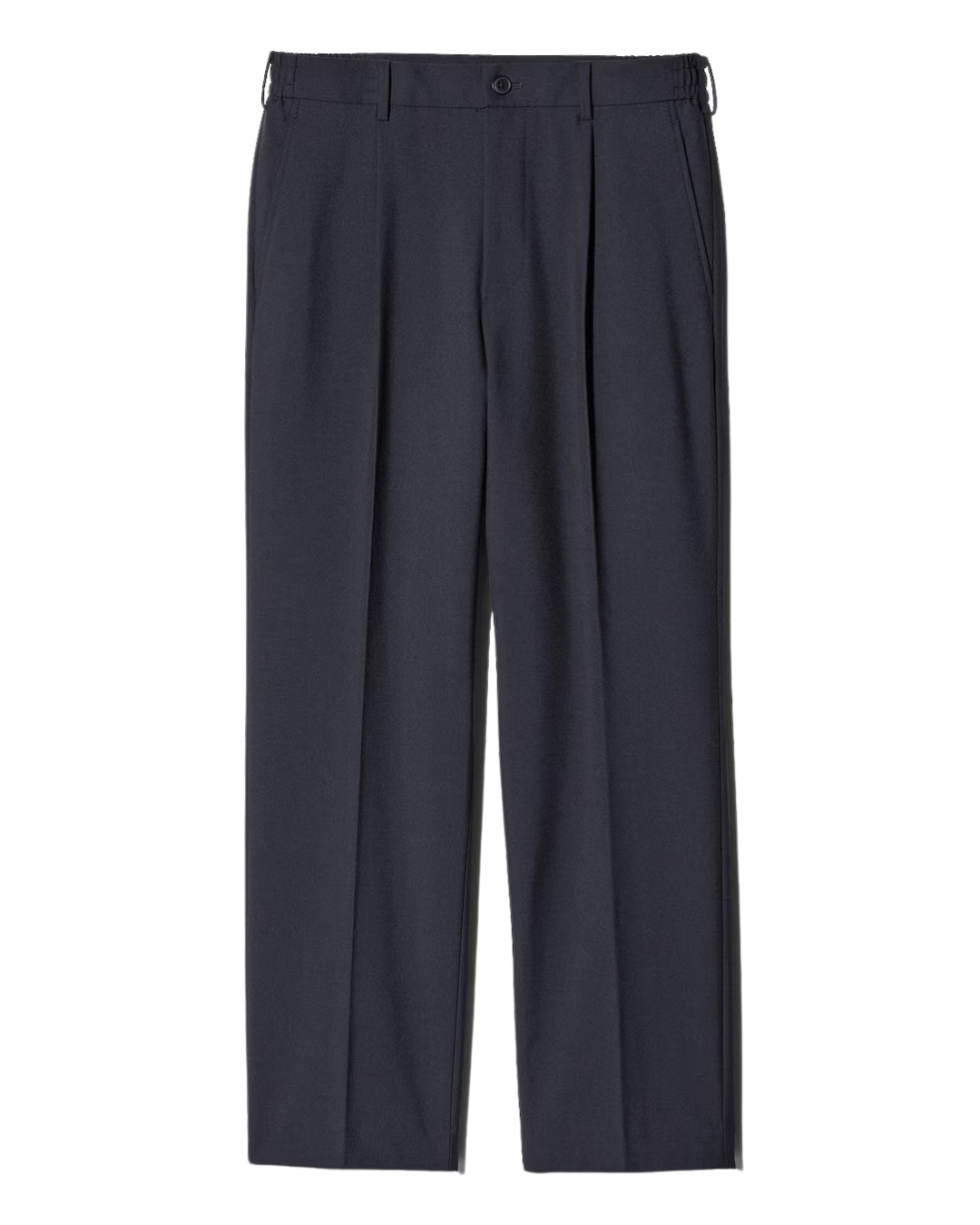
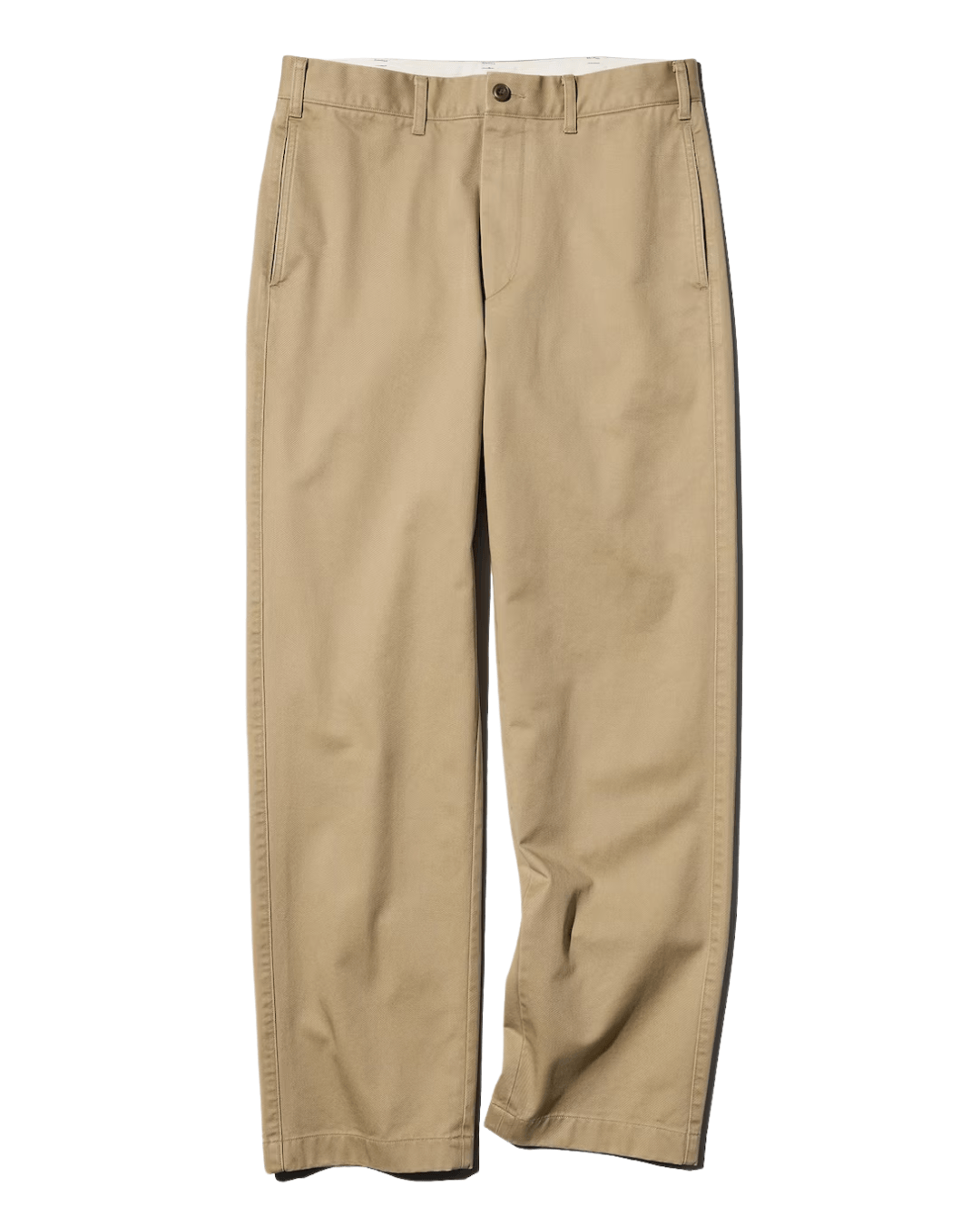
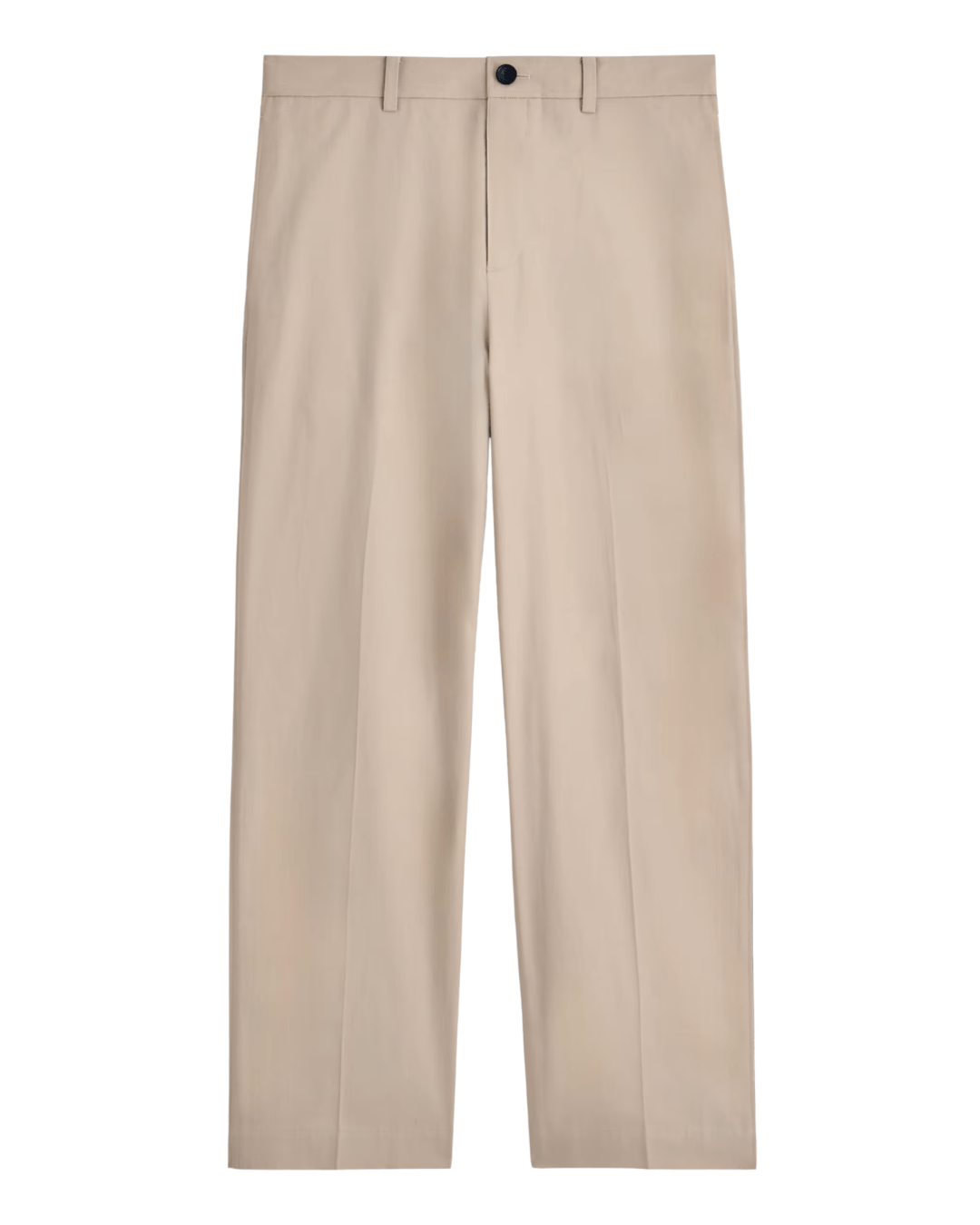
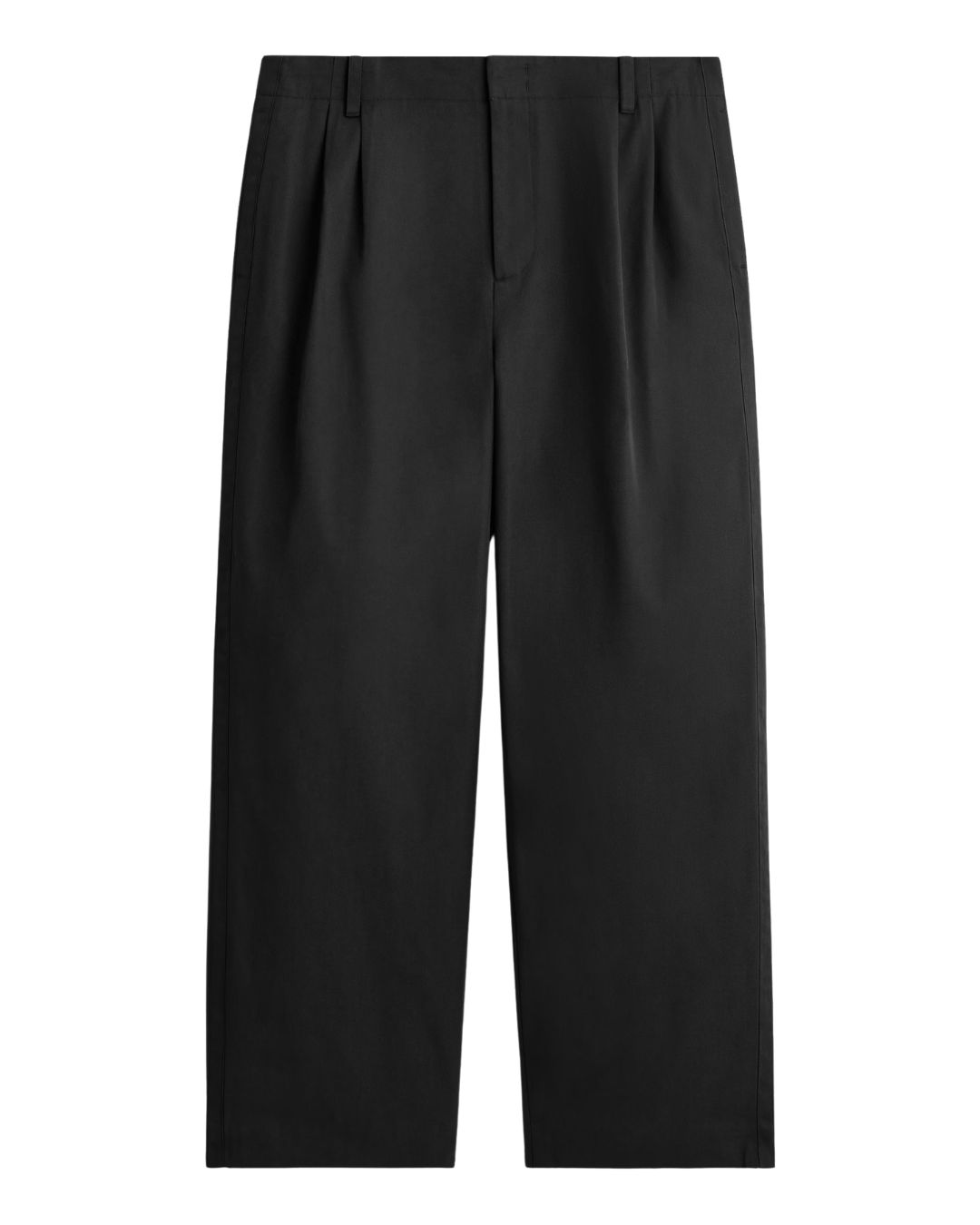
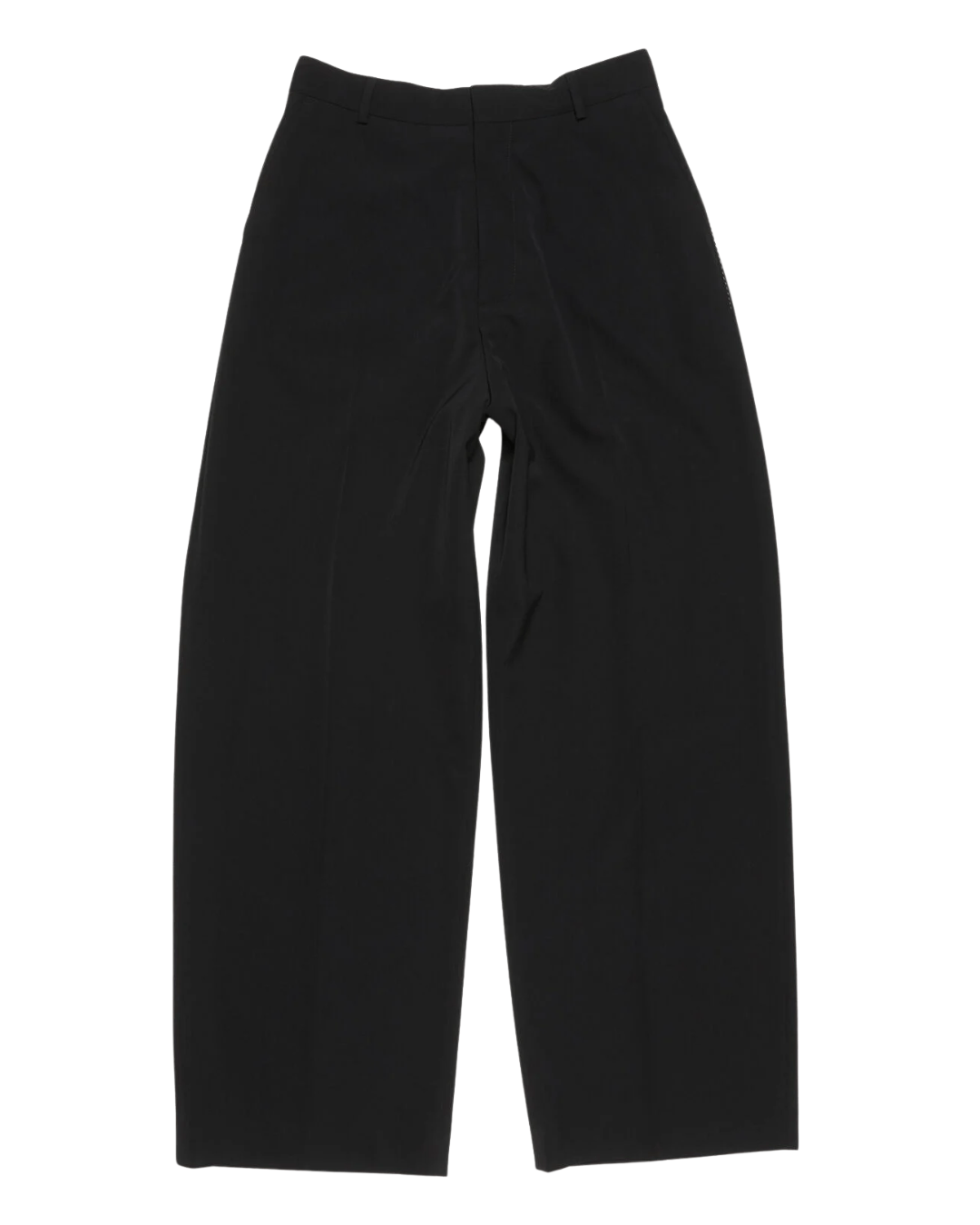
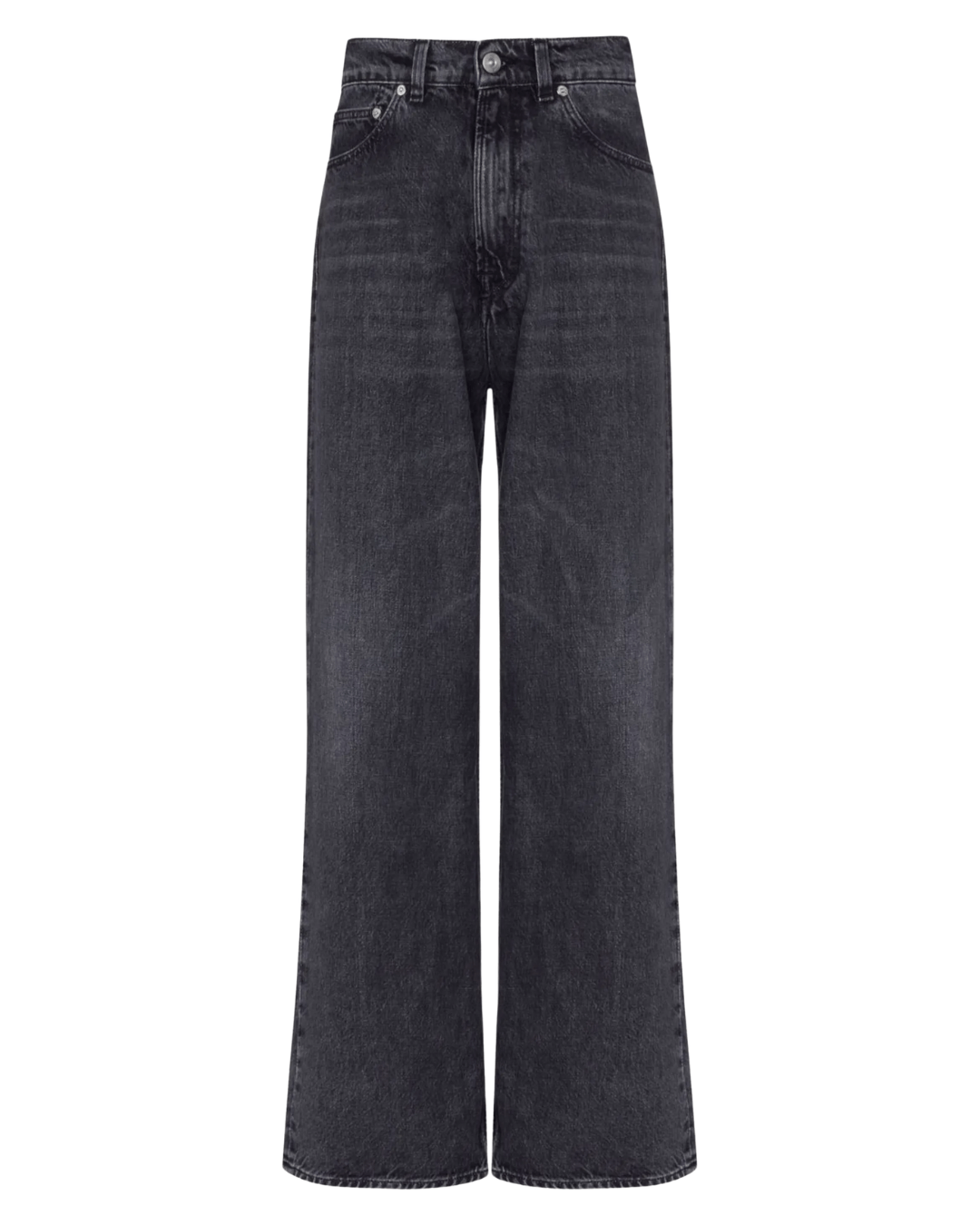
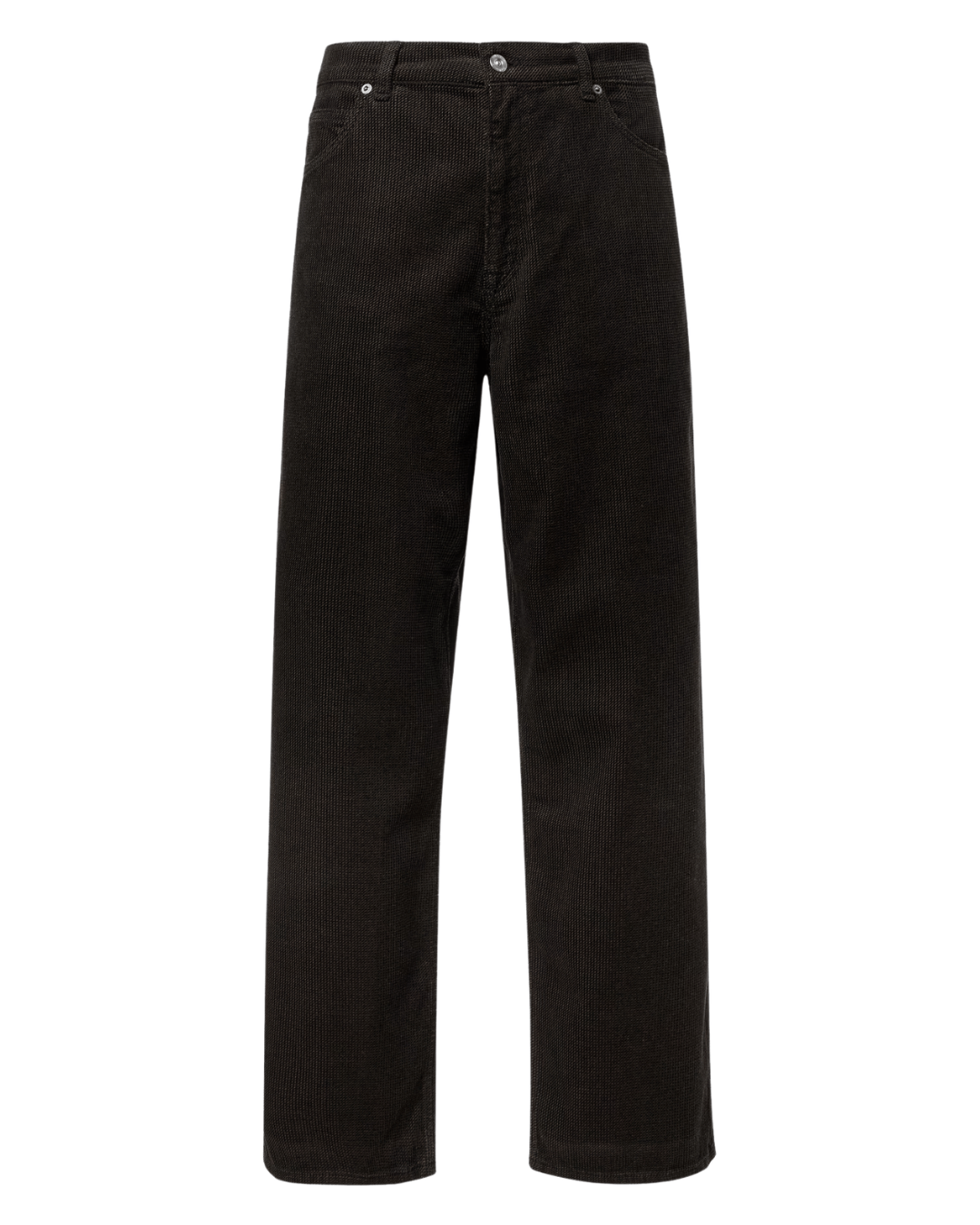
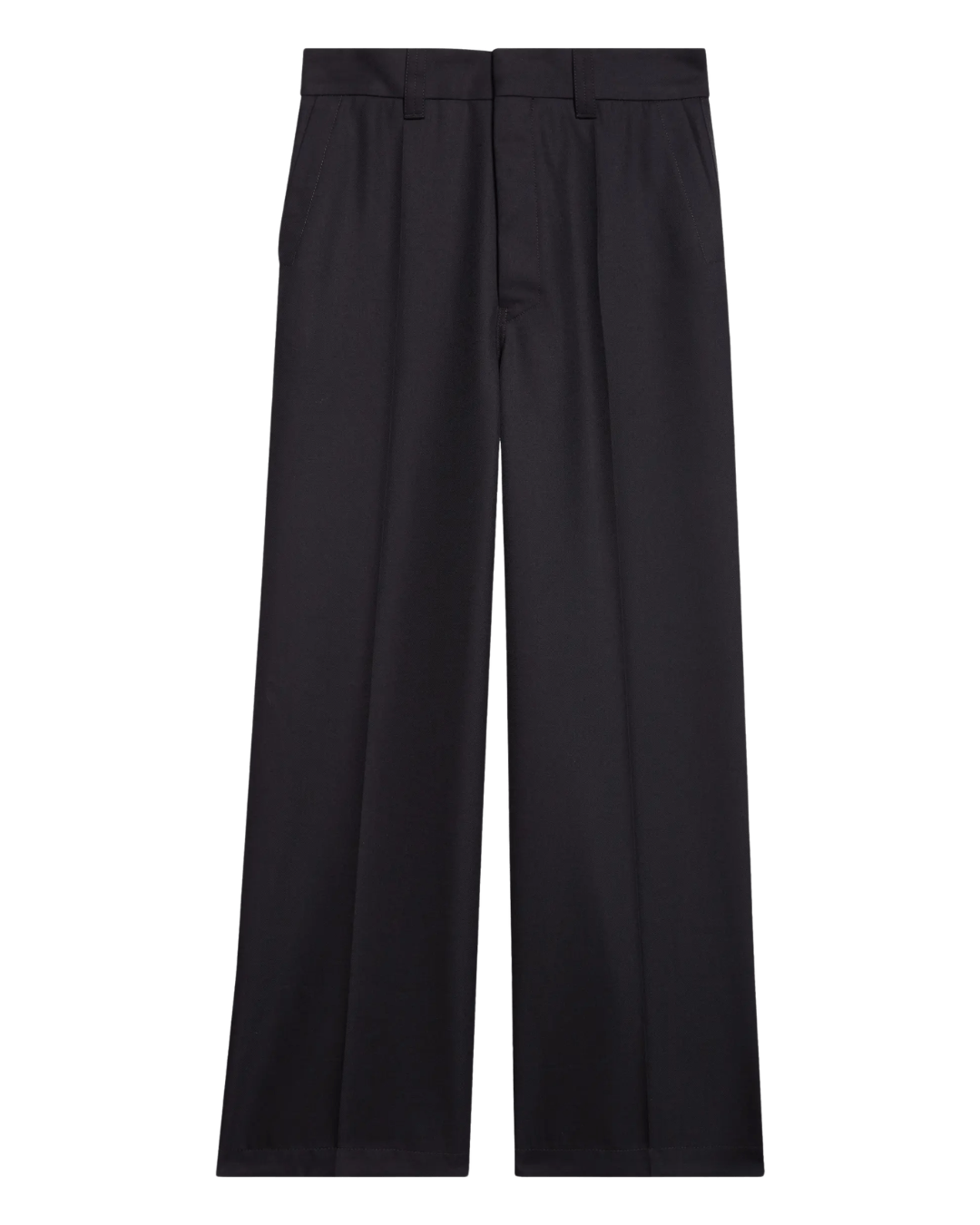
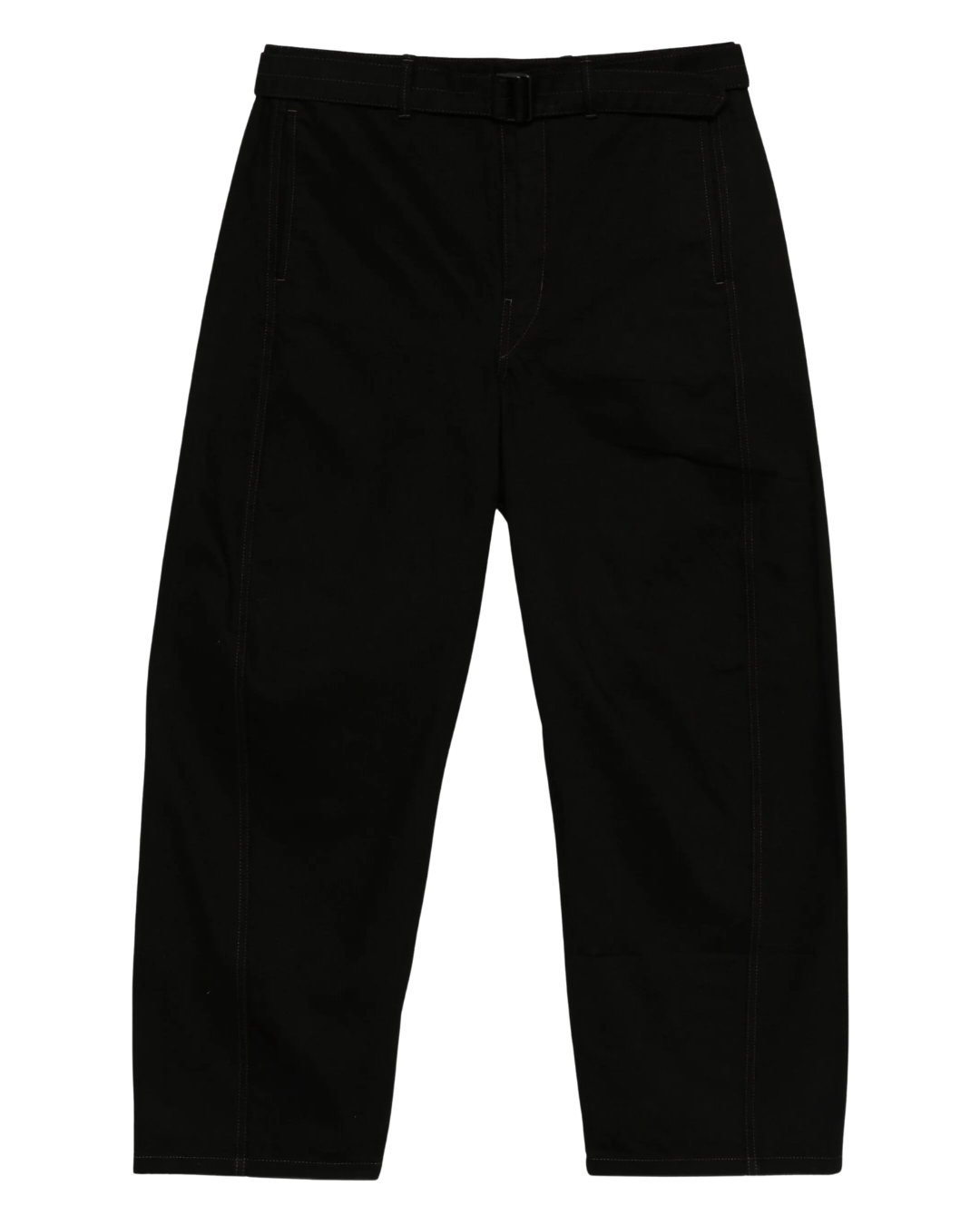
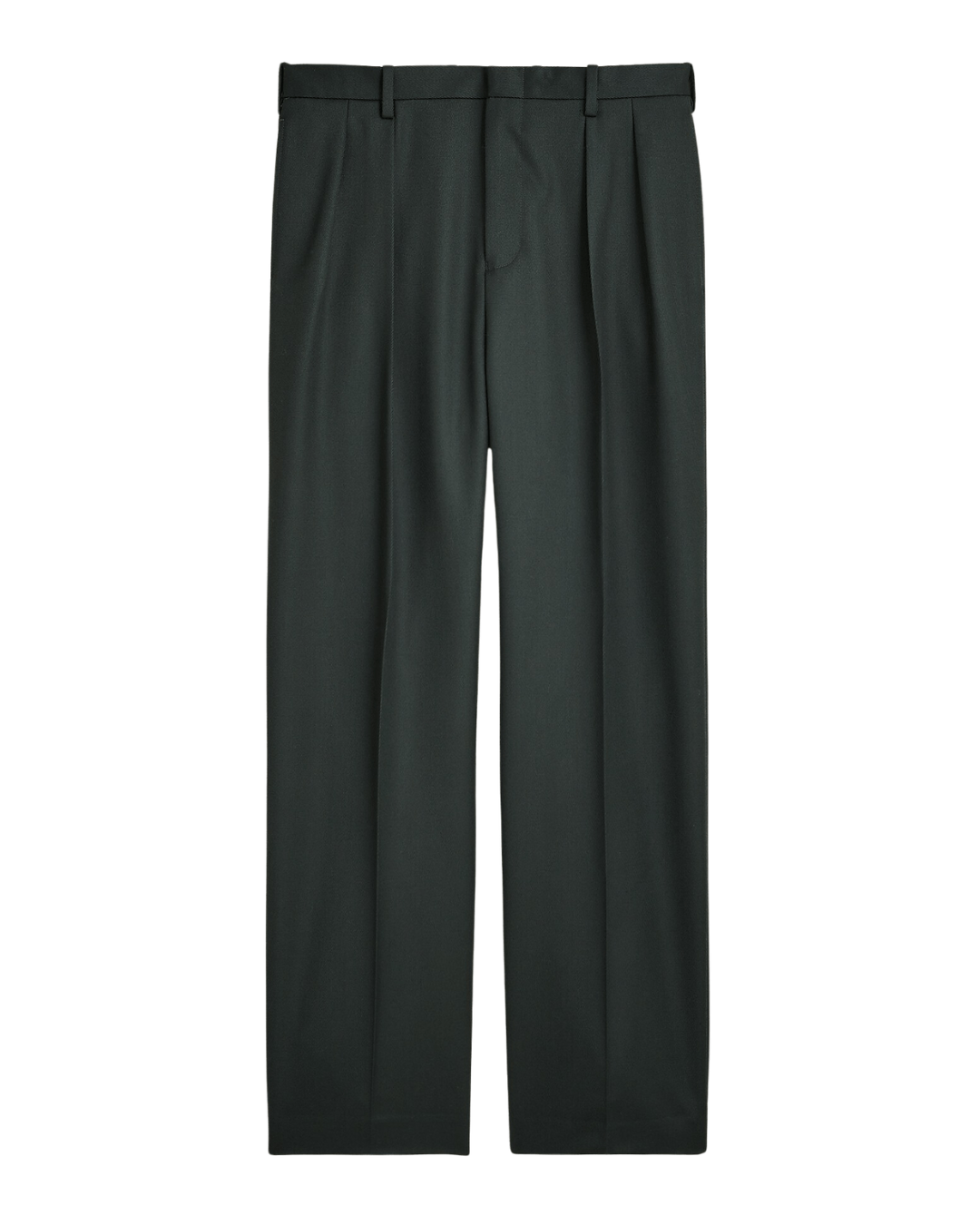
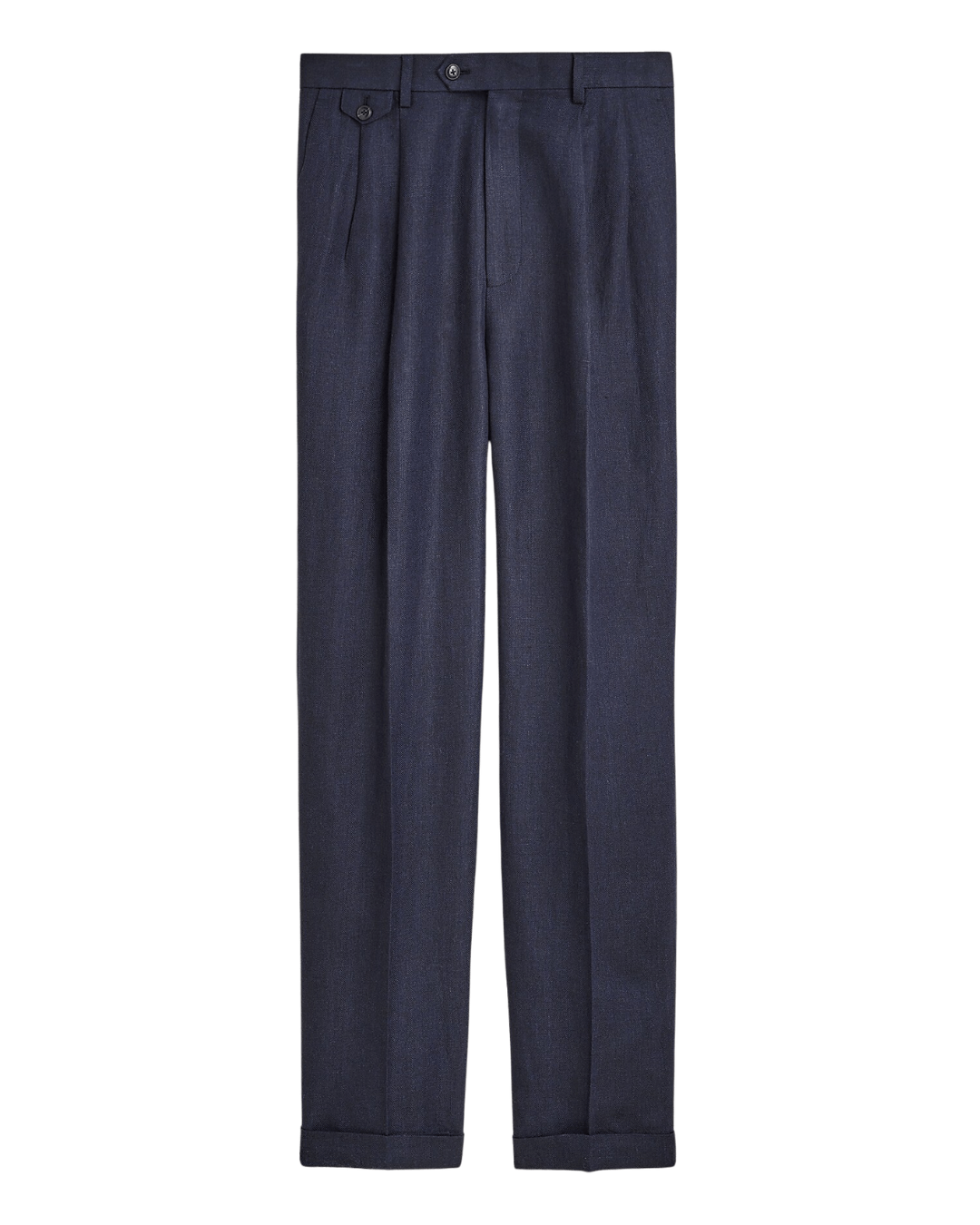
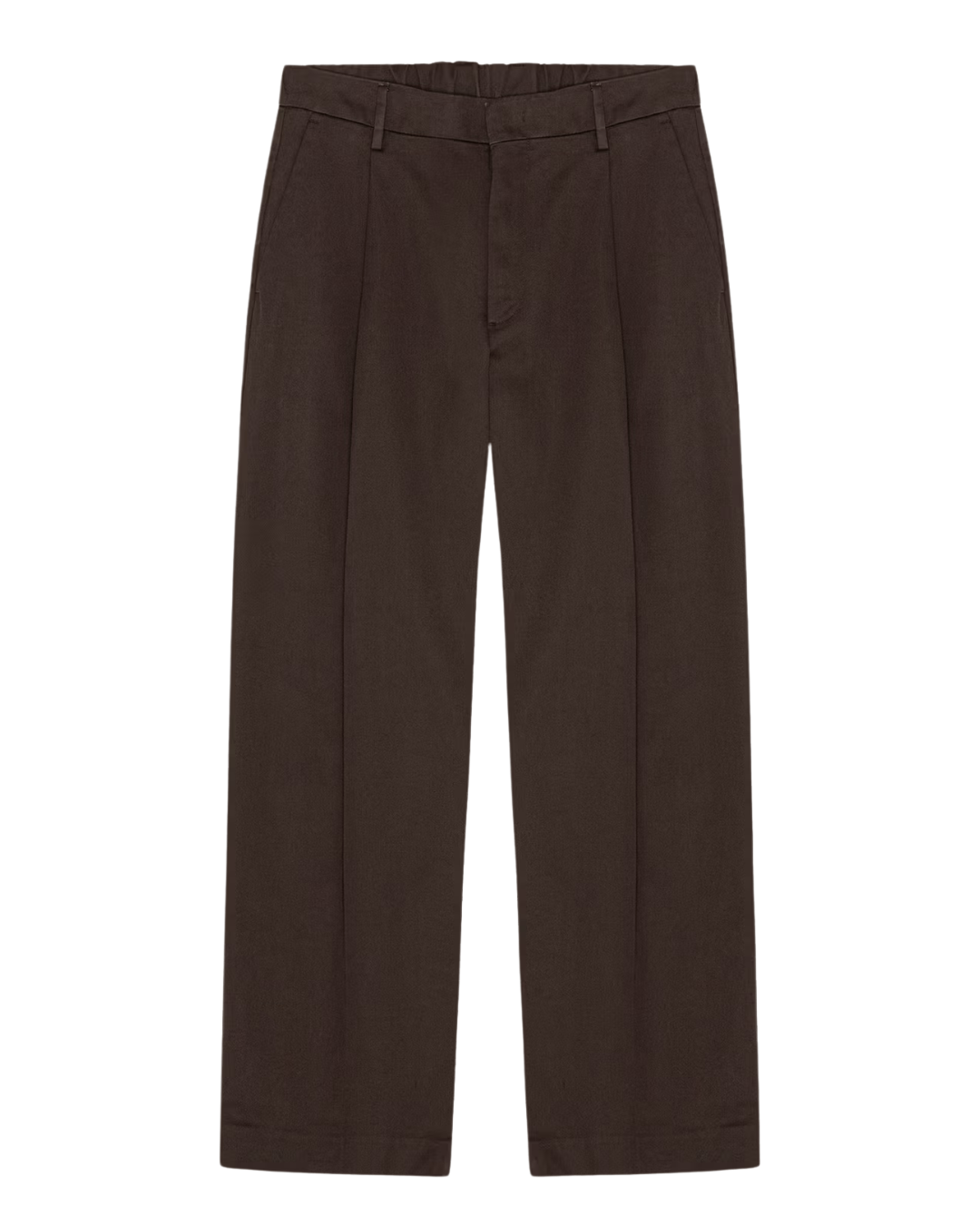
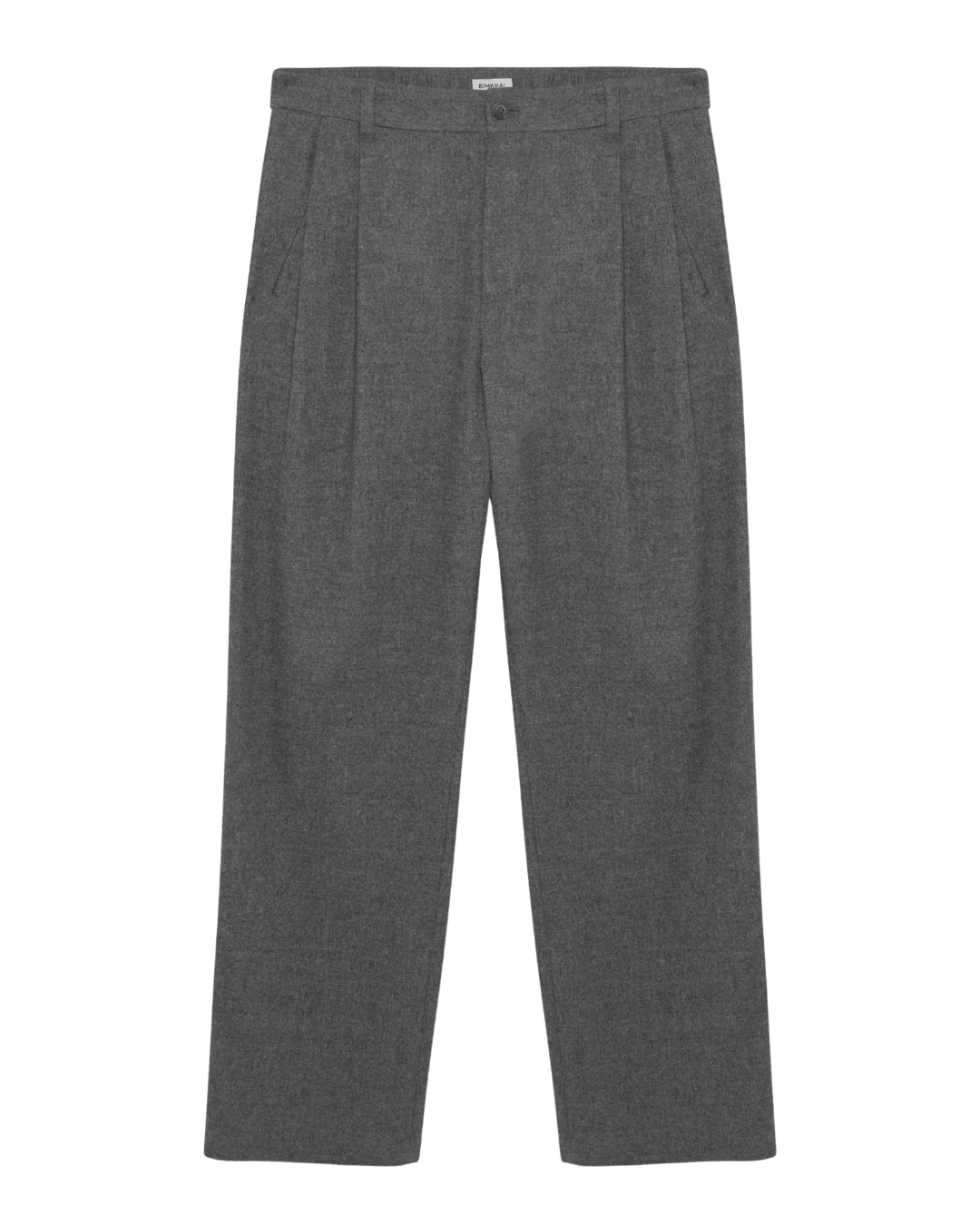
Pants are leading this shift. Straight and relaxed cuts with a mid-to-high rise and a clean break at the ankle are having a moment.
This isn’t speculation. You can literally see brands making this adjustment.
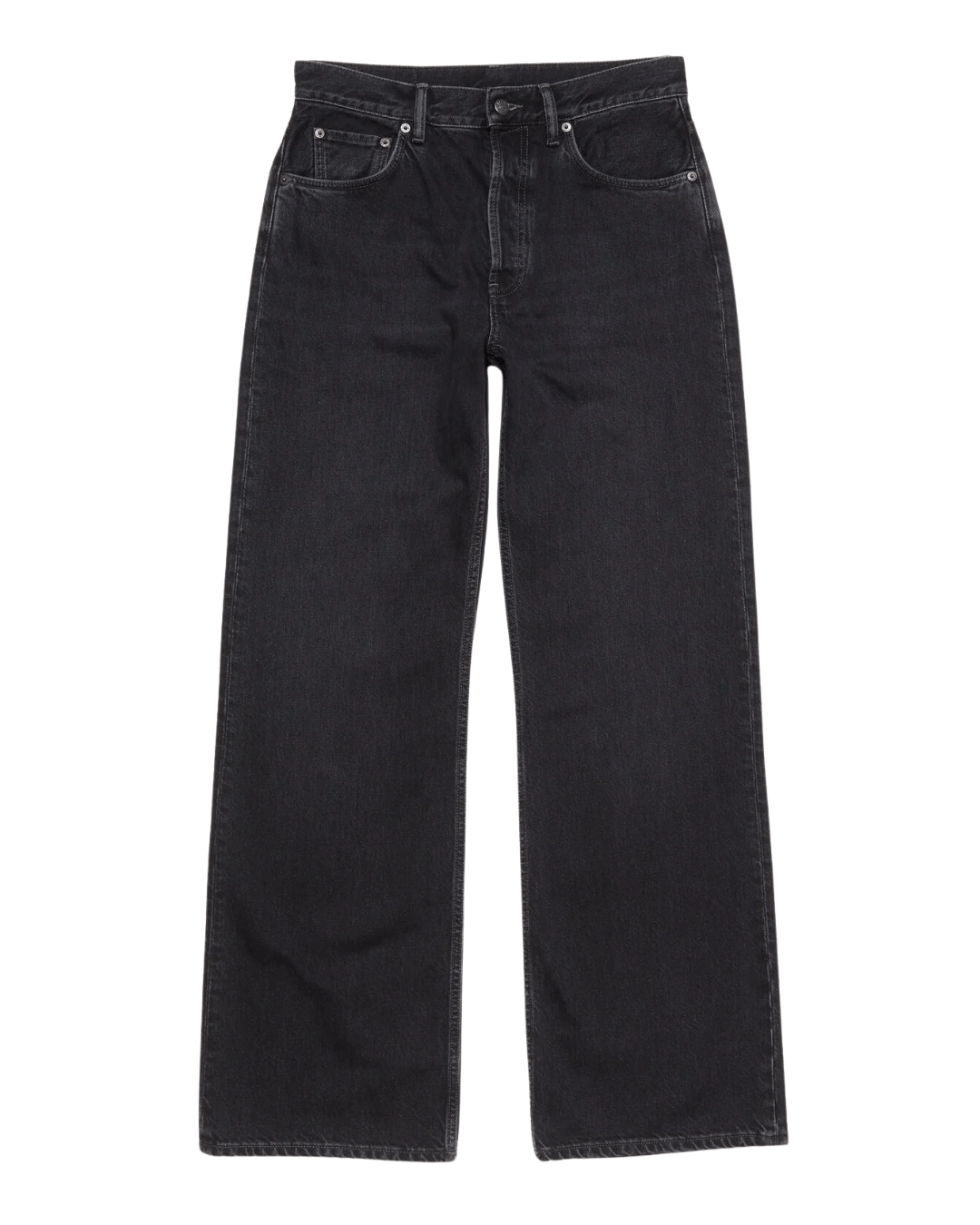
Acne Studios is a good example. They became known for aggressively oversized jeans like their 1981F and 2006M styles. And now, while these styles are still there, their more balanced straight-leg styles, like the 2021M, are now more popular.
Our Legacy’s wide trousers and boxy tops have become their iconic staples. While fabrics and prints change each season, the fit hasn’t changed much. That usually means they’ve found what actually sells and what people keep wearing.
And if you want proof at the mass level, look at Uniqlo. They’ve also settled into slightly relaxed, repeatable silhouettes and stuck with them. When that happens on a brand that lives and dies by data, it usually signals a strong and consistent customer response.
You might not even notice this shift. It’ll just feel like clothes fit properly again.
Neutral Colors are Creeping in
Color is another place where menswear keeps relearning the same lesson. Loud color cycles don’t last. They never really have.
Remember dopamine dressing? Wearing bright, loud shades. Layering colors over colors. It didn’t stay.
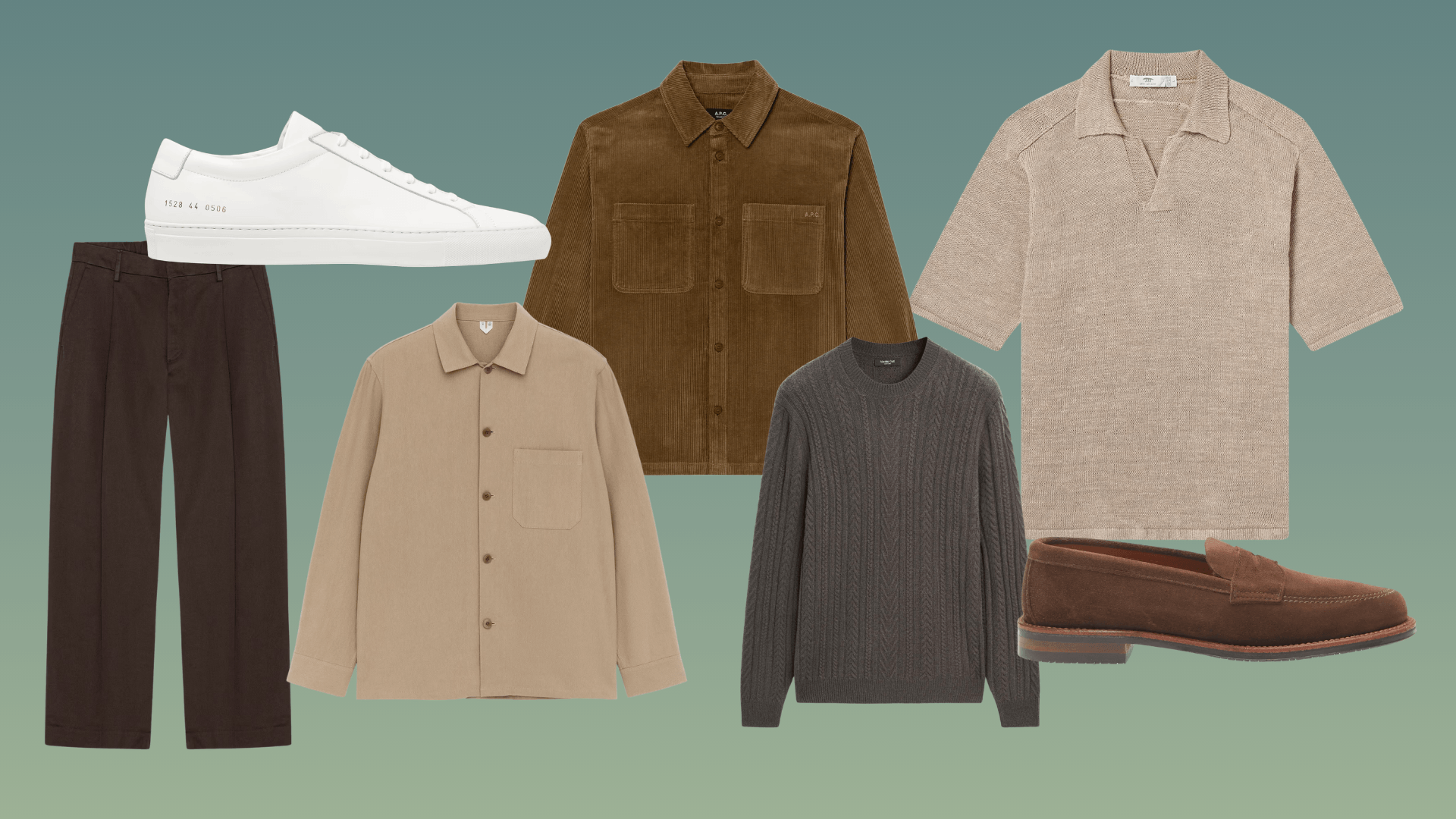
What really stays is the core colors. Think black, navy, gray, olive. They’re the foundation of the menswear color palette.
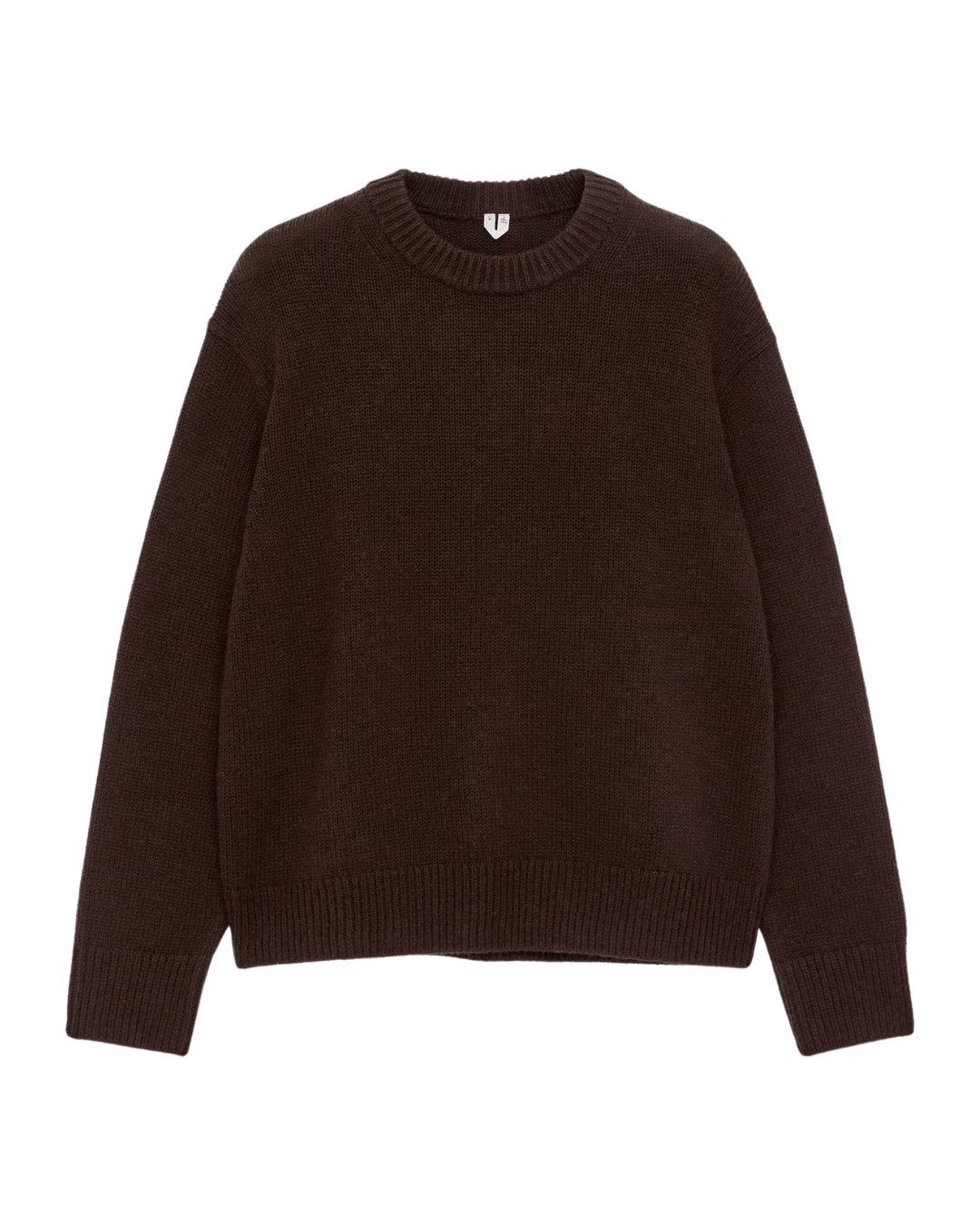
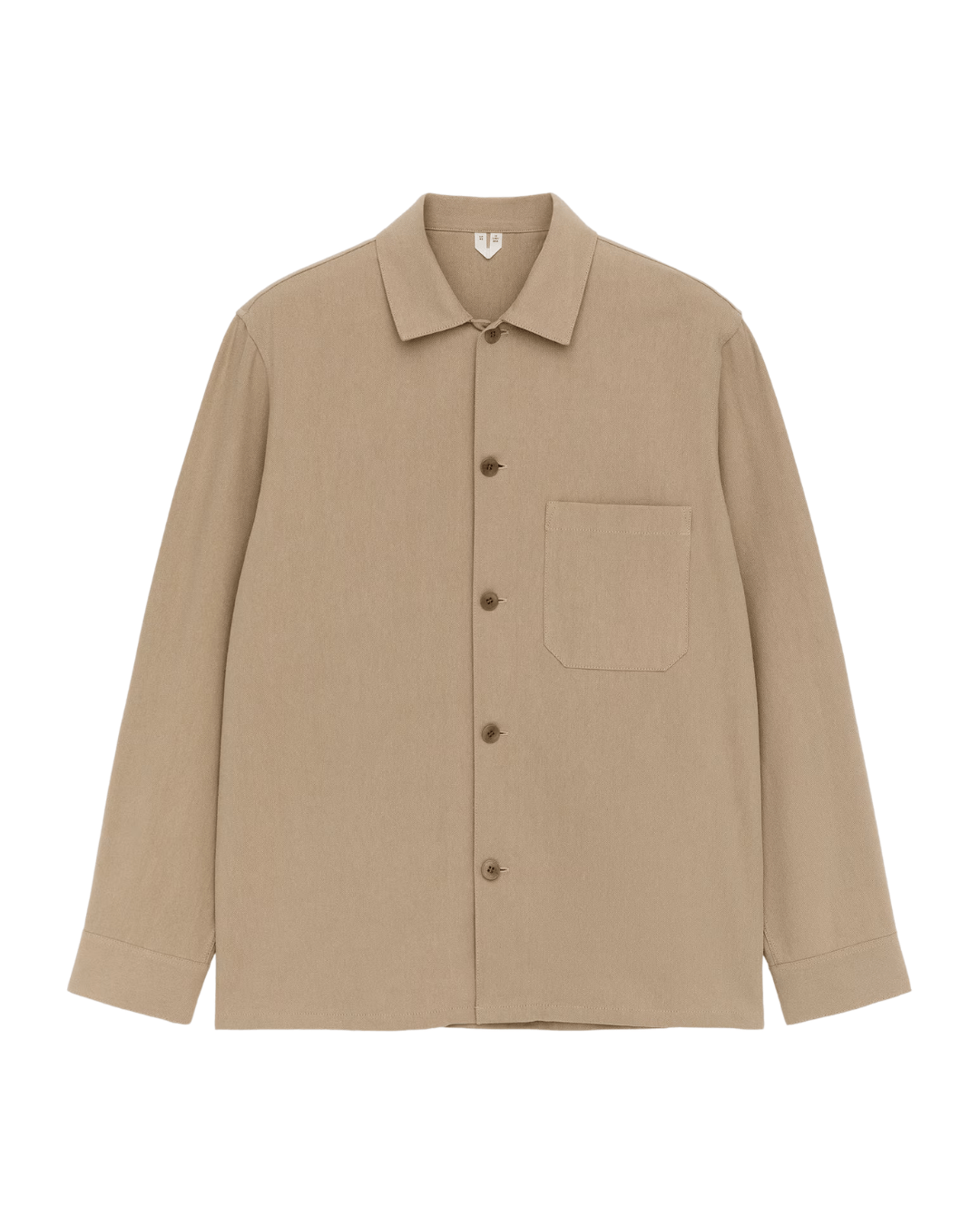
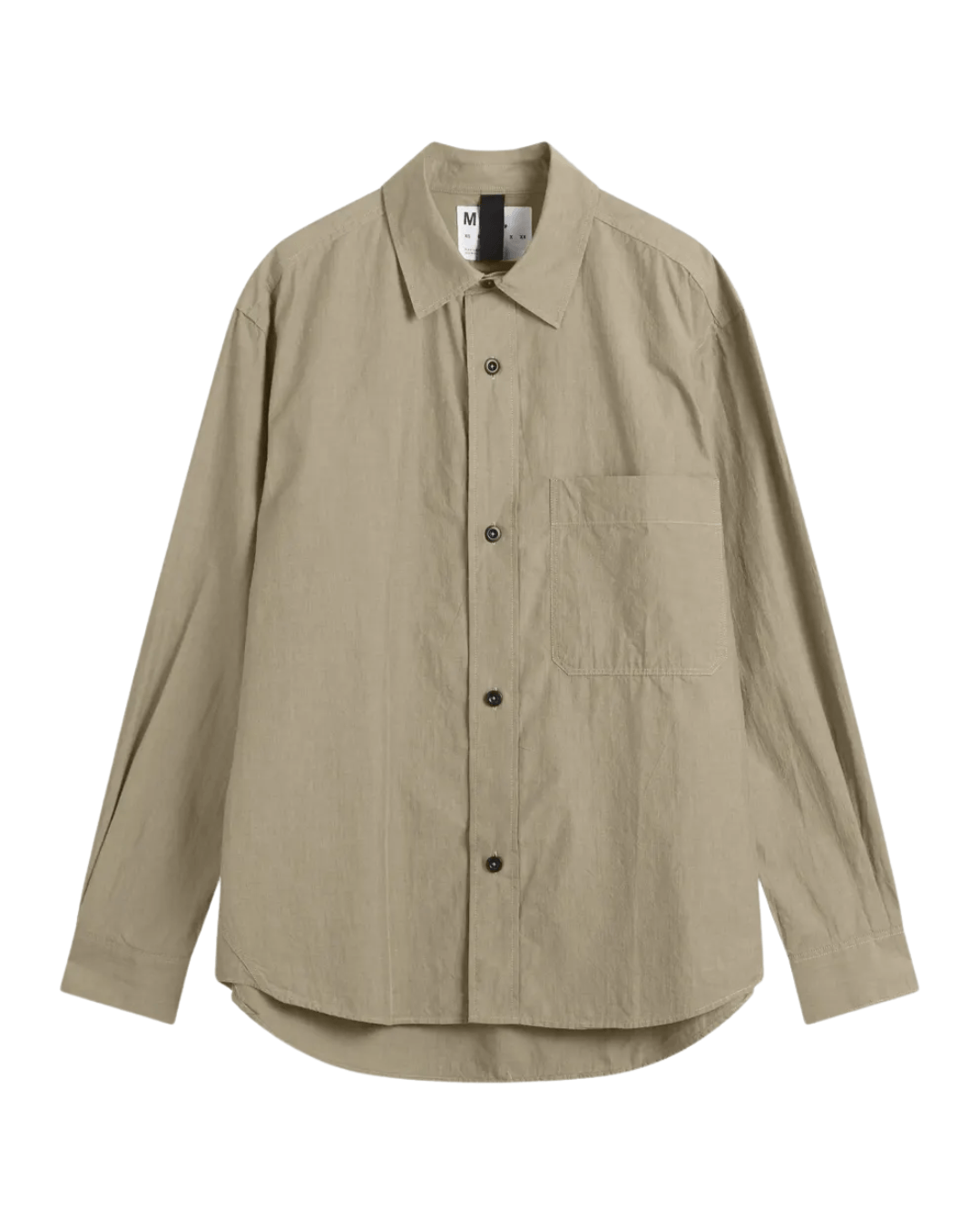
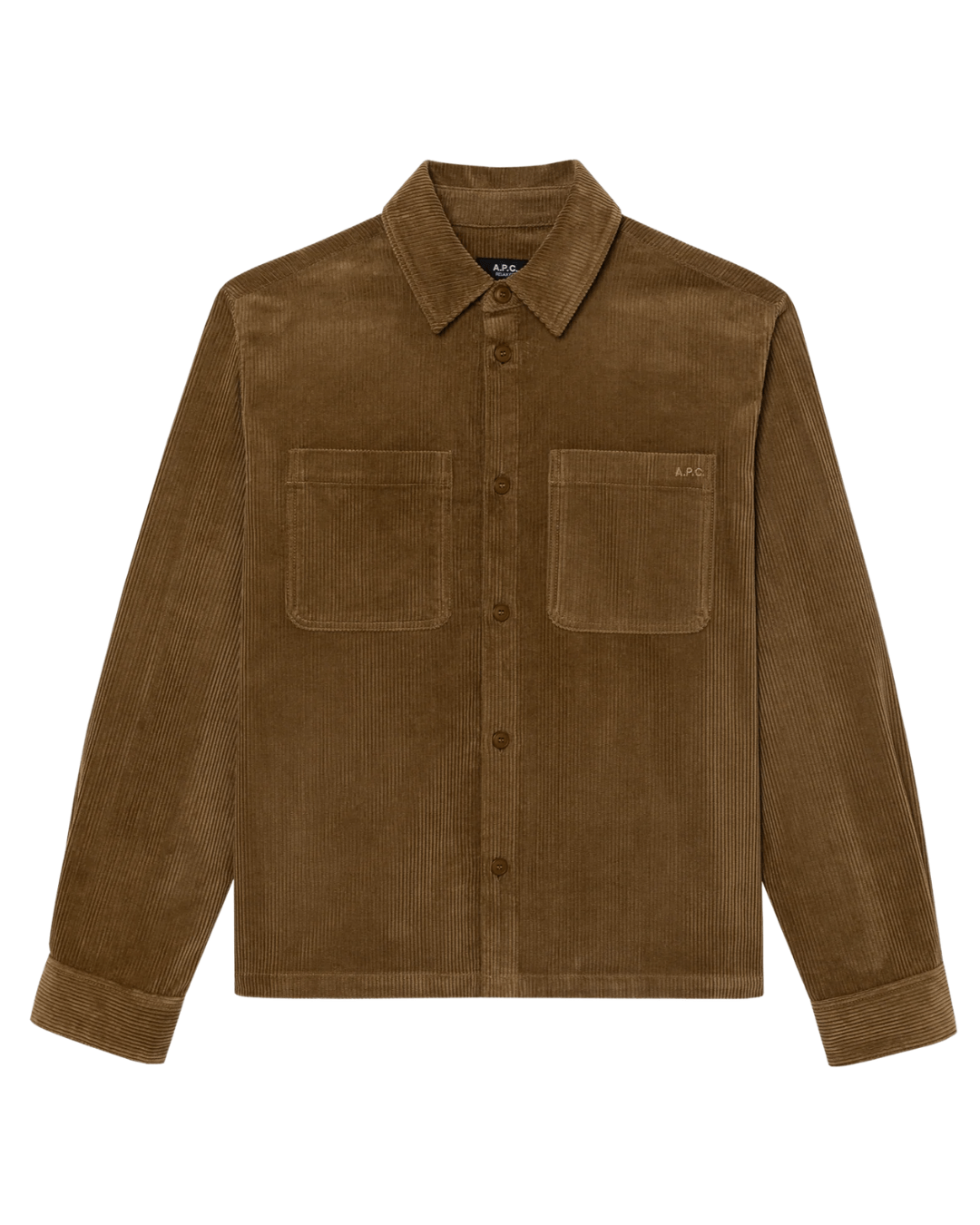
And now, besides those core colors, the warmer neutrals like stone, sand, taupe, and brown are creeping in. Not that they’re new. They’ve always been there, mostly as seasonal accents in fall and winter. Now they’re used as year-round neutrals.
Warm neutrals work because they’re soft and safe. They layer well, age well, and don’t look dated as quickly as bright, loud colors.
You see this most clearly at Arket. Their seasonal color stories now start with warm earth tones instead of cool grays.
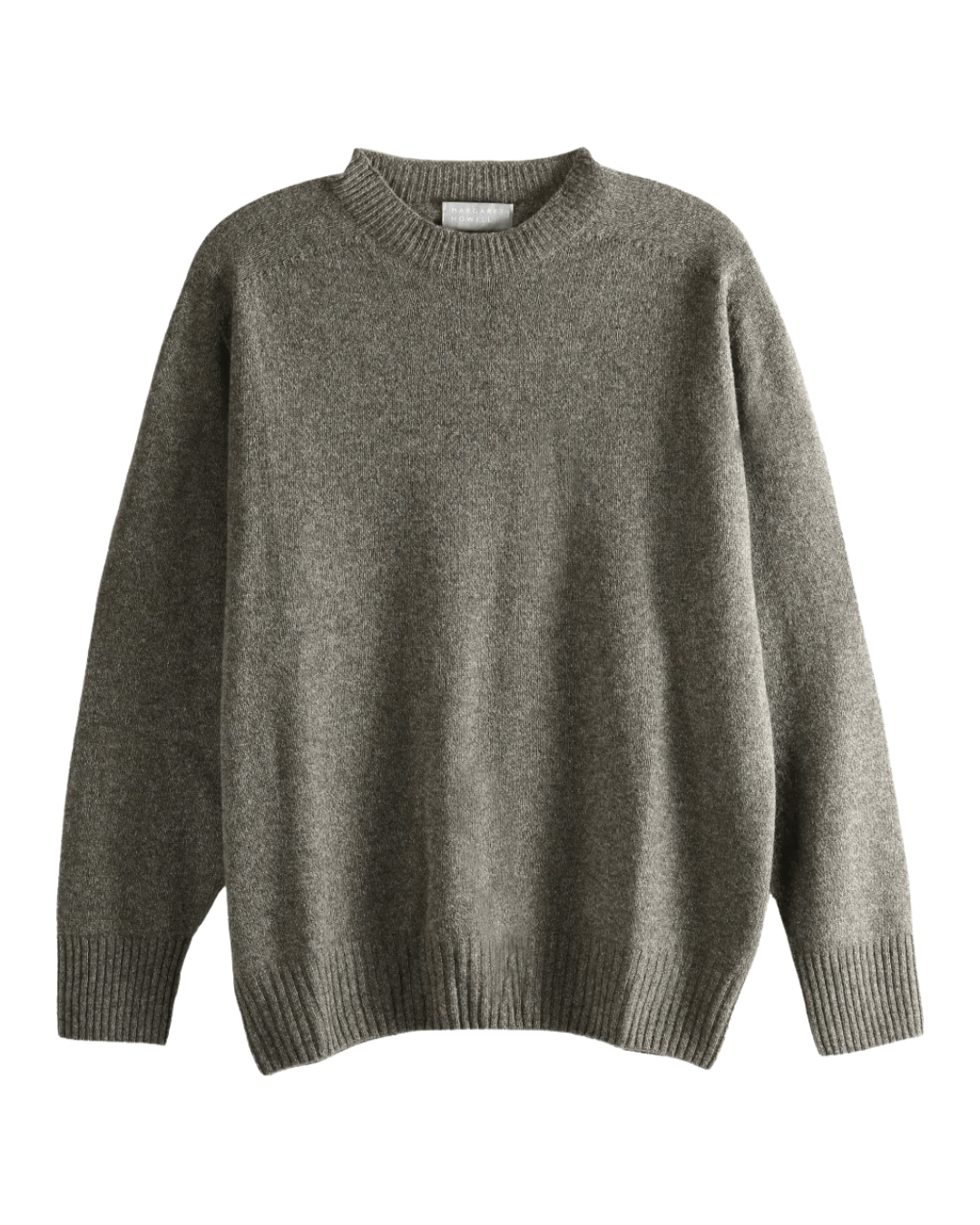
At Margaret Howell, tobacco browns and stone linens have become as central to the line as navy ever was.
Or in brands that rarely chase trends at all. A.P.C. continues to build collections around neutral palettes season after season, and it works.
There are two things I want you to remember about menswear: first, men respond better to colors that fit easily into their existing wardrobes. And the second is that loud colors don’t last long. They might have a moment, but they eventually fade. Those two things haven’t really changed, and they won’t anytime soon.
Texture Becomes the New Statement
Once silhouettes stop changing dramatically, and colors are leaning into neutrals, something else has to carry the interest. Right now, it’s texture.
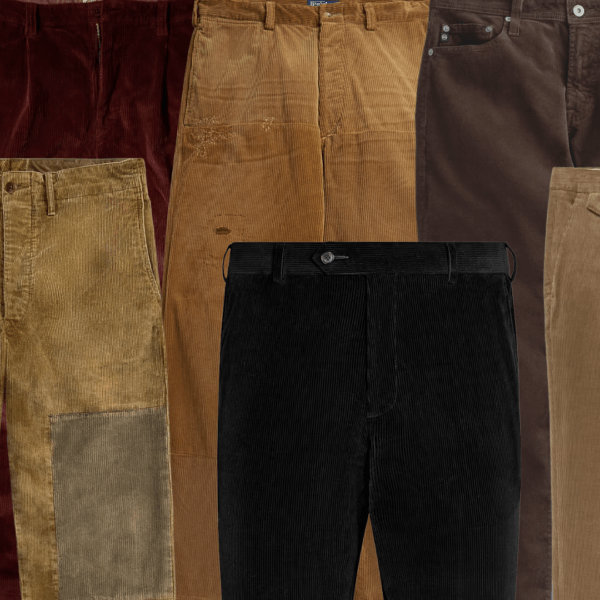
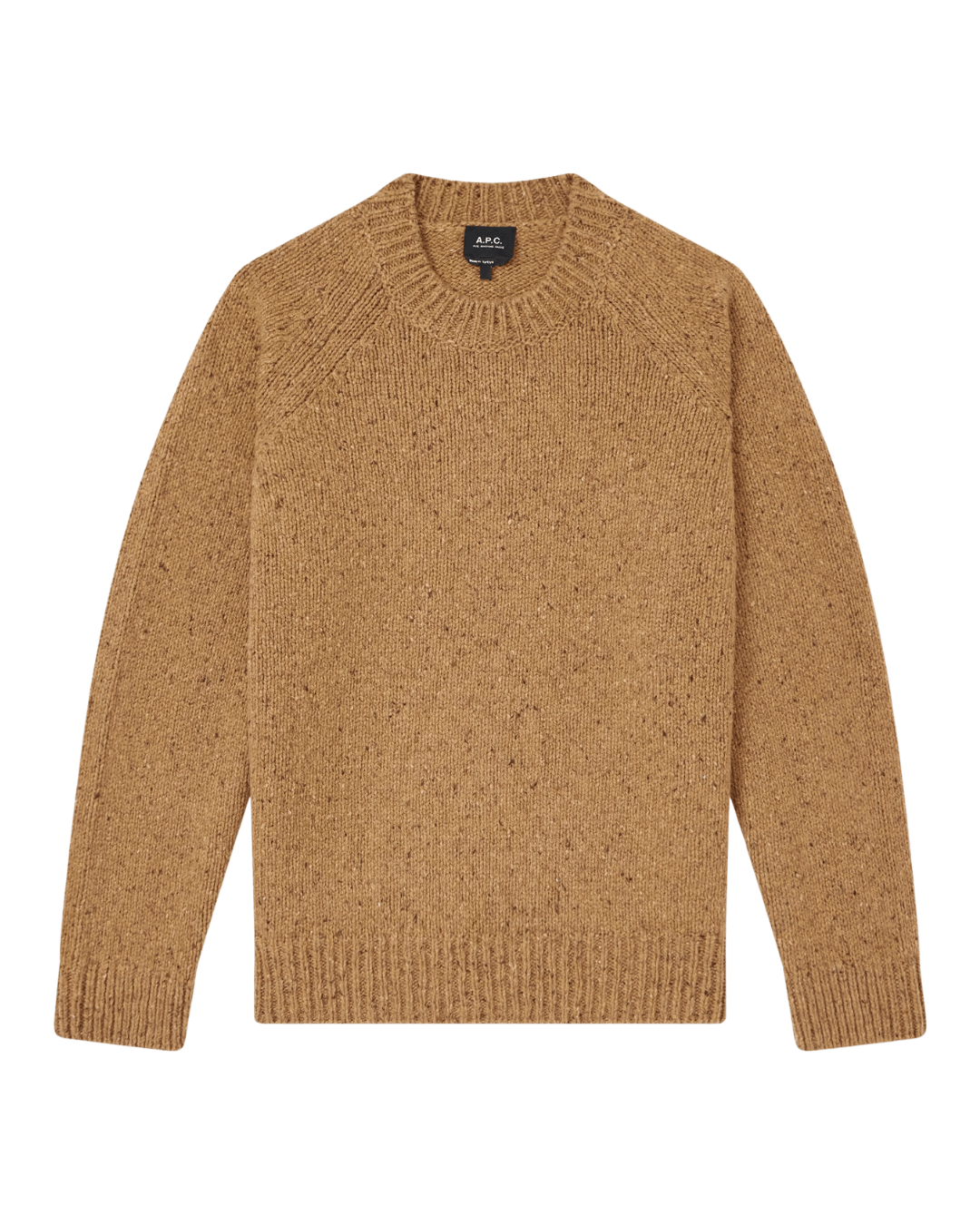
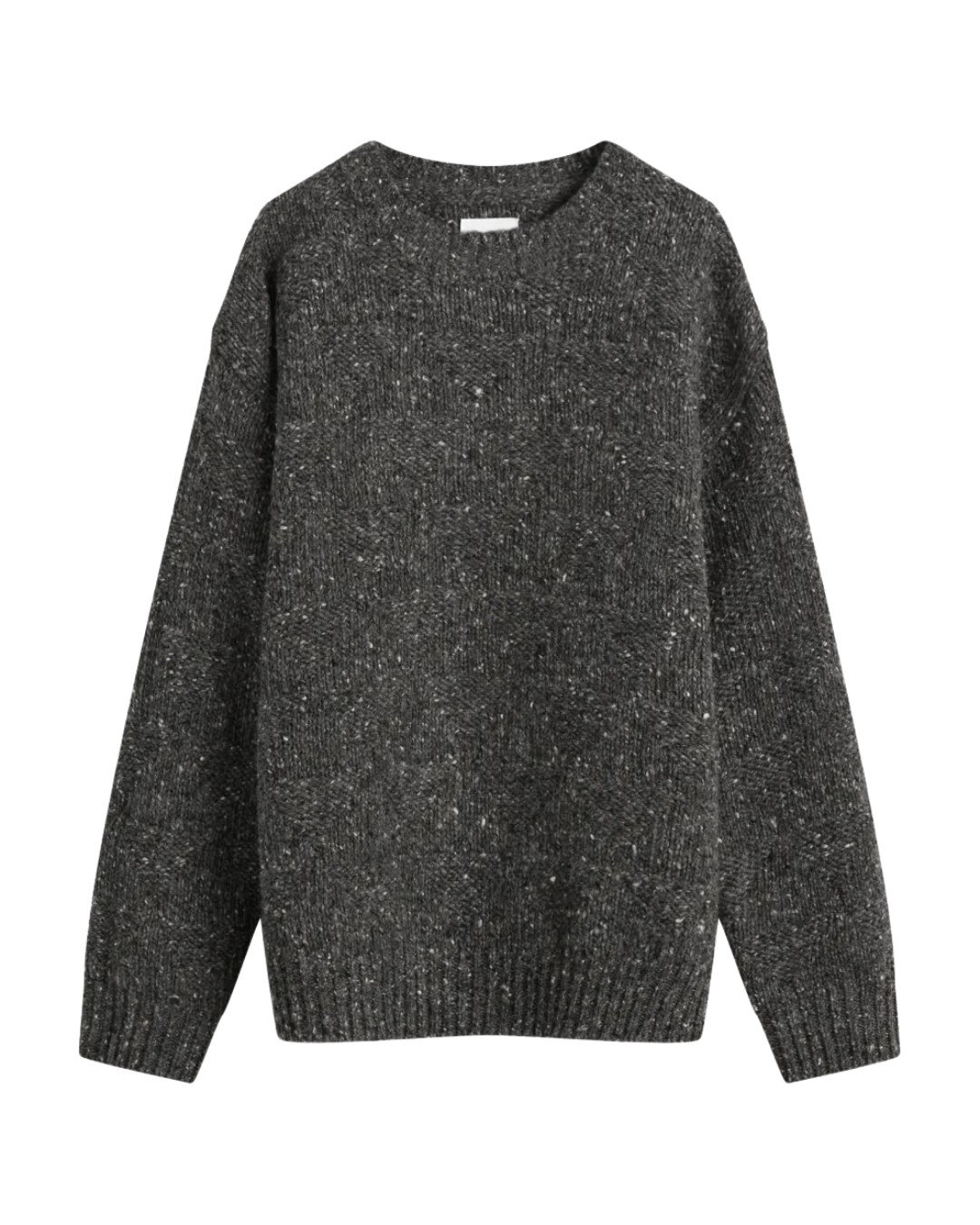
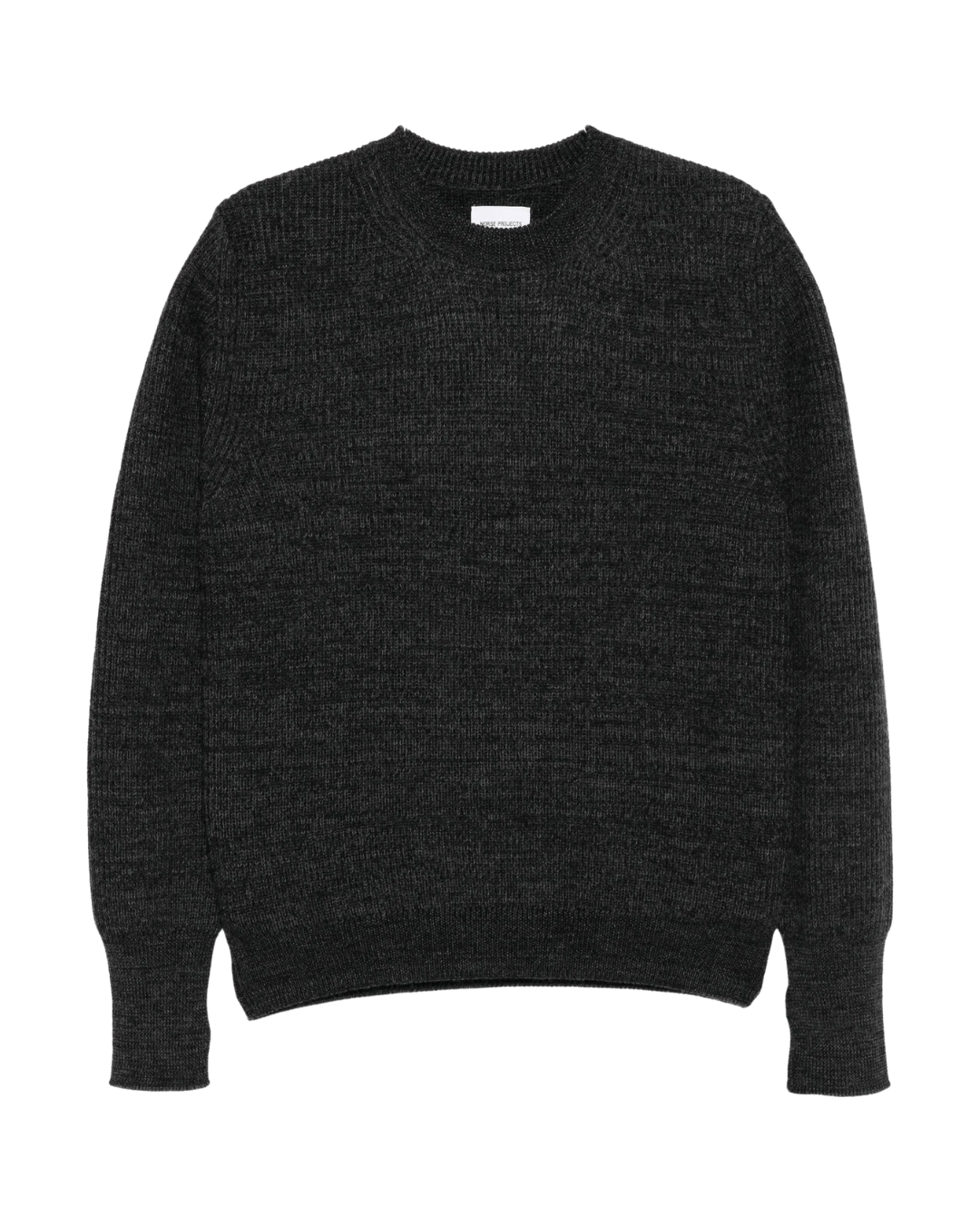
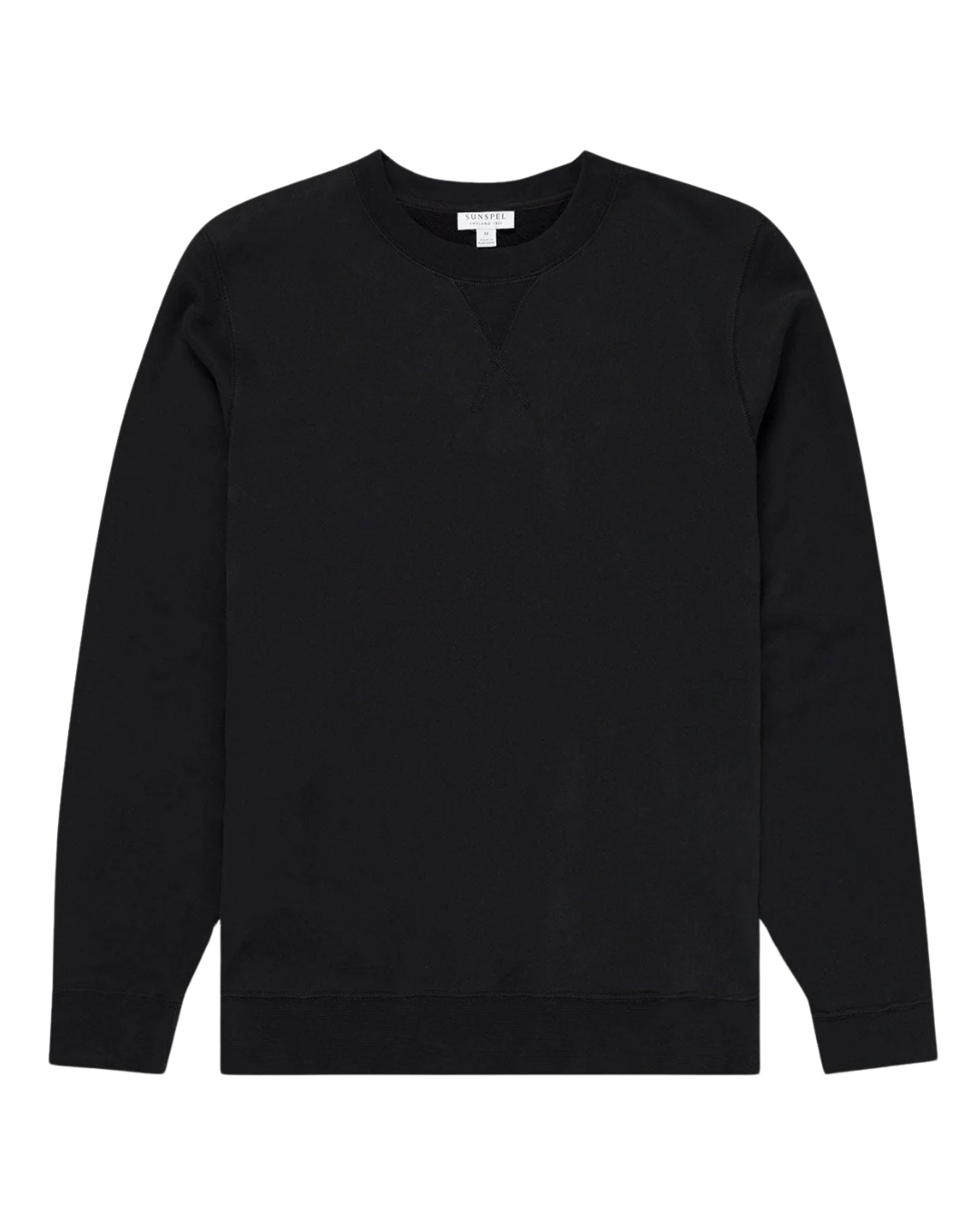
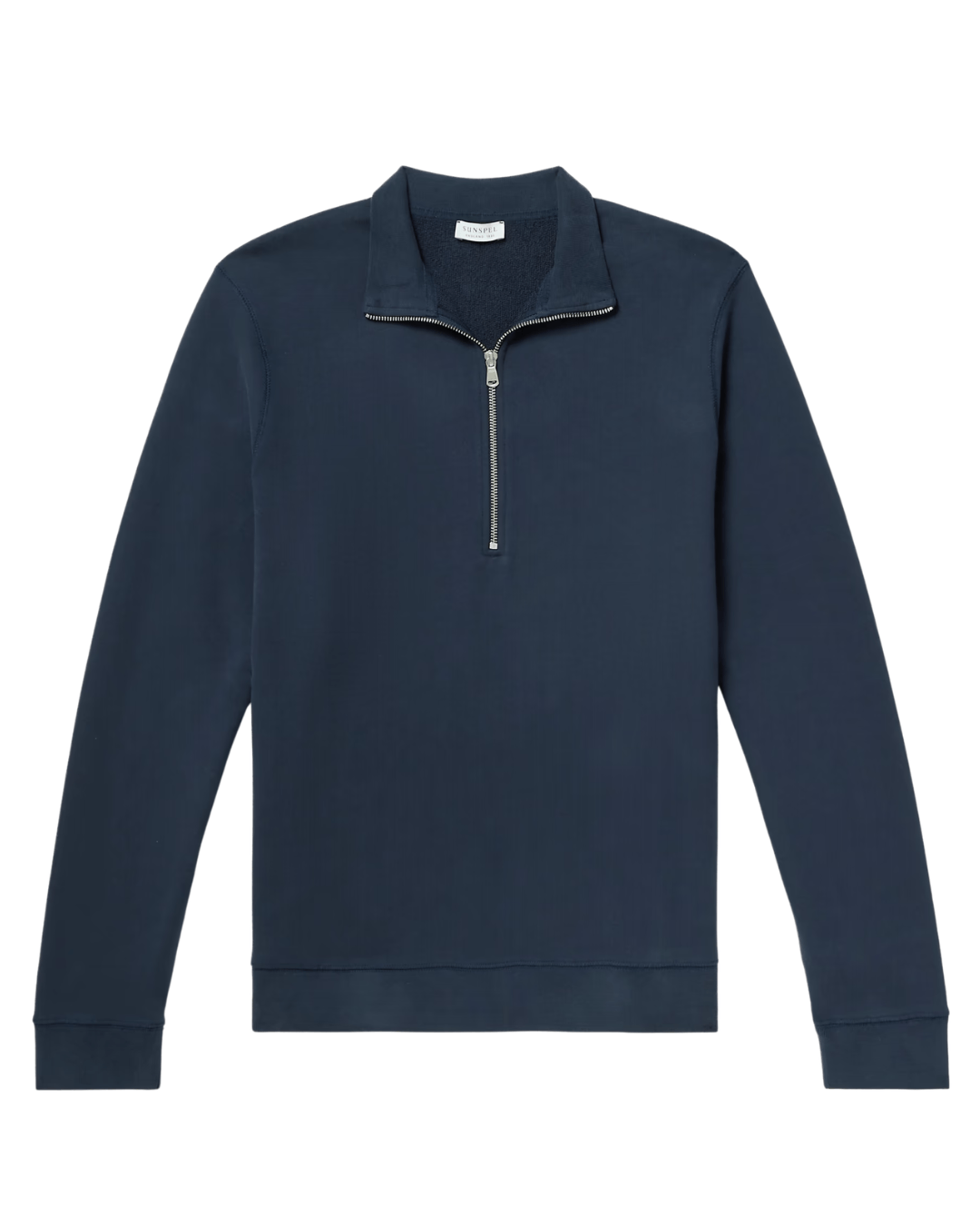
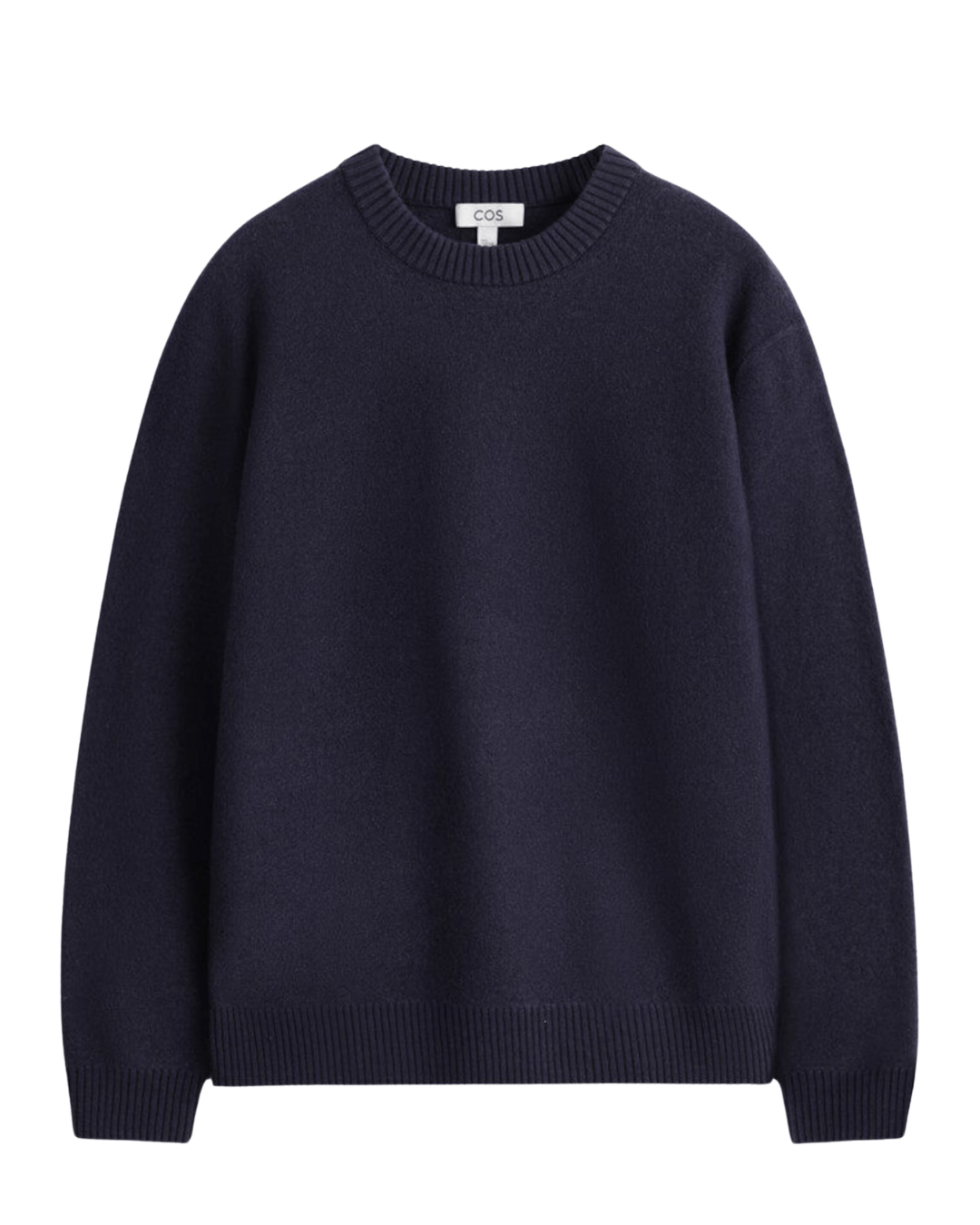
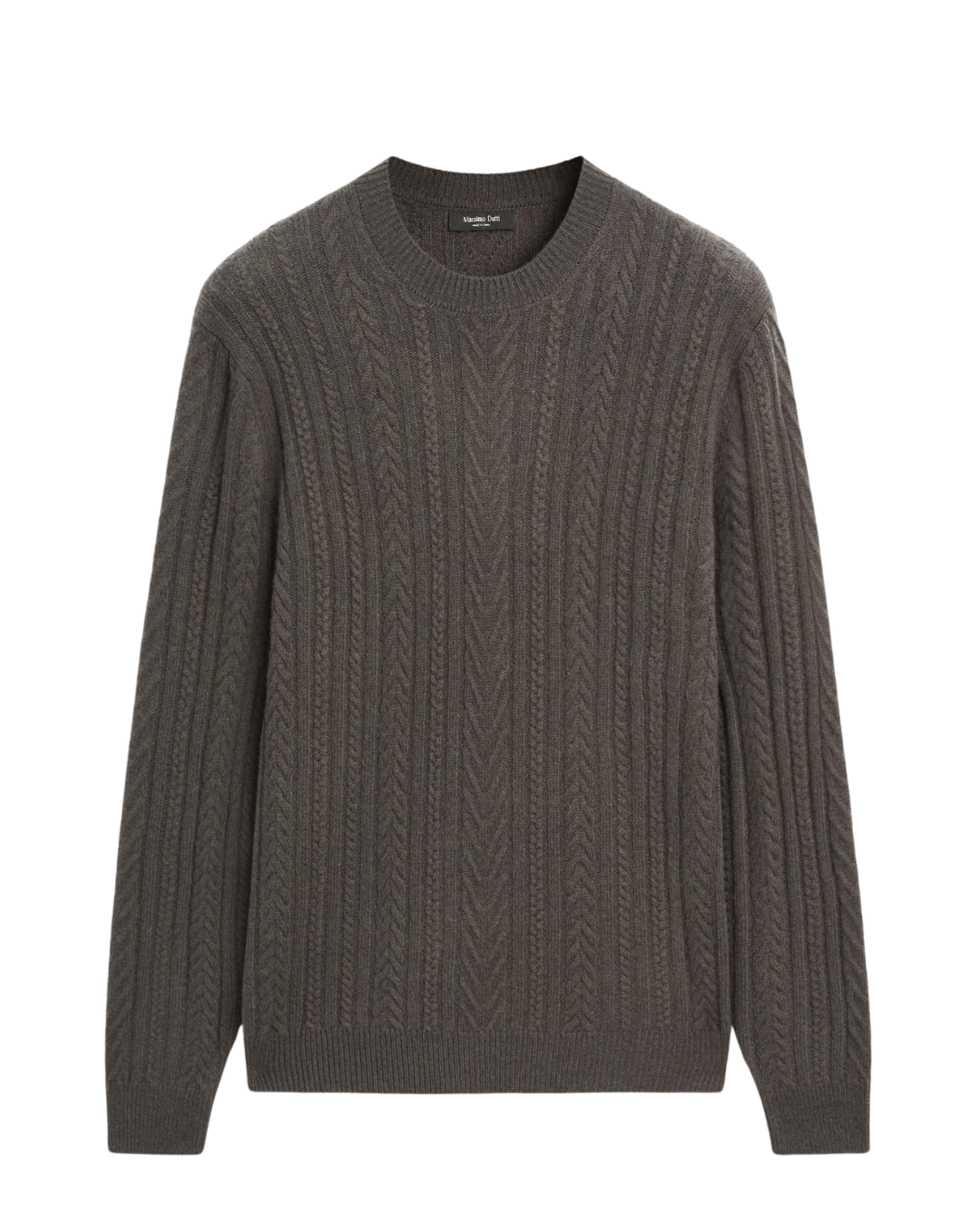
This shift is subtle, but once you see it, you can’t unsee it. Ribbed knits, brushed cotton, washed twills, and dry, slightly textured linens are everywhere.
Margaret Howell has always been about material, but their recent menswear collections really double down on it. Dry cottons. Brushed twills. Softly structured wool blends. The shapes stay the same. The difference is in the fabric.
Norse Projects does something similar. They change the fabric on the same silhouettes again and again. Ribbed knits. Heavy jerseys. Washed surfaces.
Even COS, a brand with a much more commercial scale, has leaned heavily into tactile fabrics. Felted wool. Textured knits. Substantial cotton blends. The designs are minimal, almost stubbornly so. Texture is what makes them feel intentional.
And honestly, this makes sense. Texture ages better than graphics. It photographs well. Also, when silhouettes and colors are simple, texture keeps outfits from feeling flat.
Pants Continue to Lead Men's Fashion
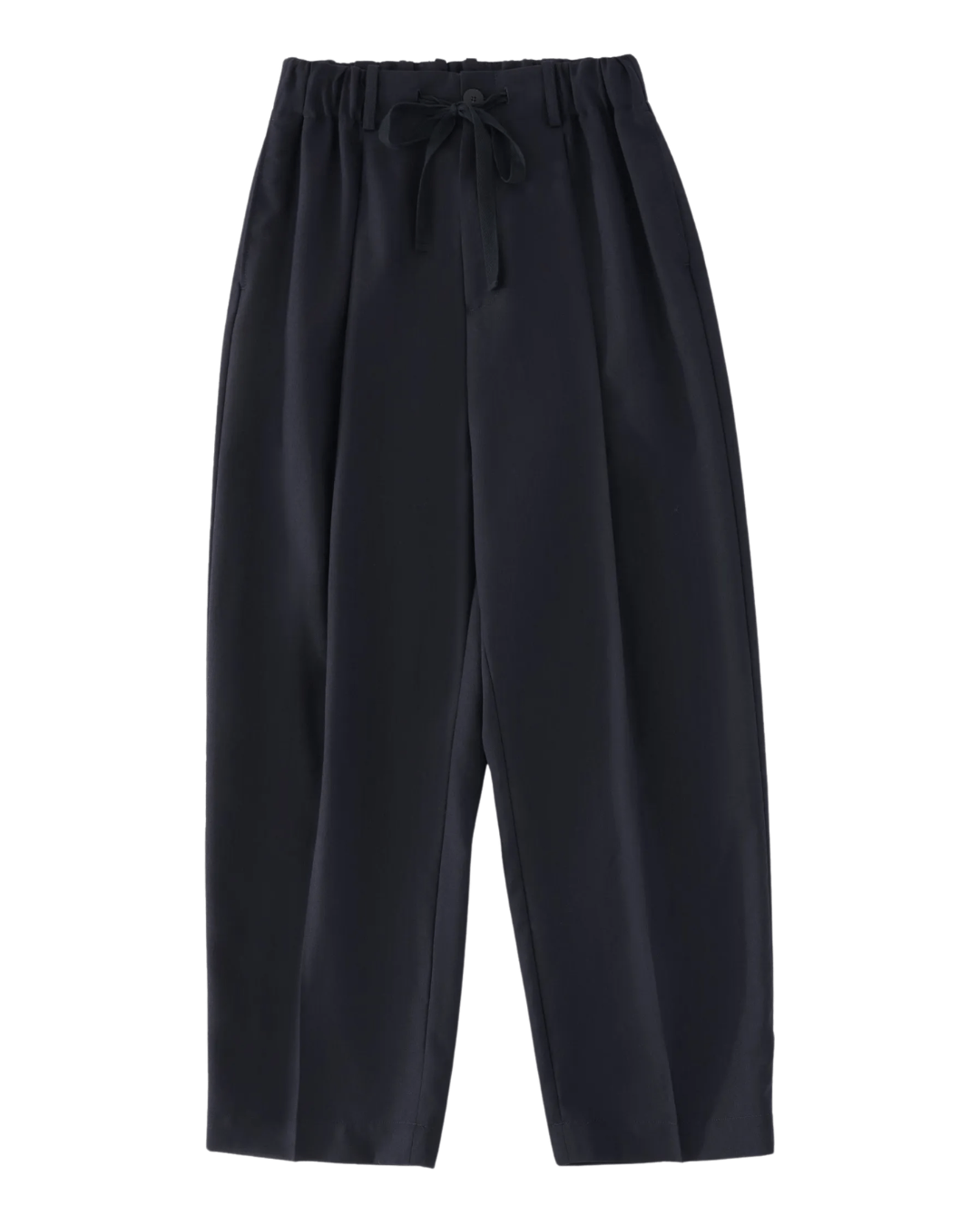
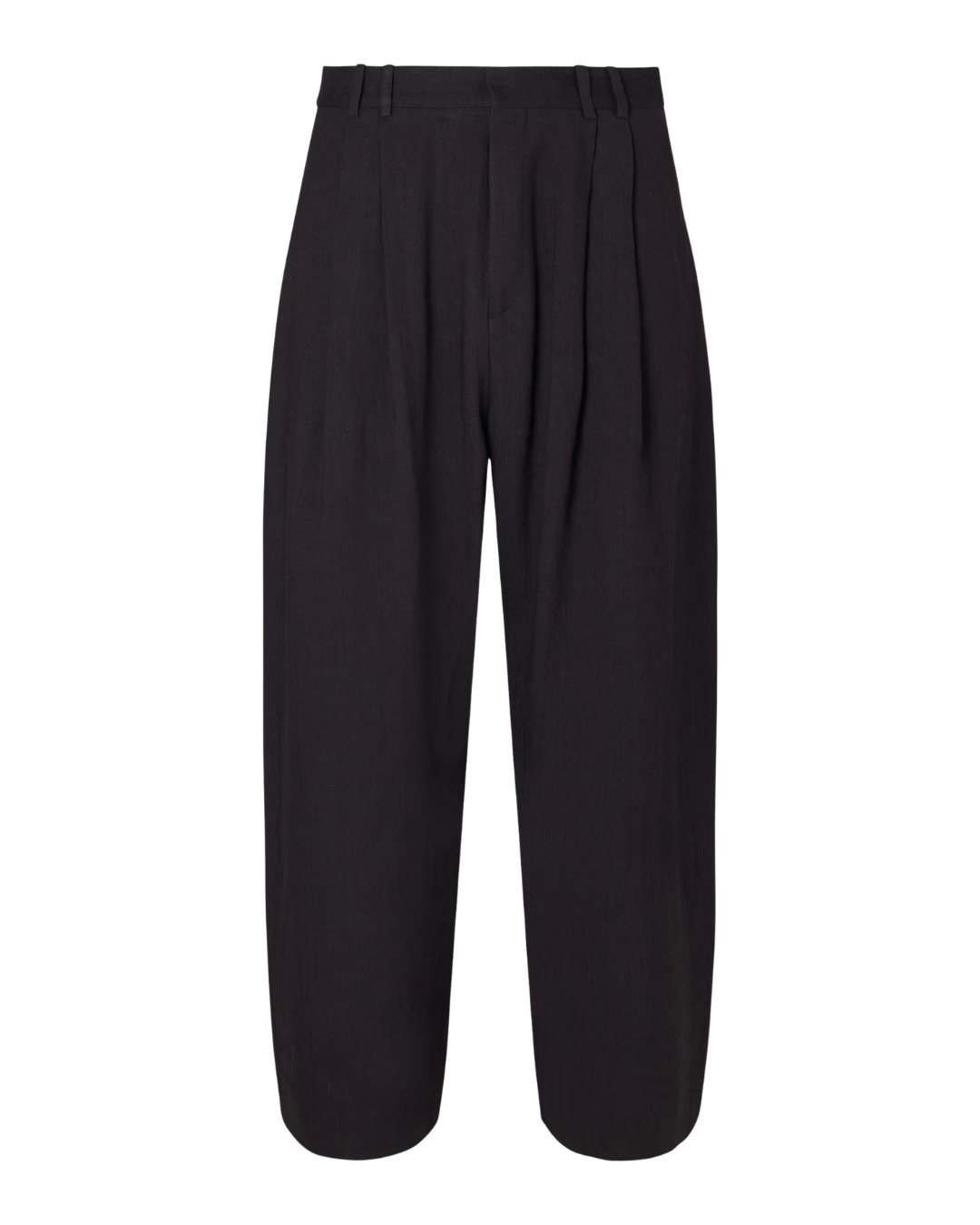
If there’s one category that tells you where men’s fashion is headed, it’s pants.
Tops change more slowly, but pants reflect lifestyle shifts almost immediately. And right now, trousers are carrying more weight than denim.
J.Crew is a good example. They expanded their casual trouser offerings in recent years. They’ve shifted away from exclusively slim-fit styles to looser, more comfortable, and wider-leg silhouettes. For both men and women.
Studio Nicholson is an extreme example, but a useful one. Their entire identity revolves around trousers. Fit, drape, fabric. And the fact that this resonates with so many men says a lot about where attention is going.
Good pants make outfits easier. You can wear a simple tee or a knit and still feel finished. That’s what’s happening in 2026.
Outerwear Gets Lighter and More Functional
Jackets used to be the biggest statement pieces. Big coats. Heavy structure. Lots of visual weight.
That’s fading.
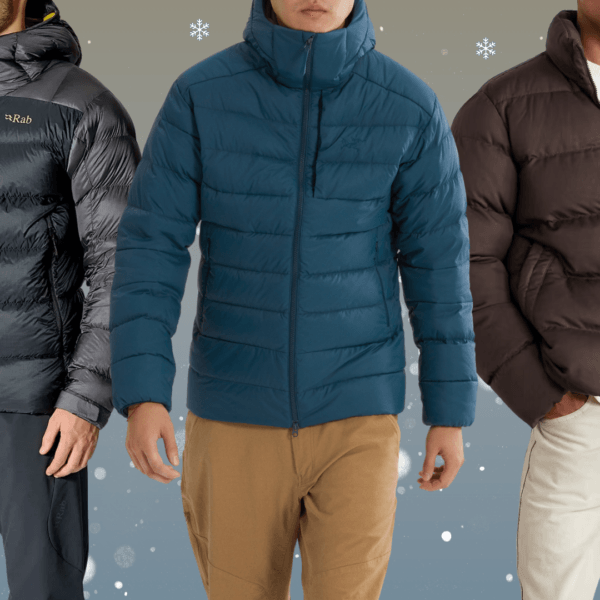
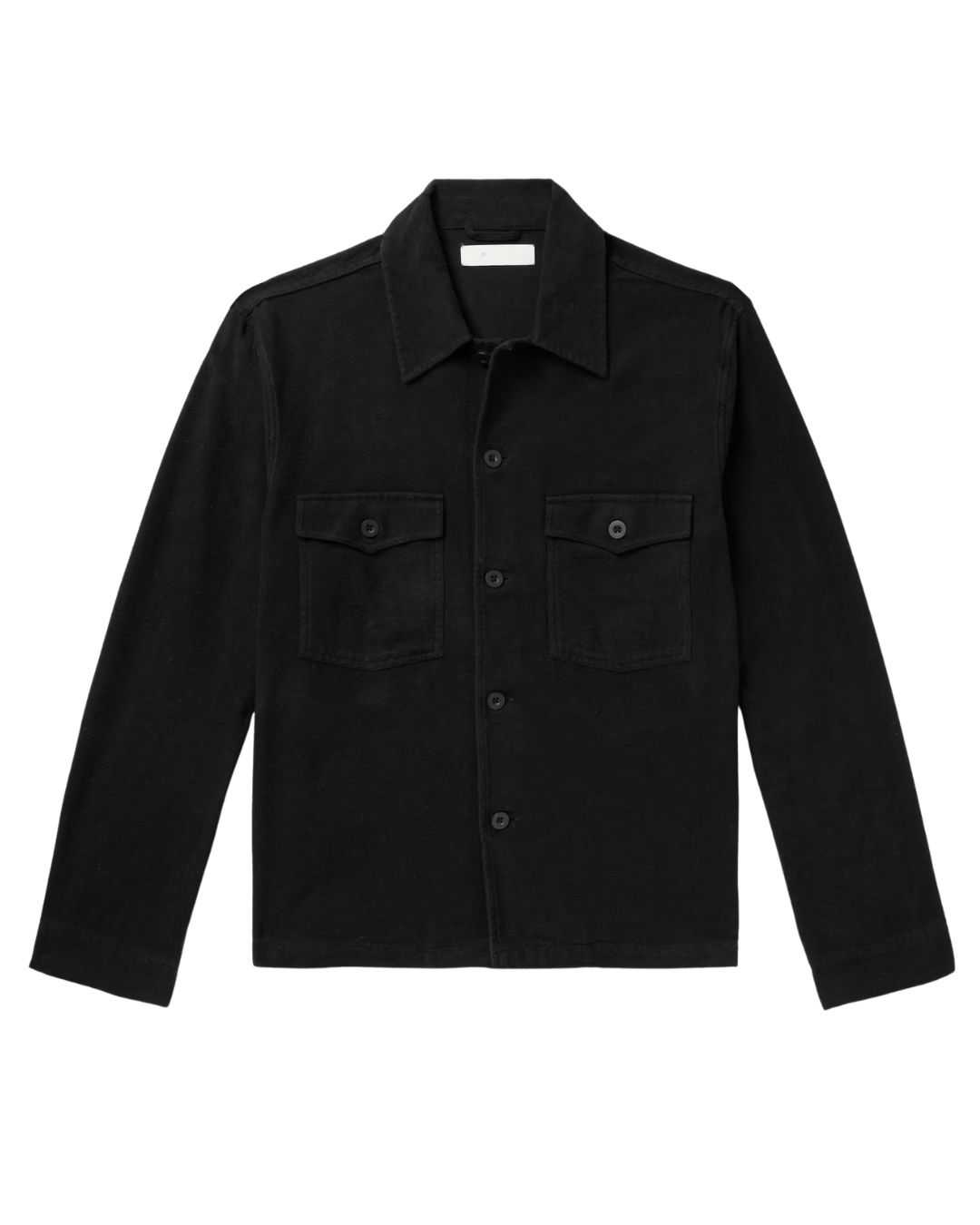
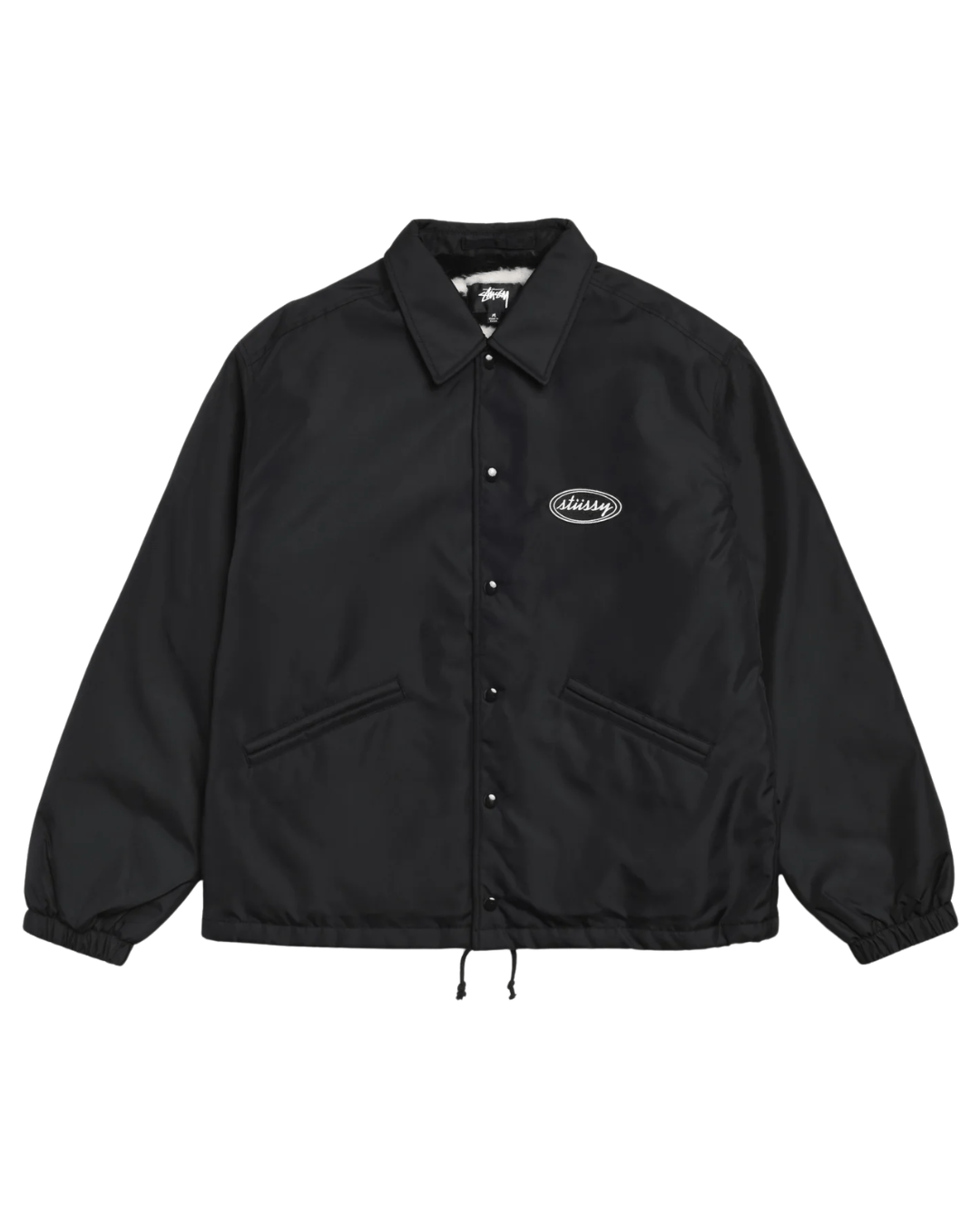
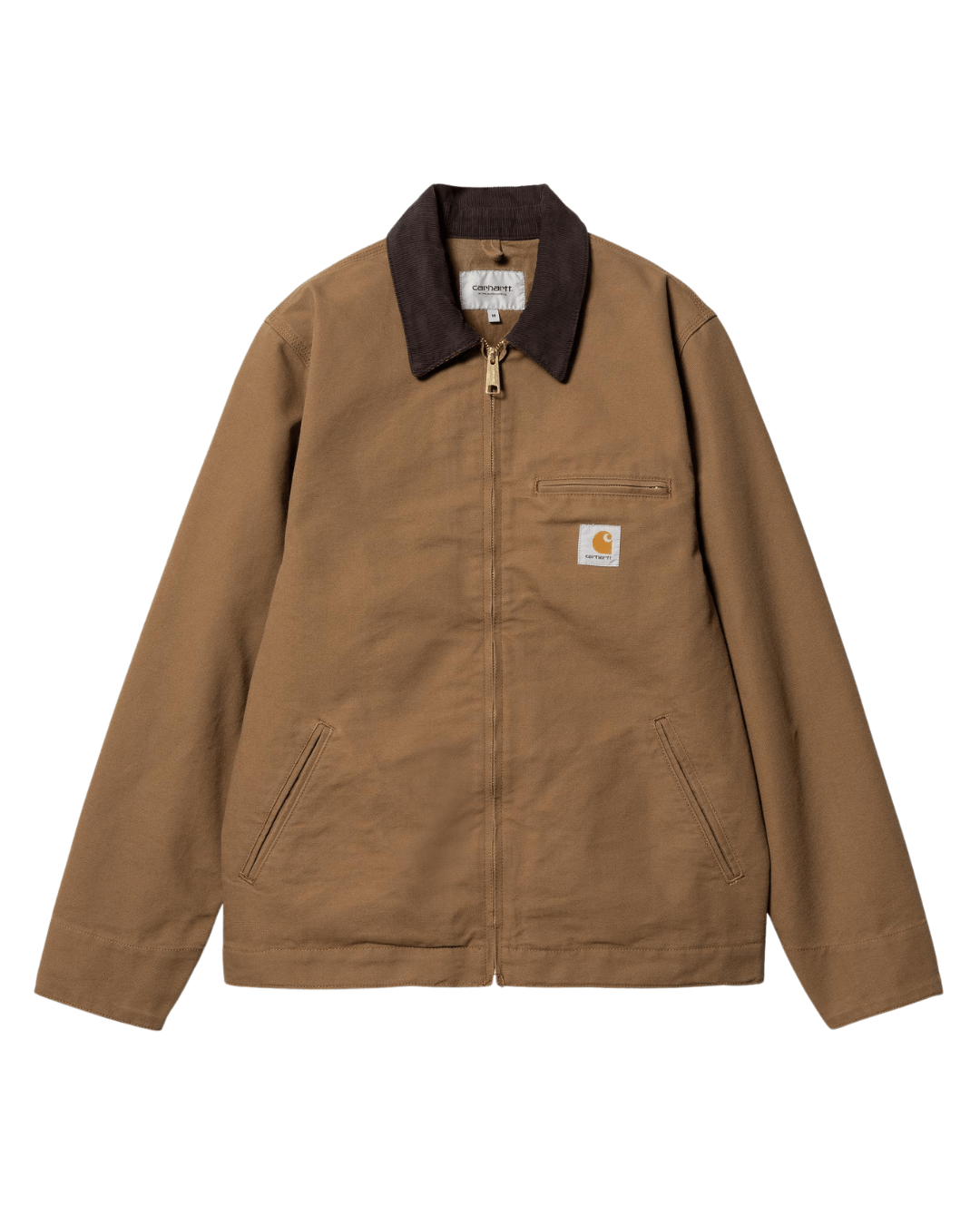
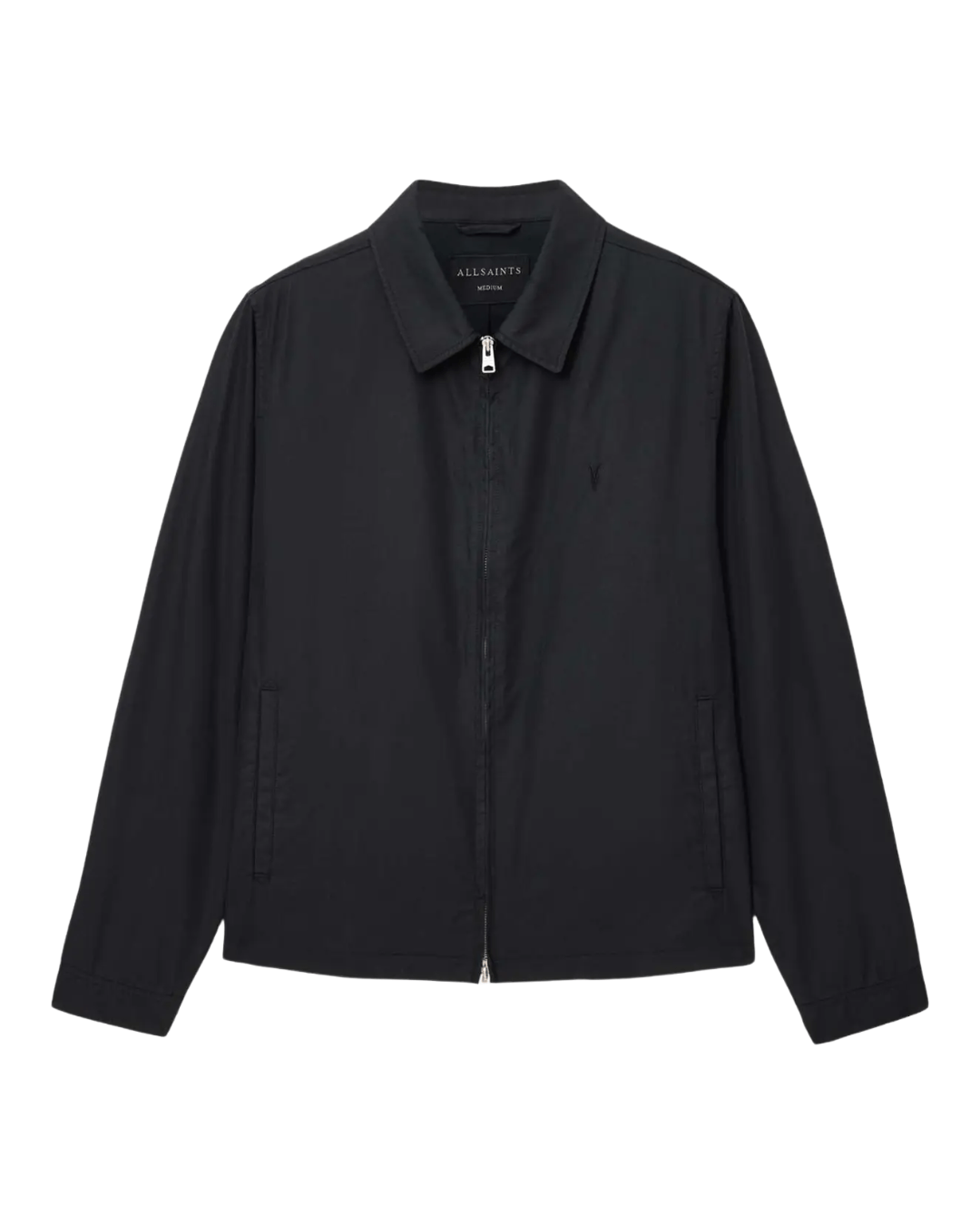
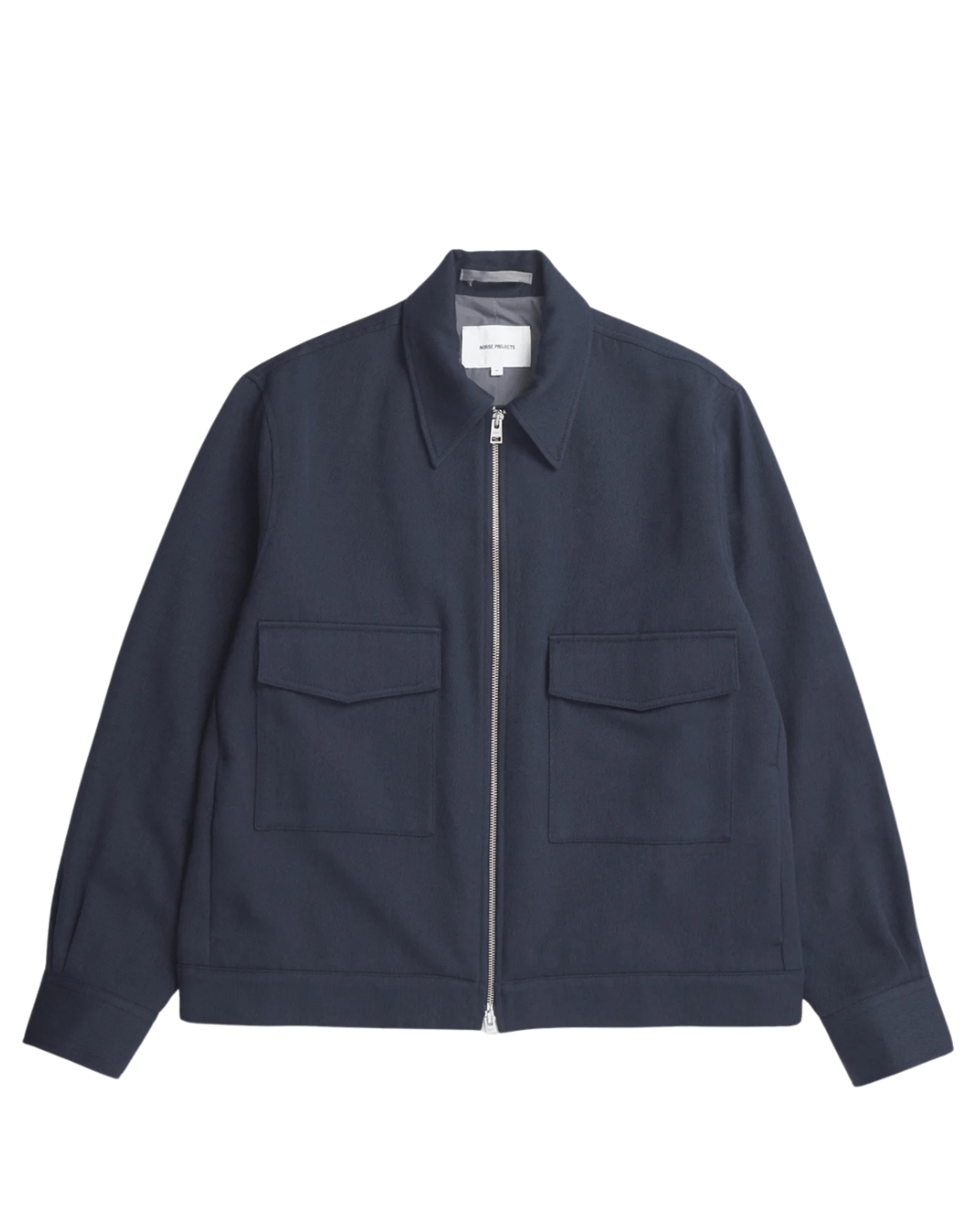
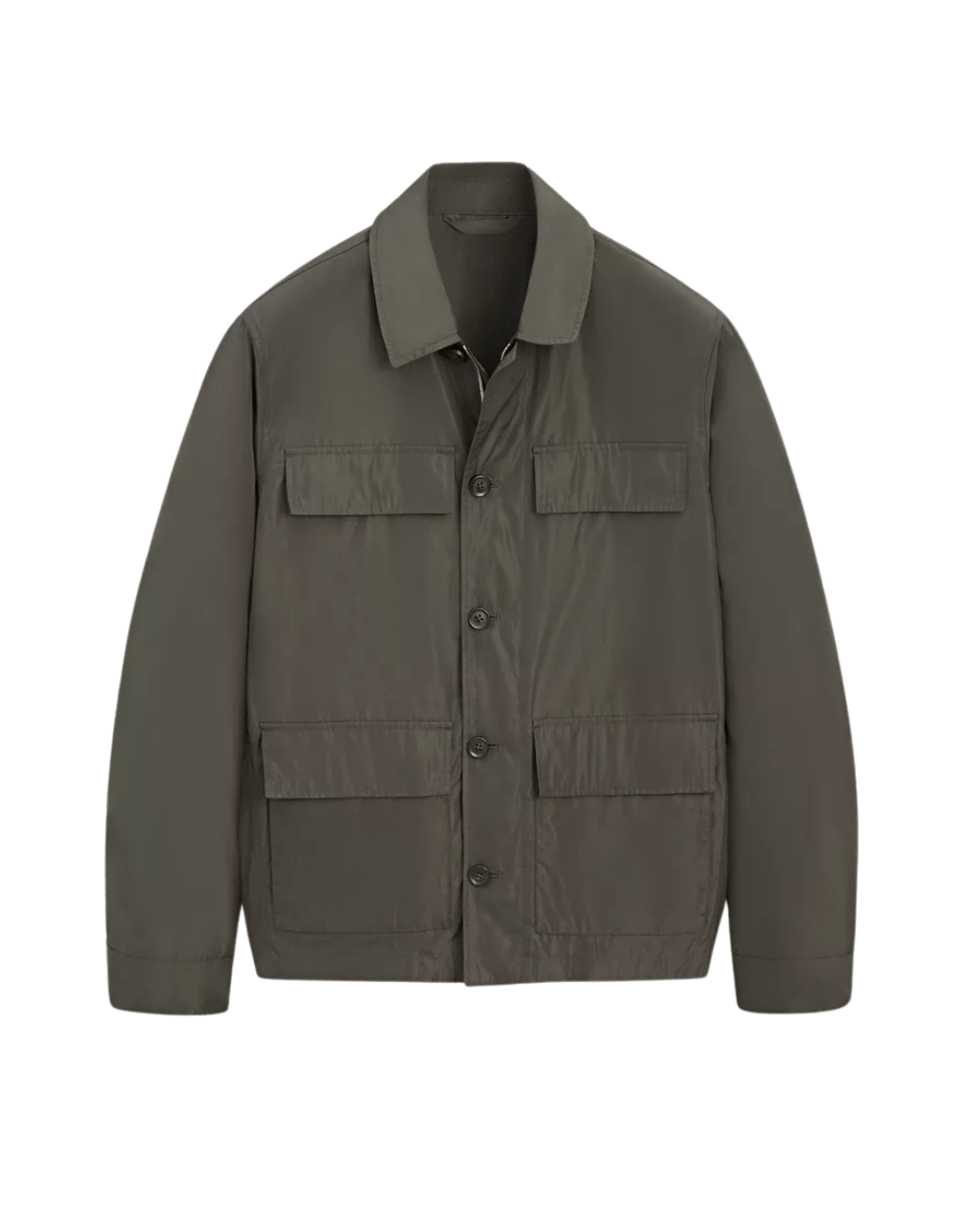
Jacket lengths are getting shorter. Cropped coaches jackets, chore coats that hit at the hip, and safari-style jackets with minimal lining are replacing the long, oversized topcoats.
Our Legacy is a good example. Their boxy, hip-length zippered jackets have become one of their core products.
And at Carhartt WIP, their Detroit jacket continues to be a top-selling, iconic piece for the brand.
This isn’t about design restraint for the sake of it. It’s about how men actually live now. More and more men are focusing on functionality and versatility rather than making a statement. In menswear, that’s often the first sign a trend is maturing.
Knitwear Moves From Seasonal to Essential
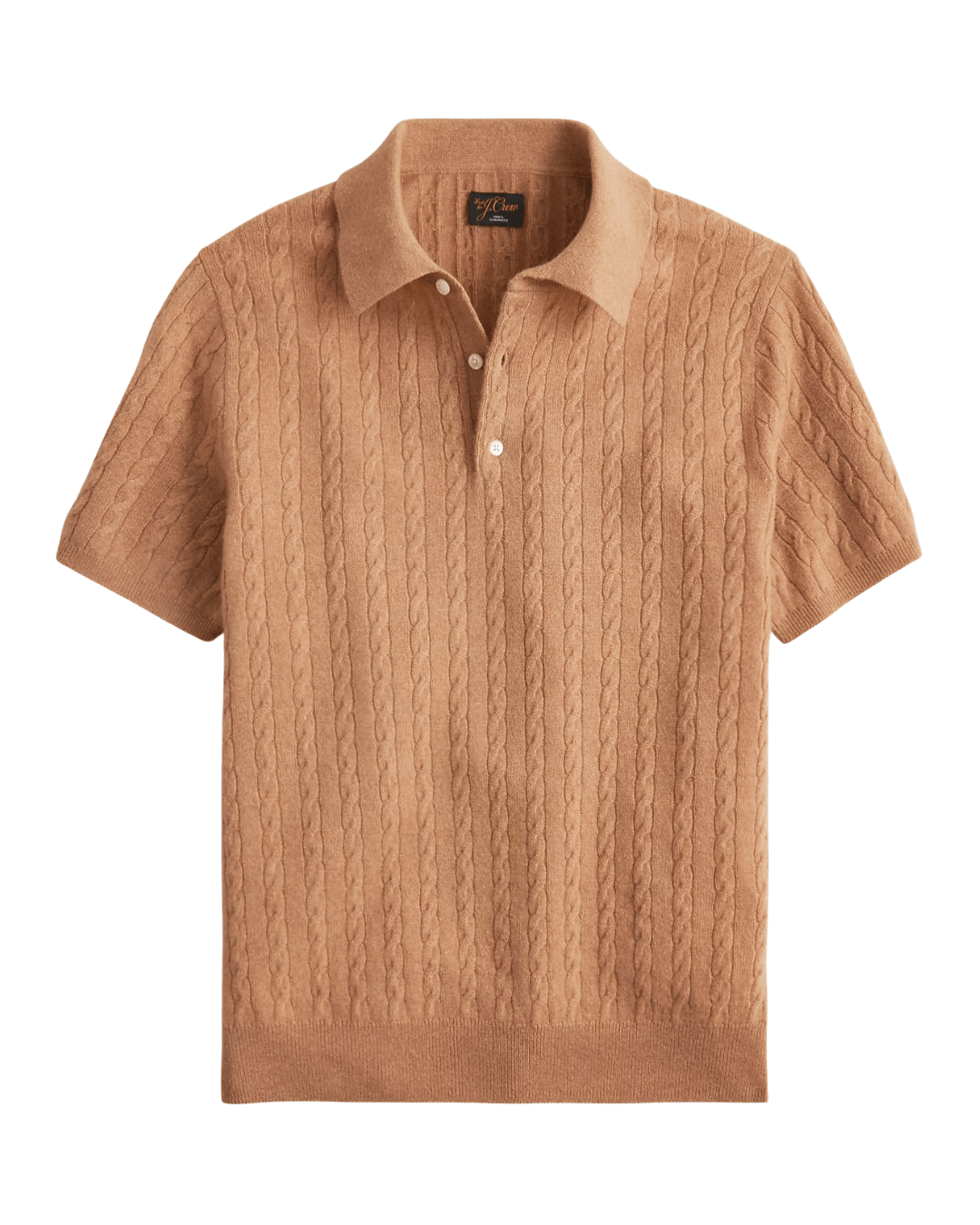
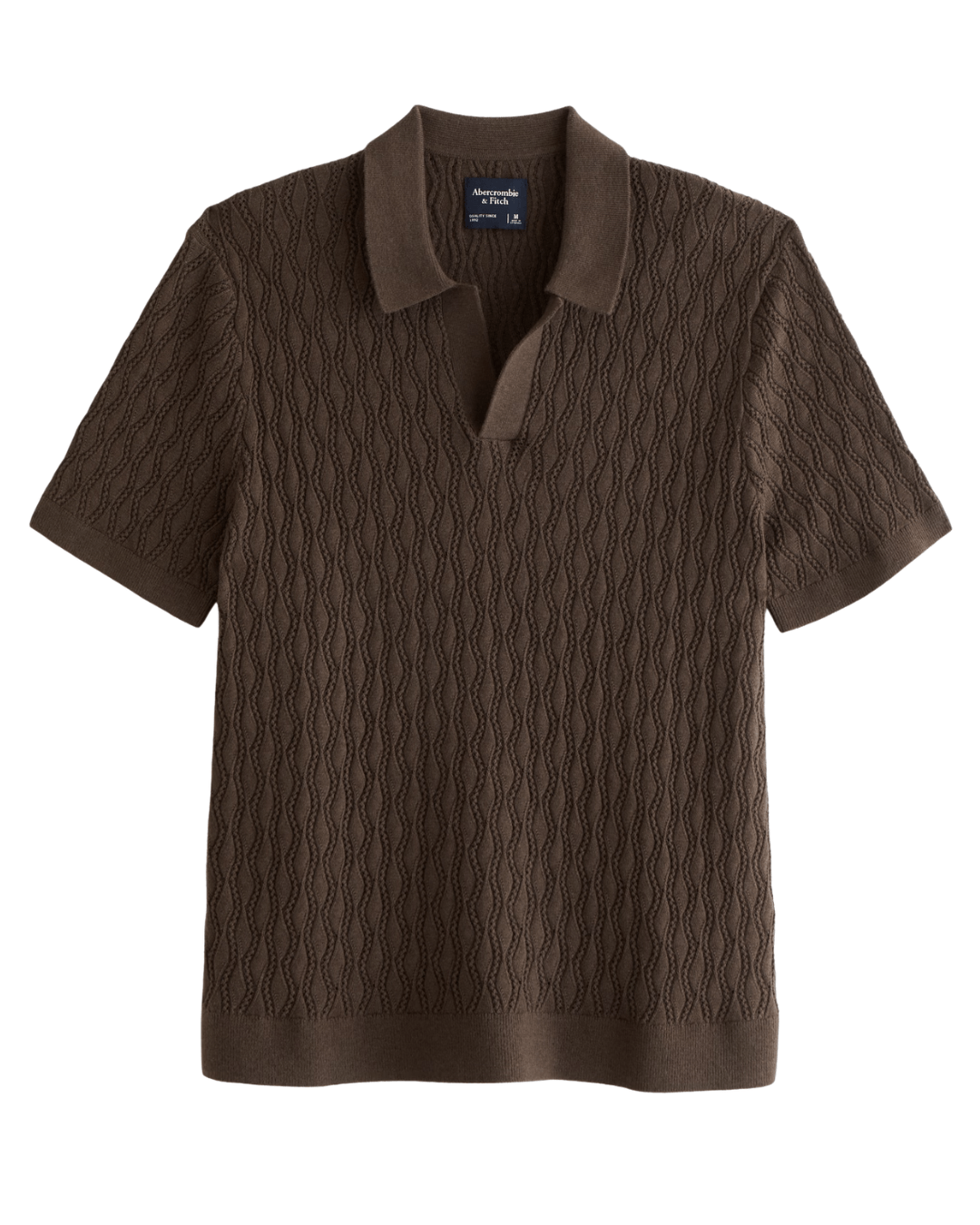
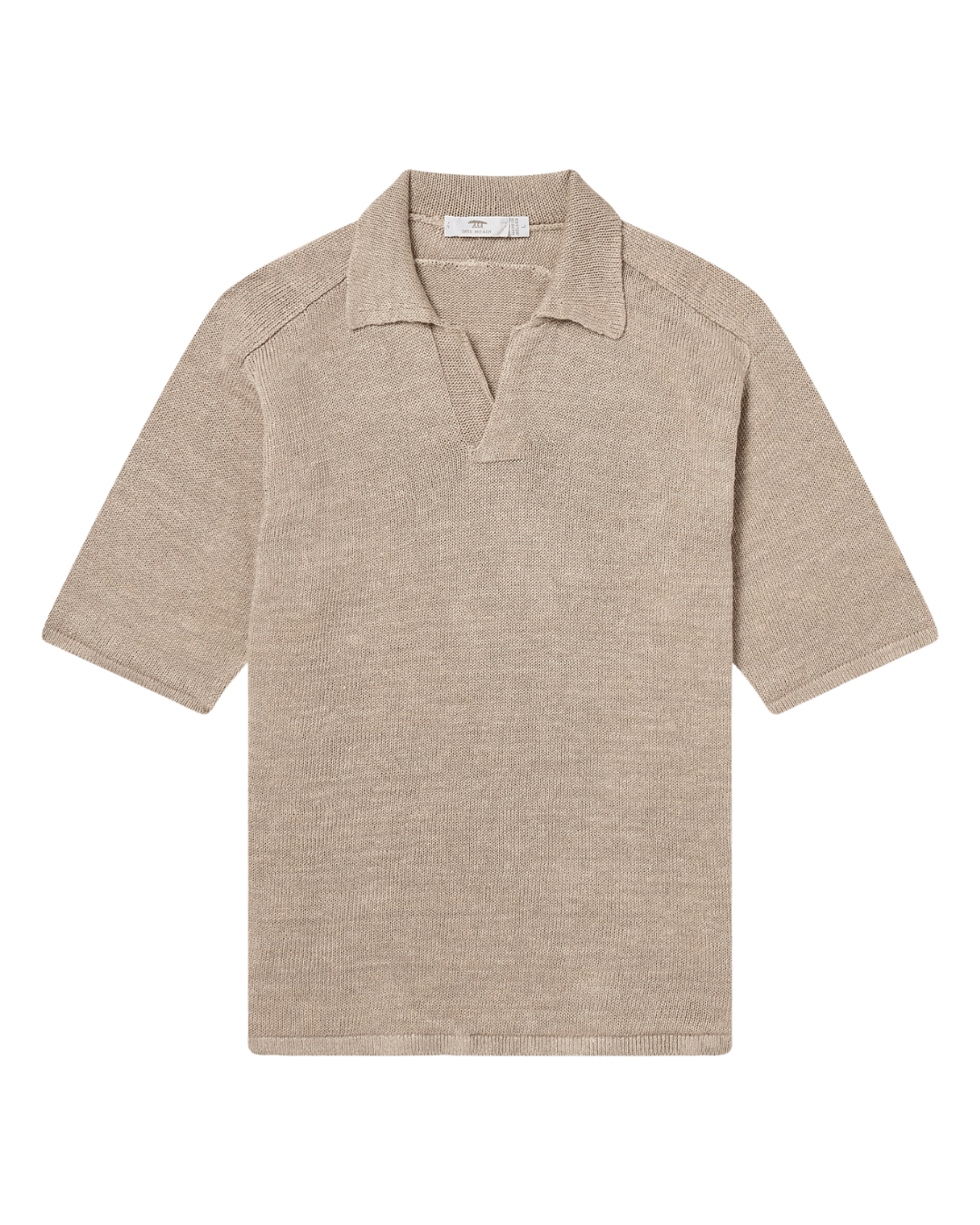
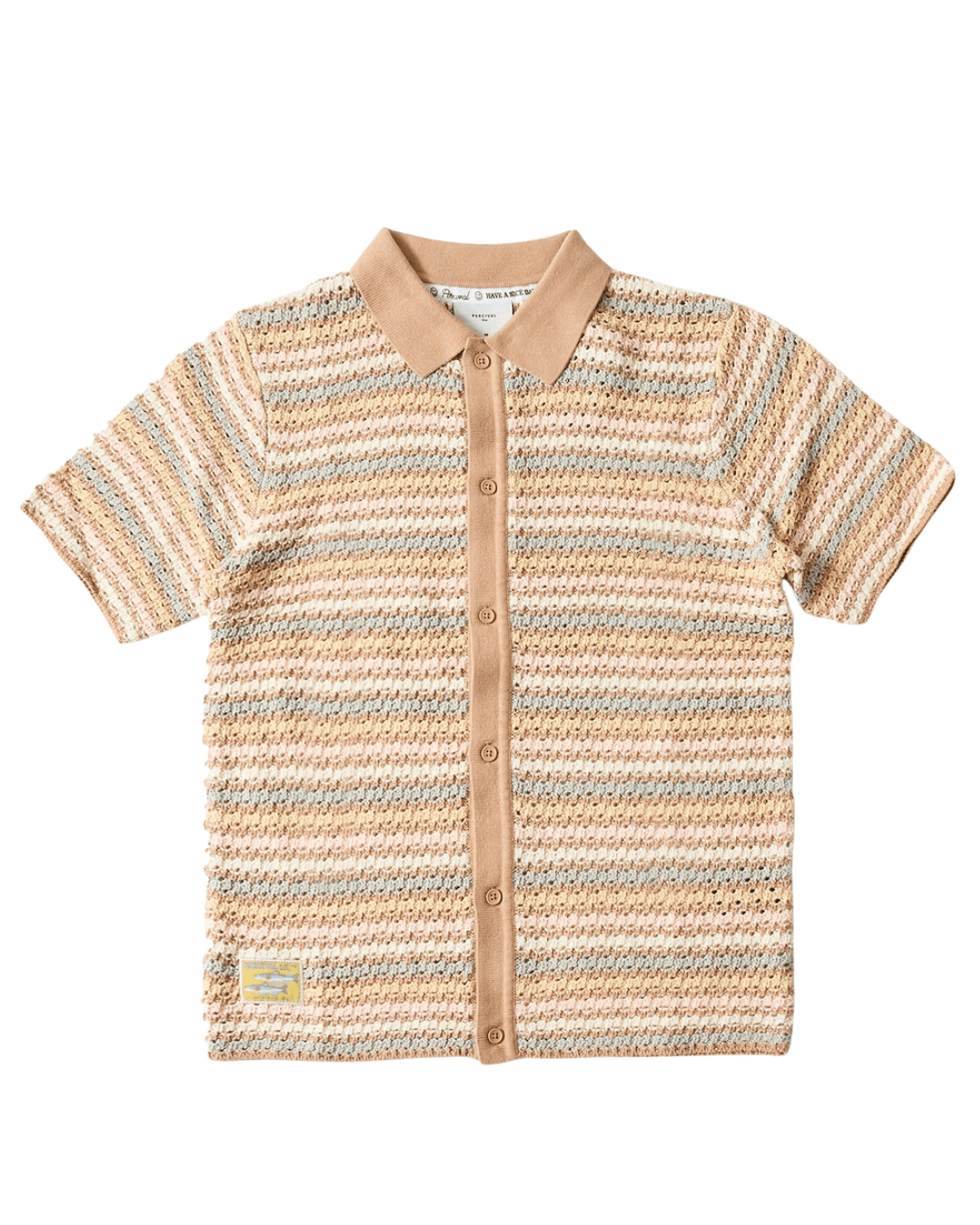
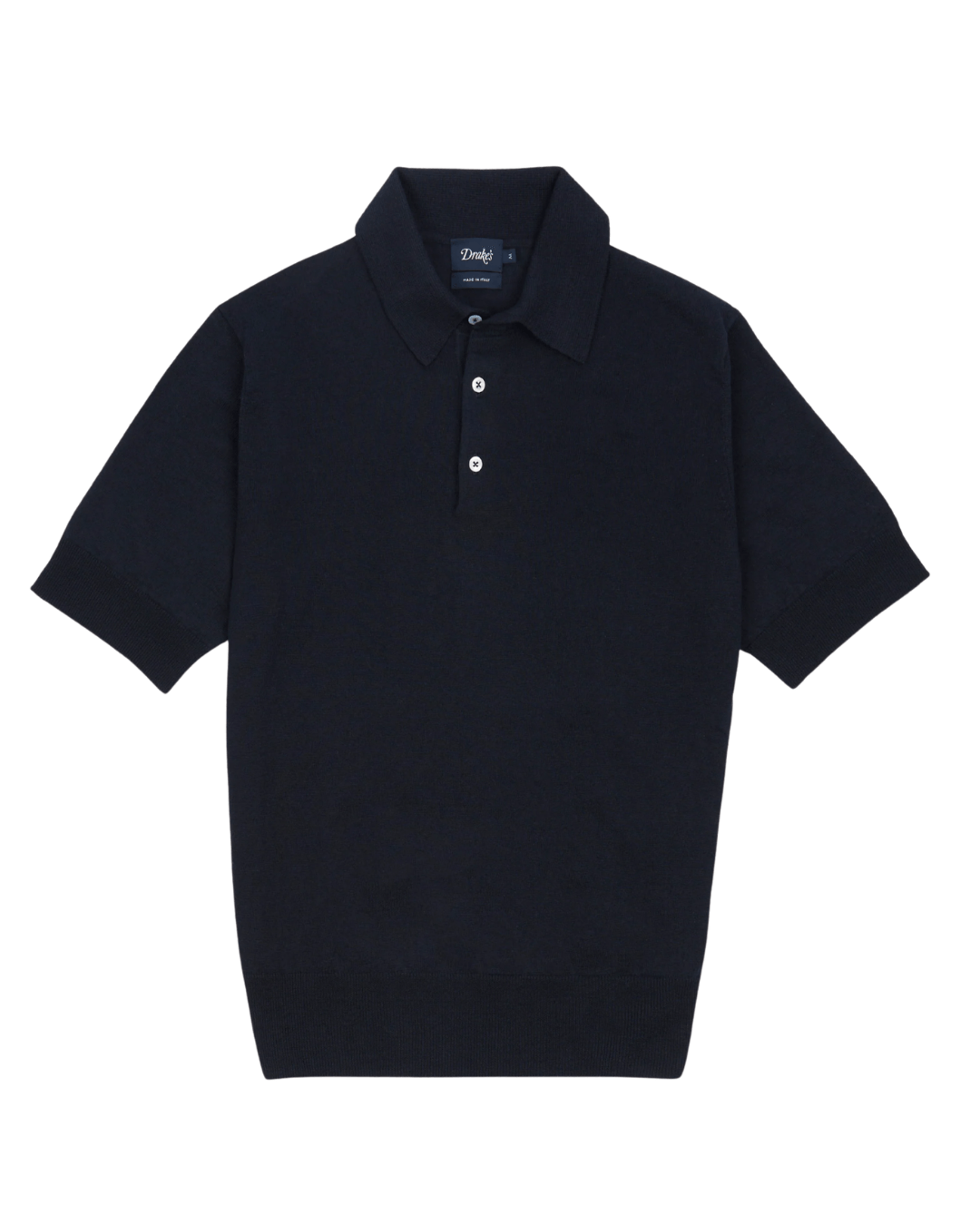
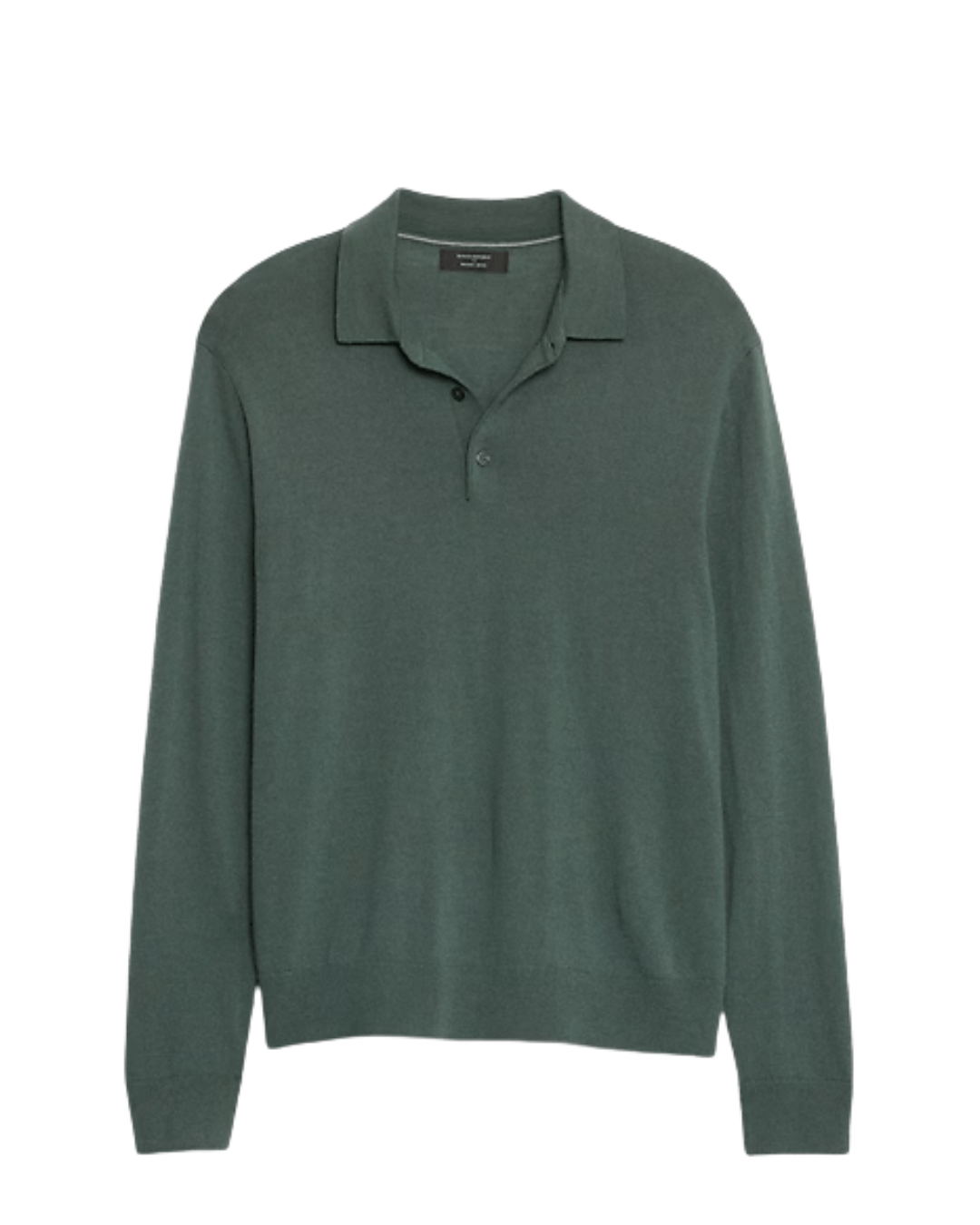
Knitwear is no longer just for fall and winter. Lightweight knits like cotton polos, linen-blend crews, and short-sleeve zip knits are replacing hoodies and sweatshirts. This makes sense, especially with texture gaining popularity.
Also, it’s a good move because knitwear is more versatile than hoodies. You can wear them from home to the office to dinner, and it works.
You can see this at Drake’s. Their lightweight knit polo shirts are now a key item in their spring and summer releases. Even at Banana Republic, their “washable merino” line is no longer a winter exclusive. It’s now a four-season essential.
The category is maturing, and men are buying into it.
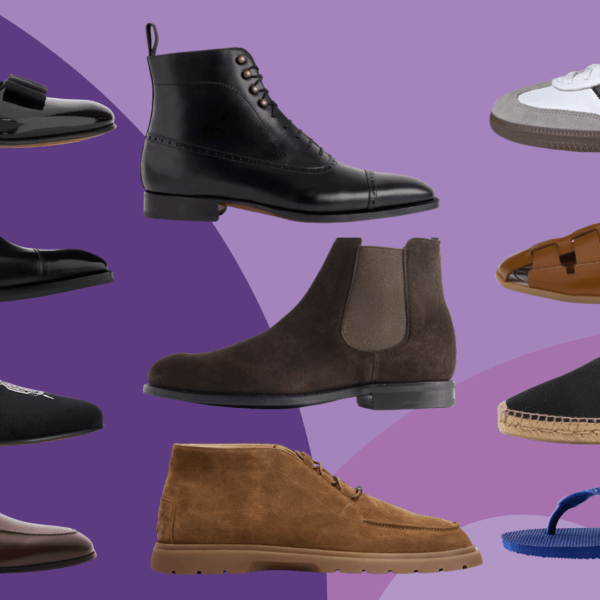
Footwear Stays Simple and Grounded
Footwear trends have cooled off dramatically.
One of the big reasons is that there isn’t a breakout shoe like Adidas Samba or Dries Van Noten Suede sneakers that’s leading the trend.
But it doesn’t mean the trend is collapsing, it’s consolidating. Men are buying fewer pairs, rotating through a tighter range of silhouettes.
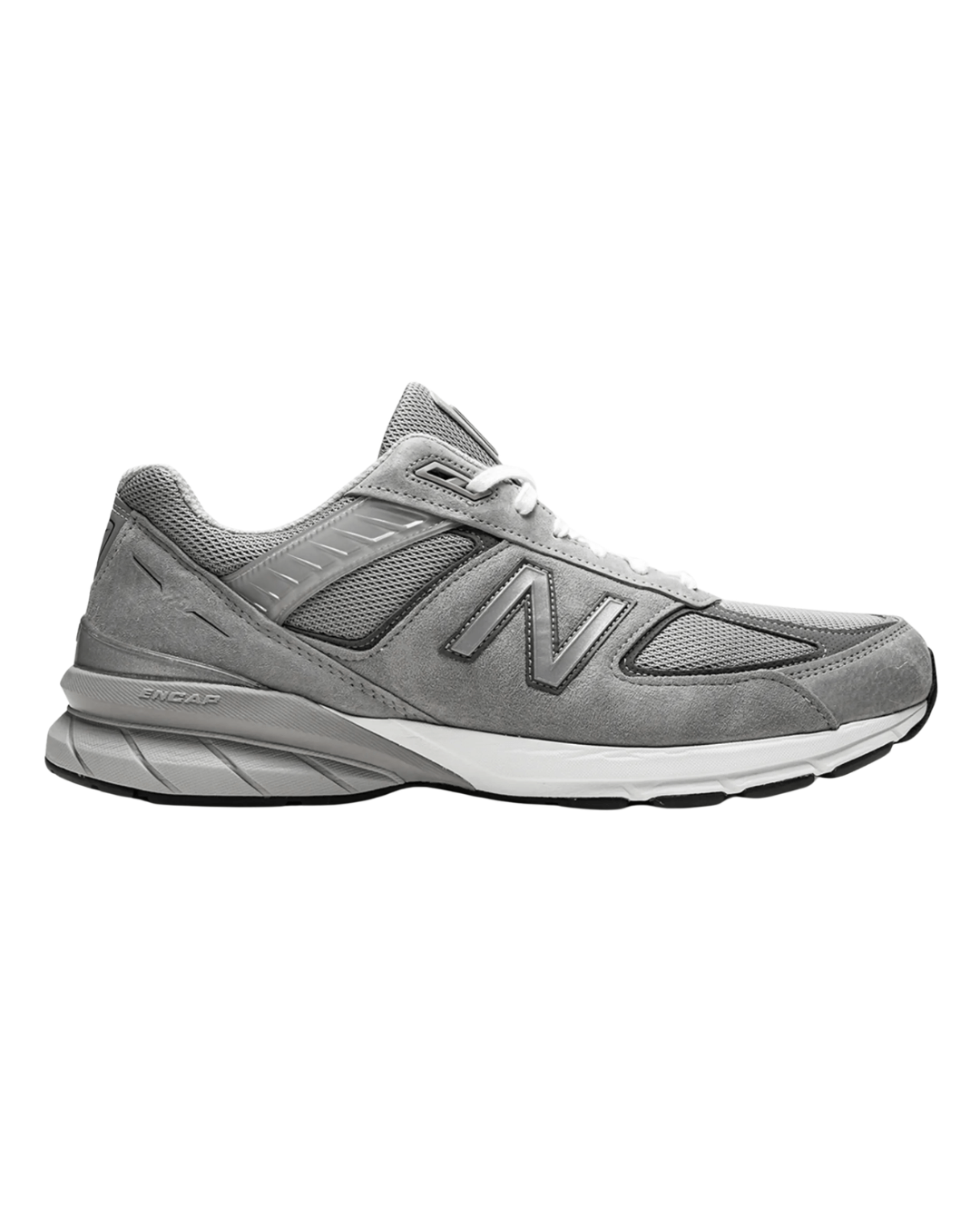
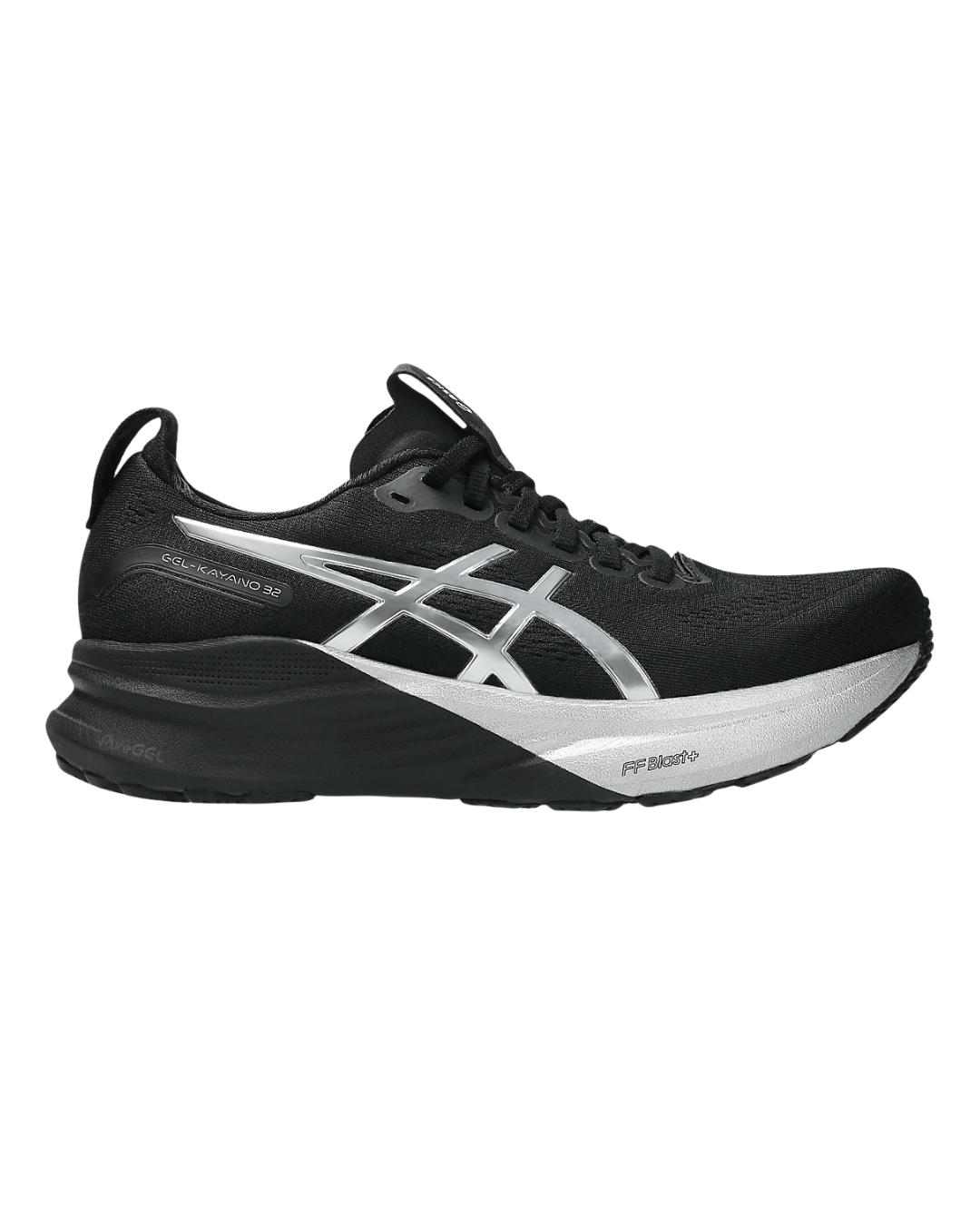
The shoes are sticking around, not much different than what you saw last year. Slim, minimal, well-made, versatile shoes will be there for at least another year or so.
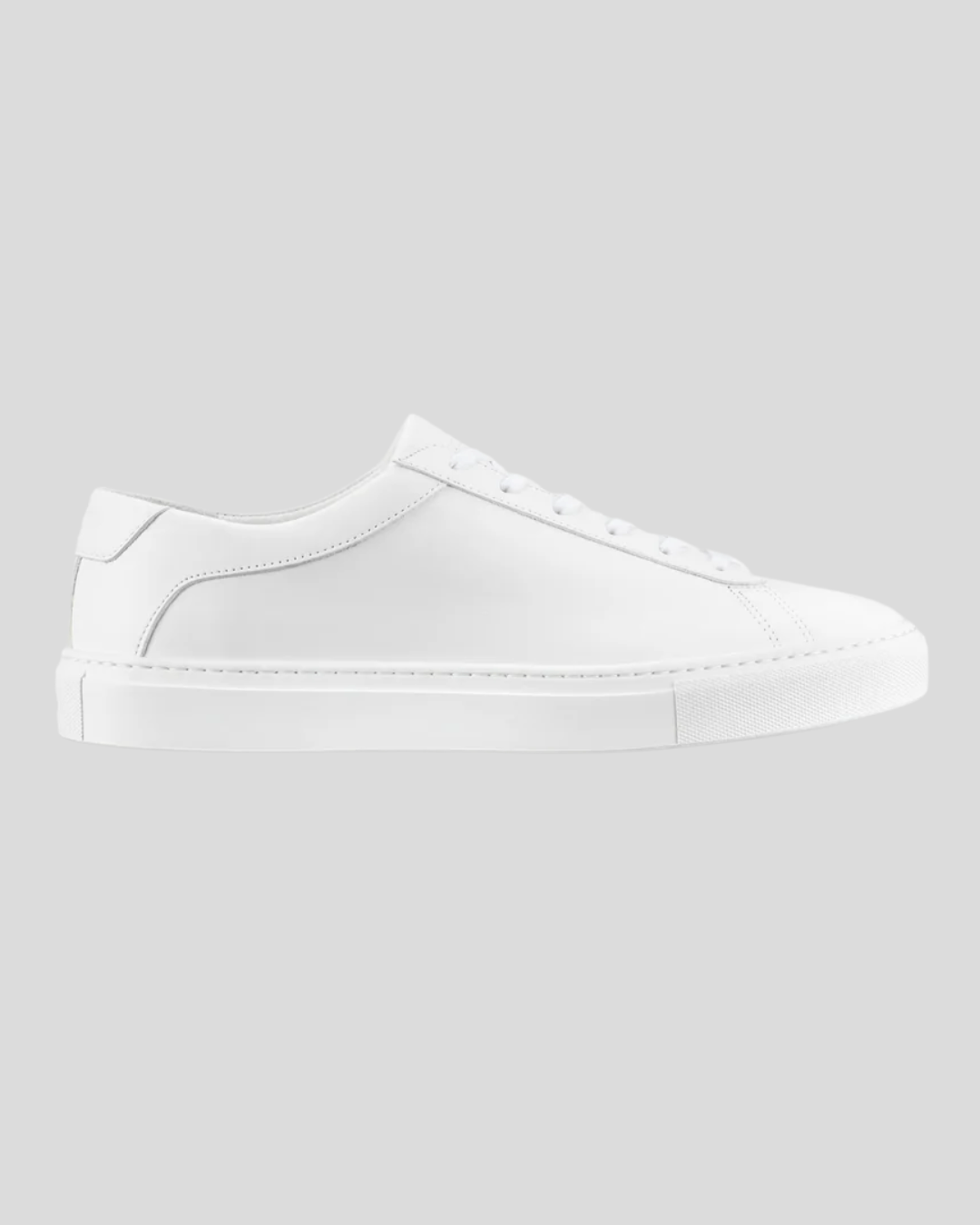
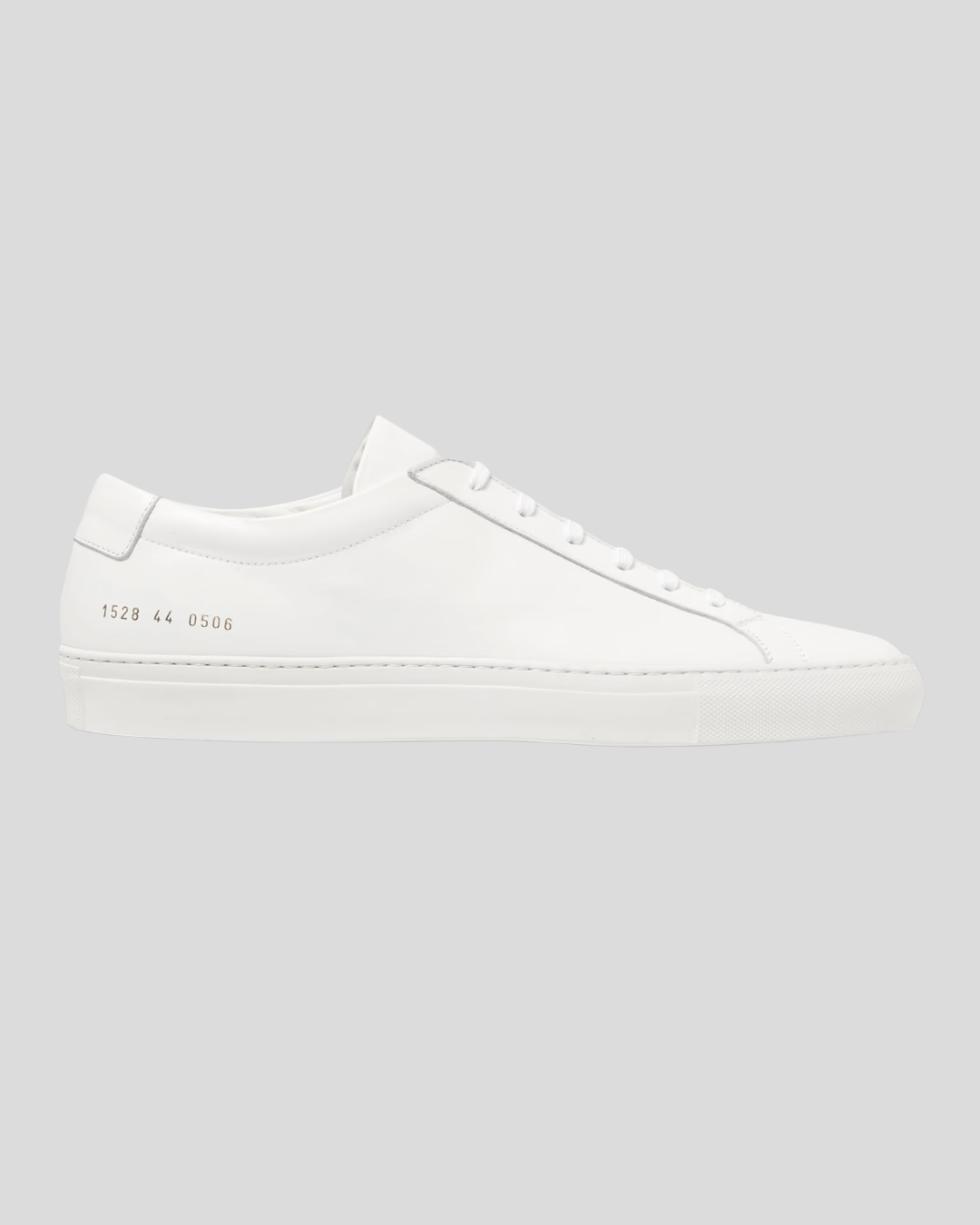
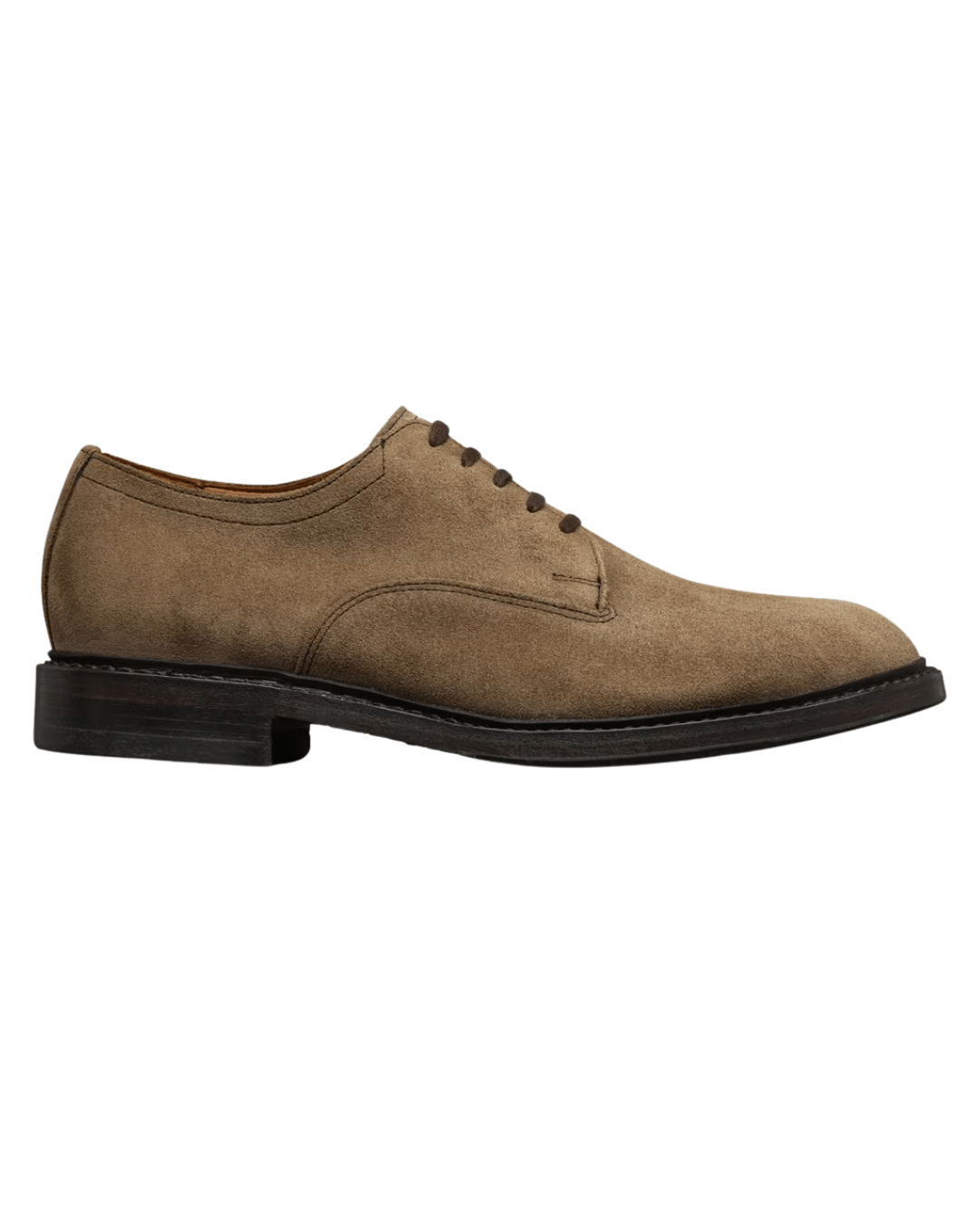
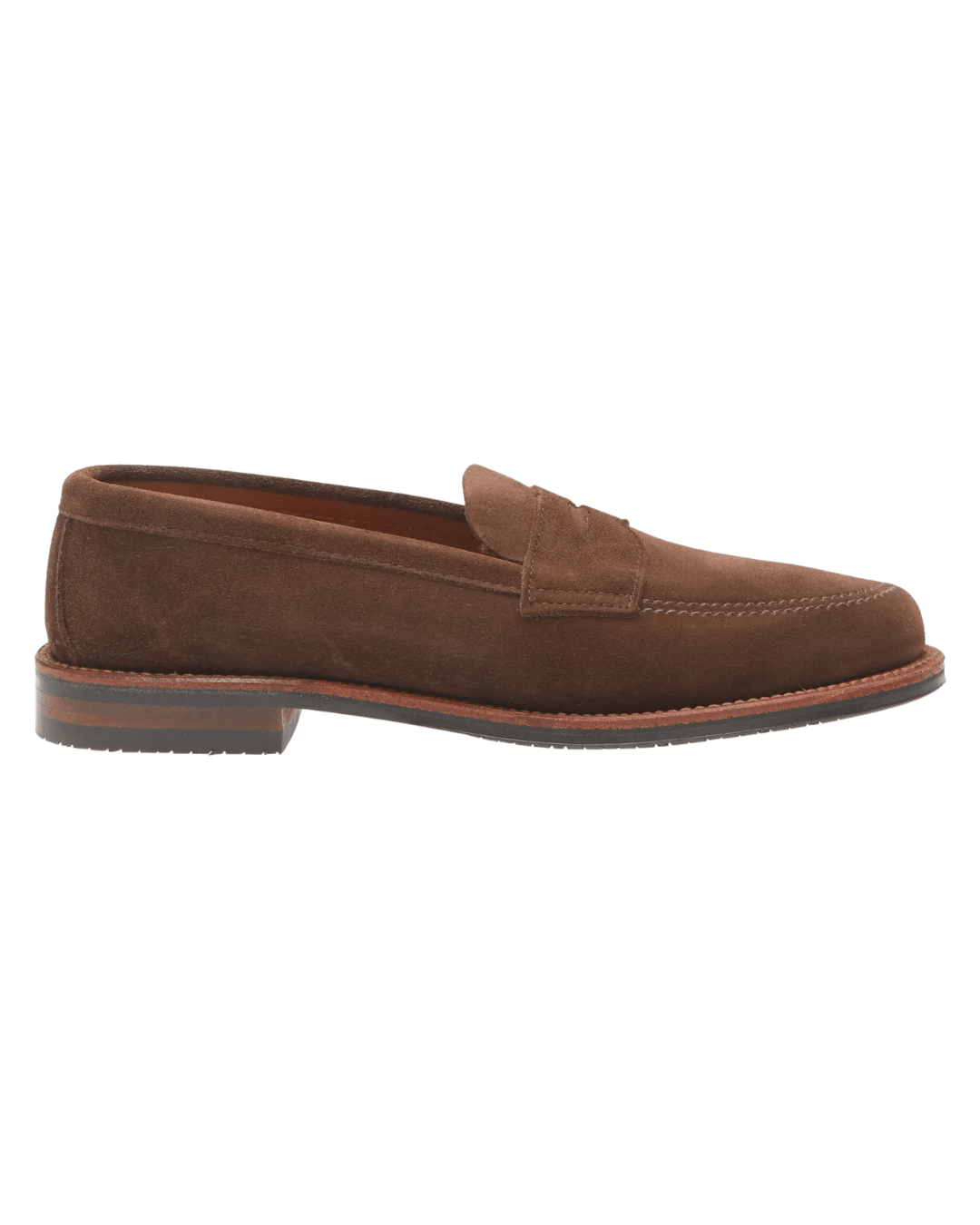
Minimalist leather sneakers from brands like Koio or Common Projects. Suede derbies and loafers that work with both trousers and denim. Running-adjacent shoes like New Balance 990s or Asics Gel-Kayanos are being chosen for their clean lines and muted colorways.
What matters in footwear trends right now is:
First, sneakers are still at the center of the conversation.
Second, the trend is settling toward fewer, better options that don’t require constant refreshing. Men are dressing their feet the way they’re dressing the rest of their bodies: with less novelty, more consistency.
The Rise of the Personal Uniform
Just like footwear, men are seeking better options that don’t require constant refreshing. In other words, personal uniforms are rising.
This isn’t about a specific product or brand. It’s a behavioral change.
Don’t get me wrong, I am not saying wear the same pants for a month. The uniform isn’t about looking the same every day. It’s about establishing a baseline so you’re not starting from scratch each morning.
To build a personal uniform, you need to figure out what works for you first. Fit, fabric, color, proportion. And then you buy them in different colors, different fabrics, and so on. Three pairs of the same pants in different colors. Four versions of the same knit in different weights. Two jackets that serve the same function but rotate seasonally.
The personal uniform doesn’t make you boring. It makes you consistent. It gives you a personal style. But most importantly, it’s efficient.
Just like pants and tops are returning to their regular fits, clothes overall are returning to their original purpose, which is being wearable and supporting life, not performing identity.
Trends That Are Cooling Off
This is actually pretty straightforward. You might’ve already figured out what’s cooling off.
The first one is extreme oversized fits. I’ve mentioned it in the pants and tops sections.
Most men have realized that drowning in fabric doesn’t feel as good as it photographs. Fits are relaxing, but they’re not ballooning.
The second one is loud logos and novelty pieces. Graphic tees with ironic slogans, jackets covered in branding, statement-making accessories are going to be replaced by minimal, cleaner, less performative alternatives. Men are buying less stuff that announces itself.
The last one is overstyled layering and loud colors. For the same reason: Menswear is settling toward function and versatility, not visual complexity.
These trends aren’t gone entirely. But they’re not leading the conversation anymore. 2026 is less about novelty and more about sustainability.
Here's What This All Means
In 2026, menswear isn’t reinventing itself.
Instead, it’s refining what’s already working. Silhouettes are settling. Textures are gaining importance. Neutrals are creeping in. Pants are leading. Outerwear is simplifying. Knitwear is becoming essential. Footwear is consolidating. And more men are building wardrobes around consistency instead of chasing what’s next.
The direction is clear: fewer trends, better dressing.
Some of the links on this page are affiliate links. This means if you click and make a purchase, we may earn a small commission at no extra cost to you. We only recommend products we genuinely like and think you’ll enjoy.