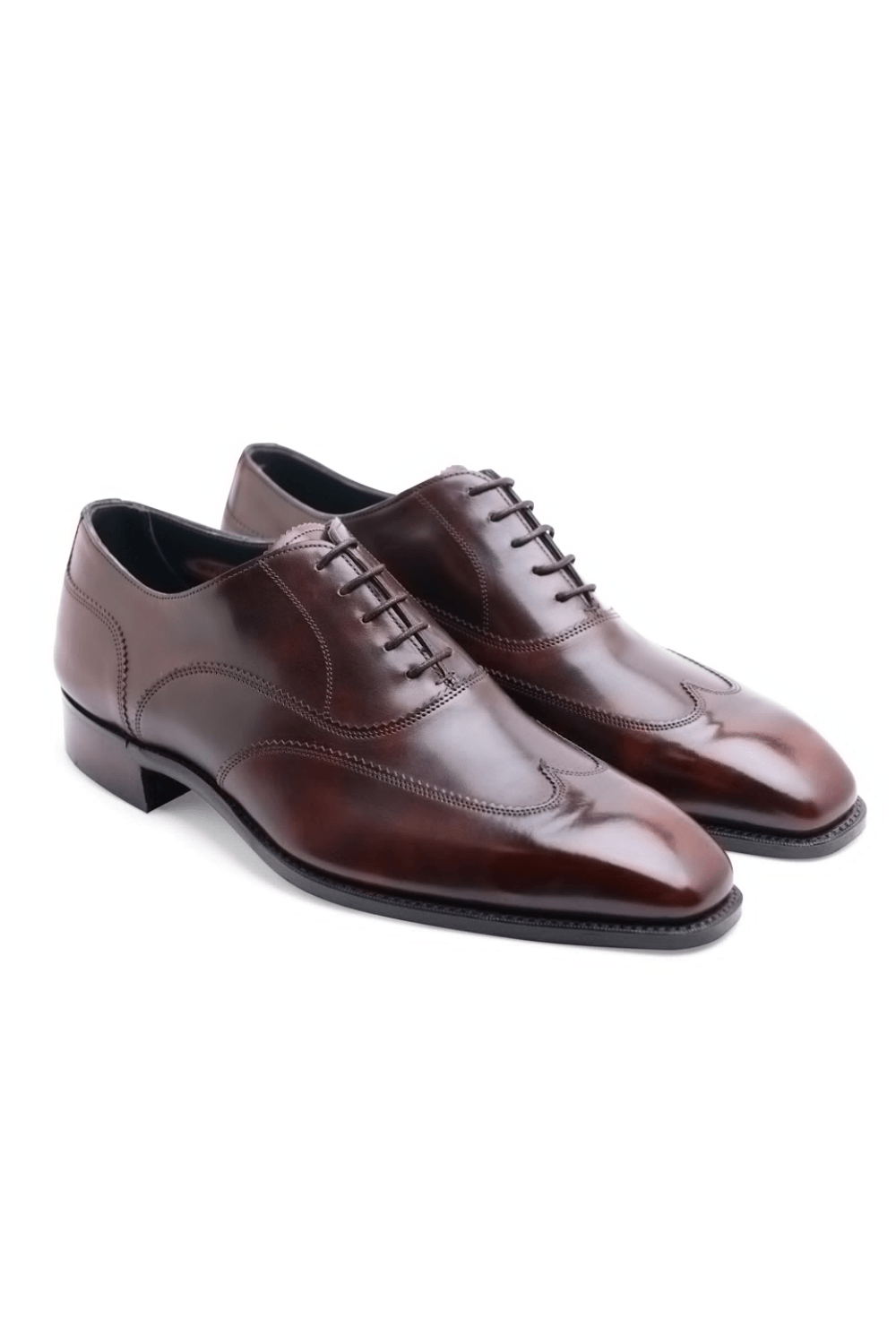
Men’s Shoes by Occasion, The Right Shoes for Every Dress Code
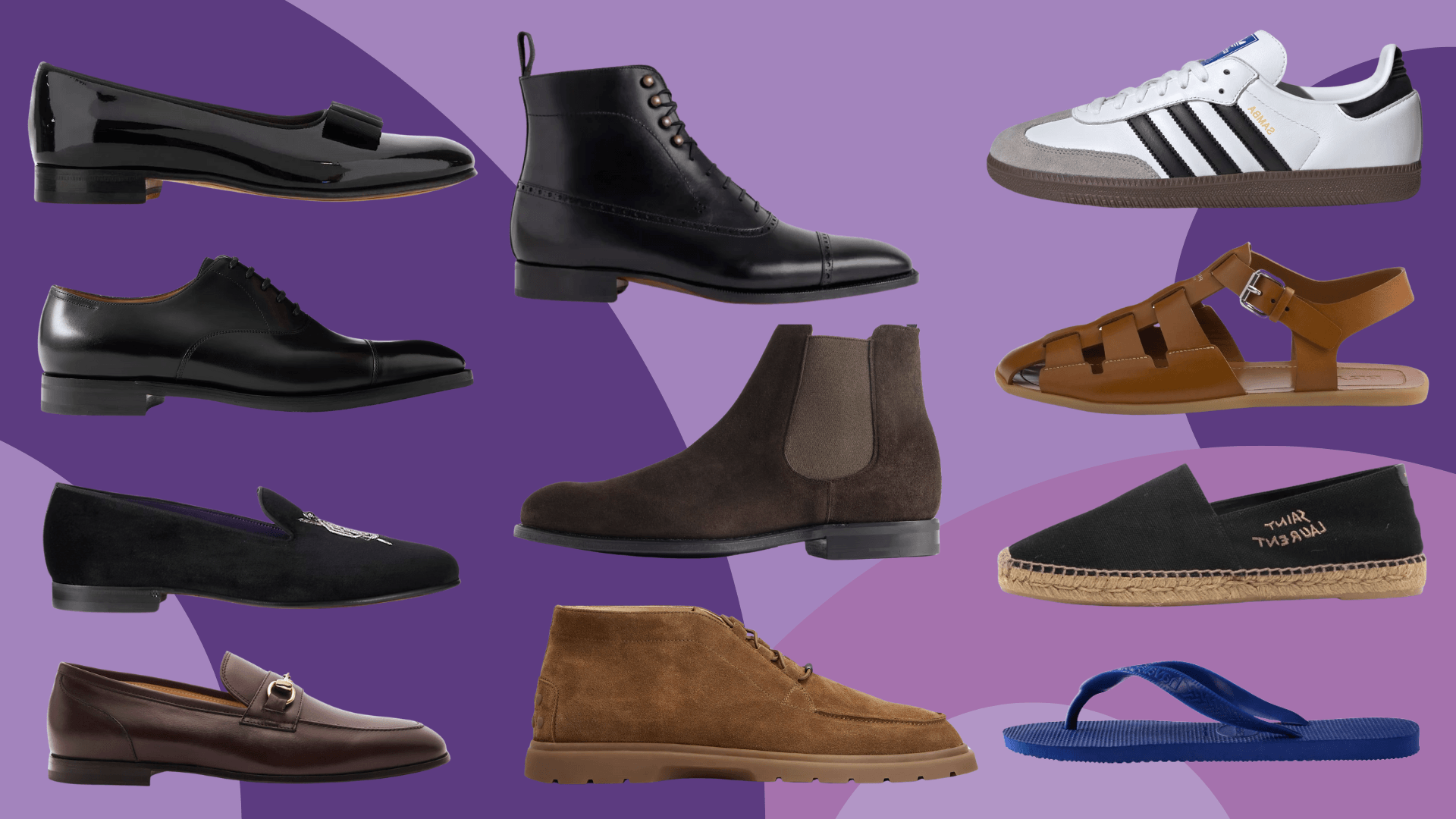
This is a complete guide to men’s shoes for different occasions.
So, does knowing which shoes to wear still matter in 2026?
Yes, it does.
Even though the line between formal and casual is blurring, for certain occasions, a dress code still matters.
Especially for formal occasions, such as black-tie and business formal events, the rules are strict. Choosing the right shoes can save you from awkward style mistakes.
And that’s what this guide is about.
I’ll cover specific occasions and recommend the most appropriate men’s shoes for each one.
I’ll also introduce a variety of shoe types to help you better understand men’s footwear and show you how to build a versatile shoe wardrobe.
At the end of this guide, you’ll:
Make confident decisions about what to wear
Avoid awkward style mistakes
Build a versatile wardrobe that works across multiple scenarios
Invest in the right shoes that you’ll actually wear
Understanding Shoe Formality Levels
Before we get into specific occasions, you need to understand how formality works with men’s shoes.
Think of it as a spectrum.
At one end, you have highly polished leather Oxfords. At the other, you have casual sneakers and sandals.
Here’s a brief list of factors that decide where shoes fall on this spectrum:
Construction: Closed lacing (Oxfords) is more formal than open lacing ( Derbies)
Material: Patent leather and smooth calfskin leather rank higher than suede or canvas
Color: Black is most formal, followed by other dark colors, then lighter colors
Details: Less ornamentation = more formal (plain beats broguing)
Sole: Leather soles are dressier than rubber soles.
Understanding these principles helps you pick the right shoes even for situations not explicitly covered in this guide.
Now, let’s get into each dress code category and the shoes that match.
I. White Tie / Ultra Evening Formal Shoes
White tie is extremely rare today.
You’ll mostly see it in ceremonial events or staged settings.
And you may never encounter a true white-tie occasion, but if you do, here is the correct shoe.
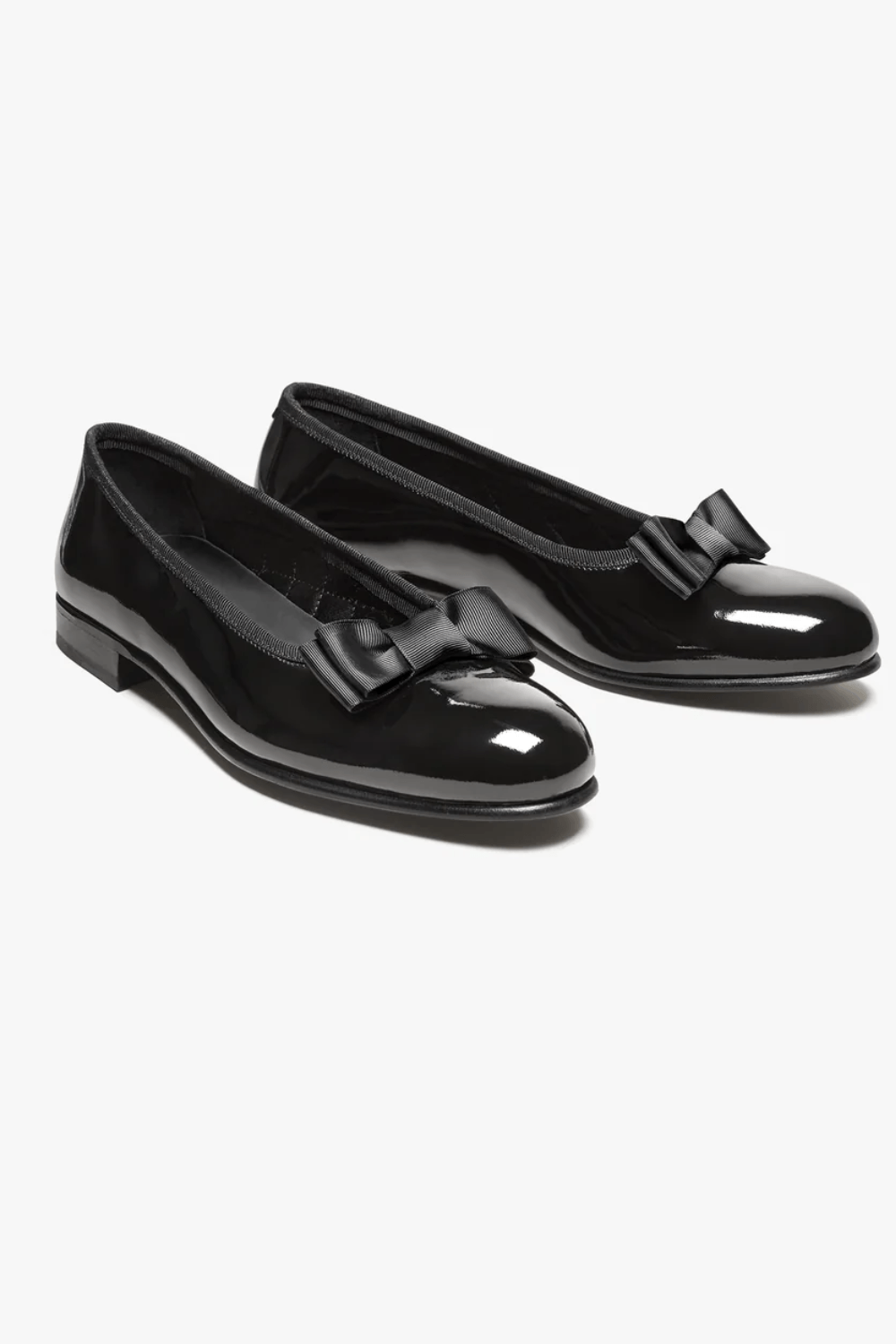
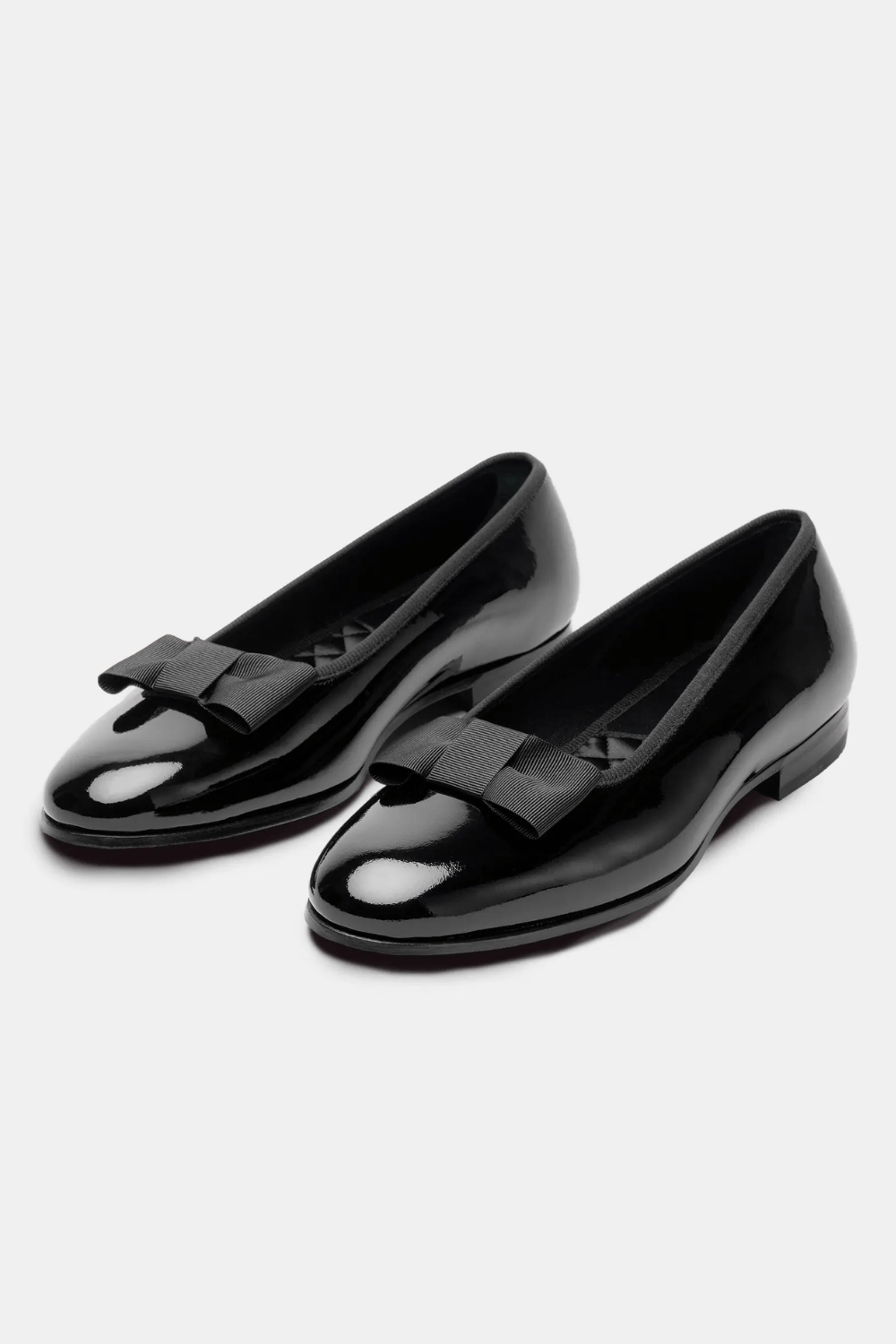
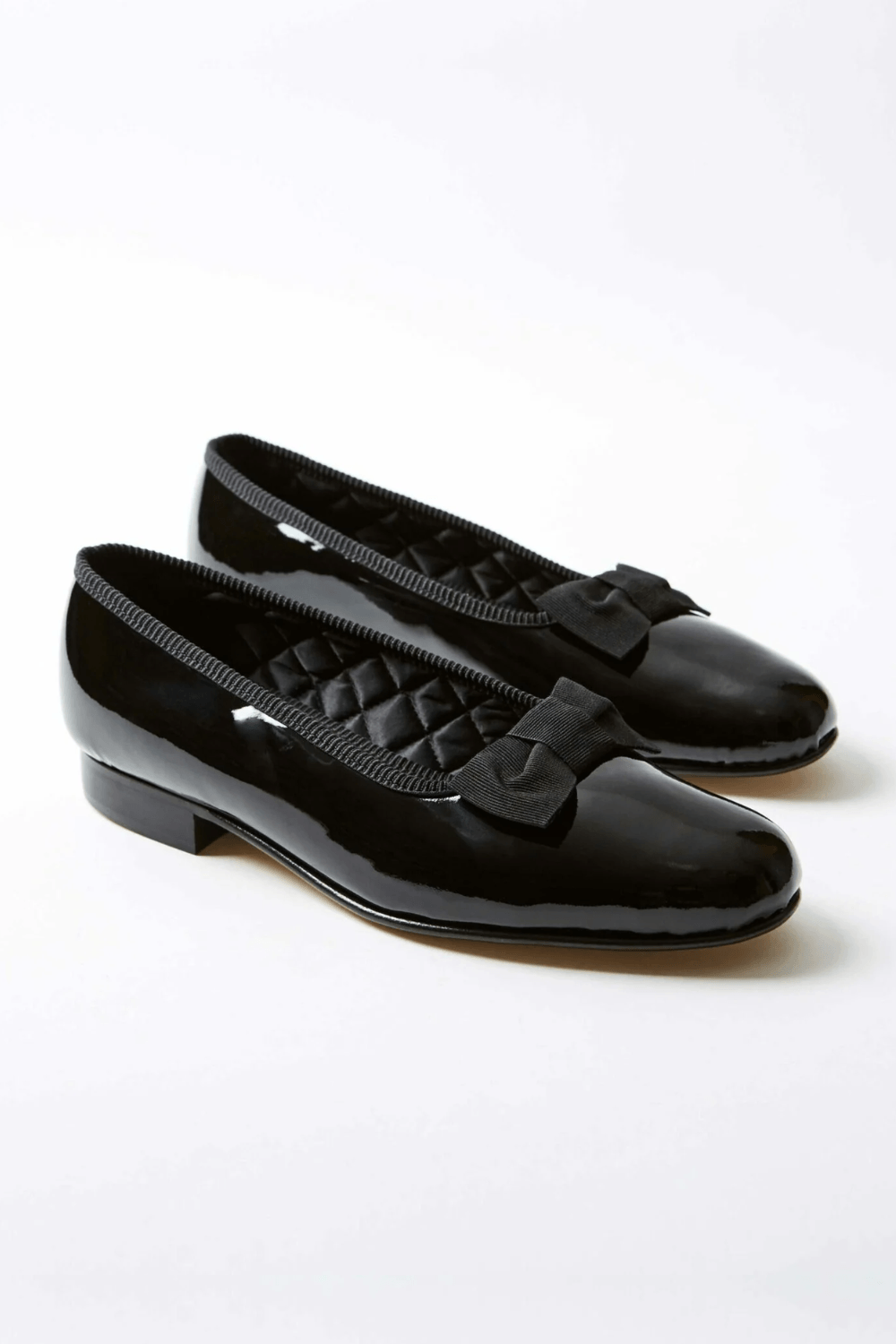
Opera Pumps (Court Shoes)
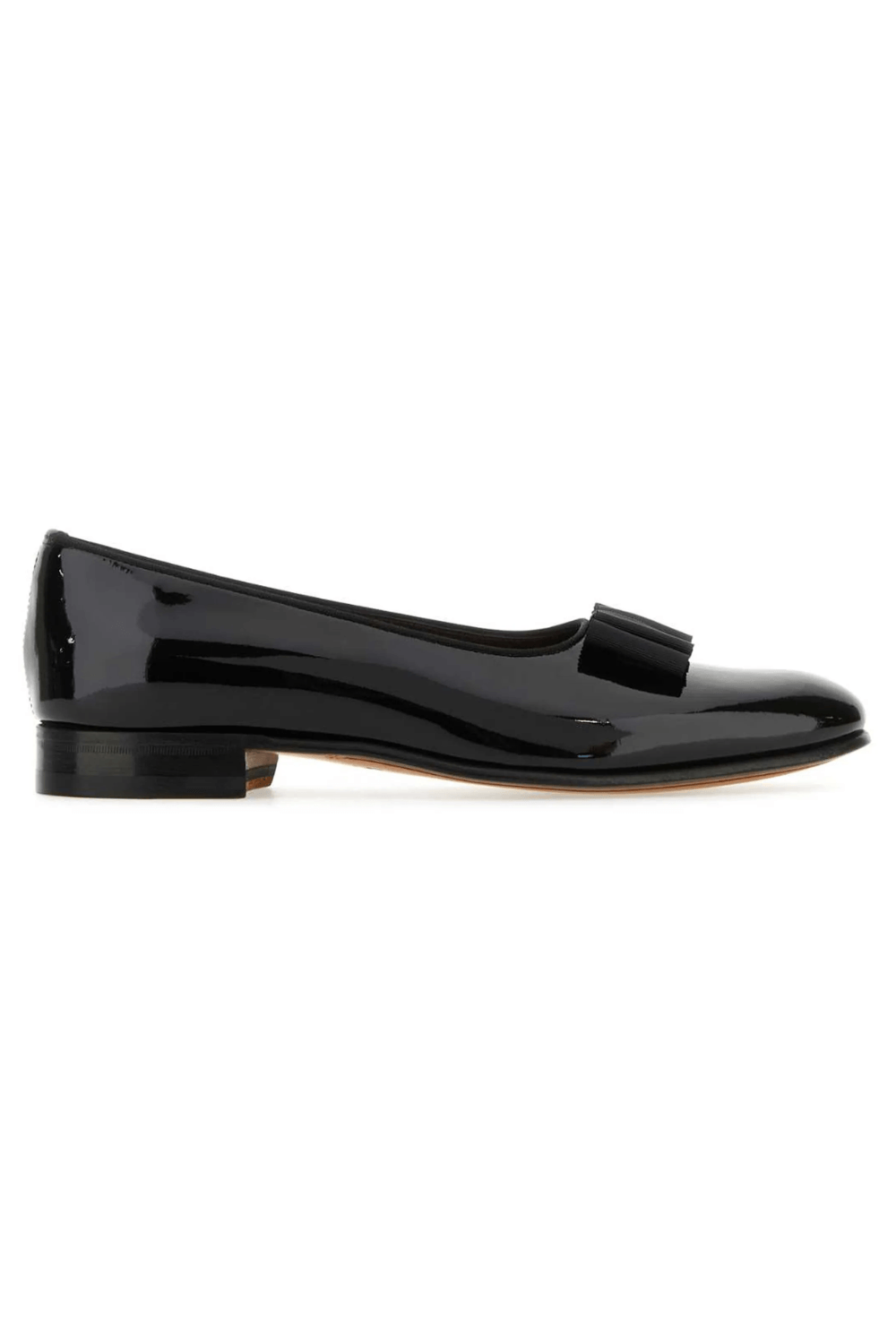
Opera pumps or court shoes are the only fully correct shoes for white tie.
This isn’t a personal opinion. This is a court dress tradition.
In modern society, patent leather Oxfords are widely accepted, but pumps with a bow are still the standard for the most formal court dress.
Myrqvist
Rosendal Opera Pump
$299
Myrqvist
Morjas
The Opera Pump
$390
Morjas
Bowhill & Elliott
Patent Opera Pumps
£362 ($489)
Bowhill & Elliott
Bode
Opera Pump
$1,264 $1,579
Farfetch
II. Black Tie / Evening Formal Shoes
Today, black tie is the most common formal dress code.
Typical black-tie occasions include:
Black tie weddings
Galas & Balls
Formal evening receptions
Opera, orchestra, and awards ceremonies
Formal Dinners
If the invitation says “black tie” or “formal attire,” you’re in this territory.
These events demand your most polished footwear.
Formal Shoe for Black Tie
For black tie events, opera pumps are still the most correct answer, though not the only one.
Here are other go-to options for formal events:
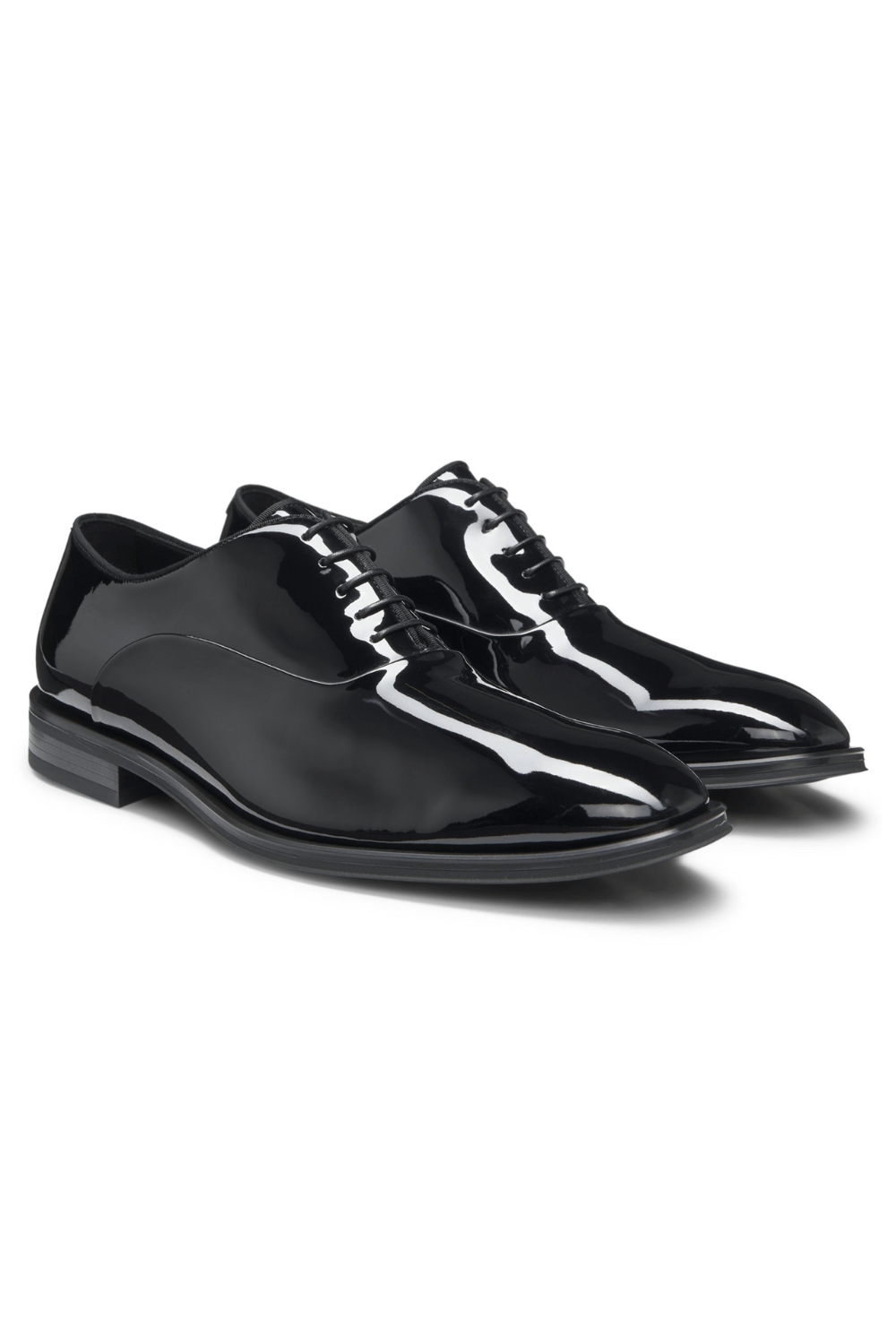
1. Patent Leather Oxfords
Oxfords are the most common and versatile formal shoes.
But not all Oxfords sit at the same level of formality.
Here are the ones suitable for black-tie occasions.
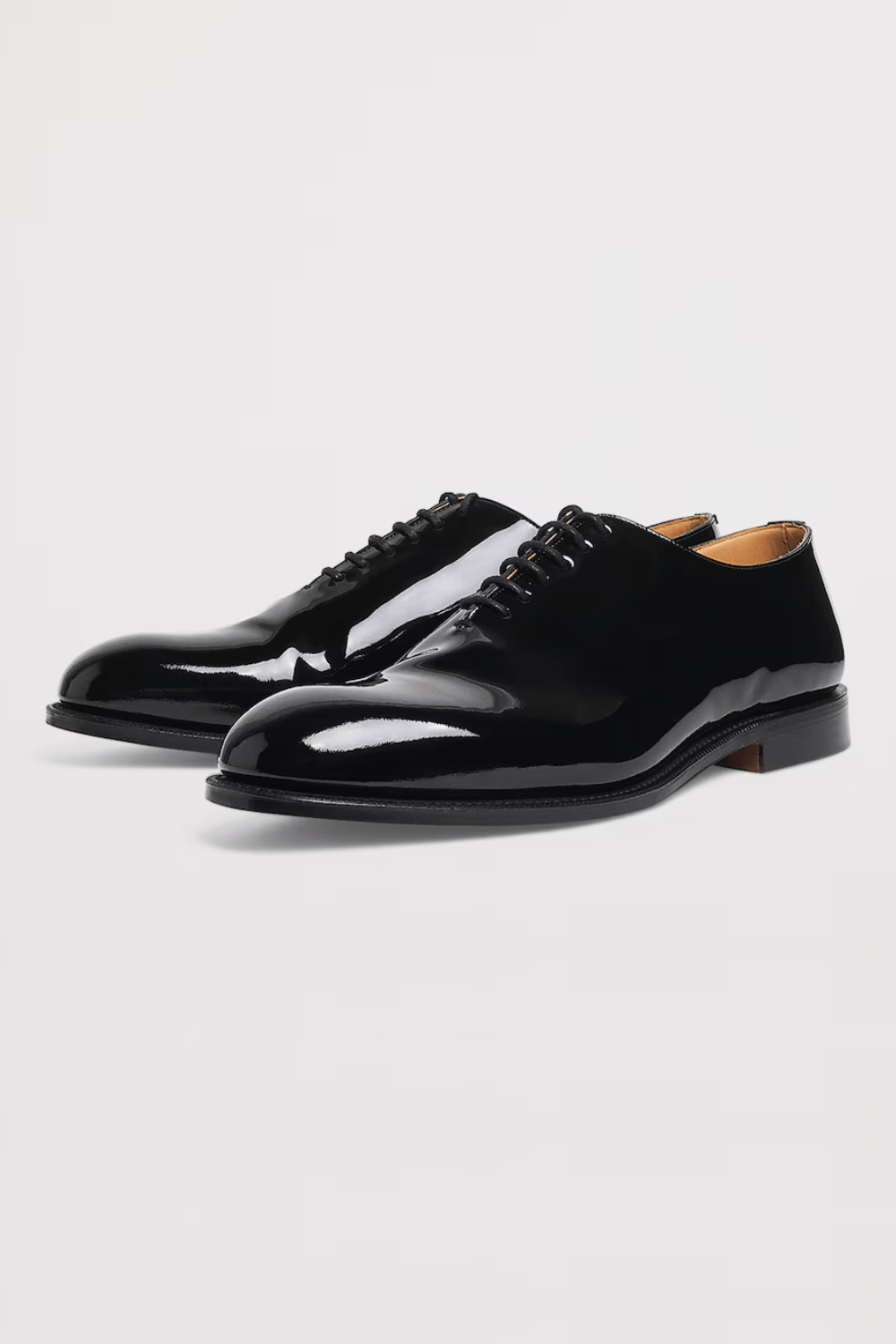
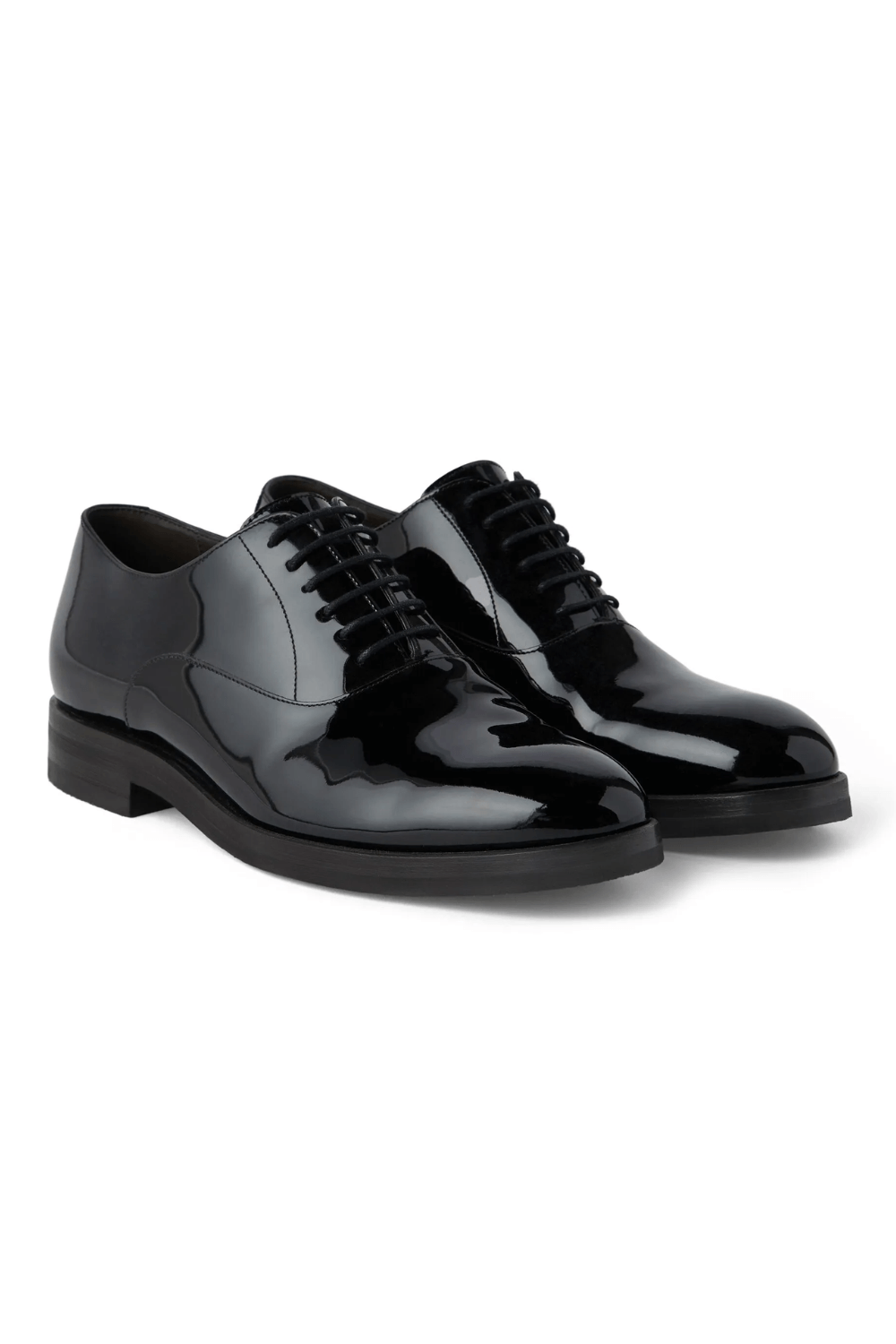
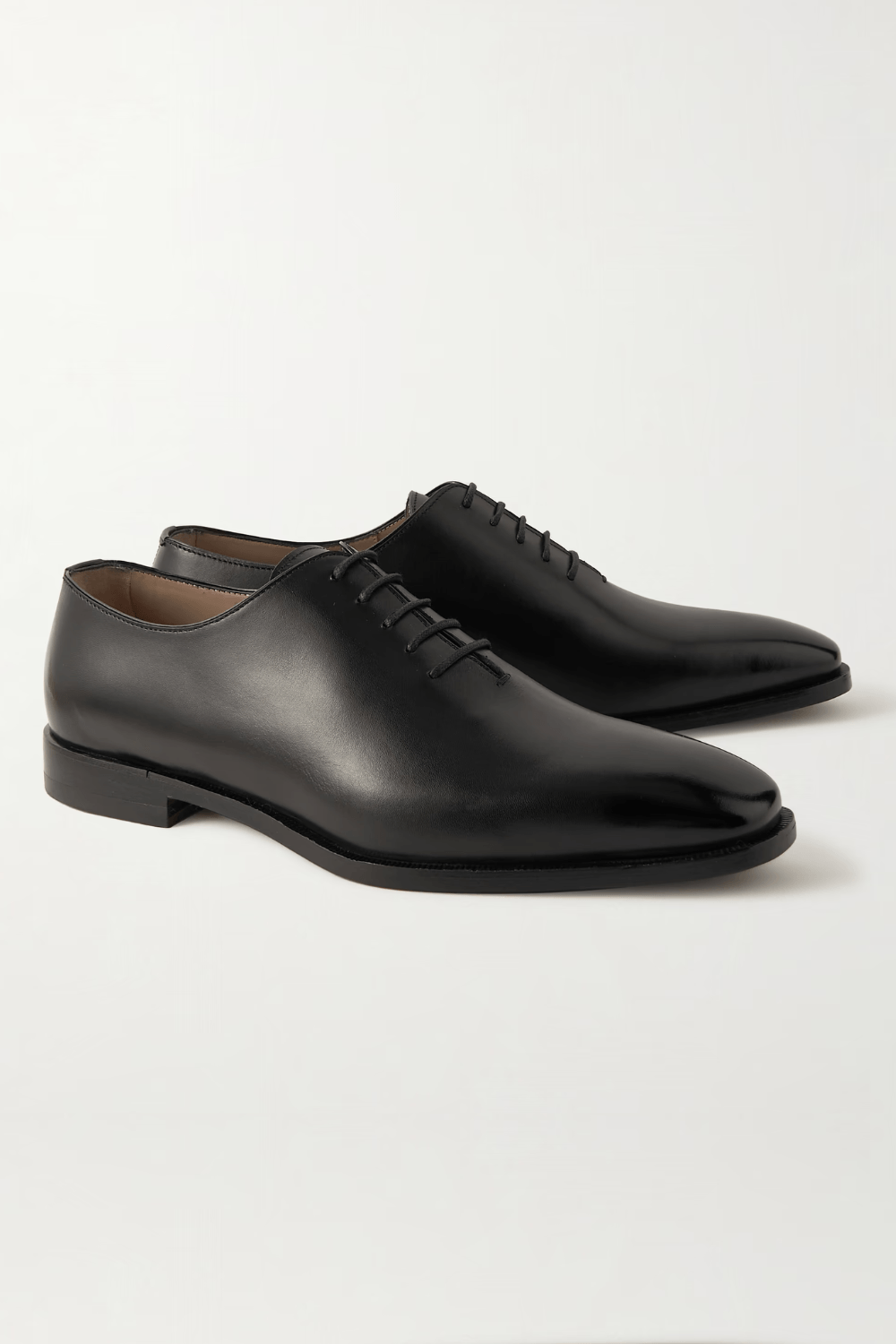
1) Patent Leather Wholecut Oxford
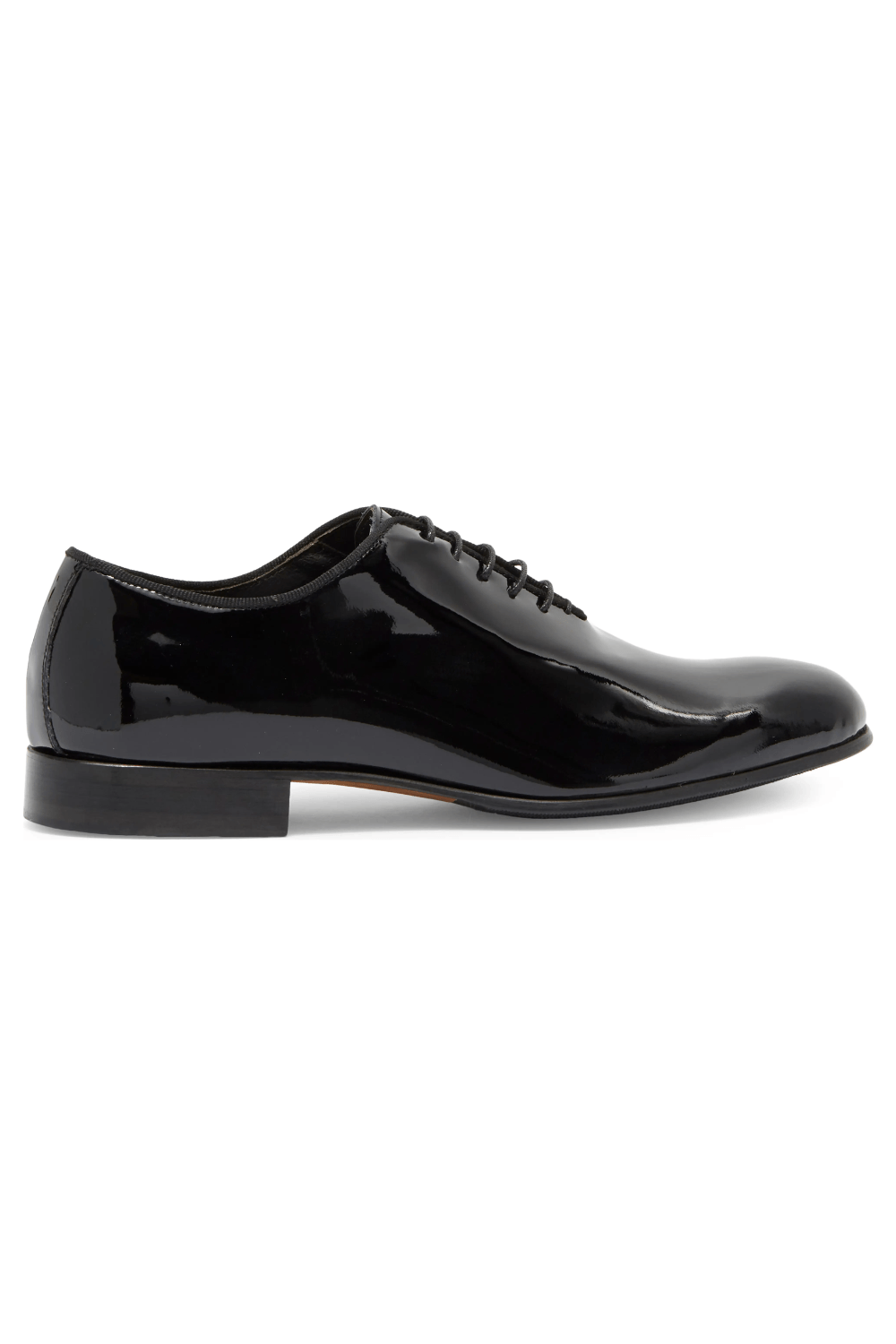
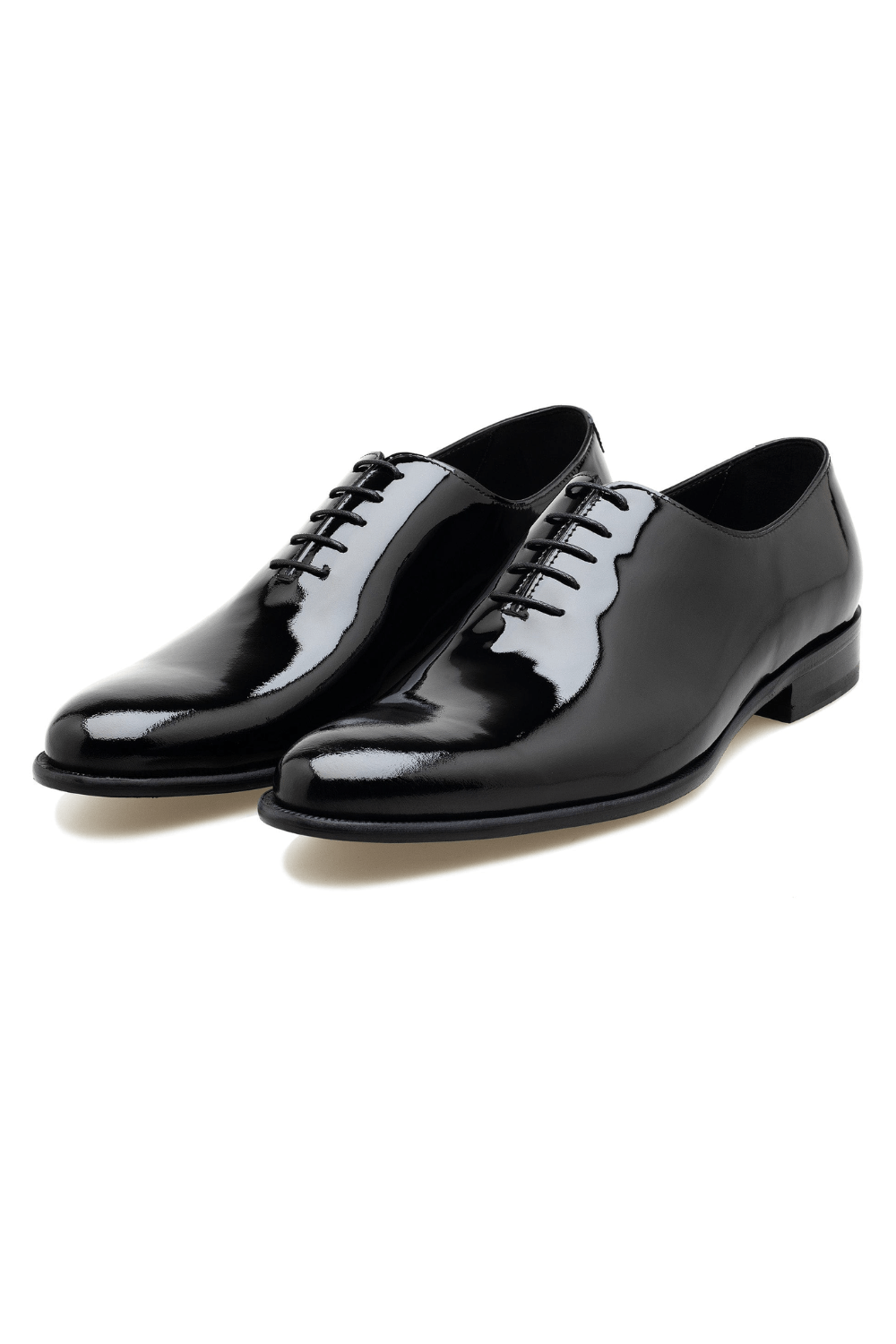
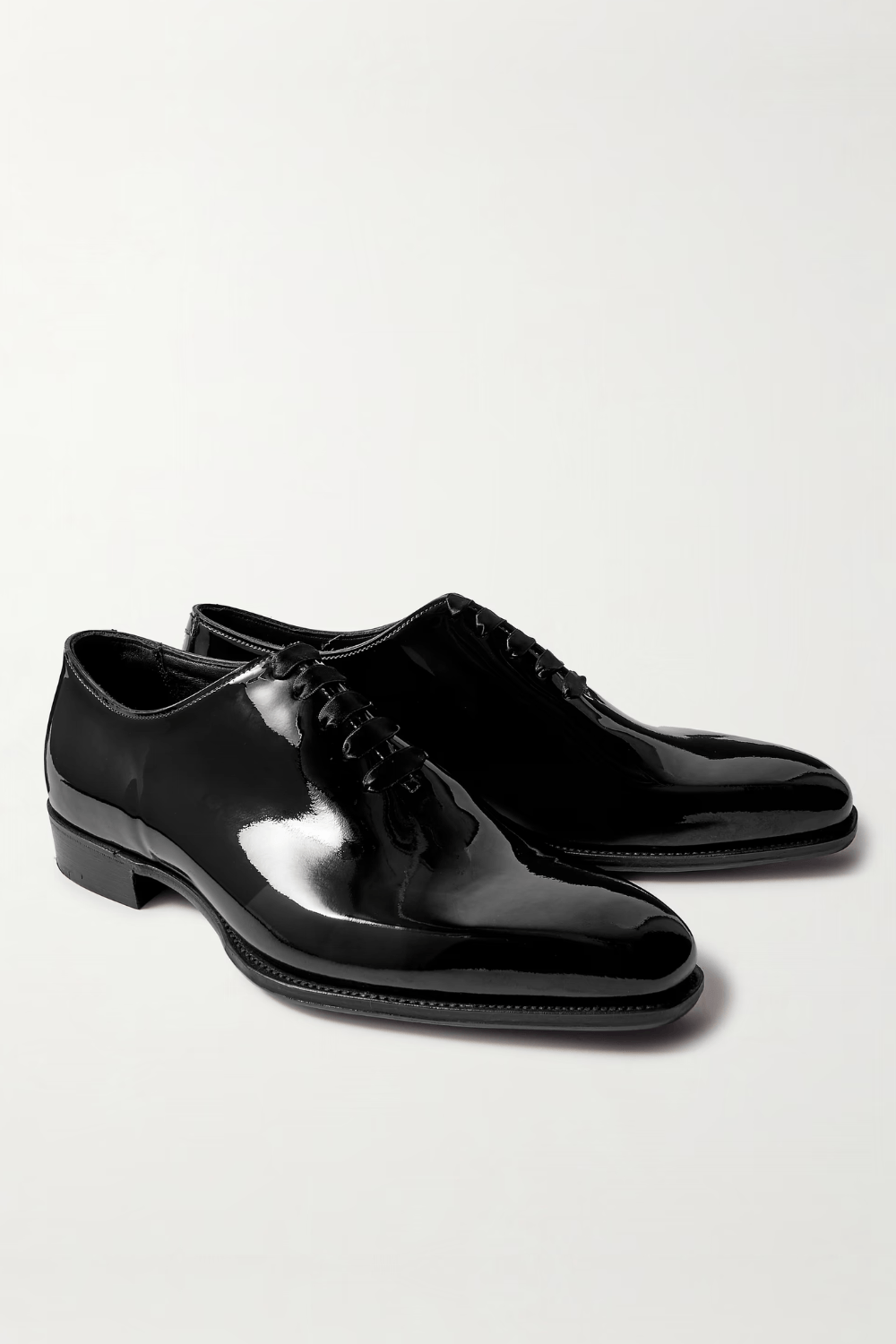
The Patent Leather Wholecut Oxford is absolutely the best option for black-tie events.
It’s made from a single piece of leather with just one seam at the heel and finished in glossy patent leather.
This seamless construction makes it one of the most elegant and formal shoes you can wear.
Bruno Magli
Nash Wholecut Oxford
$190 $425
Nordstrom Rack
Paul Evans
The Martin Wholecut Oxford
$337 $519
Paul Evans
George Cleverley
Merlin WholeCut Oxford
$850
Mr Porter
Church's
Wholecut Patent Oxford
$1,350
Harrods
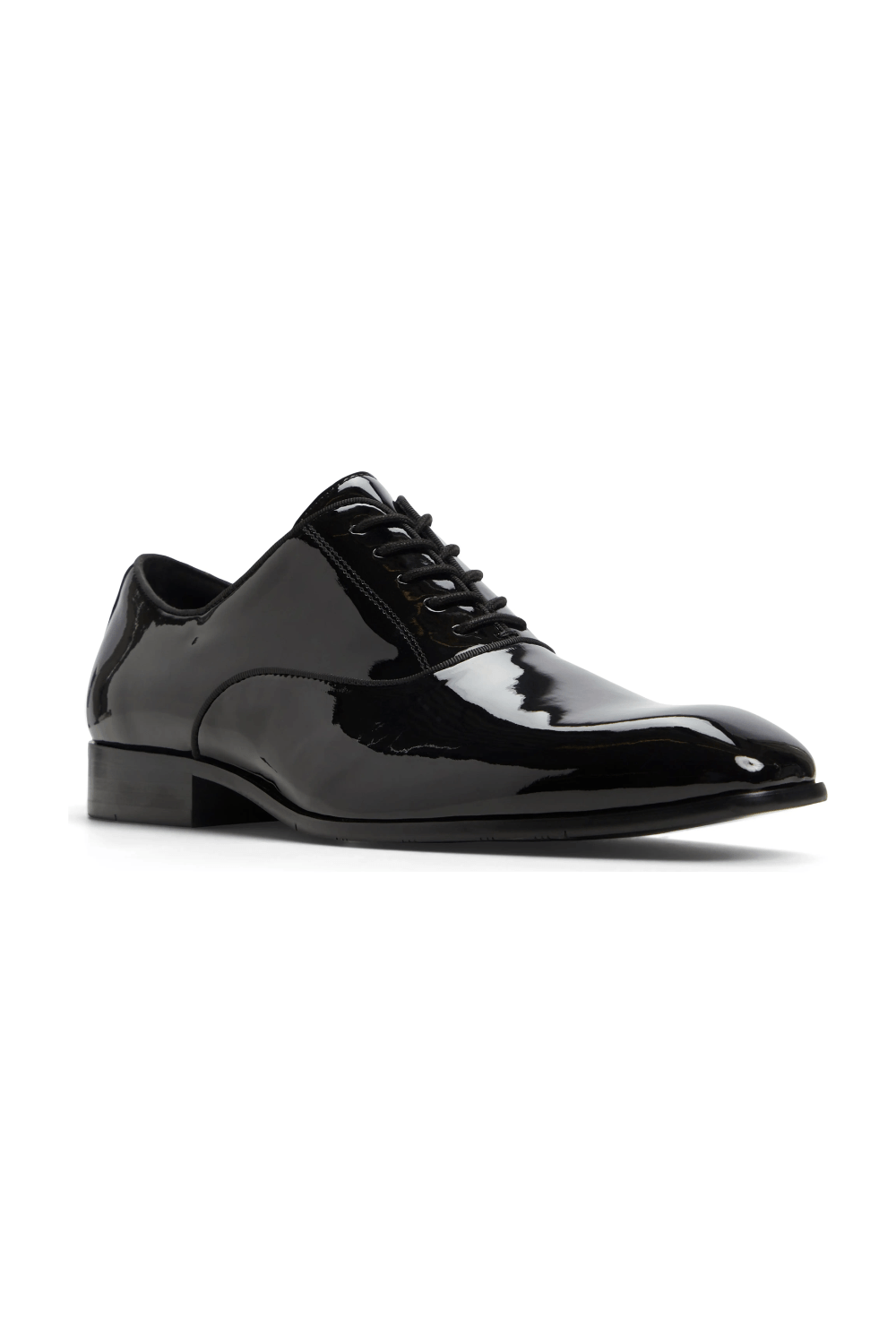
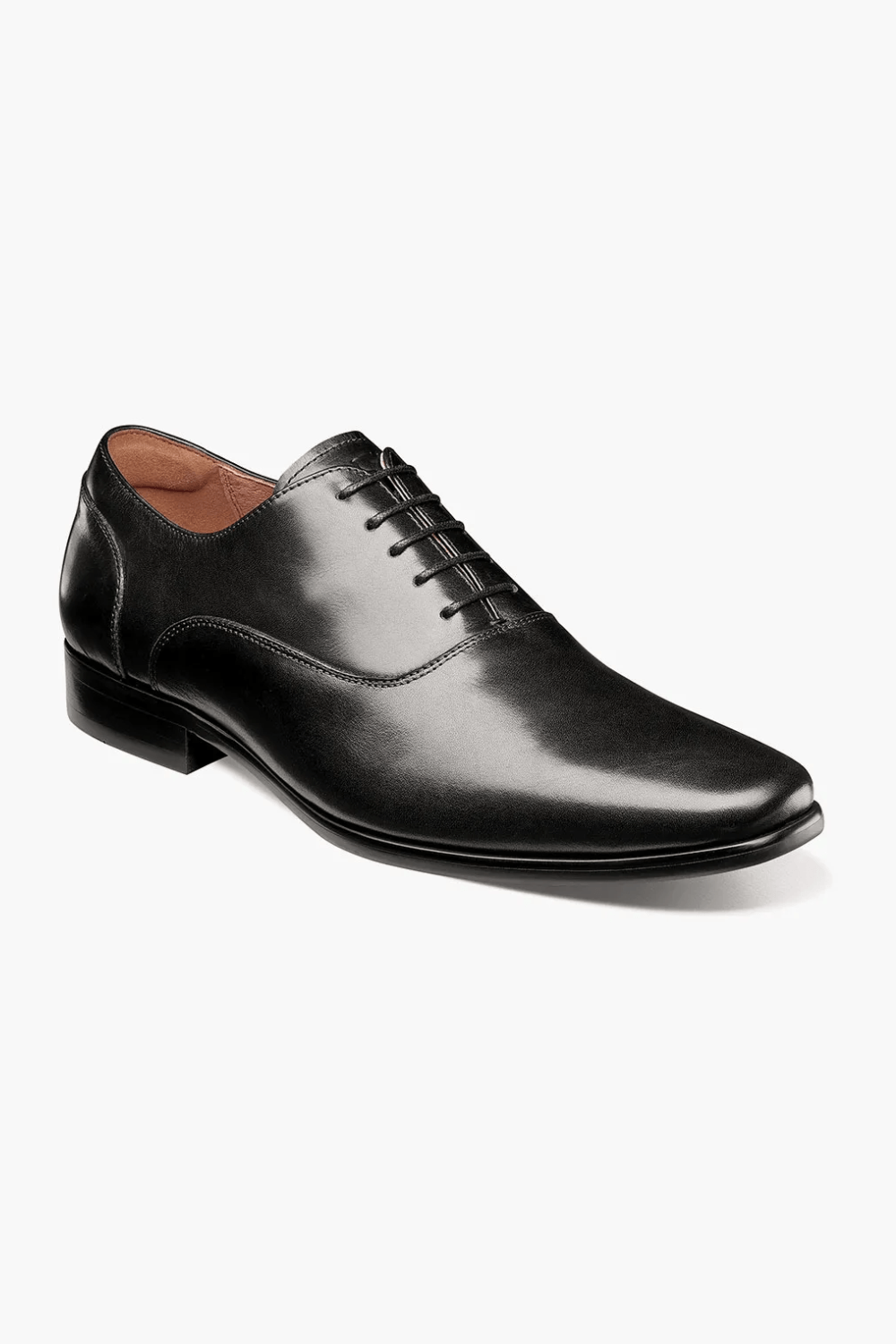
2) Patent Leather Plain-Toe Oxford
Plain-toe Oxfords consist only of the quarter and the vamp, with no toe cap and no broguing.
They are slightly less formal than wholecut Oxfords because, while the vamp is clean and undecorated, the seams between the quarter and the vamp are still visible.
Aldo
Rigo Oxford
$108 $135
Nordstrom
Hugo Boss
Plain Toe Oxford
$350
Hugo Boss
Morjas
The Oxford
$400
Nordstrom
Brunello Cucinelli
Laced Oxford
$1,400
Farfetch
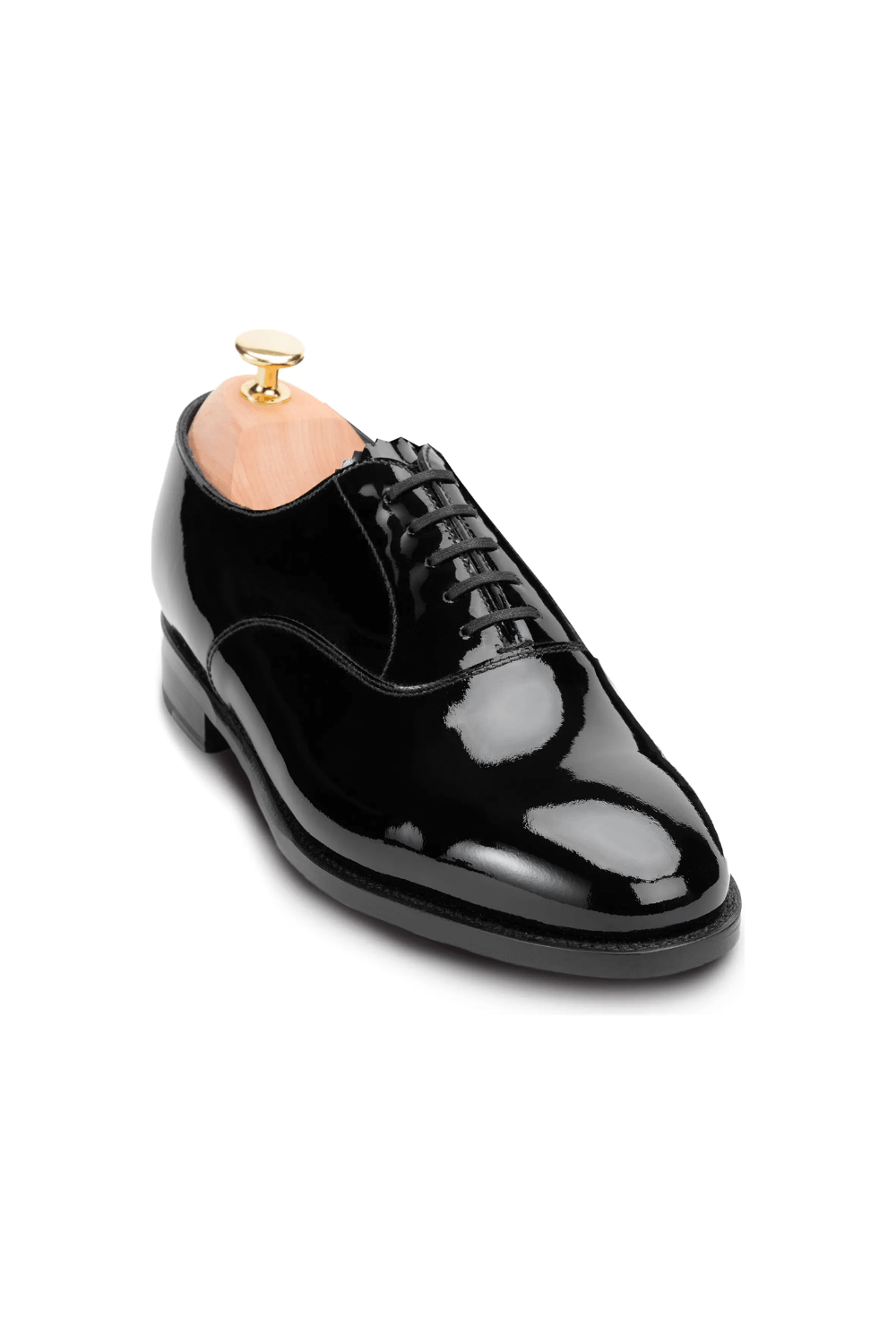
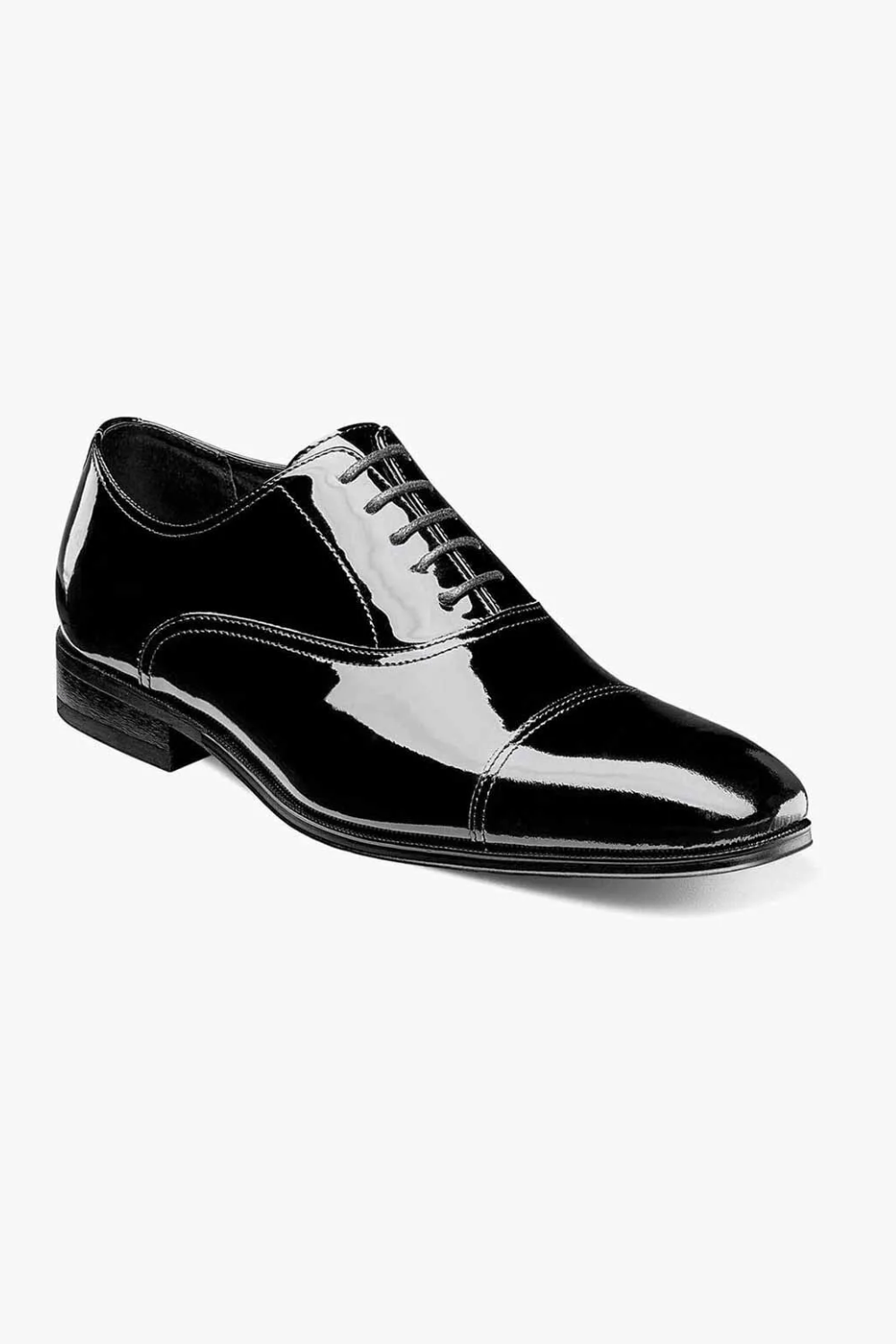
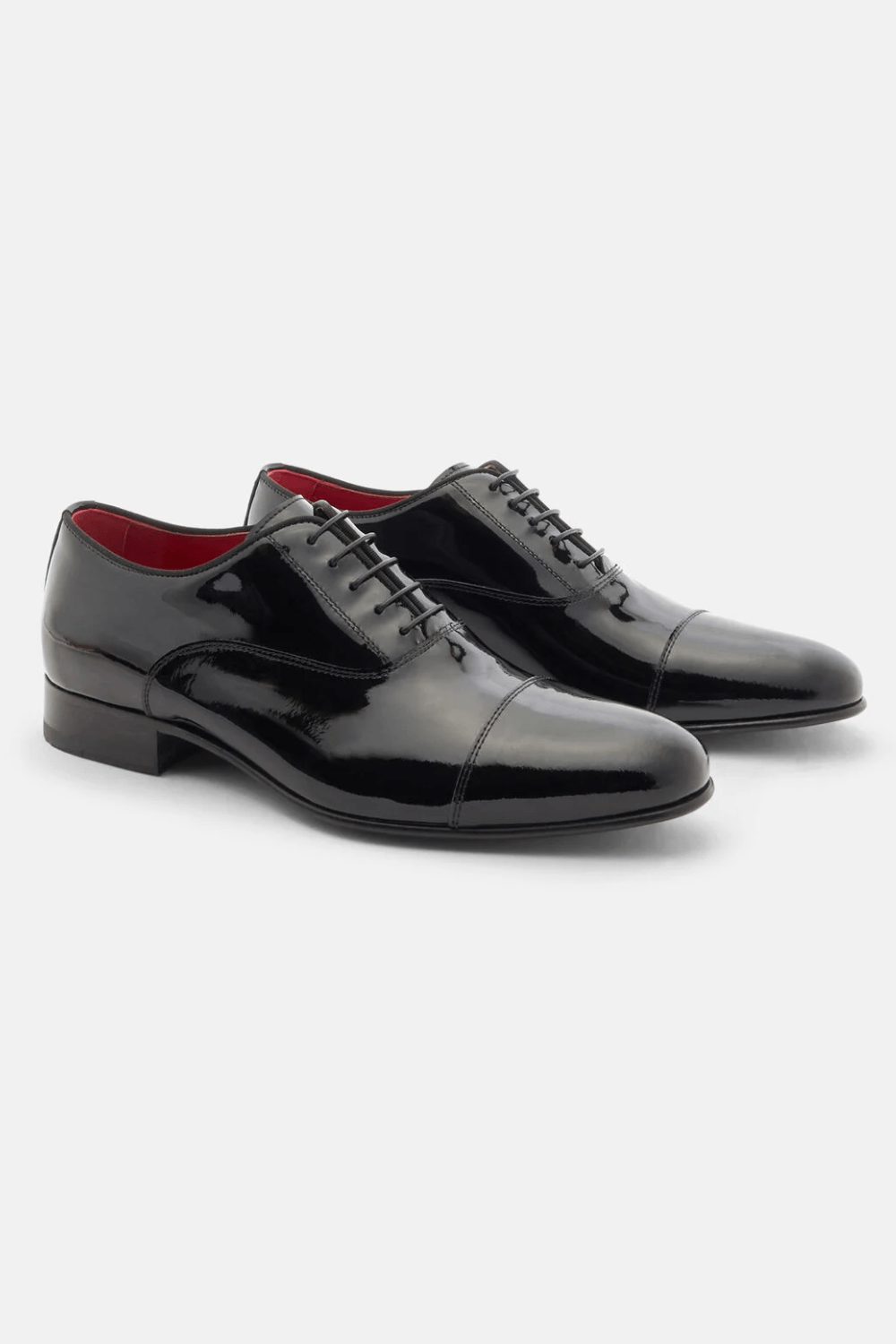
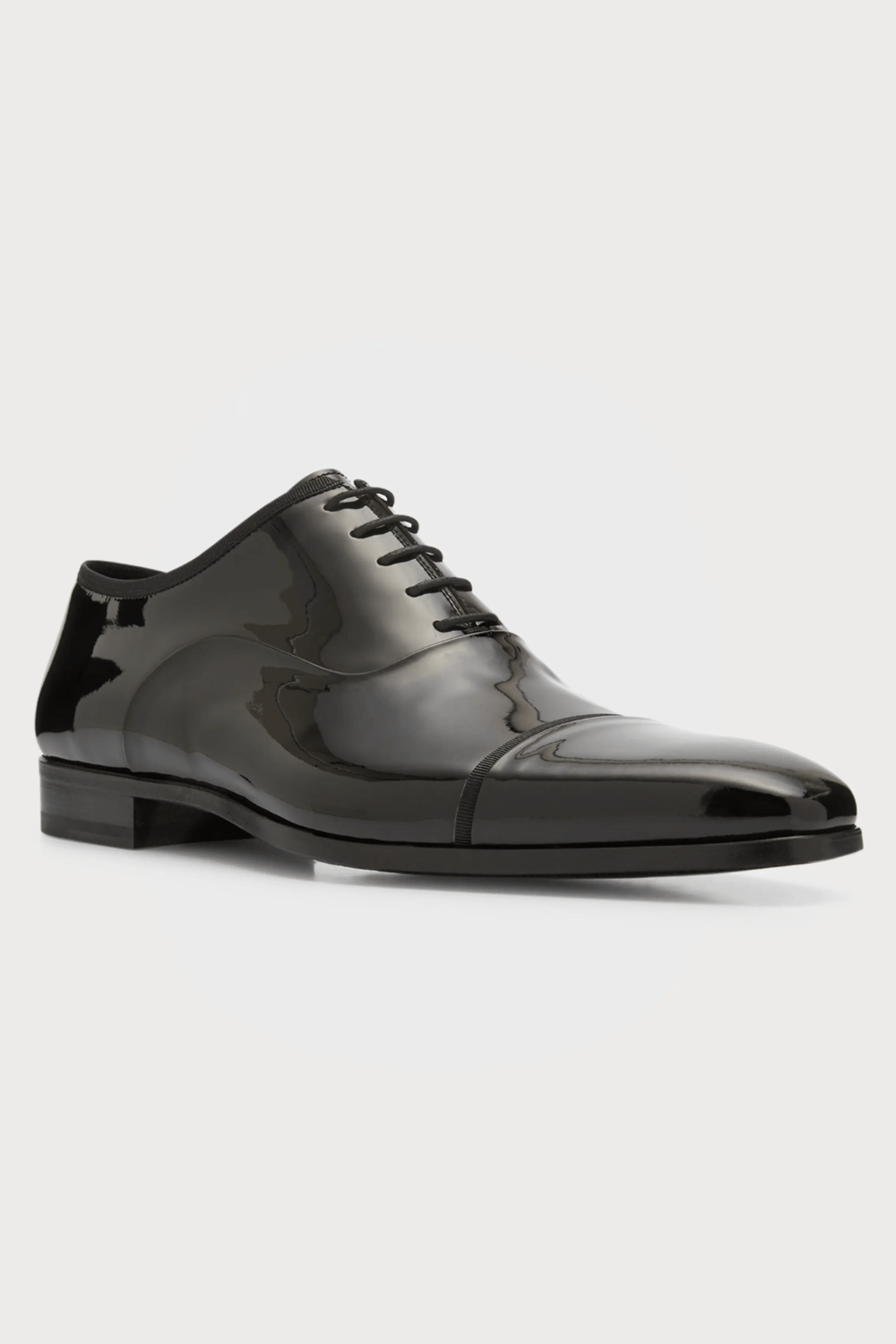
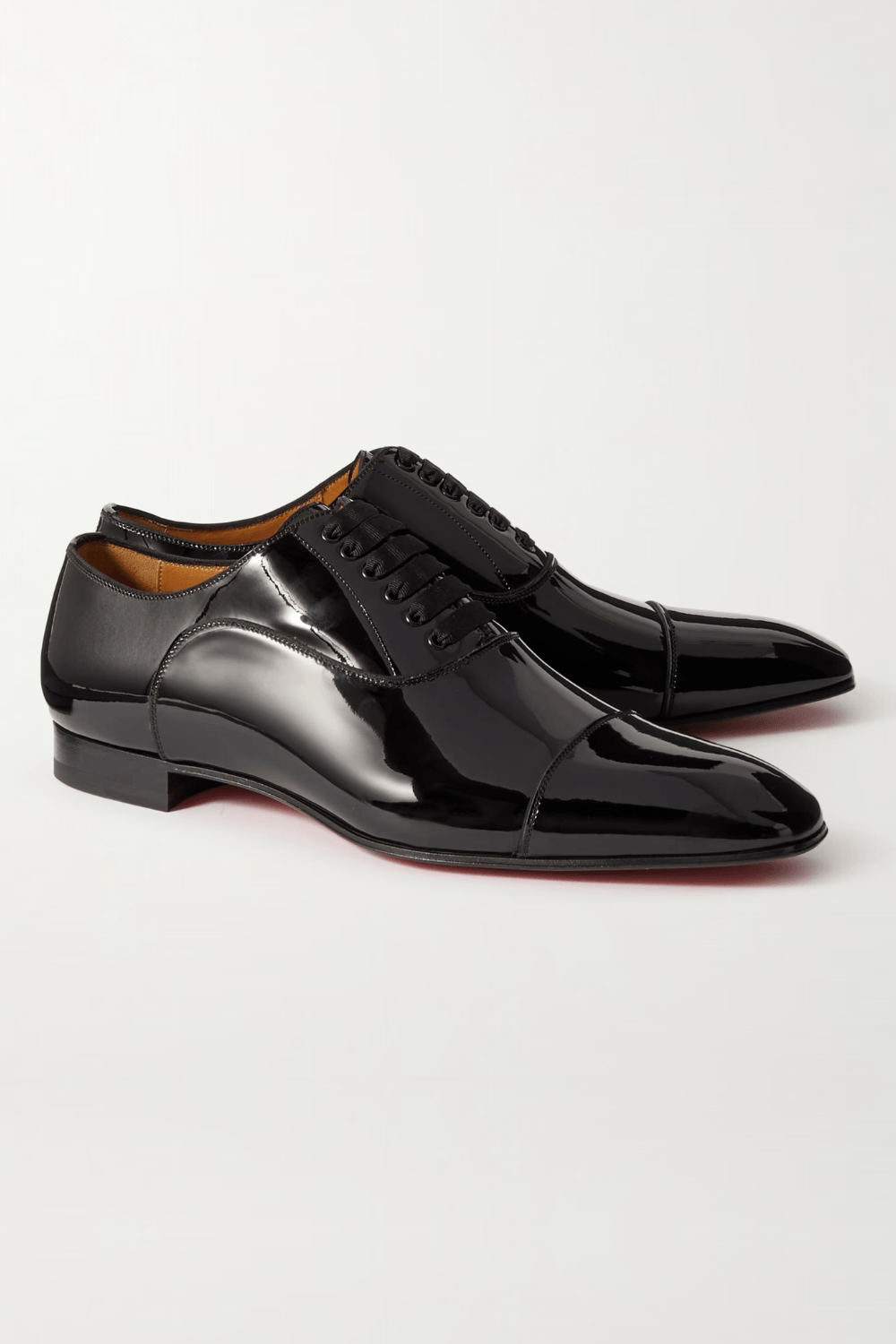
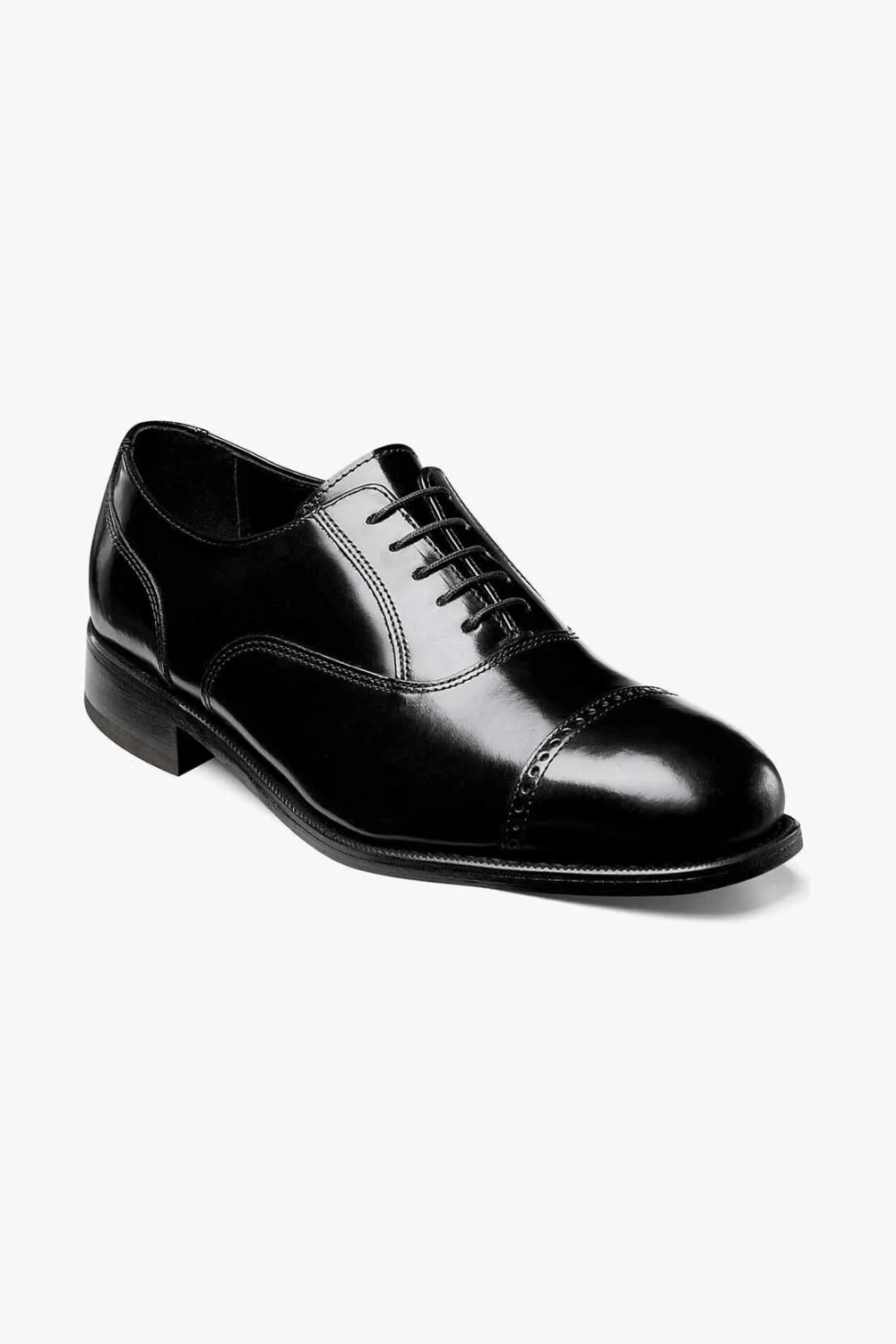
3) Patent Leather Cap-Toe Oxford
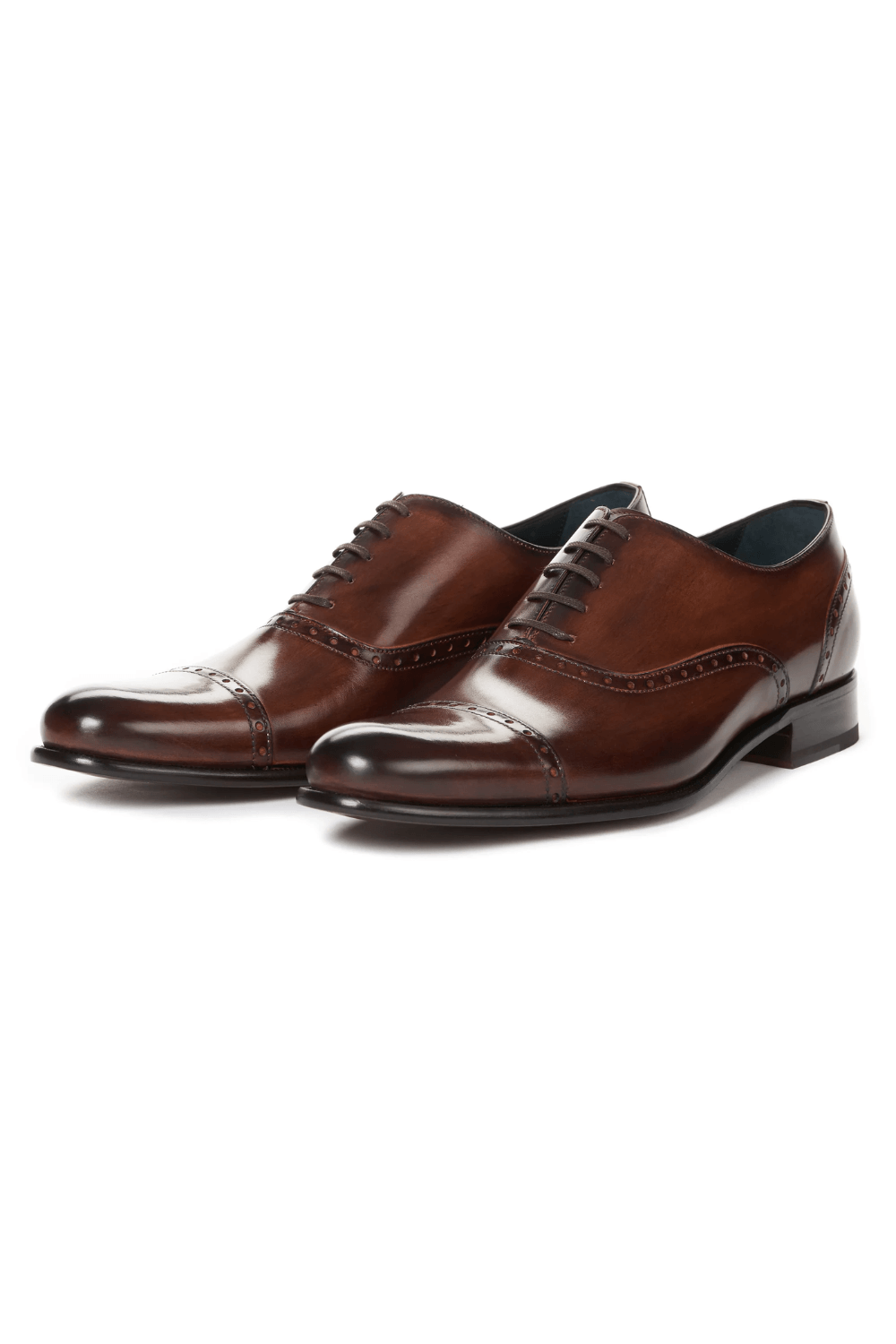
Cap-toe Oxfords have a horizontal stitched seam across the toe, which adds an extra leather panel and makes them slightly less formal than plain-toe Oxfords.
They are the classic, default Oxford, and also the most common Oxford you’ll see.
When someone says “Oxfords” with no qualifier, this is usually what they mean.
Florsheim
Tux Cap Toe Oxford
$140
Florsheim
Scarosso
Rodrigo Cap Toe Oxford
$460
Scarosso
Magnanni
Jadiel Cap-Toe Oxford
$500
Neiman Marcus
Christian Louboutin
Greggo Patent-Leather Oxford
$1,050
Mr Porter
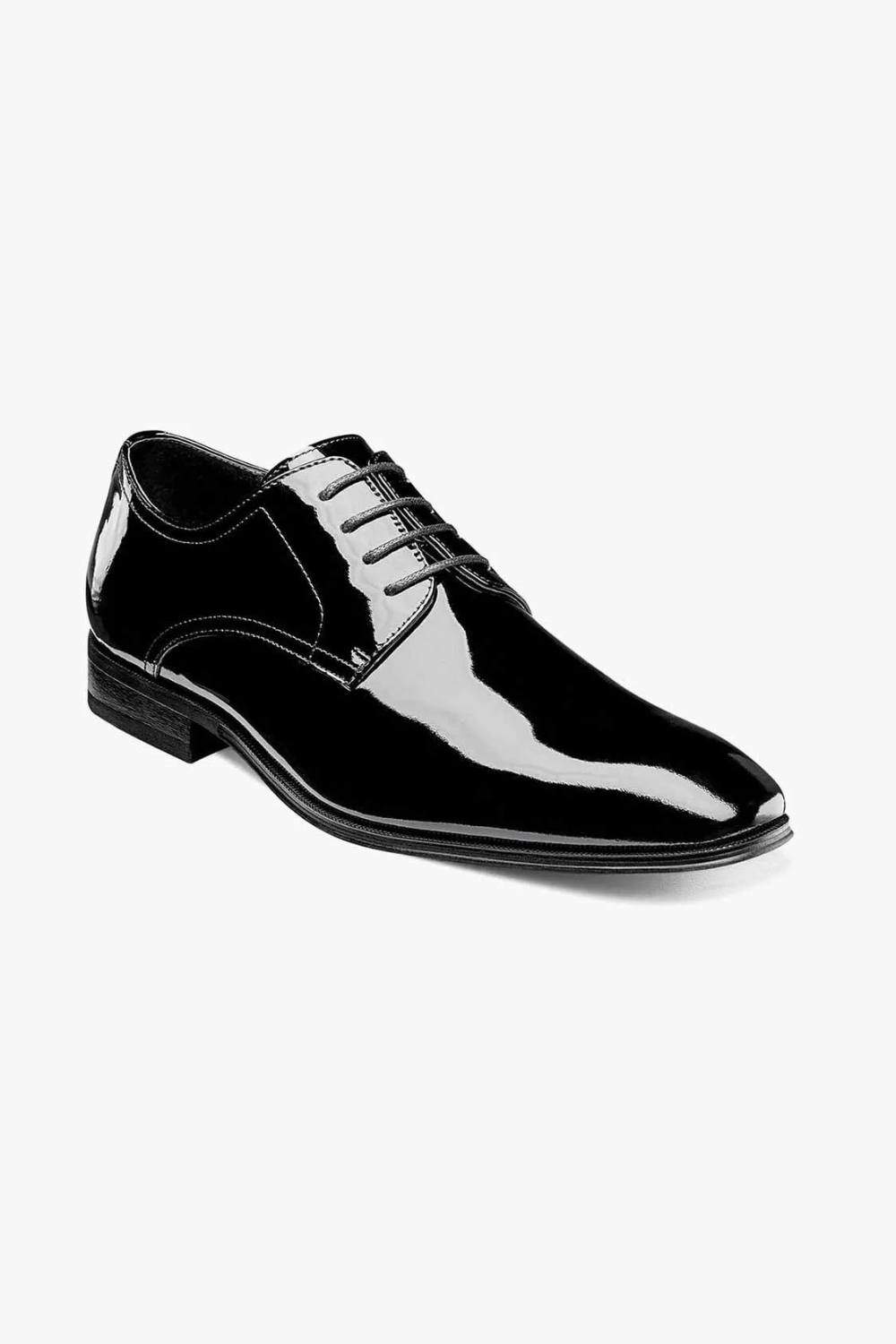
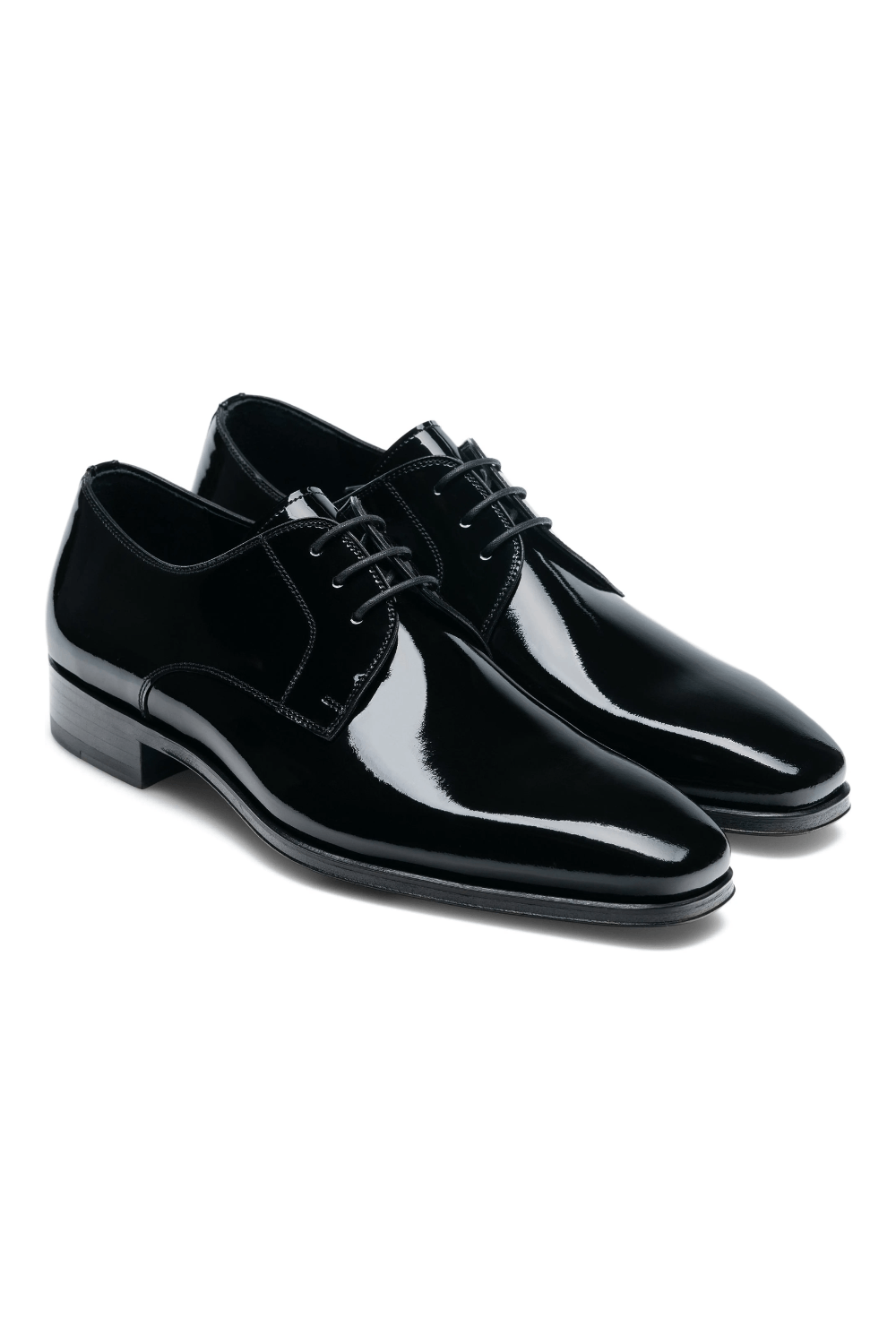
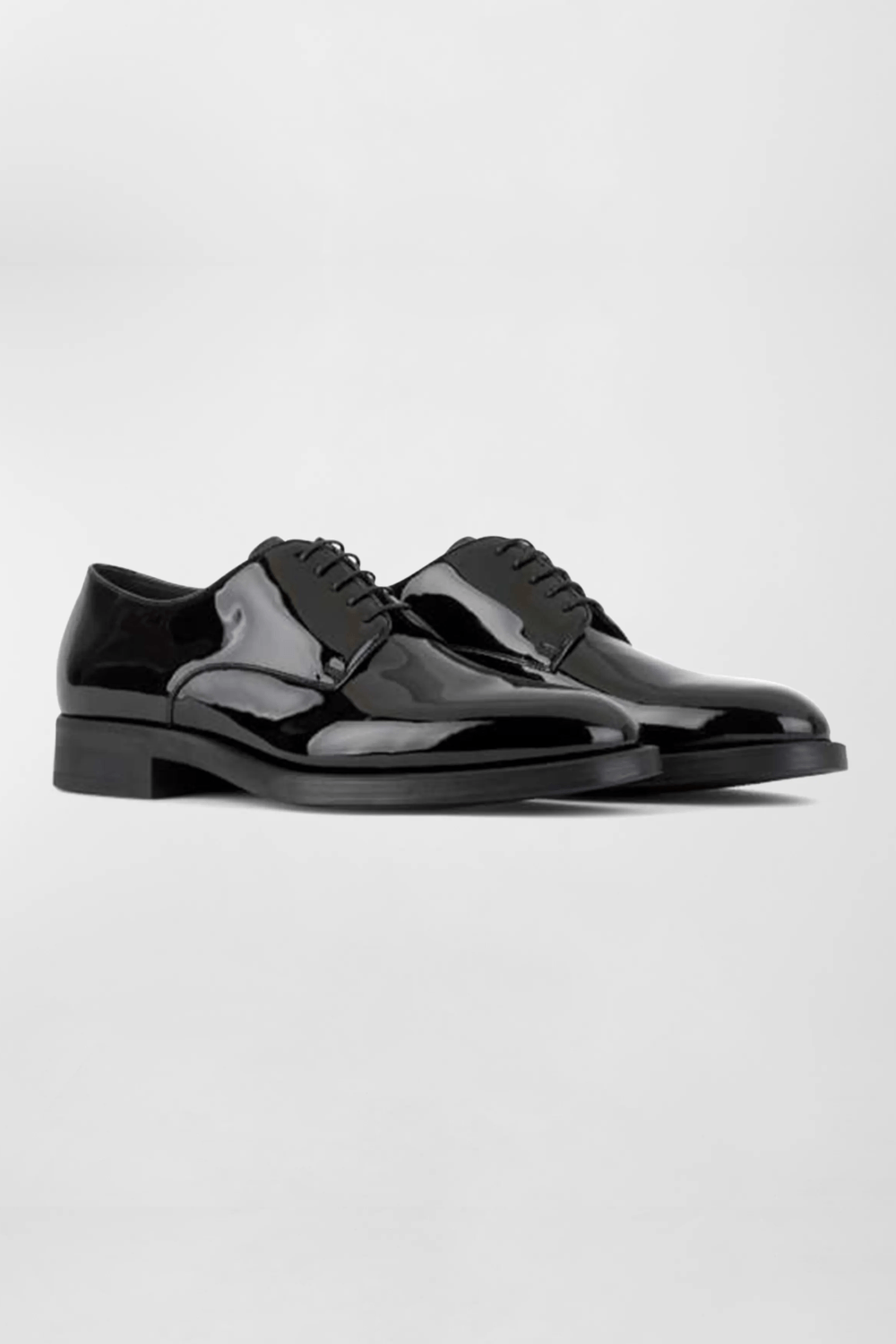
2. Patent Leather Derbies
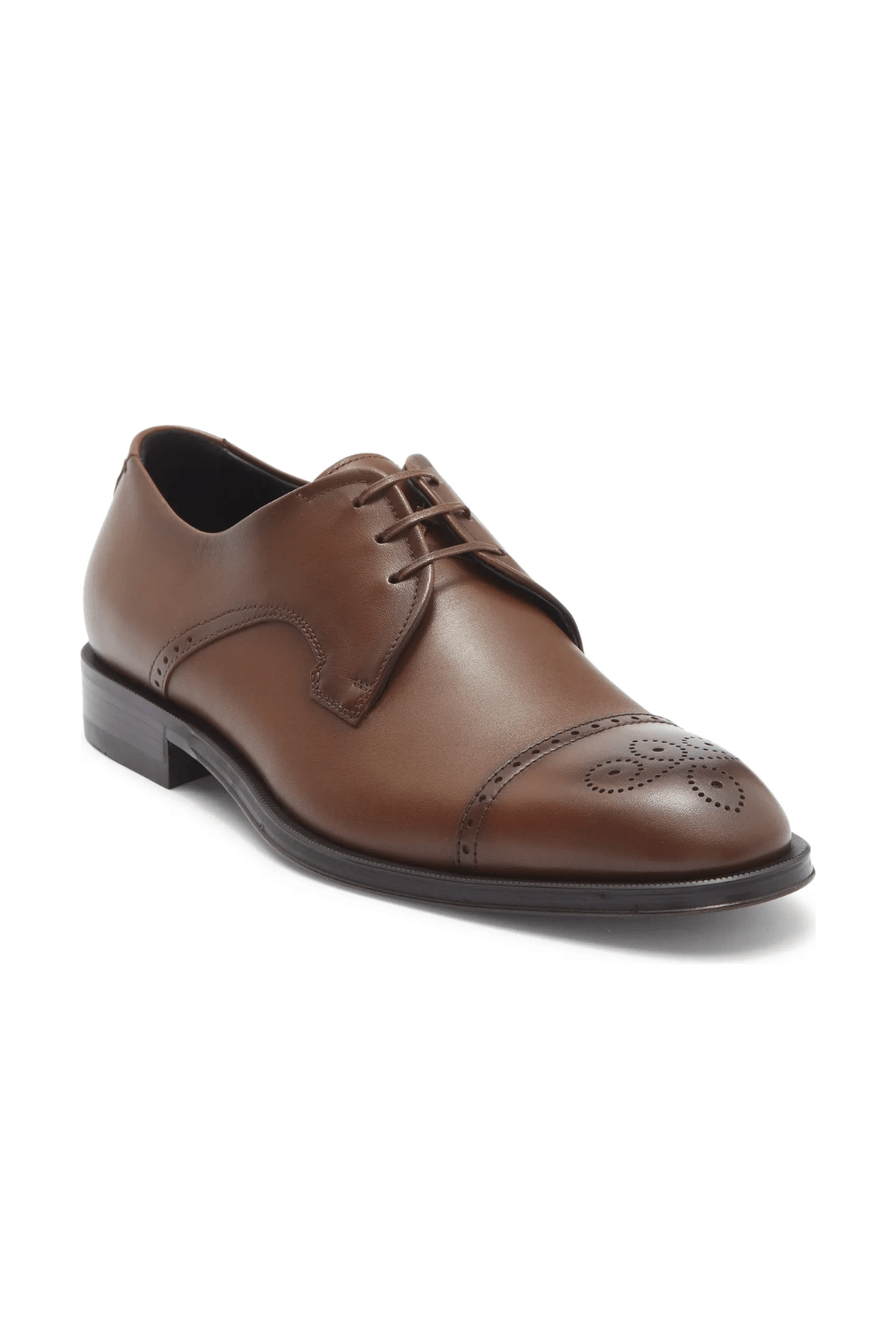
Derbies are versatile dress shoes with open lacing, slightly less formal than Oxfords.
They can be dressed up or down for many occasions, and patent leather versions are best suited for dressier events and eveningwear.
Florsheim
Tux Derby
$140
Florsheim
Magnanni
Dante Derby
$425
Nordstrom
Giorgio Armani
Patent Leather Derby
$825
Neiman Marcus
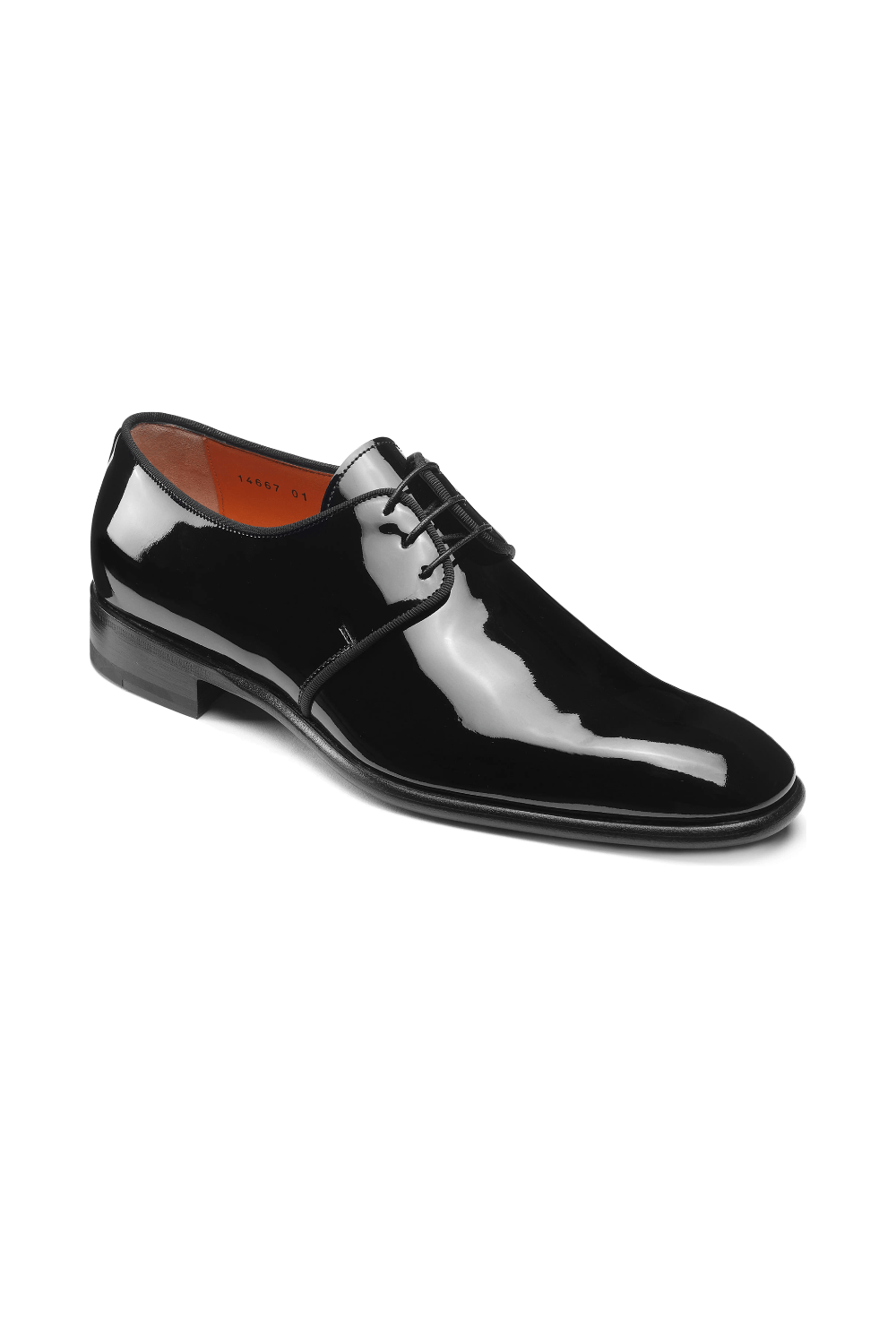
Santoni
Isogram Plain Toe Derby
$1,090
Nordstrom
3. Patent Leather Loafers
Patent leather loafers are a very unique and quirky style of loafers intended for dressy occasions.
They are less structured than Oxfords but polished enough to be worn for black-tie or formal evening events.
If you want comfort without sacrificing formality, patent leather loafers are a great choice.
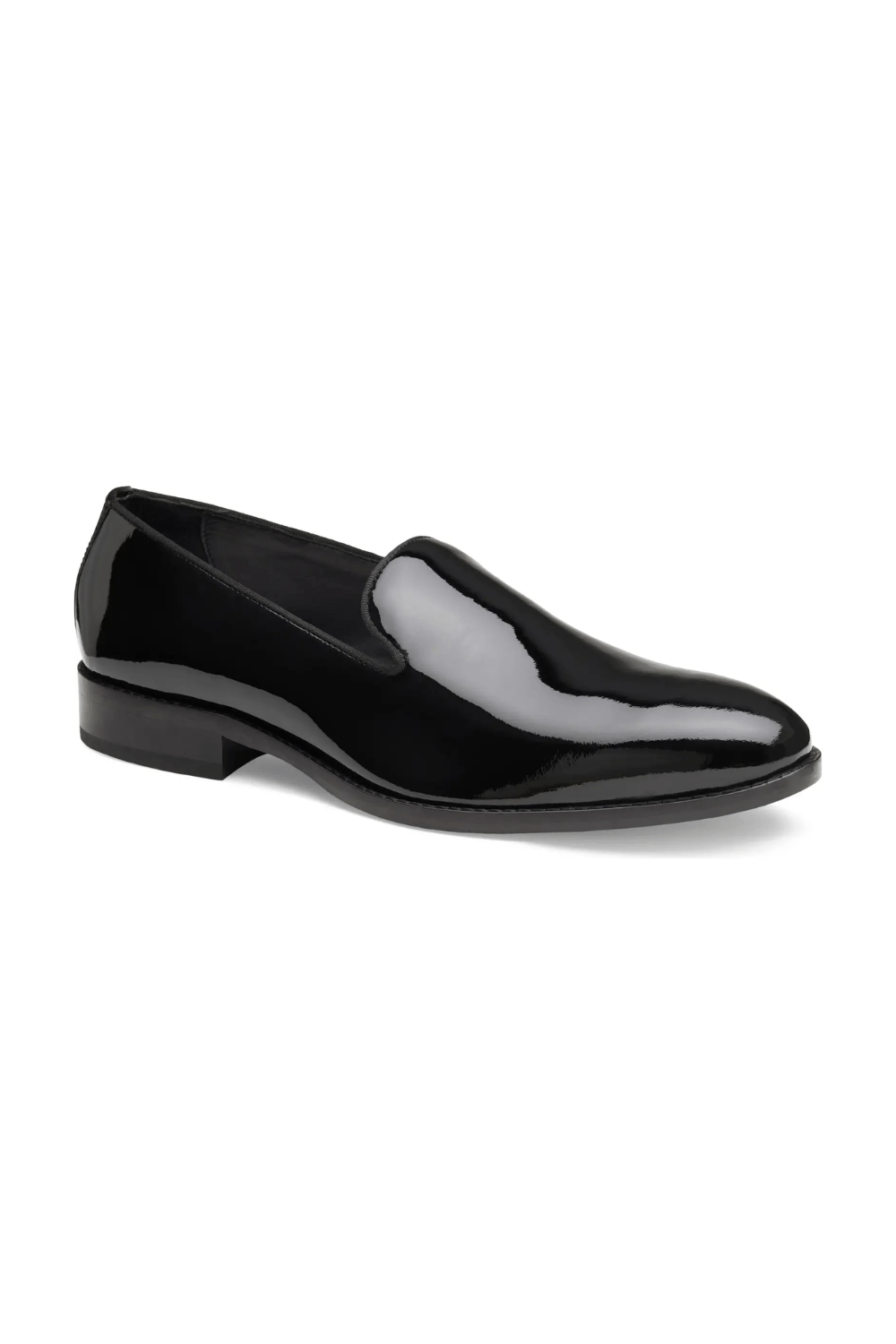
Johnston & Murphy
Gavney Patent Loafer
$149
Nordstrom
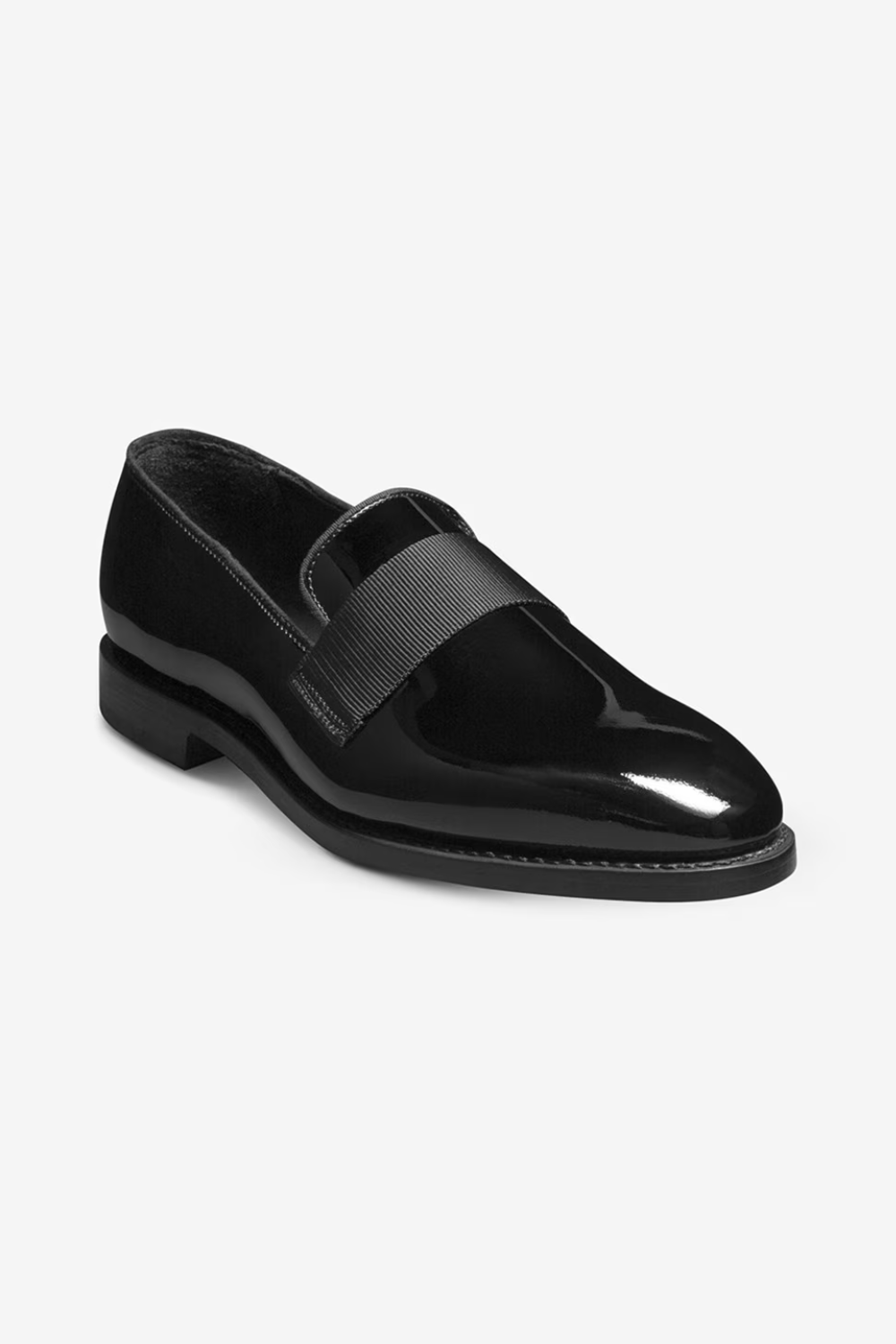
Allen Edmonds
James Dress Loafer
$450
Allen Edmonds
Christian Louboutin
Dandy Deco Venetian Loafer
$995
Nordstrom
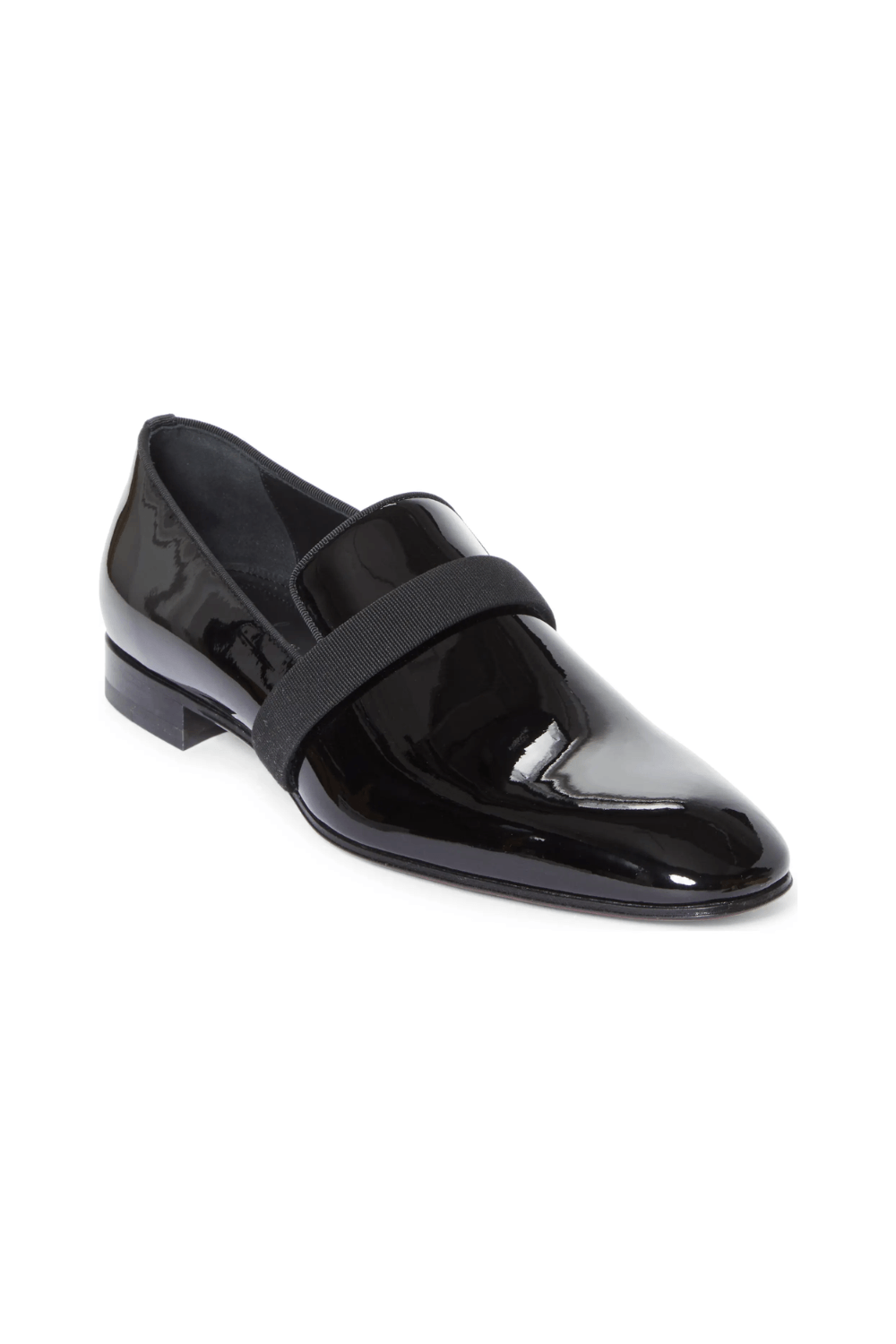
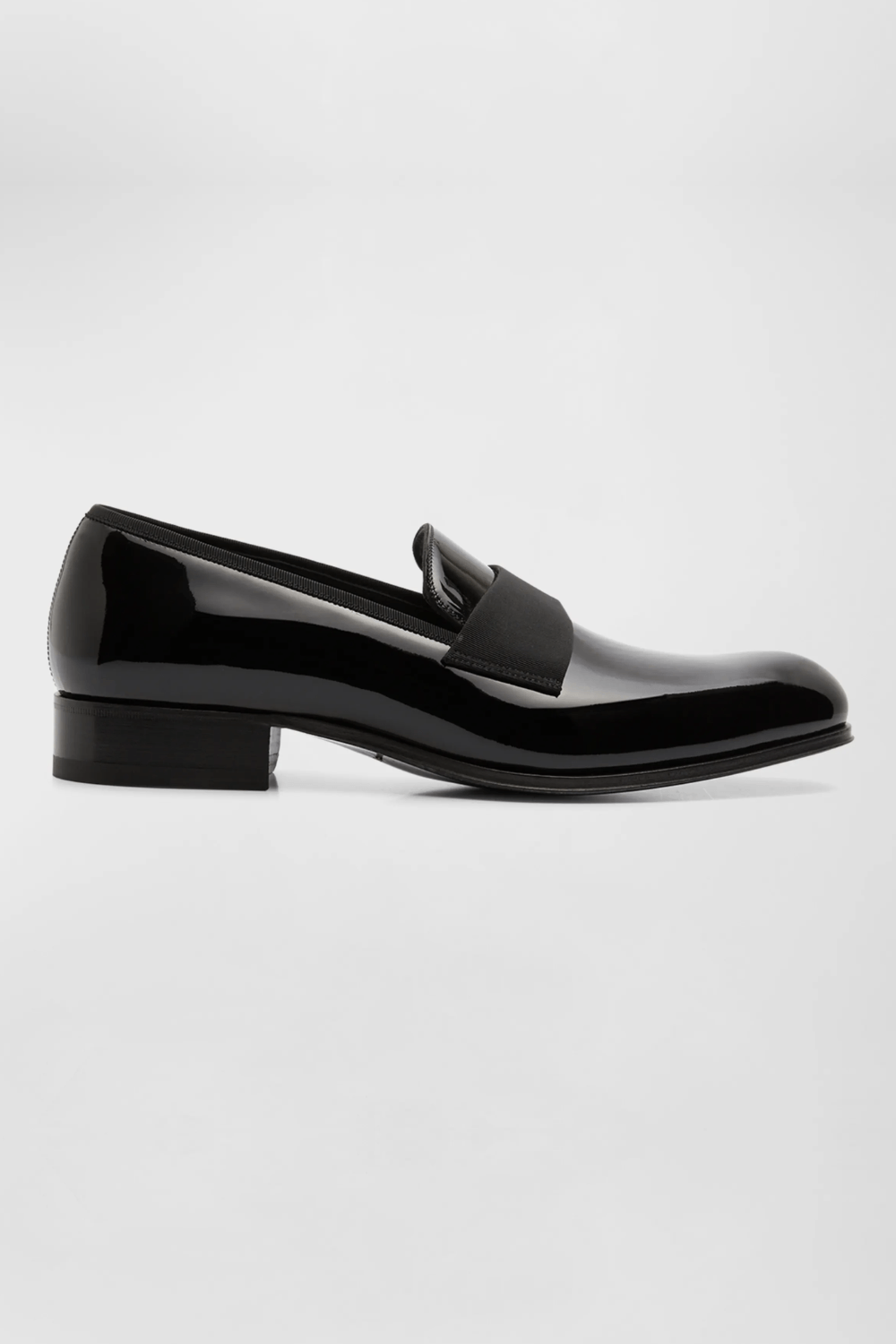
Tom Ford
Edgar Patent Leather Loafers
$1,990
Neiman Marcus
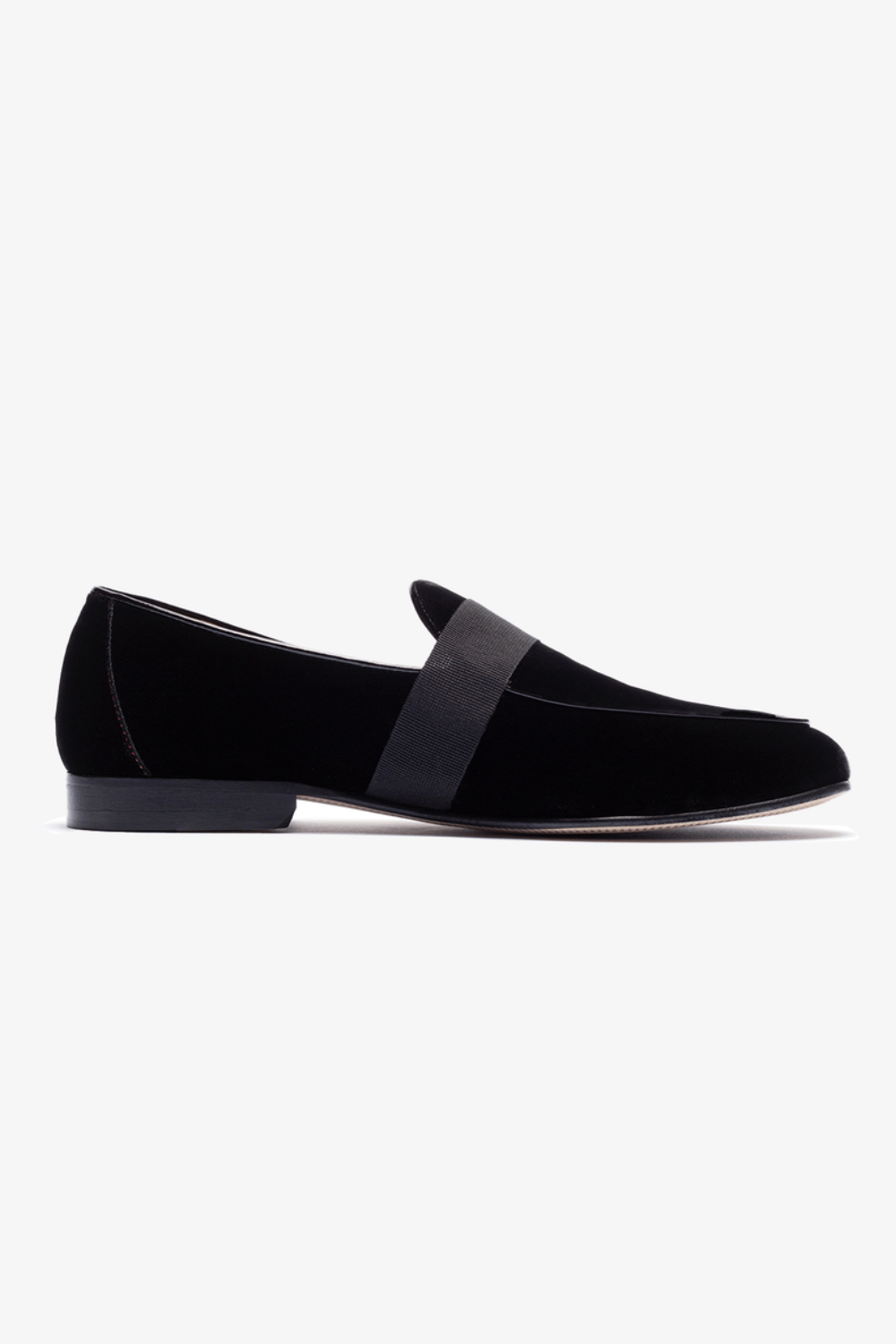
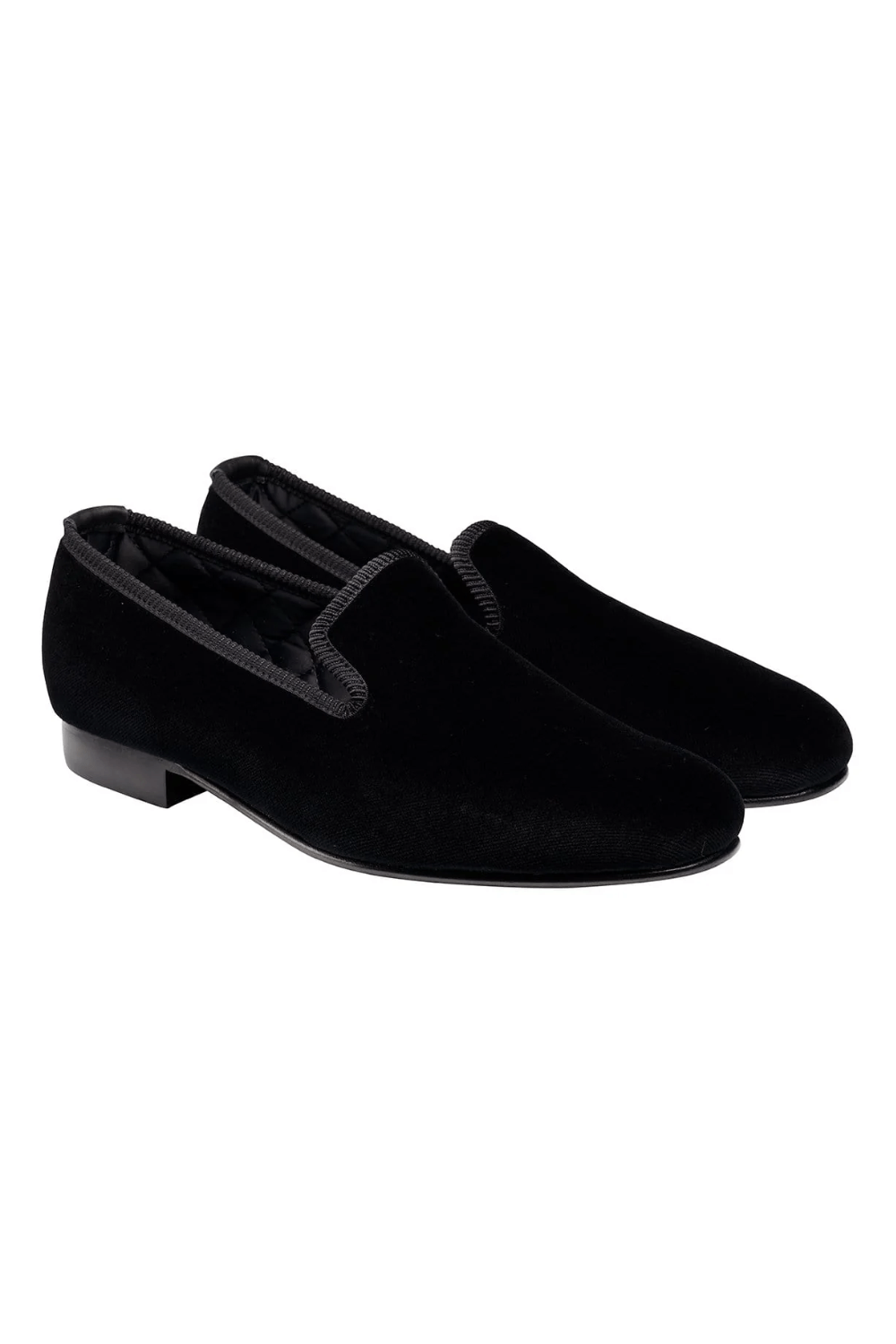
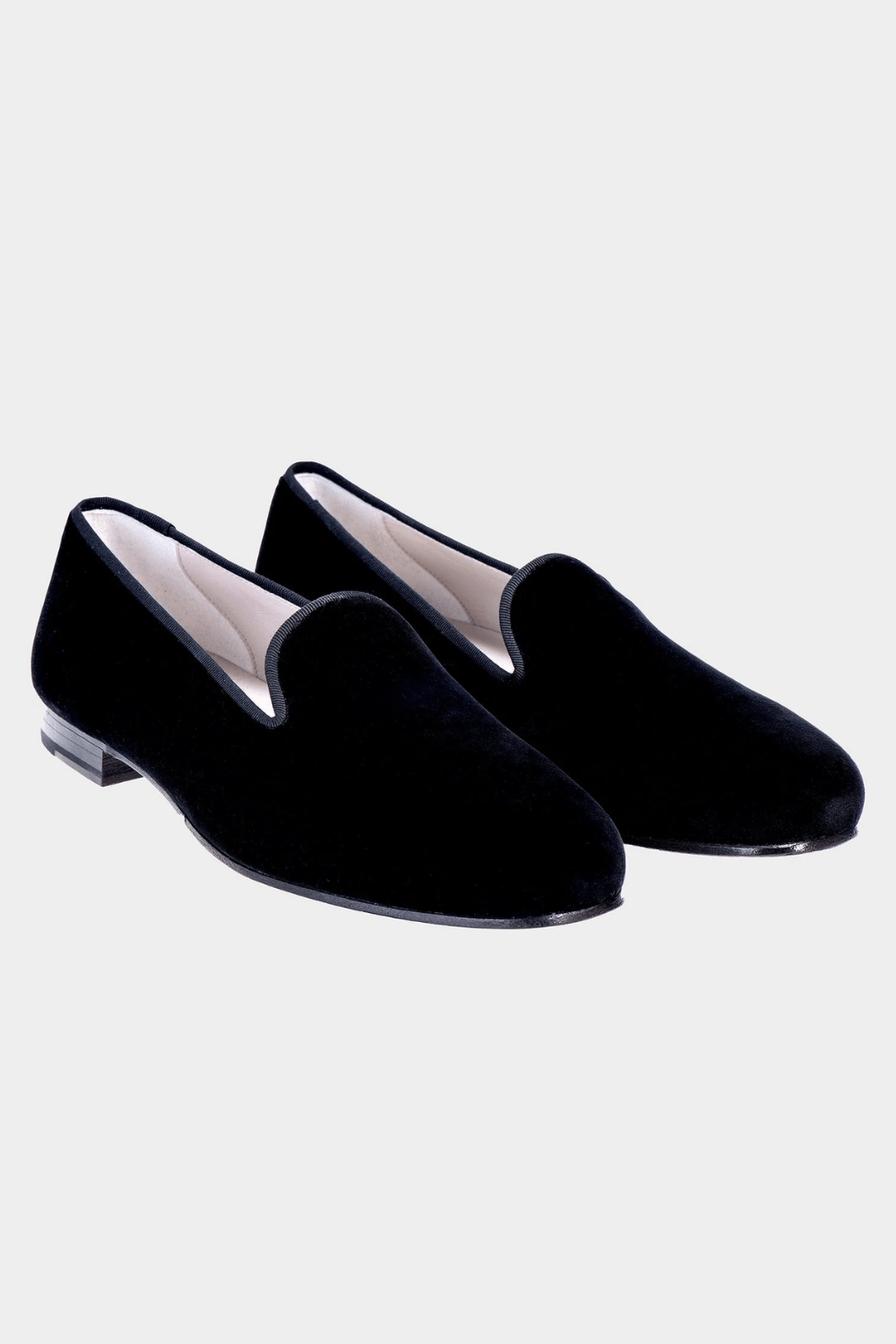
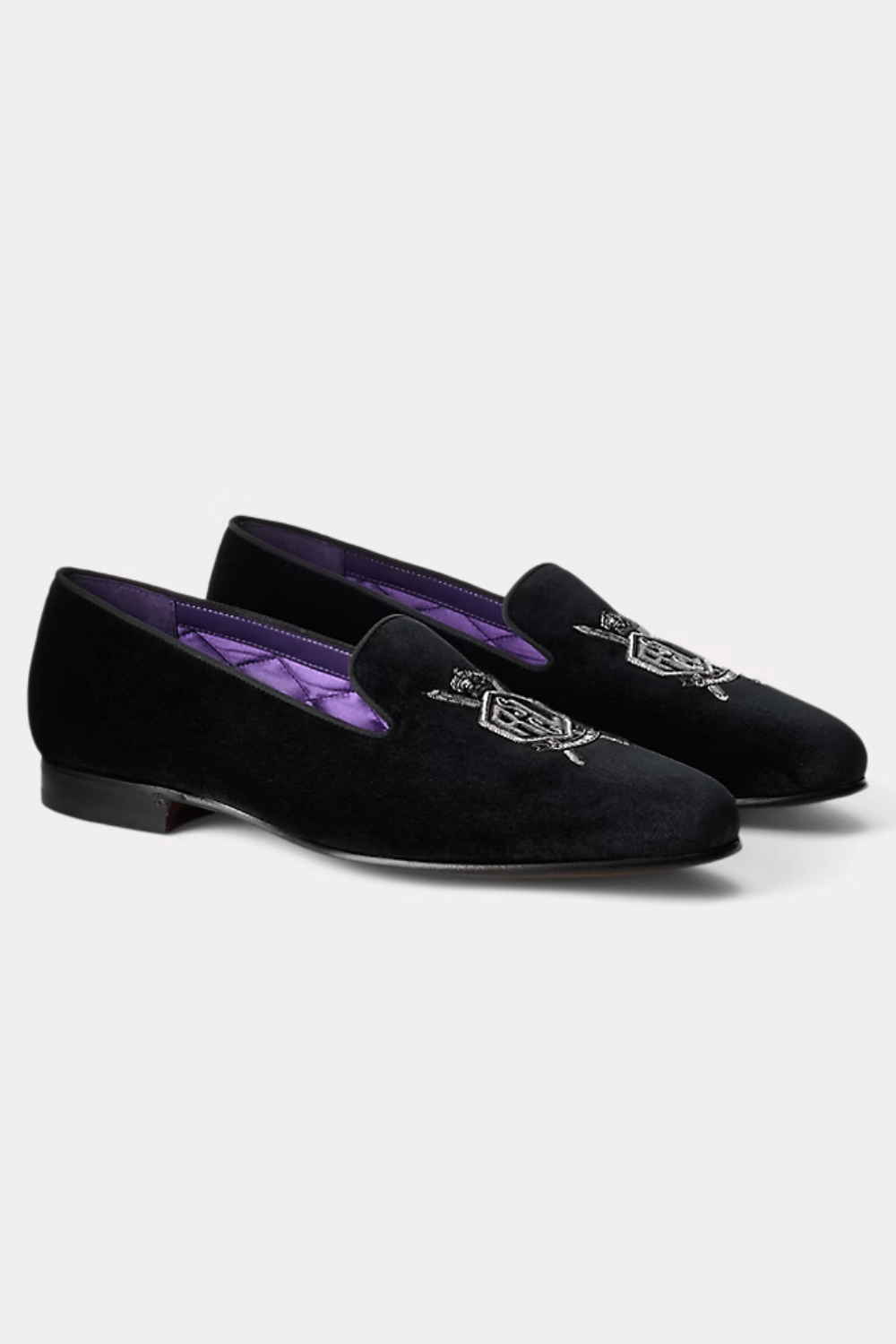
4. Velvet Slippers (Albert Slippers)
Velvet slippers, also called Albert slippers, are a type of slip-on shoe made from velvet, and they are the most informal of the five formal shoes we’ve covered.
They usually have minimal structure and often feature a decorative embroidery or metal motif on the vamp.
While not as formal as other options, velvet slippers are a good opportunity to add some fun to your black tie outfit.
Del Toro
Black Como Velvet Slipper II
$285 $475
Del Toro
Crockett & Jones
Plain Albert Slipper
$440
Crockett & Jones
Stubbs & Wootton
Black Velvet Slippers
$459 $650
Todd Snyder
Ralph Lauren
Alonzo Bullion Crest Velvet Slipper
$1,049 $1,495
Ralph Lauren
III. Business Formal Shoes
Business formal is a highly polished daytime dress code focused on professionalism.
It’s less formal than black tie, but still comes with strict dress shoe expectations.
Classic leather dress shoes in dark, conservative colors are the right choice here.
Typical business formal occasions include:
Corporate offices and professional work environments
Client meetings and presentations
Formal business events
Corporate Dinners & Receptions
Conferences & Summits
Here are some of the most appropriate dress shoes to wear for business formal events:
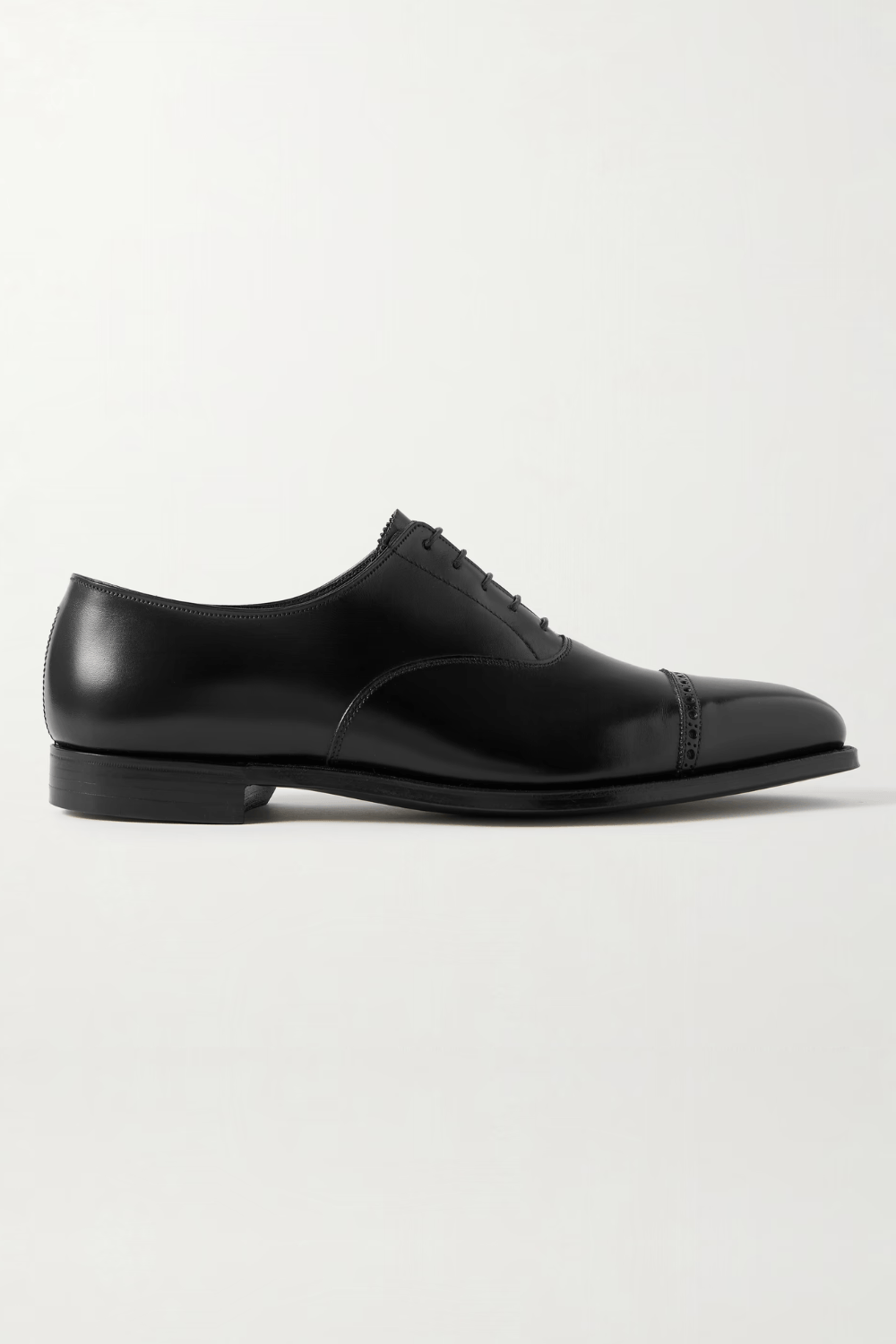
1. Leather Oxfords
All the Oxford styles covered above fit into this category. Just without the patent leather.
Patent leather shoes are primarily intended for evening formal occasions, particularly black-tie and white-tie.
For a business formal occasion, calfskin Oxfords in conservative colors like black, dark brown, and oxblood are good options.
Florsheim
Postino Plain Toe Oxford
$130
Florsheim
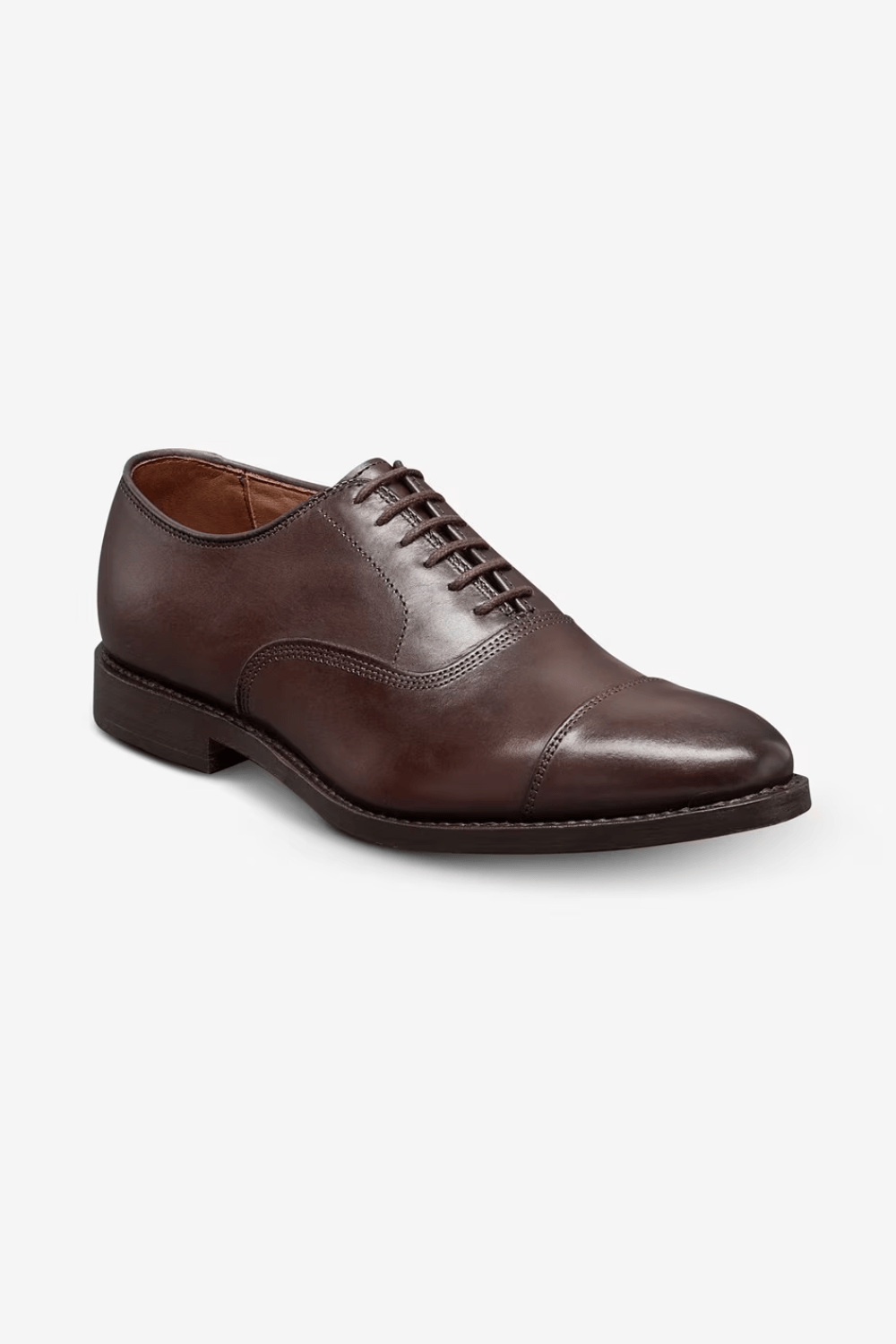
Allen Edmonds
Park Avenue Cap-toe Oxford
$304 $450
Allen Edmonds
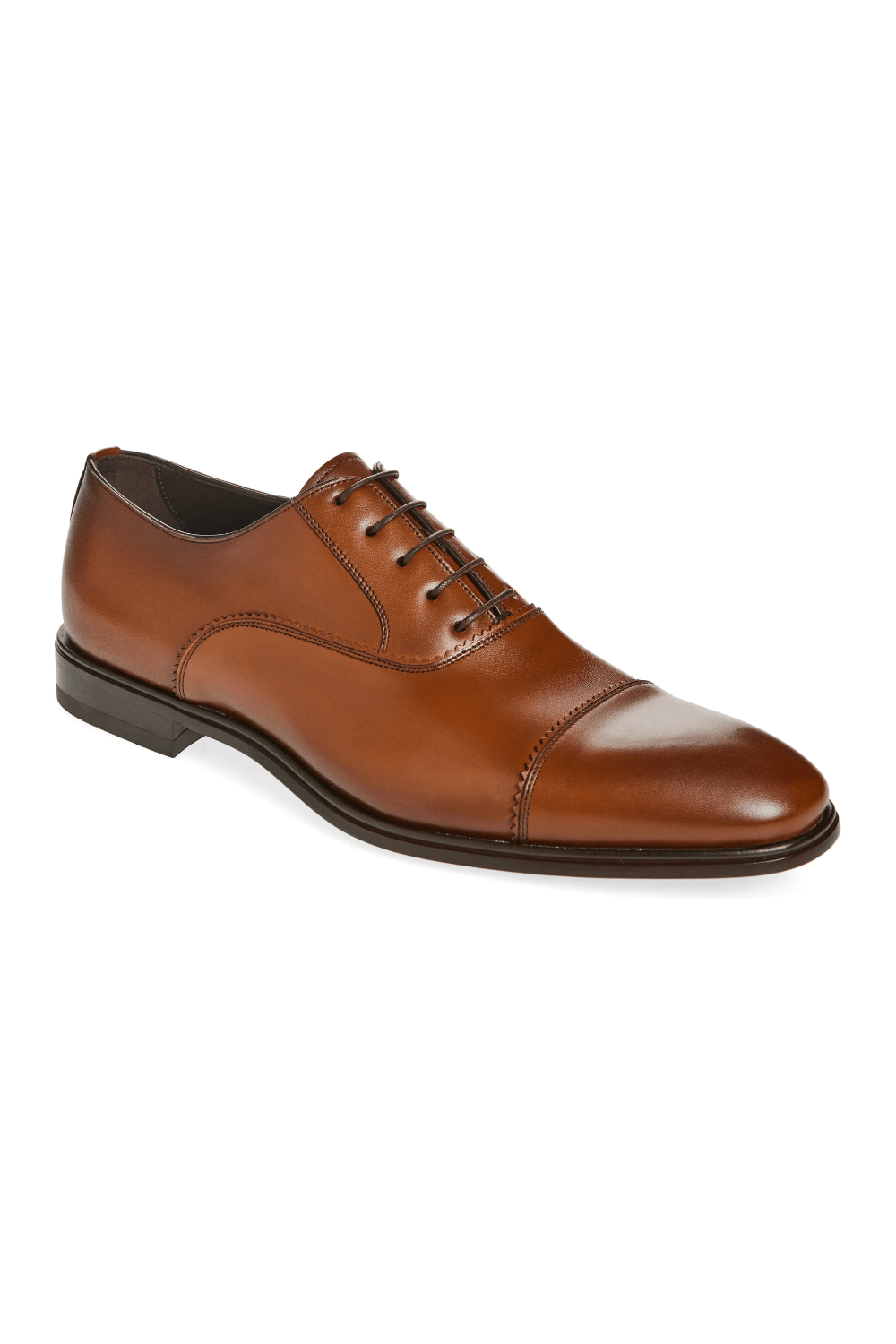
Ferragamo
Boston Cap Toe Oxford
$895
Nordstrom
Manolo Blahnik
Snowdon Whole-Cut Oxford
$1,135
Mr Porter
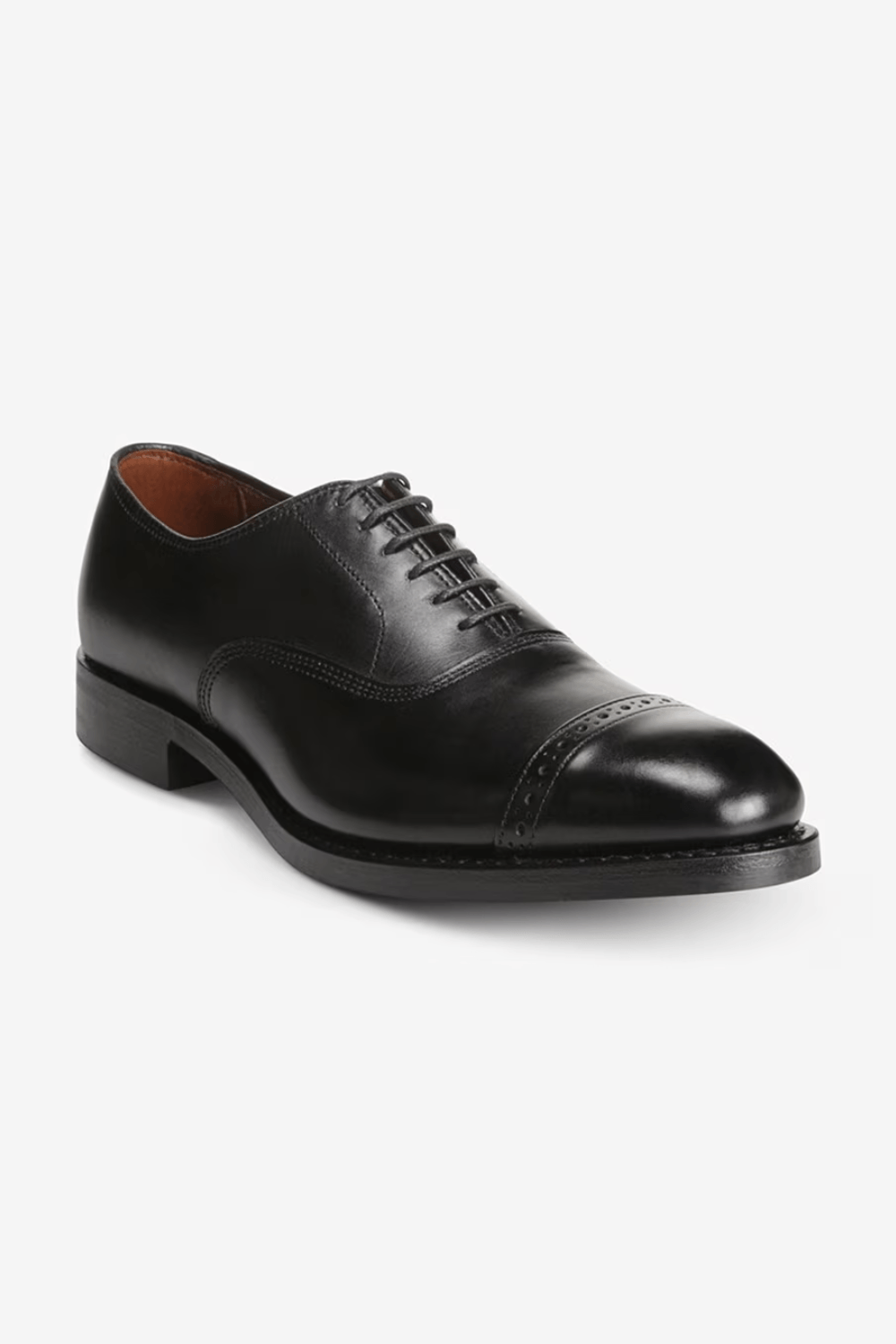
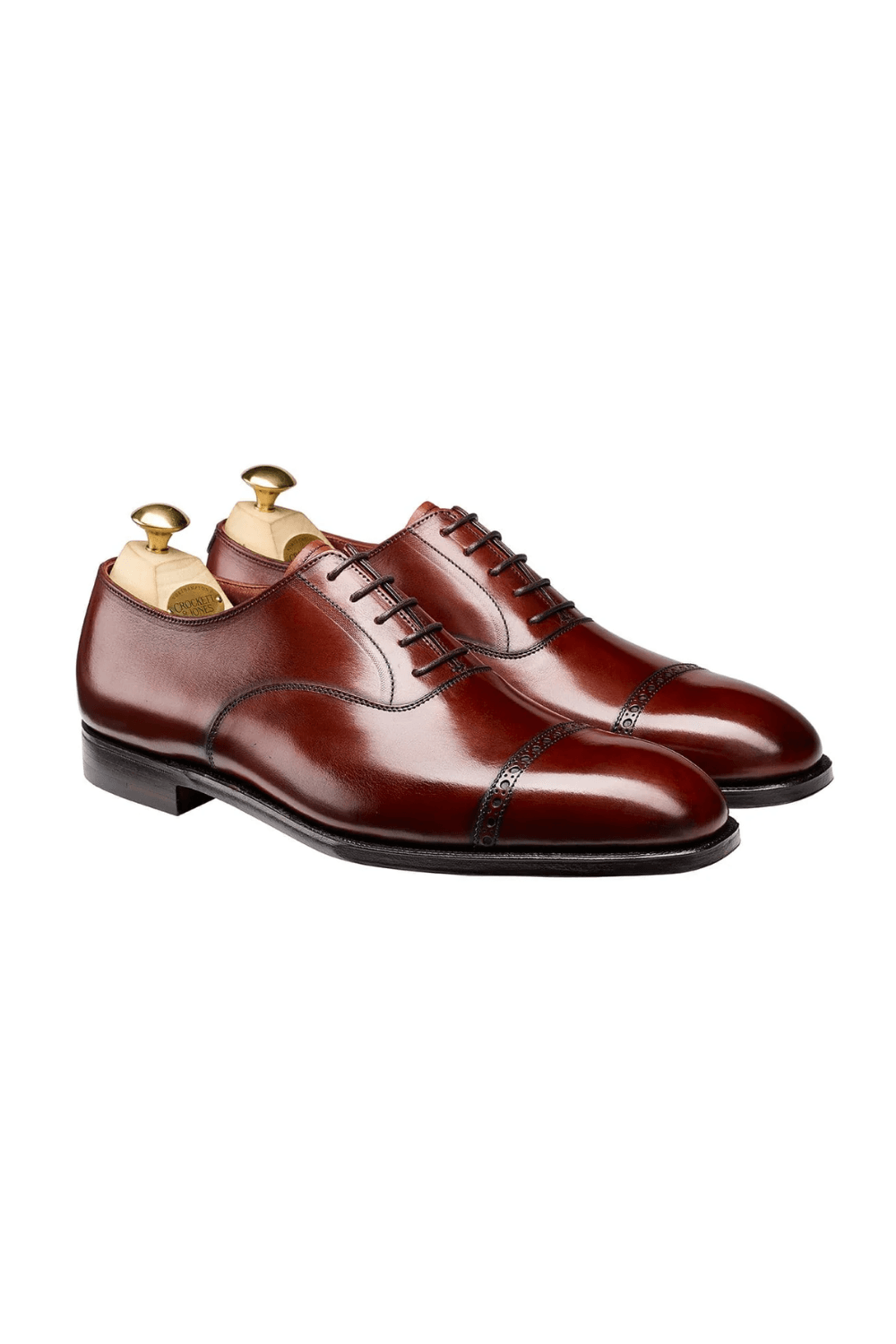
2. Quarter Brogue Oxford
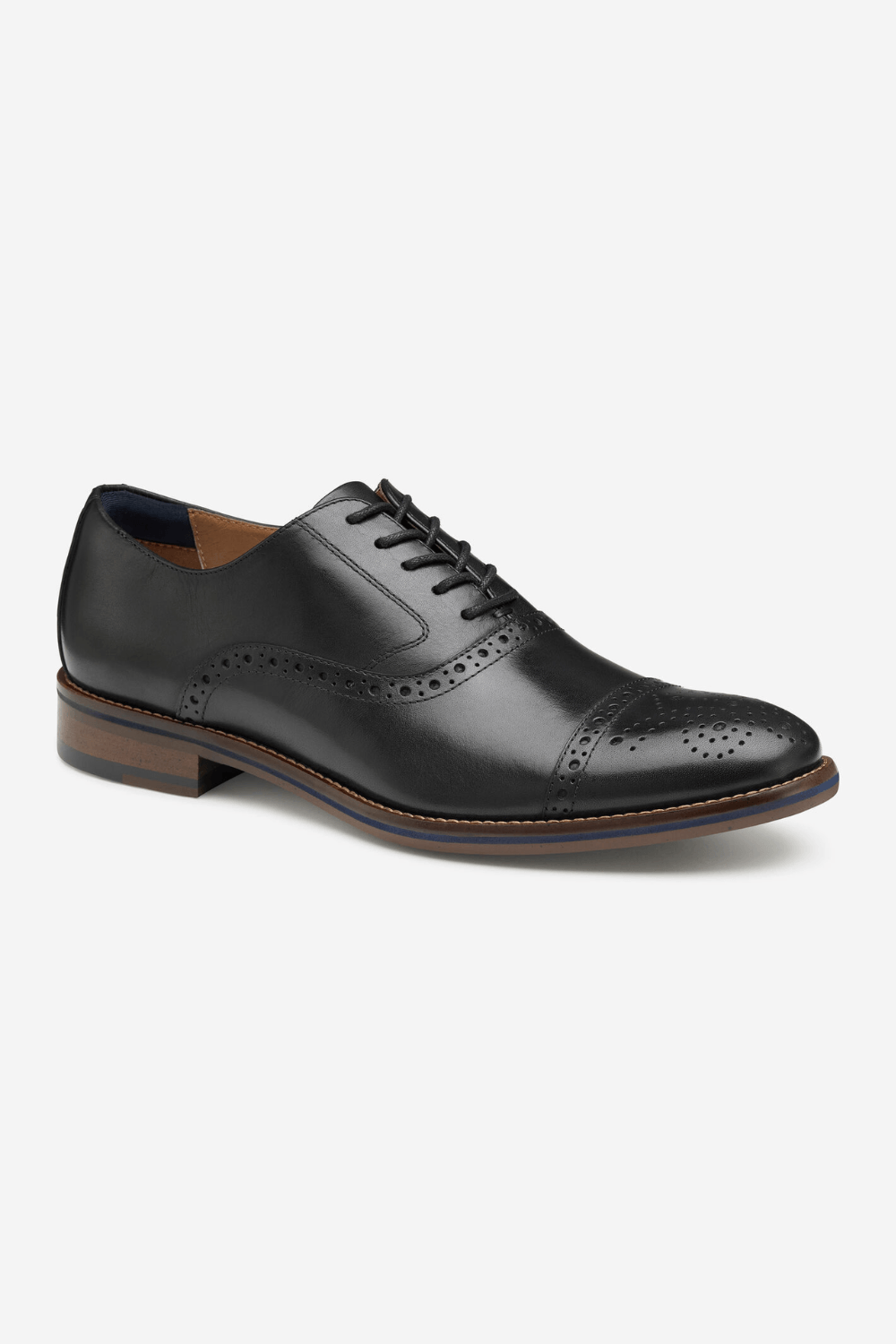
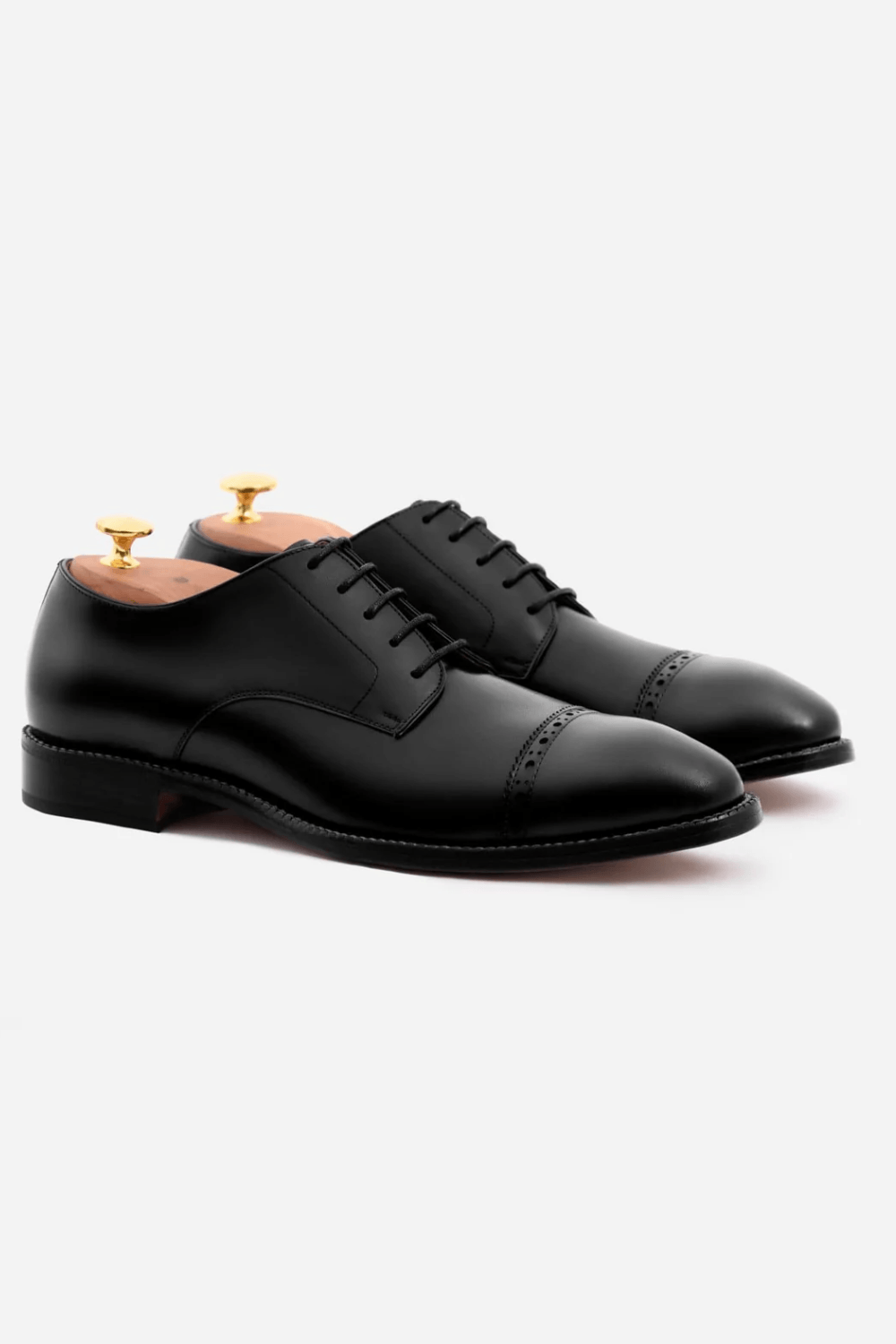
A quarter brogue Oxford looks similar to a regular cap-toe Oxford. The difference is that quarter brogue Oxfords have broguing (decorative holes) along the edge of the cap toe instead of a plain stitched seam.
Quarter brogue Oxfords are the most formal type of brogue, thanks to their closed lacing and minimal decoration.
They don’t have wings, extensions, or a medallion like semi-brogue and full-brogue Oxfords, which we’ll cover later.
Florsheim
Lexington Cap Toe Oxford
$145
Florsheim
Allen Edmonds
Fifth Avenue Cap-toe Oxford
$319 $475
Allen Edmonds
George Cleverley
Charles Cap-Toe Oxford
$850
Mr Porter
Crockett & Jones
Belgrave Quarter Brogue Oxford
$1,050
Crockett & Jones
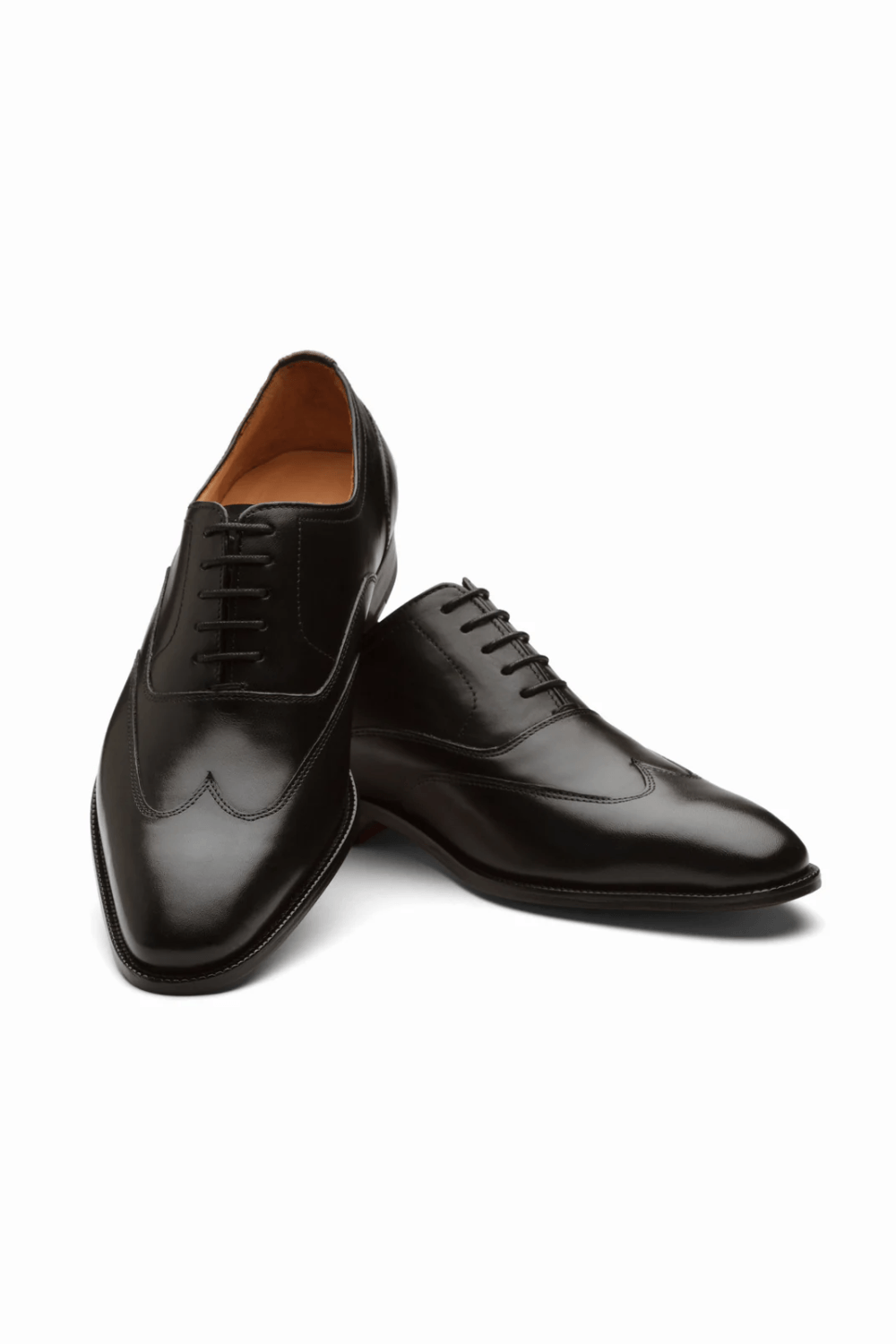
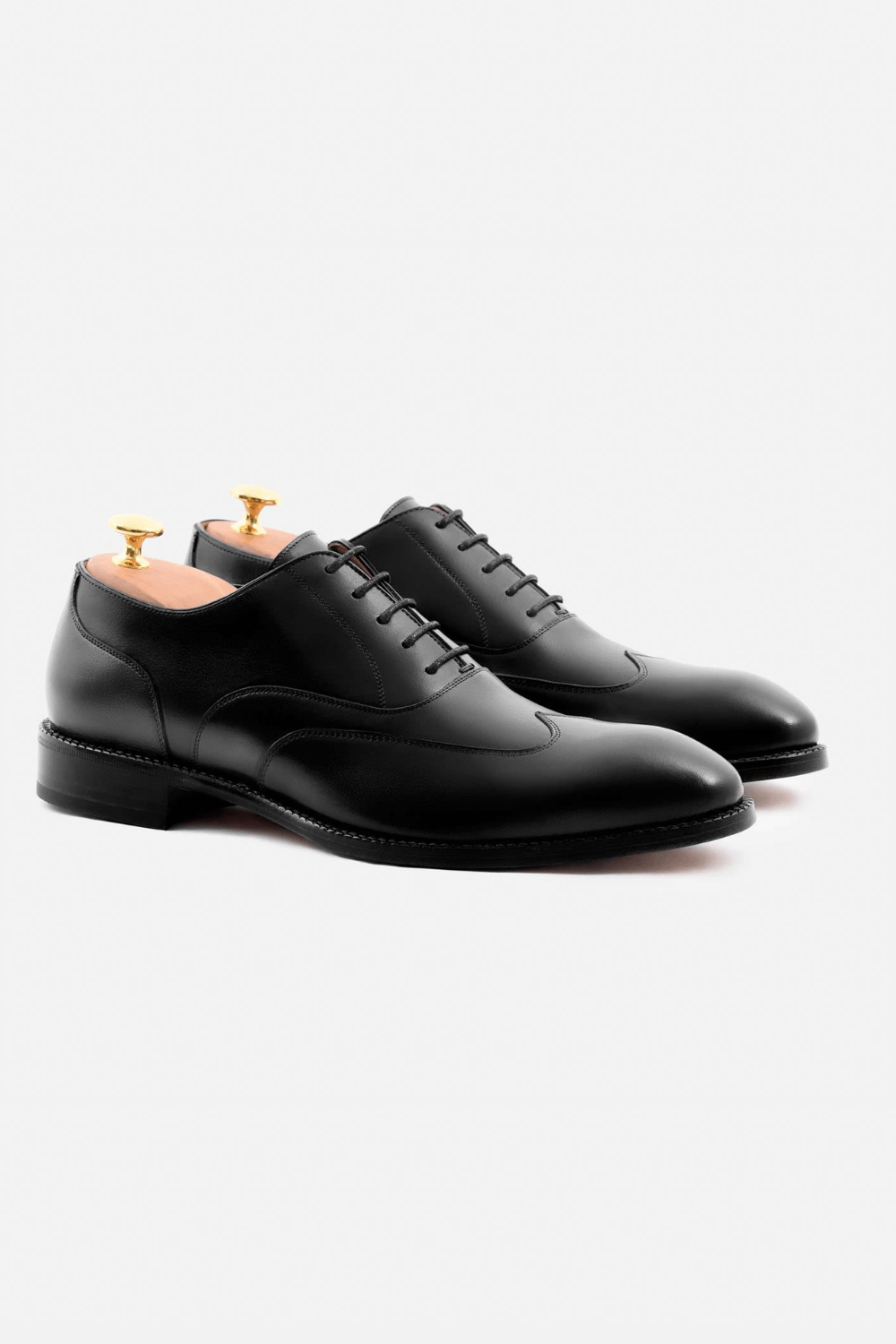
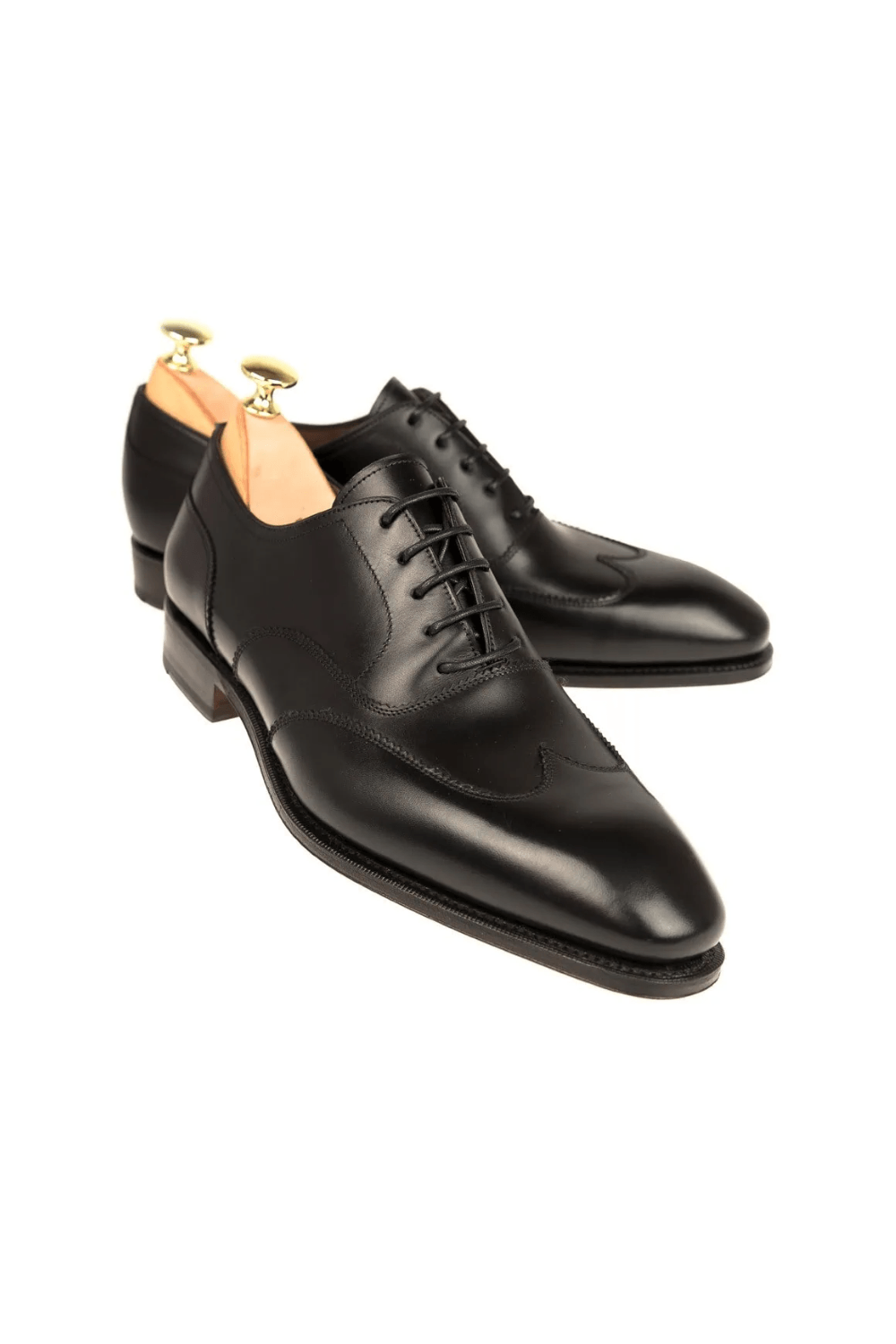
3. Austerity Brogue Oxford
It’s called a brogue, but it actually features a wingtip toe cap without any broguing (decorative holes).
3DM Lifestyle
Austerity Brogue Oxford
$225
3DM Lifestyle
Beckett Simonon
Wright Austerity Oxfords
$239 $370
Beckett Simonon
Carmina
Austerity Brogue Oxford
$525
Carmina
Cheaney
Knightsbridge Oxford Brogue
$515
Cheaney
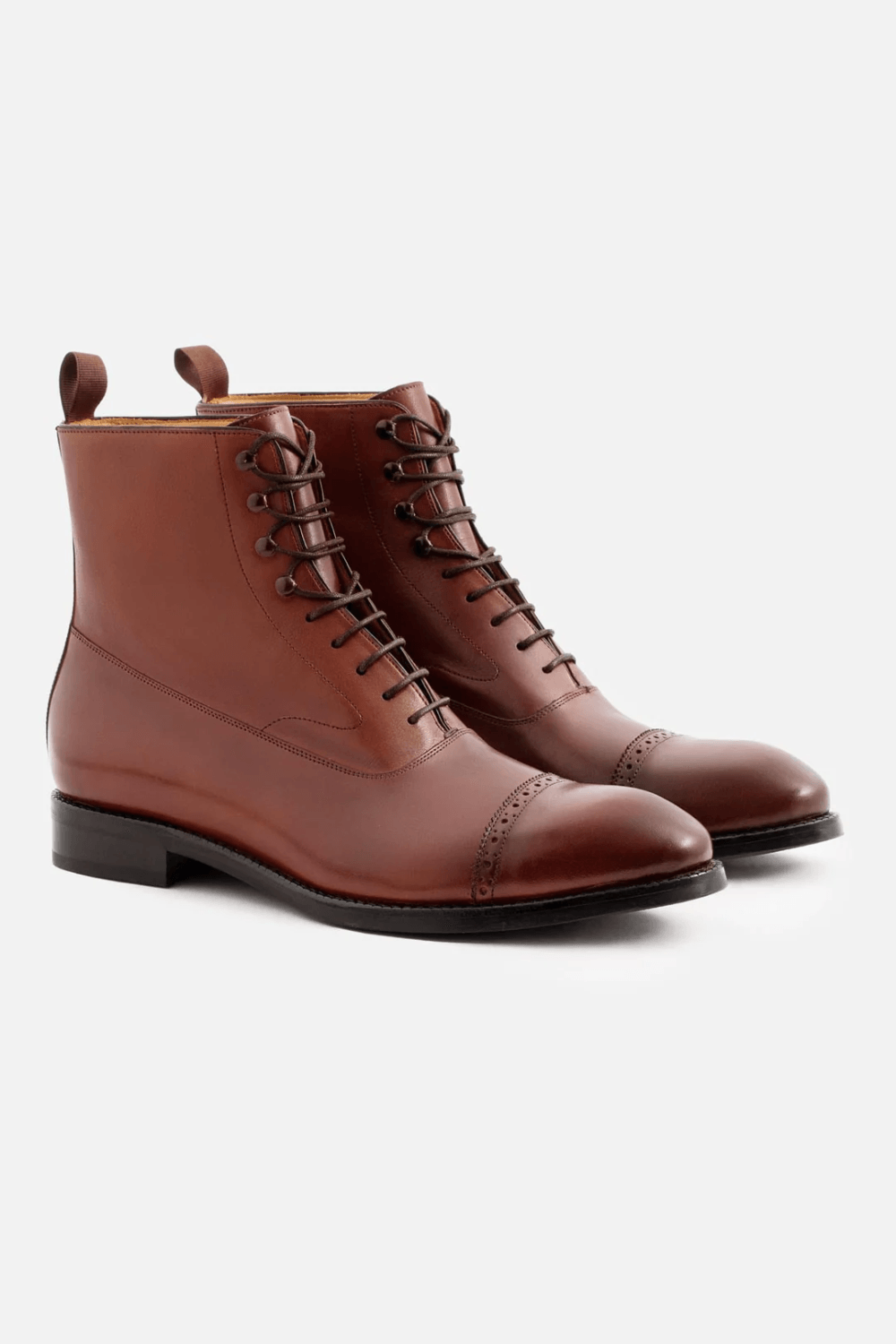
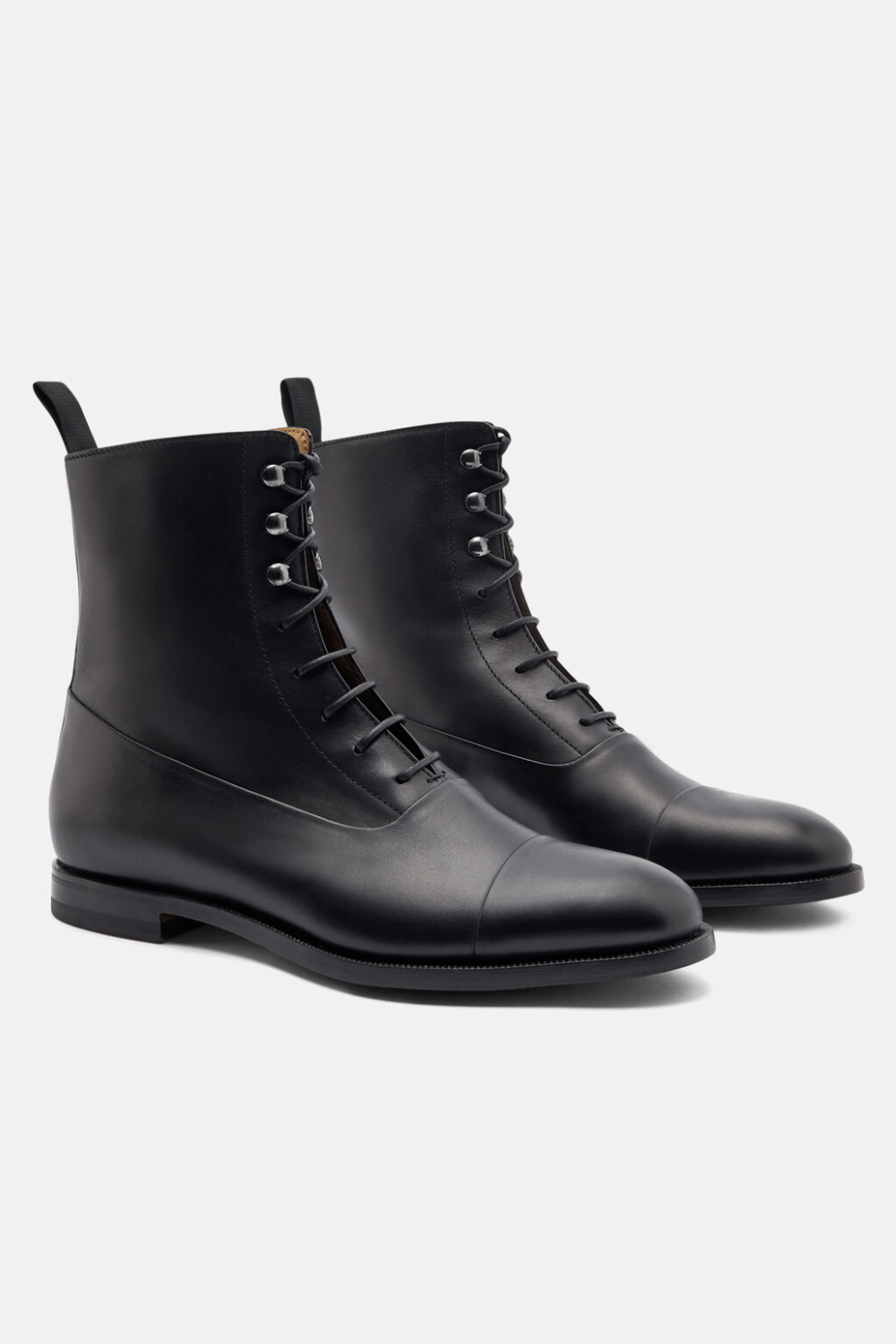
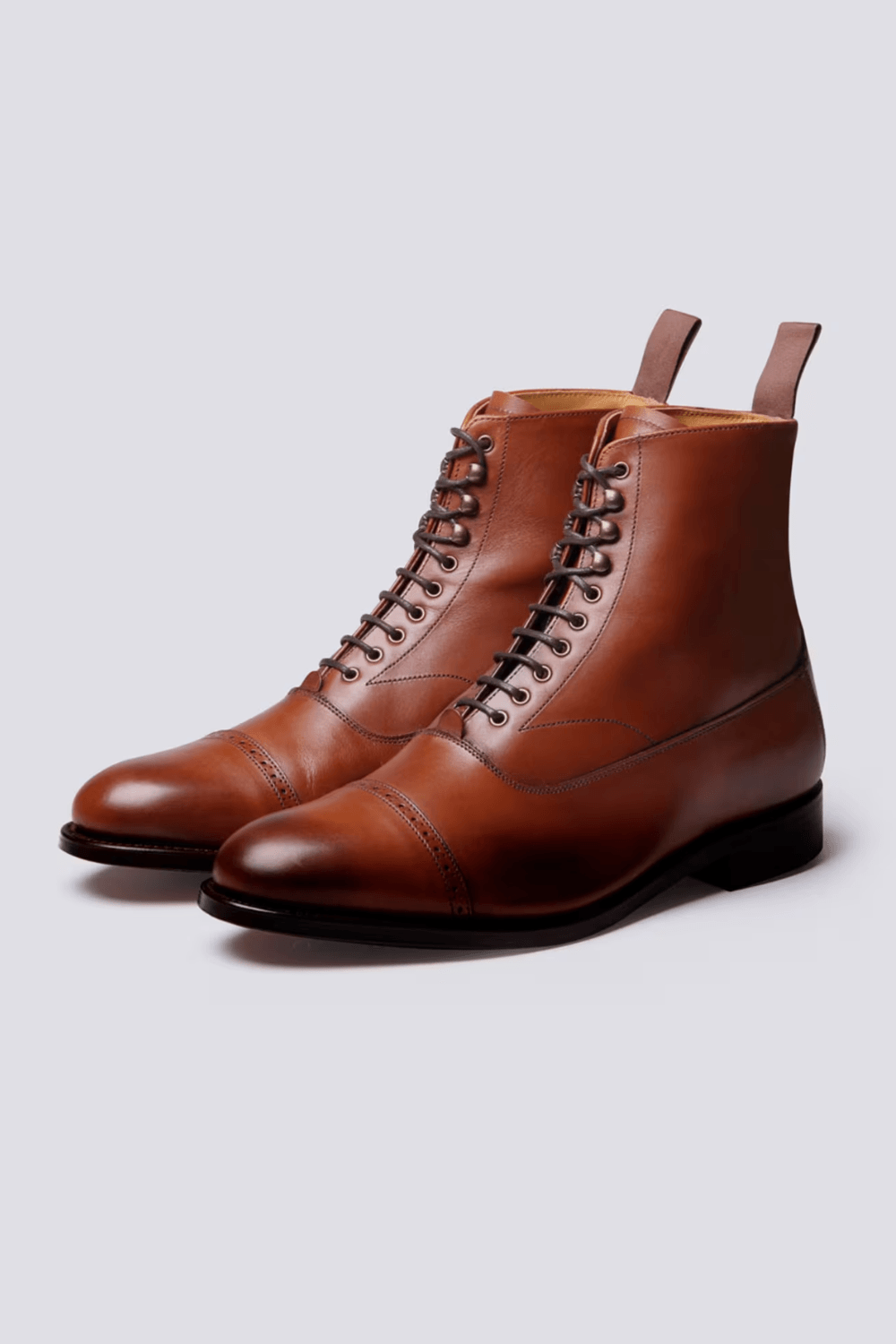
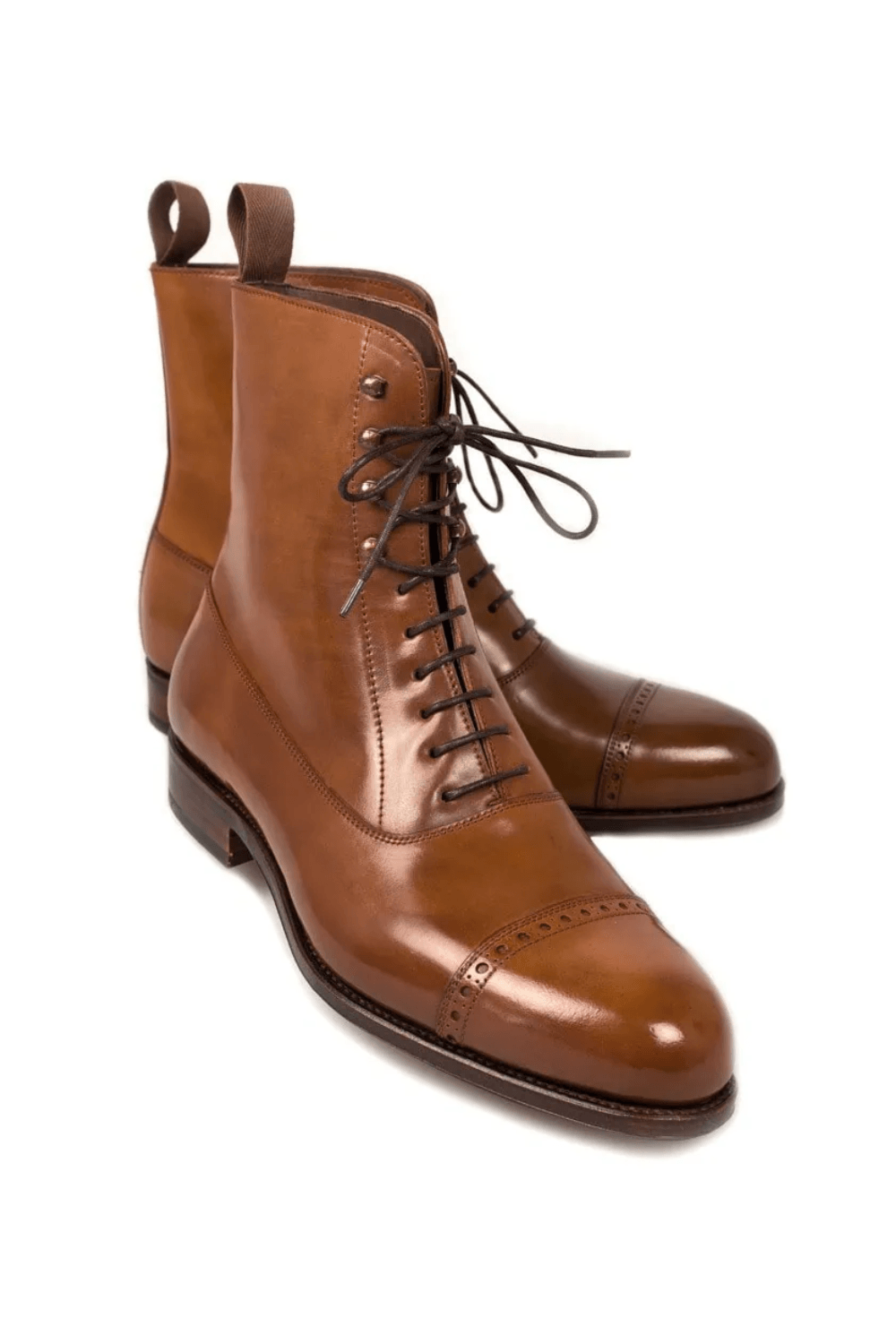
4. Balmoral Boots (Oxford Boots)
Balmoral boots, also known as Oxford boots, are classic dress boots that work great with formal outfits.
They feature a closed, Oxford-style lacing system and come in various styles, including leather, suede, and more decorative versions.
Only the smooth leather ones in conservative colors (black, dark brown) are appropriate for business formal occasions.
Suede and more decorative versions are better suited for semi-formal or business casual settings.
Beckett Simonon
Elliot Balmoral Boots
$269 $420
Beckett Simonon
Scarosso
Archie Balmoral Boots
$495
Scarosso
Grenson
Balmoral Boots
$536 $765
Grenson
Carmina
Cordovan Balmoral Boots
$1,350
Carmina
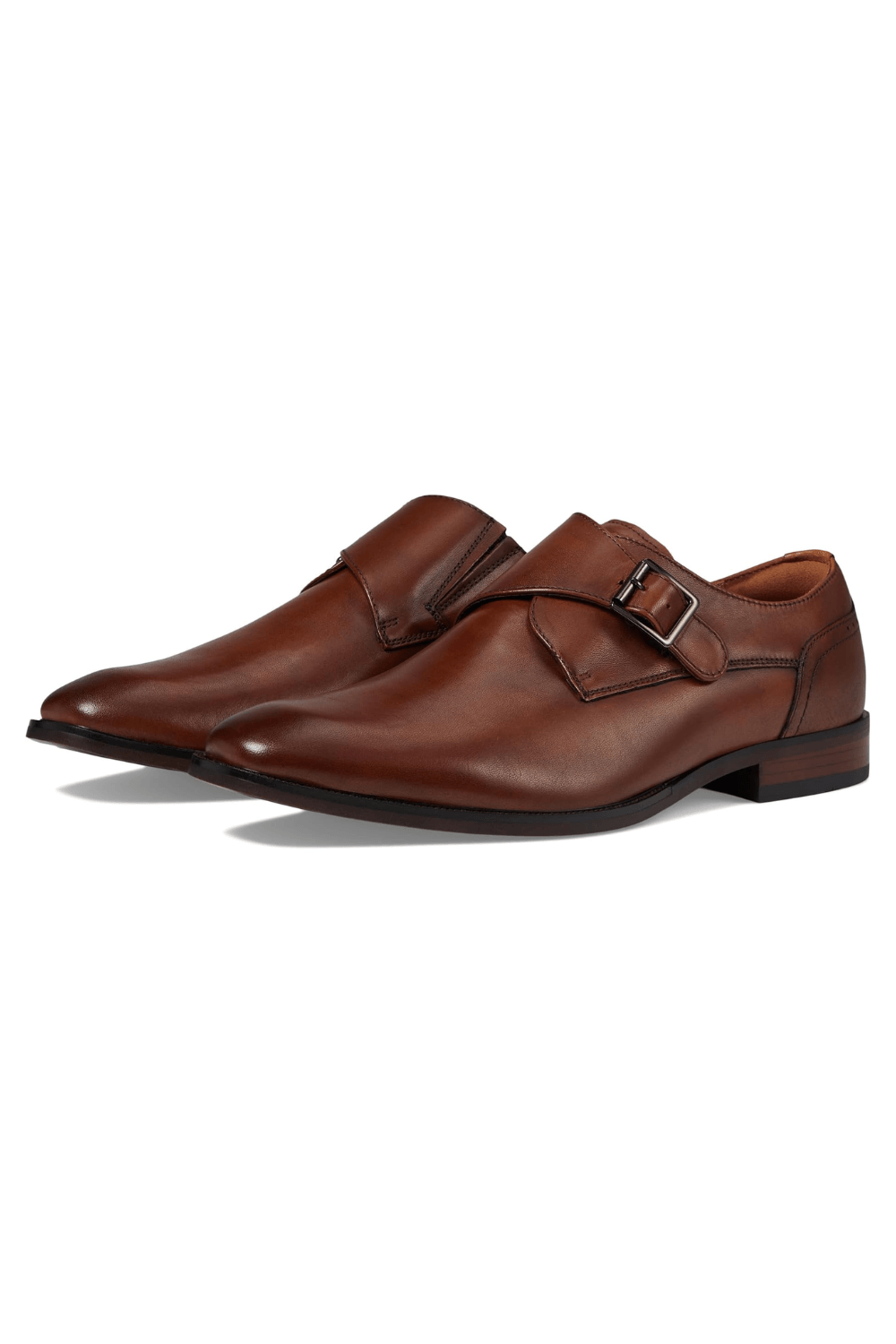
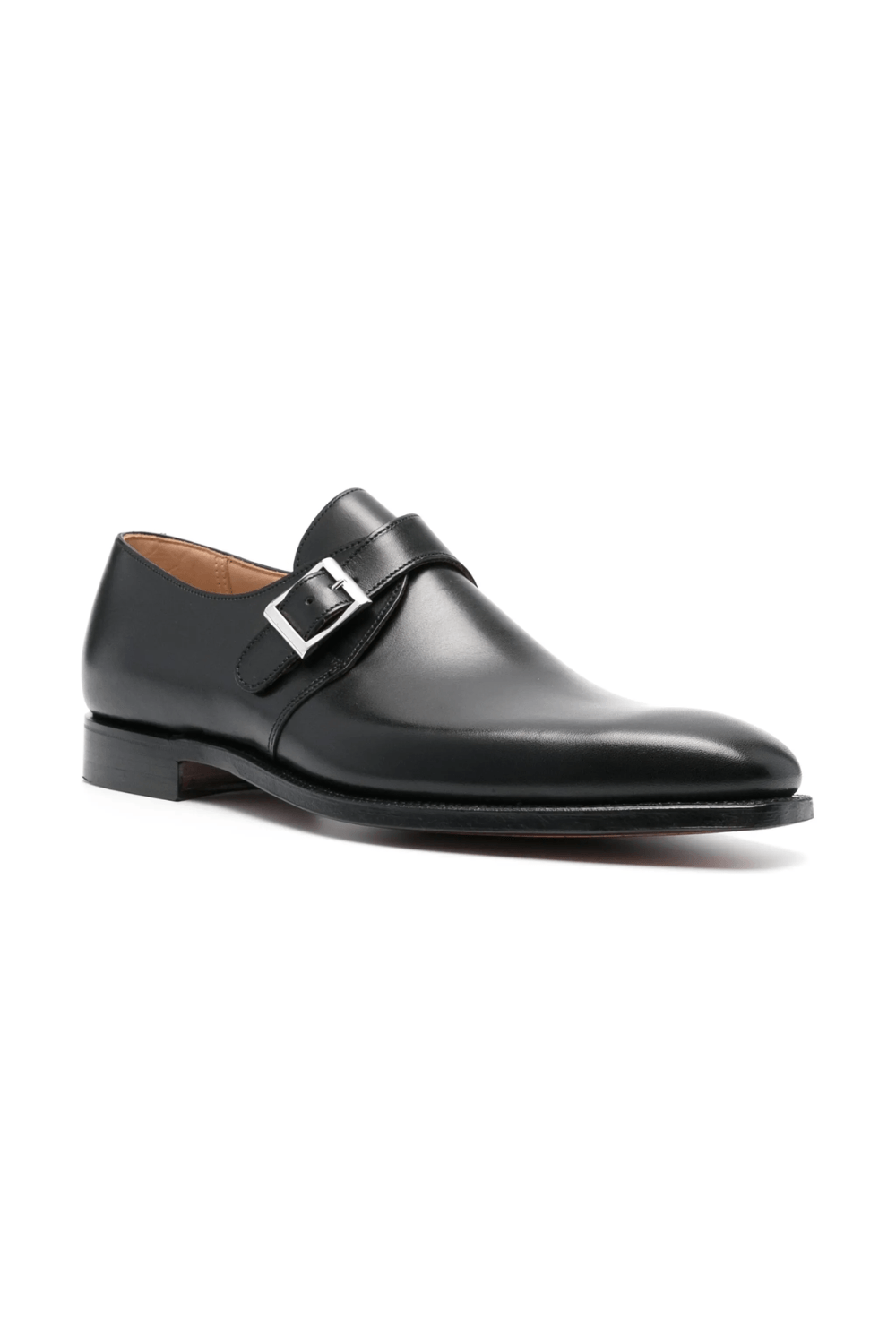
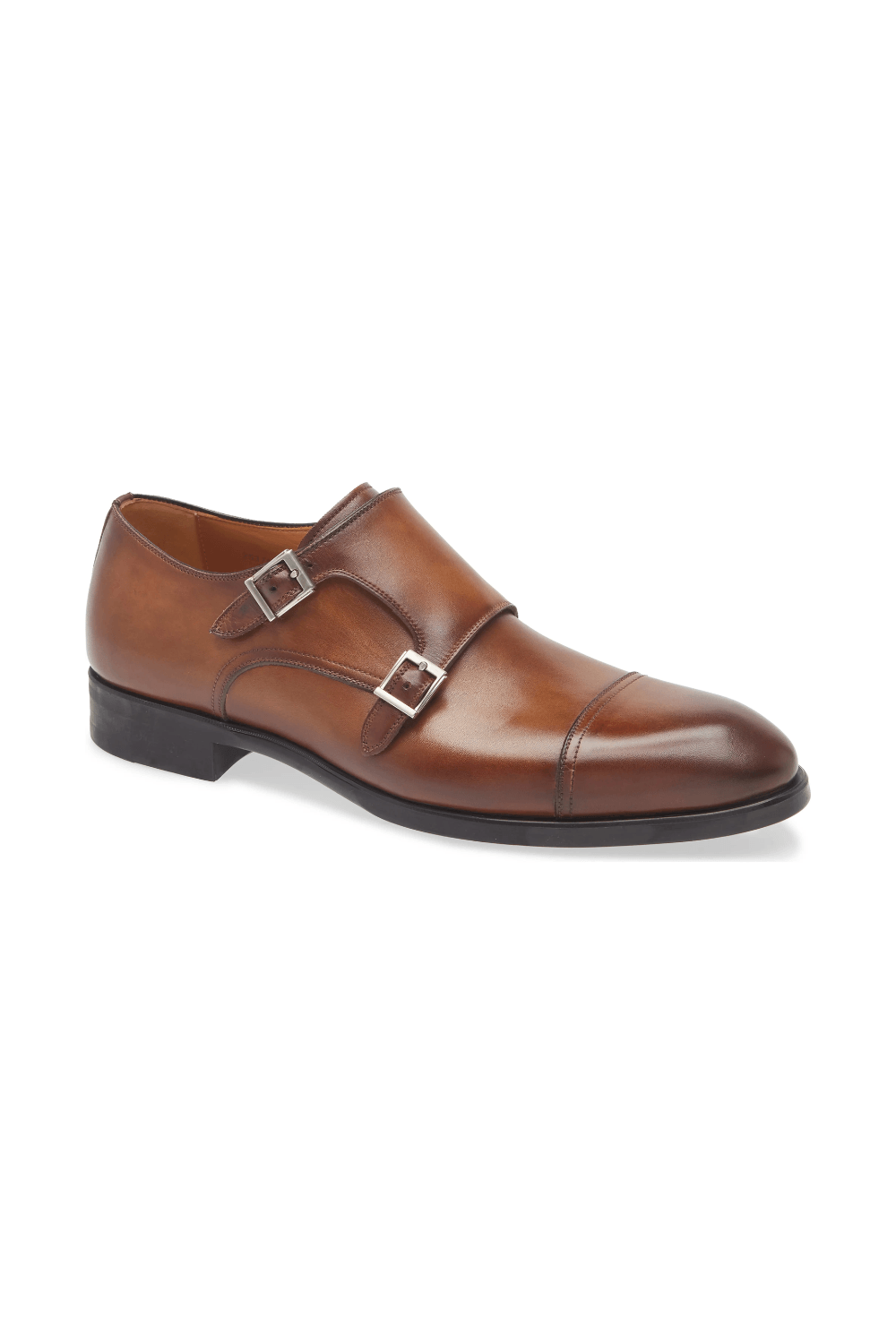
5. Monk Straps
Monk straps are less traditional than lace-ups and add more personality to an outfit.
There are two main styles: single monk and double monk.
As a general rule, the fewer the straps, the more formal the shoe.
Note: While triple monk styles exist, they’re rare and not considered as classic as single and double monk straps.
Florsheim
Sorrento Single Monk Strap
$100 $145
Zappos
Crockett & Jones
Monkton Single Monk Shoes
$1,299
Farfetch
Magnanni
Montego Double Monk Strap
$297 $495
Nordstrom
Crockett & Jones
Lowndes Monk Shoes
$737
Farfetch
6. Leather Derbies
Some argue that Derbies don’t belong in business formal due to their open lacing.
That may have been true decades ago, but today, plain leather Derbies fit comfortably into modern business formal settings.
Beckett Simonon
Dunham Derbies
$239 $370
Beckett Simonon
J. Crew
Essex Leather Derbys
$450
J. Crew
Allen Edmonds
Leeds Shell Cordovan Derby
$850
Allen Edmonds
Church's
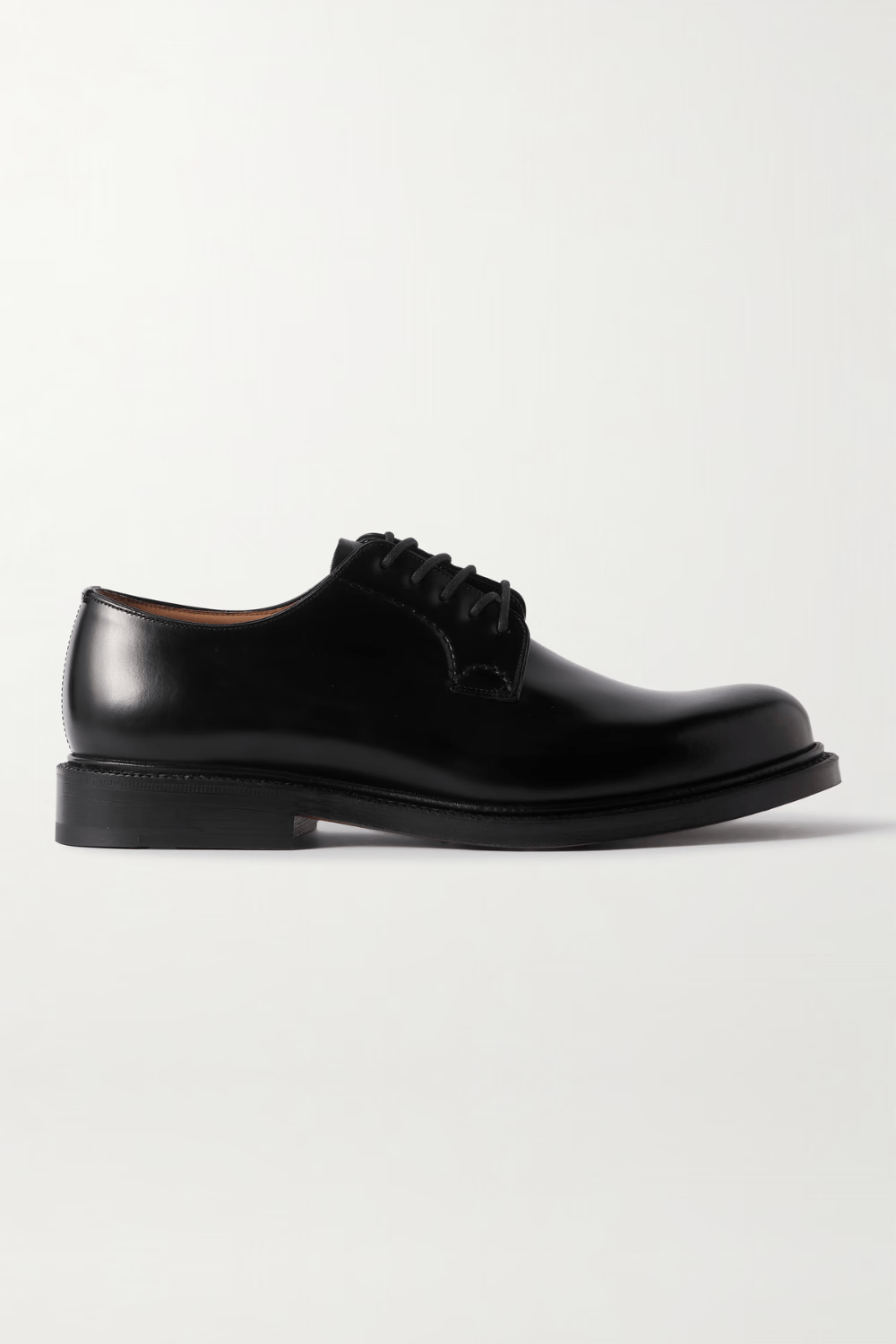
Shannon Leather Derby
$762 $1,270
Mr Porter
Wear Dress Socks
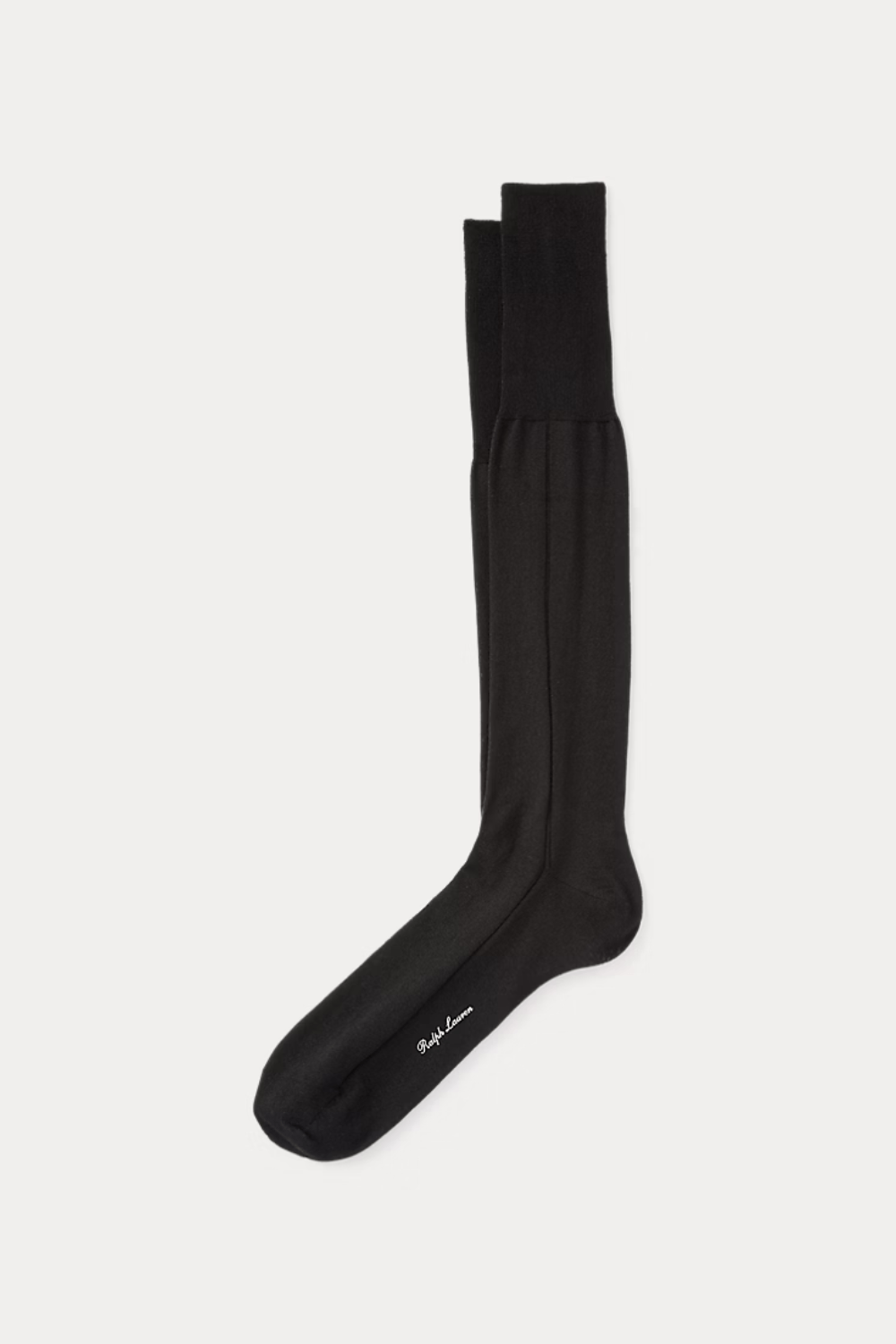
For white tie, black tie, and business formal settings, always wear dress socks — no ankles showing.
For white tie, black tie, and other evening events, your socks should be black (silk or fine wool).
For business formal settings, socks should generally match your trousers or be a dark, complementary color (dark navy or charcoal).
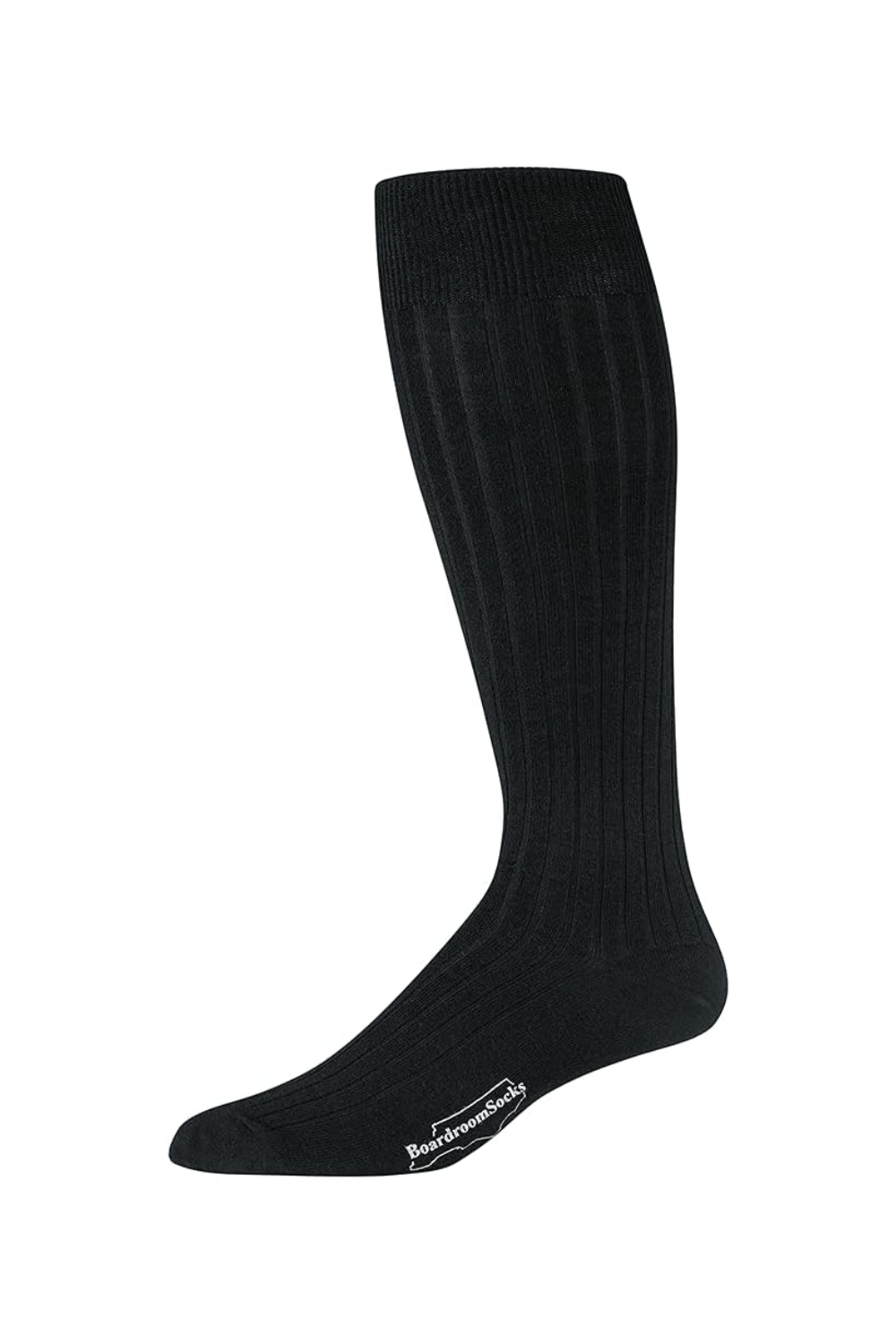
Boardroom
Merino Wool Dress Socks
$19.5
Boardroom
Todd Snyder
Merino Dress Sock
$48
Todd Snyder
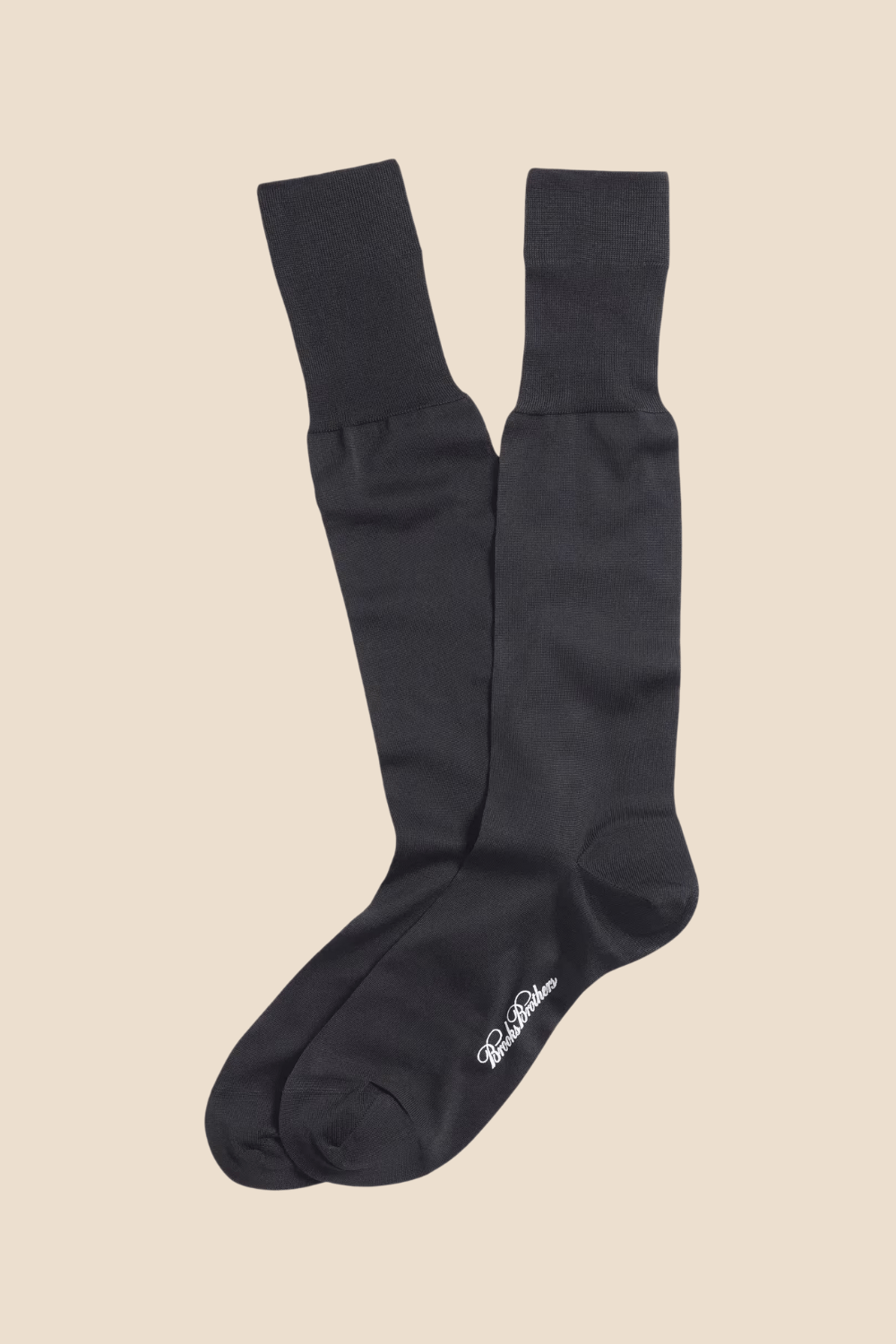
Brooks Brothers
Silk Formal Socks
$24 $39.5
Brooks Brothers
Ralph Lauren
Cashmere-Silk Tuxedo Socks
$98
Ralph Lauren
IV. Semi-Formal Shoes
The semi-formal dress code sits between formal and casual.
You don’t need patent leather dress shoes as you would for black tie, nor can you wear canvas sneakers meant for casual outfits.
Your shoes still need to be appropriate for dress attire, but with more flexibility.
Most of the dress shoes covered in the Business Formal section also work here, with more freedom in color.
Typical semi-formal occasions include:
Semi-formal weddings and wedding receptions
Anniversary and birthday parties
Engagement parties
Formal luncheons and charity events
Daytime ceremonies and social functions
Cocktail attire events
Other dressy daytime parties and receptions
Beyond the dress shoes listed in the business formal category (Oxfords, Brogues, Balmoral boots, Monk straps, and Derbies), here are some shoes that also work for semi-formal occasions:
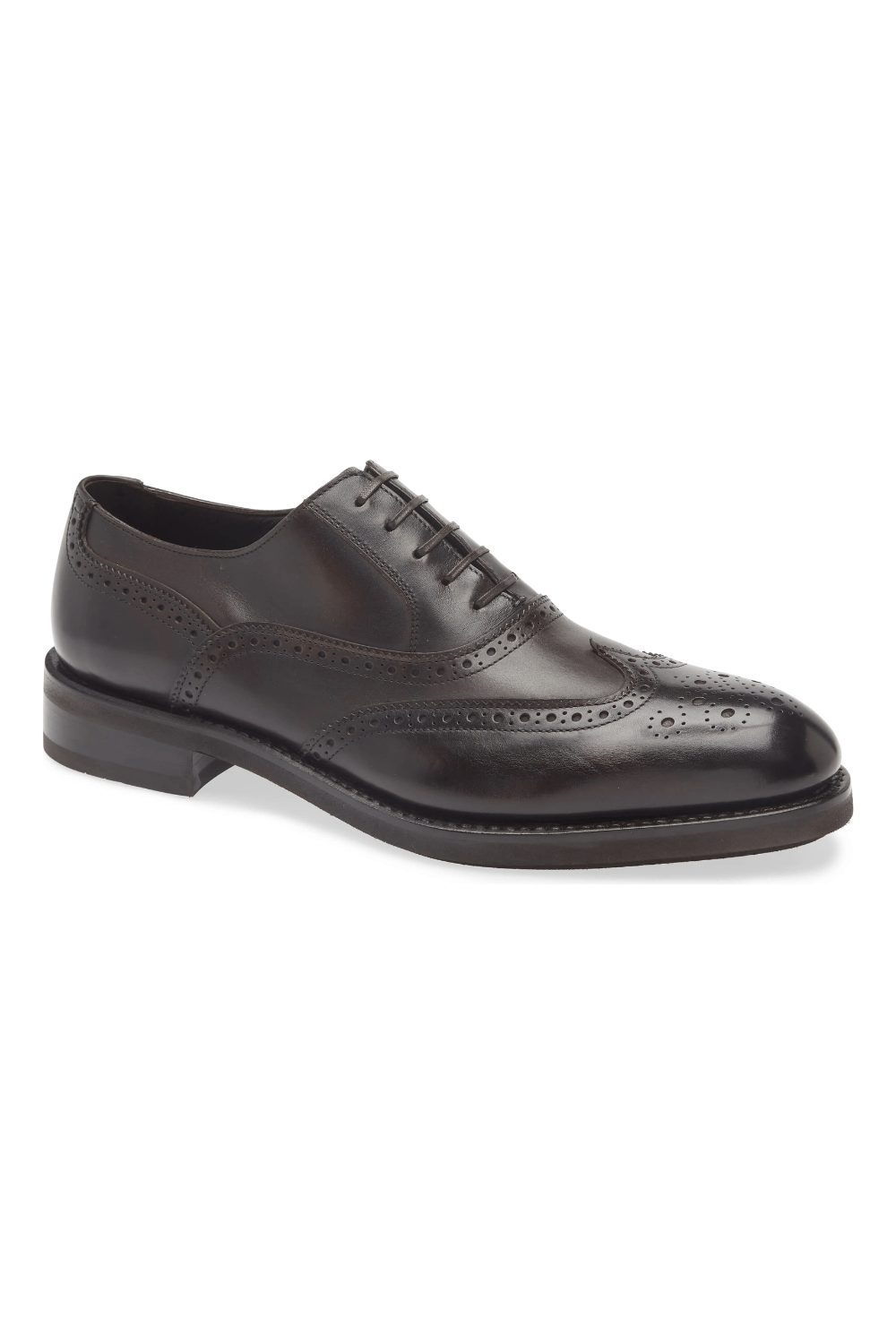
1. Semi & Full Brogue Oxfords
Semi-brogue or half brogue Oxfords are slightly more decorative than quarter brogues.
In addition to the toe cap seam, the quarters, facings, and heel counter may also be brogued.
They often feature a central medallion or perforations on the vamp, but not always.
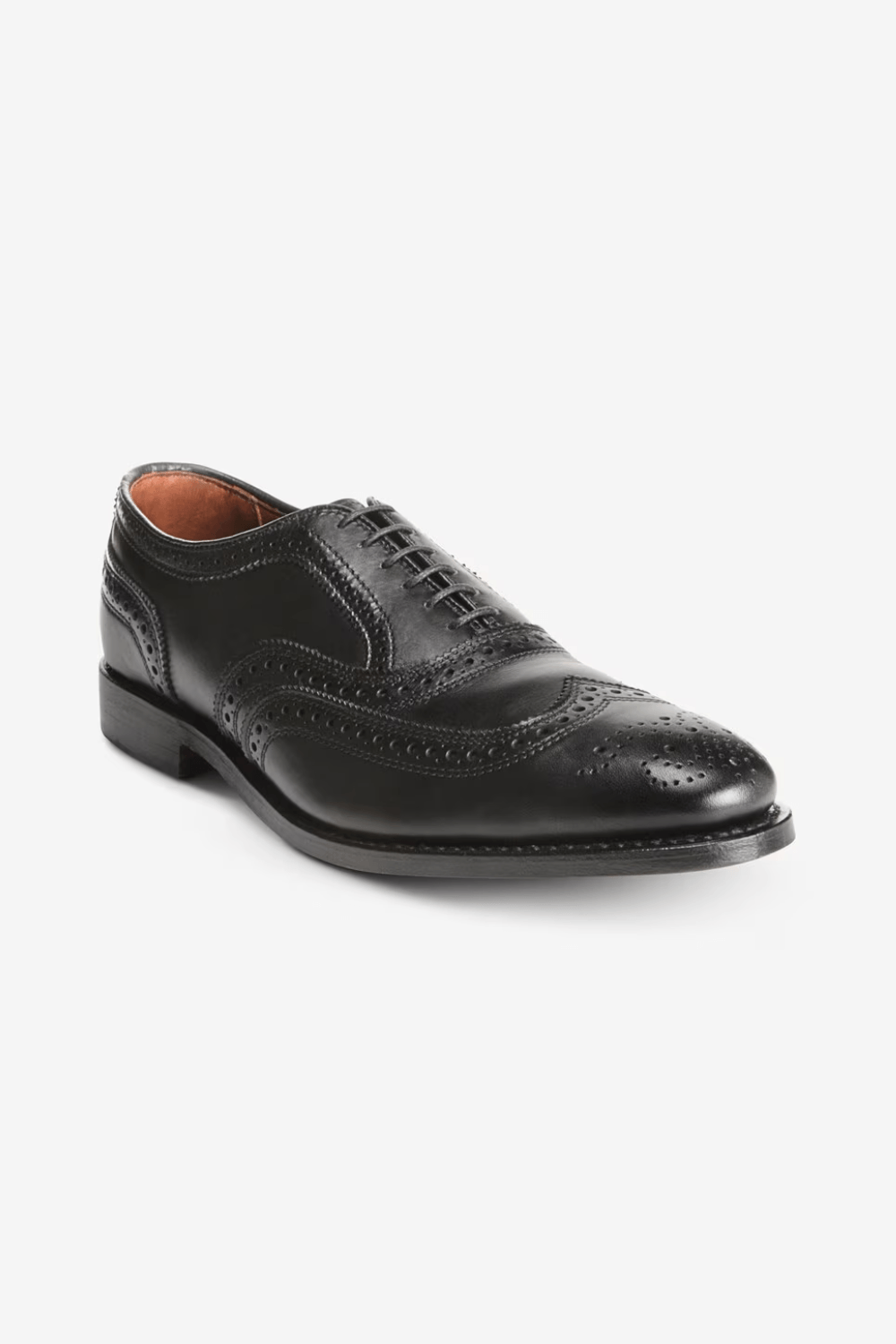
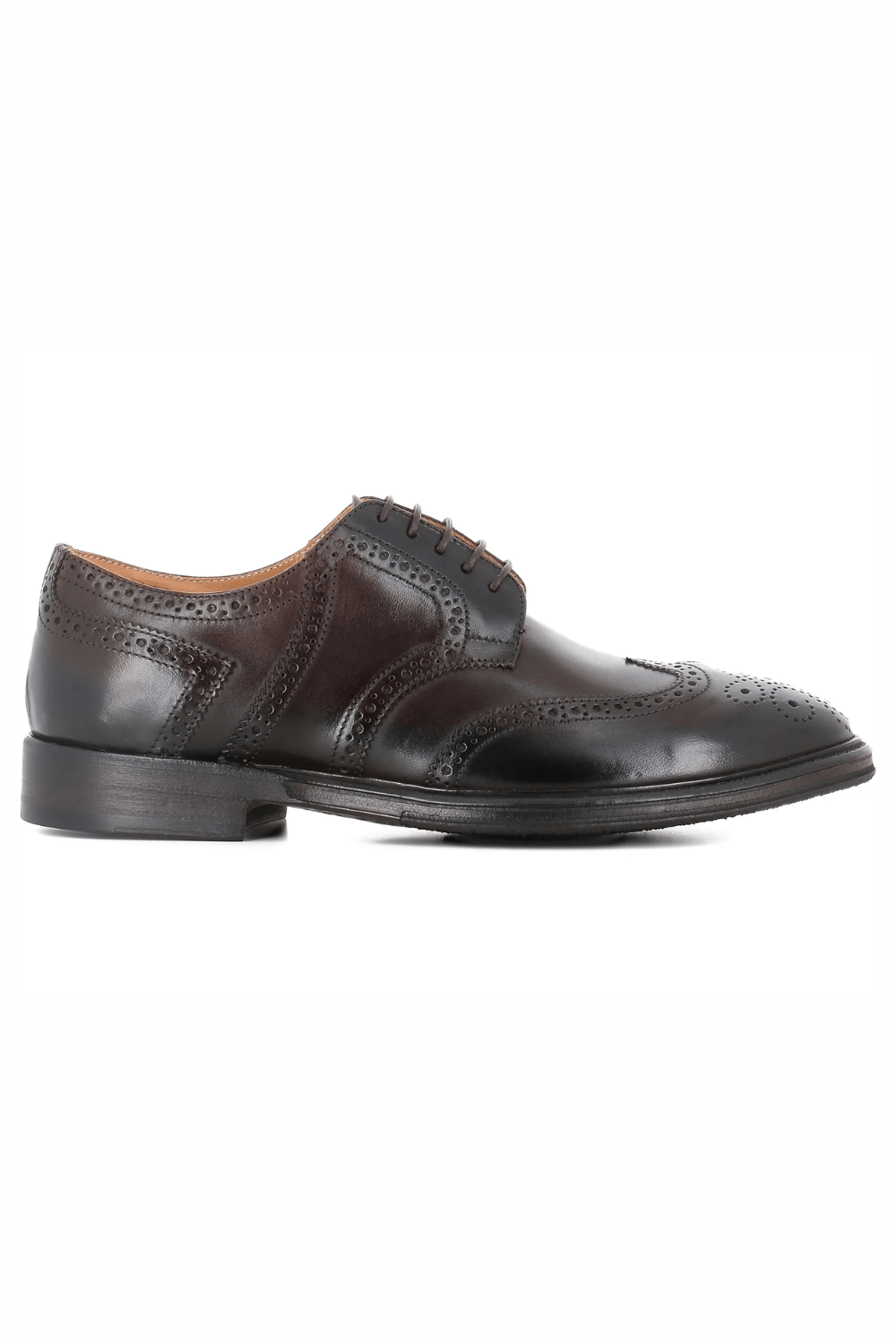
The full brogue Oxfords (also called wingtip Oxfords) are the most decorative brogues, featuring a wingtip, toe medallion, and full seam broguing.
Johnston & Murphy
Conard 2.0 Cap Toe Oxford
$179
Johnston & Murphy
Paul Evans
Brando Semi-Brogue Oxford
$324 $499
Paul Evans
Allen Edmonds
McAllister Wingtip Oxford
$450
Allen Edmonds
Ferragamo
Baltimora Wingtip Oxford
$1,550
Nordstrom
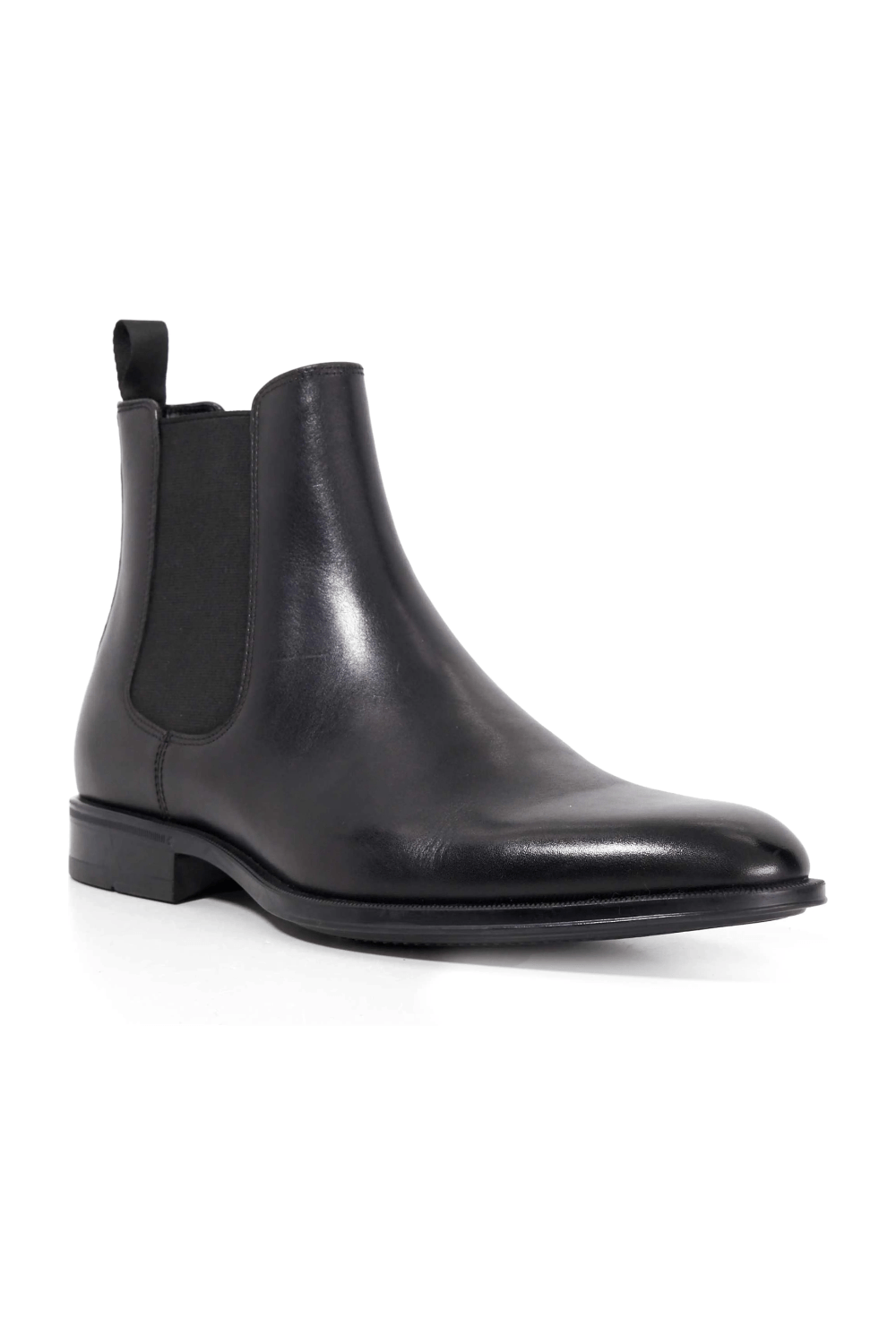
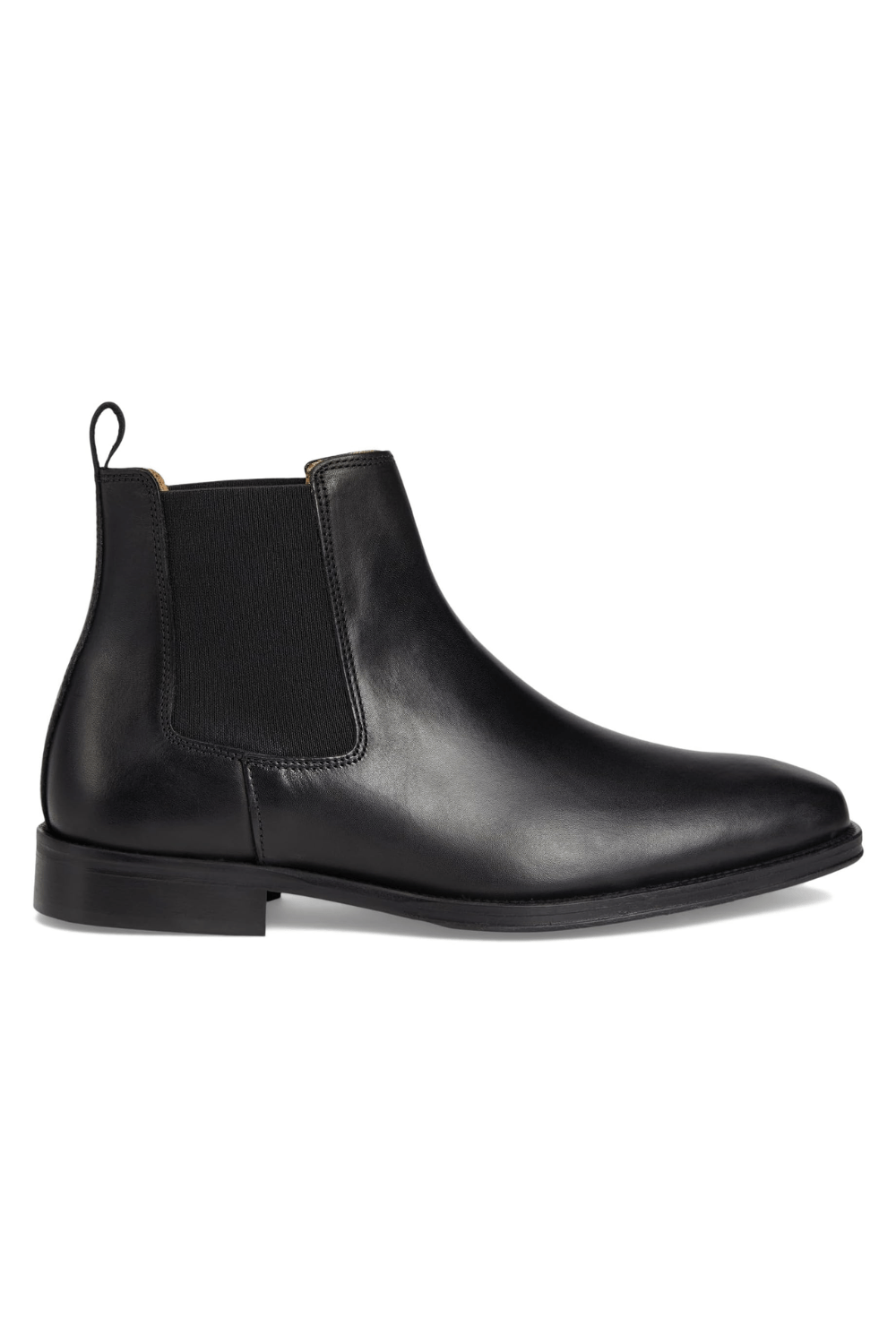
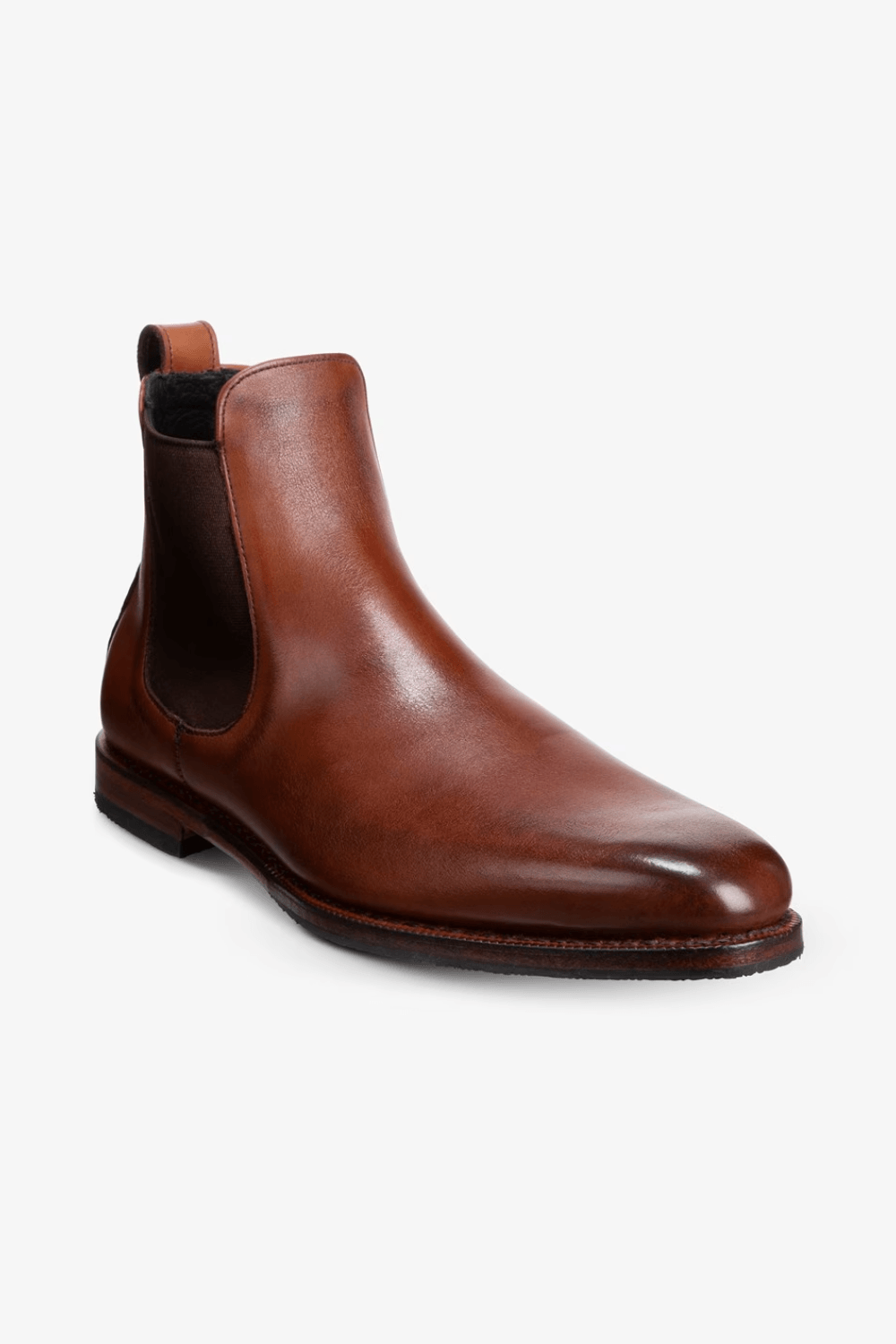
2. Leather Chelsea Boots
Chelsea boots are arguably the most common and versatile dress boots.
They come in a variety of colors and materials.
For semi-formal attire, sleek leather options are appropriate.
Suede versions work well for business casual and smart casual occasions.
Dune London
Matchin Plain Toe Chelsea Boot
$180
Dune London
Bruno Magli
Macy Chelsea Boot
$325
Zappos
Allen Edmonds
Liverpool Chelsea Dress Boot
$550
Allen Edmonds
Saint Laurent
Wyatt Leather Chelsea Boots
$1,190
Mr Porter
3. Minimal Leather Loafers
Loafers might be the most versatile men’s footwear.
They work from casual everyday wear all the way to the office.
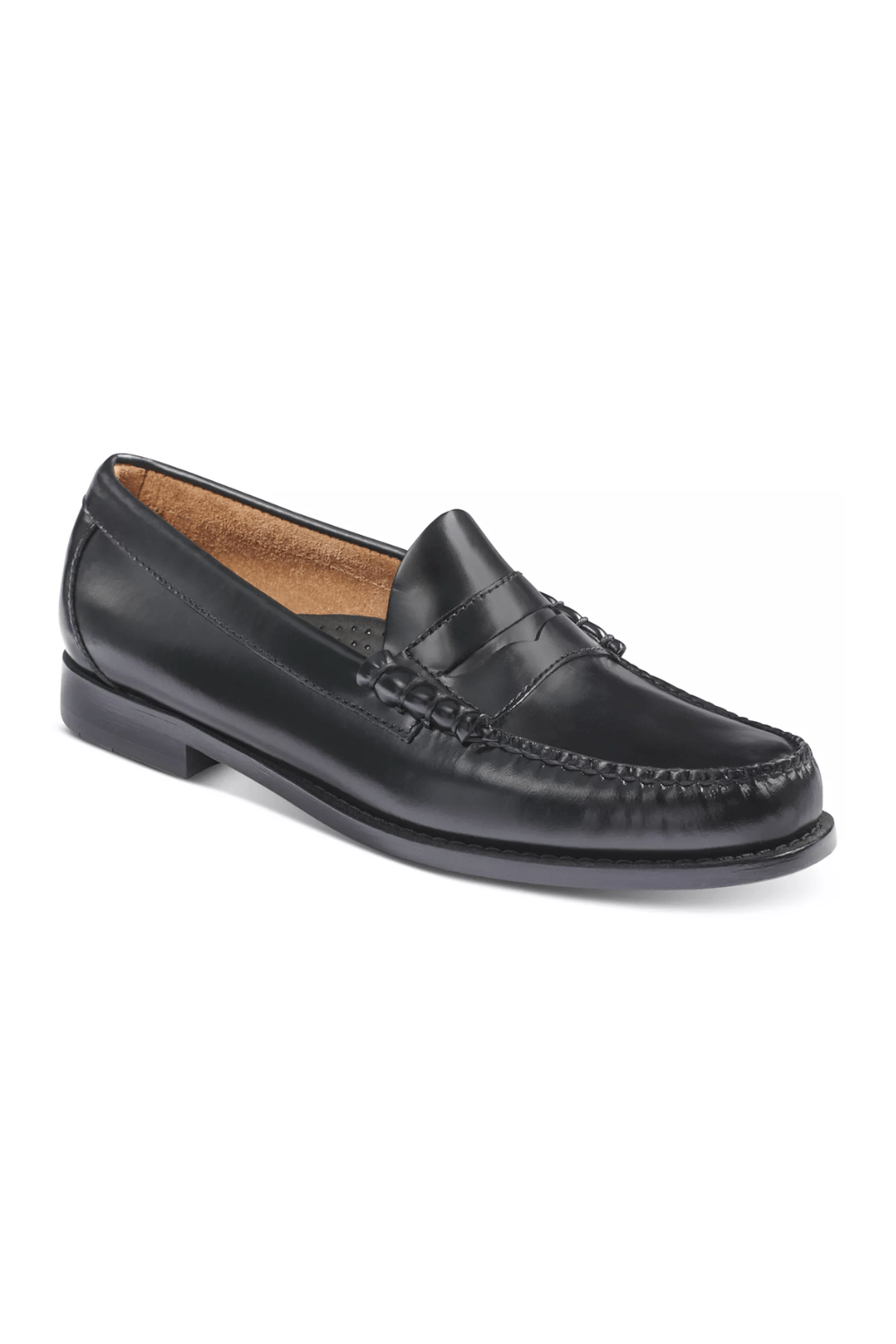
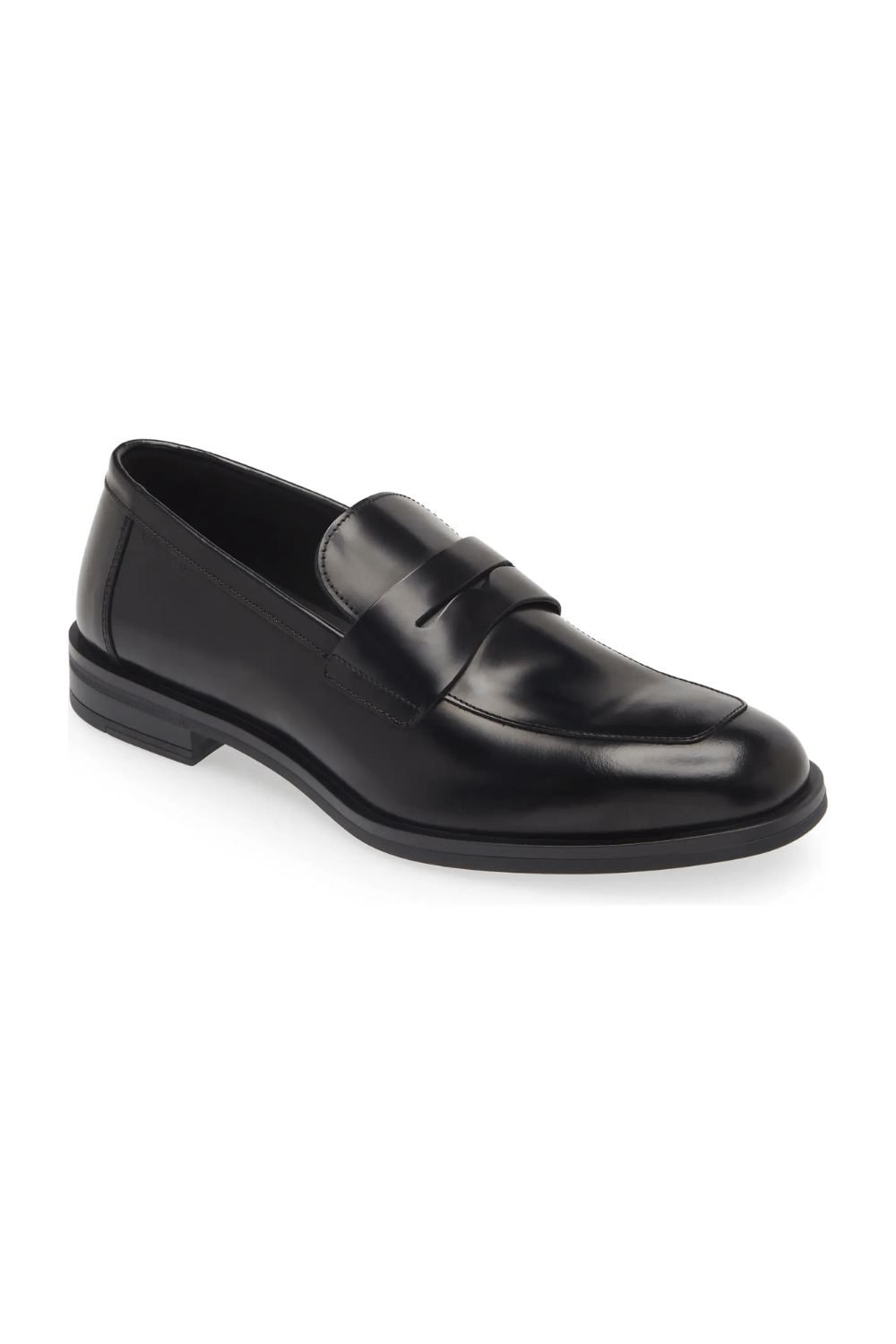
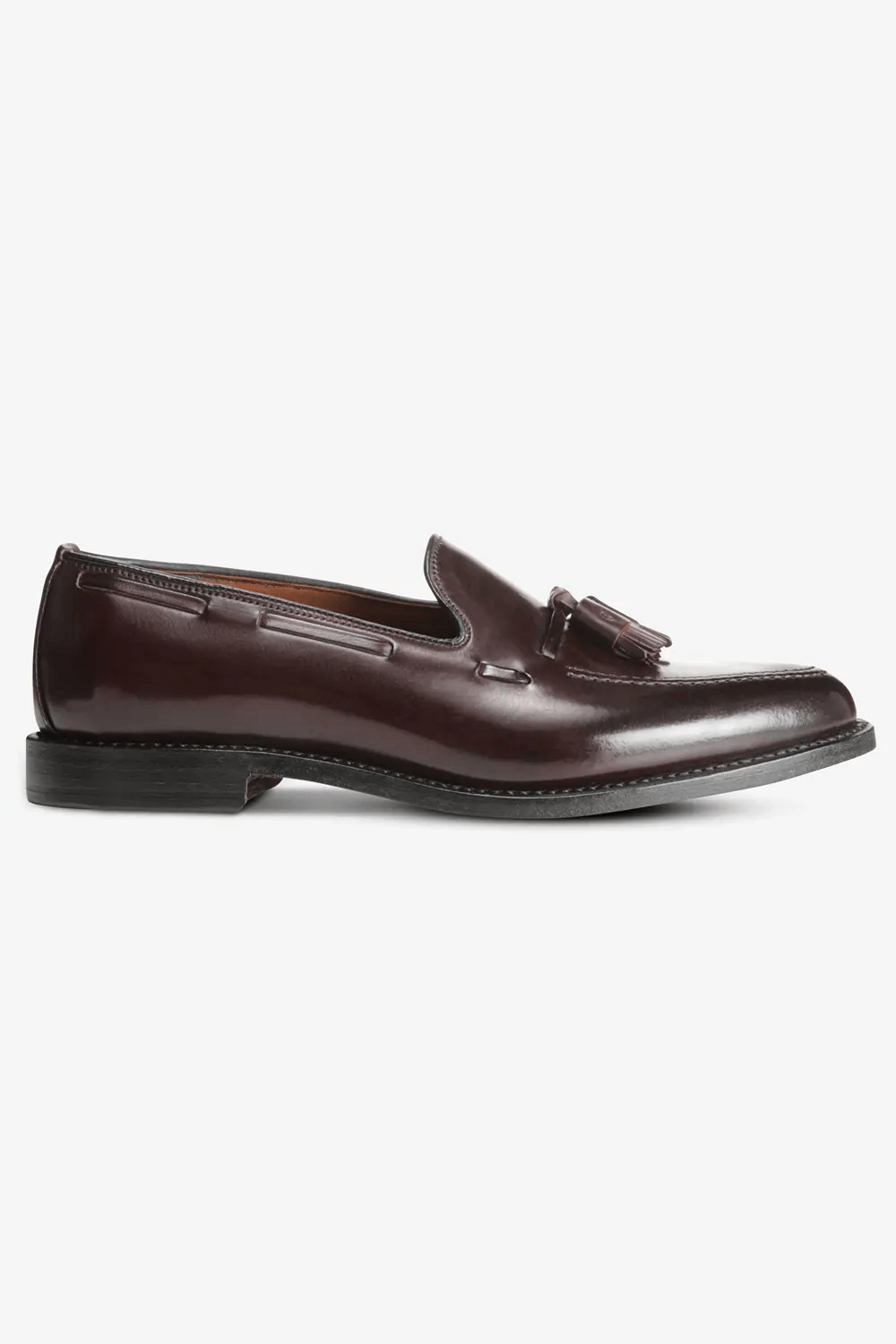
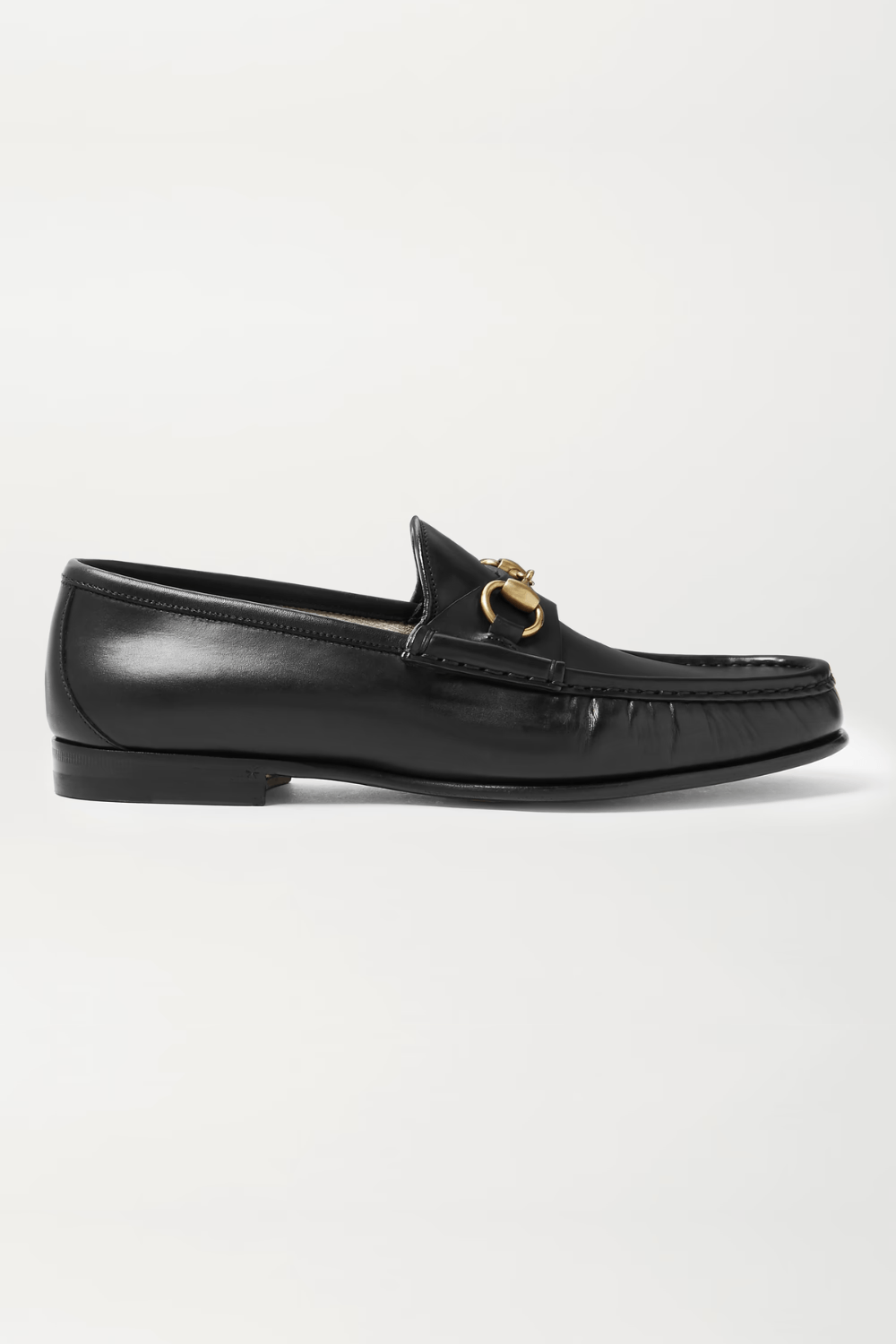
But for semi-formal, stick with minimal leather loafers (penny, bit, tassel).
Save suede options for business casual or smart casual.
G.H. Bass
Larson Easy Weejuns Loafer
$60 $175
G.H. Bass
Stuart Weitzman
Club Classic Penny Loafer
$495
Nordstrom
Allen Edmonds
Grayson Tassel Loafer
$850
Allen Edmonds
Gucci
Horsebit 1953 Leather Loafers
$1,090
Mr Porter
V. Business Casual Shoes
Business casual is the most relaxed of the formal and business dress codes — you can finally have some fun with your shoes.
Most common business casual occasions include:
Everyday office
Casual client meetings or coffee catch-ups
Company lunches, dinners, or small office gatherings
Networking events in a relaxed setting
Job interview
Everything we’ve covered so far works here, except for white tie and black tie shoes, which are strictly for evening formals.
For business casual, you can wear:
Oxfords
Brogue Oxfords
Balmoral Boots
Monk Straps
Derbies
Leather Chelsea Boots
Minimal Leather Loafers
You don’t have to strictly follow business formal rules on material, color, or decoration.
Here are some more shoes that work well for business casual settings:
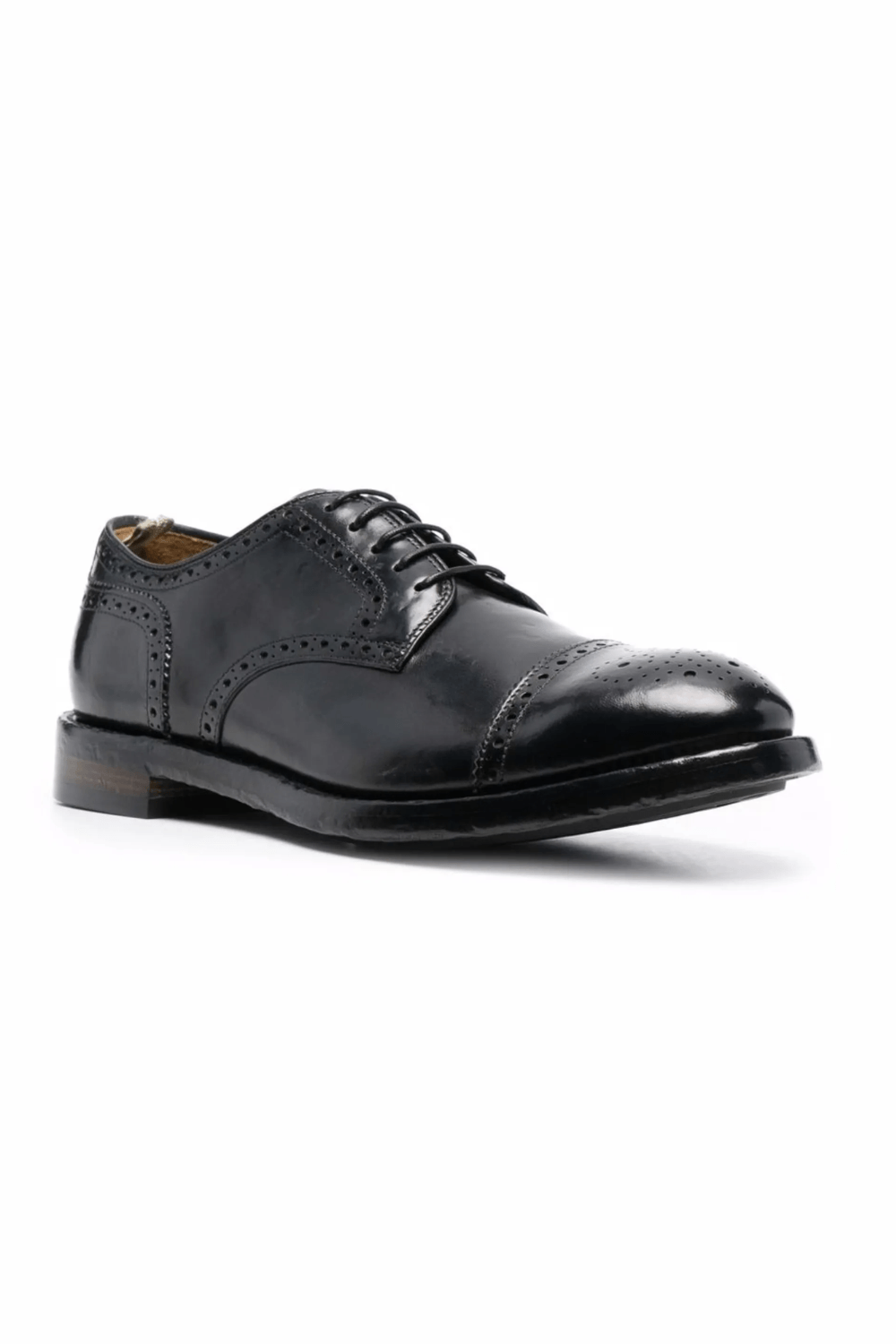
1. Brogue Derbies
Brogue Derbies sit at the upper end of business casual and only overlap with semi-formal in relaxed daytime settings.
Especially, the full brogue (wingtip) Derbies rarely meet the standard for semi-formal unless the event is very relaxed and the dress code isn’t strict.
Overall, business casual is the most natural and comfortable dress code for brogue Derbies.
Beckett Simonon
Norman Cap Toe Derbies
$239 $370
Beckett Simonon
Boss
Derrek Brogue Cap Toe Derby
$175 $350
Nordstrom Rack
Officine Creative
Semi Brogue Derby
$765
Farfetch
Alberto Fasciani
Ivan 91017 Full Brogue Derby
$954
Farfetch
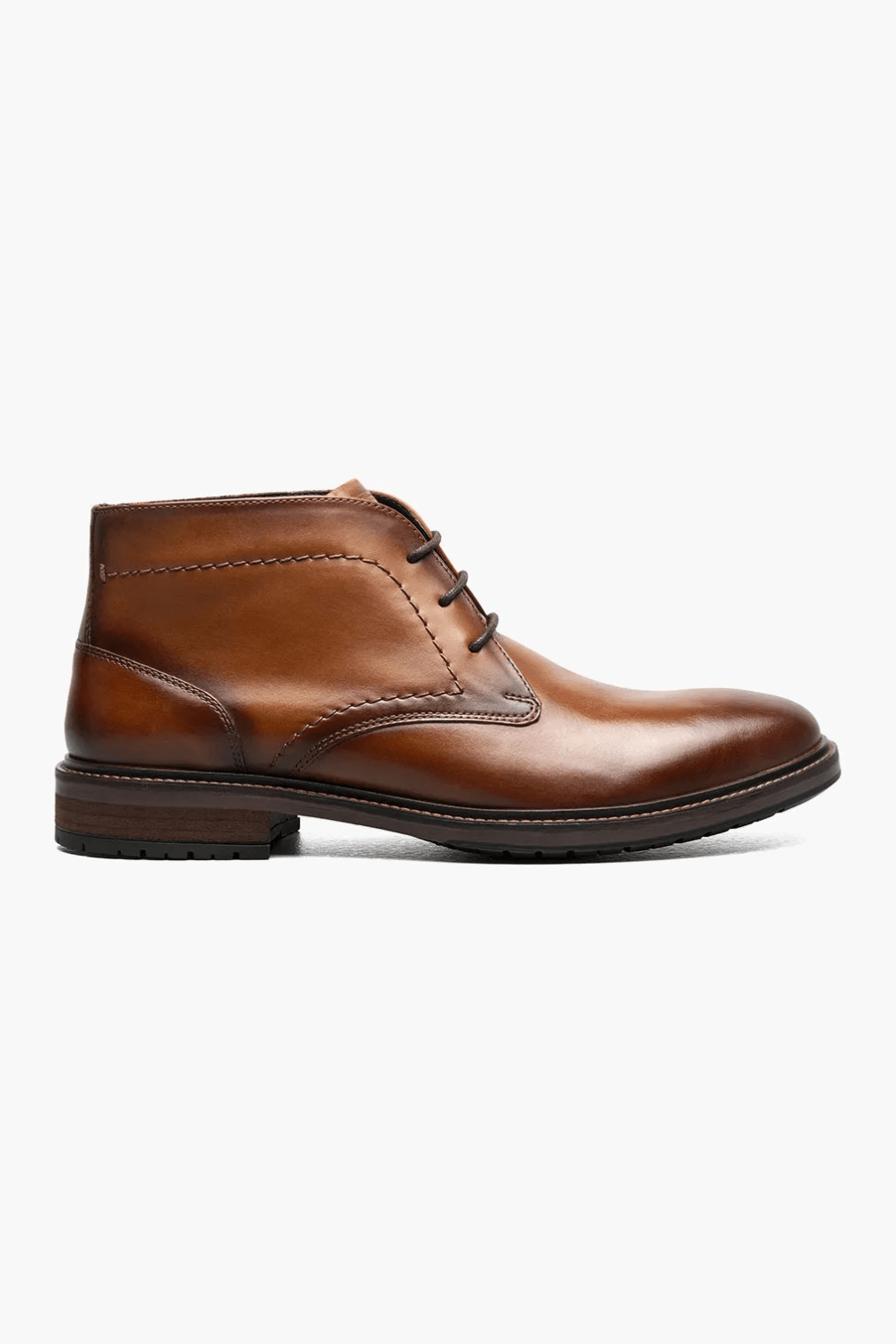
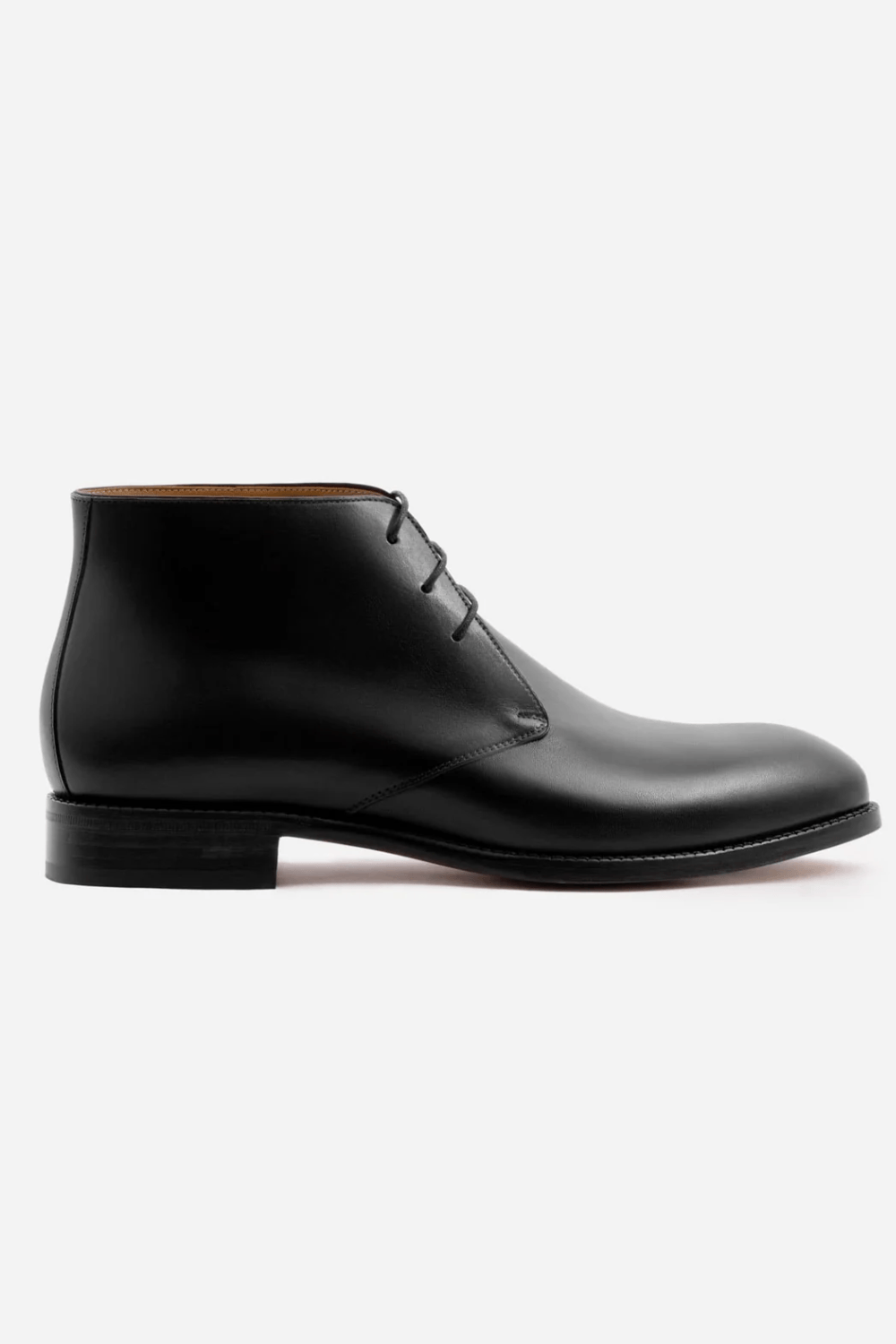
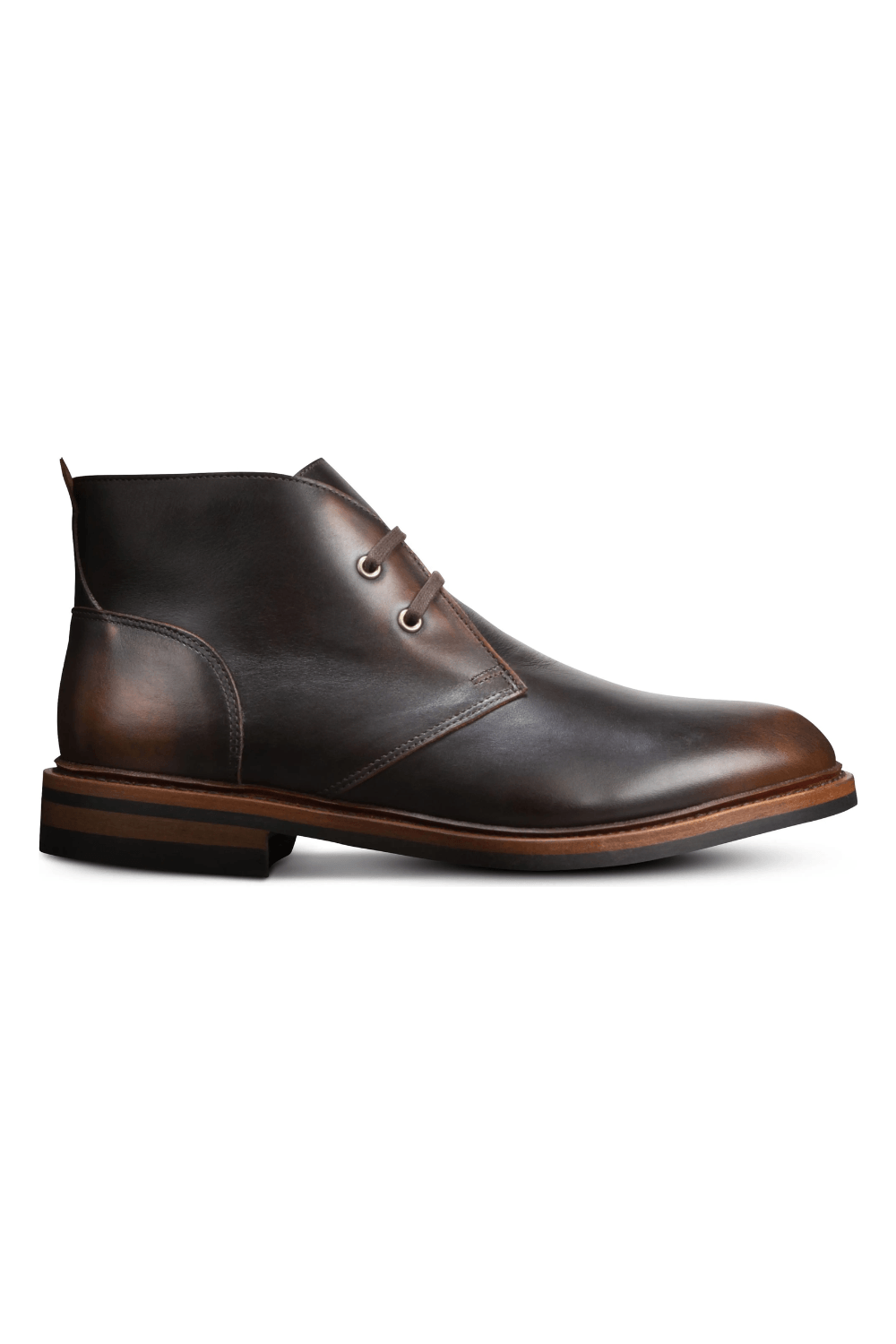
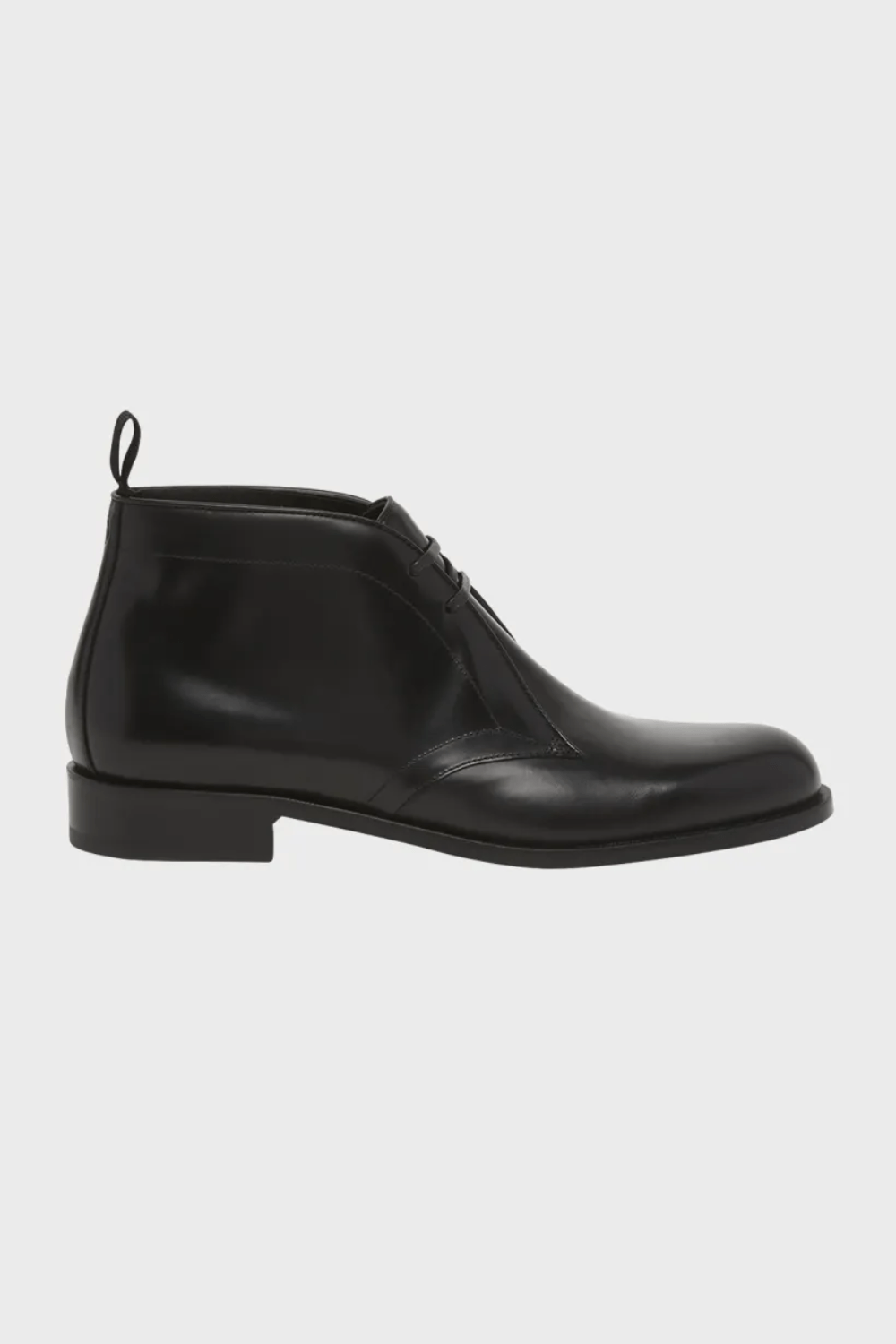
2. Leather Chukka Boots
Chukka boots are open-lace, ankle-high boots with two or three eyelets and a round toe.
They’re minimal, casual, and comfortable to wear.
Chukka boots can be leather or suede.
Leather Chukkas are suitable for business casual. Suede versions are too casual for most professional offices.
Florsheim
Forge Plain Toe Chukka Boot
$130
Florsheim
Beckett Simonon
Ellis Chukka Boots
$269 $420
Beckett Simonon
Allen Edmonds
Chandler Chukka Boot
$525
Nordstrom
Giorgio Armani
Bull Leather Chukka Boots
$1,195
Neiman Marcus
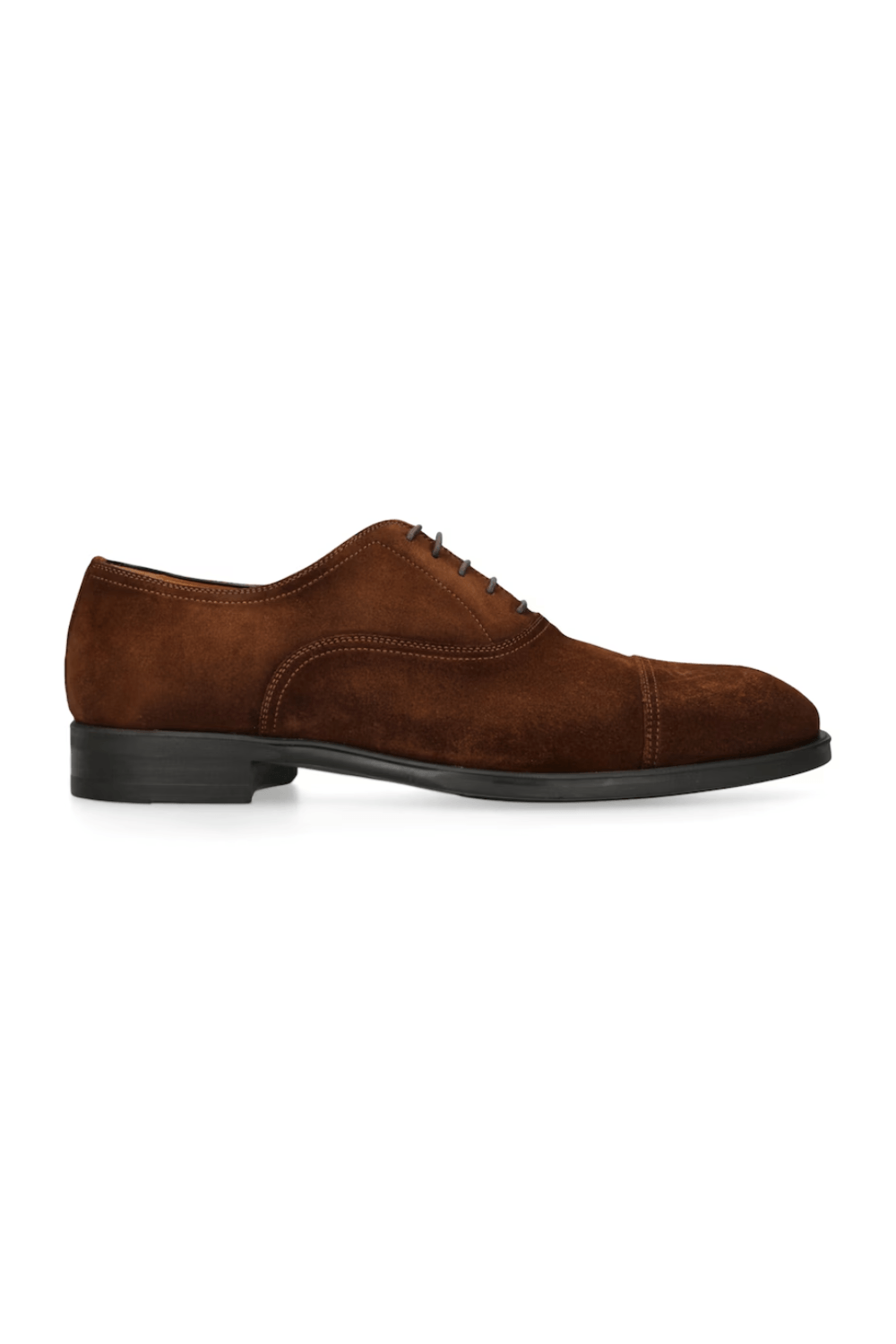
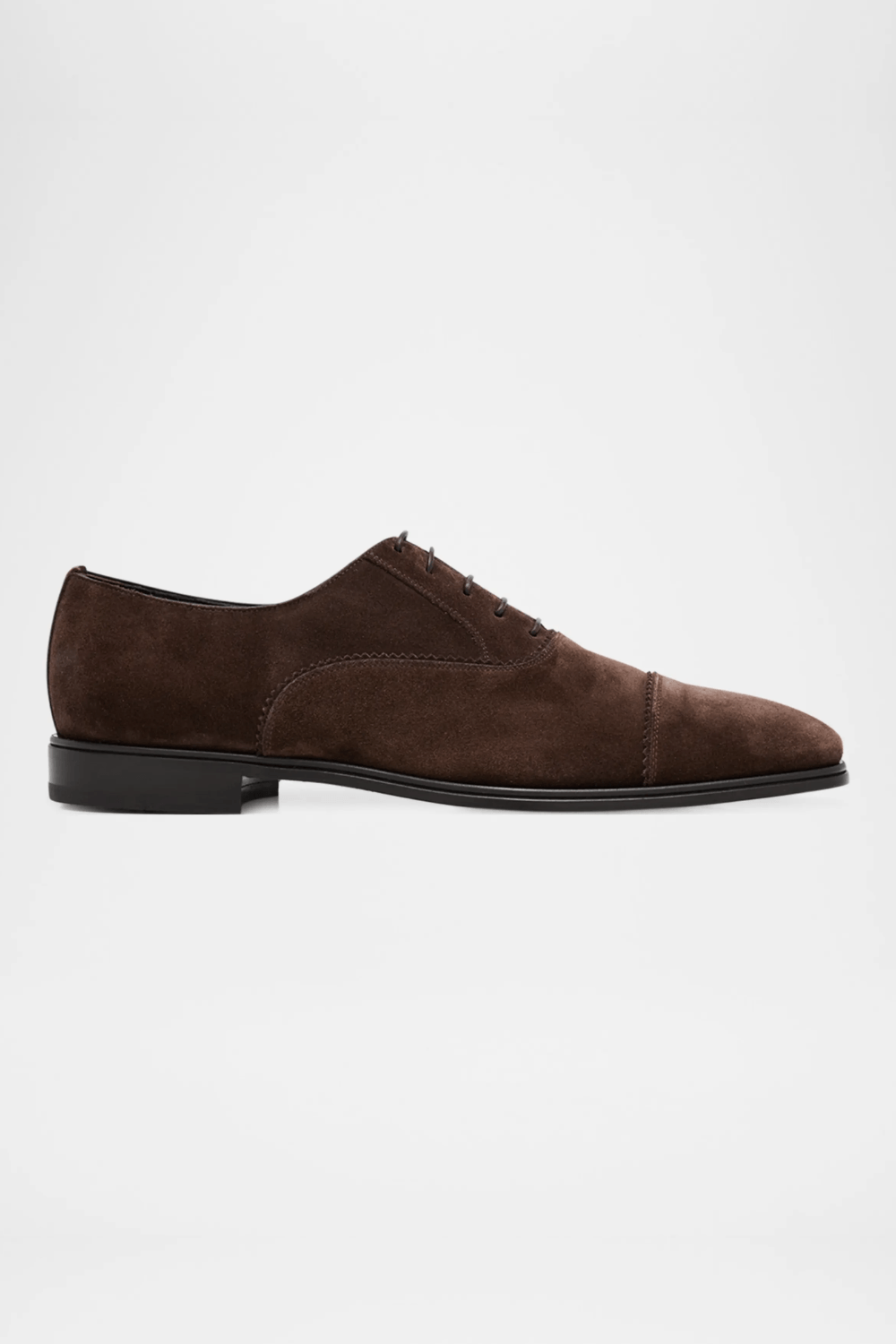
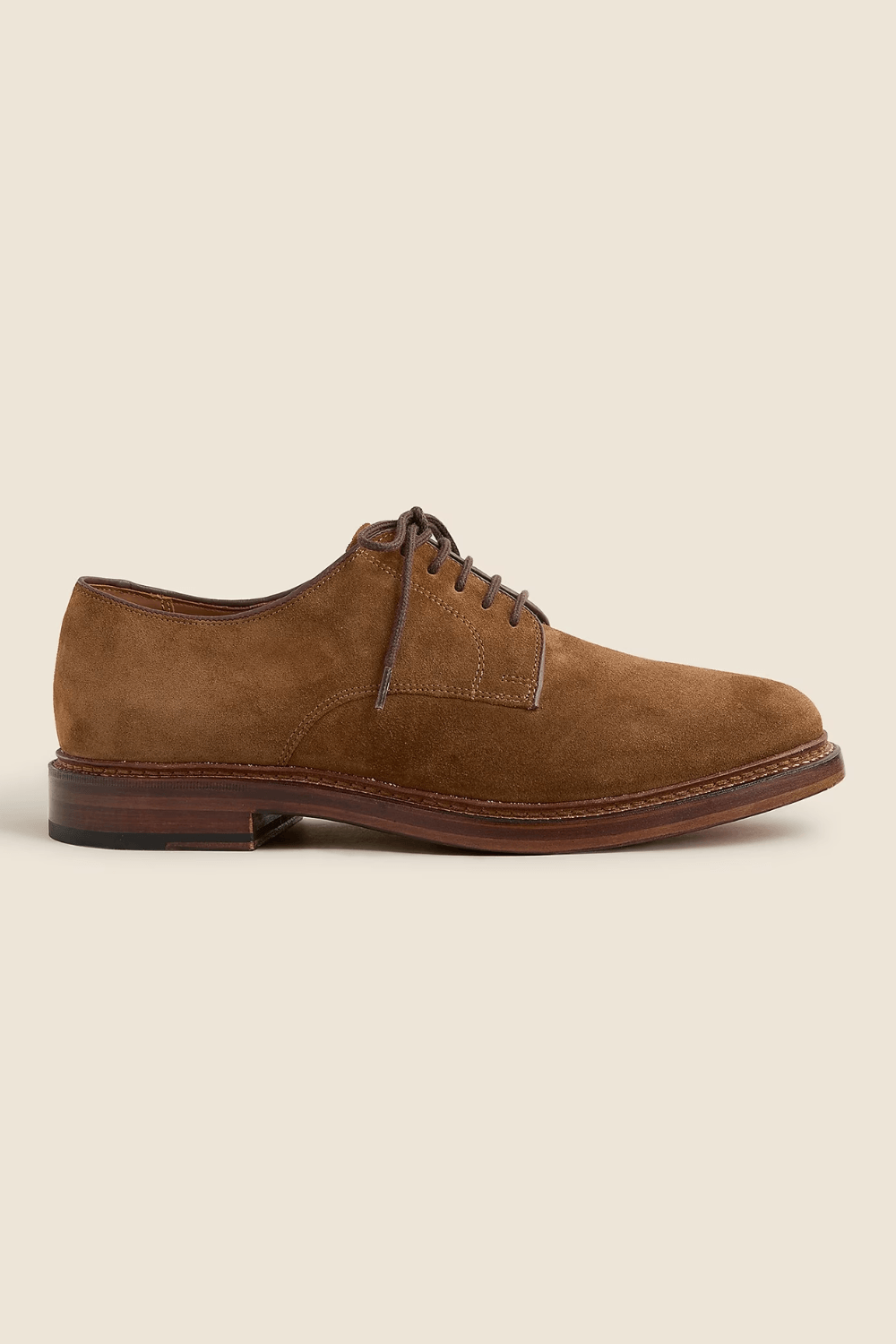
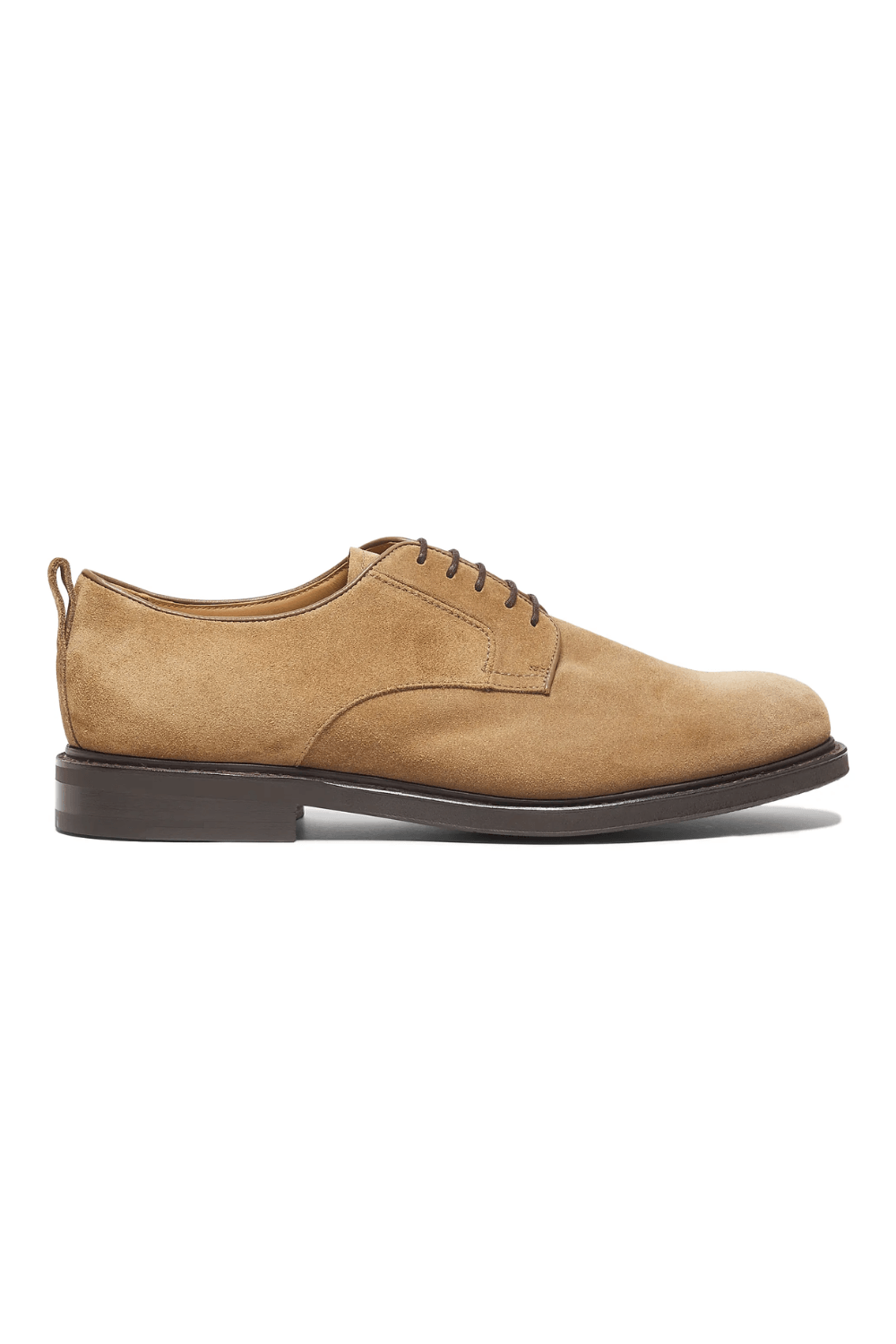
3. Suede Oxfords and Derbies
Structurally, the same as leather Oxfords and Derbies, but the suede material softens their formality.
Magnanni
Madis Suede Oxford
$385
Harrods
Ferragamo
Boston Suede Cap Toe Oxford
$895
Neiman Marcus
J. Crew
Ludlow Suede Derby
$171 $248
J. Crew
Church's
Pentire Suede Derbys
$458 $1,220
Saks Fifth Avenue
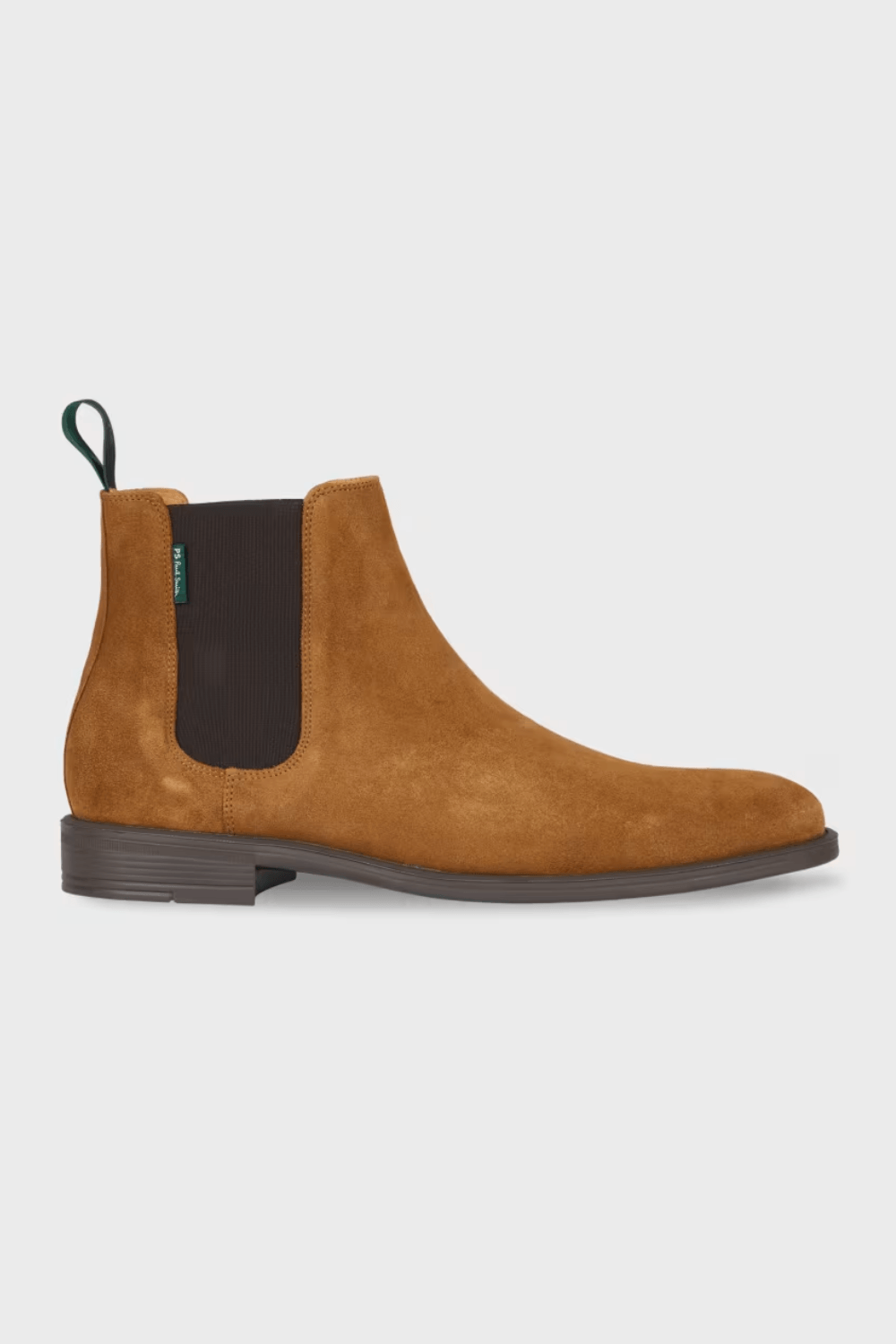
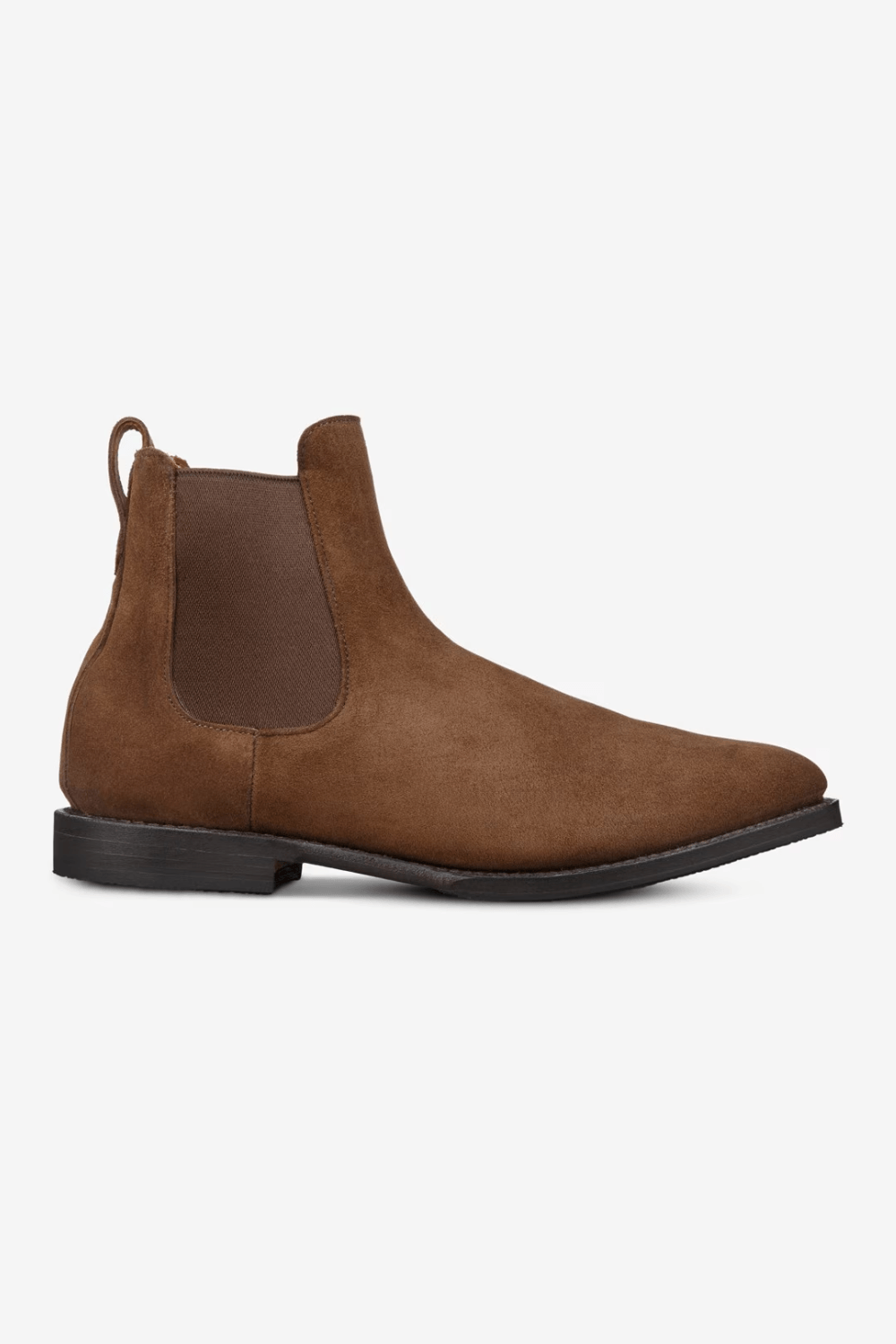
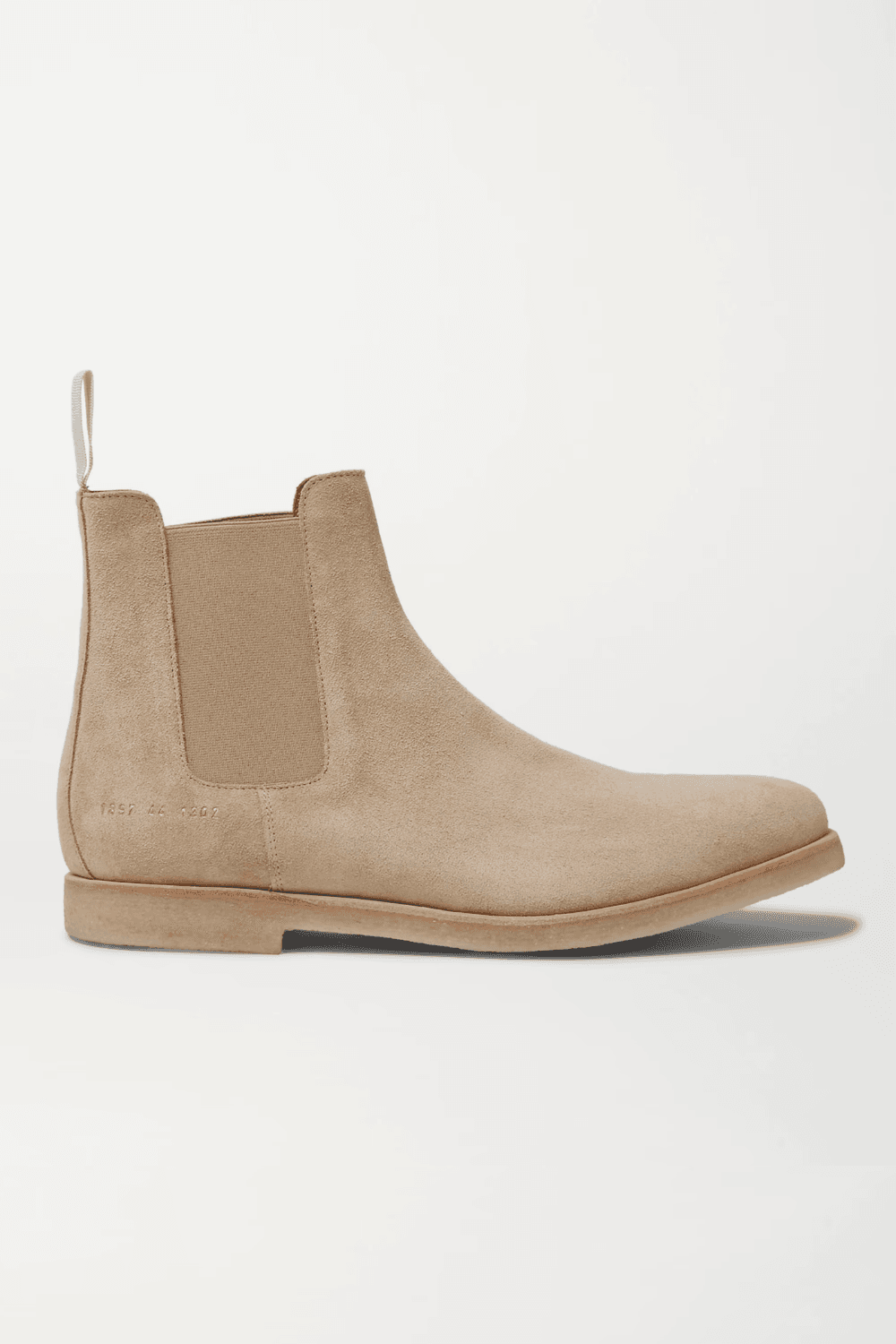
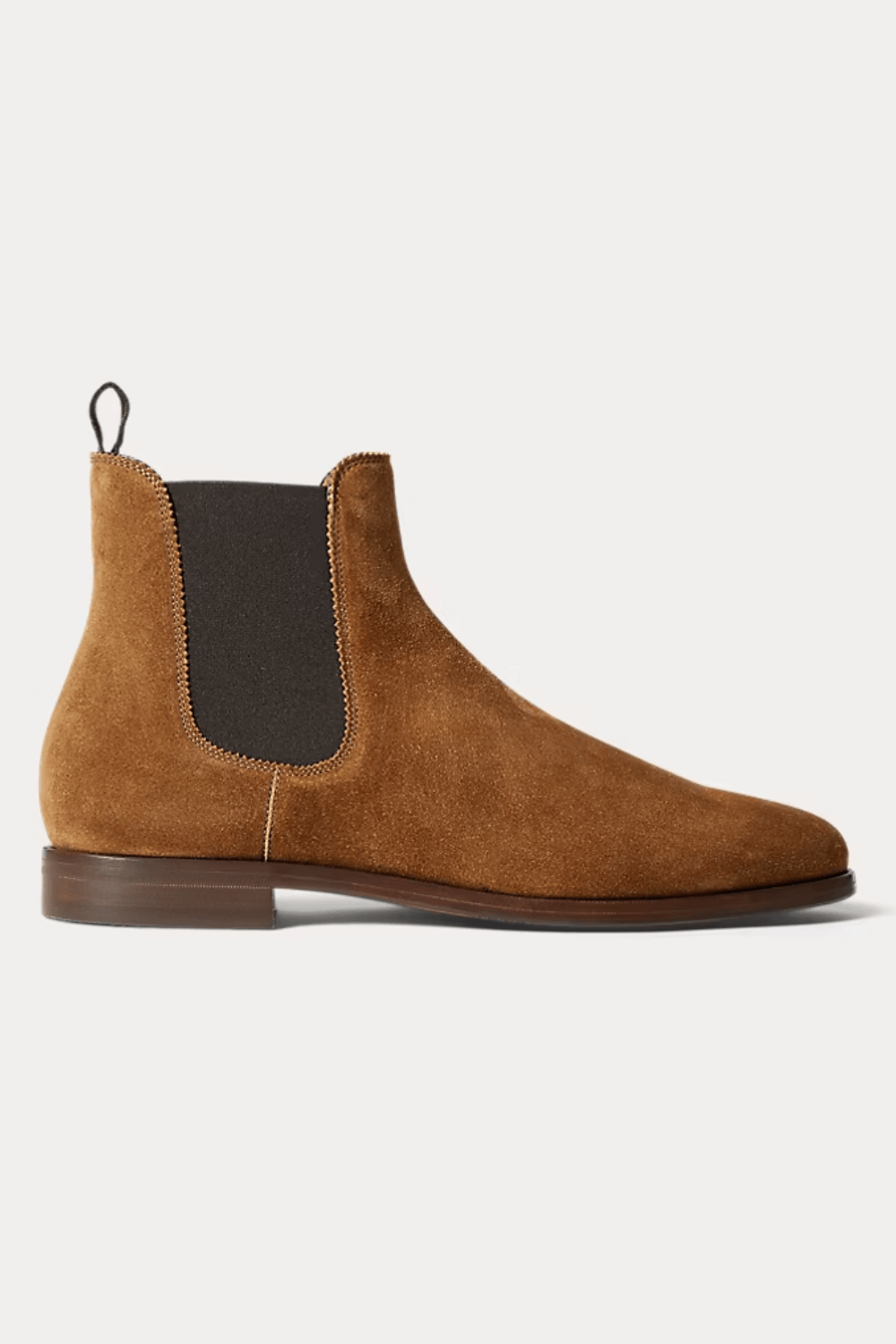
4. Suede Chelsea Boots
Structurally, the same as leather Chelsea boots, but the suede material softens their formality.
For business casual, go with sleek, simple designs in neutral colors.
Paul Smith
Cedric Suede Chelsea Boot
$150 $375
Paul Smith
Allen Edmonds
Liverpool Suede Chelsea Boot
$400 $550
Allen Edmonds
Common Projects
Suede Chelsea Boots
$645
Mr Porter
Ralph Lauren
Grantly Calf-Suede Chelsea Boot
$1,250
Ralph Lauren
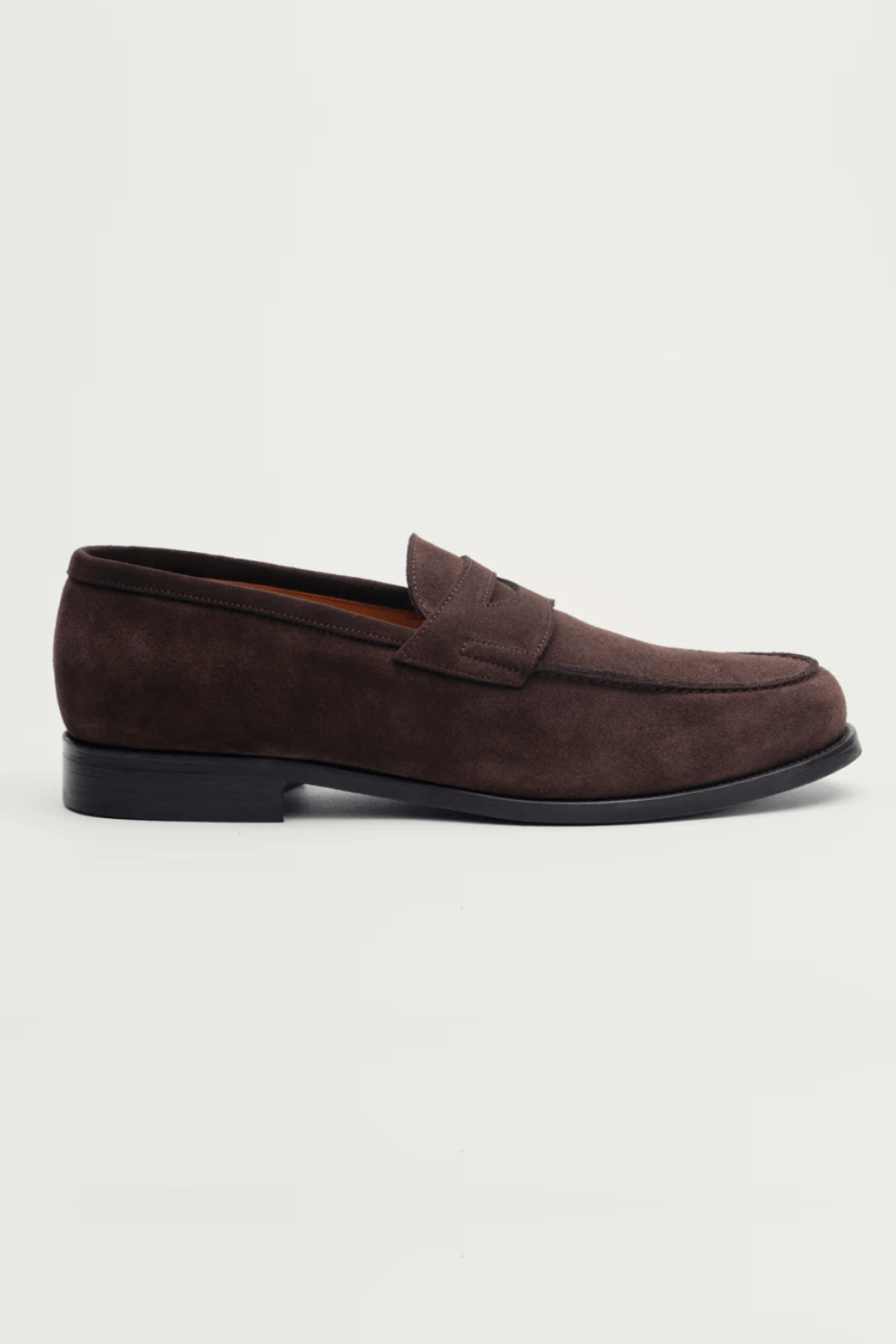
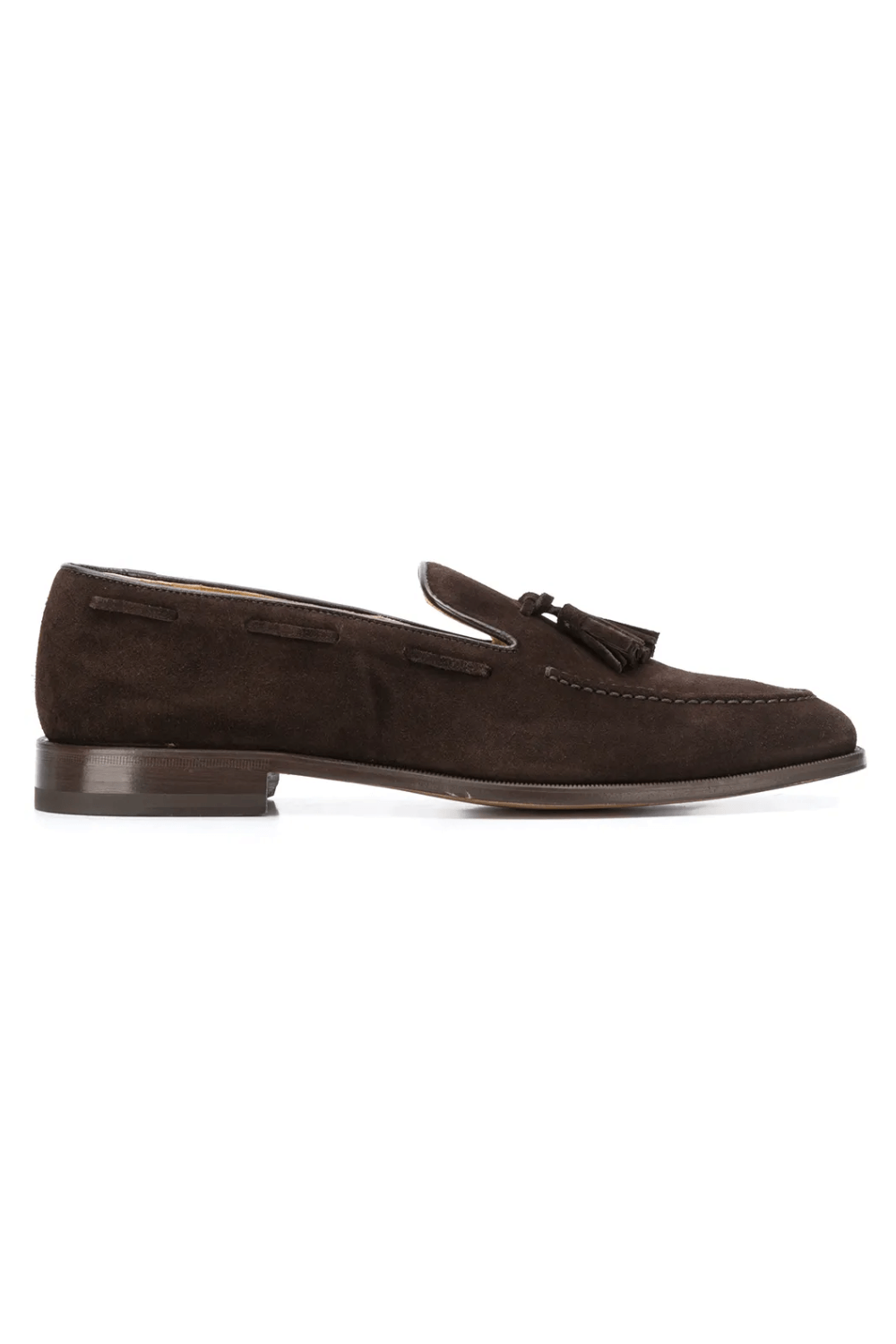
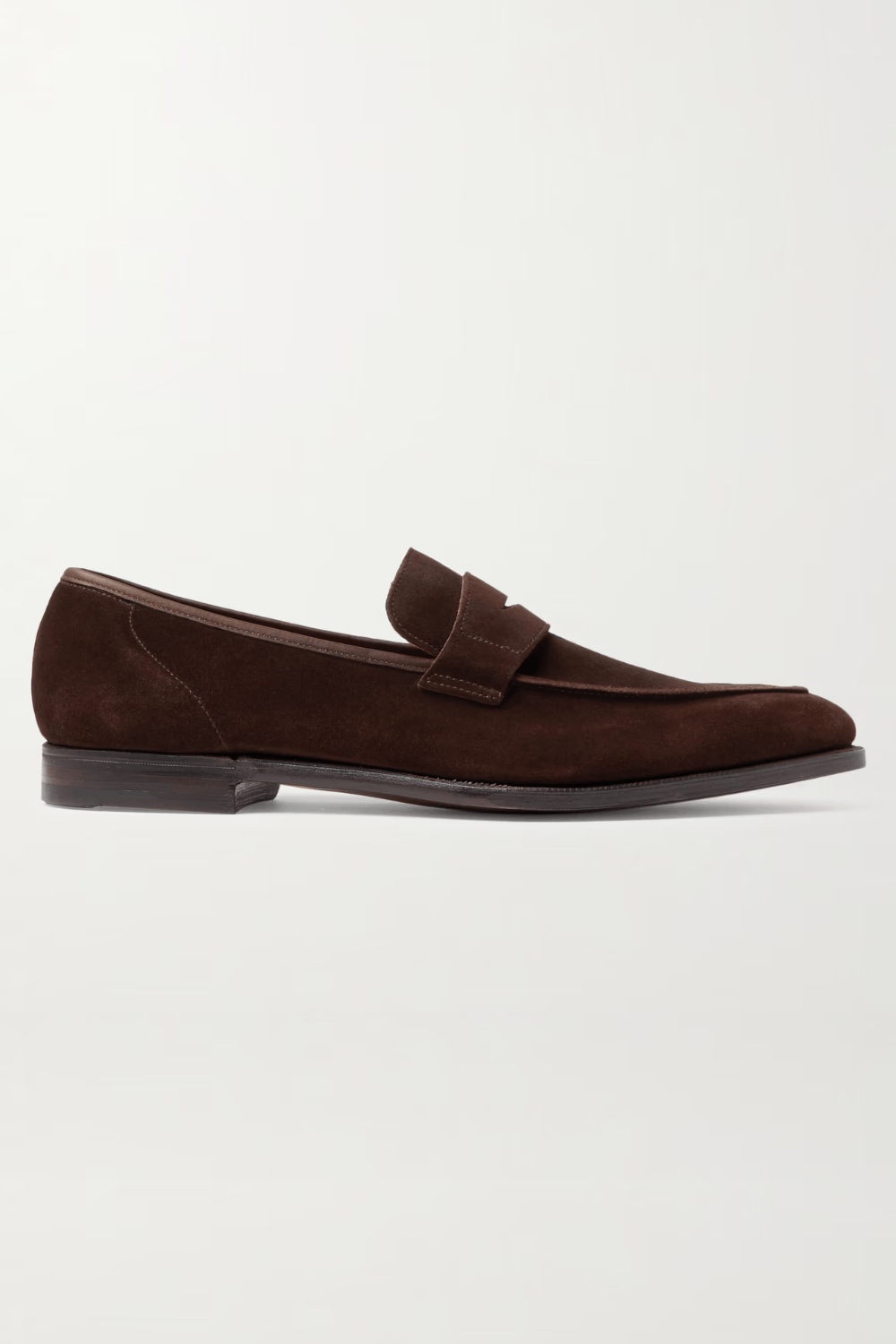
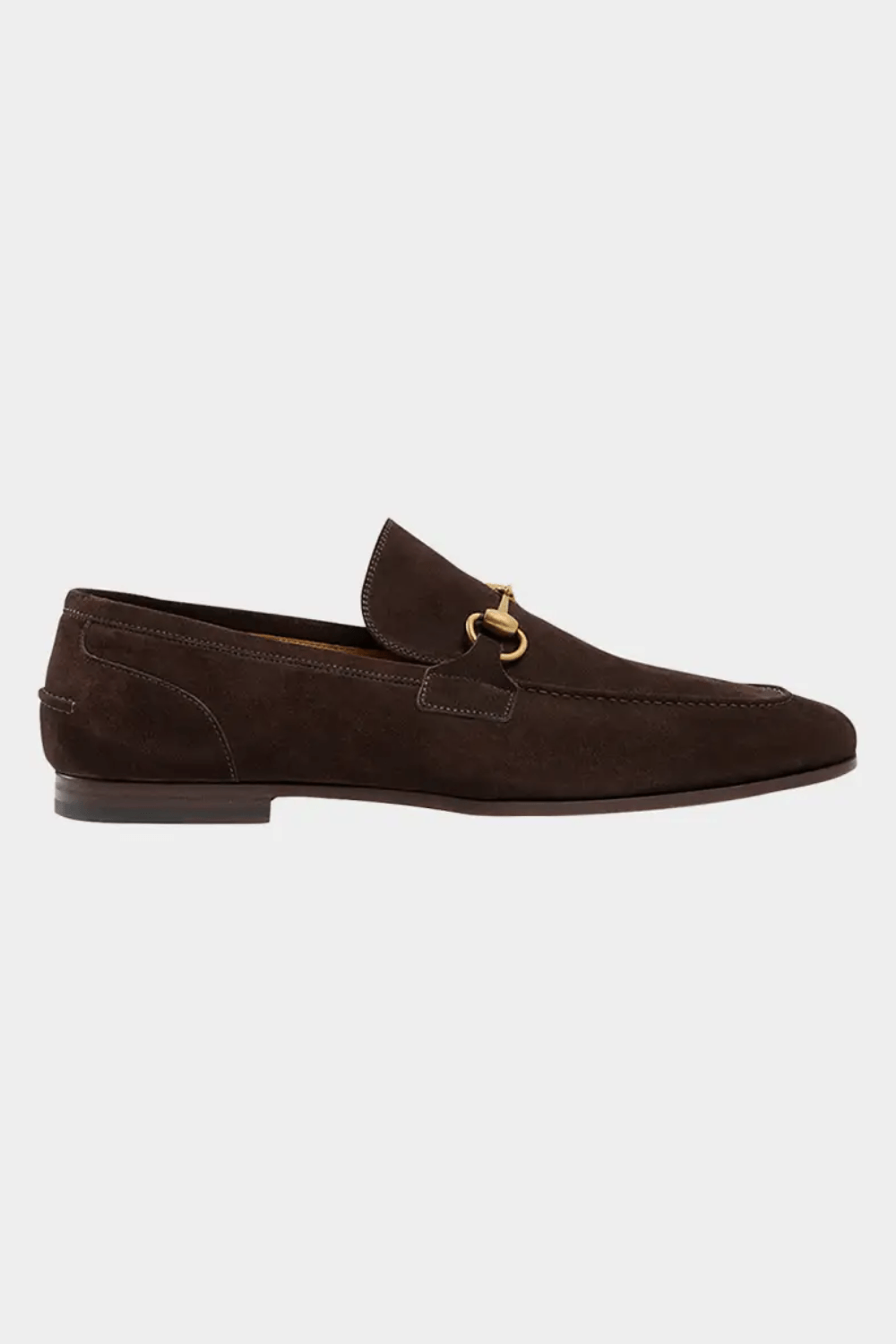
5. Suede Loafers
If leather loafers are acceptable in your office, suede loafers usually are too, but not always.
Suede is simply one notch more relaxed than leather.
Suede loafers work for business casual when:
The office is genuinely business casual
The suede is dark or neutral, like brown, dark brown, navy, or charcoal
The style is classic, such as penny, tassel, or bit loafers, not driving loafers
The silhouette is clean and structured, with no chunky soles
Jack Erwin
Carmine Suede Penny Loafer
$260
Jack Erwin
Scarosso
Suede Tassel Loafers
$490
Farfetch
George Cleverley
George Suede Penny Loafers
$850
Mr Porter
Gucci
Jordaan Suede Bit Loafers
$1,050
Neiman Marcus
VI. Smart Casual Shoes
Finally, we’re out of the formal and business territory.
Smart casual sits between casual and business casual, giving you plenty of flexibility.
Most common smart casual occasions include:
Dinner dates
Weekend parties with friends
After-work socials
Weekend brunches
Gallery openings
Casual business lunches (sometimes business casual and smart casual overlap a bit)
Most of the shoes we’ve covered in business formal, semi-formal, and business casual work here, including:
Oxfords
Derbies
Monk Straps
Balmoral Boots
Brogues
Chelsea Boots
Loafers
Leather Chukka Boots
You can go with any colors or materials, including suede, lighter shades, or patterned styles.
Here are some more shoes that work perfectly for the smart casual category:
1. Suede Chukka and Desert Boots
Desert Boots are a type of Chukka boot.
Most people say Chukkas = desert boots, but actually, desert boots are a specific type of Chukka.
Chukka boots can be made in leather or suede, usually have two or three eyelets, and come with leather, rubber, or crepe soles.
Desert boots, on the other hand, often have an unlined suede upper, have just two eyelets, and often feature crepe soles. They’re slightly less dressier than Chukkas.
Think of it like this: all desert boots are chukkas, but not all chukkas are desert boots.
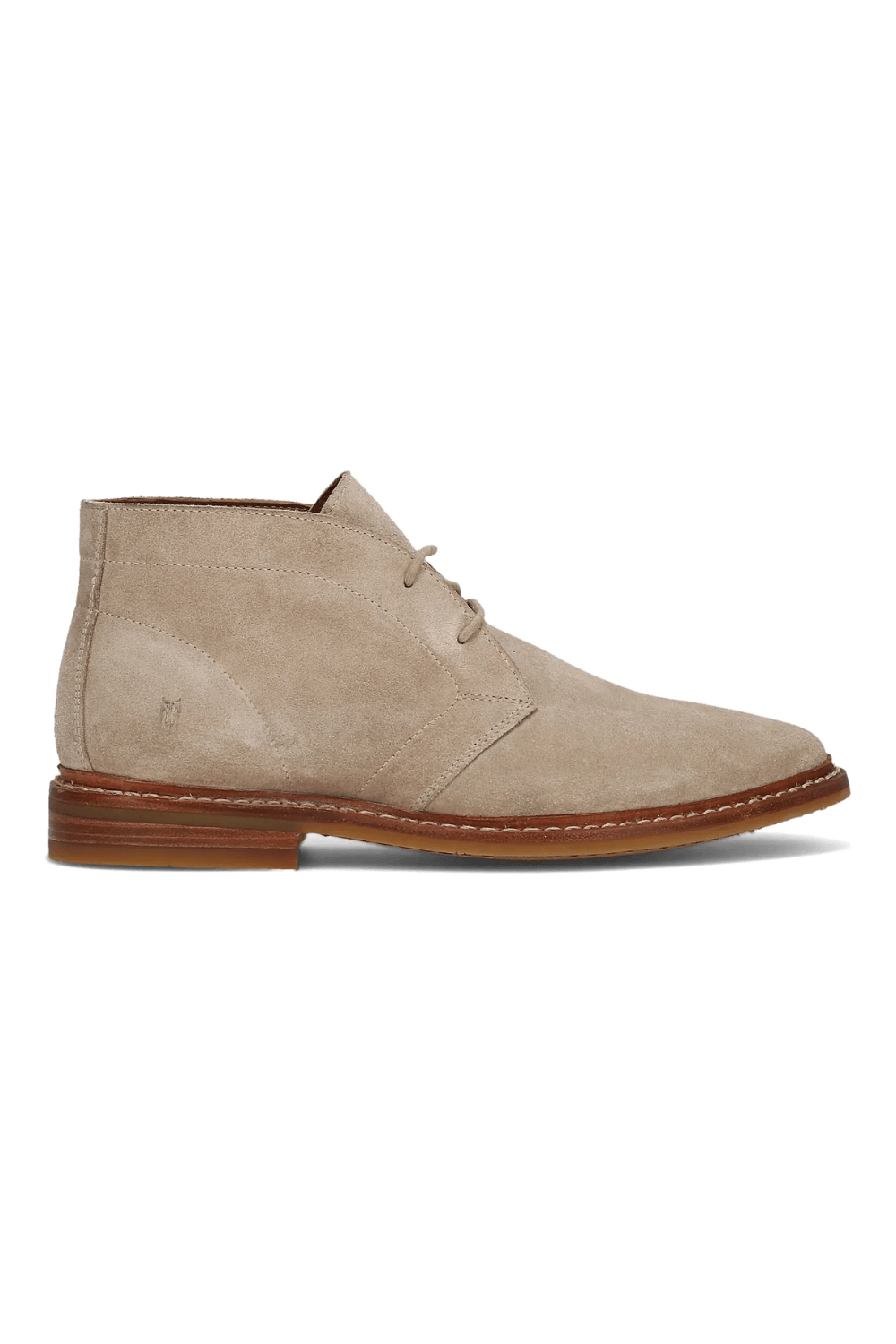
Frye
Paul Suede Chukka Boot
$198
Nordstrom
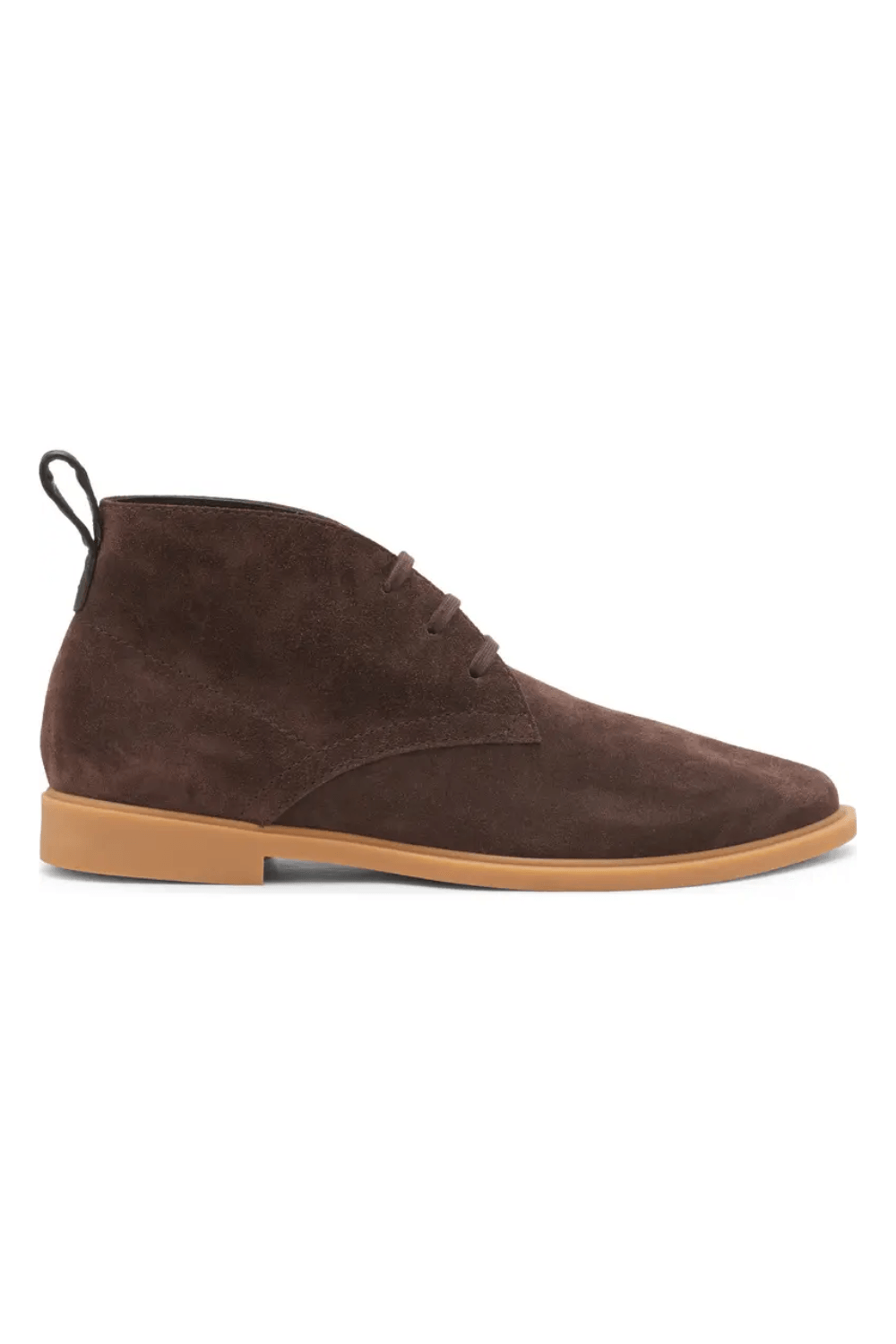
Bottega Veneta
Astaire Chukka Boot
$1,100
Nordstrom
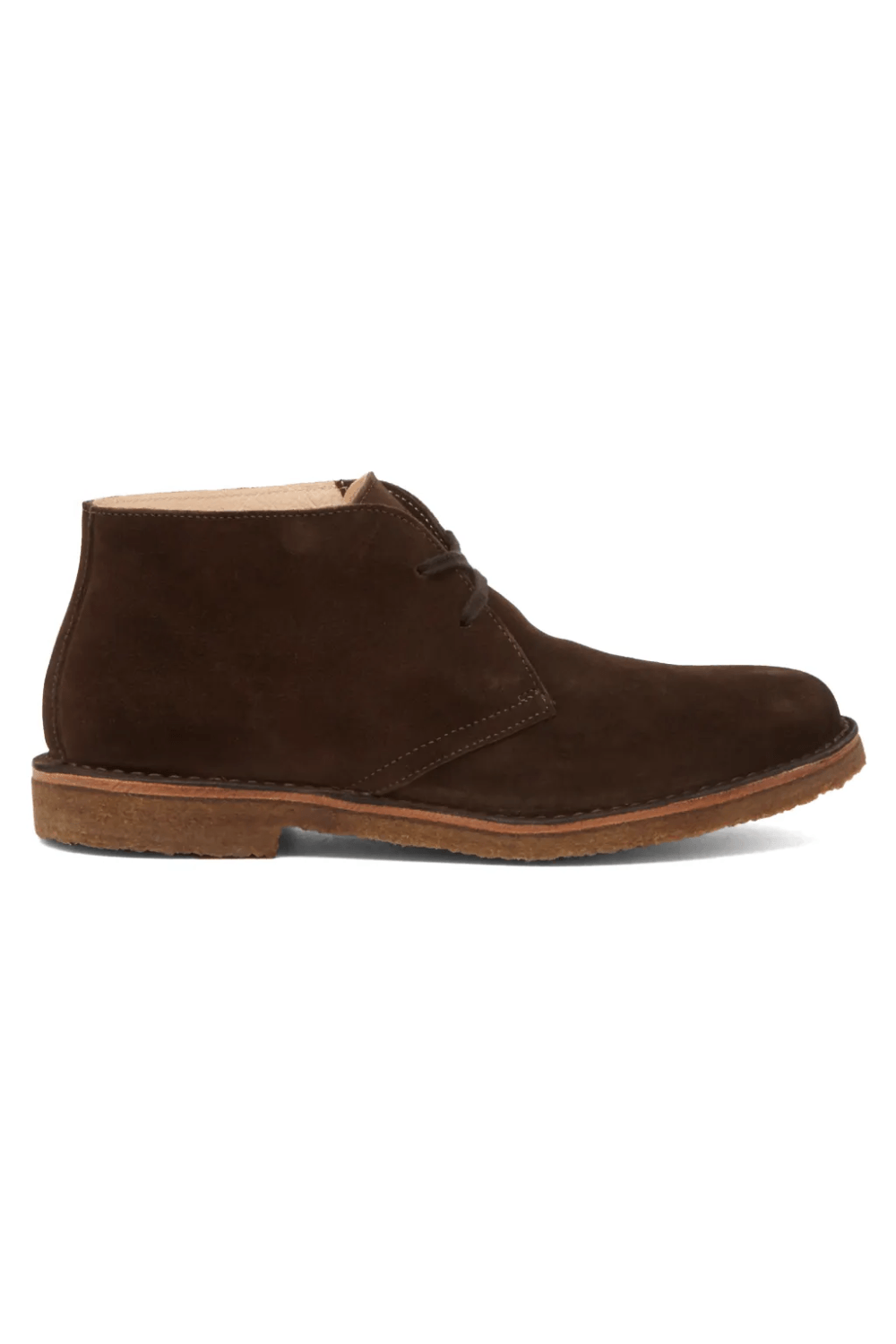
Astorflex
Greenflex Desert Boot
$239
END.
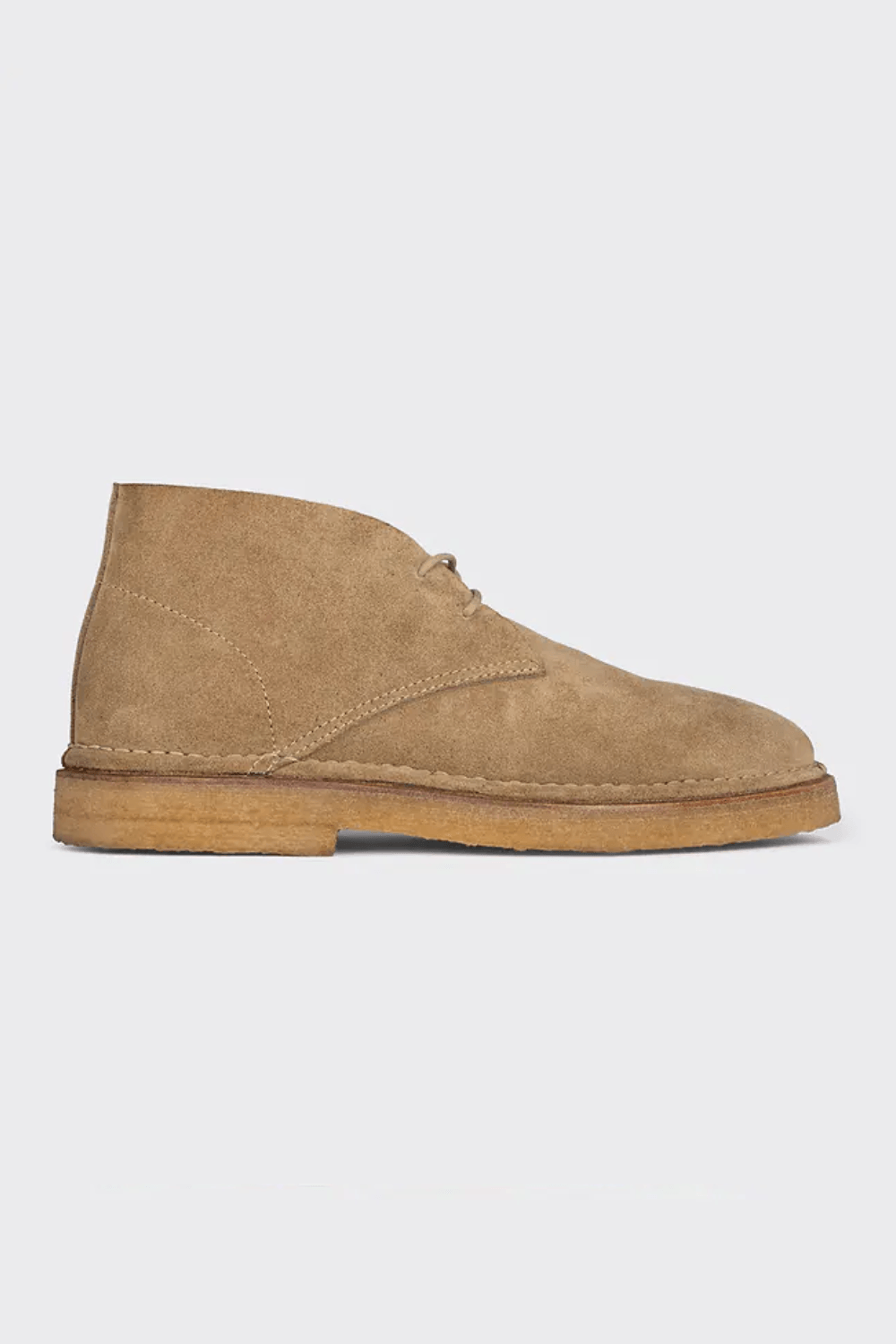
Pierre Hardy
Antoine Desert Boot
$960
Pierre Hardy
2. Dress Sneakers
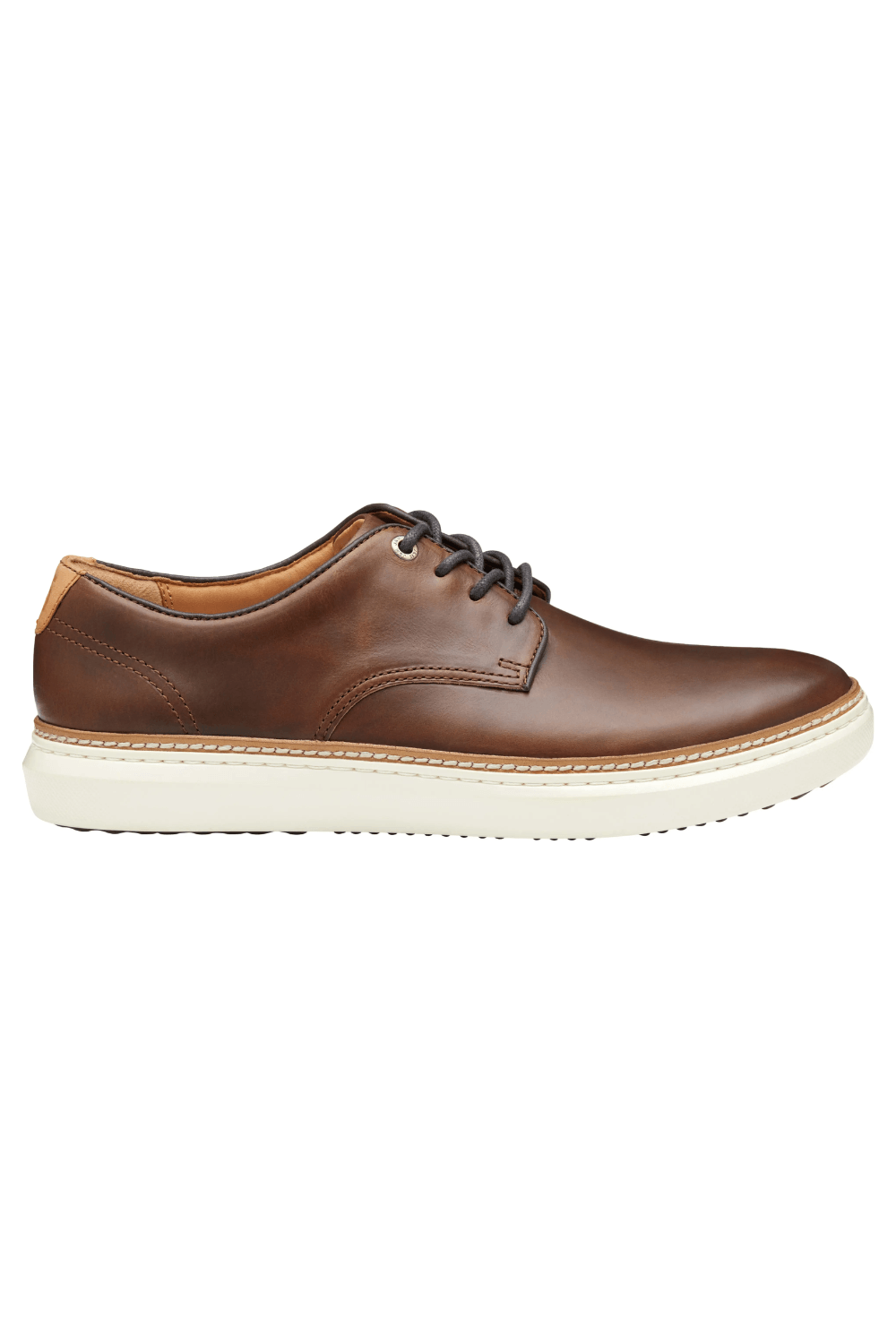
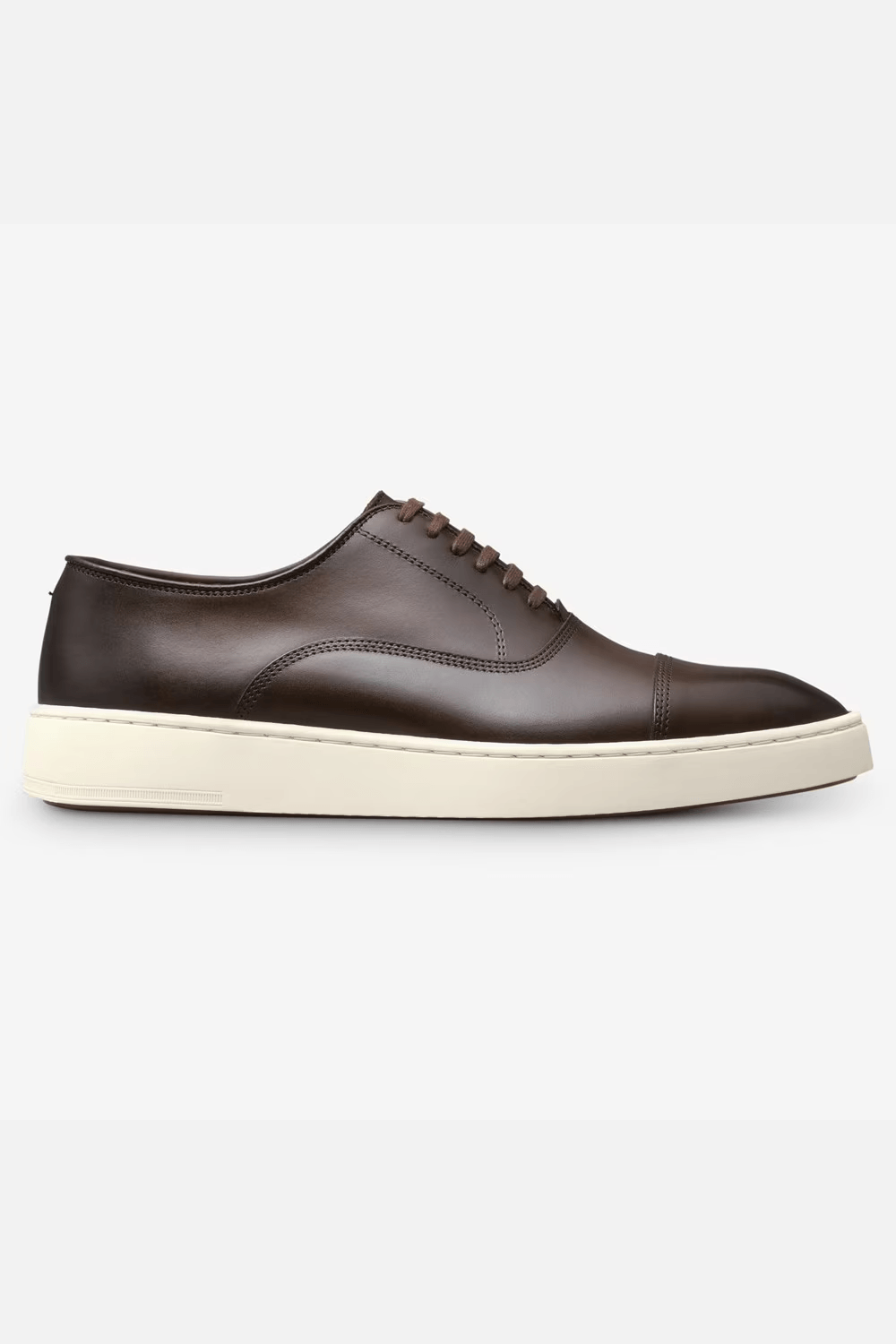
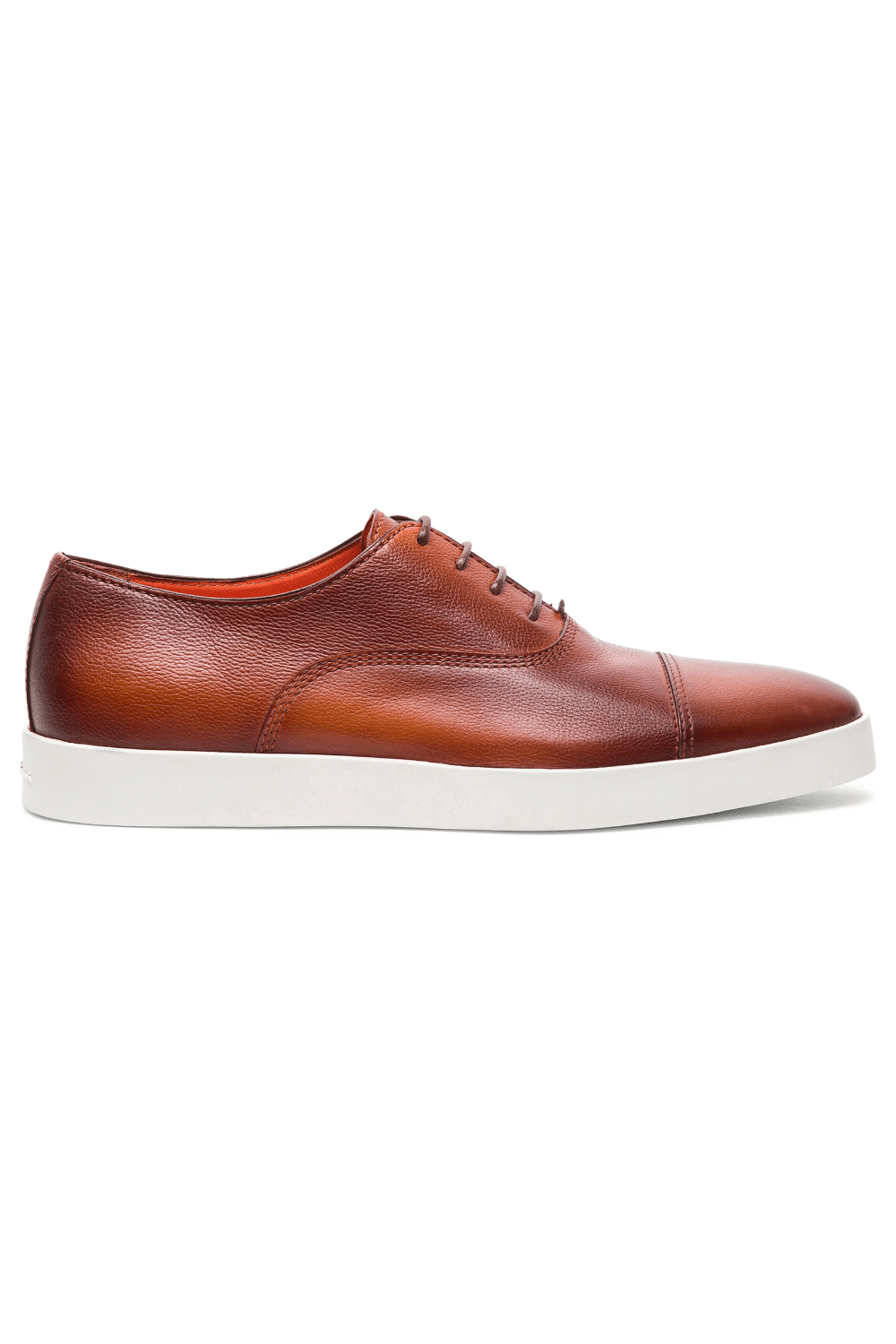
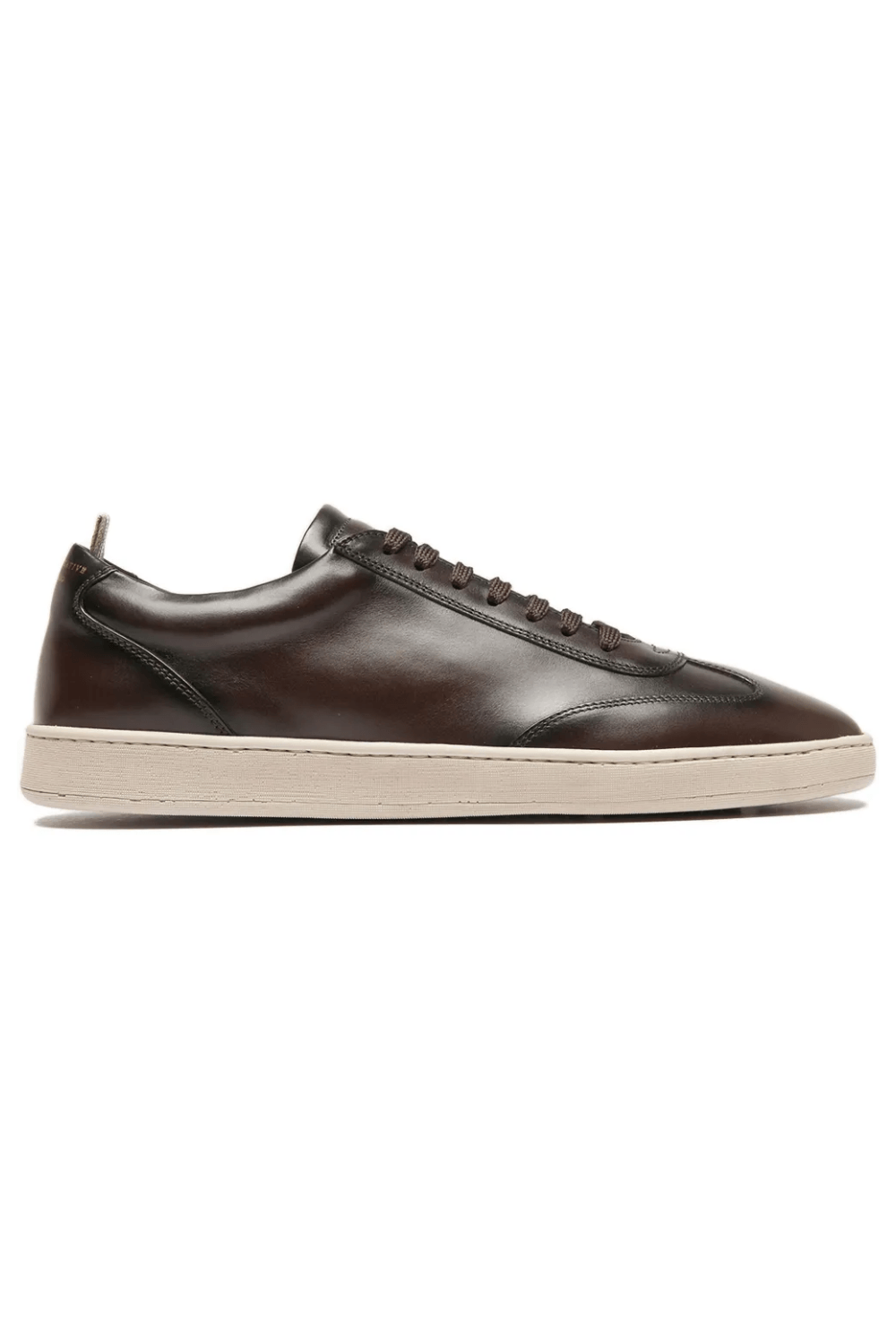
Dress sneakers are more polished than typical casual sneakers.
They’re usually leather low-top sneakers with minimal or no detailing, flat laces in a horizontal bar style, slim soles, and clean, conservative colors.
Johnston & Murphy
McGuffey 2 Dress Sneaker
$175
Johnston & Murphy
Allen Edmonds
Park Avenue 2.0 Dress Sneaker
$176 $325
Allen Edmonds
Santoni
Behemoth Leather Sneaker
$488 $750
Nordstrom
Officine Creative
Lace-Up Leather Sneakers
$625
Farfetch
VII. Casual Shoes
Casual is the easiest—basically no dress code.
As long as you’re comfortable, you can wear anything. Most shoes we’ve covered so far, from formal all the way to smart casual, work perfectly for casual settings.
Beyond those, here are a few shoes that naturally belong here:
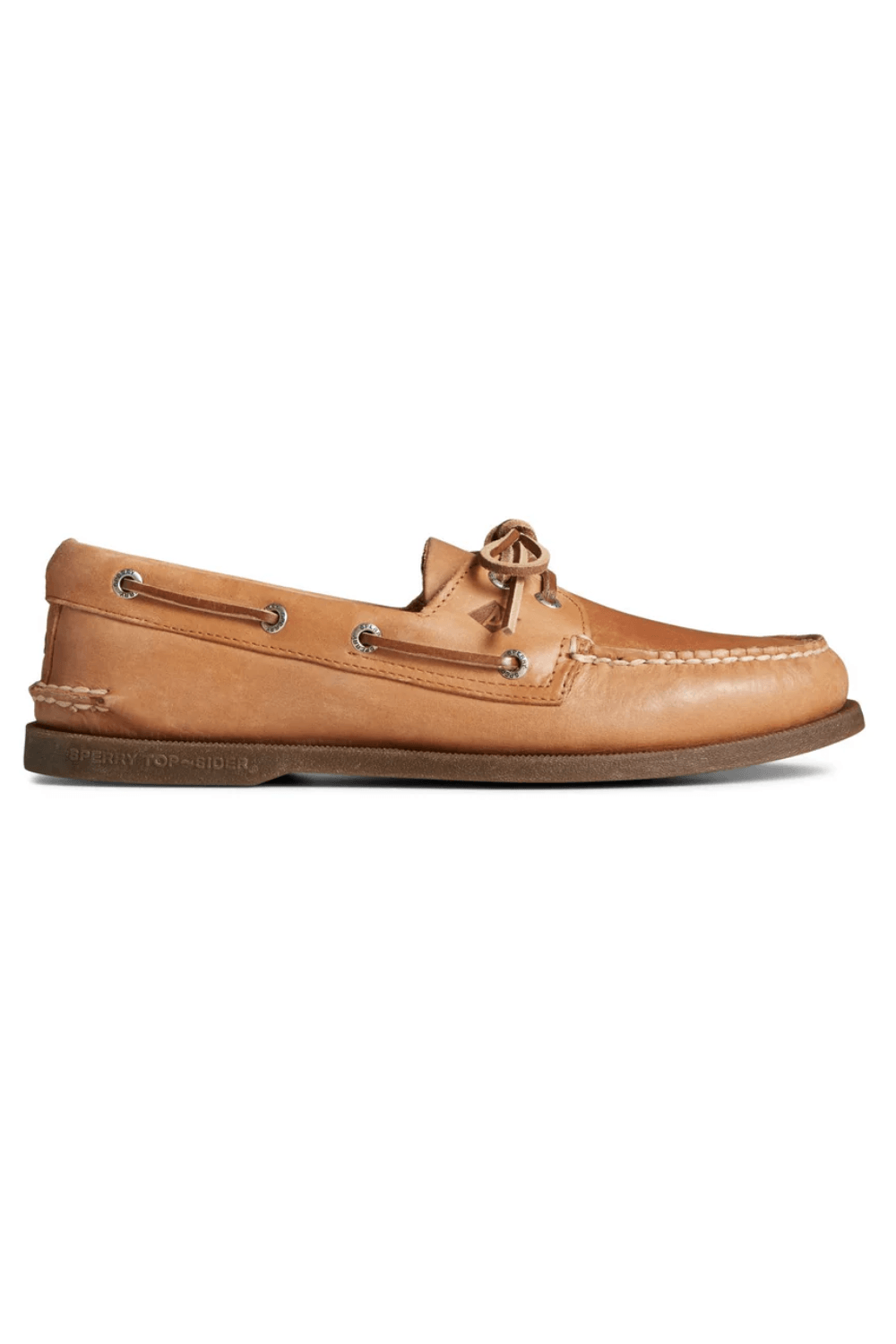
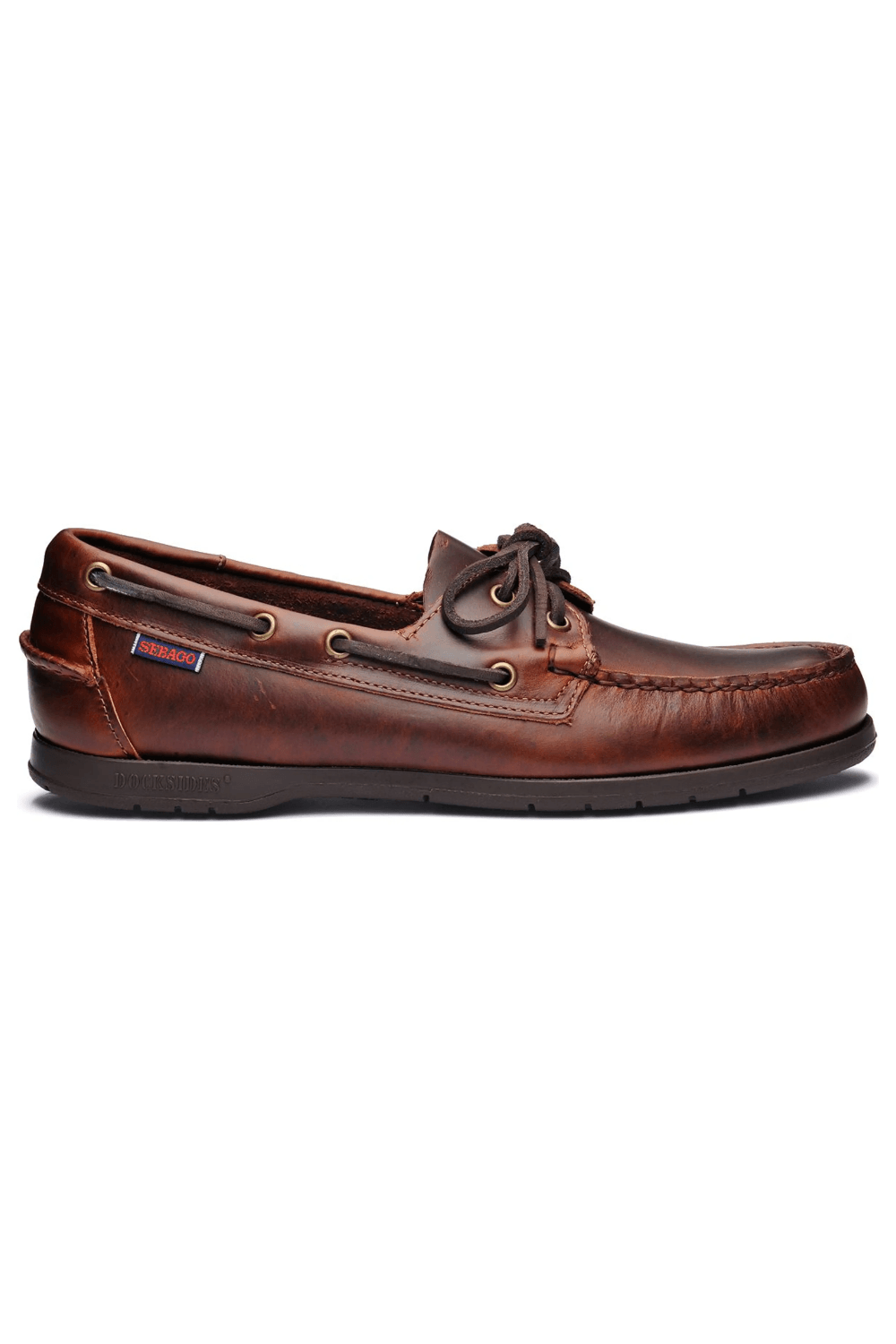
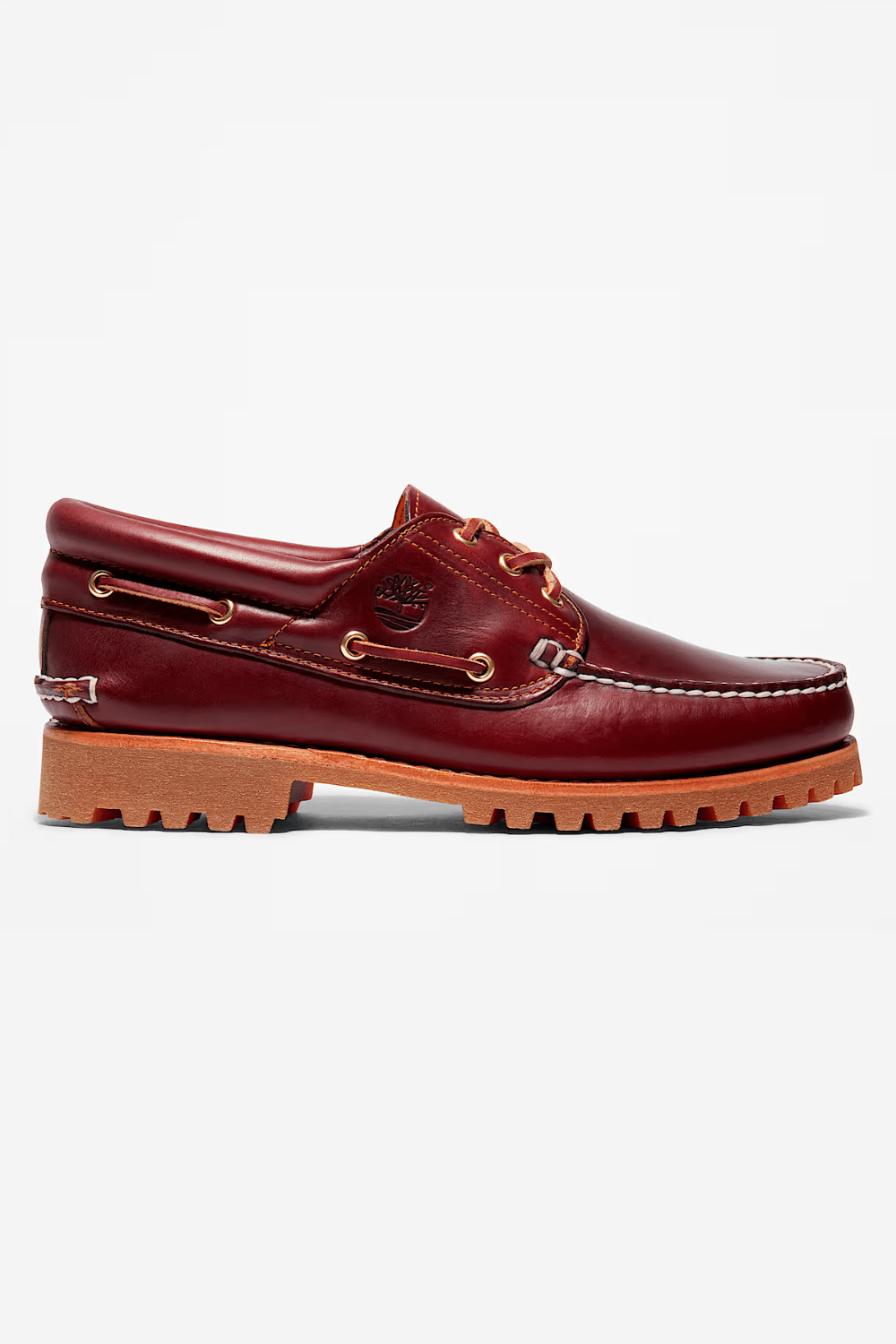
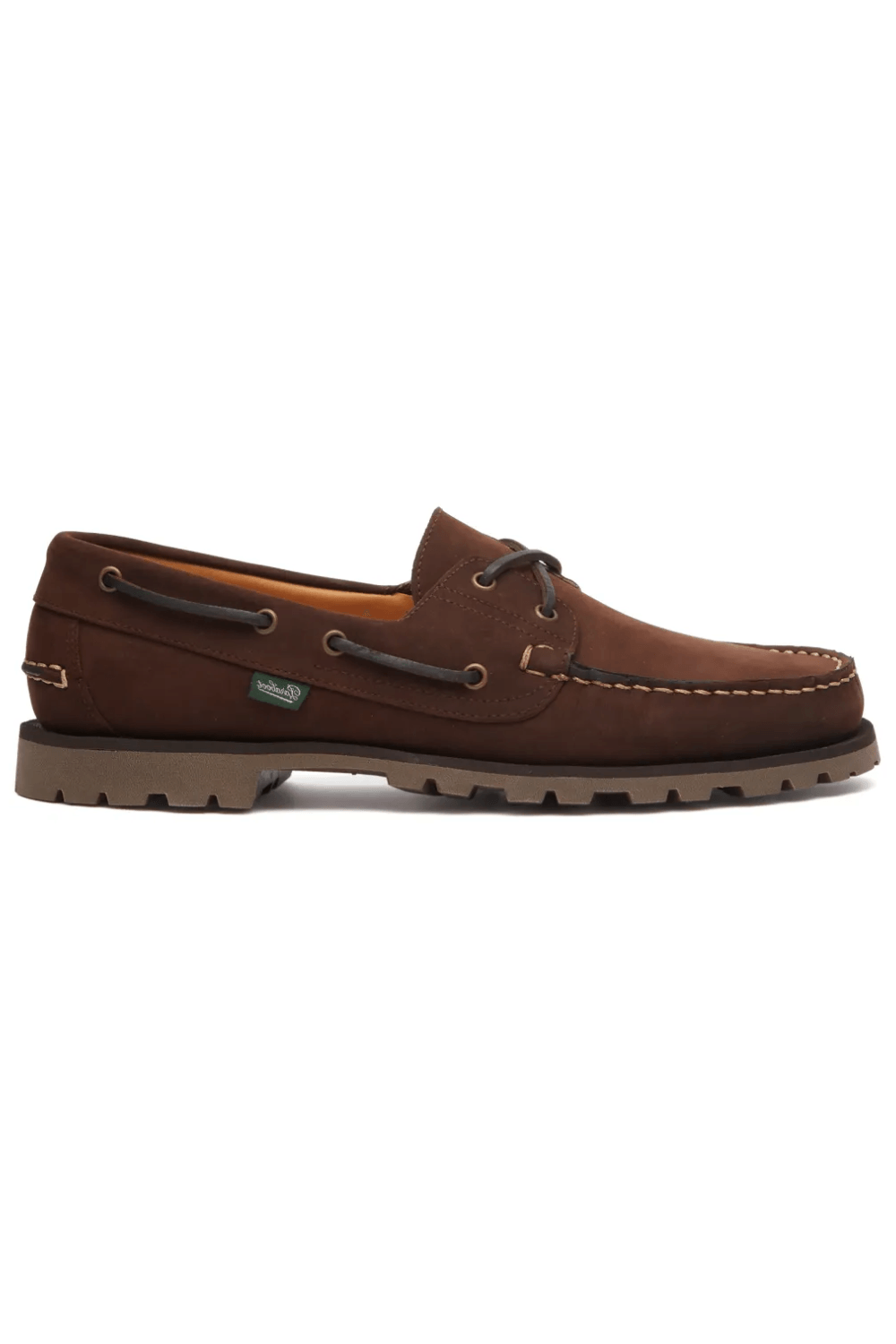
1. Boat Shoes
Boat shoes are a versatile and popular choice. They sit on the borderline between smart casual and casual.
They can lean smart casual, when they’re:
Clean leather versions in neutral colors (brown, tan, navy)
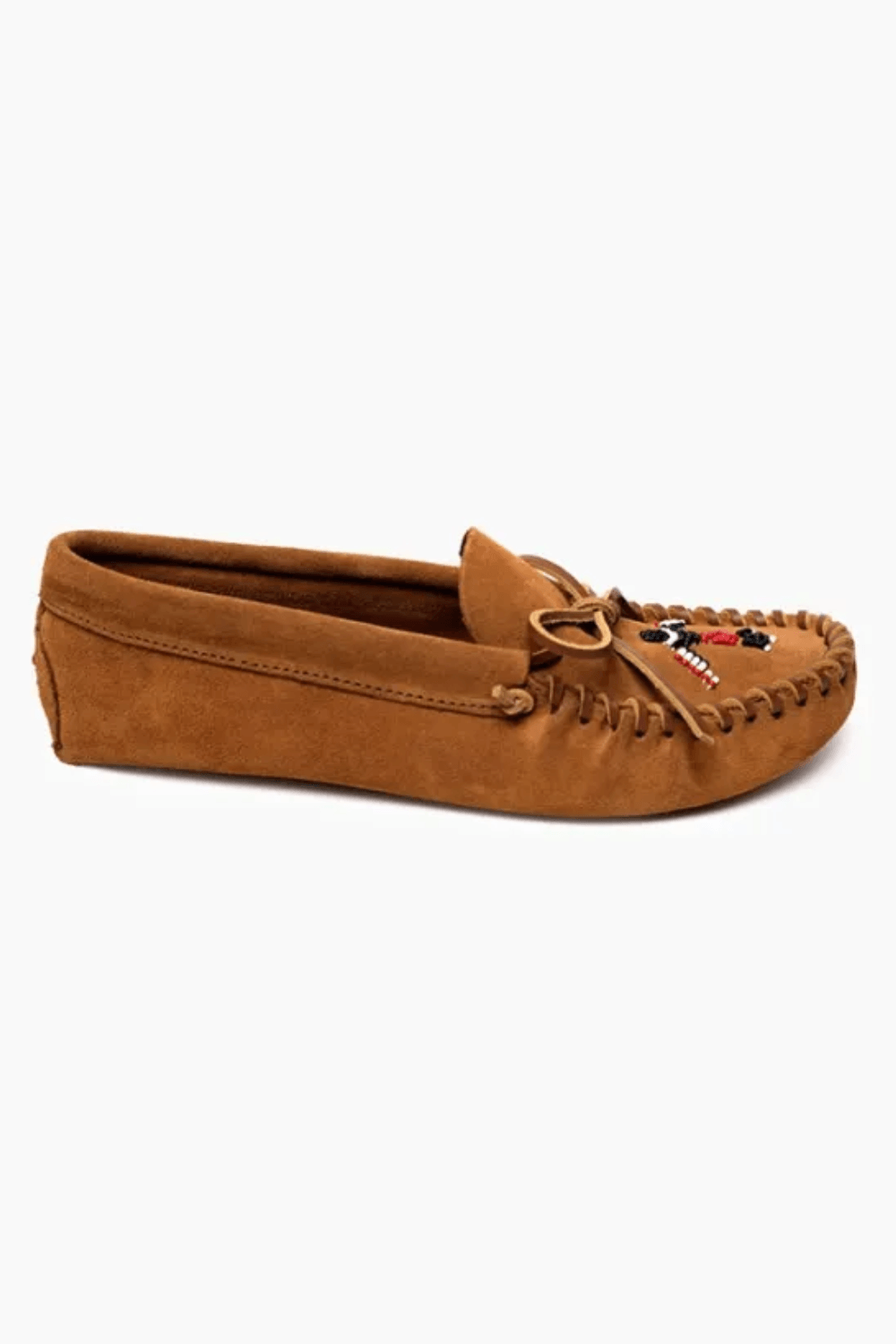
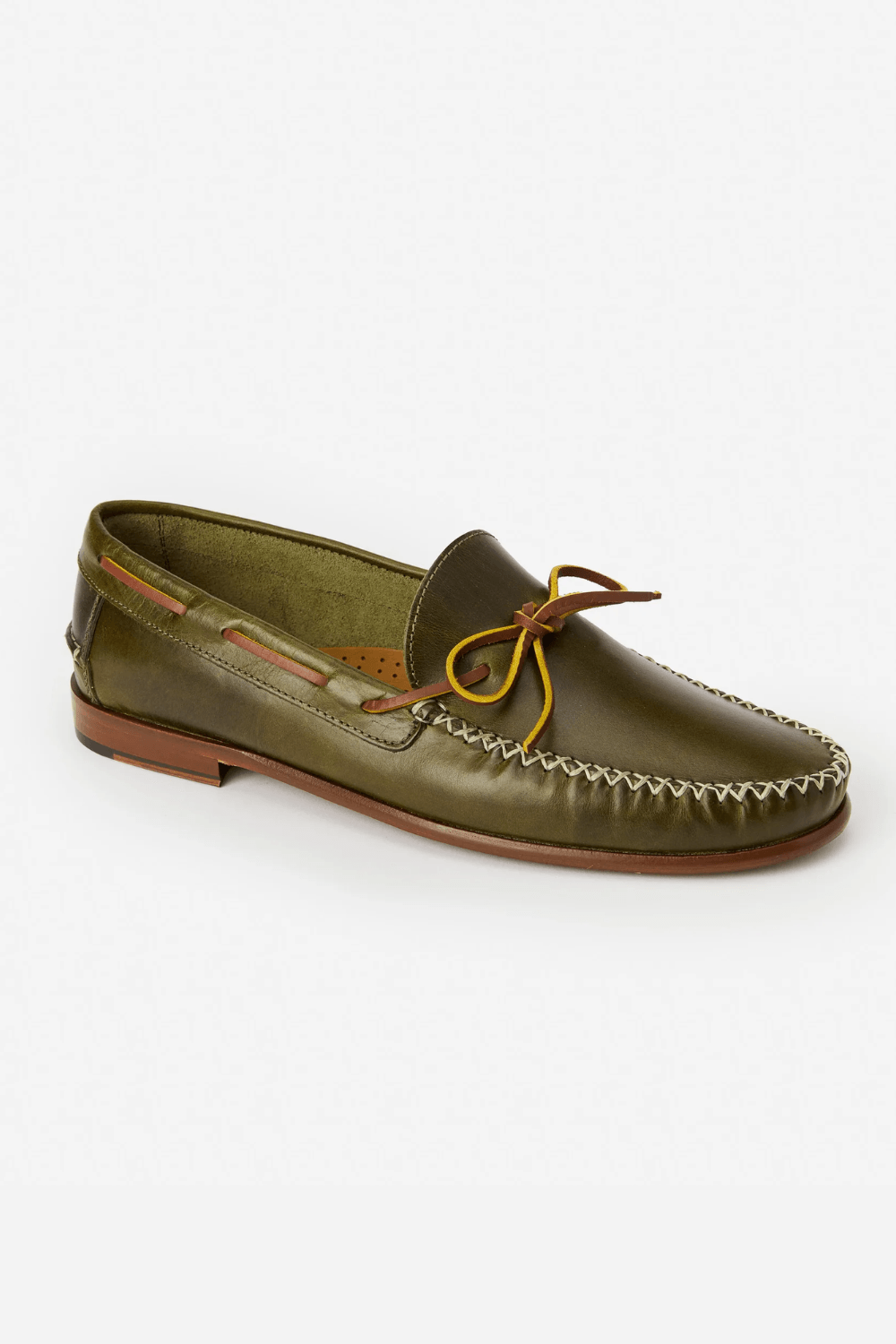
Moccasins are heel-less or minimally heeled shoes traditionally made from a single piece of soft leather with a flexible sole.
Originally, they were made with leather soles, though modern versions often use rubber soles.
Traditional moccasins may also feature beadwork or embroidery, while modern styles tend to be cleaner and more minimal.
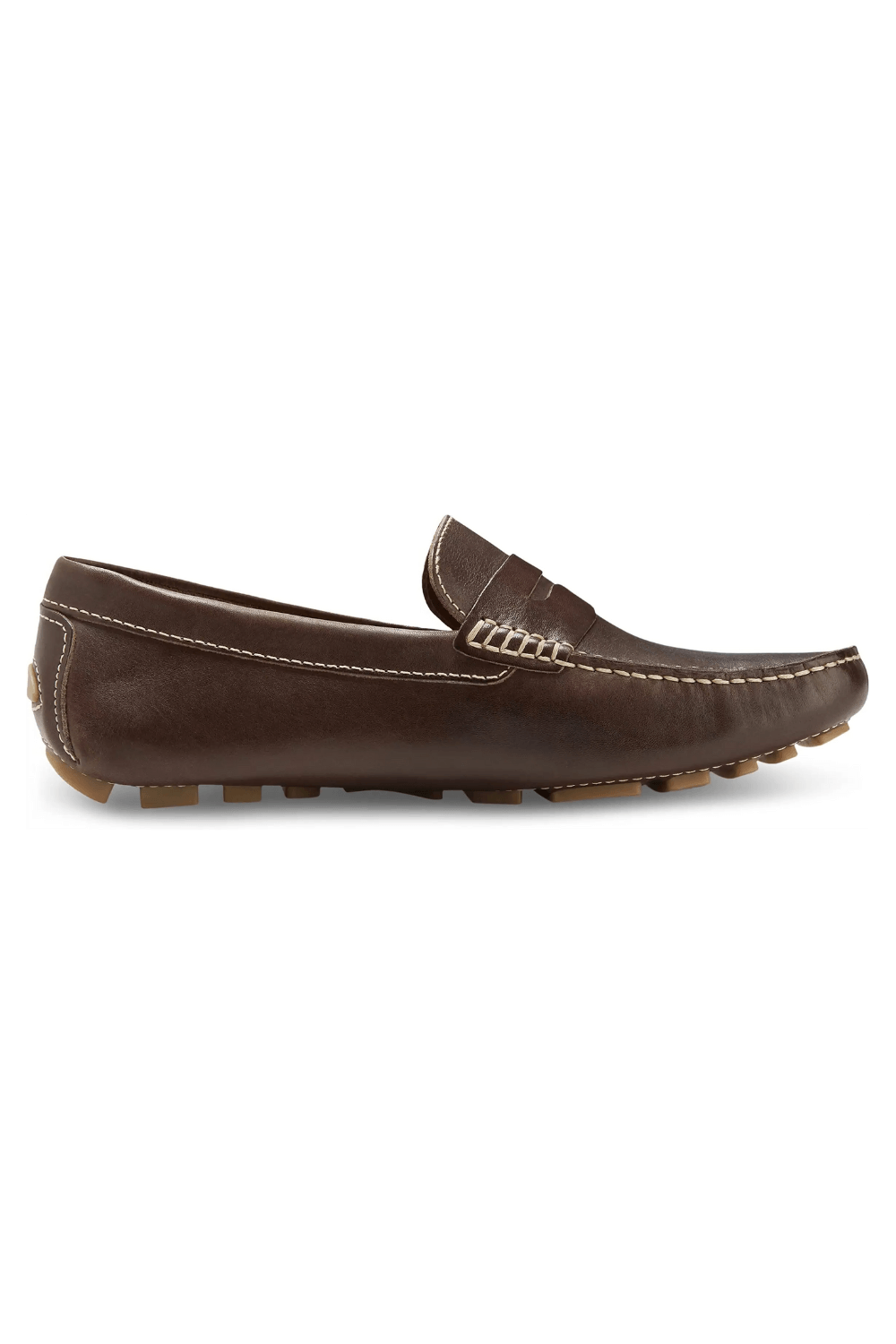
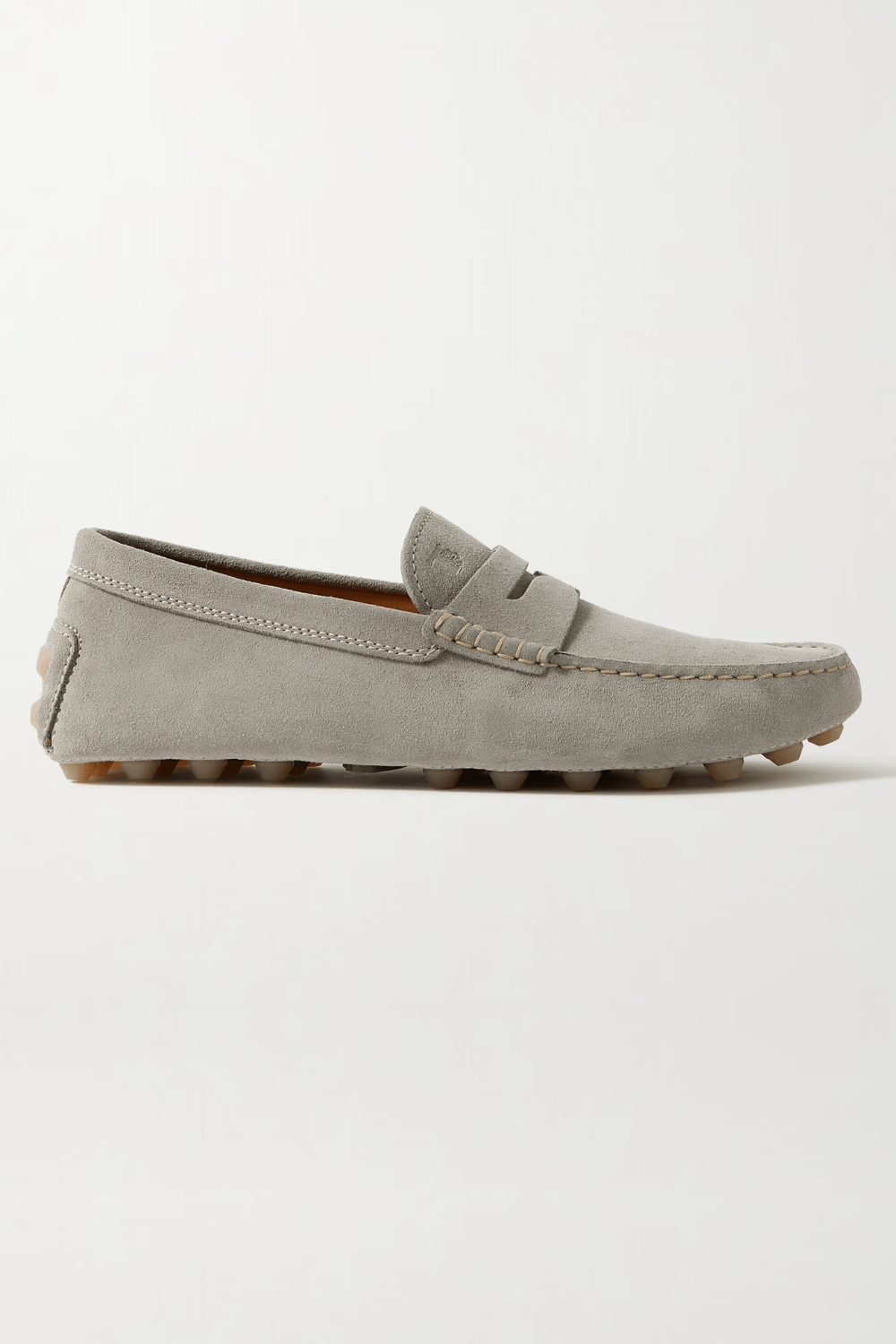
Driving shoes, on the other hand, feature soft leather or suede uppers and rubber pebble soles that extend to the heel. While they were originally designed for driving, they’re now commonly worn as everyday casual shoes.
The relationship between moccasins and driving shoes is similar to that of chukka boots and desert boots: all driving shoes are moccasins, but not all moccasins are driving shoes.
Minnetonka
Thunderbird Softsole Moccasin
$73
Minnetonka
J.McLaughlin
Camden Leather Moccasins
$328
J.McLaughlin
Eastland
Patrick Driving Shoe
$90 $120
Zappos
Tod's
Gommino Suede Driving Shoes
$465 $775
Mr Porter
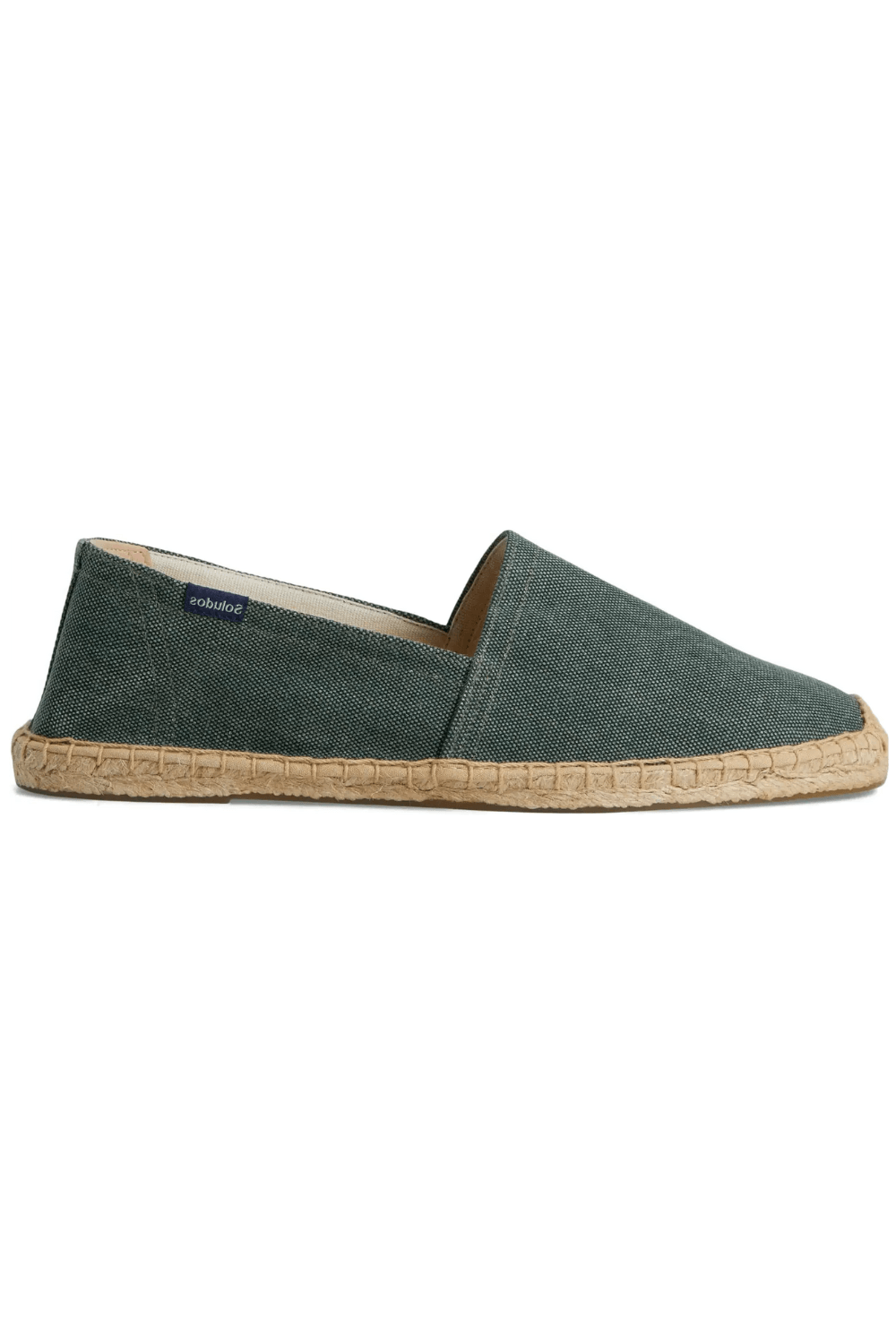
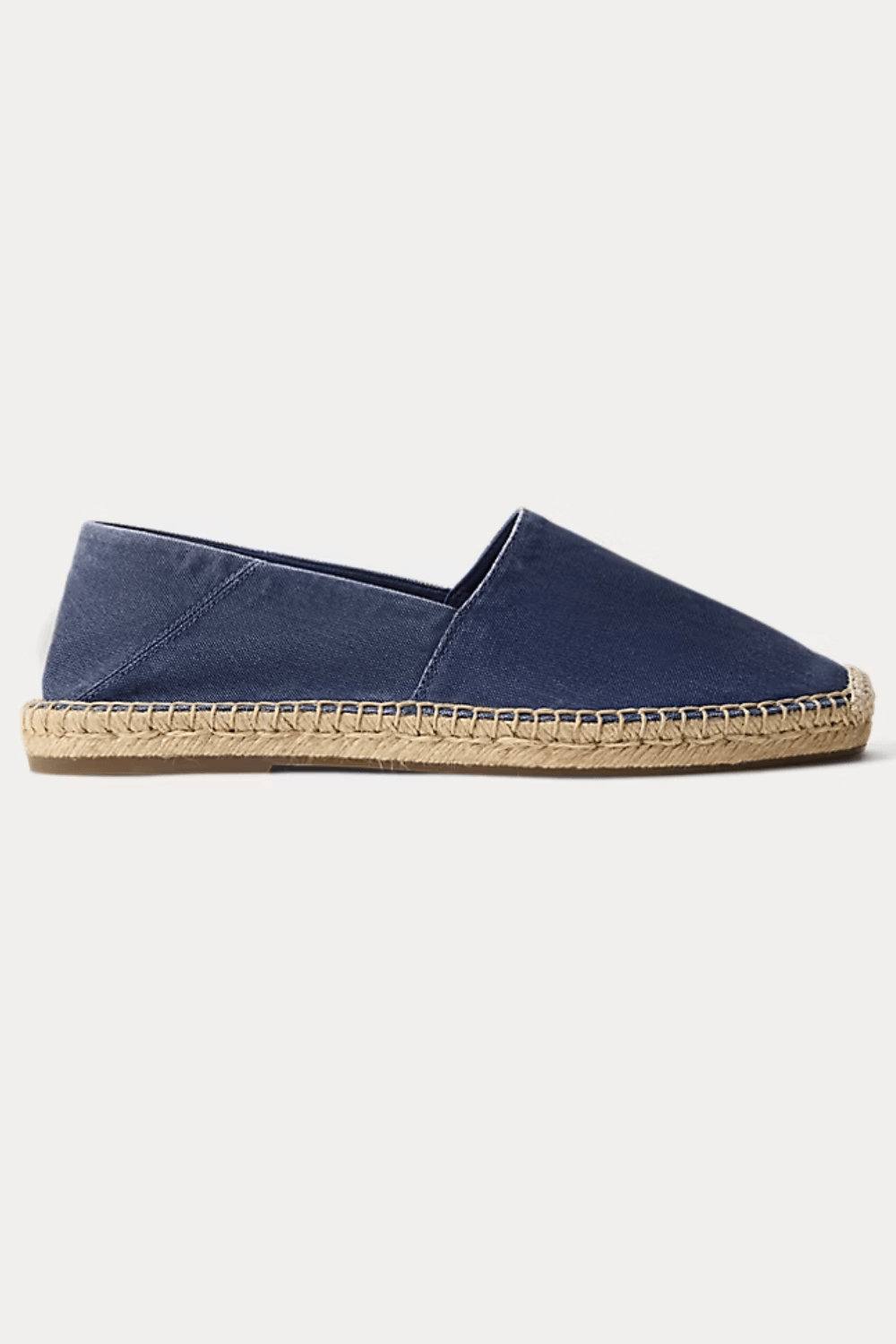
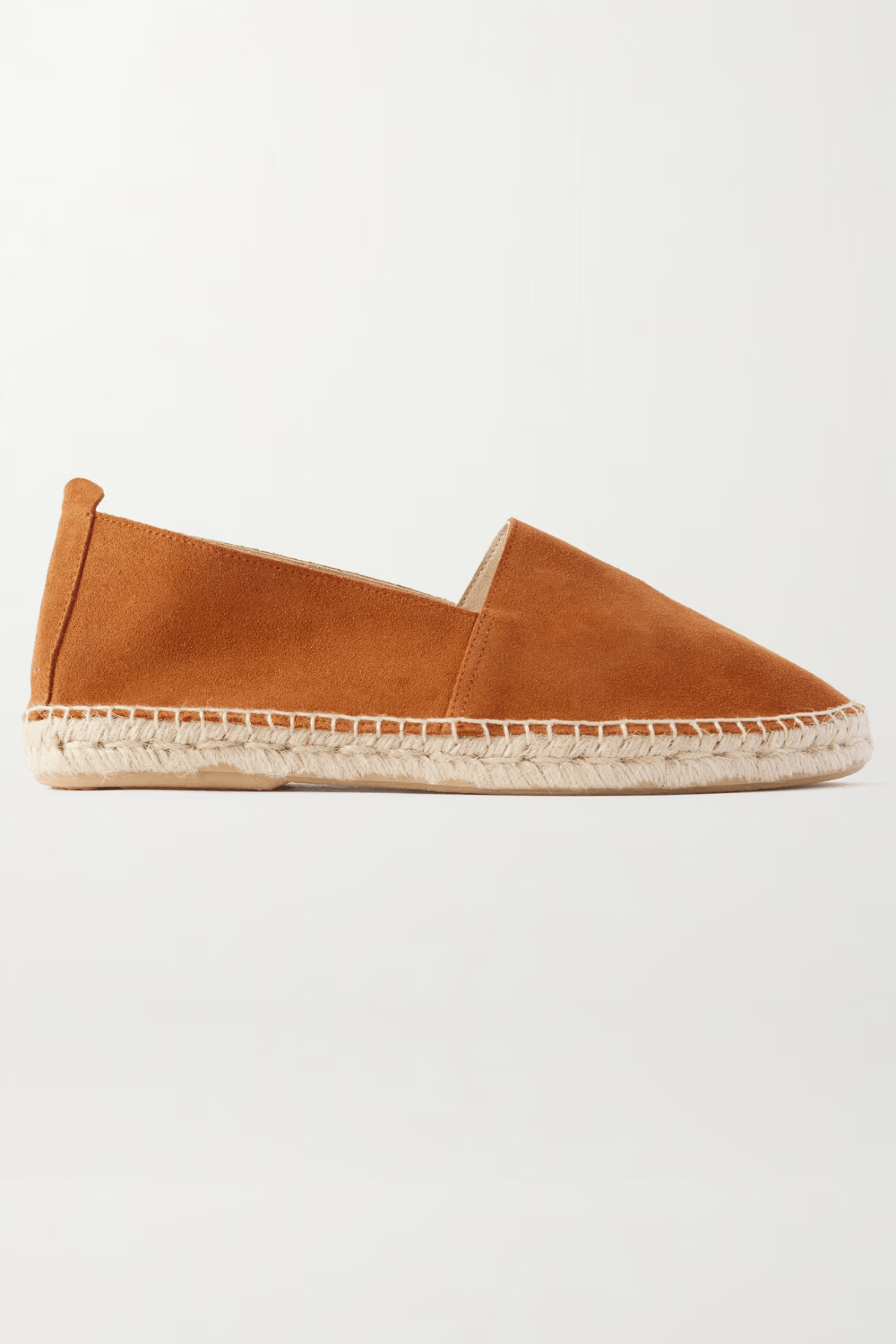
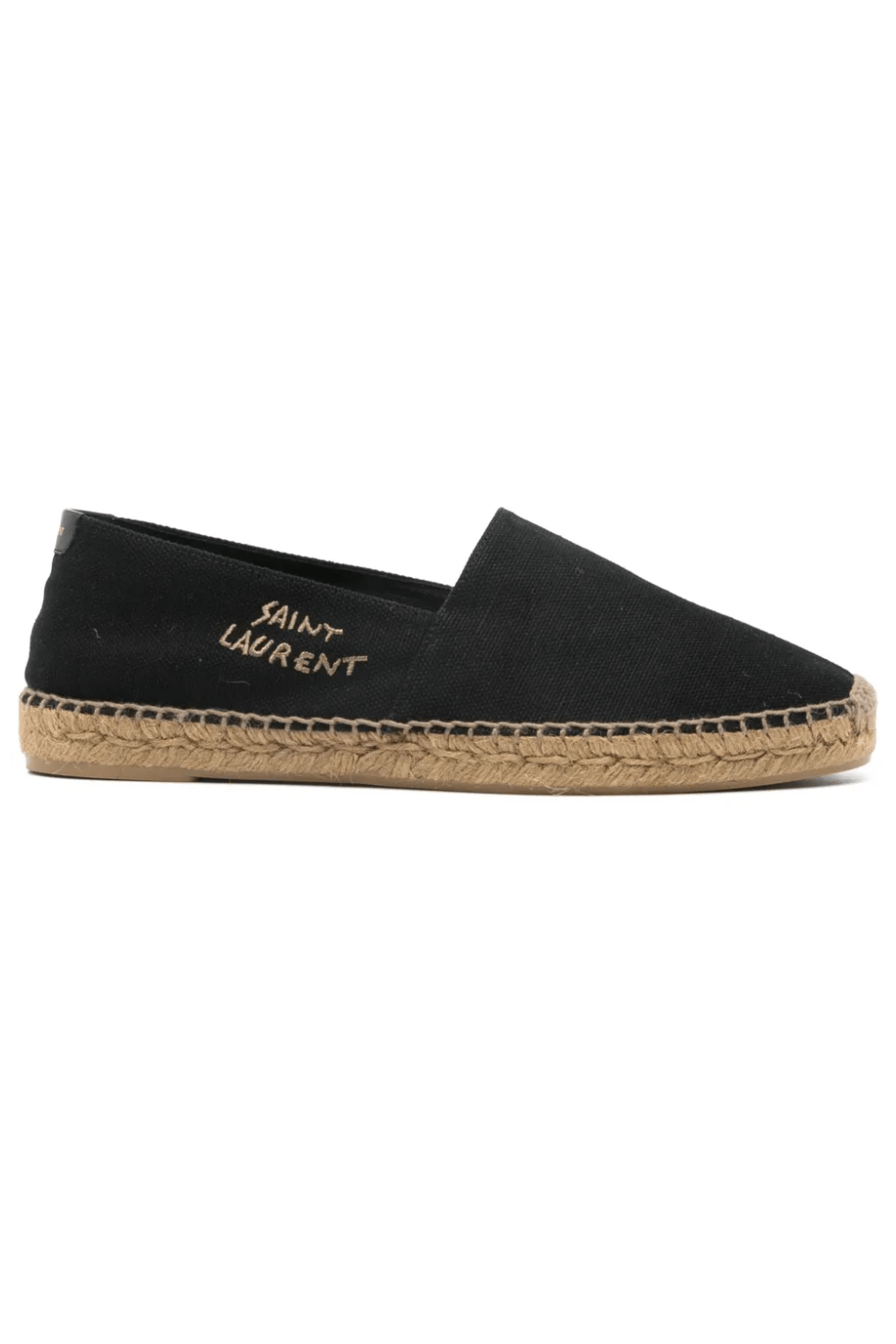
3. Espadrilles
Espadrilles are casual, lightweight shoes defined by their rope sole — traditionally made from braided jute or esparto grass.
And their uppers are usually canvas or cotton, though modern versions also come in smooth leather or suede.
They were originally worn as peasant footwear in Spain and France, and have now become a staple of modern casual menswear, especially in warm weather.
Soludos
Original Espadrille
$60 $75
Zappos
Ralph Lauren
Cevio Washed Canvas Espadrille
$98
Ralph Lauren
Anderson & Sheppard
Suede Espadrilles
$114 $190
Mr Porter
Saint Laurent
Logo-Embroidered Espadrilles
$425
Farfetch
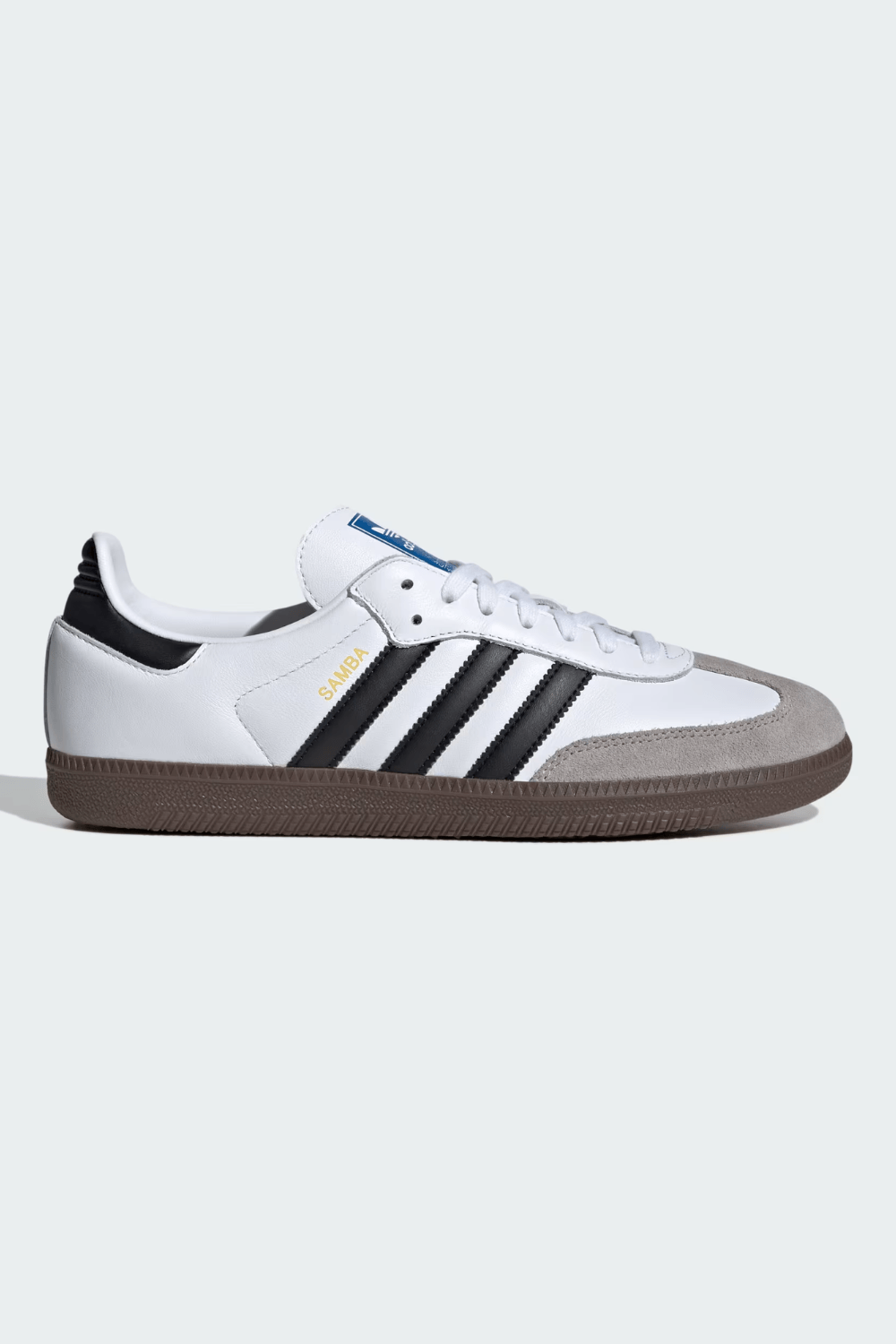
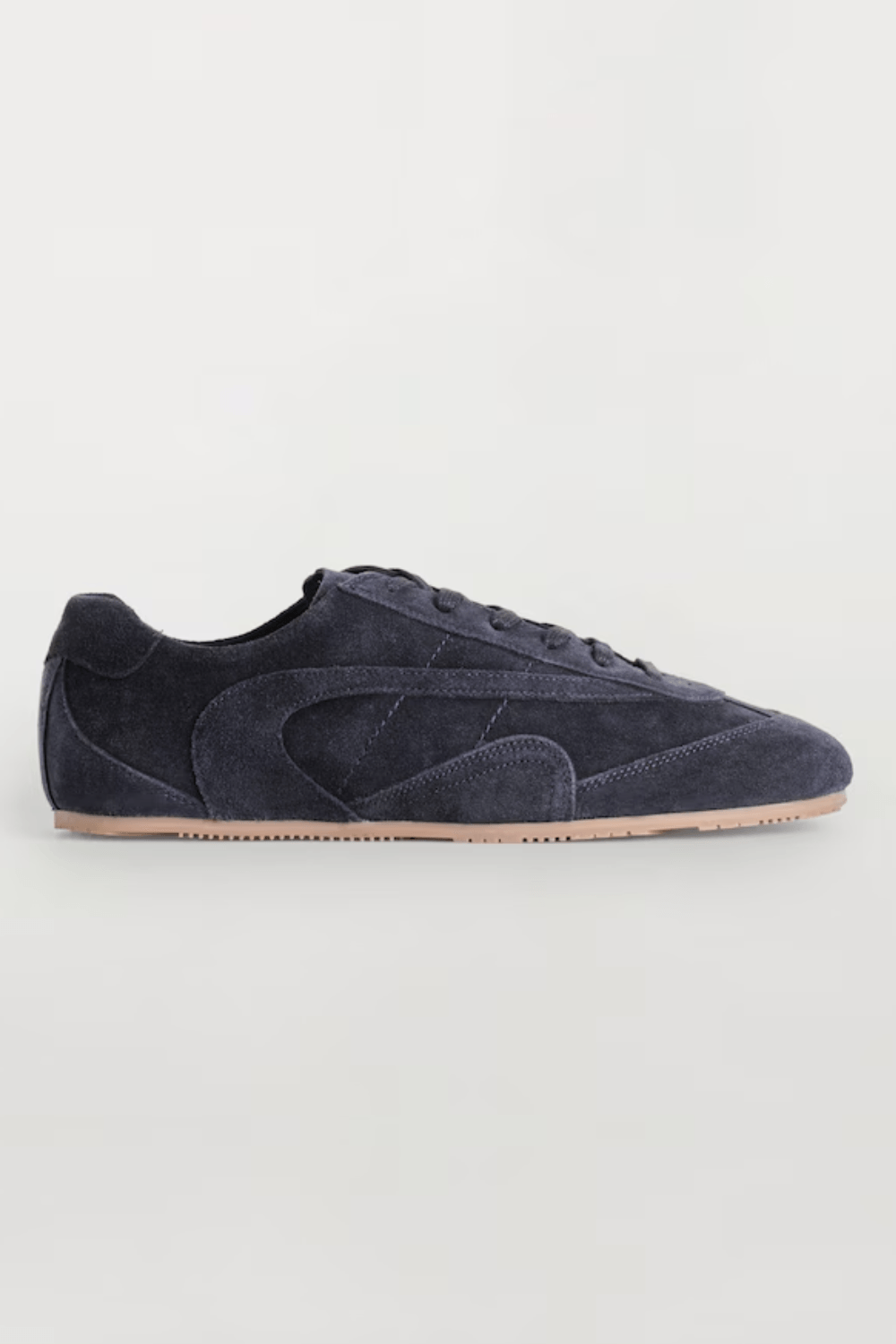
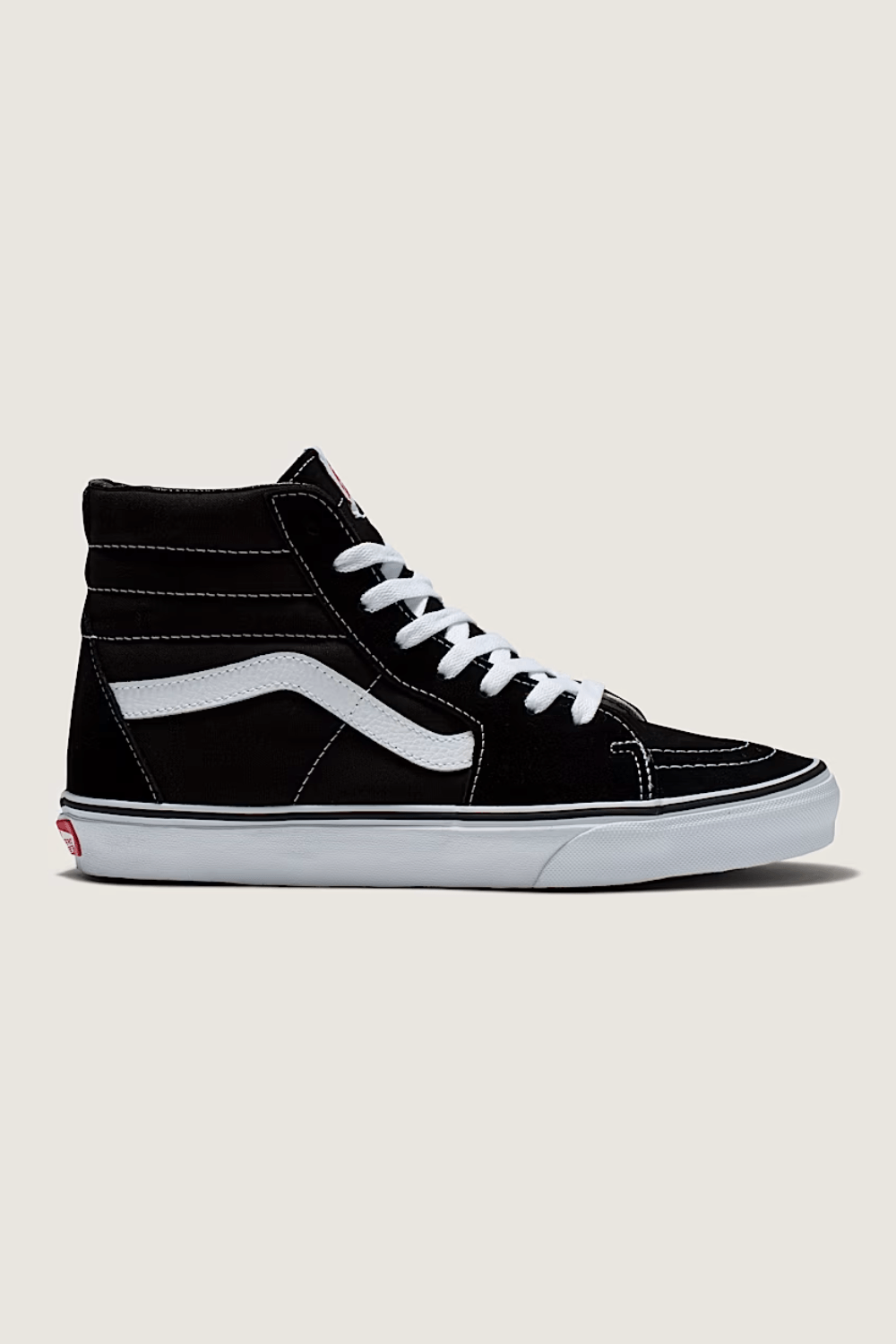
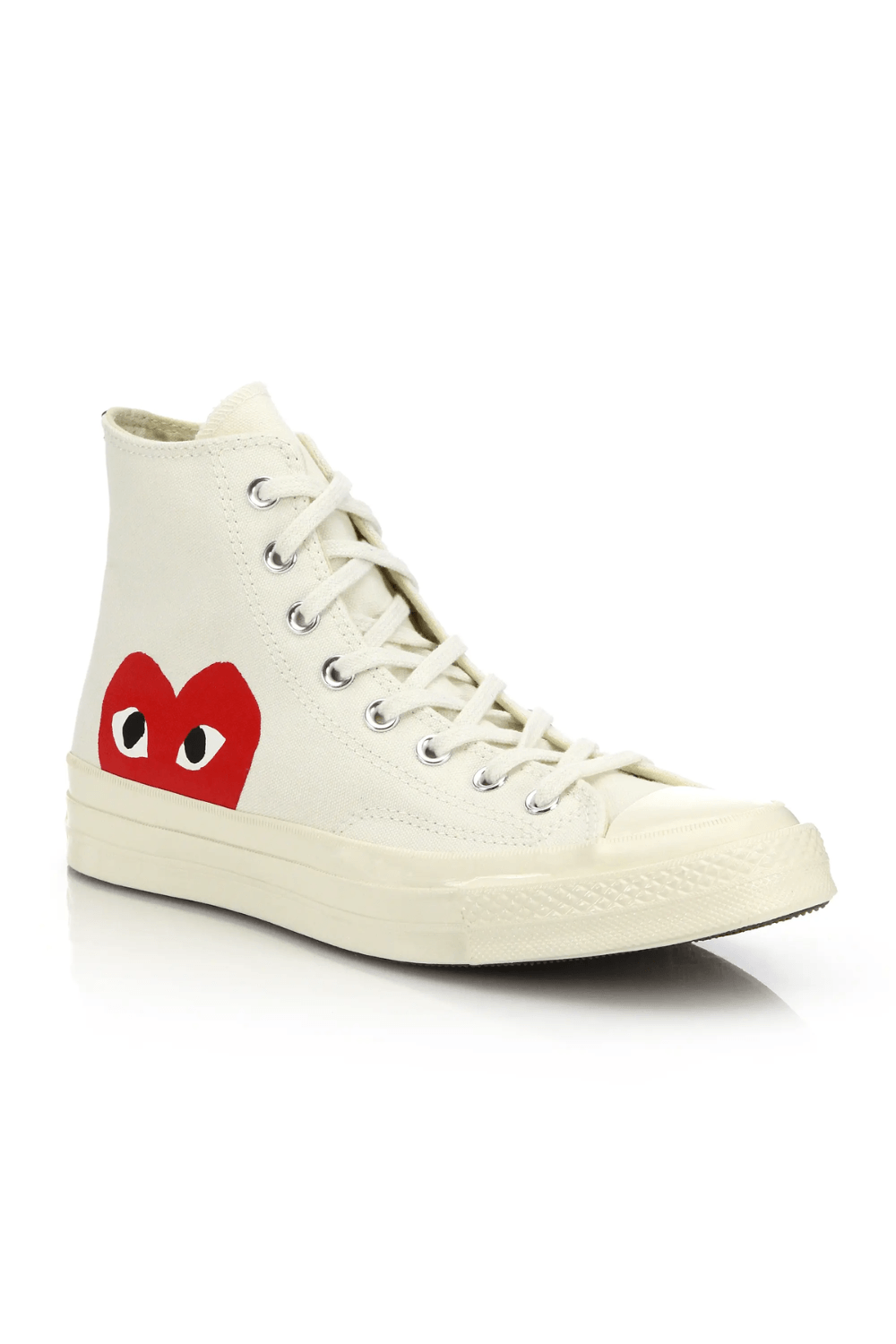
4. Low-Top and High-Top Sneakers
Low-tops are huge now, especially the slim silhouettes.
They’ve become the workhorse of casual menswear, working with everything from jeans to casual dress pants.
And the minimal ones actually work for smart casual, too.
High-tops, on the other hand, aren’t as trendy as low-tops anymore, but they’re not going anywhere.
Especially in winter, they’re the better option if you want to stay warm without sacrificing style.
Adidas
Samba OG Shoes
$100
Adidas
COS
Minimal Suede Sneakers
$159
COS
Vans
Sk8-Hi Shoe
$75
Vans
CdG PLAY
CdG PLAY x Converse High-Tops
$150
Saks Fifth Avenue
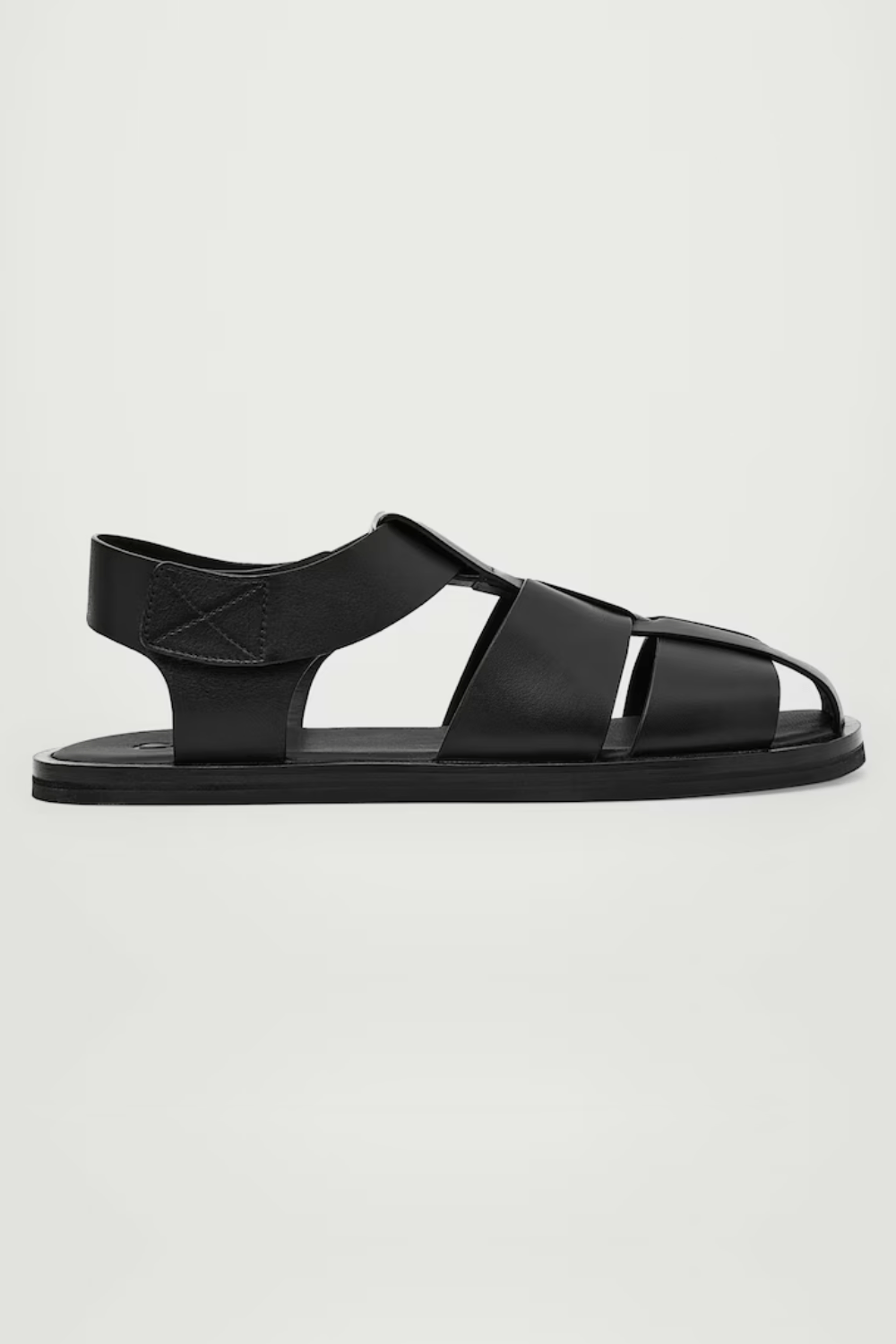
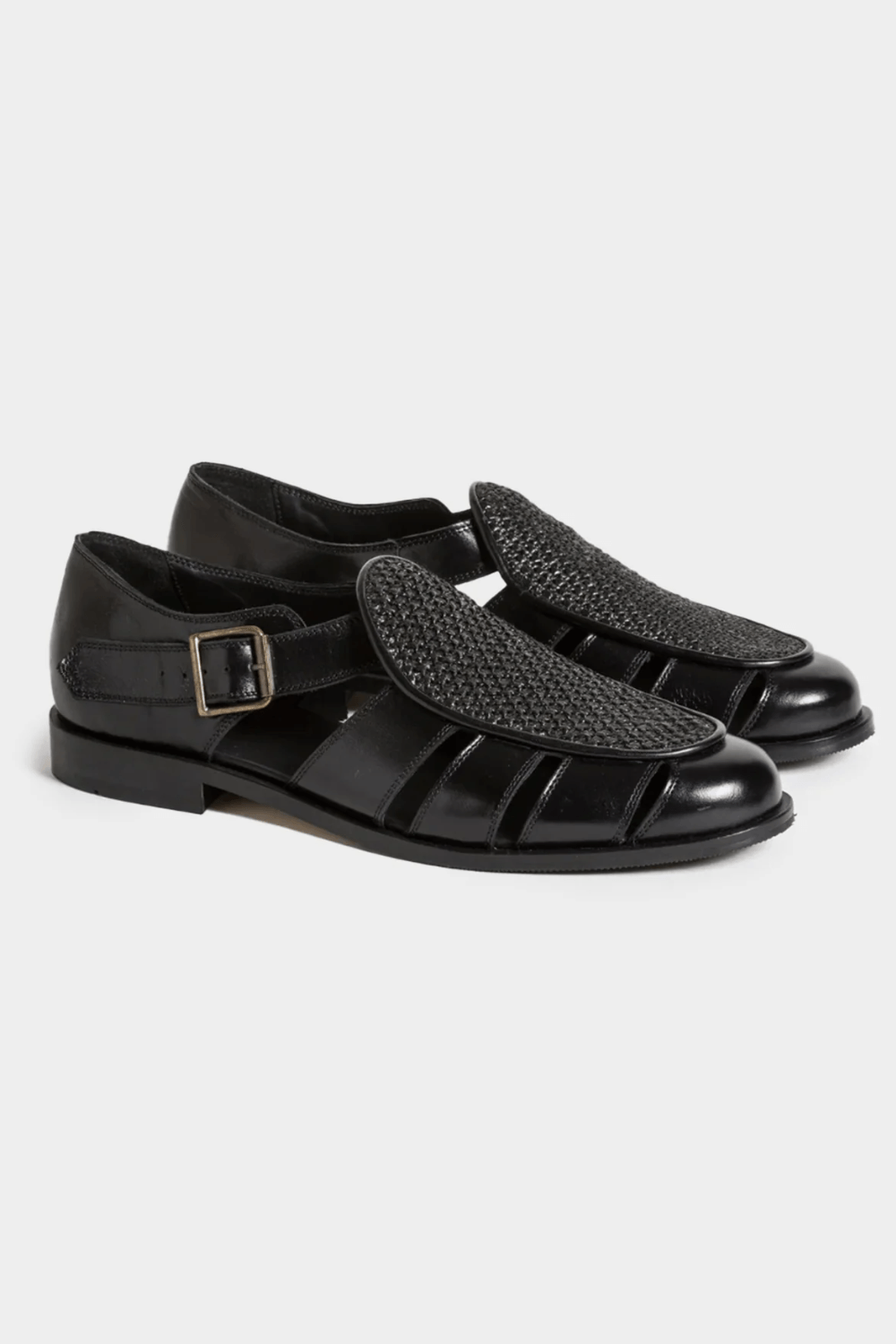
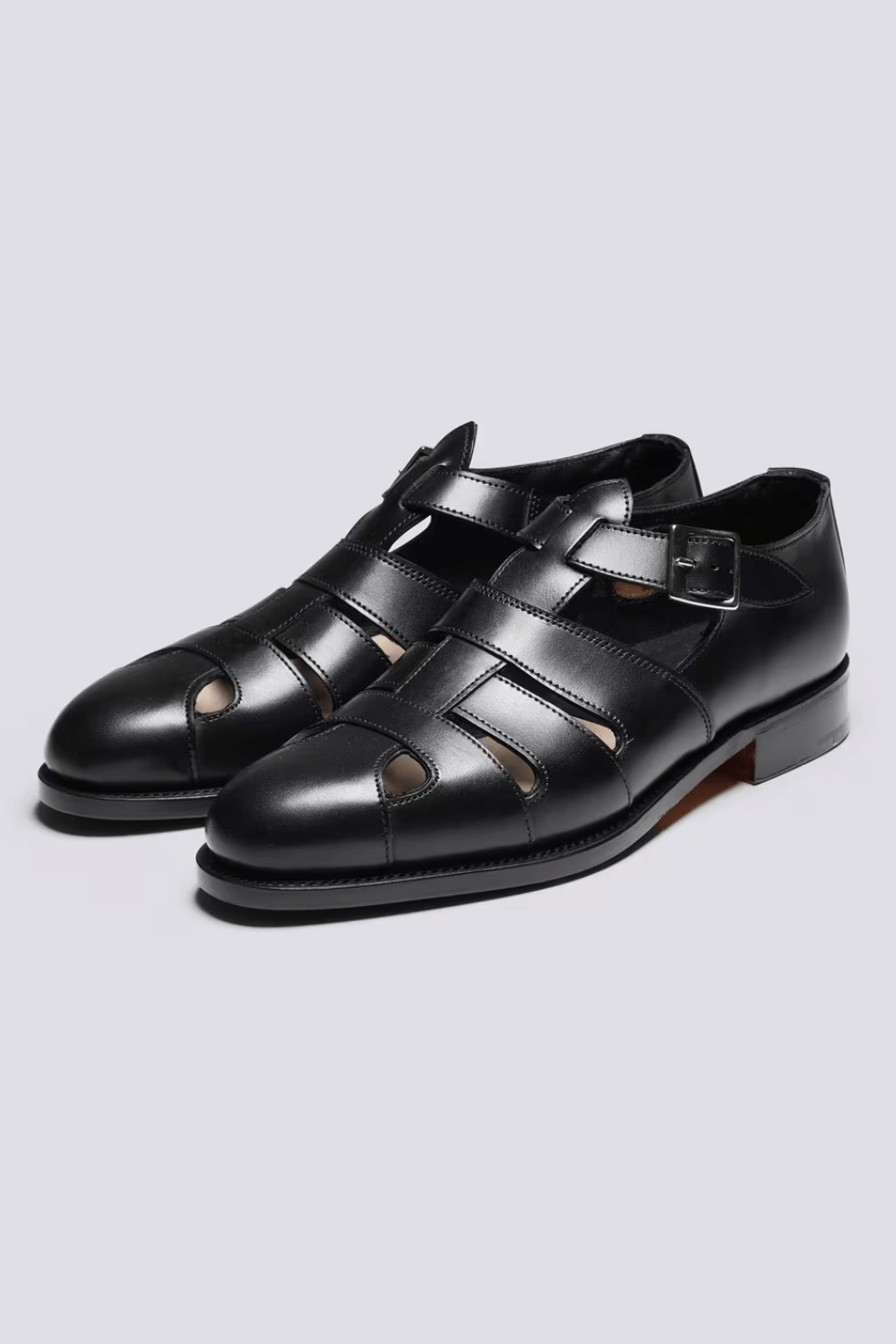
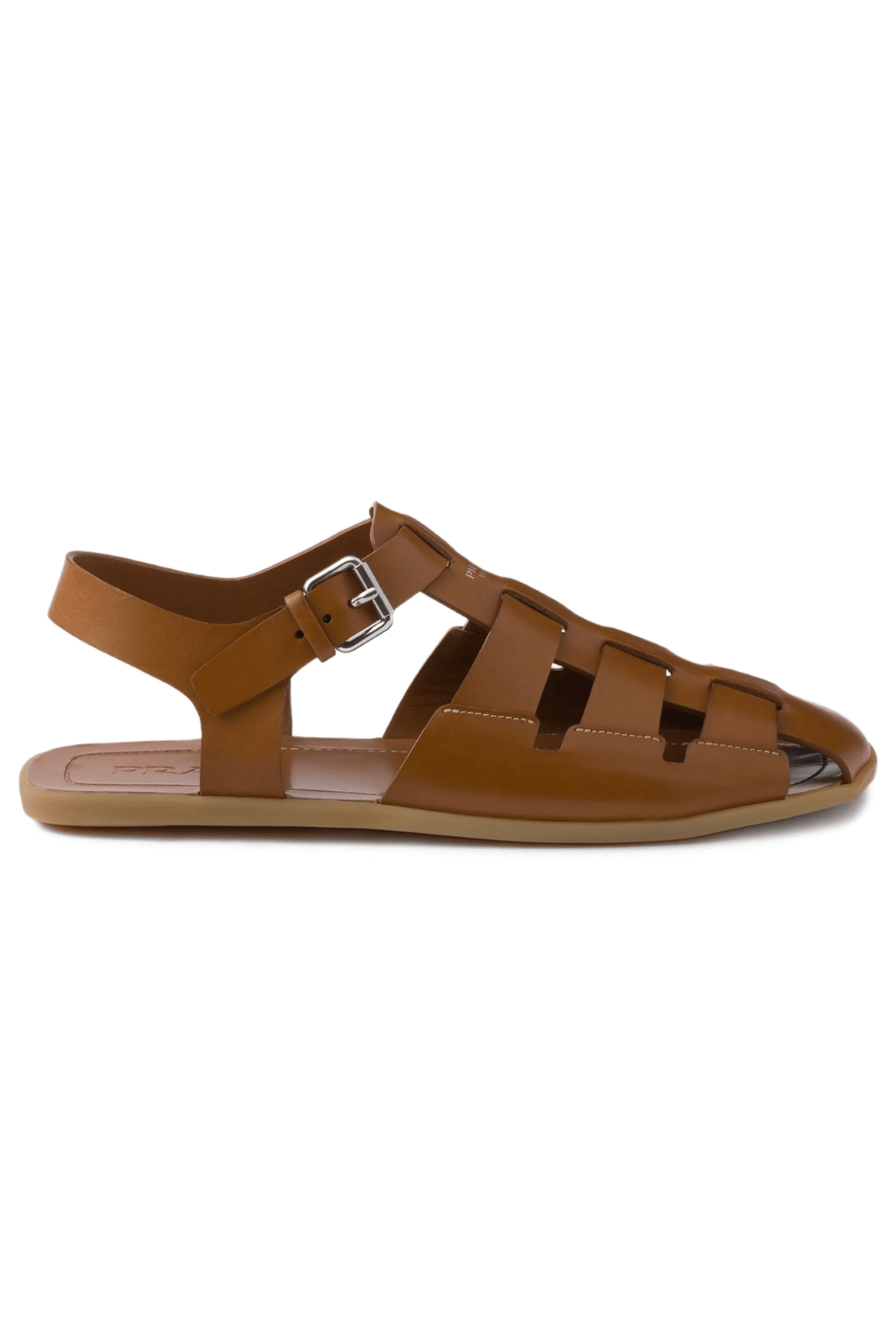
5. Fisherman Sandals
This is one of the most popular sandals right now.
As the name suggests, they were originally made for fishermen, and now they’re a fashion staple.
They come in open-toe and closed-toe versions. I prefer the closed-toe ones — they feel more refined and more secure.
COS
Leather Fisherman Sandals
$85 $170
COS
Jacques Solovière
Franck Raffia Fisherman Sandal
$320
Todd Snyder
Grenson
Fisherman Sandals
$497 $710
Grenson
Prada
Leather Fisherman Sandals
$1,120
Prada
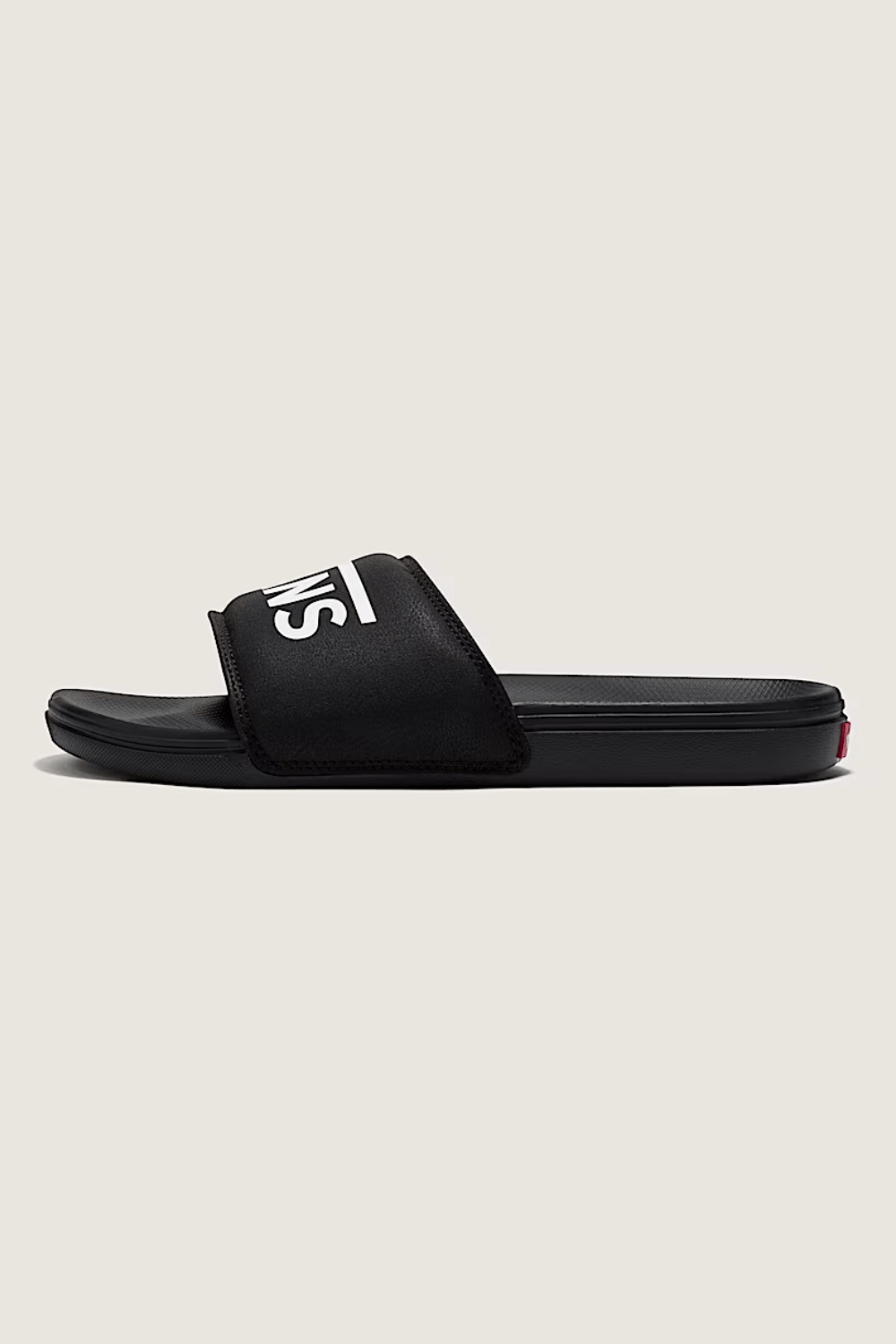
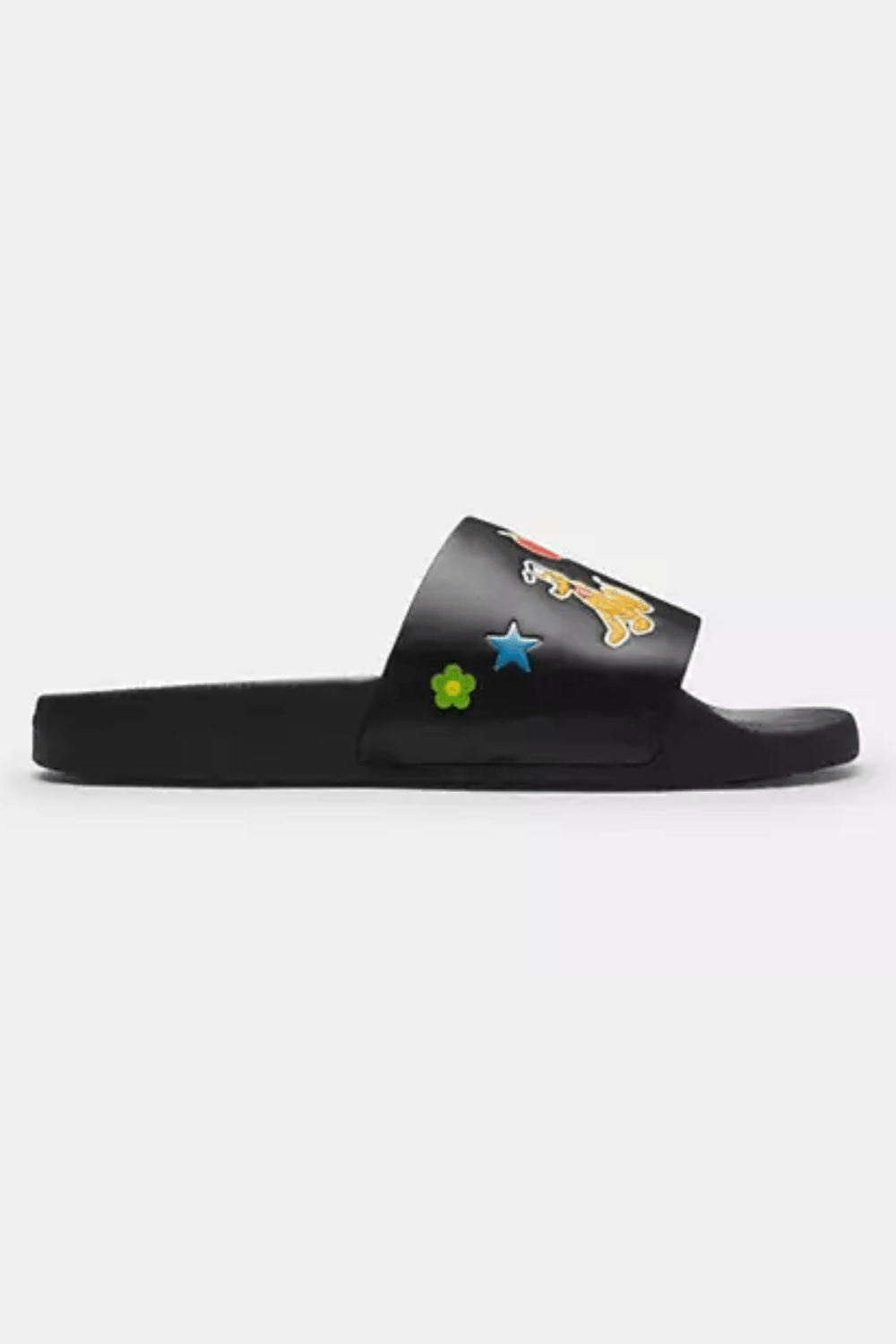
6. Slides and Flip-Flops
Some people say you shouldn’t wear slides outside your house. If that’s the case, you need better slides.
Modern slides aren’t just house shoes anymore — they can be perfectly styled with casual everyday outfits.
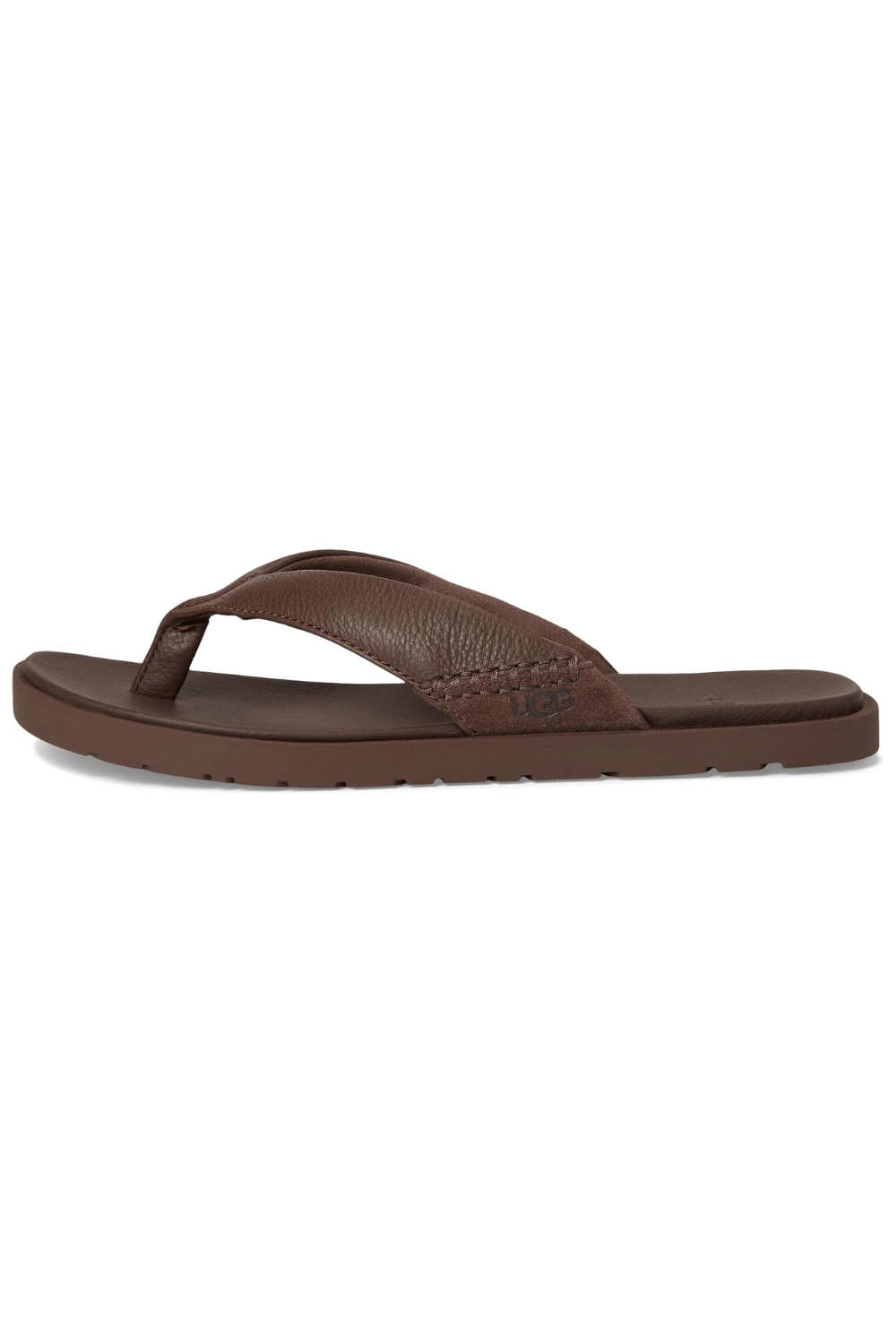
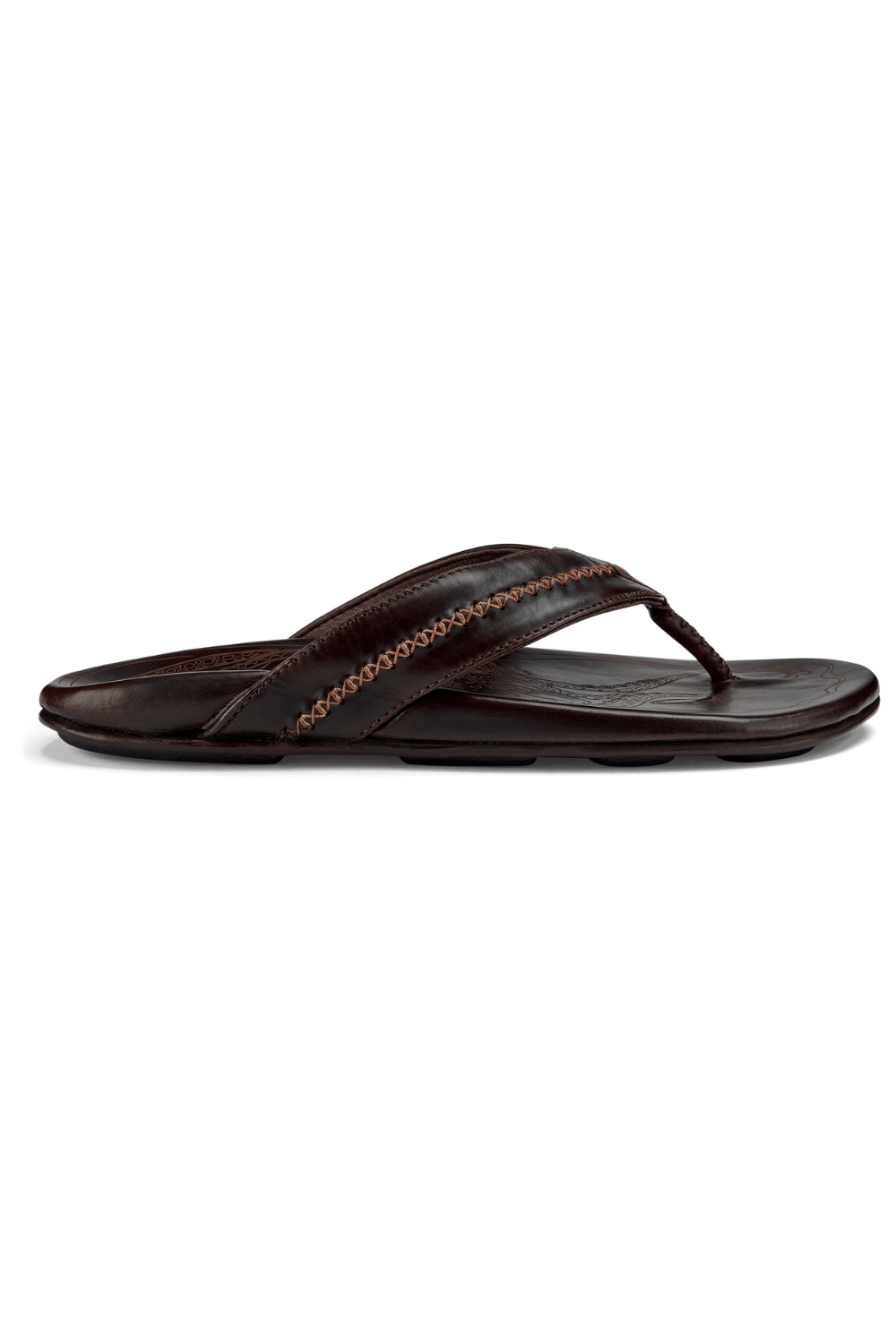
As for flip-flops, they are a whole thing right now. They even showed up on Paris runways this year.
Of course, I’m not encouraging you to wear them with suits or to the office. But for everyday wear, like running errands? Totally fine.
Vans
La Costa Slide
$35
Vans
Coach
Disney X Coach Slide
$95
Coach
Ugg
Seaside II Flip Flop
$90
Zappos
OluKai
Mea Ola Flip-Flops
$140
REI
VIII. Active and Outdoor Shoes
The active & outdoor category is more function-focused than fashion-focused.
We’re talking about shoes for:
Hiking and camping trips
Gym workouts and athletic training
Trail running and outdoor sports
Work that requires durable boots
You don’t compromise here — the right shoes improve performance and, more importantly, help prevent injury.
1. Hiking Boots
These are specifically made for hiking. They provide solid ankle support and protection.
Can you wear them every day? Yes, but really only for casual wear. And they’re not very everyday-friendly, because they’re heavier and stiffer. Not quite comfortable or flexible.
Hiking boots can be made of leather, which is more durable and water-resistant, or synthetic, which is lighter and dries faster.
The cut also varies. Typical options include high-cut, mid-cut, and low-cut. Choose:
High-cut boots for challenging trails or when carrying heavy packs
Mid-cuts for moderate trails
Low-cuts for easy, well-maintained trails
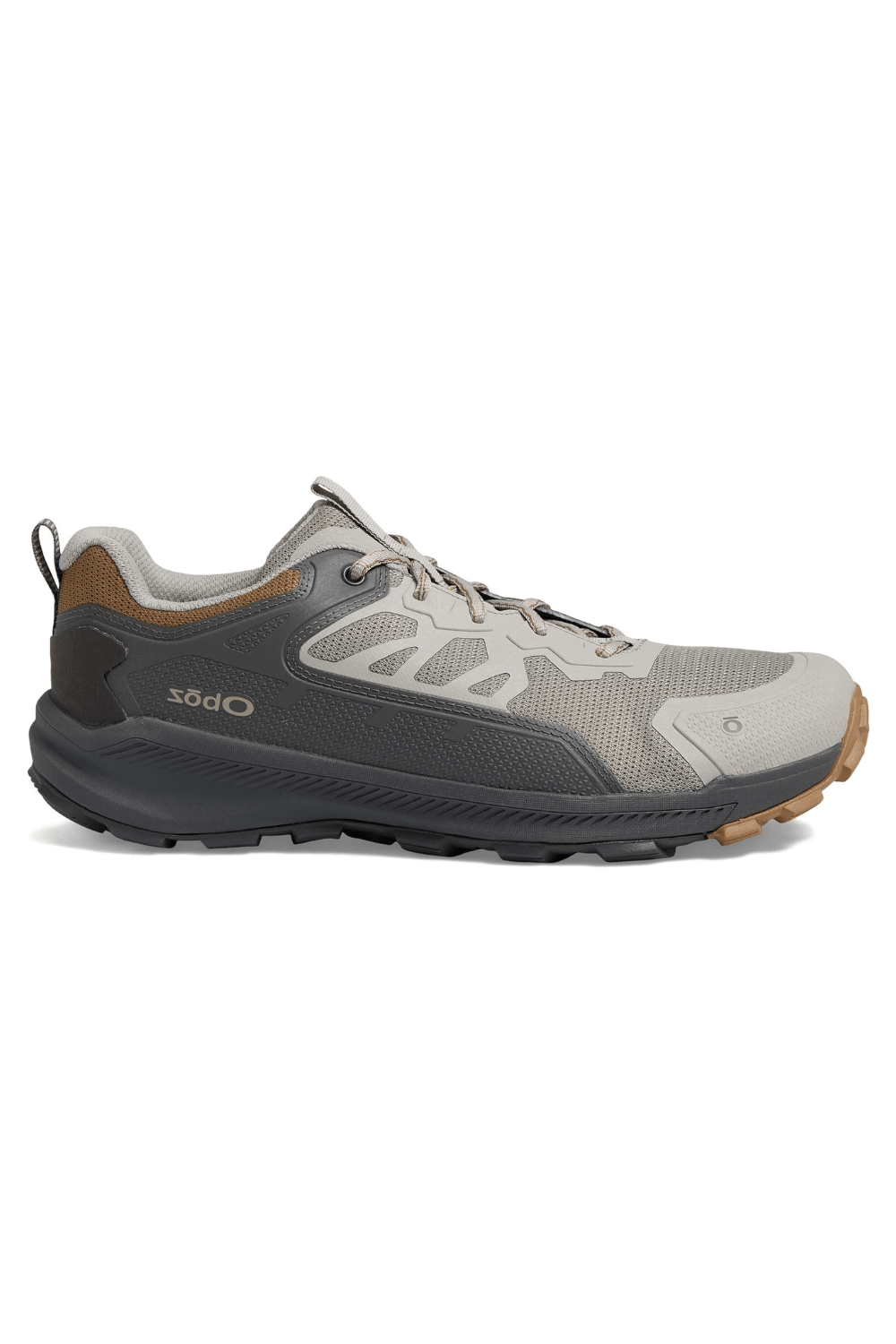
Oboz
Katabatic Low Hiking Shoes
$145
Zappos
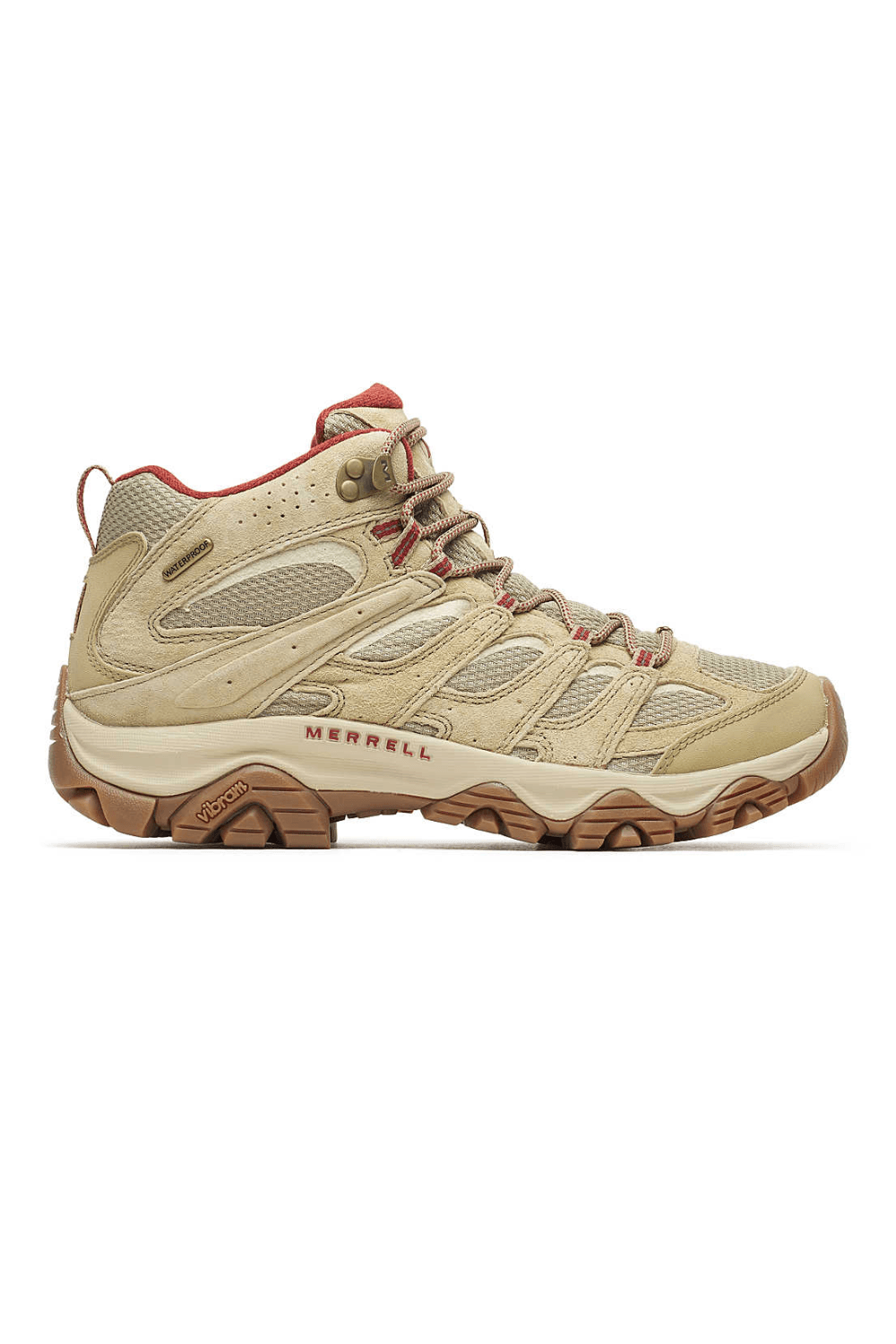
Merrell
Moab 3 Mid Hiking Boot
$170
Merrell
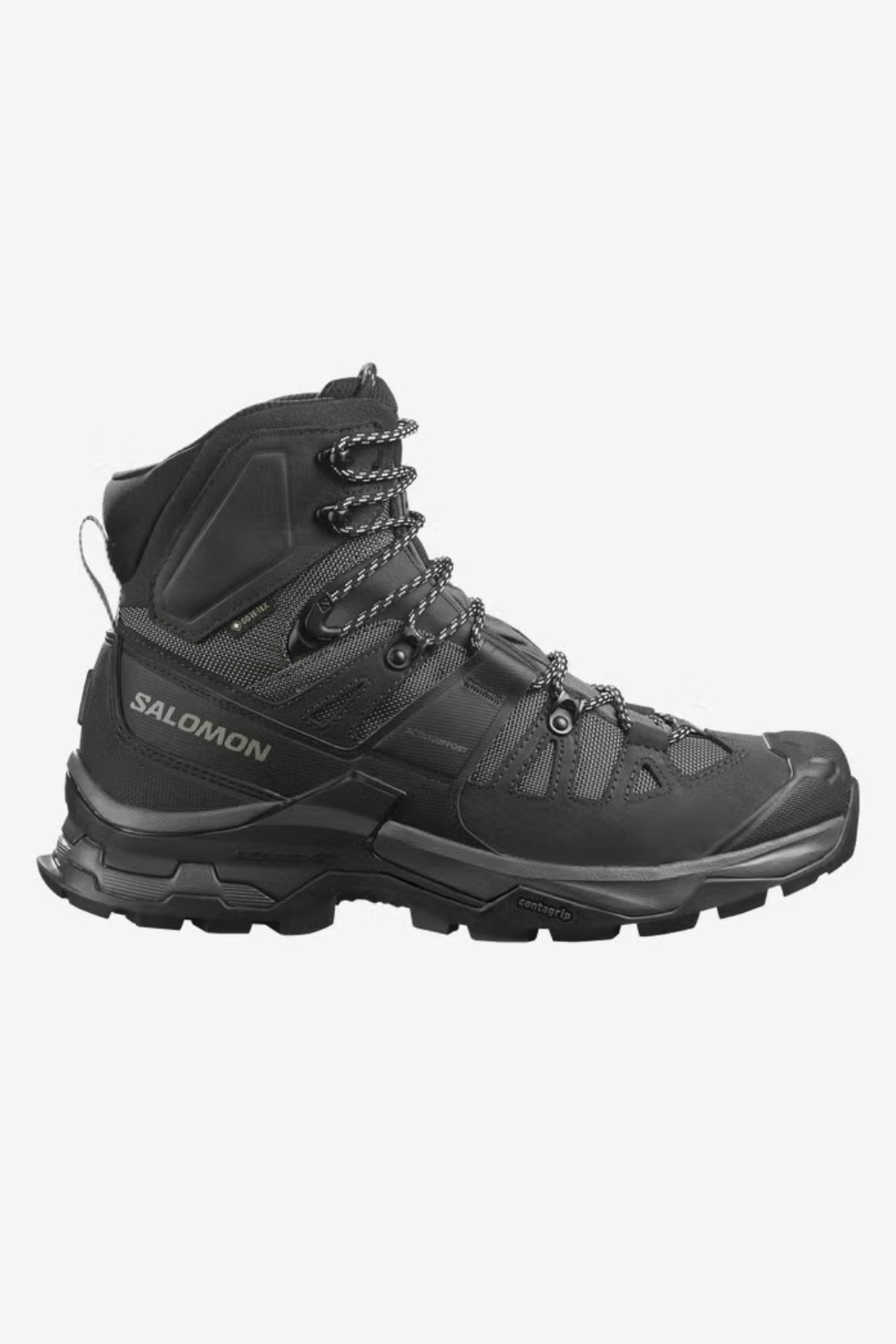
Salomon
Quest 4 Gore-Tex Hiking Boot
$230
Salomon
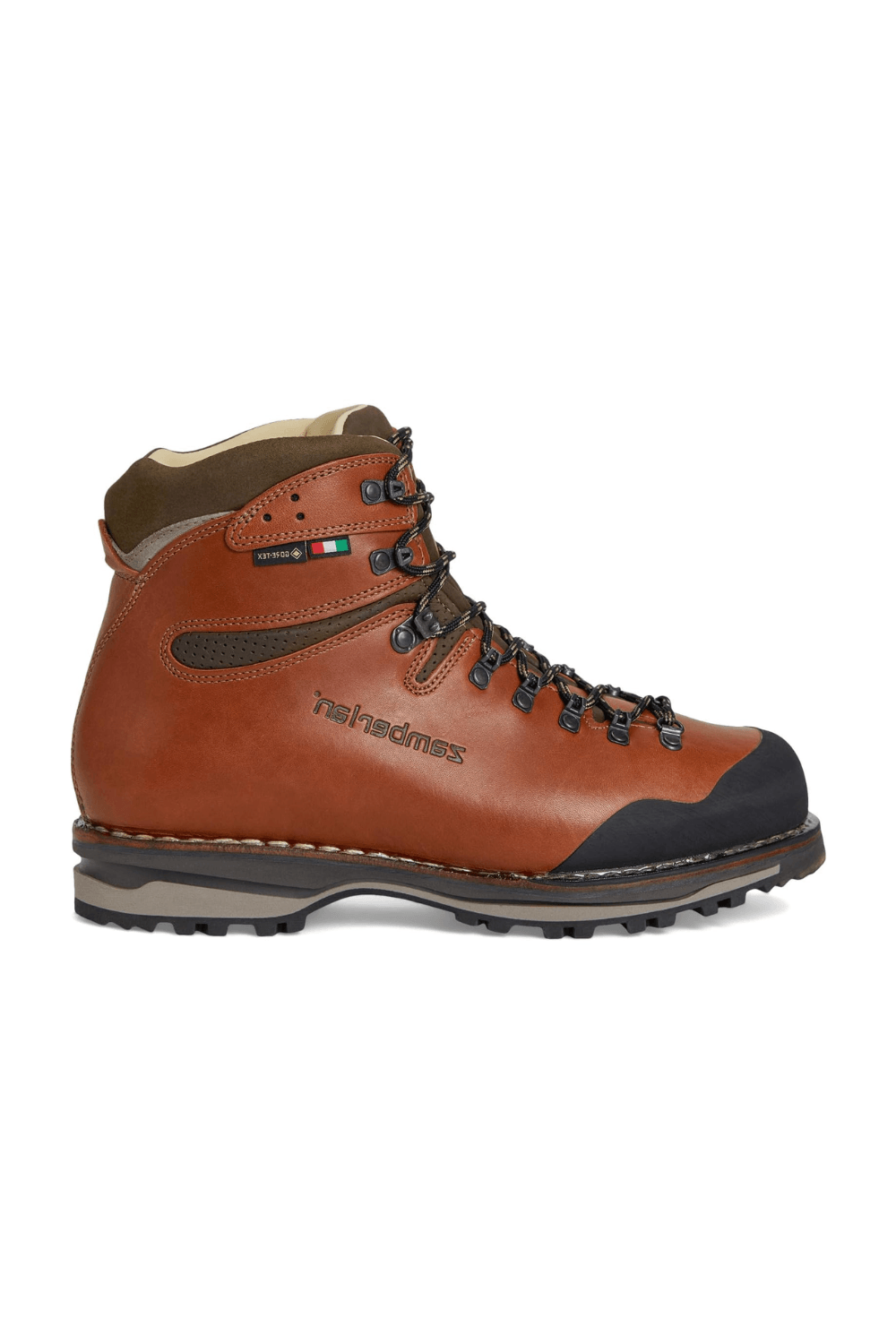
Zamberlan
Tofane NW GTX RR Hiking Boot
$485 $525
Zappos
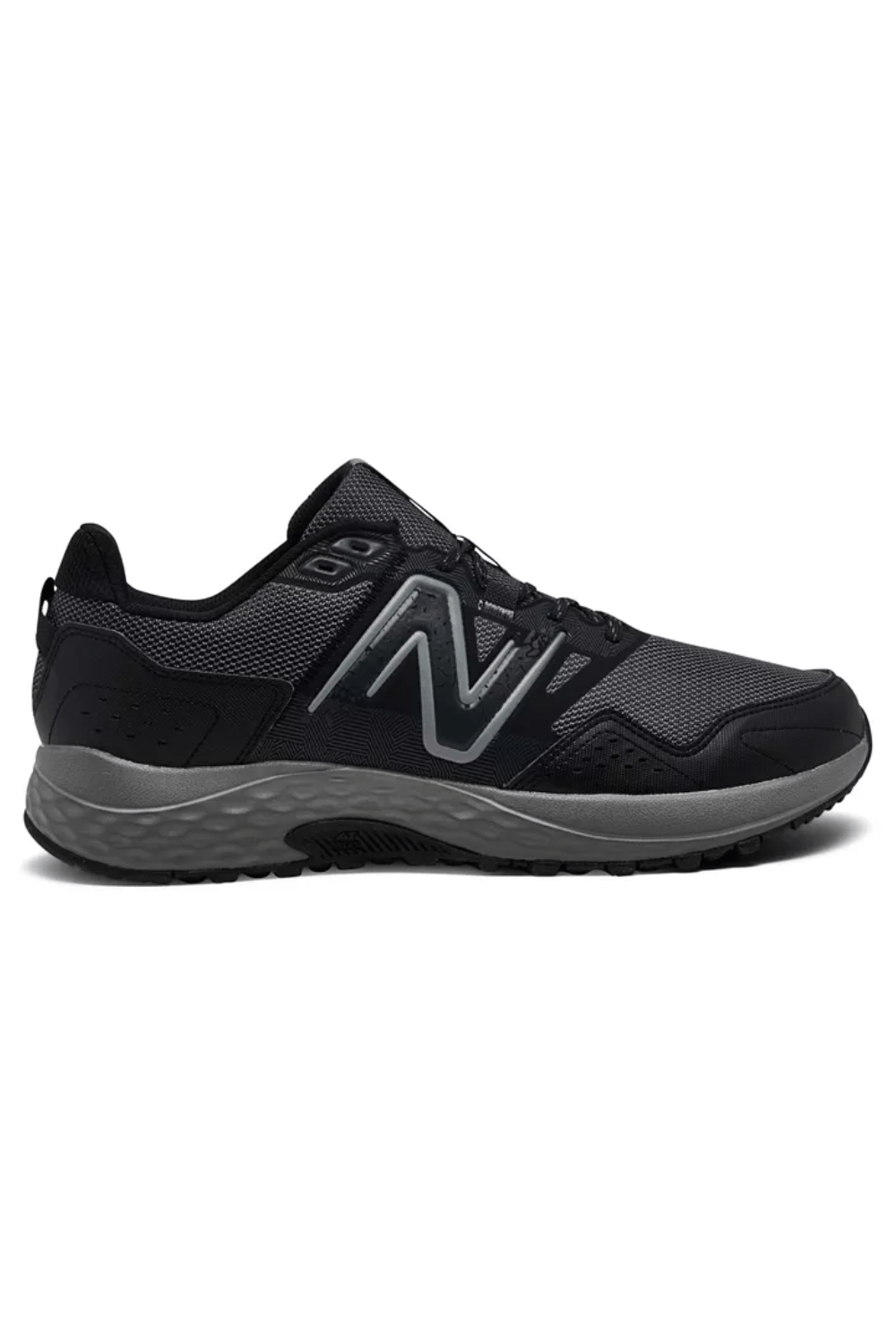
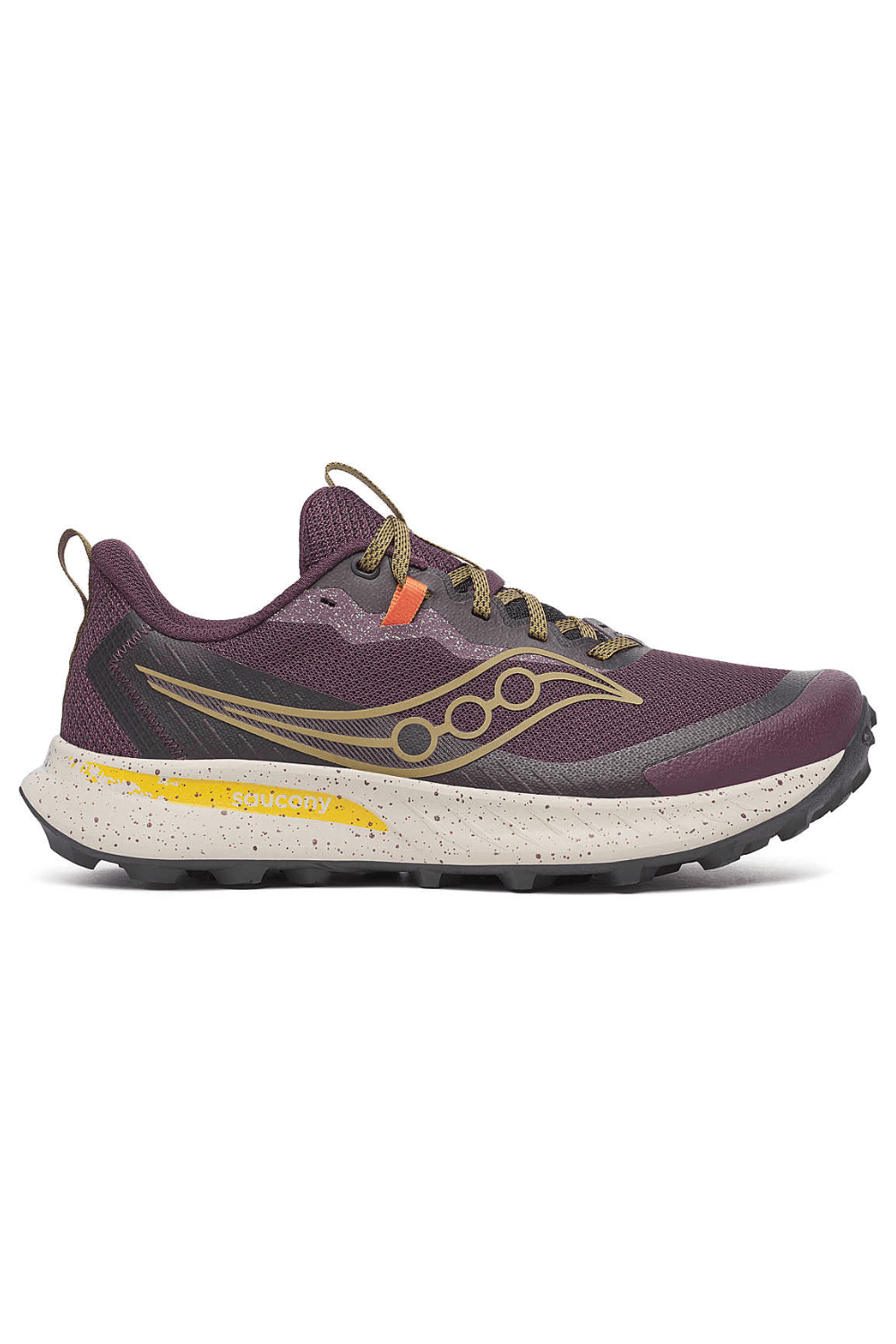
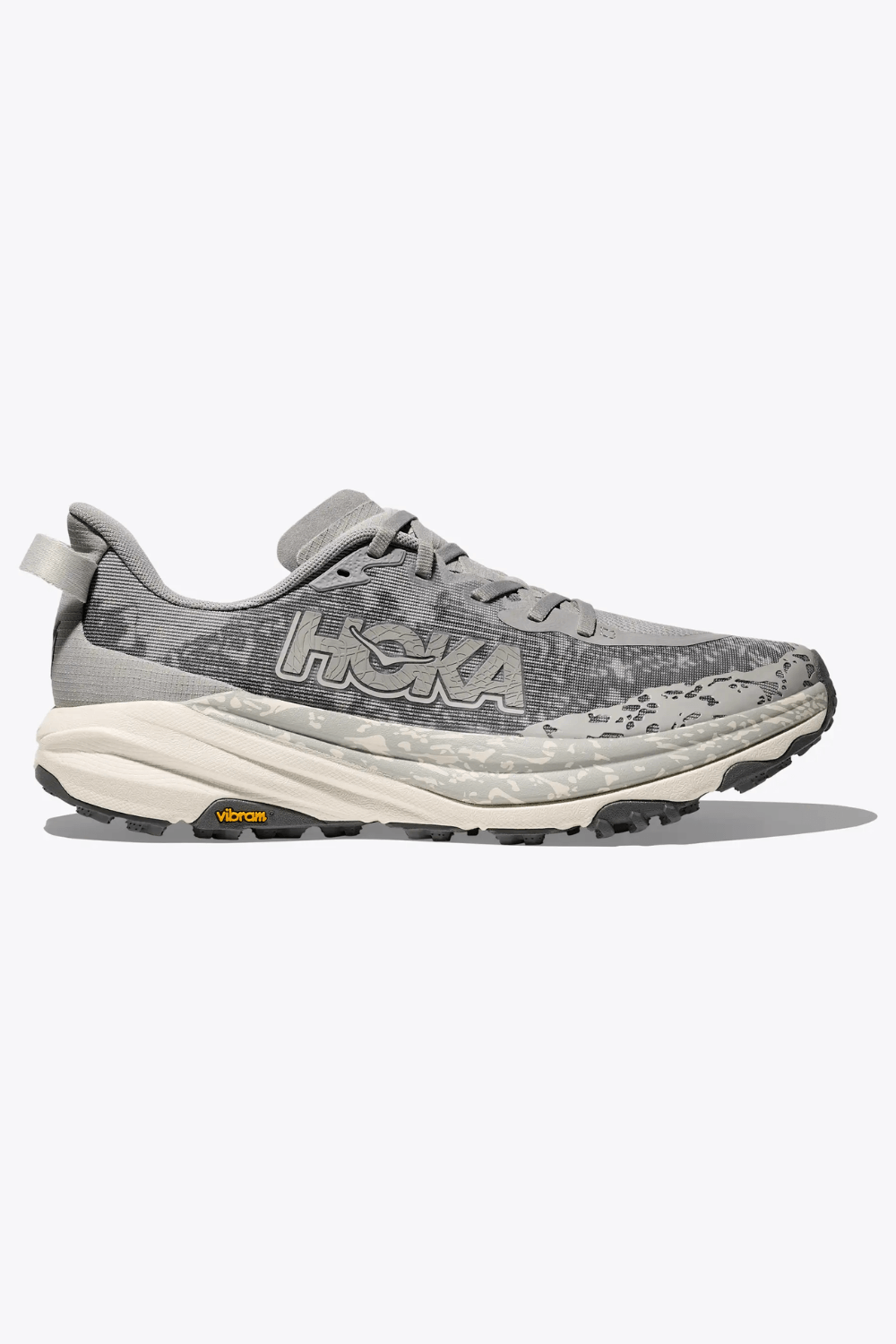
2. Trail Runners
Trail Runners are lightweight alternatives to hiking boots.
They sacrifice some ankle support for speed and agility.
They work well for:
Trail running (obviously)
Fast-paced hiking on maintained trails
Hiking without backpacking or ultra-light backpacking
New Balance
410 V8 Trail Running Sneakers
$65
Macy’s
Saucony
Peregrine 15 Trail Running Shoe
$109 $145
Saucony
HOKA
Speedgoat 6 Trail Running Shoe
$124 $155
Hoka
norda
001A Trail-Running Shoes
$295
REI
3. Training Shoes
These sneakers are often mixed up.
You might’ve seen people wearing running shoes for weightlifting. Beyond being inappropriate for the gym, it can actually be dangerous.
Running shoes prioritize cushioning and forward motion, while weightlifting shoes have flat, stable soles for balance and proper force transfer.
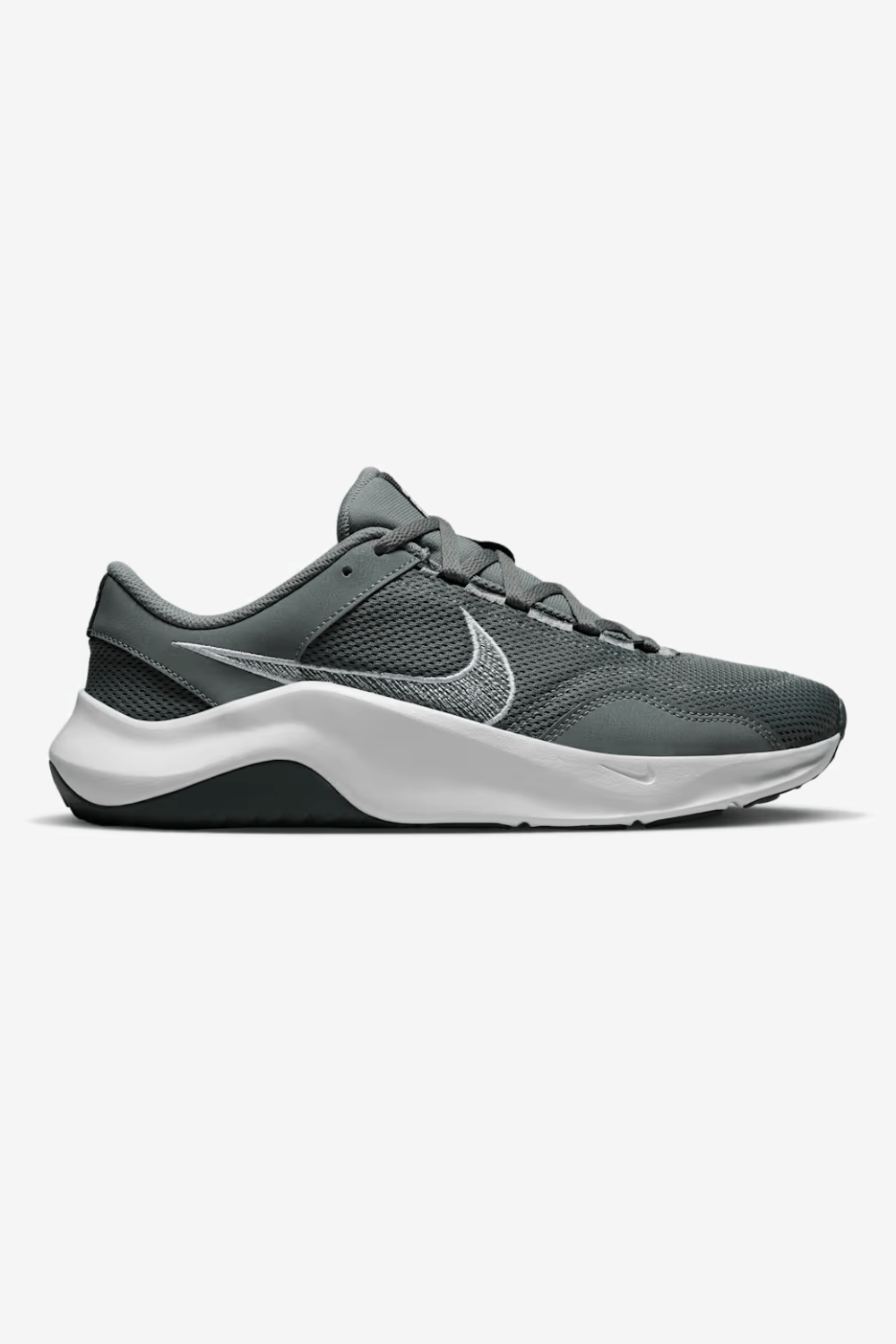
Are there multi-use training shoes? Yes — cross-training shoes.
Cross-training shoes are designed for versatility. They offer lateral support and stability for multi-directional movements like lifting, jumping, and agility training.
Nike
Legend Essential 3 Trainer
$39 $70
Nike
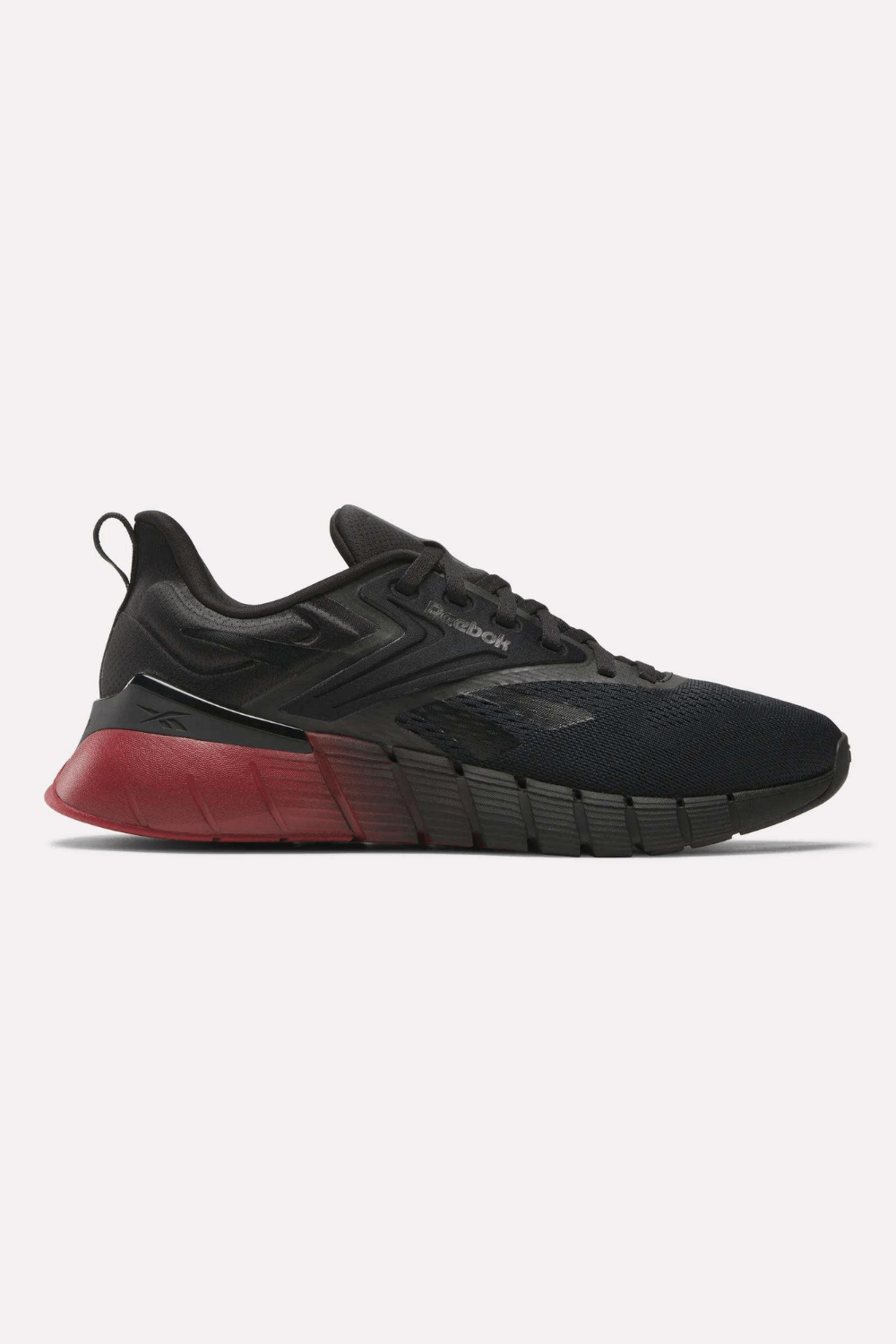
Reebok
Nano Cross-Training Shoes
$50 $75
Reebok
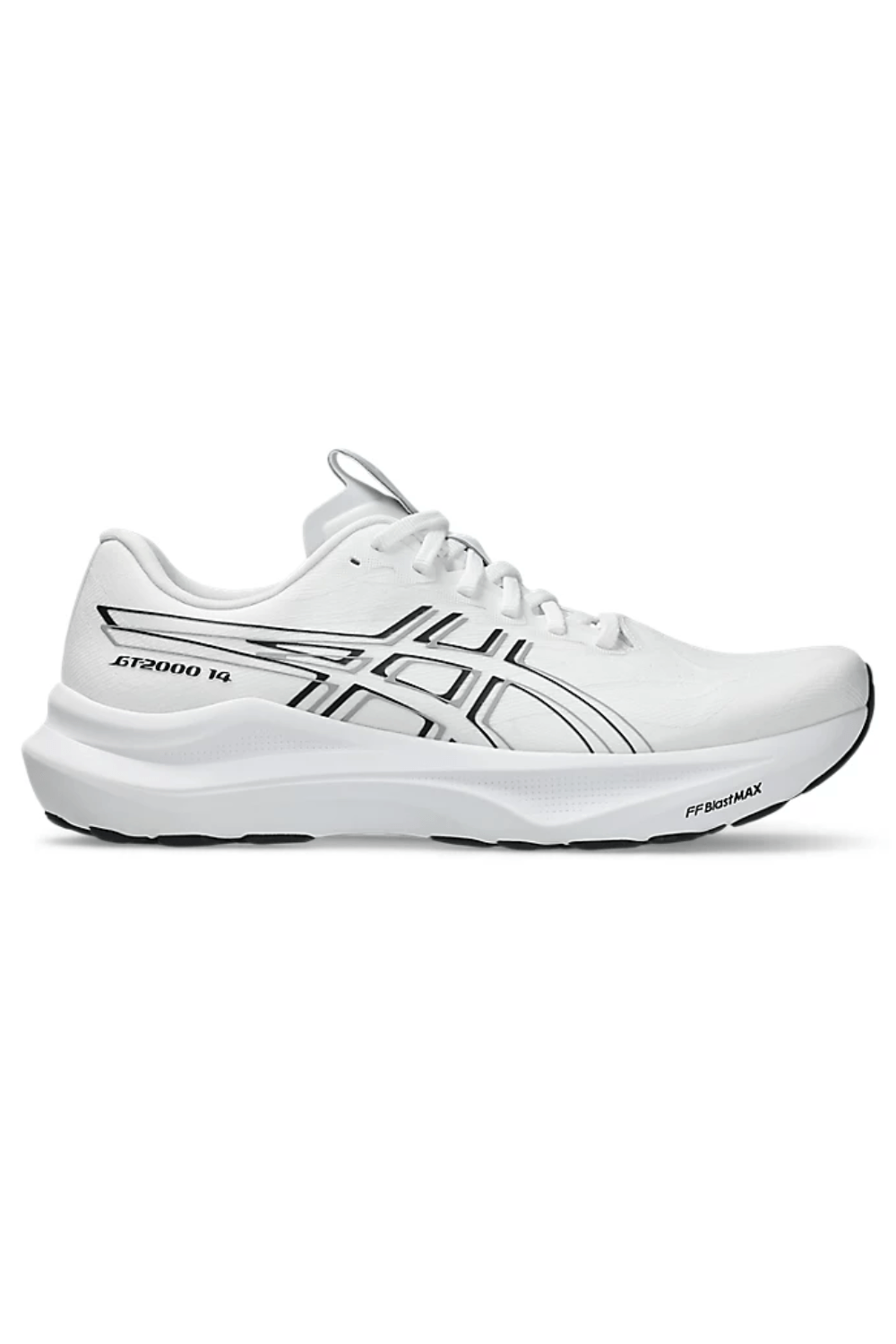
Asics
GT-2000 14 Running Shoes
$140
Asics
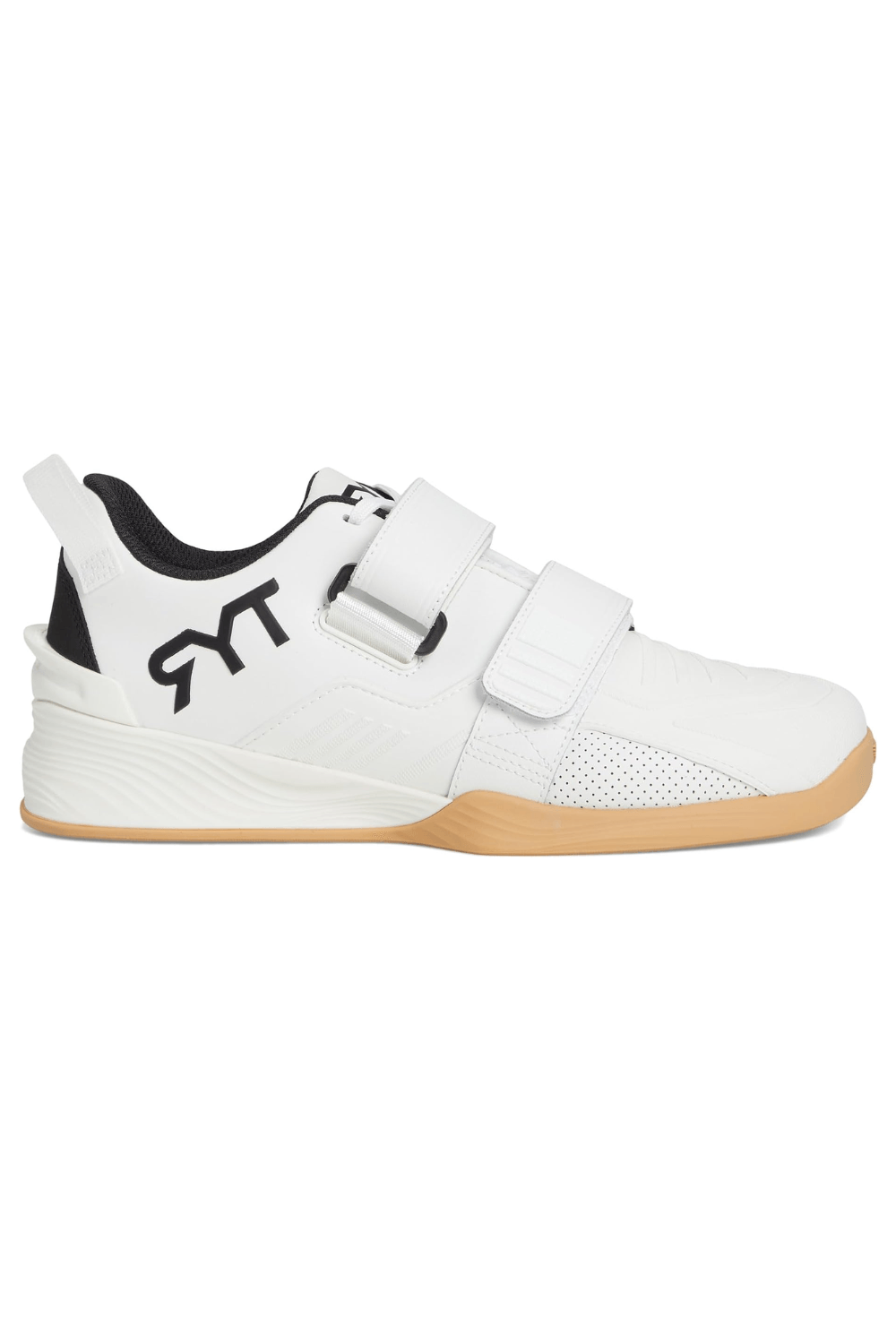
TYR
L-2 Lifter
$225
Zappos
4. Work Boots and Combat Boots
Both are seriously durable boots.
Work boots are made with protective, hard-wearing, and often waterproof materials.
They come in styles like logger, hiker, and roper, built for different trades such as construction, warehouse work, or forestry.
Combat boots are another type of heavy-duty footwear, originally designed for military use.
Today, people also wear combat boots for hiking, backpacking, construction, and other physically demanding environments.
They’ve also been adopted into fashion for their bold, edgy look, though they’re still best kept to casual wear.
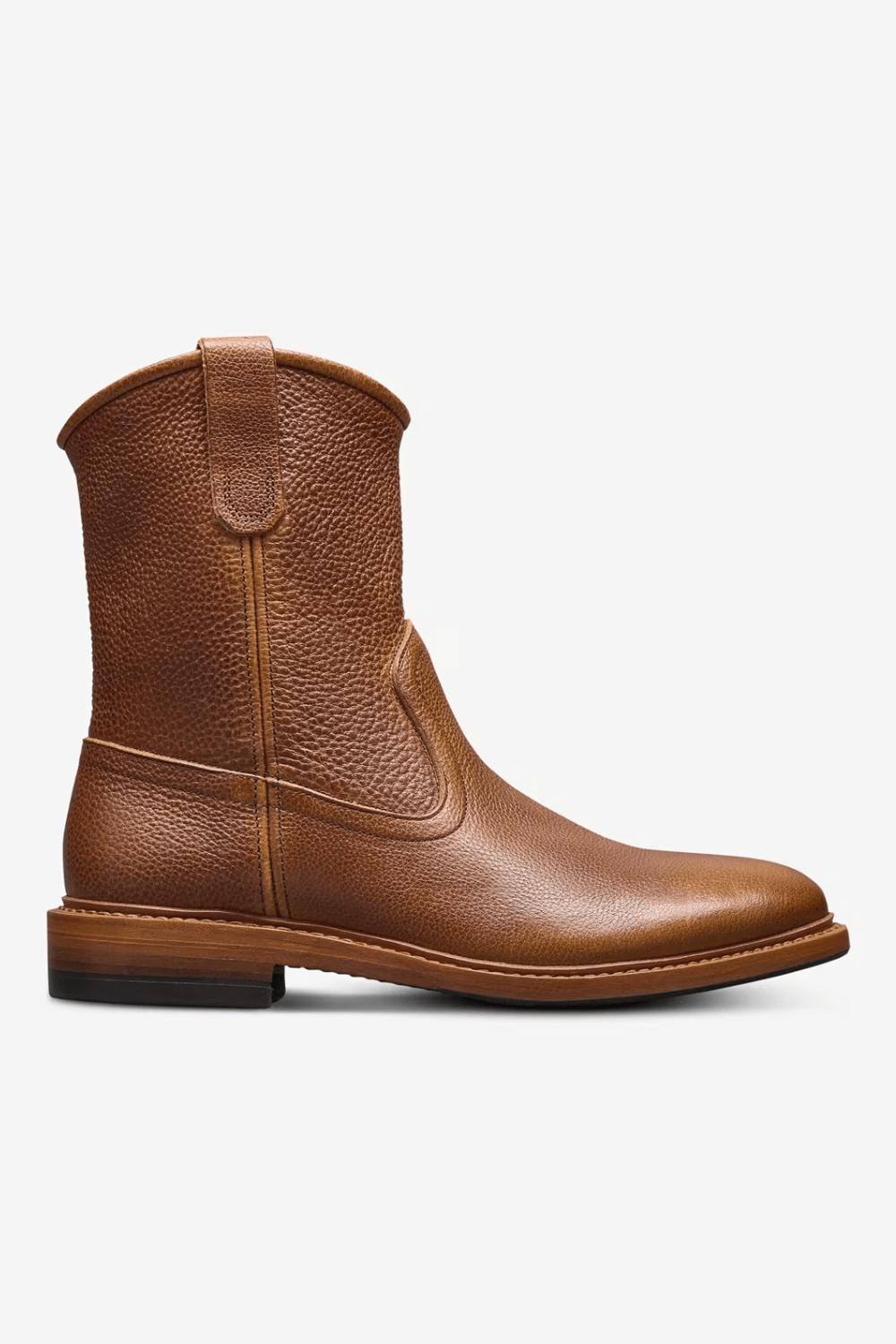
Allen Edmonds
Dallas Roper Low Boot
$343 $595
Allen Edmonds
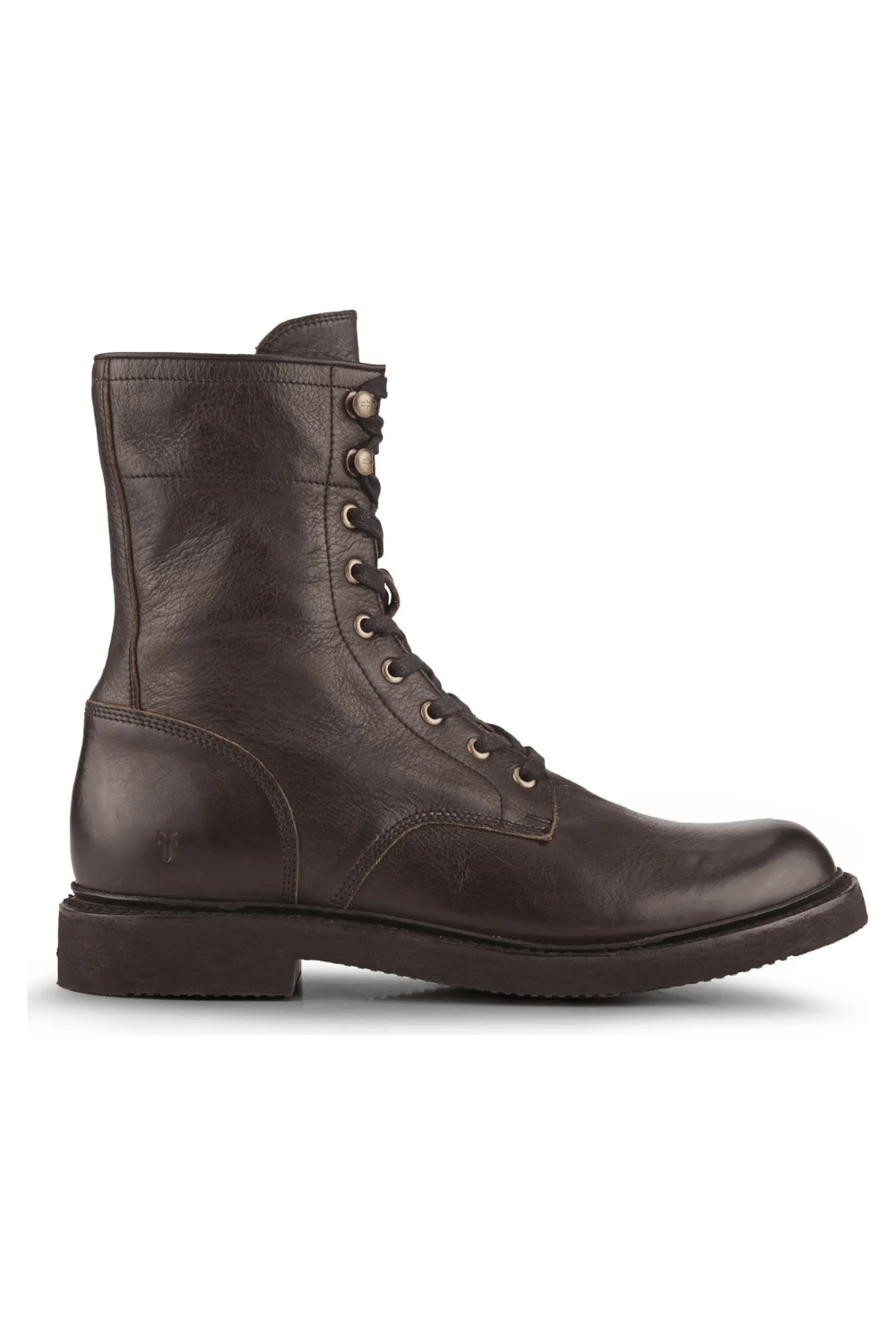
Frye
Dean Combat Boot
$243 $348
Nordstrom
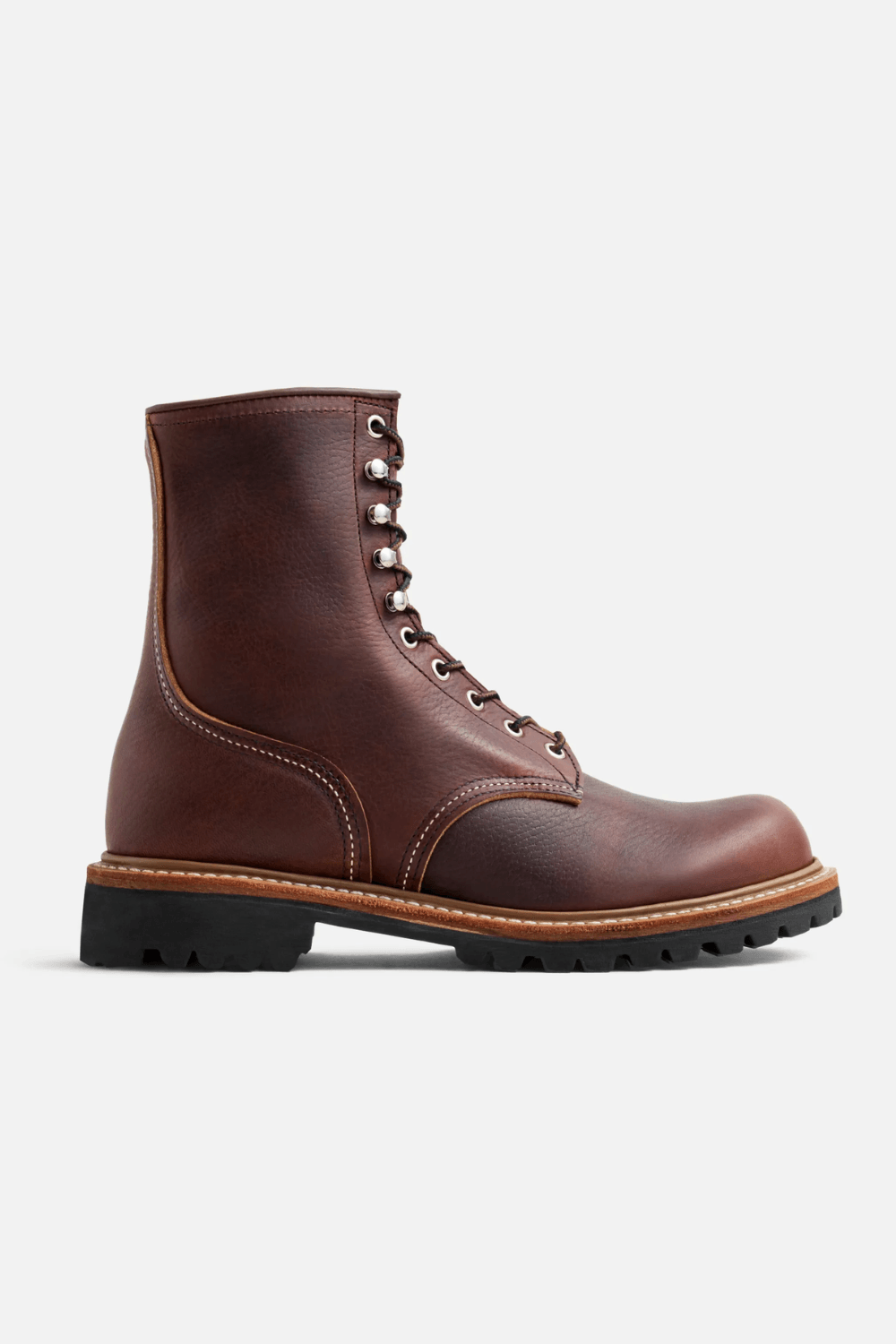
Red Wing
Leather Logger Boot
$370
Red Wing
Nicks Boots
Urban Drifter Work Boot
$629
Nicks Boots
Building Your Complete Shoe Wardrobe
Now that you understand the basics, and a lot of shoes, but that doesn’t mean you need all of them.
So let’s build a shoe wardrobe.
The Essential Starter Collection (5-7 pairs)
If you’re new to shoes, building from scratch, or trying to keep things minimal, start here:
Black cap-toe Oxfords (formal and business professional)
Black or dark brown leather loafers (semi-formal)
Suede Chelsea boots (business casual and smart casual)
Low-top sneakers (casual)
Athletic shoes (gym and activities)
Optional additions:
Dark brown or Oxblood Oxfords or Derbies (expands business professional options)
Chukka boots (versatile across business casual and smart casual)
This collection covers 90% of the situations most men actually run into.
The Well-Rounded Wardrobe (10-15 pairs)
If you’re expanding your shoe wardrobe:
Add variety within the categories you wear most often.
If you wear business casual daily, invest in multiple loafers, monk straps, and leather loafers.
If you’re mostly casual, expand your sneaker collection with different styles and colors.
And also think seasonally — suede boots for fall, canvas sneakers for summer, lighter colors when it’s warm.
The Enthusiast's Collection (15+ pairs)
At this point, this is less about “needs” and more about collecting.
You can invest in multiple options within each category — several Oxford styles in different colors, various types of loafers, and a full boot rotation.
This is also where you start exploring niche styles: brogued boots, suede loafers in different colors.
Or you go deeper into craftsmanship and start investing in high-end or artisan brands.
Conclusion
You now have a framework for choosing the right shoes for any occasion.
Key takeaways:
Start with the essentials that cover your most common scenarios
Build your shoe wardrobe based on your lifestyle
Invest in quality shoes — quality over quantity
Your everyday shoes deserve better quality than the ones you’ll wear only twice a year
Always choose shoes that fit the occasion
Now, go ahead and start building your perfect shoe collection.
Some of the links on this page are affiliate links. This means if you click and make a purchase, we may earn a small commission at no extra cost to you. We only recommend products we genuinely like and think you’ll enjoy.